Importance of Panchami in Krishna Paksha in Pausha
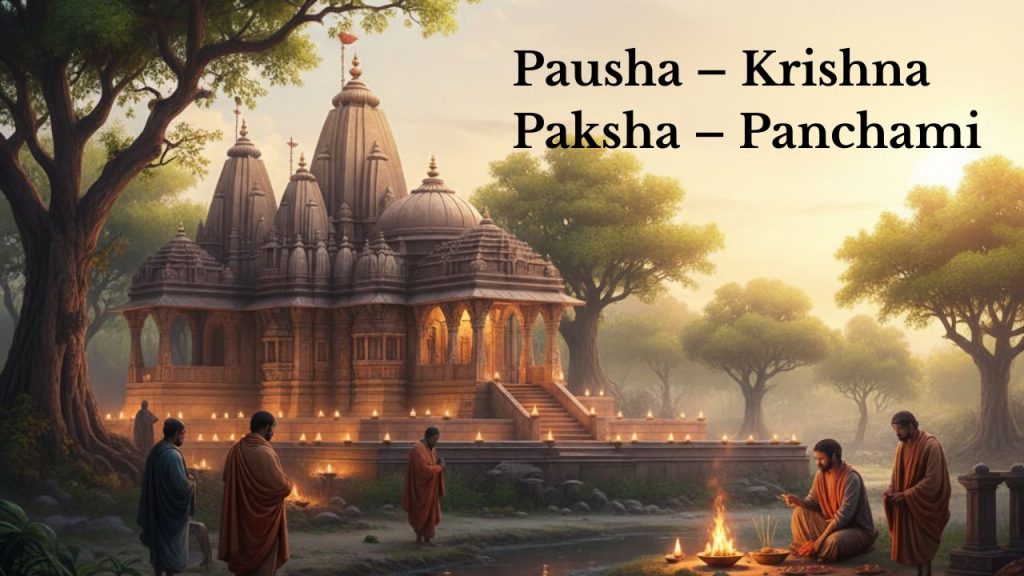
Panchami, the fifth day in the Hindu lunar calendar, holds special significance, especially during the Krishna Paksha, the waning phase of the moon. Each day in the lunar calendar carries its own spiritual and cultural importance, and Panchami stands out for its association with devotion, reflection, and ritual observances. By understanding Panchami, one can better appreciate how lunar cycles influence spiritual practices and daily life.
Krishna Paksha represents a period when the moon gradually diminishes in size, symbolizing introspection, release, and spiritual cleansing. Panchami in this phase is considered a time to focus on inner growth and self-discipline. The placement of Panchami in the month of Pausha, which generally falls between December and January, aligns with the natural rhythm of the year. Pausha is a period marked by calmness, cool weather, and the preparation of agricultural cycles, making it an ideal time for devotion and reflection.
Lunar phases are central to Hindu rituals, as they are believed to influence energy patterns, mood, and spiritual receptivity. Panchami, in particular, encourages mindfulness and dedication to both personal growth and communal worship. The spiritual and cultural relevance of this day extends beyond mere ritual observance. It serves as a reminder of the cyclical nature of time and the importance of maintaining harmony with cosmic rhythms. Observing Panchami allows individuals to connect with age-old traditions while fostering a sense of peace, balance, and purpose.
Meaning of “Panchami” in the Hindu lunar calendar
Panchami literally translates to “the fifth day,” denoting its sequence in the lunar fortnight. In Hindu culture, each day of the lunar calendar, or tithi, carries distinct energies and attributes. Panchami is associated with wisdom, discipline, and spiritual focus. It is believed that performing rituals on this day brings mental clarity and enhances devotion. Panchami is not just a day to mark on the calendar but a time to attune oneself to the spiritual rhythms of nature.
The significance of Panchami goes beyond its numerical value. It embodies a period for reflection, learning, and disciplined action. Devotees often engage in spiritual practices such as meditation, recitation of sacred mantras, and offerings to deities. By observing Panchami, individuals participate in a tradition that has been nurtured for centuries. The day encourages cultivating virtues such as patience, mindfulness, and humility, making it an essential element of spiritual life.
Definition of Krishna Paksha (waning moon phase)
Krishna Paksha, or the waning moon phase, is the second half of the lunar month, starting after the full moon and ending with Amavasya, the new moon. This phase is symbolic of release, introspection, and spiritual purification. During Krishna Paksha, energy is oriented inward, making it an ideal period for reflection, penance, and devotional activities. Panchami, occurring in this phase, carries these energies, allowing devotees to harness the benefits of spiritual introspection.
This phase is considered auspicious for resolving inner conflicts, performing penance, and engaging in spiritual practices that encourage growth. The diminishing moon symbolizes detachment from materialism and worldly distractions. By aligning one’s actions with the natural rhythms of Krishna Paksha, Panchami becomes more than just a date; it becomes a portal for transformation and spiritual alignment. Observing rituals on this day enhances spiritual focus and allows for a more profound connection with cosmic energies.
Placement of Panchami in the month of Pausha (December–January)
Pausa, one of the months in the Hindu calendar, corresponds to December–January in the Gregorian system. Panchami falling in this month is significant because Pausha itself is a spiritually charged period. The cold and tranquil atmosphere encourages introspection, devotion, and ritual observances. Pausha Panchami is distinguished by unique spiritual energies that complement the introspective nature of Krishna Paksha.
During this month, devotees engage in heightened spiritual activities, including meditation, temple visits, and charitable deeds. The alignment of Panchami with Pausha emphasizes the importance of combining external rituals with inner reflection. Observing Panchami during this month allows devotees to connect with seasonal rhythms, fostering both spiritual and cultural enrichment.
Importance of lunar phases in Hindu rituals
Hindu rituals are intricately linked with lunar phases because the moon influences energy, emotions, and spiritual receptivity. Each phase of the moon, from Amavasya to Purnima, has distinct characteristics that guide the type of rituals performed. The waning moon, Krishna Paksha, promotes introspection, cleansing, and the removal of negativity. Panchami within this phase is ideally suited for devotional practices, fasting, and prayer, enhancing spiritual focus.
By observing lunar rhythms, devotees synchronize their actions with cosmic patterns, amplifying the impact of their prayers and rituals. Lunar awareness encourages mindfulness, patience, and balance, helping individuals cultivate a holistic approach to spiritual life. Panchami, therefore, is not just a day of ritual but a moment to attune oneself with the larger cosmic order.
Overview of Panchami’s spiritual and cultural relevance
Panchami holds significant spiritual, cultural, and social importance. Spiritually, it is a day for devotion, reflection, and personal growth. Culturally, it is associated with festivals, community rituals, and regional practices that strengthen social cohesion. Panchami encourages acts of charity, devotion to deities, and meditation, fostering inner peace.
Culturally, the day is celebrated with local customs, including special prayers, community gatherings, and preparation of traditional foods. Observing Panchami allows communities to honor traditions while maintaining a connection to their heritage. Spiritually, it is a reminder to cultivate virtue, discipline, and mindfulness. Overall, Panchami is a holistic observance that nurtures both individual and communal well-being, blending tradition with purpose.
Significance of Krishna Paksha
Krishna Paksha, the waning moon period, is considered a time for reflection, spiritual cleansing, and preparation for renewal. Observing Panchami within this period enhances the benefits of introspection and devotion. The waning phase is characterized by a reduction in attachment to materialistic concerns, a letting go of negativity, and a focus on spiritual growth.
During Krishna Paksha, energy moves inward, promoting meditation, prayer, and self-discipline. Panchami becomes a focal point to align with these energies, enabling profound spiritual experiences. The historical significance of Krishna Paksha is evident in ancient scriptures, which encourage rituals that honor deities, ancestors, and natural forces. The energy during this phase supports inner purification, making it ideal for fasting, prayer, and reflection.
Understanding the waning moon and its symbolism
The waning moon symbolizes detachment, introspection, and the gradual dissolution of ego and attachments. It is a period to review one’s actions, correct mistakes, and align with dharma, the moral path. Observing Panchami during this phase allows devotees to harness these energies to foster discipline, self-awareness, and spiritual clarity.
The diminishing light of the moon mirrors the inner journey of letting go of worldly distractions. Symbolically, the waning moon encourages shedding negative thoughts and behaviors, cultivating a sense of calm and purpose. Panchami serves as a reminder that spiritual growth often requires reflection and detachment, aligning inner life with cosmic rhythms.
Spiritual impact of observing rituals during Krishna Paksha
Performing rituals during Krishna Paksha is believed to magnify spiritual benefits. Devotional activities like prayers, meditation, and offerings are more effective during this phase, helping cleanse the mind and soul. Panchami rituals enable individuals to connect deeply with deities, seek blessings, and strengthen spiritual resolve.
Fasting, mantra recitation, and meditation during Krishna Paksha enhance focus and discipline. The inward energy of the moon amplifies the effects of these practices, making them powerful tools for transformation. Regular observance of Panchami rituals supports spiritual growth, emotional balance, and mindfulness, guiding devotees toward a life of virtue and harmony.
Panchami’s role in the lunar cycle
Panchami plays a vital role in the lunar cycle as the fifth day of the Krishna Paksha. It is a period that bridges the initial introspective days of the waning moon with the later stages of deep reflection leading up to Amavasya. Panchami encourages engagement with spiritual practices, preparation for rituals, and focus on self-purification.
The positioning of Panchami helps establish a rhythm for devotees, reminding them to stay disciplined and spiritually aware. By aligning activities with Panchami, one can harmonize personal efforts with natural cycles, enhancing the effectiveness of rituals and introspective practices.
Connection between energy levels and lunar phases
Lunar phases influence energy, mood, and receptivity. Krishna Paksha is associated with inward energy, ideal for contemplation, fasting, and prayer. Panchami harnesses this energy to encourage spiritual work, emotional balance, and mindful action. Observing this day allows individuals to align physical, mental, and spiritual energies with the lunar cycle.
This alignment helps maximize the effectiveness of rituals, enhances focus, and promotes a sense of calm and purpose. By understanding energy patterns, devotees can plan their spiritual and personal activities to achieve greater harmony with nature and divine rhythms.
Historical references to Krishna Paksha observances
Ancient texts and scriptures highlight the importance of Krishna Paksha, emphasizing introspection, penance, and devotion. Panchami is repeatedly mentioned in Puranas and other sacred literature as a day suitable for fasting, charity, and ritual worship. Historical records illustrate that Panchami observances were central to both personal and community spiritual life.
These practices have been maintained over centuries, showing the enduring value of aligning human actions with lunar rhythms. Observing Panchami today continues this rich heritage, allowing devotees to participate in a time-honored tradition that fosters spiritual, emotional, and social well-being.
Panchami and Pausha Month
Pausha is a spiritually potent month in the Hindu calendar, marked by calm weather and heightened devotional activity. Panchami in Pausha gains special significance due to seasonal, agricultural, and cultural factors. Devotees engage in rituals that align with both lunar and seasonal energies, enhancing spiritual and personal benefits.
The combination of Krishna Paksha and Pausha’s tranquil environment makes Panchami ideal for meditation, fasting, and community rituals. Spiritual leaders encourage observing Panchami during this month to strengthen faith, promote self-discipline, and cultivate mindfulness. The day is not only a religious observance but also an opportunity to connect with the rhythms of nature and the cosmos.
Importance of Pausha in the Hindu calendar
Pausha, falling between December and January, is considered an auspicious month for devotion, penance, and community rituals. It marks a transition from the harvest season to the colder months, promoting reflection and gratitude. Panchami within Pausha leverages the month’s spiritual energy to encourage introspection, charitable acts, and devotional practices. Observing Panchami in Pausha strengthens the connection with nature, deities, and community. It is a reminder to cultivate discipline, virtue, and mindfulness while celebrating the richness of tradition and seasonal abundance.
Seasonal and agricultural relevance
Pausha coincides with winter, a period of reduced agricultural activity. This lull allows communities to focus on spiritual growth and preparation for the new year. Panchami rituals often include prayers for prosperity, good harvests, and well-being, connecting human life with nature’s cycles.
By observing Panchami during this month, devotees honor both cosmic and terrestrial rhythms, blending spirituality with gratitude for agricultural abundance. The seasonal calm supports reflection, fasting, and meditation, enhancing the day’s spiritual impact.
Cultural festivals associated with Pausha
Pausha hosts several cultural and religious festivals that emphasize devotion, charity, and social harmony. Panchami in this month is often celebrated alongside local fairs, temple events, and community gatherings. These celebrations strengthen cultural identity, social cohesion, and spiritual engagement.
Engaging in Pausha Panchami rituals allows participation in time-honored customs, supporting both individual and community well-being. Festivals during this period often combine ritual worship with music, art, and storytelling, making spiritual practices accessible and enjoyable.
Alignment of Panchami with traditional practices
Panchami’s placement in Pausha aligns naturally with traditional practices of fasting, puja, and charity. Devotees perform rituals that have been passed down through generations, maintaining continuity of cultural and spiritual heritage.
This alignment encourages mindfulness, discipline, and reflection, fostering a deeper connection to faith and community. Observing Panchami strengthens personal spiritual practice while honoring collective traditions, making it a balanced and meaningful observance.
How Pausha Panchami is distinct from other months
Pausha Panchami is unique due to its combination of lunar and seasonal energies. Unlike Panchami in other months, it is enriched by the tranquility of winter, the reflective nature of Krishna Paksha, and the cultural emphasis on devotion and gratitude.
The day’s rituals, fasting practices, and community activities reflect these combined influences, making Pausha Panchami a time of heightened spiritual and cultural significance. Devotees benefit from this uniqueness through increased focus, inner peace, and deeper engagement with traditions.
Mythological Significance
Panchami is deeply intertwined with mythology, with numerous legends highlighting its spiritual importance. Stories associated with deities, sages, and cosmic events lend a sense of sanctity to the day. Understanding these mythological connections adds depth to the observance and inspires devotion and reflection.
The myths emphasize virtues such as discipline, humility, devotion, and selflessness. They also illustrate the cosmic balance between action and reflection, reinforcing the symbolic meaning of Panchami in Krishna Paksha. Devotees draw inspiration from these stories to align their lives with moral and spiritual principles.
Stories and legends linked to Panchami in Krishna Paksha
Many legends underscore Panchami’s significance, including tales of deities granting blessings to devoted worshippers. These stories often involve moral lessons, emphasizing virtues like patience, discipline, and devotion. Panchami becomes not just a day of rituals but a reminder of the timeless values promoted through mythological narratives.
Role of deities associated with this day
Specific deities, including Goddess Shitala, Lord Krishna, and other regional gods, are venerated on Panchami. Worshipping these deities is believed to bring protection, health, and prosperity. Devotees perform pujas, offer prayers, and recite mantras to honor their chosen deity, fostering spiritual connection and divine blessings.
Significance in Puranic texts
Puranas and other scriptures highlight Panchami as an auspicious day for worship, fasting, and charity. The texts guide rituals, mantras, and ethical conduct, reinforcing the spiritual framework for observing Panchami. This scriptural backing strengthens the day’s religious credibility and encourages faithful observance.
How mythological tales shape contemporary observances
Mythological stories provide the foundation for rituals practiced today. Temples, communities, and families incorporate these narratives into their Panchami celebrations, creating continuity between ancient teachings and modern practice. Observing these traditions fosters spiritual growth, cultural pride, and a sense of belonging.
Symbolic meanings of Panchami rituals
Rituals on Panchami symbolize purification, devotion, and balance. Fasting, offerings, and prayers reflect inner discipline and a desire to align with cosmic rhythms. These symbolic acts remind devotees of the importance of moral conduct, self-reflection, and spiritual focus, making Panchami a day of profound meaning.
Religious Practices and Rituals
Panchami is observed through various religious rituals that encourage spiritual growth, discipline, and devotion. Practices include pujas, fasting, mantra recitation, and charitable acts. These rituals are designed to purify the mind and body, cultivate focus, and strengthen the connection with the divine.
Community involvement, temple visits, and collective prayers enhance the spiritual atmosphere, making Panchami a day of both personal and social significance. Each ritual carries symbolic meaning, reflecting values like humility, selflessness, and devotion.
Standard pujas performed on Panchami
Panchami pujas often involve offerings to deities such as Goddess Shitala, Lord Krishna, and other regional gods. Devotees light lamps, chant mantras, and perform aarti to invoke blessings. These pujas are not merely ceremonial—they serve as a medium to cultivate devotion, gratitude, and spiritual discipline.
Fasting and its spiritual benefits
Fasting on Panchami is a widely observed practice that is believed to purify both the body and mind. Abstaining from certain foods fosters self-discipline and encourages reflection. Spiritual benefits include enhanced focus, increased devotion, and heightened receptivity to divine energies. Fasting also symbolizes detachment from material desires, reinforcing the lessons of Krishna Paksha.
Offerings and traditional prayers
Devotees prepare special offerings such as fruits, sweets, and flowers, which are presented to the deities during puja. Traditional prayers and mantra recitations accompany these offerings, creating an atmosphere of reverence and spiritual connection. These acts symbolize gratitude, devotion, and the desire to align with cosmic order.
Rituals for prosperity, health, and spiritual growth
Panchami rituals are often performed with specific intentions, such as seeking health, wealth, and spiritual progress. Activities may include lighting lamps, reciting sacred texts, and performing charitable acts. Each ritual reinforces the connection between divine blessings and personal effort, promoting a holistic approach to life.
Local variations in worship practices
Different regions have unique Panchami customs, reflecting local culture, climate, and traditions. Some communities emphasize temple rituals, while others focus on home-based observances or charitable work. These variations enrich the cultural tapestry of Panchami, making it both a personal and communal celebration.
Observance for Health and Wellness
Panchami is not only a spiritually significant day but also a time to focus on physical and mental well-being. The observances and rituals performed on this day often incorporate elements that promote health, balance, and overall wellness. The combination of fasting, meditation, and devotional practices during Panchami creates a holistic approach to life, supporting both spiritual growth and physical vitality.
In addition to spiritual benefits, the day emphasizes maintaining harmony with natural rhythms. Pausha is a cooler month, and observing Panchami encourages mindful living, which may include dietary moderation, meditation, and rest. Devotees believe that aligning with lunar phases strengthens immunity, mental clarity, and emotional resilience. Observing Panchami thus becomes a method of cultivating a healthier lifestyle while simultaneously engaging in meaningful spiritual practice.
Panchami rituals promoting mental peace
Rituals performed on Panchami, such as chanting mantras, performing puja, and meditating, help calm the mind and reduce stress. The act of focusing on prayer or devotion creates a meditative environment that nurtures inner peace. By intentionally dedicating time to spiritual connection, mental clutter is minimized, leading to better clarity and emotional balance. The symbolism of the waning moon supports letting go of negative thoughts, fostering a positive mindset that can be carried forward in daily life.
Fasting and dietary practices for purification
Fasting on Panchami is a widespread practice, not only for spiritual reasons but also for physical detoxification. Abstaining from heavy meals or consuming simple, sattvic foods helps purify the body and improve digestion. Traditional dietary guidelines emphasize fruits, milk, and light vegetarian meals, aligning with the principles of Ayurveda. This fasting practice is a way to cultivate discipline, self-restraint, and mindfulness, promoting both physical and spiritual wellness.
Use of Panchami in Ayurveda and traditional medicine
Ayurvedic teachings often recommend aligning lifestyle practices with lunar phases, and Panchami is no exception. Observances on this day are believed to strengthen vital energies, balance the doshas (body constitutions), and enhance immunity. Herbal remedies, light meals, and ritualistic purification are incorporated to maintain overall health. Observing these traditions provides an ancient, natural approach to well-being, seamlessly linking spiritual and physical wellness.
Meditation and mantra recitation benefits
Panchami offers an ideal environment for meditation and mantra recitation, which have been proven to have beneficial effects on mental health. These practices reduce stress, improve focus, and promote emotional stability. Reciting sacred mantras or simply meditating in quiet reflection helps channel energy inward, fostering self-awareness and mindfulness. The day’s observances act as a mental reset, offering clarity and calmness for the coming days.
Holistic approach to physical and spiritual well-being
By integrating rituals, fasting, meditation, and dietary mindfulness, Panchami embodies a holistic approach to health. It reminds devotees that spiritual observance and physical wellness are interconnected. Observing the day encourages self-discipline, conscious living, and alignment with natural and cosmic rhythms, creating a harmonious balance between body, mind, and soul.
Community and Cultural Celebrations
Panchami is not only observed individually but also celebrated collectively in communities across India. Festivals, fairs, and temple gatherings make this day culturally vibrant. Community involvement strengthens social bonds, spreads spiritual knowledge, and preserves traditional practices. By participating in group rituals, devotees experience a sense of belonging and shared devotion that enhances the spiritual impact of the day.
Cultural expressions, including music, dance, and storytelling, often accompany Panchami celebrations, making the day both joyous and educational. Communities use this time to teach younger generations about rituals, mythology, and the values associated with Panchami, ensuring continuity of traditions.
Regional festivals and fairs on Panchami
In many regions, Panchami is celebrated with temple fairs, processions, and special community gatherings. These events highlight local customs, traditional attire, and devotional practices. Fairs often feature folk performances, music, and storytelling, which reinforce cultural values and community spirit. Such festivals create a lively, immersive experience of spirituality, allowing people of all ages to participate and connect.
Role of Panchami in social gatherings
Social gatherings on Panchami foster unity, cooperation, and mutual respect. Communities organize group prayers, distribute prasadam (blessed food), and engage in charitable acts. These activities encourage inclusivity, reinforce ethical values, and build strong communal bonds. Participating in social rituals allows individuals to experience devotion collectively, strengthening both social and spiritual fabric.
Folk traditions and music associated with the day
Music and folk traditions play a significant role in Panchami observances. Devotional songs, chants, and regional performances convey mythological stories and moral teachings. Folk traditions not only entertain but also educate, passing on cultural and spiritual knowledge in a memorable, engaging way. These practices help keep heritage alive and strengthen cultural identity.
Community prayers and collective worship
Collective worship during Panchami, often in temples or public spaces, amplifies spiritual energy and devotion. Devotees chant mantras, perform aarti, and participate in shared rituals. Such group activities create an atmosphere of devotion, reinforcing faith, mindfulness, and community cohesion. Collective worship emphasizes the importance of harmony and shared spiritual goals.
Cultural significance beyond religious practices
Beyond spiritual rituals, Panchami fosters cultural pride and continuity. Celebrations highlight traditional arts, crafts, and culinary heritage. Engaging in these activities provides an avenue for creative expression, social participation, and intergenerational learning, linking spiritual practice with broader cultural preservation.
Symbolism of Panchami in Spiritual Growth
Panchami is a day rich in symbolism, representing discipline, reflection, and devotion. Observing this day encourages the cultivation of virtues such as patience, humility, and mindfulness. The day’s rituals remind devotees of the importance of aligning actions with cosmic rhythms and moral principles.
Spiritually, Panchami symbolizes introspection, cleansing, and preparation for growth. It encourages letting go of past mistakes, focusing on self-improvement, and dedicating oneself to righteous actions. By embodying these symbolic lessons, devotees integrate spiritual wisdom into everyday life, promoting holistic growth and fulfillment.
Panchami is a day of reflection and self-discipline.
Reflection is central to Panchami observances. Devotees are encouraged to review actions, correct mistakes, and cultivate self-discipline. Fasting, meditation, and ritual practices reinforce control over mind and body. This disciplined approach strengthens resolve, enhances spiritual focus, and builds resilience, helping individuals navigate life with purpose and clarity.
Connection with virtues like devotion, patience, and humility
Panchami promotes the development of essential virtues. Devotion enhances spiritual connection, patience fosters understanding, and humility encourages ethical living. Observing rituals and participating in community activities provide practical avenues to embody these virtues, fostering personal growth and ethical awareness.
Spiritual cleansing and karma management
The waning moon phase symbolizes purification and release. Panchami rituals help cleanse negative energy, cultivate positive intentions, and manage karma through mindful actions. Acts of charity, prayer, and self-reflection on this day strengthen spiritual alignment, promoting a sense of moral responsibility and inner harmony.
Panchami’s role in preparing for the upcoming festivals
Panchami serves as a preparatory day for larger festivals and observances in Pausha. By engaging in reflection, purification, and devotional practices, devotees are spiritually ready for celebrations, ensuring rituals are performed with sincerity and focus. This preparation enhances the overall spiritual experience and significance of subsequent festivals.
Meditation and introspection practices
Meditation and introspection are integral to Panchami observances. Devotees use the day to contemplate life’s purpose, practice mindfulness, and seek spiritual guidance. These practices support mental clarity, emotional balance, and deeper understanding, reinforcing the symbolic essence of Panchami as a day of growth and renewal.
Modern Relevance of Panchami Observances
In contemporary life, Panchami remains relevant as a day of mindfulness, cultural connection, and spiritual reflection. Urban lifestyles and modern routines often reduce opportunities for introspection. Panchami offers a dedicated moment to pause, reflect, and align actions with inner values.
Modern observances adapt ancient traditions to suit today’s context. Fasting, rituals, and prayers may be simplified, yet the spiritual essence is preserved. Panchami serves as a reminder to cultivate discipline, practice mindfulness, and foster ethical living, making it meaningful even in a fast-paced world.
How Panchami rituals are adapted in contemporary life
Many people celebrate Panchami at home, in small groups, or virtually, maintaining the essence of devotion despite modern constraints. Practices such as home pujas, online community gatherings, and mindful fasting are ways to observe Panchami while accommodating modern schedules. These adaptations ensure traditions remain accessible and relevant.
Importance of keeping traditions alive in urban settings
Observing Panchami in cities strengthens cultural identity and intergenerational continuity. Families, schools, and community organizations emphasize storytelling, ritual practice, and ethical lessons to engage youth. Keeping these traditions alive fosters respect for heritage, spiritual awareness, and communal harmony.
Panchami as a guide for mindfulness and balance
The day’s emphasis on reflection, fasting, and meditation encourages mindfulness and inner balance. Even small acts, like lighting a lamp, chanting a mantra, or engaging in charity, reinforce presence, focus, and ethical action. Panchami reminds modern individuals of the importance of integrating spiritual practices into everyday life.
Educational and awareness activities in communities
Workshops, talks, and cultural programs held during Panchami educate communities about the history, mythology, and significance of the day. This raises awareness, strengthens cultural literacy, and encourages informed participation. Educational engagement ensures Panchami continues to be a living tradition with relevance for all ages.
Influence of Panchami on cultural identity
Panchami observances contribute to a shared cultural identity by reinforcing traditions, values, and rituals. Participation in communal and familial rituals fosters a sense of belonging, pride, and continuity of heritage. This cultural grounding provides spiritual and social stability in a changing world.
Spiritual Wisdom and Key Takeaways
Panchami in Krishna Paksha during Pausha is a day of spiritual, cultural, and social significance. It emphasizes reflection, discipline, and devotion, aligning individuals with the cosmic rhythms and principles of ethical living. Observances such as fasting, puja, meditation, and charitable acts create a holistic approach to spiritual and physical well-being.
The day integrates personal, communal, and cultural dimensions. Individually, Panchami fosters introspection, self-discipline, and mindfulness. Communally, it encourages social cohesion through festivals, rituals, and shared devotion. Culturally, it preserves traditions, stories, and heritage, linking past practices with contemporary life.
By observing Panchami, one not only honors ancient wisdom but also cultivates virtues such as humility, patience, and devotion. It is a reminder of the importance of aligning actions with inner values and cosmic cycles. Integrating Panchami observances into modern life provides spiritual guidance, cultural continuity, and personal growth. The day serves as a bridge between tradition and contemporary relevance, offering a meaningful opportunity for reflection, learning, and renewal.