Importance of Dashami in Shukla Paksha in Phalgun
In the vast cycle of the Hindu lunar calendar, every tithi holds a distinctive charm and spiritual depth. Dashami, the tenth day, comes as a powerful reminder of balance, harmony, and growth. It sits gracefully in the sequence of lunar days, signifying maturity and completion, much like the number ten symbolizes wholeness. When Dashami falls during Shukla Paksha, the waxing phase of the moon, it carries even more profound meaning, as this half of the lunar month is associated with light, progress, and new beginnings.
Phalgun, which usually occurs between February and March, is one of the most vibrant months of the year. It marks the arrival of spring, the gentle warmth of the sun, blooming flowers, and the joyful anticipation of festivals like Holi. When Dashami aligns with Phalgun’s Shukla Paksha, it creates a spiritually uplifting moment. This day is not just another date on the calendar; it is a time when nature, energy, and devotion come together to remind people of divine blessings and inner strength.
The importance of Dashami lies not only in its religious connections but also in its cultural and social relevance. It encourages reflection, gratitude, and preparation for greater celebrations. Families observe rituals, offer prayers, and take time to connect with traditions that have been passed down for generations. For many, it is also a day to honor deities such as Lord Vishnu and Goddess Durga, seeking their blessings for peace, prosperity, and protection from negativity.
In essence, Dashami in Shukla Paksha during Phalgun is a meaningful pause, a day to honor traditions, seek balance, and prepare for the festivities and opportunities that lie ahead. It bridges spirituality with everyday life, offering guidance and positivity for those who embrace its significance.
Mythological Significance of Dashami
Dashami in Shukla Paksha is richly woven into the tapestry of Hindu mythology. Ancient scriptures often highlight the importance of this tithi, showing it as a moment when divine energies overpower negativity and harmony is restored. Unlike ordinary days, Dashami carries symbolic weight, representing the eternal struggle between light and darkness, good and evil, and the continuous cycle of balance in the universe.
Several stories from Hindu mythology connect to Dashami. One of the most prominent associations is with Lord Vishnu, the preserver of the universe. On Dashami, his grace is believed to flow abundantly, blessing those who approach him with devotion. Some traditions recount how Lord Vishnu’s victories over demonic forces are remembered on Dashami, offering hope and reassurance that divine forces always protect truth and righteousness.
Goddess Durga is also revered on this day. In certain beliefs, Dashami symbolizes the energy of the Goddess triumphing over obstacles and negativity. This gives the day a powerful aura of divine strength, reminding devotees that faith and courage can overcome even the most difficult challenges.
The symbolism of Dashami extends to balance and harmony. The tenth day of the lunar cycle signifies completeness, a stage where energies stabilize before moving toward higher spiritual experiences. It encourages individuals to pause, realign, and embrace equilibrium in life.
In essence, the mythological importance of Dashami reflects lessons of resilience, courage, and faith. It is not just a date connected to ancient stories; it is a living reminder that divine energies are ever-present, guiding life’s journey and helping overcome negativity with wisdom and strength.
Rituals and Traditions Observed
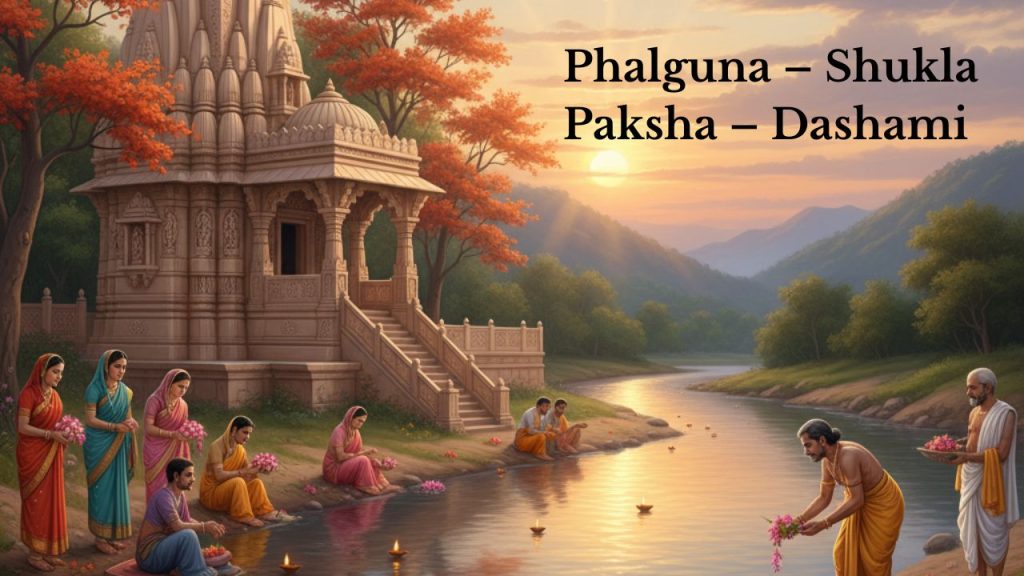
Dashami is not merely remembered in scriptures; it is actively celebrated in homes and temples with deep devotion. Rituals performed on this day carry both spiritual and cultural meaning, ensuring that traditions stay alive across generations. Household rituals often begin early in the morning with bathing, cleaning the home, and preparing sacred spaces. Families light lamps, offer flowers, and recite prayers, creating an atmosphere filled with peace and positivity.
These small acts of devotion transform ordinary households into sanctuaries of divine grace. Visiting temples is another important tradition. Devotees carry offerings of fruits, flowers, and sweets to present before deities. Priests chant mantras, and the fragrance of incense fills the air, reinforcing a collective sense of faith and unity. For many, temple visits on Dashami are about surrendering worries and seeking blessings for strength and prosperity.
Fasting on Dashami is a common practice, with some choosing to abstain from food entirely while others consume light, sattvic meals. This act of self-control is not about deprivation but about purifying the body and mind. It helps individuals focus on spirituality rather than material cravings.
Communities also organize religious gatherings, where people come together for devotional songs, storytelling sessions about deities, and cultural performances. These gatherings nurture unity, reminding everyone of shared roots and collective faith. Above all, the emphasis on cleanliness and purity is central to Dashami rituals. It reflects the belief that a clean environment and a pure heart invite divine blessings. These practices may appear simple, but they hold profound meaning, creating a rhythm of devotion, gratitude, and harmony in daily life.
Spiritual Importance of Dashami
Dashami is more than a day of rituals; it is a profoundly spiritual occasion that encourages self-reflection and inner growth. It provides an opportunity to step back from daily routines and focus on the soul’s journey. At its core, Dashami is about spiritual reflection. It inspires people to think about their actions, choices, and relationships. By reflecting on life’s direction, individuals find clarity, peace, and renewed purpose.
This tithi is strongly linked to discipline and self-control. The act of fasting, meditating, or simply observing silence helps channel energies toward constructive paths. It serves as a reminder that spiritual progress often requires restraint and balance, much like the moon’s steady growth during the Shukla Paksha.
Meditation and chanting mantras are widely practiced on Dashami. These practices calm the mind and create space for divine connection. The vibrations of sacred sounds are believed to align energies, offering protection and peace. The day also holds the belief of receiving divine grace. Devotees trust that sincere prayers offered on Dashami reach the deities with greater potency, bringing blessings that nurture health, wealth, and happiness.
Finally, Dashami encourages righteous actions and kindness. Spirituality is not confined to rituals; it is reflected in everyday deeds. By practicing compassion, forgiveness, and generosity on Dashami, individuals honor the true spirit of the day. Dashami is a spiritual milestone in the lunar calendar. It is a chance to pause, reconnect with inner strength, and move forward with clarity, kindness, and divine guidance.
Dashami in the Month of Phalgun
Phalgun is a month celebrated for its vibrancy, joy, and renewal. The presence of Dashami in Shukla Paksha during this time adds even more meaning, blending seasonal change with spiritual observance. The seasonal influence of Phalgun is significant. As winter gives way to spring, nature transforms. Trees blossom, fields turn green, and the air carries a sense of freshness. Observing Dashami in this backdrop symbolizes personal growth and renewal, much like the flourishing of nature.
Phalgun is also known as the month of festivals. With Holi around the corner, people prepare for celebrations filled with colors, laughter, and togetherness. Dashami serves as a spiritual stepping stone before these festivities, ensuring that joy is grounded in devotion and gratitude.
For those engaged in agricultural traditions, Dashami has a special meaning. It often coincides with times of sowing or preparation for harvest, making it a day to seek blessings for abundance and prosperity. Farmers pray for fertile land and favorable weather, linking their livelihoods with divine support.
Dashami also represents the renewal of energy in this phase of the year. Just as nature rejuvenates, people are encouraged to refresh their minds and hearts. It is a time to let go of fatigue, embrace positivity, and prepare for the vibrant celebrations ahead. In essence, Dashami in Phalgun is a perfect union of spirituality and seasonal beauty. It connects the cycles of nature with human life, reminding everyone that growth, joy, and harmony are always within reach when aligned with devotion and gratitude.
Astrological Importance of Dashami
Astrology gives an additional layer of meaning to Dashami in Shukla Paksha. In the Hindu calendar, every tithi is influenced by planetary energies, and Dashami is often regarded as a day of balance and favorable alignments. The placement of the moon plays a central role in this significance. During Shukla Paksha, the waxing moon grows brighter, symbolizing expansion, progress, and positivity. On Dashami, the moon’s position encourages clarity of thought and emotional stability, which makes it an ideal day for setting intentions and beginning new ventures.
Astrologers also highlight the influence of planetary positions on this tithi. Favorable alignments are believed to support spiritual practices, business decisions, and family harmony. Even simple acts like offering prayers or chanting mantras are said to gain greater potency under the celestial energies of Dashami.
Another aspect of astrology is the connection to Nakshatras (lunar constellations). Depending on which Nakshatra Dashami falls under, the day may carry specific blessings. For example, it may favor personal growth, professional success, or healing relationships. People often consult astrologers to understand the best way to harness these cosmic influences.
Finally, Dashami is considered a time when remedies and rituals suggested by astrologers bring greater results. Activities such as charity, meditation, or performing pujas for planetary peace are believed to align individuals with positive cosmic forces. In short, astrology amplifies the spiritual and cultural weight of Dashami. It portrays the day as not only significant for rituals and traditions but also as an auspicious window where cosmic energies support harmony, success, and divine connection.
Festivals and Observances on Dashami
Dashami in Shukla Paksha often aligns with festivals or important religious observances, making it a lively and meaningful day in many regions. These celebrations highlight the beauty of diversity in traditions, where each community adds its unique touch to the observance.
Some regions observe pujas related to Vishnu on Dashami. Devotees dedicate the day to Lord Vishnu, offering prayers and chanting mantras such as the Vishnu Sahasranama. This practice is believed to bring peace and prosperity while strengthening one’s connection to the preserver of the universe.
In other traditions, Shiva-related rituals hold significance. People visit temples, offer bilva leaves, and chant “Om Namah Shivaya” to seek blessings for health and inner strength. This dual reverence for Vishnu and Shiva demonstrates how Dashami bridges diverse spiritual practices while fostering unity.
Dashami also has a connection to pre-Holi celebrations. Since Phalgun is the month of Holi, the Dashami tithi often becomes a time of preparation. People begin gathering colors, planning festivities, and engaging in cultural activities that build excitement for the days ahead.
In several areas, community gatherings and devotional singing form an essential part of Dashami observances. Bhajans, kirtans, and folk performances bring people together in an atmosphere of joy and shared devotion. It is a reminder that festivals are not just about rituals but also about building connections and celebrating life collectively. Thus, Dashami serves as a bridge between devotion and celebration, weaving spirituality into the fabric of festivals. It reminds communities that joy and worship can coexist beautifully, enriching life with both cultural and divine blessings.
Benefits of Observing Dashami Rituals
Observing Dashami with devotion and sincerity is believed to bring multiple benefits, spiritual, personal, and social. These benefits have been experienced by generations, which is why the tithi continues to hold such strong relevance today. The first benefit lies in spiritual growth and inner peace. Participating in rituals, prayers, and meditation helps individuals reconnect with their inner selves. This sense of alignment creates peace of mind, reduces stress, and inspires clarity in decision-making.
Another significant benefit is the removal of obstacles and negativity. Dashami rituals often focus on cleansing and protection. Fasting, chanting mantras, and seeking blessings from deities are believed to shield individuals from harmful influences and pave the way for success.
Dashami observances are also linked to health and prosperity. Ritual purity, combined with disciplined practices such as fasting and meditation, supports physical wellness and enhances mental resilience. Prayers for prosperity encourage gratitude for existing blessings while inviting abundance into life. At a family and community level, these rituals strengthen bonds and harmony. Gathering for prayers, visiting temples, and sharing meals build unity and mutual respect. Children observing these customs learn the value of tradition and carry it forward.
Finally, Dashami is associated with long-term karmic benefits. Actions performed with sincerity, be it charity, kindness, or prayer, are said to generate positive karma, which influences life positively, not just in the present but also in the future. In this way, Dashami offers holistic benefits that nurture the mind, body, soul, and relationships, making it a day worth observing with wholehearted devotion.
Cultural and Social Relevance
Beyond its religious significance, Dashami has always held a place in cultural and social traditions. This is what makes it so deeply woven into everyday life, ensuring it remains relevant for people across different walks of life. On Dashami, many communities engage in cultural practices such as folk songs, dances, and storytelling. These activities are not only forms of celebration but also serve as a medium to pass on values, morals, and traditions from one generation to the next.
Community feasts and offerings are another highlight of Dashami. After rituals and fasting, people often share simple meals, sweets, or prasad with family and neighbors. Such acts of sharing strengthen social ties and remind everyone of the importance of unity and generosity.
Dashami also plays a role in preserving customs. Through practices like fasting, temple visits, or community celebrations, people stay connected to their roots. These customs serve as a bridge between the past and present, enabling cultural continuity to flourish.
The day fosters a strong sense of togetherness and harmony. By coming together in devotion and joy, individuals strengthen bonds of friendship, respect, and trust. In a world that often feels fast-paced and divided, Dashami serves as a gentle reminder of the value of community spirit. The cultural and social relevance of Dashami goes beyond rituals. It is about unity, the sharing of joy, and the preservation of traditions that give life a sense of meaning and belonging.
Timeless Relevance of Dashami
Dashami in Shukla Paksha during Phalgun is more than just a date in the lunar calendar; it is a spiritual milestone, a cultural celebration, and a guiding light for achieving balance in life. From mythological stories of divine victories to rituals that nurture purity and discipline, Dashami continues to inspire individuals across generations.
Its spiritual depth lies in the way it promotes reflection, discipline, and kindness. Its cultural importance shines in the practices, songs, and celebrations that bring people together. Its astrological significance ensures that devotees feel aligned with cosmic energies, while its seasonal presence in Phalgun ties the observance to nature’s cycle of renewal and joy.
What makes Dashami timeless is its ability to remain relevant in modern life. Distractions are endless, Dashami serves as a pause, a reminder to realign with faith, community, and inner peace. It encourages balance between devotion and daily responsibilities, between joy and discipline, and between tradition and change.
As families and communities continue to observe Dashami with devotion, its legacy strengthens. It remains a day that nourishes the soul, fosters harmony, and prepares everyone for the festivities ahead. Ultimately, Dashami in Shukla Paksha during Phalgun is not just a religious observance; it is a living tradition that continues to guide, inspire, and bless, making it as relevant today as it was centuries ago.