Chaitra Krishna Paksha Pratipada
Explanation of “Krishna Paksha” and “Pratipada”
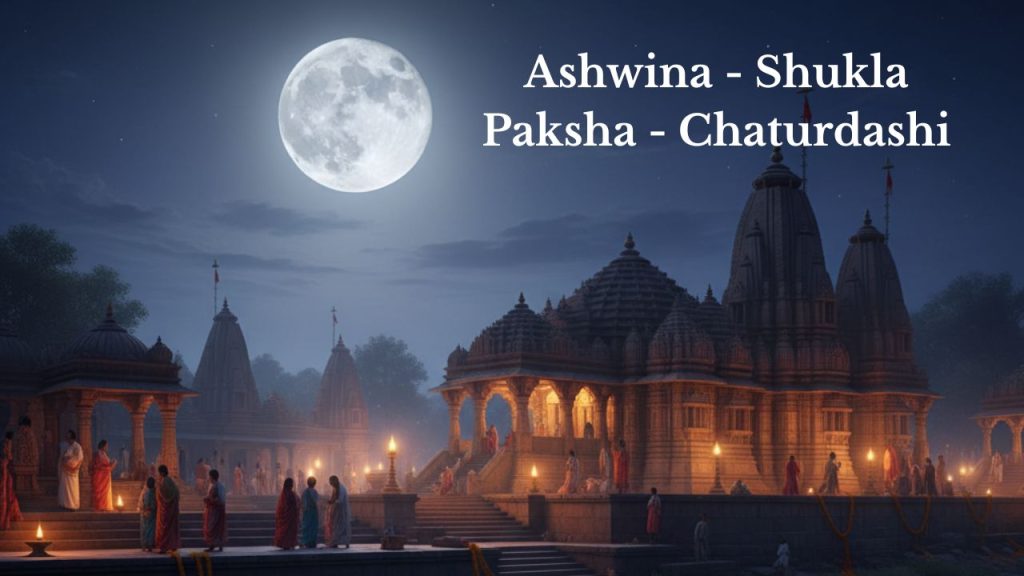
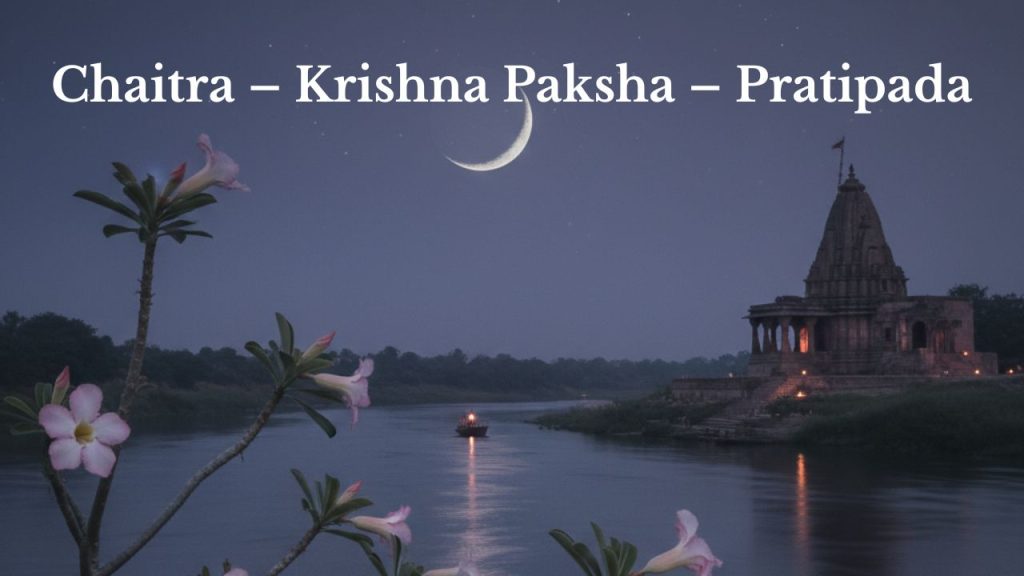
Let’s start with the basics. The Hindu lunar calendar is split into two halves each month: the waxing phase (Shukla Paksha) and the waning phase (Krishna Paksha). Each phase consists of fifteen lunar days, known as “tithis.” The first day of the waning phase is known as Krishna Paksha Pratipada.
“Krishna” here doesn’t refer to Lord Krishna but to the darkening of the Moon. This phase begins immediately after the full Moon (Purnima), as the Moon starts to wane, symbolizing a return inward. “Pratipada” refers to the first day, marking the beginning of a spiritual descent, not in a negative sense, but in a reflective and grounding way. This tithi acts as a spiritual reset, initiating a journey towards introspection and simplicity.
Why does this tithi hold a unique place in Chaitra?
Chaitra is not just any month in many Indian traditions, and it’s the first month of the lunar calendar. That means Krishna Paksha Pratipada in Chaitra doesn’t just begin a fortnight; it initiates the darker half of the very first month of the year. It holds a unique space where spiritual closure meets a fresh, energetic cycle. Think of it as a bridge, not between two days but between external growth and internal awakening.
This tithi in Chaitra is sacred because it sets the tone for how the year may unfold inwardly. It nudges us to turn away from the noise and focus on what lies within. You might feel a natural pull to let go of excess, simplify your routines, or take deeper spiritual steps.
Spiritual tone set by the transition from Shukla to Krishna Paksha
During Shukla Paksha, there’s an outward energy, a sense of building up, manifesting, and growing. But as the Moon starts to wane in Krishna Paksha, there’s a subtle yet powerful shift. Energy begins to settle. Rather than increasing your activities, this period invites you to increase your awareness and acceptance. To be more present, more aware, more accepting.
Krishna Paksha Pratipada is your first breath after a long, busy journey. It brings a pause, stillness, and silence that isn’t empty but rich with potential. That is why many spiritual practices, especially those focused on inner work, such as meditation, fasting, or japa (chanting), are recommended to begin during this time.
Overview of what to expect during this phase of the month
The entire Krishna Paksha period is a time for slowing down and reflection. As the moonlight decreases, so does the energy for external engagement. Instead, you may notice you’re naturally more contemplative, emotional, or spiritually inclined. It’s an ideal time to clean your mind, just as you’d declutter your home.
You can expect dreams to become more vivid, emotions to rise for release, and clarity to blossom through simplicity. It’s also a time when ancestral and karmic patterns may surface, asking to be healed. The good news? Starting this journey with awareness of Krishna Paksha Pratipada can make the rest of the fortnight much more meaningful.
Symbolism of Krishna Paksha Pratipada
Beginning of the waning phase of the Moon
The Moon has always been a mirror of our inner world. When it’s full, we feel energized, expressive, and outward-focused. However, as it begins to wane, starting on Krishna Paksha Pratipada, we enter a more personal and inward-facing space. This tithi marks the first step in the sacred cycle of shedding, reflection, and transformation.
Imagine you’re walking back home after a long day. You’re not running or chasing anymore. You’re simply returning to yourself. That’s the essence of Krishna Paksha Pratipada, the start of a retreat from the outer world to your inner sanctum. Just as the Moon dims its light, we, too, dim our external noise to tune into our more profound truths.
Metaphor for introspection and withdrawal
Life naturally oscillates between expansion and contraction, action and rest. Krishna Paksha Pratipada is a cosmic invitation to honor the pause. It’s a mirror that reflects to us the beauty it shows.
It does not mean becoming passive or disengaged. On the contrary, withdrawal here means being more deliberate. You choose to observe rather than react. You choose presence over performance. This subtle withdrawal is like a wave returning to the ocean, gentle, sacred, and powerful.
The cycle of endings and inner renewal
In the spiritual calendar, every ending is marked by a new beginning. Krishna Paksha Pratipada beautifully carries this paradox. The fortnight begins with an encouragement to let go of attachments, toxic patterns, or unfinished emotions. By letting go, you create space for something new to be born within.
This tithi is like the fertile darkness in which seeds of transformation are sown. Nothing appears to happen on the surface, but healing occurs.
Cosmic symbolism of darkness and stillness
Darkness has often been misunderstood as negative. But in spiritual contexts, darkness is rich. It is potential waiting to be realized. The stillness of Krishna Paksha Pratipada is not empty. It’s a sacred space, like the silence before the first note of a sacred chant.
Stillness, too, is power. On this tithi, you’re invited to experience the strength that comes not from doing but simply being. From this stillness, clarity arises. From this pause, renewal begins. The ultimate paradox is the beginning of endings that lead to higher beginnings.
Chaitra Month in the Vedic Context
First month of the lunar year (per some traditions)
Chaitra isn’t just another page in the lunar calendar. For many Vedic traditions, it marks the beginning of the new lunar year. That’s significant. Whatever energy you align with during Chaitra will likely echo throughout your spiritual year.
Starting the lunar year with Krishna Paksha Pratipada brings a unique opportunity. It’s not about rushing into new goals but about reflecting on what to release first. Before we plant seeds, we must till the soil; this time offers that sacred soil-turning moment.
Seasonal change ushering in Vasant Ritu
Andra aligns with the Vasant Ritu, which is the spring season. Nature, too, supports this inner transformation. Trees blossom, birds return, and the earth is waking up. However, interestingly, while nature outside is blooming, Krishna Paksha asks us to turn inward.
It’s a beautiful balance of outer vibrancy and inner stillness. Just as the world revives from the cold of winter, you’re invited to awaken spiritually by letting go of old residues within.
Divine importance in scriptures (Brahma’s creation, Ram Navami)
Vedic scriptures hold Chaitra in high regard. It’s believed that Lord Brahma began the creation of the universe on Chaitra Shukla Pratipada. Ram Navami, the birth of Lord Rama, also falls this month. These divine events infuse Chaitra with spiritual momentum.
Starting your introspective practices during Krishna Paksha balances this divine energy. While the world celebrates manifestation during the Shukla Paksha, the Krishna Paksha keeps you grounded, reminding you that everything divine originates from a profound silence.
The transition point for energetic cycles
Energetically, Chaitra Krishna Paksha is like a doorway. You’re standing between the full Moon’s energetic intensity and the new Moon’s contemplative calm (Amavasya). Each step you take during this phase is a movement toward renewal.
This tithi isn’t about drastic changes. It’s about subtle shifts. Maybe you wake up a little earlier. Meditate a little longer. Speak a little less. These are small actions with powerful ripples. That’s the gift of Krishna Paksha Pratipada.
Spiritual Importance of the Tithi
It is a time to let go, surrender, and reflect.
Every spiritual tradition underscores the significance of relinquishing control. Krishna Paksha Pratipada is your lunar cue to begin that sacred surrender. It’s not always easy; letting go can feel like a loss. But here’s the truth: release is the first step to receiving.
Whether it’s an old habit, a lingering pain, or simply mental clutter, this tithi supports you in gently laying it down, not with resistance but with reverence. You’re not giving up; you’re giving in to something more profound, wiser, and meaningful.
Opening the vrata (fast) calendar of Krishna Paksha
Many devotees begin their Krishna Paksha fasts, or vratas, at this tithi. Fasting isn’t just about food. It’s about focus. By limiting the external, we turn up the internal. And Krishna Paksha Pratipada is the perfect time to make this vow.
Even a simple commitment, such as silent mornings, digital detox, or mindful eating, can become a vrata. This tithi empowers small sacrifices that lead to significant transformations.
Recommended for initiating internal sadhana
If you want to start a spiritual practice, such as meditation, chanting, or journaling, this is the perfect moment. Krishna Paksha Pratipada offers a fresh and energetic start. You don’t have to be perfect. You have to begin.
Let this tithi be your “why not now?” moment. The energy is soft, supportive, and silently guiding you inward. Whether it’s 10 minutes of stillness or a full spiritual retreat, your sadhana begins with this breath.
Supportive of meditation and japa practices
As the Moon wanes, the mind calms. That’s why Krishna Paksha is ideal for meditative practices. And it all begins with Pratipada. Use this day to light a diya, sit in silence, chant your mantra, or listen to your breath.
You don’t need a temple. Your heart is the temple. You don’t need rituals; your presence is the ritual. Krishna Paksha Pratipada reminds you that the divine isn’t far. It’s already within.
Role in Lunar Timekeeping (Tithi System)
Understanding tithis as phases of subtle energy
Tithis are more than calendar markers. They’re energetic shifts. Each tithi brings a unique vibration that influences your thoughts, emotions, and actions. Pratipada carries the energy of initiation. When it falls in Krishna Paksha, it adds the energy of inward initiation. That is why observing tithis helps you live in tune with nature. You’re no longer reacting to time. You’re relating to it.
Pratipada is the beginning of a fortnightly cycle.
Every journey begins somewhere, and spiritually, Krishna Paksha Pratipada is your starting line for the fortnight of withdrawal. It’s not dramatic but deeply deliberate. You set the tone for your inner path for the next 14 days. Even if you pause for a few minutes on this day to check in with your inner world, you’ve honored the cycle. That awareness creates magic.
Krishna Paksha vs. Shukla Paksha energy tones
Shukla Paksha builds. Krishna Paksha dissolves. Shukla is the sunrise. Krishna is the twilight. It’s essential to have both. Neither is better. They represent the inhalation and exhalation of the cosmic breath. Krishna Paksha Pratipada isn’t loud. It whispers. And if you’re willing to listen, it will show you truths that no full moon can reveal.
Importance of muhurta (auspicious timing)
Vedic astrologers often look to Krishna Paksha Pratipada as a starting point for certain introspective activities, such as spiritual retreats, inner vows, renunciations, and even rituals for ancestral healing. This tithi isn’t used for significant, external beginnings, such as weddings or housewarmings.
Instead, it’s favored for internal vows that change your soul, not your status. So, if you’ve been waiting for the right moment to realign with your inner self, this is it. Krishna Paksha Pratipada in Chaitra isn’t just a date. It’s a divine doorway. Step through it with awareness, and you’ll find not an ending but a sacred beginning.
Mythological and Puranic Significance
Pratipada, the first day of the lunar fortnight, holds a revered place in the rich tapestry of Hindu mythology and Puranic traditions. It’s a day when time restarts its celestial rhythm, a symbolically powerful and spiritually rejuvenating occasion. According to the Shiva Purana, this tithi is intricately linked to Lord Shiva’s cosmic dance, which follows the destruction of the universe. As the divine destroyer and regenerator, Shiva’s tandava on Pratipada signifies the dissolution of the old and the genesis of the new, a profound message of transformation and rebirth.
In the Devi Bhagavata Purana, Goddess Durga is said to have taken a gentle form on Pratipada to begin her journey of restoring cosmic order after periods of chaos. This appearance embodies nurturing strength and silent power, making it a sacred day for feminine divinity. Similarly, in the Vishnu Purana, Lord Vishnu is described as setting the cosmic wheel in motion on this day after periods of dissolution (pralaya), a symbolic tale of beginnings after endings.
Stories from other scriptures, such as the Markandeya Purana and the Skanda Purana, describe divine assemblies and blessings on Pratipada, underscoring its significance as a pivotal moment in cosmic time. These mythological events imbue the day with quiet strength, reflection, and a sense of hope.
So, when we observe Pratipada, we’re not just turning a page on the lunar calendar; we’re aligning ourselves with cycles of destruction and rebirth, contemplation and action, and silence and creation. It’s a powerful reset button, a spiritual point zero that invites us to begin again, rooted in divine rhythms.
Pratipada as a Day of Sankalpa (Intention Setting)
Pratipada isn’t just a day. It’s an energetic doorway. This tithi marks the start of Krishna Paksha (the waning phase of the Moon) and offers us a subtle yet powerful field to plant seeds of intention. In Vedic understanding, the Moon governs the mind. As the luminous orb begins its inward journey towards the new Moon (Amavasya), we are also invited to turn inward, pause, reflect, and reset. That makes Pratipada an ideal time for Sankalpa, a deep, soul-level intention or resolve.
Unlike surface-level resolutions, Sankalpa is about aligning with your inner truth. It’s not about willpower but clarity. During Krishna Paksha, energy naturally supports inner work: shedding attachments, confronting truths, and preparing for renewal. And Pratipada is the launchpad. Think of it as the quiet moment before dawn filled with promise.
So, what kinds of intentions work best on this day? Sankalpas is connected to personal growth, emotional healing, and spiritual clarity and thrives now. Whether it’s resolving to meditate daily, releasing anger, committing to gratitude, or deepening your faith, your intention holds more power because you’re syncing it with nature’s rhythm of letting go and preparing for renewal.
You don’t need elaborate rituals to do this. Sit quietly. Light a diya. Place your hand on your heart. Ask yourself: What needs healing? What truth have I avoided? What am I ready to release? Then, speak your intention aloud or write it in a journal. Feel it settle into your being.
When you set your Sankalpa on Pratipada, you’re not alone. You’re tuning into an ancient current, a quiet wave of seekers across centuries who have used this moment to anchor their inner compass. Let the Moon’s gentle decline be your reminder to stay the course, to prune what doesn’t serve, and to grow towards your deeper self.
Observances and Rituals on this Day
Rituals on Pratipada aren’t just about tradition; they’re about presence. This day, which marks the beginning of a new lunar fortnight, holds immense potential if you approach it with awareness. Whether you live a deeply spiritual life or are just beginning to explore these practices, you can honor Pratipada meaningfully by blending timeless traditions with modern mindfulness.
Start your day with a simple daily puja, offering flowers, incense, and a few moments of heartfelt prayer to your chosen deity. If you feel drawn to specific forms, such as Shiva, Durga, Vishnu, or Lakshmi, this is a wonderful day to connect with them. Since Pratipada is about beginnings, worshipping Ganesha, the remover of obstacles, also supports your intentions.
Simple home practices can go a long way: cleanse your home with water and turmeric, light a ghee diya on your altar or in your living area, and play soft devotional music to create a sacred ambiance. You don’t need to be an expert, just sincere. The energy you bring to these actions matters more than perfection.
Evening rituals are potent. As the sun sets and the Moon begins its descent into Krishna Paksha, light a diya and incense. Sit in silence for a few minutes. Let go of the noise of the day. This quiet offering helps align your mind with the lunar tide. The flicker of a single flame in a dark room can speak volumes to your soul.
Finally, chanting mantras,even for a few minutes, purifies the mind. You might choose “Om Namah Shivaya” for inner peace, “Om Dum Durgayei Namaha” for strength, or “Om Namo Bhagavate Vasudevaya” for devotion. The vibration of the mantra harmonizes your mental space and clears the clutter, preparing you for deeper self-awareness.
The key is consistency and sincerity. You don’t need a long list of rituals. You need a heart. When you fully participate, even in minor ways, Pratipada transforms into a dynamic, grace-filled moment within your month.
Fasting and Vrat Traditions
Fasting on Pratipada might not be as widely practiced as on Ekadashi. Still, it carries profound spiritual benefits, especially if you want to clear mental fog and ground your energies at the start of a new lunar phase. Think of it not as deprivation but as alignment. It’s less about what you’re giving up and more about what you’re tuning into.
So, who should fast? Anyone seeking mental clarity, emotional release, or spiritual focus. It’s especially powerful if you’ve been feeling scattered or emotionally overwhelmed. A simple fast helps reset your nervous system and your intentions. Whether you’re a spiritual practitioner or seeking a mindful lifestyle, this day presents a fresh start.
Different types of fasting are suited to different needs. You can opt for a phalahar vrat, consuming only fruits and milk, or a light satvik meal that excludes onion, garlic, and grains. Some may even observe a nirjala vrat (water-only fast), but this requires prior experience and physical readiness. The goal isn’t to push your body and support your mind’s clarity.
Interestingly, starting Ekadashi-style vratas from Pratipada sets a powerful momentum. If you’re beginning a new spiritual discipline, diet, or routine, initiating it on this day syncs your effort with the lunar rhythm. It’s like planting seeds in fertile soil.
When you simplify your intake, your mind responds with heightened awareness. You become more receptive to inner cues, more attuned to your Sankalpa, and more present in your body. Fasting is not about punishment. It’s about presence.
Use this day as a reset. Drink plenty of water. Rest when needed. Offer your fast to the divine. And notice how, when you eat again, even a simple bite feels sacred.
A Sacred Beginning of Endings
The spiritual and practical importance
Chaitra Krishna Pratipada bridges the vibrant celebrations of Holi and the introspective period that follows. It’s a time to honor our ancestors, cleanse our emotional palette, and set intentions for the new lunar cycle. The practices associated with this day offer a holistic approach to well-being, encompassing spiritual, emotional, and communal dimensions.
Encouragement to observe the tithi with intention
Observing this tithi mindfully allows us to connect deeply with our roots and inner selves. Whether through elaborate rituals or simple acts of remembrance, the key lies in sincerity and presence. Embracing this day with intention enriches our spiritual journey and strengthens our
Living in rhythm with lunar cycles
Living in tune with the Moon isn’t just a mystical idea. It’s a deeply grounding practice. The Moon’s phases subtly influence our energy, emotions, and decision-making abilities. Chaitra Krishna Pratipada, positioned at the very start of the waning phase, reminds us that everything in life follows a cycle: birth, growth, decline, and renewal. Recognizing and respecting these natural rhythms enables us to be more attuned to our inner flow.
By paying attention to these auspicious lunar days, we’re not just following tradition for tradition’s sake. We’re acknowledging the unseen energies that shape our moods and mindsets. This awareness enables us to navigate emotional challenges with greater ease and create space for intentional rest, reflection, and rejuvenation.
Integrating lunar cycles into our daily life doesn’t require drastic changes. It could be as simple as pausing for a few moments at moonrise, observing the night sky, or journaling under the moonlight. It could mean setting goals during the new Moon and releasing fears during the waning phase. These small acts align with nature’s intelligence, anchoring us during life’s uncertainties.
Deepen one’s connection to time and self
When you begin to live in rhythm with time, not the mechanical ticking of a clock, but the soulful pulse of natural cycles, you begin to live more consciously. You start noticing the subtle cues your body, mind, and soul give you. You start feeling more in sync with the universe and your true self. Let this tithi be more than just a date on the calendar. Let it be your spiritual anchor. Use it to sow seeds of clarity, gratitude, and purpose. After all, when you honor time, it begins to honor you back with peace, insight, and deep emotional freedom.