Significance of Ramalakshmana Dwadashi
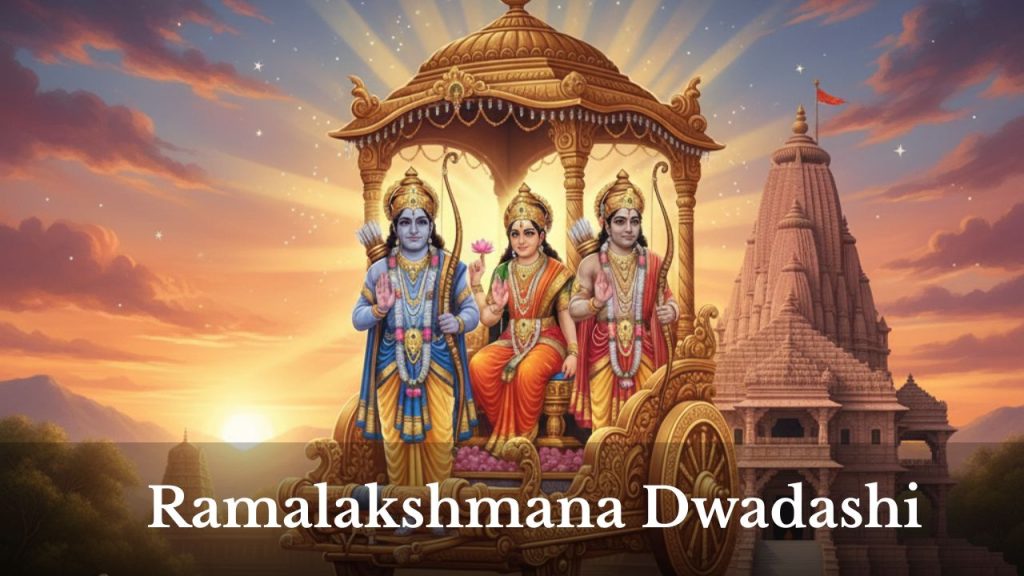
Ramalakshmana Dwadashi is a spiritually enriching observance in the Hindu lunar calendar, celebrated during the Shukla Paksha (bright fortnight) of the Jyeshtha month. This sacred tithi is unique among Vaishnavite traditions and is primarily devoted to honoring the divine bond between Lord Rama and his devoted brother, Lakshmana. Let’s explore the essence of this auspicious day together, including its placement, symbolism, and spiritual relevance in our daily lives.
“Dwadashi” refers to the twelfth day in the lunar fortnight. The Hindu calendar is intricately designed with two pakshas—Shukla (waxing moon) and Krishna (waning moon)—each comprising 15 tithis or lunar days. Dwadashi, the twelfth tithi, is often connected to Lord Vishnu and his incarnations. When this Dwadashi falls in the bright phase of Jyeshtha month, it becomes as special as Ramalakshmana Dwadashi.
But why the name “Ramalakshmana”? It celebrates the inseparable love and unity between Lord Rama, the embodiment of dharma, and Lakshmana, the epitome of devotion and service. Their divine bond, as described in the Ramayana, sets a profound example of brotherhood, sacrifice, and spiritual loyalty. Observing this day reminds us of these values, especially in our relationships and spiritual paths.
This Dwadashi is celebrated with great devotion in Vaishnavism, which reveres Lord Vishnu and his avatars. It’s believed that worshipping Lord Rama and Lakshmana on this day can purify the soul, remove karmic debts, and bring blessings of unity and protection. As we begin to understand this sacred occasion, know that it’s not just a date on the calendar—it’s a moment to reflect, connect, and deepen our spiritual growth.
Mythological Background
Stories from the Ramayana involving Rama and Lakshmana
The story of Ramalakshmana Dwadashi cannot be fully appreciated without revisiting the deep, enduring bond shared by Rama and Lakshmana in the epic Ramayana. Lord Rama, the seventh incarnation of Lord Vishnu, didn’t walk alone on his journey through life. His younger brother Lakshmana, born to Queen Sumitra, was his constant shadow—a guardian, a disciple, and a friend in every step of his life.
When Lord Rama was exiled to the forest for 14 years, Lakshmana chose to accompany him, leaving behind his comforts, palace, and even his beloved wife, Urmila. He did so not out of duty but out of pure, unbreakable love and devotion. In the forests of Chitrakoot, Dandakaranya, and Panchavati, Lakshmana stood by Rama and Sita, guarding them day and night, enduring hardships without a single complaint.
One of the most defining moments occurs during the battle with Ravana when Lakshmana faces Indrajit and other mighty warriors of Lanka. His bravery, selflessness, and unwavering focus on Rama’s well-being paint a picture of an ideal brotherhood beyond blood—a spiritual bond rooted in dharma (righteousness).
Link to the forest exile and brotherly devotion
The 14-year exile in the forest is more than just a backdrop to their adventures; it symbolizes life’s tests, detachment from luxury, and the purification of the soul. For Lakshmana, the forest wasn’t a punishment but a chance to serve his lord and live his dharma. His presence gave Rama strength and Sita comfort. Their bond reflects the perfect guru-disciple relationship, with Lakshmana embodying seva bhava (service attitude) in its purest form.
Role of this tithi in ancient Puranic texts
The Skanda Purana and Padma Purana highlight the significance of observing this Dwadashi with devotion. These scriptures detail the blessings showered upon those who remember and honor the selfless love between Rama and Lakshmana. It is said that observing fasts and performing pujas on this day grants liberation (moksha) and divine protection from evil forces.
Belief in divine blessings on this day
Devotees believe that on Ramalakshmana Dwadashi, the divine brothers walk the earth, bestowing grace and blessings upon those who remember their stories with love and reverence. Many householders pray for family unity, siblings seek deeper bonds, and spiritual aspirants ask for the strength to serve their chosen deity with the Same sincerity as Lakshmana.
Reverence among devotees for the divine brothers
For many of us, the story of Rama and Lakshmana isn’t just a myth—it’s a spiritual compass. Their journey inspires us to be more loving, loyal, and courageous. On Ramalakshmana Dwadashi, the entire Vaishnavite community unites to celebrate this divine example of brotherly love and spiritual service.
Astrological and Lunar Importance
Significance of the Jyeshtha month in Hindu astrology
Jyeshtha is one of the most spiritually charged months, ruled by intense energy and transformation. It falls around May-June in the Gregorian calendar and is named after Jyeshtha Nakshatra, symbolizing seniority and excellence. In Vedic astrology, this month holds the energy of purification and elevation, making it a powerful time for spiritual pursuits.
Shukla Paksha: waxing moon’s symbolism
The Shukla Paksha, or the bright fortnight of the moon, symbolizes growth, prosperity, and spiritual expansion. As the moon waxes and grows brighter each night, this period supports our inner growth and spiritual journey. Observances like Ramalakshmana Dwadashi during this time are considered highly auspicious, as the lunar energies favor devotion, clarity, and ritual performance.
Energetic and spiritual vibrations of Dwadashi
Dwadashi, especially during Shukla Paksha, holds powerful and energetic vibrations. It is known as a day for cleansing the aura, resetting karmic patterns, and connecting deeply with Vishnu’s energies. When dedicated to Rama and Lakshmana, it becomes a soulful gateway to devotion and inner alignment. Due to the unique lunar influence, meditating or chanting on this day amplifies results.
Impact on spiritual activities and rituals
Because of these astrological alignments, today’s rituals are more effective and spiritually uplifting. Whether you chant the Ramayana, offer puja, or fast, everything you do with sincerity gets magnified. The cosmic energies open a spiritual highway between the seeker and the divine.
Favorable planetary alignments during this time
Typically, Ramalakshmana Dwadashi falls on a day when planetary energies support spiritual discipline, emotional stability, and devotion. Venus and Jupiter, both associated with bhakti and divine love, often have a positive influence during this period. These energies create the right environment for spiritual practices and more profound family harmony, echoing the love of Rama and Lakshmana.
Rituals and Pujas Performed
Early morning holy bath and purification
Starting Ramalakshmana Dwadashi with a holy bath at dawn is more than a ritual; it’s a symbolic cleansing of body and mind. This early morning purification prepares you physically and spiritually to embrace the day’s sanctity. The water, often mixed with holy substances like turmeric, sandalwood, or sacred herbs, helps wash away dirt and negative energies. Bathing before sunrise connects you to nature’s fresh, renewing energy, setting the tone for a focused, pure-hearted observance.
Special pujas for Lord Rama and Lakshmana
The heart of the day lies in the special pujas performed for Lord Rama and Lakshmana. Devotees arrange an altar with images or idols of the divine brothers, decorating them with fresh flowers, especially Tulsi leaves, which are considered sacred to Lord Vishnu. The puja involves offering fruits, sweets, incense, and lamps to invoke their blessings. These ceremonies aren’t just about formality; they are heartfelt dialogues in which you express gratitude and ask for guidance and protection.
Offering Tulsi leaves, flowers, and sweets
Tulsi leaves hold a special place during Ramalakshmana Dwadashi puja. Offering Tulsi is believed to bring the divine presence closer, as the plant is sacred to Lord Vishnu and his incarnations. Alongside Tulsi, fragrant flowers such as marigold and jasmine are offered to create a spiritual ambience. Sweet offerings, such as modaks or laddus, symbolize the sweetness of devotion and the joy of surrendering to the divine.
Chanting Vishnu Sahasranama and Rama Ashtottara
One of the most potent practices is chanting Vishnu Sahasranama (the thousand names of Vishnu) and Rama Ashtottara Shatanamavali (108 names of Lord Rama). Reciting these sacred names fills your mind with divine vibrations, cleansing negativity, and invoking peace. These chants bring you closer to the essence of Lord Rama’s and Lakshmana’s virtues—courage, righteousness, and unwavering devotion.
Lighting ghee lamps and reading scriptures
Lighting ghee lamps during the puja symbolizes the triumph of light over external and internal darkness. The soft glow of these lamps creates a serene environment perfect for contemplation and prayer. Reading scriptures like the Ramayana or relevant Puranic stories enriches your understanding of the divine brothers’ lives, helping you internalize their teachings and inspiring your spiritual journey.
Observance of Fasting (Vrat)
Who can observe the Ramalakshmana Dwadashi Vrat
Fasting on Ramalakshmana Dwadashi is open to everyone who wishes to deepen their spiritual connection and honor the divine brothers. Whether you are a devotee, a spiritual seeker, or someone looking for inner purification, this vrat offers a meaningful way to participate. Traditionally, men and women observe the fast, and many families encourage siblings to fast together to strengthen familial bonds.
Rules and timings for the fast
The fast begins before sunrise, following the early morning bath and puja. It is typically observed until the next day’s sunrise or until the completion of the evening rituals on Dwadashi itself. During this period, abstaining from grains, non-vegetarian food, and certain spices is customary, with a focus on purity and discipline. It’s essential to stay hydrated and practice mindfulness throughout the fast.
Types of fasting: nirjala, phalahar, or satvik
You can choose the fasting type that suits your health and spiritual capacity:
- Nirjala Vrat: Complete abstinence from food and water, considered highly rigorous and spiritually potent.
- Phalahar Vrat: Consumption of only fruits, nuts, and natural juices, offering some nourishment while maintaining the fast.
- Satvik Vrat: Eating light, simple, sattvic food without spices, such as milk, vegetables, and certain grains.
Each form has its spiritual benefits and is chosen based on personal devotion and physical ability.
Spiritual benefits of fasting on Dwadashi
Fasting is more than physical discipline—it’s a profound spiritual practice. It helps detoxify the body, sharpen the mind, and open the heart for divine experiences. On Ramalakshmana Dwadashi, fasting amplifies devotional energy, allowing you to connect more deeply with Lord Rama and Lakshmana’s qualities of sacrifice, service, and steadfastness. Many devotees report feelings of inner peace, clarity, and renewed spiritual vigor after observing this vrat.
Breaking the fast with appropriate rituals
Breaking the fast is as important as observing it with reverence. Traditionally, devotees break their fast by performing a small puja, offering gratitude for the strength to complete the vrat. The fast is usually broken with simple, sattvic foods, often including milk, fruits, and lightly cooked grains. This gradual and mindful approach honors the body’s needs and preserves the spiritual upliftment gained during the fast.
Symbolism of Rama-Lakshmana Brotherhood
The bond between Rama and Lakshmana is one of the most profound examples of sibling love and devotion in Indian culture. This brotherhood transcends family ties; it embodies an ideal relationship characterized by unwavering loyalty, selfless sacrifice, and a profound spiritual connection. Understanding this symbolism helps us grasp the timeless values that this relationship teaches us.
Embodiment of Ideal Sibling Devotion
When you think of sibling devotion, Rama and Lakshmana stand as shining examples. Lakshmana’s dedication to Rama was absolute—he chose to accompany Rama into exile, forsaking royal comforts without hesitation. This devotion wasn’t just a familial duty but a spiritual vow that showcased how true love among siblings means standing by each other in the most challenging times. This ideal serves as a beacon, reminding us how siblings can be pillars of support, friendship, and guidance through life’s challenges.
Lessons on Dharma, Loyalty, and Sacrifice
The Rama-Lakshmana bond reflects profound lessons on dharma — the righteous duty — where loyalty isn’t passive but active and courageous. Lakshmana’s sacrifices, such as guarding Rama and Sita day and night during their exile, symbolize the ultimate commitment to one’s duties without expecting a reward. Their relationship teaches us that loyalty isn’t blind obedience but a conscious choice to uphold truth and righteousness, even at significant personal cost.
Cultural Emphasis on Familial Duty
Indian culture places a high value on familial responsibilities, and the Rama-Lakshmana story is often cited to reinforce these ideals. Their relationship is not just a story but a moral compass guiding families in nurturing respect, care, and responsibility toward one another. It encourages honouring elders, caring for siblings, and maintaining harmony—values that are relevant to families today.
Relevance in Modern Family Relationships
Family bonds can become strained due to distance, priorities, or misunderstandings. The Rama-Lakshmana story reminds us to reconnect with the essence of sibling love—being present, supportive, and selfless. Whether helping a sibling through emotional struggles or celebrating their successes, applying these timeless principles can transform modern relationships, bringing warmth and stability back into families.
Reflection on Values Through Ramalakshmana Stories
Reflecting on Ramalakshmana’s stories invites us to examine our values. Are we as loyal and selfless in our relationships? Can we embody the same courage in standing for what is right? These reflections help us grow personally and spiritually, encouraging us to live with integrity, compassion, and honor, much like Rama and Lakshmana did in their legendary journey.
Benefits of Observing This Day
Observing Ramalakshmana Dwadashi is more than a ritual; it’s a spiritual practice that benefits the mind, heart, and soul. By honoring the divine brotherhood of Rama and Lakshmana, you invite positive energies and transformative blessings into your life.
Spiritual Elevation and Inner Peace
Participating in the observances of this day, such as prayers and fasting, helps calm the mind and elevate your spiritual awareness. Focusing on Rama and Lakshmana’s virtues inspires you to embody similar qualities, leading to inner peace and clarity. This spiritual elevation strengthens your connection with the divine and aligns your actions with higher principles, fostering a profound sense of calm and purpose.
Removal of Sins and Karmic Burdens
Many believe that sincere observance of Ramalakshmana Dwadashi helps cleanse past sins and lessen karmic burdens. Through rituals, meditation, and devotion, you purify your mind and actions, which can break cycles of negative karma. This cleansing effect presents an opportunity for fresh beginnings and spiritual renewal, helping you move forward with a clearer conscience and a healthier heart.
Enhancement of Family Harmony and Protection.
The day’s blessings often extend to family welfare. Observing this sacred day promotes harmony, understanding, and mutual respect within the household. Rama and Lakshmana’s protective presence is believed to shield families from conflicts and negative influences. If you seek to strengthen bonds and foster peace at home, this day offers a robust spiritual framework for such intentions.
Blessings for Courage and Clarity
Like Lakshmana’s unwavering courage in adversity, observing Ramalakshmana Dwadashi can bless you with mental strength and clear judgment. This is especially helpful when you face difficult decisions or challenges. The divine inspiration from the brothers empowers you to act with wisdom and confidence, overcoming fears and doubts.
Pathway to Moksha (Liberation)
Ultimately, the spiritual significance of this day points toward moksha — liberation from the cycle of birth and death. By embodying the virtues celebrated on Ramalakshmana Dwadashi and engaging in sincere devotion, you take meaningful steps on your spiritual journey toward freedom and eternal bliss. It’s a reminder that everyday actions, when aligned with dharma and devotion, pave the way to the highest spiritual goals.
Celebrations in Temples and Communities
The observance of Ramalakshmana Dwadashi is vibrant and heartfelt across various parts of India. Unique temple rituals and community gatherings mark it. These celebrations deepen the spiritual experience and foster a sense of shared devotion.
Rituals Held in Major Rama Temples Across India
In many temples dedicated to Lord Rama, special pujas and abhishekams (holy bathing rituals) are conducted on this day. Priests chant sacred mantras and narrate stories of Rama and Lakshmana to inspire devotees. These rituals create a sacred atmosphere, allowing you to immerse yourself in devotion and absorb the spiritual energy of the day.
Special Processions and Bhajans
Colorful processions featuring idols of Rama, Lakshmana, and Sita are carried through temple streets, accompanied by singing and chanting of bhajans (devotional songs). These joyful processions unite communities to celebrate the divine brotherhood with music, dance, and reverence. Participating in or witnessing these events fills the heart with devotion and joy.
Community Satsangs and Spiritual Gatherings
Many communities organise satsangs — spiritual gatherings where devotees gather to discuss scriptures, participate in kirtans, and share teachings related to Rama and Lakshmana. These gatherings encourage collective learning and reinforce the communal spirit of the festival, making the spiritual experience more engaging and accessible.
Prasadam Distribution and Seva Activities
A key part of the celebration is the distribution of prasadam — sanctified food offered to the deities and then shared with devotees. This act symbolizes the sharing of divine blessings. Additionally, many organize seva (selfless service) activities such as feeding the needy or cleaning temples, embodying the spirit of giving that Rama and Lakshmana exemplified.
Role of ISKCON and Vaishnava Sampradayas
ISKCON and other Vaishnava sampradayas (traditions) actively participate in celebrating Ramalakshmana Dwadashi by conducting elaborate ceremonies, lectures, and cultural programs. Their emphasis on bhakti (devotion) and scriptural study helps spread awareness of the festival’s significance beyond traditional regions, inviting people worldwide to participate in these sacred observances.
Integration with Other Festivals
Ramalakshmana Dwadashi is not alone; it is interwoven with other critical Hindu observances, forming a spiritually rich tapestry in the month of Jyeshtha.
Proximity to Nirjala Ekadashi and Its Continuity
Ramalakshmana Dwadashi follows Nirjala Ekadashi, which is known as the strictest Ekadashi fast. The continuity between these two days maintains a heightened spiritual momentum, as the discipline of fasting and devotion flows seamlessly into the celebration of Rama and Lakshmana’s virtues. This sequence encourages devotees to sustain their spiritual focus and deepen their practice.
Connection with Ganga Dussehra and Holy Rivers
The month of Jyeshtha also hosts Ganga Dussehra, a festival honoring the descent of the sacred river Ganges. This proximity highlights the purifying themes common across these observances — cleansing of sins, renewal, and divine grace. Devotees often combine pilgrimages to holy rivers with Ramalakshmana Dwadashi rituals to maximize spiritual benefits.
Preparatory Stage for Devshayani Ekadashi
Ramalakshmana Dwadashi marks a preparatory phase leading to Devshayani Ekadashi, commemorating Lord Vishnu’s cosmic sleep. This period is considered spiritually potent, encouraging self-discipline and devotion. The sequence of festivals helps devotees align with cosmic rhythms and deepen their understanding of divine play.
The month of Jyeshtha as a Spiritually Active Period
Jyeshtha is traditionally a month of intense spiritual activity, with multiple observances that purify the soul and prepare it for the monsoon’s introspective season. Ramalakshmana Dwadashi aligns perfectly with this cycle, reinforcing the themes of devotion, righteousness, and renewal that pervade the month.
Dwadashi as a Culmination of Ekadashi Austerity
Dwadashi, the twelfth lunar day, often marks the culmination of the austerity period initiated on Ekadashi. Devoting to Ramalakshmana Dwadashi completes the spiritual discipline and invites blessings for success and well-being. It symbolizes the reward that follows sincere effort and commitment to dharma.
Modern Relevance and Personal Reflection
Even today, Ramalakshmana Dwadashi offers valuable lessons and inspiration for our daily lives. By applying its ideals, you can find more profound meaning and discover a deeper, more fulfilling relationship with your hips and your spiritual journey.
As well as inying Ramalakshmana Ideals in Modern Life
In our complex world, the timeless values of loyalty, sacrifice, and dharma embodied by Rama and Lakshmana are more relevant than ever. Whether in your professional life, friendships, or family, practicing steadfast support and ethical behavior helps build trust and integrity. These principles guide you in making decisions that honour personal and collective well-being.
Fostering Sibling Love and Responsibility
Many people long for stronger sibling relationships but struggle with distance or conflicts. This day invites you to rekindle those bonds by reaching out, forgiving past misunderstandings, and committing to mutual care and support. Small acts—like sharing time or listening attentively—can transform relationships, reflecting the spirit of Rama and Lakshmana’s devotion.
Time for Introspection and Spiritual Recommitment
Ramalakshmana Dwadashi offers a perfect pause to look inward. It encourages you to evaluate your life’s path, relationships, and spiritual practices. Taking time for meditation, prayer, or journaling can help renew your commitment to living with purpose and compassion, echoing the dedication of the divine brothers.
Encouraging Youth Participation in Observances
Involving younger generations in the festival keeps these ancient values alive and relevant. Sharing stories, organising cultural programs, and celebrating together can inspire youth to embrace these ideals in a way that resonates with their lives. This ensures the legacy of Ramalakshmana Dwadashi continues to nurture hearts across generations.
Personal Transformation Through Ancient Wisdom
Ultimately, the wisdom embedded in Ramalakshmana Dwadashi invites you on a journey of personal transformation. By embodying virtues like courage, loyalty, and selflessness, you create positive ripples in your own life and the lives of those around you. This transformation is not just spiritual, but also practical, helping you become a better person, a caring family member, and a more mindful citizen of the world.