Importance of Kali Chaudas
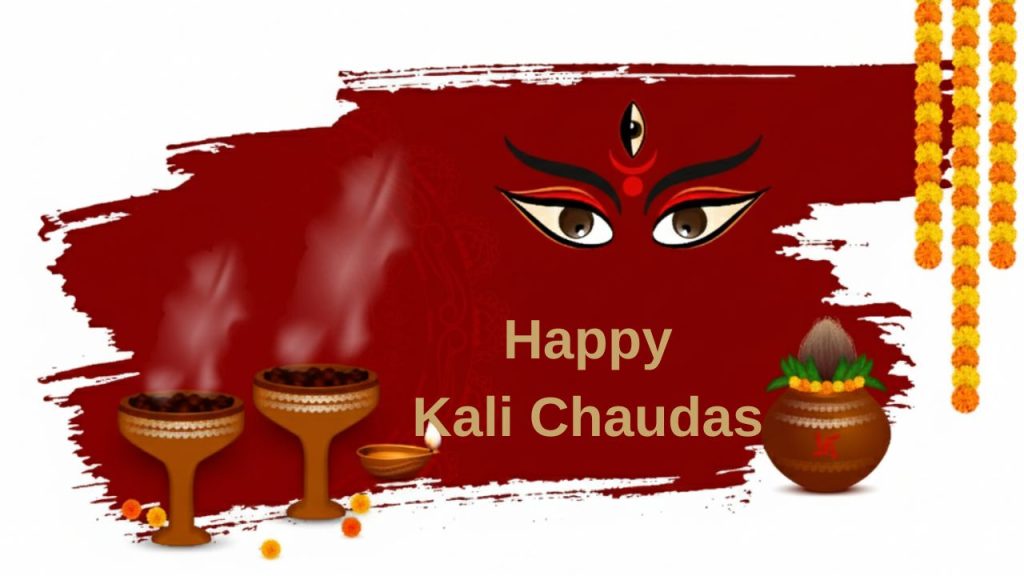
Kali Chaudas, celebrated on the 14th day of the Krishna Paksha in the month of Ashwin, holds immense spiritual and cultural significance in Hindu traditions. Literally translating to “Kali,” meaning dark, and “Chaudas,” meaning the fourteenth day, Kali Chaudas marks a period dedicated to warding off negative energies and seeking divine protection. This day acts as a prelude to the grand festival of Diwali, adding layers of spiritual depth and ritualistic practices that resonate with millions of devotees.
Positioned strategically in the Hindu lunar calendar, Kali Chaudas occurs one day before Naraka Chaturdashi, which is part of the larger Diwali festivities. It acts as a spiritual cleansing day, preparing homes, families, and minds for the arrival of Diwali’s light and prosperity. The timing emphasizes the transition from darkness to light, symbolizing the triumph of good over evil. It also encourages individuals to introspect, cleanse negativity, and realign with their higher spiritual goals.
In modern observance, Kali Chaudas has evolved beyond strict ritualistic practices. Devotees focus on both traditional pujas and community engagement. Homes are cleaned meticulously, lamps are lit in courtyards, and prayers are offered to divine forces for protection and prosperity. While some may observe fasting and spiritual rituals, others focus on spreading awareness of the festival’s more profound significance. The day is also an opportunity to reinforce familial bonds through shared rituals and collective participation in cultural practices.
Overall, Kali Chaudas represents a blend of spirituality, cultural tradition, and protective rituals. It is a day that encourages purification of surroundings, reflection on one’s actions, and devotion to divine forces, making it an integral part of the Diwali festival cycle. By honoring this day, households reinforce the importance of spirituality, positivity, and familial unity.
Definition and Literal Meaning of Kali Chaudas (“Kali” = dark, “Chaudas” = 14th day)
The name Kali Chaudas itself carries profound symbolism. “Kali” refers to the dark forces or evil energies that impact human life, while “Chaudas” marks the 14th day of the Krishna Paksha (waning phase of the moon) in the Hindu lunar calendar. Together, the term signifies a day dedicated to confronting and eliminating negativity, both external and internal.
Traditionally, this day is considered crucial for spiritual purification. The darkness represented by Kali is not only external evil but also the inner negativity that hinders personal growth. Kali Chaudas becomes a symbolic ritual to dispel these energies through devotion, prayer, and disciplined observance. Lighting lamps, offering prayers to Goddess Kali, and conducting protective rituals are some ways devotees actively participate in this spiritual cleansing.
Moreover, the day serves as a reminder of life’s duality: light and darkness, good and evil, purity and corruption. Engaging with the rituals of Kali Chaudas allows one to consciously embrace positivity, reinforce spiritual strength, and protect oneself from influences that disturb peace of mind. Over centuries, this practice has maintained its relevance, reminding communities that confronting darkness, rather than avoiding it, is essential for holistic well-being.
The literal meaning also emphasizes the structured timing of observances. Being the 14th day is not arbitrary; it is astrologically significant for harnessing energies for spiritual benefit. The day’s essence lies in disciplined preparation, devotion, and mindfulness, ensuring that participants are spiritually fortified as they transition into the Diwali celebrations that follow.
Position in the Hindu Lunar Calendar (Chaturdashi of Krishna Paksha in Ashwin month)
Kali Chaudas occurs on the Chaturdashi, or 14th day, of the Krishna Paksha, which is the waning phase of the moon in the Ashwin month. The lunar calendar governs Hindu festivals, and each day holds specific spiritual significance. Chaturdashi, in particular, is considered an auspicious day for spiritual cleansing, protection from negative energies, and performing rituals that ensure harmony within households.
The timing of Kali Chaudas underscores its significance as a precursor to Naraka Chaturdashi, a key component of the five-day Diwali festival. It is strategically placed to mark the transition from the waning darkness of the moon to the brightness of the new moon phase, symbolizing a shift from darkness to light, from negativity to positivity. Observing Kali Chaudas during this period enhances the spiritual impact of rituals performed, allowing devotees to connect with cosmic energies favorably aligned for protection and purification.
Astrologically, the 14th day is significant because it is believed that the negative energies in the environment peak during this period. By performing rituals on Kali Chaudas, devotees not only safeguard themselves but also strengthen their spiritual resilience. This day also emphasizes introspection, encouraging individuals to reflect on past actions and realign their moral and spiritual compass before the festive celebrations begin.
By understanding the lunar positioning, one can appreciate why Kali Chaudas has maintained its importance over centuries. It is a harmonization of human life with cosmic rhythms, making the observance a spiritually enriching experience. Through its timely rituals and prayers, the day ensures that homes and hearts are prepared for prosperity, happiness, and protection.
Connection with Diwali and Other Major Festivals
Kali Chaudas is intrinsically linked to Diwali, one of the most celebrated festivals in India. Occurring two days before Diwali, it serves as a preparatory day to cleanse spaces and minds, ensuring that homes are spiritually ready to receive Goddess Lakshmi and invite prosperity. The day complements the entire Diwali cycle, emphasizing protection, purification, and the victory of light over darkness.
Traditionally, the day involves lighting lamps in courtyards and doorways, believed to ward off evil spirits that may interfere with the upcoming celebrations. Families also offer prayers to Goddess Kali and other protective deities, reinforcing the spiritual foundation that sustains Diwali festivities by observing Kali Chaudas. Households symbolically clear obstacles, negativity, and misfortunes, aligning themselves with the auspicious energies of the festival.
Moreover, the day strengthens community bonds. Neighborhoods and extended families often engage in shared rituals, reflecting collective devotion and cultural cohesion. While Diwali is associated primarily with wealth, happiness, and prosperity, Kali Chaudas underscores the protective aspect, ensuring that these positive outcomes are not disrupted by negativity.
Other regional festivals also align with Kali Chaudas in terms of spiritual purification. The themes of warding off evil, lighting lamps, and observing disciplined practices resonate with similar rituals across India. This connection emphasizes Kali Chaudas as not merely a pre-Diwali observance but a significant spiritual day recognized for its protective and purifying qualities across various cultural landscapes.
Overview of Spiritual, Cultural, and Protective Significance
Kali Chaudas blends spirituality, culture, and protective rituals seamlessly. Spiritually, it acts as a day to cleanse oneself from negative thoughts, meditate, and strengthen faith. Culturally, it reinforces traditions that have been passed down through generations, including worship practices, lighting lamps, and performing pujas. Protectively, the day is believed to shield households from misfortune, disease, and evil forces.
The day’s significance is evident in the detailed rituals, where every action, from lighting lamps to offering prayers, is a conscious effort to align with cosmic energies. The practice of lighting diyas, for example, symbolizes illuminating life and dispelling darkness, both literal and metaphorical. Similarly, performing protective pujas invokes divine blessings, creating a spiritual shield around the household.
Culturally, Kali Chaudas is a reflection of societal values such as family unity, devotion, and reverence for traditions. It reinforces the idea that spiritual well-being is intertwined with daily life and collective celebration. Observances ensure that every family member participates, nurturing a sense of belonging, gratitude, and responsibility toward maintaining harmony in their surroundings.
The protective aspect of Kali Chaudas is especially vital in a fast-paced modern world. Beyond spiritual rituals, the day serves as a moment of reflection and mindfulness, allowing individuals to protect their mental and emotional well-being actively. It bridges ancient wisdom with contemporary life, making it a festival that resonates with people of all ages and backgrounds.
Historical and Mythological Background
The historical and mythological significance of Kali Chaudas traces back to ancient Hindu scriptures and regional folklore. It is rooted in stories of divine intervention, the destruction of evil, and the triumph of righteousness. Understanding these narratives adds depth to the observance, connecting devotees with traditions that have been practiced for centuries.
Legends Associated with Kali Chaudas
Kali Chaudas is linked to multiple legends that emphasize protection and the destruction of opposing forces. One prevalent story highlights the day when Goddess Kali appeared to protect the world from demonic influences. Her fierce form symbolizes the power required to overcome darkness, both external and internal. Devotees believe that by worshiping her on this day, they invoke divine energy capable of eliminating obstacles and negativity.
The legends also suggest that Kali Chaudas is a time when spiritual energies peak, making rituals highly effective. Families perform protective pujas to safeguard their homes and well-being. The narrative of divine intervention reassures devotees that no matter how overwhelming darkness may seem, faith, devotion, and disciplined rituals can bring light and protection.
In many regions, Kali Chaudas is also associated with local guardian deities, who are worshiped to ward off spirits and malevolent forces. These stories reinforce the cultural practice of lighting lamps, offering prayers, and performing rituals with sincerity, ensuring both spiritual and emotional well-being.
The legends have transcended time, influencing modern observance. By understanding the stories behind Kali Chaudas, devotees connect more deeply with the festival, realizing that the rituals are not mere formalities but symbolic acts that maintain harmony and spiritual balance.
Stories of Goddess Kali and Her Role in Destroying Evil
Goddess Kali, the central deity worshiped on Kali Chaudas, embodies the ultimate force against evil and negativity. Her imagery, often depicted as fierce and powerful, conveys her role as a protector of righteousness. Kali’s stories highlight her intervention during critical moments when evil forces threatened the cosmic balance.
Worshipping Kali on Kali Chaudas emphasizes seeking protection and courage. It reminds devotees that confronting negativity is essential for personal and communal well-being. The rituals performed are a tribute to her strength, symbolically inviting her energy into homes to destroy harmful influences.
Beyond protection, Goddess Kali’s stories also signify transformation. She removes ego, ignorance, and attachment, fostering spiritual growth and discipline. By performing rituals and prayers, devotees aim to align themselves with these transformative qualities, ensuring that inner darkness is eradicated alongside external negativity.
Kali’s role also extends to reinforcing moral values. The stories convey that evil cannot triumph over devotion, righteousness, and collective spiritual effort. Observing Kali Chaudas is a way to internalize these lessons, reinforcing the festival’s relevance in personal, social, and spiritual contexts.
Connection to the Demon Narakasura and His Defeat
Kali Chaudas is indirectly linked to the defeat of the demon Narakasura, who symbolizes unchecked evil and chaos. According to mythology, Narakasura’s reign of terror ended when divine forces intervened, restoring peace and righteousness. The period around Kali Chaudas commemorates the spiritual and moral victory of good over evil.
Devotees observe rituals that echo this triumph, reinforcing the idea that disciplined action and devotion can overcome darkness. The stories inspire individuals to confront challenges courageously, seeking divine guidance when necessary. Lighting lamps and performing protective pujas are symbolic acts that honor this victory and invite its energies into personal and communal life.
The narrative of Narakasura also highlights the importance of timing. Just as divine intervention occurred at a precise moment, performing rituals on Kali Chaudas is believed to harness peak spiritual energies, enhancing protection and purification.
Significance of Worshiping Divine Forces for Protection
Worshipping divine forces on Kali Chaudas goes beyond ritualistic practice; it is an intentional act to invite protection and blessings. Rituals, prayers, and offerings serve as tools to create a spiritual shield against negativity, misfortune, and obstacles.
Devotees engage in cleansing homes, lighting diyas, and chanting mantras to strengthen this protective aura. Each act reinforces faith and cultivates mindfulness, reminding participants that spiritual well-being requires consistent attention. The day also encourages reflection on moral values and ethical conduct, reinforcing protection at both spiritual and practical levels.
References in Ancient Scriptures and Puranas
Ancient scriptures and Puranas mention Kali Chaudas as a day of spiritual purification and protection. Texts highlight the importance of performing rituals with devotion and sincerity to ward off evil forces and invite prosperity. Scriptural references guide the types of prayers, offerings, and mantras to be performed. They provide a historical foundation, ensuring that modern observances maintain continuity with tradition. These texts also emphasize the holistic significance of Kali Chaudas, connecting spiritual, protective, and cultural aspects in a cohesive framework that has endured for centuries.
Spiritual Significance
Kali Chaudas serves as a spiritually enriching day, emphasizing the elimination of negative energies and reinforcing faith. The rituals and practices associated with the day promote mindfulness, discipline, and devotion, offering both internal and external purification.
Role of Kali Chaudas in Warding Off Negative Energies
Kali Chaudas is widely regarded as a protective day, ideal for warding off negative energies that may disrupt personal and familial well-being. The rituals, including lighting lamps, chanting mantras, and performing pujas, are designed to create a spiritual shield around individuals and households.
Negative energies are believed to accumulate over time, resulting in stress, conflict, and misfortune. Observing Kali Chaudas acts as a reset, dispelling these influences and restoring balance. The spiritual significance lies not only in the act of ritual but also in the intention behind it. Devotees consciously focus on positivity, purification, and protection, aligning with cosmic energies that support well-being.
Lighting diyas is a key practice, symbolizing illumination that drives away darkness. Similarly, offering prayers to Goddess Kali and other protective deities invokes divine intervention, reinforcing faith and resilience. By participating in these rituals, devotees cultivate a sense of spiritual empowerment, knowing that deliberate actions can influence their environment and internal state.
The day’s protective aspect also has a psychological benefit. By actively engaging in rituals, individuals feel more secure, focused, and spiritually fortified. Kali Chaudas, therefore, is not just a ceremonial observance but a holistic approach to safeguarding life, mind, and spirit from negativity.
Importance of Rituals in Purification of Mind and Surroundings
Rituals on Kali Chaudas extend beyond symbolic gestures; they are potent tools for purification. Homes are cleaned thoroughly, courtyards are decorated with rangoli and lamps, and spiritual ceremonies are conducted with care. These acts create a positive environment conducive to peace, prosperity, and well-being.
Purification is both external and internal. Cleaning the surroundings removes physical clutter, while performing prayers and meditations clears mental and emotional blockages. This dual approach ensures that participants enter Diwali celebrations with renewed energy and clarity of mind.
Rituals also cultivate discipline and mindfulness. Each action, whether it is lighting a lamp, offering flowers, or chanting mantras, requires focus and intent. This practice strengthens spiritual awareness, teaching that external cleanliness and internal clarity are interconnected.
By emphasizing purification, Kali Chaudas instills a sense of balance and harmony. Participants experience emotional relief, spiritual upliftment, and a renewed commitment to positivity. The day thus becomes a cornerstone for spiritual preparation, ensuring that homes and hearts are aligned with auspicious energies.
Fasting and Its Impact on Spiritual Discipline
Fasting on Kali Chaudas is a common practice that enhances spiritual discipline and self-control. Abstaining from food and indulgences encourages mindfulness, detachment from material comforts, and a focus on higher spiritual goals. Fasting has multiple layers of significance. Physiologically, it provides the body with rest and cleansing. Psychologically, it fosters resilience and strengthens willpower. Spiritually, fasting aligns the individual with divine energies, making prayers and rituals more potent. By consciously limiting physical needs, devotees cultivate mental clarity and devotion.
The discipline of fasting also symbolizes surrender to divine will. It reinforces humility, gratitude, and reliance on spiritual guidance. Modern practitioners may adapt fasting practices to suit lifestyle needs, while still honoring the essence of self-discipline and spiritual focus. Fasting, combined with rituals and prayers, ensures that Kali Chaudas is a day of holistic spiritual engagement. The physical act of restraint mirrors the internal purification, creating harmony between body, mind, and spirit.
Connection with Meditation, Prayers, and Introspection
Kali Chaudas encourages meditation, prayer, and introspection as key components of spiritual observance. Devotees engage in reflective practices to cleanse the mind, evaluate actions, and strengthen ethical and spiritual alignment. Meditation allows for awareness of inner thoughts and emotions, helping eliminate negativity and fostering clarity. Prayers invoke divine energies, offering protection and guidance, while introspection encourages self-assessment and commitment to positive transformation.
This triad of practices creates a spiritual ecosystem. Meditation cultivates inner peace, prayers invite external divine support, and introspection aligns actions with moral and spiritual values. Observing Kali Chaudas through these practices ensures holistic purification, making the festival a profound experience rather than a mere ritual.
How It Strengthens Faith and Devotion
Kali Chaudas reinforces faith and devotion through active participation in spiritual practices. By observing rituals, lighting lamps, offering prayers, and fasting, devotees strengthen their connection with divine forces. The consistent practice of these rituals fosters discipline, gratitude, and reverence. Faith grows as participants witness the positive impact of these practices on personal and familial well-being. Devotion is nurtured through intentional actions, cultivating a deeper understanding of spiritual principles.
This strengthening of faith and devotion ensures that Kali Chaudas is not merely symbolic but transformative. It empowers individuals to approach life with resilience, positivity, and spiritual grounding, making the festival a cornerstone of ethical, emotional, and spiritual growth.
Rituals and Traditions
Rituals and traditions form the backbone of Kali Chaudas observance. Each practice is carefully designed to foster spiritual protection, cultural continuity, and emotional harmony within households.
Lighting Diyas and Lamps to Ward Off Evil Spirits
Lighting diyas and lamps is a central ritual of Kali Chaudas. It symbolizes the triumph of light over darkness and serves as a spiritual safeguard against negative energies. Homes and courtyards are illuminated, creating a protective aura that repels evil influences.
The act of lighting lamps is more than decoration; it is a conscious ritual to invite divine presence into the home. Devotees often perform this task with prayers and chants, enhancing the spiritual impact. The light represents knowledge, purity, and positivity, counteracting the darkness of negativity, fear, and uncertainty.
This practice also fosters mindfulness and intentionality. Each lamp lit becomes an offering, a symbol of devotion, and a reminder of the power of disciplined spiritual action. The visual impact of numerous lamps creates a sense of unity and collective celebration, reinforcing community bonds and shared devotion.
Worship of Goddess Kali and Other Deities
Devotion to Goddess Kali forms the spiritual core of Kali Chaudas. Rituals include offering flowers, chanting mantras, and performing pujas to invoke her protective energy. Worship is often accompanied by reverence for other protective deities, reinforcing spiritual safeguards.
Goddess Kali’s fierce form represents strength, courage, and the ability to eliminate evil. By performing rituals, devotees align themselves with these qualities, seeking both protection and spiritual growth. The worship practices encourage focused attention, devotion, and ethical alignment, fostering an environment of peace and positivity within the household.
Offering of Sweets, Flowers, and Incense
Offering sweets, flowers, and incense is a vital aspect of Kali Chaudas rituals. These offerings are symbolic gestures of devotion, gratitude, and respect toward divine forces. Sweets represent the sweetness of life and the desire for joy and prosperity.
Flowers symbolize purity, beauty, and the transient nature of life, reminding devotees of mindfulness. Incense purifies the environment, creating a serene and spiritually conducive atmosphere. This combination of offerings engages all senses, reinforcing focus and presence during prayers. The act of giving cultivates humility, devotion, and gratitude, deepening the spiritual experience of Kali Chaudas.
Cleaning and Decorating Homes for Positive Energy
Cleaning and decorating homes is a practical yet spiritually significant practice. Removing clutter and dirt symbolizes the removal of negative energies, while decorative elements such as rangoli, diyas, and flowers invite positivity. The process is a ritual in itself, requiring mindfulness and care. Each action, from sweeping floors to arranging lamps, is performed with intention, creating a harmonious and spiritually vibrant environment. This preparation aligns the household with auspicious energies, ensuring that Kali Chaudas observances are both spiritually effective and emotionally fulfilling.
Performing Protective Pujas for Family Well-Being
Protective pujas form the culmination of Kali Chaudas rituals. These ceremonies are conducted to safeguard the family from evil influences, misfortune, and negative energies. The pujas involve chanting mantras, offering prayers, and invoking deities. Each action reinforces faith, devotion, and spiritual resilience. The collective participation of family members strengthens bonds, creating an environment of shared protection and positivity.
Fasting and Observances
Fasting on Kali Chaudas is a practice that enhances spiritual focus, self-discipline, and mindfulness. Observing fasts is integral to the rituals, complementing prayers and other ceremonies.
Purpose of Fasting on Kali Chaudas
Fasting is a spiritual exercise designed to cultivate discipline, devotion, and inner purity. It encourages participants to focus on higher goals rather than immediate physical gratification. The purpose is multifold: it purifies the body, sharpens the mind, and deepens spiritual alignment. By abstaining from food and indulgences, devotees consciously engage in self-restraint, reinforcing mental clarity and spiritual focus.
Fasting also heightens the effectiveness of rituals. The spiritual energies invoked during prayers and pujas are believed to be more potent when devotees practice restraint, enhancing protection and purification. It is a symbolic act demonstrating commitment to faith, devotion, and moral discipline.
Types of Fasts Observed by Devotees
Devotees observe varying types of fasts on Kali Chaudas, depending on personal capacity and regional traditions. Some observe a strict fast, abstaining from all food and water, while others adopt partial fasting, consuming only specific meals or liquids.
Specific communities observe fruit-only fasts or restrict intake to vegetarian meals. These variations ensure that the essence of spiritual discipline is maintained while accommodating individual health and lifestyle. The common thread is conscious restraint and focus on devotion, reinforcing the spiritual purpose of the observance.
Benefits of Abstinence and Self-Discipline
Fasting cultivates self-discipline, resilience, and mindfulness. Abstinence from food, indulgences, and distractions encourages reflection, spiritual focus, and control over desires. The practice also fosters empathy, gratitude, and awareness of one’s own habits. By temporarily stepping away from physical comforts, devotees gain perspective on life’s priorities, enhancing spiritual maturity and personal growth.
Specific Prayers and Mantras During the Fast
During fasting, devotees engage in specific prayers and mantras to invoke divine protection and blessings. Mantras dedicated to Goddess Kali and other protective deities are recited to strengthen spiritual defenses. These prayers are performed with devotion and focus, enhancing the efficacy of fasting and rituals. The combination of abstinence, meditation, and recitation fosters a holistic spiritual experience, reinforcing faith, devotion, and mindfulness.
Modern Adaptations of Fasting Practices
Modern devotees often adapt fasting practices to suit busy lifestyles while maintaining spiritual intent. Some may observe partial fasts, engage in virtual pujas, or combine fasting with meditation and community prayers. These adaptations ensure that the essence of Kali Chaudas is preserved without compromising health or daily responsibilities. The modern approach strikes a balance between tradition and practicality, making spiritual observance accessible and meaningful in contemporary life.
Protection from Evil and Negative Energies
Kali Chaudas is fundamentally a festival of protection. The day is dedicated to safeguarding homes, families, and individuals from evil forces, misfortune, and negative energies that may affect physical, mental, or spiritual well-being. The protective aspect of the day is deeply rooted in Hindu belief systems and emphasizes the importance of conscious spiritual practices to maintain balance and harmony.
Through rituals, prayers, and offerings, devotees create a protective shield that surrounds both the home and the mind. The symbolism of lighting lamps and candles is potent, as it represents illumination overcoming darkness. This practice, coupled with mantras and devotional chants, is believed to repel hostile forces and create a serene environment. The day also encourages reflection on personal actions and behaviors, reinforcing moral and ethical living as a form of protection from the karmic consequences of wrongdoing.
Kali Chaudas is not only about warding off external threats but also about eliminating internal negativity. Fear, anger, jealousy, and other destructive emotions are considered spiritual darkness. By performing rituals and engaging in prayers, devotees consciously cleanse themselves of these inner obstacles, cultivating mental clarity, emotional resilience, and spiritual strength.
The protective element extends to families and communities. Homes prepared with cleanliness, lamps, and devotional symbols are believed to radiate positivity, benefiting neighbors and extended family members. In this way, Kali Chaudas emphasizes the interconnectedness of spiritual protection, community well-being, and personal growth.
Belief in Spiritual Protection Through Rituals
Rituals form the cornerstone of spiritual protection on Kali Chaudas. Every action, from lighting diyas to performing pujas, is intended to invoke divine presence and safeguard households from unseen forces. Devotees firmly believe that sincere ritualistic practice acts as a shield against misfortune, illness, and negative energies.
These practices also enhance psychological well-being. Knowing that protective rituals are performed instills a sense of security, reduces anxiety, and strengthens faith in divine support. Rituals serve both a symbolic and practical purpose, encouraging mindfulness, devotion, and a proactive approach to maintaining positivity.
How Lighting Lamps Symbolizes Driving Away Darkness
The act of lighting lamps on Kali Chaudas is a vivid and meaningful ritual. Each flame represents the triumph of light over darkness, knowledge over ignorance, and good over evil. The illuminated spaces are thought to repel negative energies and attract auspiciousness.
The symbolism extends beyond mere visual appeal. Light is believed to carry spiritual energy that purifies the environment, while darkness represents harmful forces or disturbances. Lighting lamps becomes a meditative act that aligns personal energy with cosmic positivity, reinforcing protection and spiritual growth.
Use of Sacred Symbols and Talismans
Devotees often use sacred symbols, such as yantras or protective talismans, during Kali Chaudas observances. These items are believed to amplify spiritual protection and act as physical reminders of divine guardianship. Sacred symbols are placed in homes, puja rooms, or entrances to ward off negative influences. Talismans may carry inscriptions or divine representations, enhancing the sense of security and spiritual alignment. This practice highlights the holistic approach of Kali Chaudas, combining faith, intention, and symbolism for comprehensive protection.
Role of Kali Chaudas in Strengthening Household Spiritual Safeguards
By observing Kali Chaudas, households create a spiritual environment that safeguards not only the physical space but also the emotional and moral fabric of the family. The combined effect of rituals, prayers, and offerings strengthens collective faith and resilience.
Families engage in shared practices, reinforcing bonds and creating a protective atmosphere. Children, elders, and all members participate, ensuring that positive energy permeates every aspect of daily life. Kali Chaudas thus becomes a foundational ritual that fortifies homes against spiritual, emotional, and societal challenges.
Cultural and Social Importance
Beyond its spiritual significance, Kali Chaudas plays a vital role in cultural preservation and social cohesion. The festival fosters community engagement, cultural expression, and intergenerational learning, making it a celebration that transcends religious rituals.
Communities gather for shared prayers, storytelling, and cultural performances. Elders narrate the legends of Goddess Kali and the defeat of evil, instilling values of courage, devotion, and righteousness. Children learn through observation and participation, ensuring that traditions are passed on seamlessly.
Cultural significance is also reflected in the vibrant decorations, diyas, and rangoli patterns that adorn homes and public spaces. These visual expressions are more than aesthetic—they carry symbolic meaning, representing prosperity, purity, and spiritual protection. Participating in these traditions strengthens the sense of belonging and cultural pride.
Socially, Kali Chaudas reinforces family and community bonds. Neighbors exchange greetings, sweets, and blessings, creating a network of shared positivity. The festival encourages collective responsibility, as maintaining cleanliness, performing rituals, and observing traditions become communal activities that promote harmony.
In modern society, Kali Chaudas continues to serve as a reminder of cultural identity and social interconnectedness. While urban lifestyles may limit large gatherings, families and communities adapt by celebrating together in smaller groups or virtually, preserving the essence of the festival.
Community Gatherings and Local Celebrations
Local gatherings during Kali Chaudas allow neighborhoods to come together in celebration. Collective worship, public rituals, and storytelling sessions foster a sense of community. These gatherings foster a sense of unity and shared purpose, reinforcing social cohesion and spiritual commitment.
Cultural Performances and Storytelling Traditions
The festival includes cultural performances, songs, and dramatic retellings of mythology. Storytelling about Goddess Kali, her victories over demons, and the moral lessons she teaches engages participants, particularly younger generations, and preserves oral traditions.
Exchange of Greetings, Sweets, and Blessings
Sharing sweets and exchanging greetings emphasizes social warmth, generosity, and community spirit. These gestures foster goodwill, enhance relationships, and create a supportive social environment during the festival.
Reinforcing Family Bonds and Societal Unity
Observing rituals as a family nurtures collaboration, shared responsibility, and emotional connection. The festival strengthens intergenerational relationships and encourages collective participation in spiritual and cultural activities.
Influence on Regional Art, Music, and Folklore
Kali Chaudas inspires regional art, music, and folklore. Traditional songs, devotional chants, and artistic representations of Goddess Kali enrich cultural heritage, making the festival a living tradition that evolves while honoring its roots.
Astrological Significance
Astrology plays a key role in Kali Chaudas, influencing the timing, rituals, and perceived spiritual benefits of the day. The alignment of the moon, planets, and stars is considered conducive to spiritual cleansing, protection, and auspicious activity. The 14th day of the Krishna Paksha is believed to heighten negative energies, making ritualistic intervention particularly effective.
Devotees perform pujas, light lamps, and chant mantras at specific times to harness celestial influences for optimal spiritual benefit. Astrology reinforces the connection between human activity and cosmic rhythms, emphasizing the holistic nature of Kali Chaudas observances.
Astrological significance also guides the types of rituals performed. Specific mantras, offerings, and protective practices are aligned with planetary positions to enhance their effectiveness. This synchronization ensures that spiritual efforts are amplified, maximizing protection and purification. Observing Kali Chaudas with attention to astrological timing strengthens the symbolic and practical impact of rituals. It fosters mindfulness, discipline, and faith, integrating cosmic principles with daily life practices.
Connection with Planetary Positions on the 14th Lunar Day
The Krishna Paksha Chaturdashi is considered a peak period for spiritual energies, influenced by lunar and planetary positions. Rituals performed on this day are believed to harmonize personal energy with cosmic forces, enhancing protection and spiritual efficacy.
Influence on Individual Horoscopes and Destiny
Kali Chaudas rituals can mitigate malefic effects predicted in individual horoscopes. Performing prayers and protective practices aligns personal energies with favorable celestial patterns, potentially influencing destiny positively.
Role in Performing Remedial Measures to Reduce Malefic Effects
Devotees use Kali Chaudas to perform remedial rituals, such as chanting specific mantras or offering prayers to protective deities, aimed at reducing negative planetary influences. These practices are believed to safeguard both spiritual and material well-being.
Timing of Rituals for Maximum Benefit
Astrological guidance determines the most auspicious hours for lighting lamps, performing pujas, and reciting mantras. Observing rituals at these times maximizes their protective and spiritual efficacy.
Alignment with Other Festivals in the Lunar Calendar
Kali Chaudas complements other festivals in the Hindu calendar, particularly Diwali. Its timing reinforces the thematic transition from darkness to light, evil to goodness, and chaos to harmony.
Modern-Day Relevance
Kali Chaudas continues to hold relevance in contemporary life, blending tradition with modern practices. Urban families may adapt rituals to fit busy schedules while maintaining spiritual intent. Modern observances often include partial fasting, online pujas, and community gatherings, reflecting flexibility while preserving core values. The festival encourages mindfulness, ethical conduct, and spiritual protection, serving as a tool for mental and emotional well-being.
Educational and social initiatives during Kali Chaudas raise awareness about cultural heritage, environmental responsibility, and the importance of spiritual practices. Even in modern contexts, the festival continues to emphasize family unity, communal harmony, and the triumph of positivity over negativity.
How Urban Families Observe Kali Chaudas Today
Urban families often adapt rituals for convenience, using smaller gatherings, symbolic offerings, and evening pujas to maintain observance while balancing daily responsibilities.
Integration of Rituals with Contemporary Lifestyles
Rituals are now incorporated alongside professional and educational commitments, demonstrating that spiritual practice can coexist with modern life without losing significance.
Awareness Campaigns About Spiritual and Cultural Value
Social media and local initiatives promote understanding of Kali Chaudas’ significance, encouraging broader participation and preserving cultural knowledge.
Virtual or Online Pujas and Community Participation
Technological advancements allow devotees to participate in live-streamed pujas and online spiritual gatherings, ensuring inclusive observance for those unable to attend physically.
Importance of Maintaining Tradition Amidst Modernization
Despite evolving lifestyles, the essence of Kali Chaudas—spiritual protection, purification, and family bonding—remains central, demonstrating the adaptability and enduring relevance of cultural traditions.
A Moment to Reflect and Key Takeaways
Kali Chaudas is a festival of spiritual protection, cultural preservation, and communal harmony. Observing this day reinforces faith, encourages mindfulness, and strengthens moral and ethical conduct. Through rituals, fasting, and prayers, devotees cleanse both internal and external environments, creating a foundation for auspicious Diwali celebrations. The festival integrates spirituality, culture, astrology, and social cohesion, making it a multifaceted observance that has endured for centuries.
Participating in Kali Chaudas ensures that homes and minds are prepared for positivity, resilience, and divine protection. By honoring this day, families and communities uphold traditions, cultivate spiritual awareness, and foster unity, making Kali Chaudas not only a festival but a guiding practice for life.