Varuthini Ekadashi
What is Ekadashi?
You might have heard the term “Ekadashi” in conversations about Hindu rituals or festivals, but what does it mean? Ekadashi is a special day observed on the 11th lunar day (tithi) of each half of the Hindu lunar calendar month. “Ekadashi” means “eleven” in Sanskrit, referring specifically to the eleventh day after the new or full moon. In Hindu tradition, Ekadashi days are considered highly auspicious for spiritual activities, fasting, prayer, and reflection.
Why is Ekadashi so important? It’s believed to be the day when Lord Vishnu, one of the principal deities of Hinduism, rests or is in a meditative state. For devotees, observing Ekadashi is a way to honor Vishnu and seek his blessings for health, prosperity, and spiritual growth. Ekadashi fasting is not just about abstaining from food but about purifying your mind and body, focusing your thoughts on the divine, and breaking free from worldly distractions.
Significance of Ekadashi in the Hindu Calendar
The Hindu calendar is packed with days of spiritual importance, but Ekadashi holds a unique place. It is observed twice every lunar month, once during the waxing moon phase (Shukla Paksha) and once during the waning moon phase (Krishna Paksha). Each Ekadashi carries its significance and is dedicated to different forms or stories of Lord Vishnu.
Why does the calendar emphasize Ekadashi so much? Because these days symbolize discipline, self-restraint, and devotion, qualities that help you grow spiritually. Observing Ekadashi fasting regularly is said to cleanse your sins, improve your mental clarity, and bring you closer to Moksha, or liberation from the cycle of birth and death.
Specifics of Varuthini Ekadashi
Among the many Ekadashis, Varuthini Ekadashi stands out with its special flavor. This Ekadashi falls on the Krishna Paksha (waning moon) of the Vaishakha month in the Hindu lunar calendar. “Varuthini” translates roughly to “one who offers protection,” highlighting this day’s protective and benevolent qualities.
Varuthini Ekadashi is believed to shield devotees from negative influences, misfortunes, and obstacles. Observing a fast and rituals on this day invites peace, prosperity, and divine protection into one’s life. It’s not just about the ritual; it’s a day when faith can help build resilience and spiritual strength.
Timing: Krishna Paksha in Vaishakha month
Timing is crucial when it comes to observing Varuthini Ekadashi. It occurs specifically during the Krishna Paksha, the moon’s dark fortnight or waning phase. This happens in Vaishakha, which typically falls between April and May in the Gregorian calendar.
The precise timing is essential because the lunar phases dictate the energy and spiritual vibration of the day. Krishna Paksha symbolizes a phase of introspection and release, perfect for fasting and spiritual practices. Vaishakha is considered a sacred month, adding to the significance of Varuthini Ekadashi.
Overview of Varuthini Ekadashi’s importance
In essence, Varuthini Ekadashi is more than just a fasting day. It is a spiritually potent occasion that invites protection, blessings, and inner purification. When you observe Varuthini Ekadashi, you engage in a tradition passed down through centuries, rooted deeply in Hindu philosophy and devotion.
This day encourages you to pause, reflect, and connect with Lord Vishnu’s grace, helping you overcome challenges in life with faith and determination. The benefits are holistic, mental peace, physical health, and spiritual elevation, all of which come from sincere observance of this auspicious day.
Astronomical and Calendar Context
Explanation of Krishna Paksha (waning moon phase)
To truly appreciate Varuthini Ekadashi, it helps to understand the astronomical backdrop against which it unfolds. In Hindu astrology, the lunar month is divided into two halves or Pakshas: Shukla Paksha (waxing moon) and Krishna Paksha (waning moon). Krishna Paksha represents the period after the full moon when the moon gradually loses its brightness and moves towards the new moon phase.
This waning phase is often associated with inward focus, letting go, and preparation for renewal. It’s a time for spiritual retreat, fasting, and self-discipline. Varuthini Ekadashi falls precisely during this phase, which amplifies the day’s themes of purification and protection.
Unlike solar calendars, the Hindu calendar bases many of its rituals on the moon’s phases, which means that the timing of Varuthini Ekadashi varies slightly each year. This lunar connection makes it deeply attuned to natural rhythms, linking your spiritual practices to cosmic cycles.
Vaishakha month in the Hindu lunar calendar
Vaishakha is the second month in the Hindu lunar calendar, following Chaitra. It usually corresponds to the period from April to May in the Gregorian calendar, when nature is vibrant and many cultural festivals bloom. Vaishakha is traditionally considered a sacred month, often celebrated with numerous religious ceremonies and auspicious occasions.
This month is symbolic of new beginnings, fertility, and growth. The significance of observing Varuthini Ekadashi during Vaishakha ties into the broader theme of renewal, cleansing oneself from past impurities, and preparing for prosperity ahead. The position of Varuthini Ekadashi within Vaishakha serves as a spiritual milestone that encourages devotees to deepen their commitment to self-improvement and devotion.
Position of Varuthini Ekadashi within Vaishakha
Within the Vaishakha month, Varuthini Ekadashi is observed on the 11th day of Krishna Paksha. This positioning is crucial because it comes during the waning moon when the energy of detachment and introspection is strongest.
It’s not just a random date; it’s a deliberate placement that aligns with cosmic rhythms, encouraging you to look inward, shed negativity, and fortify your spiritual defenses. This day acts as a checkpoint for your spiritual journey, encouraging purification before the next lunar cycle begins. Knowing the exact timing helps you plan your rituals and fasting properly, ensuring that your practice aligns with the best possible spiritual outcomes.
Astronomical events associated with this day
Beyond just the moon’s phase, Varuthini Ekadashi may coincide with specific astronomical configurations that ancient sages noted to enhance its spiritual potency. While the lunar phase is the primary focus, the position of certain stars and planets may also magnify the day’s auspiciousness.
For example, Jupiter’s alignment, often considered a planet of wisdom and spiritual growth, might support your meditation and prayers on this day. Although modern calendars don’t always emphasize these planetary positions, traditional Hindu astrology often includes them when deciding the exact auspicious moments for worship. Understanding these celestial events can deepen your appreciation of Varuthini Ekadashi, reminding you that your spiritual practices connect you to a vast cosmic order.
Correlation with other religious festivals
Varuthini Ekadashi doesn’t exist in isolation; it fits into a larger tapestry of Hindu religious observances. While Ekadashi days happen twice a month, some are linked to other festivals or periods of significance.
For instance, the Vaishakha month also hosts other important events like Buddha Purnima and various regional harvest festivals. Varuthini Ekadashi’s placement within this vibrant religious calendar underscores its role in the cycle of spiritual renewal. Recognizing these correlations helps you see the bigger picture: your observance is part of a communal rhythm of devotion, renewal, and celebration, connecting you not only to the divine but also to your community and culture.
Mythological Significance and Legends
The story behind Varuthini Ekadashi
Every Ekadashi has a story that adds depth and meaning to its observance, and Varuthini Ekadashi is no different. The legend goes that a great king named Mandata once encountered a sage who taught him the virtues of observing this Ekadashi. The king learned that those who fast on Varuthini Ekadashi would be protected from calamities and receive blessings of longevity and prosperity.
The story tells how the king’s kingdom flourished and how his people lived in peace thanks to the protection granted by their devotion. This tale is a powerful reminder that faith and self-discipline bring tangible benefits, not just spiritual but also to everyday life. This legend encourages you to embrace Varuthini Ekadashi with sincerity and trust, believing that the divine protection promised is accessible to anyone who dedicates themselves wholeheartedly.
Divine incidents related to Lord Vishnu on this day
Lord Vishnu, the protector and preserver in Hinduism, is closely associated with Varuthini Ekadashi. It is believed that Vishnu grants special blessings and protection to his devotees on this day. Some stories recount Vishnu’s miraculous interventions, where he saves his devotees from danger or helps them overcome obstacles after they observe this Ekadashi.
These divine incidents reinforce the power of devotion and fasting. They remind you that Lord Vishnu is a guardian who listens and responds to your spiritual efforts, offering peace, protection, and guidance. Believing in these divine connections transforms Varuthini Ekadashi from a ritual into a living, breathing spiritual experience in which one feels the presence and protection of the sacred.
Importance of fasting according to mythology
Fasting on Varuthini Ekadashi is not merely about abstaining from food; mythology frames it as a sacred discipline that purifies the soul. Fasting is said to help control desires, calm the mind, and focus energy on higher truths.
According to legends, fasting on Varuthini Ekadashi cleanses you from the consequences of past misdeeds, removes negative karma, and prepares your spirit for spiritual progress. The mythology teaches that the body, mind, and soul are interconnected, and fasting harmonizes them, making you receptive to divine blessings. This ancient wisdom gives you a practical and spiritual reason to take the fast seriously, not just as a tradition but as a transformative tool.
Role of sages and devotees in the legends
Many stories about Varuthini Ekadashi feature wise sages and devoted followers who extolled the benefits of this day. These sages are often depicted as exemplars of discipline and devotion, guiding kings, commoners, and communities toward spiritual upliftment through their teachings about Ekadashi.
Their role highlights the communal and educational aspects of the festival. It wasn’t just an isolated practice but a shared tradition passed down through generations. You are part of this lineage, joining countless others who found guidance, strength, and protection by observing Varuthini Ekadashi.
Lessons from the Varuthini Ekadashi Myth
What can you learn from these ancient stories? The myths behind Varuthini Ekadashi teach patience, faith, and self-control. They encourage you to see obstacles as opportunities for spiritual growth and remind you that divine protection comes with sincere effort.
The legends urge you to cultivate inner strength and compassion, reinforcing that your spiritual journey is supported by cosmic forces when you align yourself with divine principles. These timeless lessons guide the day and your life’s broader spiritual path.
Spiritual Benefits of Observing Varuthini Ekadashi
Purification of mind and body
When you observe Varuthini Ekadashi, you embark on a journey of deep purification. Fasting isn’t just about skipping meals; it’s a powerful way to detoxify your body and calm your restless mind. The physical benefits include improved digestion, better metabolism, and resetting unhealthy habits.
Spiritually, fasting sharpens your focus, helping you detach from daily distractions and center your thoughts on higher ideals. This purification process prepares your entire being to receive divine energy and insight. By consciously participating in this cleansing ritual, you gift yourself a fresh start, where peace and clarity replace stress and confusion.
Enhancing devotion and focus on Lord Vishnu
Varuthini Ekadashi devotes time to deepening one’s relationship with Lord Vishnu. Rituals, prayers, and chanting work together to raise one’s devotion and focus. This concentrated spiritual effort fosters a feeling of closeness and trust in the divine.
By dedicating your time and energy to Vishnu on this day, you create a sacred space in your heart that nurtures faith and resilience. This connection becomes a source of comfort and strength, especially during challenging times. Devotion observed on Varuthini Ekadashi is like planting a seed that grows into lasting spiritual awareness and joy.
Removal of sins and negative karma
One of the most compelling reasons to observe Varuthini Ekadashi is the belief in its power to cleanse negative karma. The day’s fasting and prayers act as a spiritual purifier, washing away past mistakes and sins that may burden your soul.
This cleansing is symbolic and reminds you that your actions matter, and that sincere repentance and discipline can transform your spiritual destiny. It gives you hope and motivation to live a life aligned with dharma (righteousness). Knowing you have this opportunity to reset your karmic account inspires you to strive for better choices and a purer heart.
Attainment of peace and spiritual growth
The essence of Varuthini Ekadashi lies in the peace and spiritual growth it promises. You tap into an inner calm that transcends daily worries through fasting, prayer, and meditation.
This peaceful state nurtures spiritual growth, helping you cultivate virtues like patience, compassion, and wisdom. It’s a chance to slow down, reflect on your life’s purpose, and realign with your higher self. The spiritual benefits you gain on Varuthini Ekadashi ripple outward, influencing your relationships, work, and overall well-being.
Connection to Moksha (liberation)
Ultimately, Varuthini Ekadashi points towards Moksha, the liberation from the cycle of birth, death, and rebirth. Observing this day with sincerity moves one closer to this ultimate spiritual goal.
By purifying your mind, body, and karma and deepening your devotion, you break free from attachments and ego that bind you to worldly suffering. Varuthini Ekadashi is a spiritual milestone that guides you step-by-step toward eternal peace. This connection to Moksha is the highest reward of your fasting and prayers, making every effort on this day profoundly meaningful.
Rituals and Rules on Varuthini Ekadashi
Preparation before the day of Ekadashi
Preparation is key to making your Varuthini Ekadashi observance meaningful and smooth. Many devotees start by cleaning their homes and setting up a sacred space for prayer. It’s also common to plan your meals since fasting often involves abstaining from grains and certain foods.
You might wake up early to bathe and physically and mentally purify yourself. Setting intentions for the fast, such as focusing on gratitude or forgiveness, helps you engage more deeply with the spiritual aspects of the day. By preparing thoughtfully, you ensure your mind and environment are aligned with the sacred energy of Varuthini Ekadashi.
Fasting guidelines and restrictions
The fasting rules for Varuthini Ekadashi vary slightly depending on tradition, but generally, it involves abstaining from grains, beans, and certain vegetables. Some people choose to fast completely, drinking only water or consuming light fruits and milk. It’s essential to approach the fast with awareness of your health, listen to your body, and consult a healthcare professional if needed. The fast is meant to be a spiritual tool, not a hardship. The discipline of fasting strengthens willpower and redirects energy from physical desires to spiritual focus, making prayers more powerful.
Special prayers and pujas dedicated to Vishnu
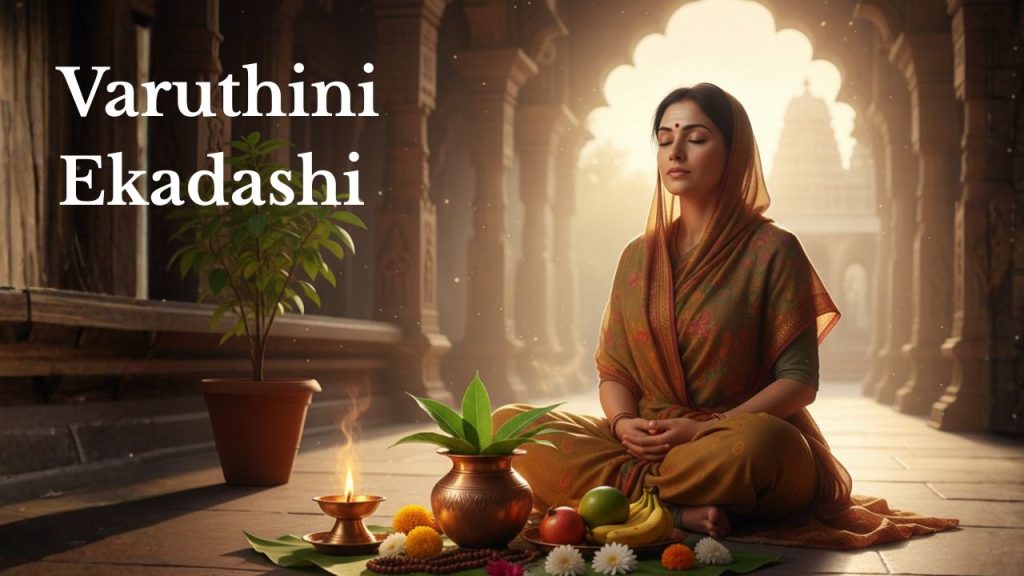
On Varuthini Ekadashi, special prayers and pujas are performed to honor Lord Vishnu. Devotees often decorate Vishnu’s idol or picture with flowers, sandalwood paste, and incense. You might recite sacred hymns like the Vishnu Sahasranama or offer fruits and sweets as prasadam (blessed food).
Performing these rituals with sincerity creates a direct connection to Vishnu’s divine energy. It’s a moment to express your devotion and ask for protection and blessings. The ritual is not about perfection but heartfelt engagement; your devotion brings the puja its true power.
Chanting mantras and devotional songs
Mantras and bhajans (devotional songs) play a central role in enhancing the spiritual atmosphere of Varuthini Ekadashi. Chanting “Om Namo Bhagavate Vasudevaya” or other Vishnu mantras helps calm the mind and open your heart to the divine presence. Devotional songs recounting Vishnu’s virtues and stories uplift your spirit and create a communal feeling, even if you observe the day alone. Sound’s vibration is believed to purify the environment and your inner self.
Charity and helping people in need on this day
Varuthini Ekadashi is about personal spiritual growth and extending compassion to others. Charity, or “daan,” is highly encouraged on this day. Whether you donate food, clothes, or money, your generosity amplifies the positive energy of the fast. Helping those in need reflects the true spirit of devotion, recognizing the divine in everyone and acting with kindness. This act of selflessness is said to multiply one’s spiritual merits and bring blessings into one’s life. By including charity in your observance, you make Varuthini Ekadashi a holistic experience of purity, devotion, and compassion.
Importance of Fasting on Varuthini Ekadashi
Fasting is a core part of observing Varuthini Ekadashi, but it’s more than just skipping meals; it’s a powerful spiritual practice. When you fast on this day, you’re engaging in a tradition that has deep roots in self-discipline and devotion. You’ll find that fasting helps align your mind, body, and spirit, making it easier to focus on the divine and your inner growth.
The fast also acts as a form of sacrifice, putting aside worldly pleasures to honor Lord Vishnu. It’s an opportunity to strengthen your willpower and practice self-control. When you choose to fast, you’re consciously choosing to rise above everyday distractions and dedicate yourself to purity, reflection, and prayer.
Interestingly, fasting during Varuthini Ekadashi has health benefits, too. It allows your digestive system a break, promotes detoxification, and can boost your overall well-being. But beyond the physical, fasting opens the door to spiritual upliftment; it’s a way to shed negative karma, calm your mind, and nurture a peaceful connection with the divine.
Types of fasting followed (nirjala, phalahar, etc.)
You might wonder, “What kind of fast should I observe on Varuthini Ekadashi?” There are different types of fasting, each suited to your capability and spiritual goals.
- Nirjala fasting is the strictest form, in which no food or water is consumed throughout the day. It’s challenging but believed to yield the highest spiritual merit.
- The Phalahar fast allows fruits, nuts, and milk but avoids grains and regular meals. It is easier, but still significant in devotion.
- Some observe a partial fast, avoiding specific foods like cereals, beans, or onion-garlic and focusing on light vegetarian meals instead.
Each fasting type teaches self-restraint and mindfulness. Whether you choose a strict or moderate fast, the key is sincerity and focus on the spiritual intent behind your observance. You’re not denying yourself food but creating space for inner cleansing and devotion.
Physical and mental discipline are involved.
Fasting is an exercise in discipline, both physical and mental. Physically, it requires your body to adjust to less food or different types of food, which can be tough initially. But it also encourages you to listen to your body, recognize hunger, and learn to manage it patiently.
Mentally, fasting is about conquering impulses and distractions. When you decide not to eat or drink certain things, you train your mind to focus on higher goals instead of immediate comfort. This mental discipline is invaluable, extending beyond just the fasting day. You’ll notice increased clarity, calmness, and a deeper connection to your spiritual practices. The discipline you develop on Varuthini Ekadashi builds resilience, helping you maintain balance even in daily challenges.
Fasting as a form of self-control and sacrifice
When you fast on Varuthini Ekadashi, you make a humble and powerful sacrifice. By setting aside your physical desires, you show respect and surrender to Lord Vishnu.
This act of self-control is transformative. It teaches you to delay gratification and prioritize spiritual well-being over temporary pleasures. Fasting becomes a metaphor for life, choosing what truly nourishes your soul rather than satisfies momentary cravings. Through sacrifice, you cultivate humility and gratitude. It reminds you that your body and mind are vessels for your spirit, deserving of care and reverence.
Health benefits associated with fasting
Many people find fasting on Ekadashi beneficial not only spiritually but also physically. When you fast, your digestive system gets a break, which helps detoxify your body naturally. This can improve metabolism, reduce inflammation, and boost energy levels.
Fasting also promotes mental clarity and emotional stability. Without the burden of digesting heavy meals, your body can focus more on healing and regeneration. Additionally, controlled fasting helps regulate blood sugar and can support weight management. These health benefits show how spiritual practices can harmonize with physical wellness, creating a holistic approach to living well.
Spiritual upliftment through fasting
The greatest reward of fasting on Varuthini Ekadashi is spiritual upliftment. It’s a day dedicated to deepening your devotion to Lord Vishnu and purifying your mind from negative thoughts. By abstaining from food and other distractions, you free yourself to meditate, chant, and connect more fully with divine energy. This purification helps remove past sins and negative karma, paving the way for spiritual progress. Fasting is like hitting the reset button for your soul. It renews your commitment to dharma (righteousness) and opens your heart to peace, bliss, and the path to moksha (liberation).
Varuthini Ekadashi’s Role in Promoting Dharma
Varuthini Ekadashi is not just about individual spirituality; it is vital in promoting dharma, the moral and ethical framework that sustains society. By observing this day, you actively foster truth, compassion, and righteousness in your life and community. Honoring Varuthini Ekadashi encourages you to live honestly and ethically, aligning your actions with higher principles. The day inspires you to avoid harmful deeds, cultivate forgiveness, and strengthen the bonds with your family and neighbors. This collective commitment to dharma nurtures harmony and peace, reflecting the deeper purpose of spiritual festivals, to uplift ourselves and the world around us.
Encouraging truthfulness and ethical behavior
On Varuthini Ekadashi, there is a special emphasis on truthfulness. You’re reminded that honesty is the foundation of dharma and spiritual growth. Speaking and acting truthfully, even when difficult, builds trust and integrity. This commitment extends beyond the fast day into everyday life, helping you become a better friend, family member, and citizen. By focusing on ethical behavior, you contribute to a society where fairness and justice thrive, reflecting the divine order that Varuthini Ekadashi celebrates.
Avoidance of harmful activities on this day
Varuthini Ekadashi encourages avoiding harmful physical, verbal, or mental activities. This includes avoiding violence, gossip, anger, and anything that causes harm to others or yourself. You create positive energy that benefits everyone by consciously choosing peace and kindness. This day serves as a reminder that your actions have consequences. By avoiding negativity, you protect your karma and promote collective well-being.
Fostering compassion and forgiveness
One of Varuthini Ekadashi’s beautiful teachings is compassion. You can open your heart and forgive past grievances against others or yourself. Forgiveness releases the burden of resentment and opens space for healing. Practicing compassion on this day strengthens your relationships and fosters a community built on love and understanding. When you forgive, you align yourself with divine mercy, which is central to the spirit of Varuthini Ekadashi.
Strengthening family and social bonds through collective worship
Varuthini Ekadashi is often celebrated as a family event, bringing loved ones together for prayers and rituals. These shared experiences deepen connections and reinforce social bonds. You and your family create a sacred space of unity and devotion through collective worship. This communal spirit reminds you that spiritual growth is personal and social, strengthening the fabric of your community.
Upholding the principles of righteousness (Dharma)
At its heart, Varuthini Ekadashi calls you to uphold dharma, the righteous way of living. Observing the fast and following the day’s teachings reaffirms your commitment to truth, nonviolence, and spiritual discipline. Living dharmically means making choices that benefit not just you but others as well. It’s a path of integrity, kindness, and responsibility that leads to lasting peace and harmony.
Regional and Cultural Celebrations
While Varuthini Ekadashi is celebrated across India, its customs and intensity vary by region and community. These variations make the festival rich and diverse, reflecting India’s cultural mosaic. In some places, grand temple rituals and pilgrimages are held, while in others, families observe quiet fasts and home pujas. Cultural expressions include devotional singing, storytelling, and community feasts, each adding layers of meaning and joy to the observance.
Variations in celebration across India
You might notice elaborate pujas in temples dedicated to Lord Vishnu in northern India. Priests recite special hymns, and the community gathers for spiritual discourses. Southern India often features intense fasting and early morning prayers, sometimes accompanied by cultural programs like classical music and dance dedicated to divine stories. In eastern India, the day can include offerings of fruits and flowers, with local customs blending into the celebration. Western India often combines Varuthini Ekadashi with other local festivals, creating vibrant communal events.
Unique customs in different states or communities
Every community brings its flavor to Varuthini Ekadashi. For example, in Maharashtra, some devotees prepare special dishes that are allowed during the fast and share them as prasad (holy offering). In Gujarat, the day is marked by singing bhajans and kirtans (devotional songs), creating a lively and uplifting atmosphere. Some tribal communities add unique rituals involving nature worship and traditional songs, weaving Varuthini Ekadashi into their cultural fabric.
Popular temples and pilgrimage spots for Varuthini Ekadashi
Certain temples attract large numbers of devotees on Varuthini Ekadashi. The Srirangam Temple in Tamil Nadu, dedicated to Lord Vishnu, sees special prayers and large crowds. In Uttar Pradesh, the Vrindavan temples hold grand celebrations with chanting and arati (ceremonial light offerings), drawing pilgrims from far and wide. Other renowned pilgrimage sites include the Tirupati Balaji Temple and Badrinath Temple, where thousands observe the day with elaborate rituals and fasting.
Cultural events, kirtans, and gatherings
Varuthini Ekadashi is often accompanied by cultural events that bring the community together. Devotional singing sessions, called kirtans, fill the air with spiritual energy. These gatherings are more than entertainment; they create a shared space for reflection and devotion, allowing everyone to feel connected through music and story. Communities might organize spiritual talks, scriptural readings, and group meditations to reinforce the day’s teachings and enhance collective spiritual growth.
Role of Varuthini Ekadashi in community bonding
At its core, Varuthini Ekadashi strengthens social ties. Families and neighbors fast together, pray, and celebrate, building trust and friendship. This shared experience fosters a sense of belonging, reminding you that you are part of something larger than yourself. The festival encourages generosity and service, further strengthening communities and making Varuthini Ekadashi a spiritual and social event promoting harmony.
Modern Relevance of Varuthini Ekadashi
Even today, Varuthini Ekadashi holds great significance, especially in our fast-paced, modern lives. You might think ancient rituals are outdated, but they offer timeless wisdom for managing stress, nurturing mindfulness, and living ethically. For urban devotees juggling busy schedules, Varuthini Ekadashi offers a moment to pause, reflect, and reconnect with your spiritual roots. It’s a chance to slow down and find balance amidst chaos. The fasting and meditation practices also encourage environmental mindfulness and ethical living, resonating with many modern concerns about sustainability and compassion.
Adapting ancient traditions to today’s lifestyle
Modern life is hectic, but you can still honor Varuthini Ekadashi in ways that fit your routine. Maybe you can’t fast completely, but you might choose a partial fast or dedicate time to meditation and prayer. Technology can help, too. Virtual pujas, online satsangs (spiritual talks), and apps with devotional music make it easier to participate from anywhere. This adaptability ensures that Varuthini Ekadashi remains relevant, allowing you to stay connected to tradition without compromising your lifestyle.
Importance for urban devotees and busy professionals
Varuthini Ekadashi is a valuable opportunity for those living in cities to escape work stress and digital overload. Even a short fast or moment of prayer can reset your mental state, helping you approach challenges with calm and clarity. It reminds us that spiritual health is as important as physical and mental health and encourages us to integrate these practices into our daily lives.
Using Ekadashi for mindfulness and stress relief
Varuthini Ekadashi invites you to practice mindfulness, being fully present during prayer, fasting, or simply reflecting on your actions. This focus can reduce anxiety and bring a sense of peace, offering a natural antidote to modern stress. The day teaches you to slow down and appreciate the moment, which benefits your overall well-being.
Environmental and ethical teachings are reflected in fasting
Fasting on Varuthini Ekadashi is also a call to live ethically and sustainably. By consuming less and avoiding harmful foods, you reduce your ecological footprint. The day reminds you of the interconnectedness of all life, encouraging respect for nature and responsible choices. This environmental awareness aligns with global efforts to promote conservation and compassion.
Promoting spiritual awareness in modern society
Finally, Varuthini Ekadashi nurtures spiritual awareness amid material distractions. It offers a chance to explore your inner self and prioritize values beyond consumerism. By observing this day, you contribute to a cultural revival of spirituality, helping to create a more compassionate and mindful society.
Learnings to Observe Varuthini Ekadashi
Varuthini Ekadashi is a beautiful blend of spirituality, culture, and community. It invites you to pause, reflect, and grow spiritually and ethically. By observing the fast and rituals, you honor Lord Vishnu and cleanse your mind and body, strengthening your connection to dharma.
Attending Varuthini Ekadashi can enrich your life with peace, self-discipline, and joy, offering blessings far beyond this day. Let Varuthini Ekadashi provide light and guidance on your spiritual journey. May you find blessings, strength, and serenity on this special day.
For those eager to learn more or participate, plenty of resources, temples, and communities are ready to welcome you. Explore books, online forums, or local groups to deepen your experience. Celebrate Varuthini Ekadashi with an open heart, and watch how it transforms your life in wonderful ways.