Durva Ashtami in Bhadrapada: Importance and Significance
Durva Ashtami is a revered observance in the Hindu calendar, falling on the eighth day (Ashtami) of the Krishna Paksha (waning phase of the moon) in the Bhadrapada month, which typically occurs between August and September. This day holds profound spiritual significance for devotees, particularly for those devoted to Lord Ganesha, the remover of obstacles. Observing Durva Ashtami is believed to bring prosperity, well-being, and divine blessings to families and individuals who perform the rituals with sincerity and devotion.
The Ashtami, or the eighth day, carries its own symbolism in Hindu tradition. It represents the balance between spiritual and material life, offering a chance for introspection, penance, and connecting with divine energies. On this day, devotees focus on spiritual growth and seek guidance from Lord Ganesha for success in personal and professional endeavors.
During Durva Ashtami, devotees engage in various rituals and spiritual practices, including offering prayers, performing puja with Durva grass, and observing fasts. The day encourages mindfulness, gratitude, and devotion, serving as a reminder to align one’s life with spiritual values. Rituals observed on Durva Ashtami include preparing a sacred altar, chanting Ganesha mantras, and offering special prasad. These practices are aimed at invoking divine energy and ensuring harmony, prosperity, and protection from negative influences.
This day is not only a spiritual observance but also a celebration of faith and tradition. Communities often gather in temples to participate in group prayers, share insights, and foster a sense of unity. Through the devotion and rituals associated with Durva Ashtami, devotees reinforce their faith and cultivate a deeper connection with Lord Ganesha, ensuring that spiritual practices continue to thrive in modern times.
Mythological Significance
Durva Ashtami holds deep mythological significance, rooted in ancient Hindu scriptures and folklore. One prominent legend emphasizes the sacredness of the Durva grass in appeasing Lord Ganesha. According to these accounts, offering Durva grass to Lord Ganesha pleases him immensely, resulting in the removal of obstacles and the granting of boons. The grass itself symbolizes purity, resilience, and spiritual energy, reinforcing the notion that small acts of devotion can yield significant results.
Stories from the Puranas highlight the importance of Durva Ashtami in maintaining spiritual balance. In one tale, a devotee who worshipped Lord Ganesha with Durva grass experienced divine intervention in overcoming personal and familial hardships. This narrative highlights the idea that devotion, combined with specific rituals, can create a positive shift in one’s life, underscoring the timeless relevance of these practices.
Durva Ashtami is also celebrated as a day of symbolic protection and prosperity. The act of offering Durva grass to Lord Ganesha is believed to shield devotees from negative energies, misfortune, and ill health. It is seen as an investment in spiritual and material well-being, as the blessings of Lord Ganesha ensure the success of personal, professional, and familial endeavors.
Moreover, the festival emphasizes the interconnectedness of nature and divinity. By using Durva grass, a natural and sacred plant, devotees honor the intrinsic bond between humans and the environment. This mythological perspective enriches the spiritual experience of Durva Ashtami, reinforcing the timeless value of devotion, ethical conduct, and respect for nature in Hindu traditions.
Timing and Observance
Durva Ashtami is observed on the eighth day of Krishna Paksha in the Bhadrapada month, making the timing of this festival crucial for its spiritual efficacy. The lunar phase dictates not only the specific date but also the auspicious hours for performing rituals and prayers. Devotees meticulously plan the observance according to the Panchang, ensuring that prayers and offerings are conducted at the most spiritually beneficial times.
The observance of Durva Ashtami extends through the day and night, with specific rituals assigned to different periods. The morning hours are generally dedicated to cleansing, preparing the puja area, and offering initial prayers to Lord Ganesha. Afternoon rituals often include chanting mantras and performing detailed worship with Durva grass. The evening concludes with the distribution of prasad, recitation of sacred texts, and expressing gratitude for the divine blessings received.
Auspicious timings play a significant role in enhancing the spiritual benefits of Durva Ashtami. Performing puja during these intervals aligns the devotee’s energy with cosmic vibrations, maximizing the impact of prayers and meditation. These periods are chosen based on lunar phases, planetary positions, and traditional guidelines to ensure optimal spiritual outcomes.
Regional variations also enrich the observance of Durva Ashtami. In some states, community gatherings and temple ceremonies are more elaborate, including collective chanting, devotional songs, and charitable activities. In other areas, individual families observe the rituals at home, emphasizing personal devotion and familial harmony. Regardless of regional differences, the essence of Durva Ashtami remains the same: connecting with Lord Ganesha, seeking protection, and embracing spiritual growth.
Rituals and Traditions
Observing Durva Ashtami involves a series of well-defined rituals and traditions, each aimed at invoking divine blessings and cultivating spiritual awareness. Preparing the sacred space is the first step, involving the cleaning and decoration of the puja area with flowers, incense, and traditional offerings. This creates a conducive environment for spiritual activities and symbolizes purity and devotion.
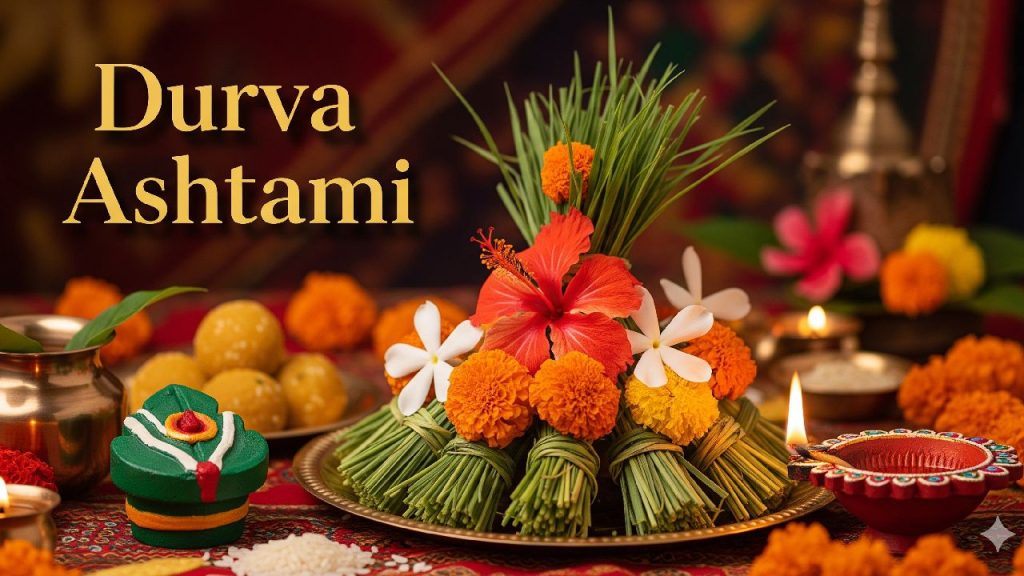
The worship of Lord Ganesha is central to Durva Ashtami. Devotees offer Durva grass, flowers, and other sacred items while chanting mantras and reciting hymns. The rituals often involve a specific sequence, starting with the invocation of Lord Ganesha, followed by offerings, meditation, and concluding with the distribution of prasad. The act of offering Durva grass is particularly significant, as it is believed to please the deity and attract prosperity and protection.
Fasting is another integral component of Durva Ashtami. Some devotees observe a strict fast, abstaining from food and water, while others follow partial fasting, consuming only specific foods. The fast is not merely a physical act but a spiritual discipline, fostering self-control, mindfulness, and focus on divine devotion.
Offering prayers and chanting mantras during Durva Ashtami helps create a spiritual resonance that aligns the devotee’s energy with divine forces. These practices are believed to cleanse the mind, reduce stress, and promote mental clarity. Post-puja rituals, including distributing prasad and performing charity, ensure that the blessings of Lord Ganesha extend to others, reinforcing communal harmony and compassion.
Through these rituals and traditions, Durva Ashtami serves as a holistic spiritual practice. It integrates physical, mental, and emotional disciplines, encouraging devotees to cultivate devotion, ethical behavior, and a deeper connection with divine energy. The day becomes a transformative experience, nurturing faith and enriching the spiritual journey of individuals and families.
Significance of Durva Grass
Durva grass, also known as Bermuda grass, holds immense significance in Hindu rituals, particularly during Durva Ashtami. Its importance stems from both symbolic and spiritual dimensions. Symbolically, Durva represents purity, resilience, and devotion, reflecting qualities that devotees seek to cultivate in their lives. Offering this sacred grass to Lord Ganesha is considered a potent act of devotion, attracting divine blessings and spiritual protection.
Beyond symbolism, Durva grass possesses unique spiritual and medicinal properties. It is believed to cleanse the environment, purify the mind, and enhance the spiritual vibrations of the ritual space. The grass serves as a medium through which devotees express their reverence and connect with Lord Ganesha, creating a tangible link between material offerings and divine grace.
Durva grass plays a vital role in invoking Lord Ganesha’s blessings. According to traditions, even a handful of Durva grass offered with sincerity can remove obstacles, fulfill desires, and attract prosperity. Its repeated use in rituals highlights the importance of small, consistent acts of devotion in nurturing a deep spiritual connection.
Furthermore, Durva grass is associated with protection, prosperity, and longevity. It is believed that placing the grass in homes, temples, and sacred spaces shields inhabitants from negative energies, fosters harmony, and ensures overall well-being. This dual significance—both spiritual and practical—underscores why Durva grass is central to the observance of Durva Ashtami.
By incorporating Durva grass into their rituals, devotees honor centuries-old traditions, reinforce their faith, and reap the holistic benefits of spiritual practice. Its presence transforms ordinary worship into a profound experience, connecting individuals with divine energy, promoting ethical living, and fostering a sense of spiritual fulfillment that extends beyond the day of observance.
Spiritual Benefits
Durva Ashtami is not only a day of rituals but also a profound opportunity to enhance spiritual well-being. Engaging in the observances of this auspicious day brings several intangible benefits that nurture the mind, body, and soul. By dedicating time to prayer, meditation, and fasting, devotees align themselves with higher energies, fostering inner peace and clarity.
The spiritual practices performed on Durva Ashtami are believed to invoke Lord Ganesha’s blessings, who is widely revered as the remover of obstacles. Devotees experience guidance in overcoming challenges in personal, professional, and spiritual life. When prayers are offered with sincerity, the energy created can help resolve conflicts, reduce misunderstandings, and create favorable circumstances for growth and success.
Observing Durva Ashtami reinforces one’s devotion and deepens faith in divine principles. Regular engagement in rituals, chanting of mantras, and meditation on Lord Ganesha’s form cultivates discipline, patience, and perseverance. Over time, these practices strengthen spiritual resilience and instill a sense of purpose and direction in life.
Participating in prayers and fasting promotes mental calmness and clarity. The rituals help in reducing anxiety, stress, and negativity by creating a sacred and focused environment. The spiritual energy generated during worship uplifts the mind, helping devotees maintain balance and harmony in daily life.
Fasting, a key component of Durva Ashtami, acts as a form of self-discipline and spiritual cleansing. Combined with prayers and offerings, it enhances mindfulness, self-control, and gratitude. Devotees report heightened awareness, emotional stability, and a sense of fulfillment after observing these practices. Through these spiritual benefits, Durva Ashtami becomes more than just a ritual—it transforms into a holistic practice that nurtures faith, improves well-being, and reinforces a meaningful connection with the divine.
Cultural and Regional Observances
Durva Ashtami is celebrated with unique customs across different regions, reflecting the diversity and richness of Hindu traditions. While the core rituals remain consistent—offering Durva grass, worshipping Lord Ganesha, and observing fasts—the way communities commemorate the day varies, offering devotees a vibrant and immersive cultural experience.
In states like Maharashtra and Gujarat, large-scale temple gatherings and communal prayers are common. Devotional songs, dances, and storytelling about Lord Ganesha’s life accompany these celebrations. In southern India, particularly Tamil Nadu and Karnataka, family-centered observances at home are emphasized, focusing on meticulous rituals and devotion.
Certain regions incorporate local folk rituals, where devotees collectively chant mantras, recite puranas, and organize processions. These gatherings not only amplify the spiritual energy but also strengthen community bonds, instilling a sense of shared devotion and cultural pride.
Music, recitations, and dance performances are integral parts of Durva Ashtami celebrations in many areas. They bring devotees together, create a lively spiritual atmosphere, and transmit cultural heritage to younger generations. In some towns, Durva Ashtami coincides with fairs, exhibitions, and charitable initiatives.
These events enhance the festival’s social and cultural impact, fostering participation and reinforcing the importance of community, charity, and spiritual practice. Celebrating Durva Ashtami culturally and regionally enriches the spiritual experience, connecting devotees to both tradition and community, while maintaining the essence of devotion to Lord Ganesha.
Connection with Ancestors
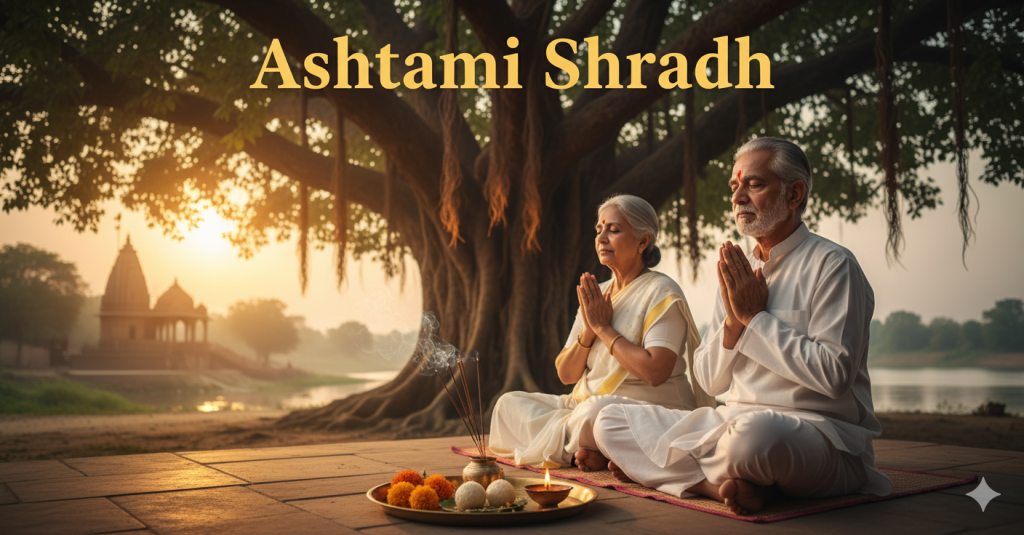
Durva Ashtami is also a day for honoring ancestors, acknowledging their guidance, and seeking their blessings. Hindu traditions emphasize that the well-being of the living is closely linked with respect and remembrance of forebears, and rituals performed on this day serve to strengthen these bonds.
Devotees often perform rituals, such as offering food, water, and prayers, to their ancestors. These acts honor the departed souls and express gratitude for their guidance, protection, and blessings. It is believed that such offerings bring peace to the ancestors’ souls and foster harmony within the family.
Specific mantras, pujas, and charitable acts are performed to seek the blessings of ancestors. These rituals emphasize respect for lineage, cultural continuity, and spiritual balance, ensuring that the family remains protected and prosperous. Donating food, clothing, or money to the needy on Durva Ashtami is considered an act that pleases both Lord Ganesha and departed ancestors. Charity strengthens spiritual merit (punya) and reinforces ethical living, compassion, and societal responsibility.
It is believed that ancestors bless families who honor them, ensuring harmony, prosperity, and protection from adversity. By connecting with ancestral energy, devotees cultivate spiritual strength and continuity, bridging the gap between the past and present. The connection with ancestors on Durva Ashtami is a reminder that devotion extends beyond the self, intertwining spiritual growth with gratitude, respect, and communal well-being.
Do’s and Don’ts on Durva Ashtami
Observing Durva Ashtami requires awareness of certain practices that enhance the spiritual efficacy of the day. Following recommended dos and avoiding prohibited actions ensures that devotion is practical, focused, and harmonious. Devotees are encouraged to fast or follow a restricted diet, consuming only light, vegetarian meals. The fast symbolizes discipline, mindfulness, and spiritual purification, helping focus on devotion rather than worldly indulgences.
Certain activities, such as consuming alcohol, engaging in quarrels, or neglecting rituals, are discouraged. These actions can diminish spiritual energy and obstruct the intended blessings of the day. Staying mindful, calm, and devoted ensures that the worship is effective and fulfilling. Devotees are encouraged to maintain respectful and positive conduct. Speaking gently, meditating, and being compassionate enhance the spiritual ambiance, allowing prayers to resonate more deeply.
Planning rituals ahead, preparing offerings meticulously, and observing temple or home-based ceremonies with care maximizes the spiritual impact. Small acts of devotion, such as offering Durva grass with sincerity, can yield significant spiritual benefits. By adhering to these dos and don’ts, Durva Ashtami becomes a disciplined, meaningful, and spiritually rewarding observance that nurtures devotion and promotes overall well-being.
Divine Insights and Key Takeaways
Durva Ashtami in Bhadrapada is a festival that beautifully blends devotion, ritual, and cultural tradition. It provides an opportunity to connect deeply with Lord Ganesha, seek protection, and enhance spiritual well-being through prayer, fasting, and meditation. The observance underscores the significance of small, sincere acts of devotion in attracting blessings and overcoming obstacles in life.
Through its mythological roots, Durva Ashtami teaches the importance of faith, resilience, and spiritual discipline. Rituals like offering Durva grass, chanting mantras, and honoring ancestors create a holistic spiritual experience, fostering harmony, prosperity, and ethical living. Communities and families come together through cultural practices, further reinforcing the social and emotional aspects of the festival.
The day’s observances, from rituals to fasting, carry multiple layers of benefits—mental peace, spiritual clarity, devotion, and familial bonding. Durva Ashtami serves as a reminder that spiritual growth is intertwined with respect for tradition, mindfulness, and ethical conduct.
Ultimately, Durva Ashtami is more than just a religious festival. It is a celebration of faith, culture, and spirituality, encouraging devotees to live consciously, honor their lineage, and embrace the transformative power of devotion. Observing this auspicious day with sincerity ensures lasting blessings, prosperity, and a strengthened connection with divine energy, enriching life in profound and meaningful ways.