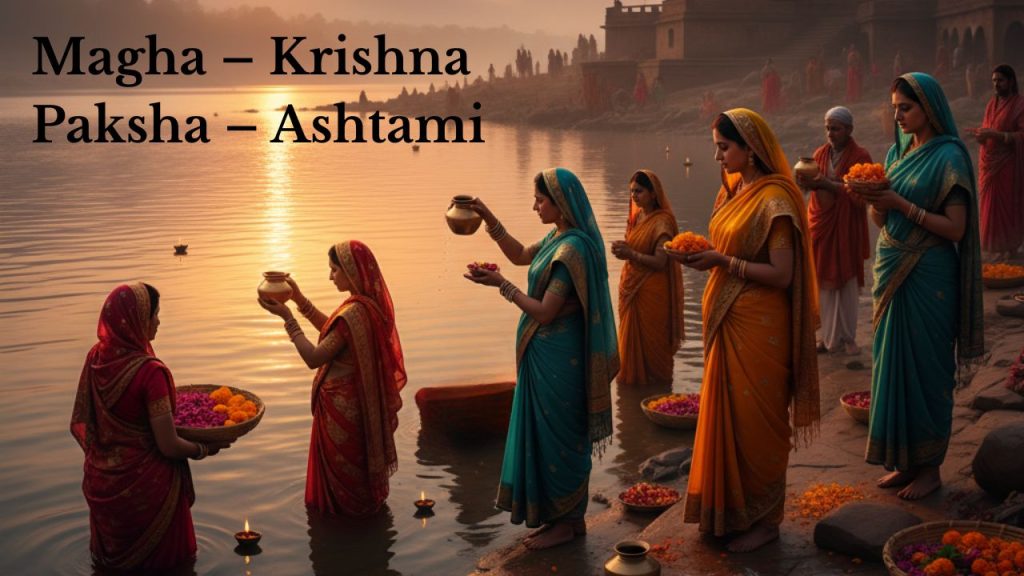
Importance of Bhishma Ashtami in Magh
Bhishma Ashtami is a highly revered day in the Hindu calendar, commemorating the legendary Bhishma Pitamah, a towering figure from the epic Mahabharata. This day falls in the month of Magh, typically between January and February, a period marked by spiritual observances and cultural festivities across India. Bhishma Ashtami provides an opportunity to reflect on the values and virtues embodied by Bhishma, whose life exemplified devotion, loyalty, and unwavering commitment to dharma (righteousness). Remembering Bhishma on this day goes beyond a mere ritualistic practice; it is a way to honor the principles of moral integrity and selfless service that he stood for.
The historical and cultural significance of Bhishma Ashtami is closely tied to the Mahabharata, particularly the events surrounding the Kurukshetra war. Bhishma Pitamah, despite being bound by duty to serve the throne of Hastinapura, displayed immense wisdom and guidance throughout the epic. The observance of this day allows devotees to reconnect with these teachings, internalize lessons of discipline, and appreciate the sacrifices made by legendary figures in shaping dharma and justice.
Celebrating Bhishma Ashtami also serves a spiritual purpose: it is an occasion to seek blessings for longevity, knowledge, and moral strength. The day invites devotees to pause and reflect on personal duties and relationships, drawing inspiration from Bhishma’s life. In a modern context, remembering figures like Bhishma fosters a sense of continuity, ethical grounding, and respect for tradition, which remains highly relevant in our fast-paced world. Through rituals, prayers, and reflection, Bhishma Ashtami encourages a meaningful connection between history, spirituality, and everyday life.
Mythological Significance
Life of Bhishma Pitamah and His Vow of Celibacy
Bhishma Pitamah, originally named Devavrata, is one of the most revered figures in Hindu mythology. Born to King Shantanu and Ganga, his life was marked by extraordinary events and strict adherence to duty. One of the most defining moments of his life was taking the vow of lifelong celibacy to fulfill his father’s wish, ensuring that his father could marry Satyavati. This act of selflessness earned him the title “Bhishma,” meaning “terrible” or “one who took a terrible vow.” His vow was not just a personal sacrifice; it was a powerful symbol of unwavering commitment to truth, duty, and family honor.
Bhishma’s life exemplifies the principle of dharma in every action. Despite facing immense personal challenges and enduring hardships, he remained steadfast in his responsibilities. His dedication serves as an example of moral fortitude, teaching the importance of prioritizing ethical obligations over personal desires. Observing Bhishma Ashtami allows devotees to honor this extraordinary commitment and reflect on the meaning of sacrifice in their own lives, making the lessons of the Mahabharata practical and inspiring.
His Role in the Mahabharata as a Wise and Just Elder
In the Mahabharata, Bhishma is not merely a warrior; he embodies wisdom and righteousness. As the elder of the Kuru dynasty, he played a critical role in guiding both the Pandavas and the Kauravas, offering counsel even during times of conflict. His impartiality and deep understanding of dharma positioned him as a moral compass within the epic, influencing decisions that shaped the course of the war.
Bhishma’s life teaches the delicate balance between duty and compassion. Despite being on the battlefield, he consistently sought to minimize unnecessary harm and protect the vulnerable. Devotees observing Bhishma Ashtami meditate on these aspects, recognizing the importance of wisdom, fairness, and ethical judgment in everyday decision-making. His teachings transcend time, offering guidance for navigating personal and societal responsibilities with integrity.
The Importance of His Death Anniversary and the Day of His Mahaparinirvan
Bhishma’s death on the battlefield of Kurukshetra marks a significant event in Hindu mythology. Known as his Mahaparinirvan, this moment is remembered on Bhishma Ashtami. It represents the culmination of a life devoted to dharma and the ultimate sacrifice for righteousness. Observing this day reminds devotees of the impermanence of life and the enduring impact of virtue and dedication.
The commemoration of Bhishma’s passing serves both spiritual and educational purposes. It encourages reflection on the values that guide a meaningful life and fosters reverence for moral exemplars who lived with integrity. Rituals performed on this day help cultivate mindfulness and awareness, emphasizing the spiritual dimension of honoring ancestors and legendary figures.
Symbolism of Bhishma’s Devotion and Duty
Bhishma’s devotion was not limited to his family; it extended to the kingdom and the principles of dharma itself. He symbolizes steadfastness, discipline, and ethical responsibility. Each action he took, from taking the vow of celibacy to leading in war, reflected a deep sense of purpose and adherence to moral law.
Observing Bhishma Ashtami allows devotees to internalize this symbolism, encouraging personal growth and reflection. His example inspires individuals to act with integrity, remain committed to responsibilities, and navigate challenges with patience and courage. Bhishma becomes a living symbol of duty and moral clarity, guiding devotees toward a more principled life.
Bhishma as a Representation of Dharma (Righteousness)
Bhishma Pitamah is a personification of dharma, the ultimate principle of righteousness in Hindu philosophy. His life illustrates that dharma is not merely a set of rules but a conscious, daily choice to uphold justice, truth, and virtue. Through his actions, Bhishma demonstrated that righteousness often requires sacrifice, courage, and wisdom, teaching that true moral strength lies in consistency and devotion.
Bhishma Ashtami, therefore, becomes an occasion to celebrate dharma through reflection, worship, and emulation. Devotees focus on integrating ethical principles into daily life, honoring the timeless teachings of Bhishma, and striving to embody the virtues that guided one of history’s most revered figures.
Spiritual Importance
Observing Bhishma Ashtami for Blessings and Spiritual Growth
Observing Bhishma Ashtami is more than a ritual; it is a pathway to spiritual enrichment and divine blessings. Devotees believe that paying homage to Bhishma Pitamah attracts wisdom, moral clarity, and strength to navigate life’s challenges. By focusing on the virtues he exemplified, patience, loyalty, and unwavering duty, devotees cultivate inner resilience and a sense of purpose. Spiritual growth on this day is not just about external practices but involves introspection, aligning one’s actions with ethical and spiritual values.
Participation in prayers, meditations, and fasting enhances mindfulness and encourages self-discipline. Engaging with Bhishma’s teachings enables a deeper understanding of the soul’s journey, moral responsibilities, and the interconnectedness of life. The day serves as a reminder that spiritual evolution is achieved through consistent ethical living, reflection, and conscious devotion.
Meditation and Prayer Practices Associated with the Day
Meditation and prayer are central to Bhishma Ashtami observances. Devotees often meditate on Bhishma’s virtues, visualizing his dedication, courage, and wisdom. Reciting mantras, listening to readings from the Mahabharata, and chanting sacred hymns help align thoughts with divine principles. These practices not only foster peace of mind but also strengthen focus, patience, and emotional resilience.
Prayer on this day is directed both to Bhishma Pitamah and the Supreme, acknowledging the guidance of ancestors and spiritual mentors. The ritual encourages devotion, reflection, and the cultivation of positive qualities, offering an opportunity to harmonize the mind, body, and spirit.
Learning Lessons of Patience, Loyalty, and Moral Integrity
Bhishma’s life offers profound lessons in patience, loyalty, and moral integrity. His unwavering commitment to dharma, even in the face of personal suffering, teaches the importance of prioritizing principles over convenience. Observing Bhishma Ashtami prompts individuals to reflect on their own actions, reinforcing the values that guide ethical living. It emphasizes that true strength lies not in power or position but in steadfastness and moral courage.
By reflecting on Bhishma’s example, devotees learn to handle adversities with equanimity, maintain commitments to family and society, and make decisions guided by conscience and righteousness. These lessons have practical relevance in modern life, fostering ethical leadership and responsible citizenship.
Connection Between Fasting, Austerity, and Spiritual Merit
Fasting and austerity on Bhishma Ashtami are integral to spiritual discipline. By controlling physical desires and observing dietary restrictions, devotees focus on higher spiritual goals. These practices symbolize self-restraint, purification, and the cultivation of mental clarity, which are essential for spiritual advancement.
The discipline of fasting fosters a sense of humility and gratitude, reinforcing the link between physical restraint and spiritual merit. Spiritual merit accumulated through fasting and austerity is believed to bring blessings for personal well-being, longevity, and wisdom. It is also seen as a form of homage to Bhishma Pitamah, reflecting respect for his sacrifices and dedication.
Role of Rituals in Deepening Personal Devotion
Rituals performed on Bhishma Ashtami serve as tools for deepening personal devotion. Every act, whether it is chanting mantras, offering prayers, or participating in communal ceremonies, fosters a connection with the divine and with the exemplary life of Bhishma. Rituals guide devotees through structured reflection, allowing them to internalize the virtues of patience, duty, and righteousness.
Through participation in these rituals, spiritual growth is encouraged, and the teachings of Bhishma Pitamah are translated into actionable insights for everyday life. Rituals thus become a bridge between tradition, personal discipline, and moral reflection.
Rituals and Practices
Early Morning Holy Bath in Rivers (Tirtha Snan)
The observance of Bhishma Ashtami traditionally begins with a holy bath in sacred rivers, symbolizing purification and renewal. Devotees rise early to perform Tirtha Snan, believing that immersion in holy waters washes away sins, purifies the soul, and prepares the body and mind for spiritual practices. Rivers like the Ganges, Yamuna, and those near Kurukshetra hold special significance. This practice not only fosters physical cleanliness but also spiritual cleansing, enabling a fresh start for devotion and reflection.
The ritual emphasizes the intimate connection between nature and spirituality, reinforcing the belief that water, as a purifying element, is essential for cultivating inner sanctity and discipline. It sets the tone for the day’s spiritual activities, reinforcing the lessons of Bhishma’s life through symbolic acts of devotion.
Fasting (Upavasa) and Dietary Observances
Fasting is a cornerstone of Bhishma Ashtami rituals, undertaken to foster self-discipline and spiritual awareness. Devotees may observe a complete fast or consume only specific foods like fruits, milk, and simple vegetarian meals. The act of fasting helps focus the mind on spiritual growth rather than worldly pleasures, strengthening patience and commitment. It serves as a form of homage to Bhishma’s ascetic lifestyle and extraordinary self-control, encouraging reflection on personal discipline and ethical living.
Chanting of Bhishma-Related Mantras and Scriptures
Chanting sacred mantras and reciting passages from the Mahabharata related to Bhishma Pitamah is an essential practice. These chants invoke blessings, inspire moral reflection, and connect devotees with the spiritual legacy of Bhishma. Regular recitation fosters concentration, reverence, and a deeper understanding of the dharma, enriching the spiritual experience of Bhishma Ashtami.
Performing Tarpan (Offering Water to Ancestors)
Tarpan, or the offering of water to ancestors, is a ritual performed to honor forebears and seek their blessings. On Bhishma Ashtami, this act symbolizes gratitude and the recognition of the lineage and values passed down through generations. It reinforces the connection between present-day observances and ancestral guidance, aligning personal devotion with a broader spiritual and familial context.
Visiting Temples Dedicated to Lord Vishnu or Kurukshetra Sites
Devotees often visit temples dedicated to Lord Vishnu or sacred sites in Kurukshetra to pay homage on Bhishma Ashtami. These visits strengthen community bonds, facilitate collective worship, and provide an opportunity to learn about historical and mythological contexts. Temple visits also allow participants to witness rituals performed by priests, enhancing personal devotion and spiritual engagement.
Observances in Temples and Holy Places
Special Poojas and Ceremonies in Kurukshetra and Other Sacred Sites
Temples in Kurukshetra and other holy places host special poojas and ceremonies to honor Bhishma Pitamah. These rituals include elaborate offerings, homams (fire sacrifices), and collective prayers, highlighting the historical and spiritual significance of Bhishma Ashtami. Devotees gather in large numbers, creating an atmosphere of reverence and shared devotion.
Community Prayers and Discourses on Bhishma’s Life
Community prayers and discourses provide an opportunity to learn about Bhishma’s life and values. Spiritual leaders and scholars narrate stories from the Mahabharata, emphasizing ethical lessons and moral teachings. Such gatherings foster a sense of unity, reflection, and cultural continuity among participants, deepening the understanding of the day’s significance.
Role of Priests in Performing Ritual Offerings
Priests play a crucial role in Bhishma Ashtami observances. They conduct rituals, guide devotees in correct practices, and ensure that ceremonies adhere to traditional norms. Their presence allows participants to engage meaningfully with the spiritual aspects of the day, fostering a structured and immersive religious experience.
Participation of Devotees in Collective Chanting or Kirtan
Collective chanting or kirtan sessions are common during Bhishma Ashtami. These devotional gatherings enhance spiritual energy, foster community bonding, and allow participants to experience the shared vibrancy of devotion. The rhythmic chants create an atmosphere of peace and reflection, helping devotees internalize Bhishma’s teachings.
Decoration of Temples with Flowers and Lights
Temples are beautifully decorated with flowers, lights, and other ornaments, creating a serene and festive environment. This visual splendor reflects devotion, respect, and reverence for Bhishma Pitamah. The decorations also enhance the spiritual ambiance, inspiring contemplation, joy, and a sense of sacred celebration among devotees.
Significance of Bhishma Ashtami in Modern Life
Bhishma Ashtami is not just a historical or mythological observance; it holds profound relevance in contemporary life. The principles exemplified by Bhishma Pitamah, duty, integrity, patience, and selflessness, offer guidance for personal and professional conduct. Reflecting on his life encourages ethical decision-making, loyalty to commitments, and maintaining harmony in relationships, both at home and in the workplace.
The festival also reminds society of the importance of respecting elders and mentors. Just as Bhishma provided wisdom and guidance to generations in the Mahabharata, modern individuals benefit from valuing experience and counsel. Furthermore, observing Bhishma Ashtami cultivates mindfulness, self-discipline, and moral awareness. Fasting, prayers, and meditation practiced during this time act as tools to develop emotional resilience, mental clarity, and a sense of purpose. By connecting with these age-old values, Bhishma Ashtami becomes a bridge between tradition and modern ethical living, inspiring people to lead lives of integrity, empathy, and thoughtful reflection.
Health Benefits Associated with Bhishma Ashtami Observances
The rituals of Bhishma Ashtami, particularly fasting and early morning holy baths, contribute not only to spiritual well-being but also to physical health. Fasting helps detoxify the body, improves digestion, and encourages mindful eating habits. It teaches control over impulses and fosters a disciplined lifestyle, which has a positive impact on mental and physical health.
The practice of Tirtha Snan, or bathing in sacred rivers, promotes circulation, relaxation, and mental rejuvenation. Engaging in meditation and prayer also reduces stress, enhances focus, and strengthens emotional stability. Even the act of participating in communal rituals and temple visits encourages social engagement and a sense of belonging, which contributes to mental well-being. Observing Bhishma Ashtami holistically addresses mind, body, and spirit, making it a day of comprehensive wellness through devotion, discipline, and mindfulness.
Regional Variations in Observance
Bhishma Ashtami is observed differently across India, reflecting diverse cultural traditions. In Kurukshetra, where Bhishma lay on the battlefield, special ceremonies are performed with extraordinary grandeur, including elaborate pujas and community gatherings. In other regions, temple celebrations focus on devotional singing, scriptural readings, and local rituals.
Some regions emphasize fasting with strict dietary rules, while others incorporate charitable activities like feeding people in need or donating to temples. Even the timing of rituals may vary slightly according to local lunar calendars. These regional variations enrich the festival, highlighting how devotion adapts to cultural contexts while maintaining the core spiritual essence of honoring Bhishma Pitamah.
Role of Bhishma Ashtami in Teaching Moral Lessons to the Young
Bhishma Ashtami serves as an essential educational tool for younger generations. Through storytelling, temple discourses, and readings from the Mahabharata, children learn about the virtues of honesty, sacrifice, courage, and duty. Witnessing elders perform rituals and listening to the ethical lessons of Bhishma’s life instill respect for tradition and understanding of dharma.
This festival encourages intergenerational dialogue, allowing young people to engage with cultural history in a meaningful way. They learn not only about historical events but also about applying these moral principles in daily life. Observing Bhishma Ashtami reinforces the idea that ethical living, patience, and loyalty are timeless qualities that remain relevant across ages, shaping responsible and principled citizens.
Bhishma Ashtami as a Day of Reflection and Devotion
Bhishma Ashtami is a day to honor a legendary figure whose life embodies the highest ideals of dharma, loyalty, and selflessness. Beyond the rituals, fasting, and temple ceremonies, it is a day of reflection, an opportunity to internalize the moral lessons that Bhishma’s life offers. Observing this day helps strengthen personal discipline, ethical awareness, and spiritual growth, making ancient wisdom relevant in modern life.
By participating in Bhishma Ashtami, devotees connect with a rich cultural heritage, draw inspiration for ethical living, and reaffirm the importance of selfless service and devotion. It is a reminder that true greatness lies not in power or wealth, but in character, duty, and unwavering commitment to righteousness. Through reflection, prayer, and disciplined practice, Bhishma Ashtami continues to inspire generations, encouraging lives rooted in integrity, compassion, and spiritual fulfillment.