Understanding about Ashtami in Krishna Paksha
Ashtami, the eighth day of the lunar fortnight, holds a unique position in the Hindu lunar calendar. Observed during both Shukla Paksha (waxing moon phase) and Krishna Paksha (waning moon phase), the Ashtami of Krishna Paksha carries distinct spiritual and cultural importance, especially during the month of Magh. This day provides an opportunity to pause from daily routines and align oneself with cosmic energies, reflecting on personal growth, spiritual progress, and cultural traditions.
The Krishna Paksha, or waning moon phase, symbolizes introspection, release, and purification. Ashtami during this phase emphasizes shedding negativity, resolving conflicts, and embracing self-discipline. It is believed that the lunar energy on this day is conducive to spiritual practices, fasting, and devotion, helping individuals cultivate inner strength and peace.
During Magh, which corresponds to January–February in the Gregorian calendar, Ashtami is celebrated with special attention because the spiritual vibrations of this month are considered highly potent. Many Hindu festivals and rituals coincide with this period, adding a layer of cultural richness to the observance of Ashtami. Families and communities come together, performing traditional pujas and ceremonies to honor divine energies, thereby strengthening social bonds while nurturing personal spirituality.
Observing Ashtami is not merely a ritualistic act but a practice rooted in mindfulness and devotion. It reminds individuals to live in harmony with natural cycles, embrace discipline, and foster spiritual well-being. From performing specific prayers to engaging in charitable deeds, Ashtami encourages reflection, gratitude, and a deeper connection with the divine. Its spiritual and cultural relevance continues to inspire devotees across generations, making it an integral aspect of Hindu tradition.
Definition of Ashtami (eighth day of the lunar fortnight)
Ashtami represents the eighth day of any lunar fortnight in the Hindu calendar, making it a symbolically powerful day in the lunar cycle. Each day in the lunar calendar carries unique energies, and the eighth day signifies balance, renewal, and spiritual awakening. It is believed that the cosmic forces align differently on Ashtami, offering a chance to cleanse past misdeeds, strengthen one’s resolve, and enhance spiritual growth.
In Krishna Paksha, Ashtami emphasizes letting go. The waning moon’s energy is naturally inclined toward introspection, encouraging reflection on personal actions and intentions. It is a day to detach from material distractions and focus on personal growth and development. Devotees often perform rituals that symbolize this cleansing, such as offering prayers, meditating, and observing fasts. These acts are not just spiritual exercises but ways to harmonize with the universe’s rhythm.
The importance of Ashtami is also embedded in cultural storytelling and traditions. Many legends depict significant events that occurred on this day, thereby reinforcing its spiritual significance. Observing Ashtami provides an opportunity to connect with these narratives, internalize their teachings, and apply them to personal life. The practice fosters mindfulness, a deeper understanding of dharma (righteous living), and the cultivation of virtues such as patience, humility, and devotion.
Explanation of Krishna Paksha (waning moon phase)
Krishna Paksha, or the waning moon phase, begins after the full moon and continues until the new moon, spanning approximately 15 days. This lunar phase symbolizes contraction, introspection, and release. Each day during Krishna Paksha carries specific energies, with Ashtami being particularly significant due to its position as the eighth day.
The waning moon’s influence encourages self-reflection and spiritual purification. Devotees often observe fasting, perform meditation, and engage in rituals to rid themselves of negativity and cultivate inner strength. The energies of Krishna Paksha are considered ideal for spiritual practices that require focus and discipline, such as mantra chanting, prayer, and charitable acts.
Culturally, Krishna Paksha is associated with surrender and transformation. It is believed that actions performed during this period have amplified spiritual consequences. By observing Ashtami in Krishna Paksha, individuals align themselves with these cosmic rhythms, creating opportunities for growth and rejuvenation. The practice bridges natural cycles with personal discipline, making it a vital aspect of Hindu spiritual observances.
Timing of Ashtami in the month of Magh (January–February)
The month of Magh, spanning January and February in the Gregorian calendar, is marked by a variety of festivals and auspicious days in Hindu tradition. Ashtami in the Krishna Paksha of Magh holds special significance because this period is believed to amplify spiritual energies and blessings.
Magh is associated with purification, devotion, and reflection. The cold, crisp environment often encourages introspection and spiritual practice. Observing Ashtami during this month is seen as especially beneficial for cleansing past karma, strengthening devotion, and seeking divine guidance. It is also a time when communities gather for rituals, prayers, and charitable activities, reinforcing social harmony alongside personal spiritual development.
The alignment of the lunar calendar with seasonal changes further emphasizes the significance of this day. The energies of the waning moon, combined with the reflective nature of Magh, create an environment conducive to self-improvement, meditation, and acts of devotion. Observing Ashtami at this time ensures that spiritual efforts are in harmony with the natural cosmic rhythms.
Purpose of Observing Ashtami
The purpose of observing Ashtami extends beyond ritualistic practices. It is fundamentally about aligning oneself with cosmic energy, fostering spiritual growth, and cultivating mindfulness. On this day, devotees engage in introspection, meditation, and acts of service, seeking to purify the mind and soul.
Fasting, prayer, and ritual observances on Ashtami serve as tools for self-discipline and spiritual reinforcement. They encourage letting go of negative tendencies, reinforcing positive behaviors, and deepening the connection with the divine. Through these practices, individuals develop patience, resilience, and a sense of inner peace.
Ashtami is also a day to honor the divine narratives associated with Krishna, Durga, and other deities. By reflecting on these stories, devotees gain moral guidance and inspiration for their personal and spiritual lives. Observing Ashtami cultivates gratitude, reinforces cultural traditions, and creates a holistic experience that nurtures both spiritual and social well-being.
Overview of its Spiritual and Cultural Relevance
Ashtami in Krishna Paksha is a day where spirituality and culture intersect seamlessly. Spiritually, it offers an opportunity for introspection, purification, and devotion. Culturally, it reinforces traditions, community bonding, and the transmission of ancestral wisdom.
The practices performed on this day, such as fasting, pujas, and charitable acts, have deep-rooted significance. They connect devotees with divine energies, enhance personal discipline, and foster social harmony. Celebrating Ashtami also ensures the continuity of cultural heritage, keeping age-old practices alive while adapting them to contemporary life.
This day serves as a reminder that spiritual growth is intertwined with ethical living and cultural appreciation. It encourages participation in rituals, understanding mythological narratives, and embracing the moral lessons embedded in Hindu traditions. Ashtami’s observance underscores the enduring significance of the lunar calendar and the wisdom of synchronizing human actions with cosmic rhythms.
Astronomical Significance of Ashtami
The astronomical significance of Ashtami during Krishna Paksha is profound, influencing both spiritual and practical aspects of life. The moon’s position on this day, combined with planetary alignments, creates a unique set of energies believed to impact human behavior, natural phenomena, and spiritual practices.
Moon’s Position on Ashtami in Krishna Paksha
On Krishna Paksha Ashtami, the moon is positioned in the waning phase, exactly eight days after the full moon. Its diminishing light symbolizes the reduction of negativity, introspection, and spiritual cleansing. The moon’s placement also affects tidal patterns and the emotional and mental states of individuals.
This position is believed to enhance meditation, fasting, and ritual observances. Devotees often find this day ideal for quiet reflection, aligning personal energies with lunar rhythms. The moon’s influence reinforces discipline, mindfulness, and spiritual clarity, creating a fertile ground for inner growth.
Effect on Tides and Natural Energies
The waning moon on Ashtami affects not only human behavior but also natural elements, such as tides, plant growth, and animal activity. The gravitational pull of the moon during this phase is thought to encourage release, cleansing, and renewal, mirroring the spiritual intent of Ashtami observances.
Natural energies on this day are considered optimal for purification rituals and meditation. Observing Ashtami in harmony with these energies can enhance the benefits of fasting, prayer, and spiritual practices, making them more effective and impactful.
Importance in Vedic Astrology
In Vedic astrology, Krishna Paksha Ashtami is associated with specific planetary influences that can affect fortune, health, and spiritual progress. Astrologers advise performing rituals and prayers on this day to mitigate negative influences and strengthen positive energies.
The alignment of planets, combined with the moon’s waning position, is believed to enhance spiritual practices, promote self-discipline, and support moral decision-making. Observing Ashtami in accordance with these cosmic patterns is seen as a way to maximize spiritual benefits while harmonizing with universal forces.
Connection to Planetary Positions and Rituals
The planetary positions on Ashtami influence ritual timings, mantras, and spiritual practices. Specific pujas, offerings, and meditative practices are recommended to align with cosmic energies, ensuring maximum effectiveness. Understanding these connections helps devotees perform rituals with awareness and intention. Aligning personal actions with planetary movements and lunar phases transforms Ashtami from a symbolic observance to a practical tool for spiritual growth and life improvement.
Mythological and Scriptural Importance
Mythology and scriptures provide deep insights into the significance of Ashtami. Legends associated with this day highlight divine victories, moral teachings, and the power of devotion.
Legends Associated with Ashtami (e.g., Krishna’s Exploits, Durga Worship)
Ashtami is celebrated in relation to several legends, including Krishna’s triumphs over demons and Goddess Durga’s victories over evil forces. These stories emphasize courage, righteousness, and devotion, inspiring devotees to reflect on moral values and spiritual strength. Performing rituals on Ashtami connects individuals with these narratives, allowing them to internalize lessons of resilience, faith, and ethical living. The stories also emphasize the spiritual significance of fasting, prayer, and offering on this day.
References in Puranas and Other Hindu Texts
Various Puranas, including the Bhagavata Purana and Skanda Purana, mention Ashtami as a day of spiritual potency. These texts describe the rituals, benefits, and stories associated with the day, guiding devotees in their quest for divine blessings. Scriptural references emphasize the transformative power of Ashtami, encouraging observances that purify the mind, body, and soul. Following these traditions ensures continuity of wisdom while enabling personal spiritual growth.
Stories of Spiritual Victories and Moral Lessons
Many legends linked to Ashtami highlight triumph over evil, the importance of dharma, and moral resilience. These narratives serve as metaphors for personal struggles, teaching the value of discipline, courage, and devotion in everyday life. By reflecting on these stories during Ashtami, devotees gain inspiration to overcome challenges, act righteously, and strengthen their spiritual practices.
Symbolism Behind the Eighth Lunar Day
The eighth lunar day symbolizes balance, spiritual awakening, and transformation. Ashtami encourages the release of negativity, the cultivation of virtues, and alignment with divine energies. Observing this day reinforces the principle that spiritual growth requires discipline, awareness, and reflection, making Ashtami a powerful tool for inner development.
Spiritual Benefits of Observing Ashtami
Observing Ashtami offers numerous spiritual benefits, enhancing devotion, mindfulness, and personal growth.
Purification of Mind, Body, and Soul
Ashtami rituals and fasting serve as instruments for holistic purification. Fasting helps cleanse the body, while prayers and meditation purify the mind and elevate the soul. Devotees report enhanced clarity, focus, and emotional balance when observing this day with sincerity. The process of purification aligns individuals with natural and cosmic rhythms, creating a sense of harmony and peace. It also fosters discipline, helping devotees maintain spiritual practices beyond Ashtami.
Enhancement of Devotion and Meditation Practices
The energies of Krishna Paksha Ashtami are conducive to deep meditation and focused devotion. Devotees find it easier to enter contemplative states, recite mantras, and engage in spiritual reflection. Regular observance strengthens faith, reinforces spiritual discipline, and promotes a deeper connection with the divine. Meditation on this day is believed to yield greater insights, emotional stability, and inner calm.
Significance of Fasting and Prayers
Fasting on Ashtami is more than a physical exercise—it is an act of devotion, discipline, and spiritual alignment. Combining fasting with prayers, mantras, and offerings magnifies the benefits, fostering resilience and mindfulness. Prayer and meditation deepen awareness, encourage introspection, and enhance moral clarity. Together with fasting, these practices create a holistic spiritual experience.
Spiritual Energy Associated with Krishna Paksha Ashtami
The waning moon and Ashtami’s position amplify energies related to reflection, purification, and transformation. Devotees often experience heightened spiritual awareness, inner peace, and a sense of connection with cosmic rhythms. Observing Ashtami harnesses these energies to cultivate discipline, devotion, and clarity, making it a spiritually enriching day in the lunar calendar.
Rituals and Traditions
Ashtami is observed with diverse rituals and traditions that combine devotion, fasting, and cultural practices.
Common Practices During Ashtami
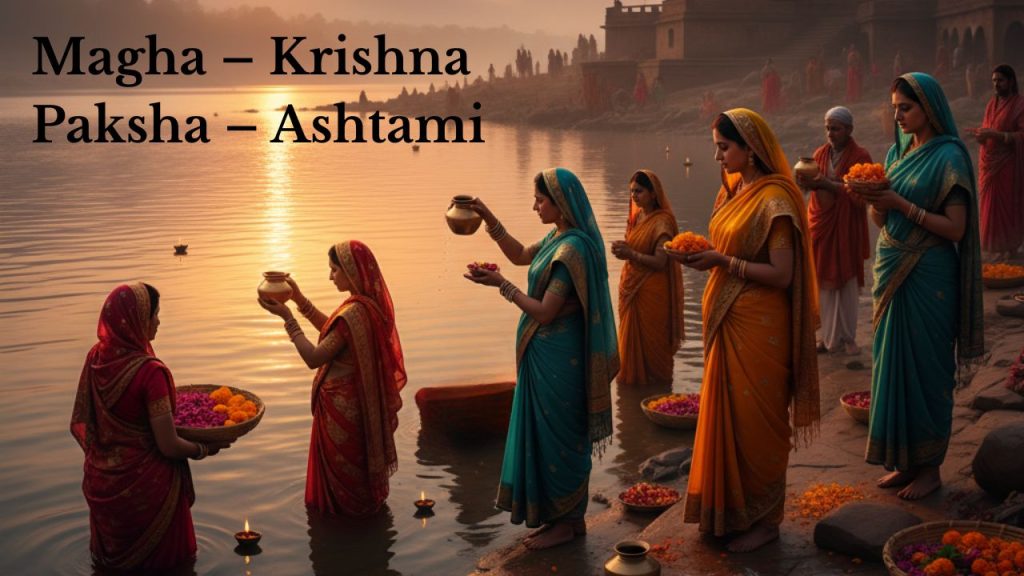
Standard practices include waking early, bathing in sacred water, performing pujas, and chanting mantras. These activities align the devotee with spiritual energies and set the tone for the day. Participating in rituals reinforces mindfulness, gratitude, and a sense of connection to both divine and community traditions.
Fasting (Upavasa) and Types of Fasts
Fasting is a key aspect of Ashtami observance. Some devotees undertake a complete fast, consuming only water, while others follow partial fasts that include fruits and specific foods. The type of fast may vary according to regional and family traditions. Fasting promotes discipline, spiritual focus, and physical purification. It is also considered an act of devotion, symbolizing surrender to divine will and a commitment to self-improvement.
Special Prayers, Pujas, and Offerings
Devotees perform prayers and pujas dedicated to deities associated with Ashtami, such as Krishna or Durga. Offerings may include fruits, flowers, and sacred items, each with symbolic significance. Chanting mantras and reciting sacred texts enhance spiritual vibrations, creating an environment conducive to meditation and devotion. These rituals are not only acts of worship but also vehicles for personal transformation.
Observances in Temples and Homes
Ashtami is observed both in temples and at home. In temples, large-scale rituals, community prayers, and devotional activities bring people together, strengthening communal bonds. At home, family-oriented rituals provide an intimate setting for spiritual reflection, teaching younger generations the importance of tradition and devotion.
Cultural Variations Across Regions
The observance of Ashtami varies across regions, reflecting local traditions, folklore, and historical practices. Some areas emphasize fasting and puja, while others focus on storytelling, music, and community gatherings. These cultural variations enrich the spiritual experience and highlight the adaptability of Hindu traditions across time and geography.
Importance in Worship of Goddess or Deities
Ashtami holds special significance in the worship of various deities, especially during Krishna Paksha in Magh. This day is a powerful time to honor divine energies, strengthen devotion, and seek blessings for spiritual and worldly well-being. The alignment of the lunar phase with Ashtami enhances the potency of prayers, rituals, and offerings made to gods and goddesses.
Ashtami and Worship of Goddess Durga (Krishna Paksha Context)
Durga, the embodiment of power and divine energy, is closely associated with Ashtami, particularly during Navratri or special observances in Krishna Paksha. Worshipping Goddess Durga on this day symbolizes victory over negativity, inner strength, and protection from adversities. Devotees perform elaborate pujas, recite Durga stotras, and offer flowers and sweets to invoke her blessings. The practice fosters courage, discipline, and spiritual fortitude, reflecting the victory of righteousness over evil.
Other Deities Associated with Ashtami
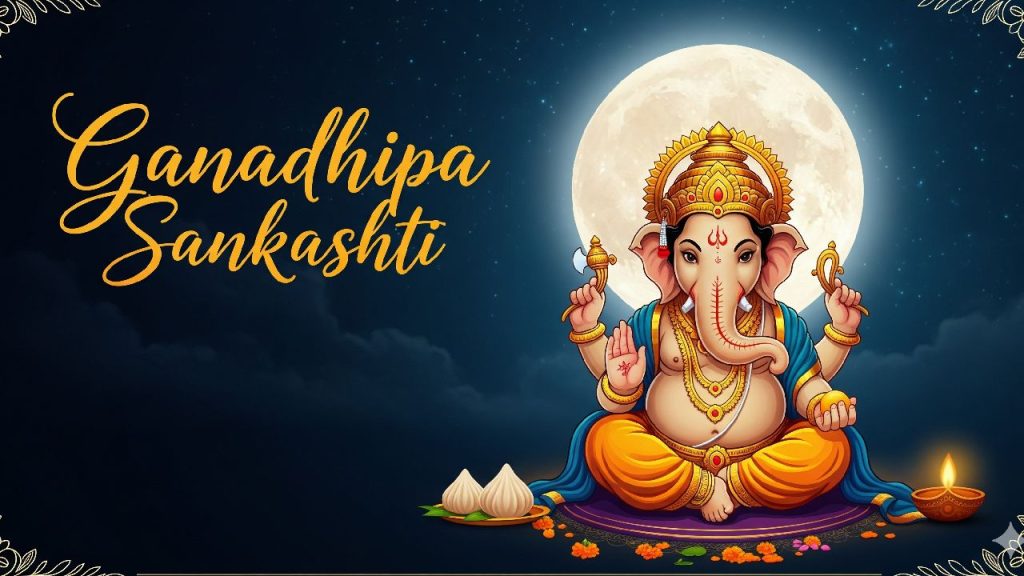
Apart from Durga, Ashtami is also significant for worshipping Lord Krishna, especially in Krishna Paksha. Devotees commemorate his divine exploits, moral guidance, and teachings. Some traditions also include reverence for other deities like Ganesha, Shiva, or local manifestations of the sacred. Observing Ashtami with devotion toward these deities enhances spiritual awareness and creates a balanced approach to worship.
Mantras and Chants Recommended
Chanting specific mantras and reciting sacred texts on Ashtami amplifies spiritual energy. For Goddess Durga, mantras like “Om Dum Durgaye Namaha” are commonly recited, while devotees of Krishna often chant “Om Namo Bhagavate Vasudevaya.” These practices not only focus the mind but also invite divine presence into personal and communal spaces.
Connection Between Lunar Phase and Divine Blessings
The waning moon in Krishna Paksha is believed to facilitate introspection, cleansing, and spiritual transformation. When aligned with Ashtami, it magnifies the blessings received from deities, enhancing devotion, inner strength, and moral clarity. Observing rituals in harmony with lunar energies ensures that prayers and offerings are spiritually effective.
Ashtami Fasting and Dietary Practices
Fasting on Ashtami is a key aspect of devotion, providing both spiritual and physical benefits. The practice symbolizes discipline, mindfulness, and surrender to divine will. It also creates an environment for self-reflection, meditation, and ethical living.
Guidelines for Fasting on Krishna Paksha Ashtami
Devotees typically begin the fast early in the morning, after bathing and performing prayers. Some undertake a strict fast with water only, while others consume fruits, milk, and light vegetarian meals. The intention behind fasting is purification, discipline, and heightened spiritual focus, rather than merely restricting food. Following these guidelines aligns one’s physical, mental, and spiritual energies with the cosmic rhythms of Ashtami.
Foods Allowed and Prohibited
During the fast, foods that are light, easily digestible, and sattvic (pure) are preferred. Fruits, milk, yogurt, nuts, and simple grains like rice are commonly consumed. Foods that are heavy, spicy, or tamasic, such as meat, onion, garlic, and processed items, are avoided. This dietary approach helps maintain clarity of mind and body, supporting meditation and spiritual activities throughout the day.
Spiritual and Physical Benefits of Fasting
Fasting on Ashtami cleanses the body, boosts immunity, and encourages self-discipline. Spiritually, it promotes detachment from material distractions, sharpens focus on prayer, and enhances devotion. The practice is believed to attract positive energies, reduce karmic burdens, and create a sense of mental clarity and emotional balance.
Timing and Duration of Fasts
The fast usually begins at sunrise and is broken after the evening prayers or rituals. In some traditions, partial fasting continues for the entire day, allowing limited consumption of specific foods. Aligning the fast with the lunar timings ensures that the devotee harnesses maximum spiritual benefit from the day’s energies.
Astrological Significance
Ashtami during Krishna Paksha has a profound impact on astrological energies. Vedic astrology recognizes this day as a period of heightened spiritual influence, where planetary positions affect personal fortune, health, and spiritual growth.
Impact on Zodiac Signs During Ashtami
Each zodiac sign experiences distinct energy flows on Ashtami. Some people may find the day favorable for introspection and personal growth, while others are encouraged to focus on discipline and spiritual practices. Understanding these influences allows devotees to plan rituals, prayers, and daily activities effectively.
Favorable Activities and Rituals According to Astrology
Astrology suggests specific practices for Ashtami to maximize spiritual gains. Engaging in meditation, chanting mantras, performing charity, and offering prayers to deities are considered highly auspicious. These activities harmonize personal energy with cosmic forces, ensuring that the benefits of Ashtami extend to both material and spiritual realms.
Propitious Times for Spiritual and Worldly Pursuits
The lunar timings of Ashtami are critical in determining auspicious windows for spiritual and worldly activities. Performing pujas, starting new ventures, or making important decisions in alignment with these timings enhances success and spiritual alignment.
Avoiding Inauspicious Acts on This Day
Krishna Paksha Ashtami emphasizes introspection and purification. Engaging in hostile or aggressive behavior, overindulgence, or conflict is discouraged. By avoiding these actions, individuals can maintain harmony, attract positive energies, and derive maximum spiritual benefits from the day.
Ashtami in Magh Month – Seasonal and Cultural Relevance
Ashtami during Magh is deeply intertwined with seasonal rhythms, cultural traditions, and community practices. The observance of this day goes beyond spirituality, encompassing social, cultural, and environmental awareness.
Connection with Winter Season and Agricultural Cycles
Magh corresponds to the peak of winter, a time traditionally associated with reflection, introspection, and preparation for the upcoming agricultural cycle. Observing Ashtami during this period emphasizes self-discipline, purification, and alignment with natural rhythms, creating a balance between human activity and environmental cycles.
Regional Festivals and Fairs During Magh Ashtami
Many regions in India celebrate Magh Ashtami with fairs, religious gatherings, and community events. Temples organize special rituals, devotional singing, and public prayers, fostering cultural continuity and social cohesion. These festivals reinforce spiritual teachings while strengthening community bonds.
Social and Cultural Significance
Magh Ashtami serves as a time for families and communities to come together, practice devotion, and share traditions. Observances strengthen relationships, transmit cultural values, and reinforce moral teachings. Participation in communal activities also cultivates a sense of belonging and collective spiritual growth.
Practices Unique to Magh Ashtami
Some regions emphasize specific rituals, such as holy dips in rivers, offering food to people in need, or reciting sacred texts unique to Magh Ashtami. These practices enhance the spiritual experience, promote ethical living, and honor the cultural richness of the month.
Modern-Day Observance and Reflections
In contemporary times, Ashtami continues to be observed with devotion, blending traditional rituals with modern lifestyles. The essence of the day remains intact, focusing on spiritual alignment, ethical conduct, and mindfulness.
How Families and Individuals Celebrate Today
Modern observances include home pujas, temple visits, fasting, and meditation. Families gather to perform rituals, share stories of divine exploits, and teach younger generations the significance of Ashtami. These practices preserve tradition while making it relevant for today’s lifestyle.
Role in Maintaining Spiritual Discipline
Observing Ashtami encourages consistency in spiritual practice, mindfulness, and ethical behavior. Even amidst busy schedules, taking a day for reflection, devotion, and introspection fosters resilience, patience, and inner balance.
Incorporating Ashtami Observances in Daily Life
The principles of Ashtami, such as self-discipline, introspection, and devotion, can be integrated into everyday routines. Simple practices like mindful eating, meditation, and acts of kindness echo the spirit of the day, creating a continuous flow of spiritual growth beyond the festival itself.
Contemporary Relevance in Personal and Social Context
Ashtami remains relevant in guiding personal ethics, promoting social harmony, and nurturing spiritual awareness. Observing this day provides an opportunity to disconnect from distractions, reflect on personal values, and realign life goals with moral and spiritual priorities. Its observance strengthens community bonds while fostering individual growth, ensuring that this ancient practice continues to inspire modern devotees.