Understanding about Ganadhipa Sankashti
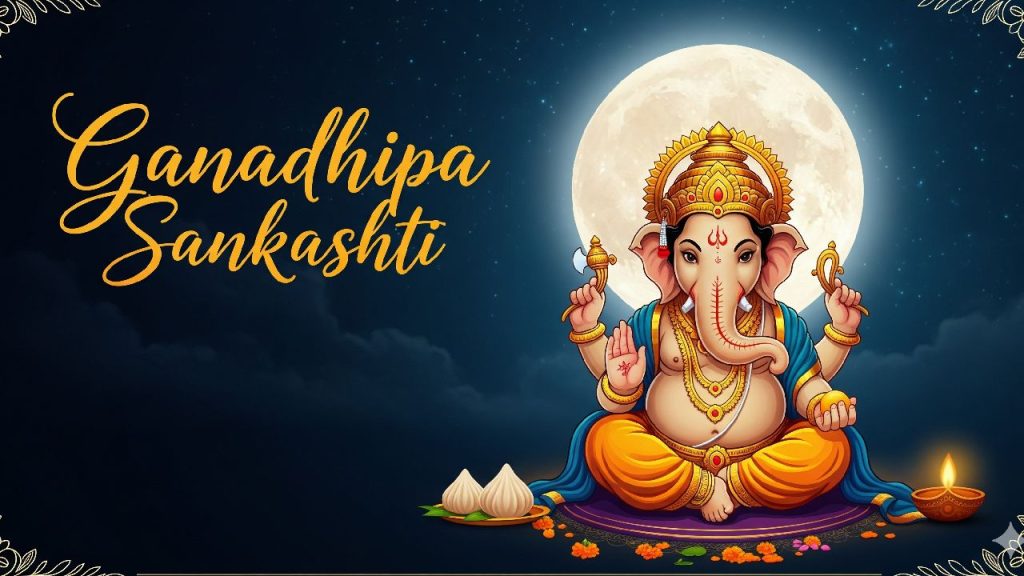
Ganadhipa Sankashti is a significant observance in the Hindu lunar calendar that highlights the devotion to Lord Ganesha, the remover of obstacles and the embodiment of wisdom. This sacred day falls on the Chaturthi (fourth day) of the Krishna Paksha (waning phase of the moon) in the Margashirsh month, which corresponds to November–December. Devotees across India observe this day with deep reverence, recognizing its profound spiritual and cultural significance in their lives.
Definition of Sankashti Chaturthi
Sankashti Chaturthi is a monthly observance dedicated to Lord Ganesha, celebrated on the fourth day of the waning moon. The word “Sankashti” signifies the removal of difficulties, and “Chaturthi” refers to the fourth lunar day. Observing this day involves a combination of fasting, prayer, and meditation, allowing devotees to seek divine guidance and blessings. The fast is often broken only after sighting the moon, symbolizing the transition from darkness to light, both in the celestial and spiritual sense. The day encourages devotion, self-discipline, and a reflection on one’s life challenges, offering a unique opportunity for spiritual cleansing.
Meaning of Ganadhipa (Lord Ganesha as the chief deity)
Ganadhipa translates to “Lord of the Ganas” or “chief of all beings,” referring to Lord Ganesha’s supreme role in the divine hierarchy. He is revered as the deity who removes obstacles and brings prosperity, knowledge, and wisdom into the lives of devotees. Worshipping Ganadhipa on Sankashti Chaturthi strengthens one’s resolve, offering a chance to align life’s goals with spiritual growth. Devotees believe that invoking Ganadhipa’s blessings on this day ensures success in personal and professional endeavors, while also fostering mental peace and emotional stability.
Importance of Margashirsh Month in the Hindu Calendar
Margashirsh, the ninth month of the Hindu calendar, holds spiritual significance due to its association with sacred rituals and festivals. It is believed that during this month, the universe’s energies are particularly conducive to spiritual practices, making prayers and observances more potent and effective. Devotees often engage in additional rituals, charity, and meditation, seeking harmony and divine guidance. Ganadhipa Sankashti in this month is especially auspicious, as the combination of the lunar phase and the spiritual energy of Margashirsha enhances the efficacy of prayers and fasting.
Overview of Spiritual and Cultural Relevance
Ganadhipa Sankashti is not just a religious ritual but also a cultural phenomenon that strengthens community bonds and reinforces traditional values. Families gather to perform rituals together, share prasadam, and recite devotional hymns, keeping the cultural heritage alive. Spiritually, it serves as a reminder of life’s challenges and the importance of patience, devotion, and inner strength. By observing this day, devotees reaffirm their faith in divine wisdom and learn to navigate obstacles with grace.
Connection between Ganadhipa Sankashti and Devotees’ Well-being
The observance of Ganadhipa Sankashti positively impacts devotees’ physical, mental, and spiritual well-being. Fasting encourages self-discipline, meditation fosters mental clarity, and devotion strengthens emotional resilience. By seeking Lord Ganesha’s blessings, devotees experience a sense of guidance and protection, helping them overcome challenges with confidence. The day serves as a holistic approach to spiritual health, merging discipline, devotion, and cultural practice into a meaningful experience that enriches life.
Significance of Sankashti Chaturthi
Sankashti Chaturthi is widely recognized for its transformative power, offering devotees a structured way to remove obstacles from life while cultivating spiritual growth. Observing this day involves more than rituals; it is a conscious effort to focus on inner development, clarity, and devotion. Its significance spans both personal and communal aspects, making it a profoundly enriching experience for devotees.
Definition and Timing of Chaturthi in the Lunar Month
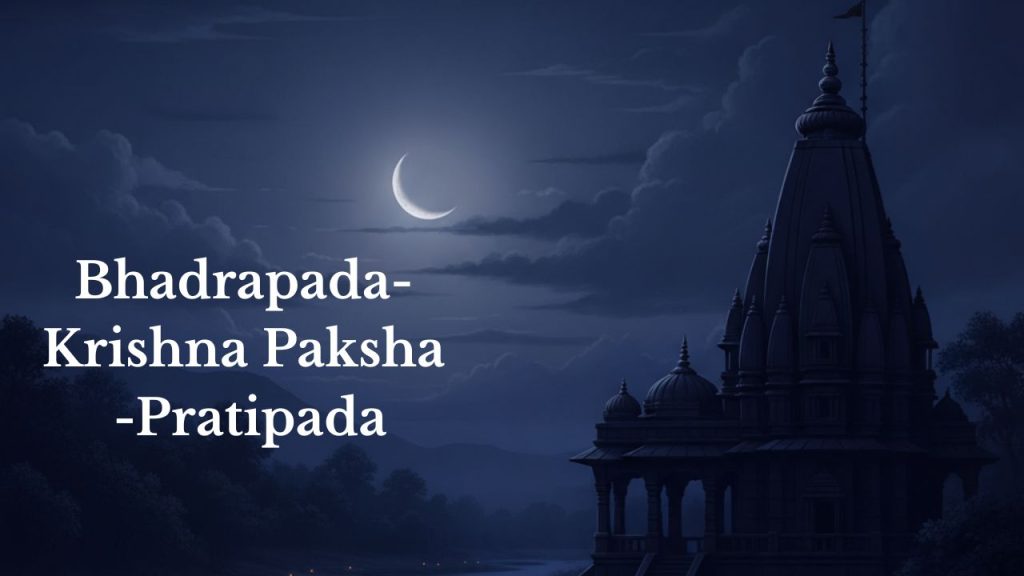
Chaturthi falls on the fourth day of the lunar fortnight, and Sankashti Chaturthi occurs explicitly during the Krishna Paksha. The precise timing is essential, as the day aligns with the waning moon, symbolizing the removal of negativity and the embrace of positive energy. Devotees often perform rituals after moonrise, ensuring that their prayers align with cosmic rhythms. This careful observance enhances the spiritual impact of the rituals, fostering a deep connection with the divine.
Spiritual Benefits of Observing Sankashti
The spiritual benefits of Sankashti Chaturthi are profound. Devotees who observe the fast and perform rituals report heightened focus, inner peace, and a sense of alignment with their life purpose. The practice encourages self-reflection, helping individuals recognize and address personal challenges. Over time, regular observance strengthens faith, patience, and resilience, creating a solid spiritual foundation. Additionally, engaging in prayers and chanting Ganesha mantras opens pathways for guidance, wisdom, and divine protection in all aspects of life.
Role of Lord Ganesha in Removing Obstacles
Lord Ganesha, revered as Vighnaharta (remover of obstacles), plays a central role in Sankashti Chaturthi. By invoking his blessings, devotees seek relief from challenges in personal, professional, and spiritual pursuits. The rituals performed on this day are believed to dissolve karmic blockages, allowing smoother progress and success. Ganesha’s presence fosters a sense of reassurance, reminding devotees that divine support is always available, encouraging perseverance and confidence in facing life’s trials.
Connection with Health, Prosperity, and Mental Peace
Observing Sankashti Chaturthi has a profound impact on more than just spiritual well-being. The fasting, meditation, and prayer practices contribute to improved mental clarity, emotional stability, and physical discipline. The act of devotion also attracts prosperity by instilling a sense of focus, gratitude, and positivity. Mental peace is achieved through structured spiritual engagement, allowing devotees to cultivate calmness, reduce stress, and develop a harmonious relationship with life’s circumstances.
Margashirsh Month and Its Spiritual Importance
Margashirsh, also known as Agrahayana, holds a special place in the Hindu calendar due to its rich spiritual significance. It is a time when devotion, meditation, and rituals are considered especially fruitful, amplifying the benefits of spiritual practices. Devotees regard this month as an ideal time for performing sacred observances, engaging in charity, and engaging in self-reflection.
Position of Margashirsh in the Hindu Calendar (Nov–Dec)
Margashirsh falls in the latter part of the year, typically spanning November and December. It is the ninth month in the lunar calendar and is marked by a series of critical religious observances, including Sankashti Chaturthi, Ekadashi, and other festivals. The month’s positioning, coinciding with the transition from monsoon to winter, symbolizes preparation for spiritual renewal and personal growth, making it an auspicious period for prayer and meditation.
Seasonal and Religious Significance
Margashirsh is associated with increased spiritual energy, as the natural and cosmic conditions favor introspection and devotion. Traditionally, people engage in early morning prayers, fasting, and temple visits during this month. The season encourages practices that enhance patience, self-discipline, and mindfulness, contributing to the holistic development of an individual.
Enhanced Spiritual Energy During This Month
It is believed that spiritual practices performed in Margashirsh yield amplified results. Meditation, chanting, and ritual observances are considered highly effective due to the alignment of cosmic energies. Devotees often experience a more profound sense of clarity, devotion, and divine connection when observing fasts and rituals during this period. The month serves as a spiritual reset, allowing individuals to shed negativity and embrace positivity.
Special Observances and Rituals for Devotees
During Margashirsh, devotees engage in a variety of rituals, including fasting, charity, and special prayers to deities. Observing Sankashti Chaturthi in this month is particularly significant, as it combines the auspicious lunar phase with the powerful spiritual energy of Margashirsh. Devotees recite sacred hymns, offer prasadam, and perform pujas with dedication, seeking blessings for wisdom, prosperity, and overall well-being.
Mythological Stories Behind Ganadhipa Sankashti
The origins of Ganadhipa Sankashti are deeply rooted in Hindu mythology. These stories not only explain the significance of the day but also convey timeless lessons of devotion, perseverance, and the removal of obstacles. Through these narratives, devotees understand the virtues of patience, faith, and surrender to divine will.
Legends of Lord Ganesha Related to Sankashti Chaturthi
Several legends highlight the importance of Lord Ganesha in Sankashti Chaturthi. One popular story narrates how Ganesha helped his devotees overcome insurmountable obstacles, emphasizing his role as the divine guide. These legends reinforce the belief that sincere devotion and adherence to rituals can attract divine intervention and support in challenging times.
Stories Emphasizing the Removal of Obstacles
Many stories associated with Ganadhipa Sankashti focus on Ganesha’s ability to remove obstacles, both material and spiritual. For example, devotees who encountered difficulties in business or personal life were instructed to perform Sankashti rituals, resulting in resolution and success. These narratives underscore the spiritual principle that divine guidance, when combined with discipline and devotion, yields transformative outcomes.
Tales of Devotion and Rewards for Observing the Fast
Mythological accounts often describe devotees receiving blessings, prosperity, and wisdom after observing the Sankashti fast. These stories serve as motivation for present-day devotees, showing that divine forces always reward dedication, faith, and disciplined practice. Observing Ganadhipa Sankashti thus becomes a pathway to personal growth, protection, and success.
Teachings Derived from These Myths
Beyond the stories themselves, the myths impart moral and spiritual teachings. They emphasize perseverance, the importance of faith, and the power of devotion in overcoming life’s difficulties. Devotees learn that obstacles are temporary and can be resolved through a combination of prayer, self-discipline, and ethical conduct, aligning their actions with divine principles.
Rituals and Observances
Ganadhipa Sankashti is marked by a variety of rituals designed to enhance spiritual focus, discipline, and devotion. These observances create a structured spiritual environment that guides devotees toward deeper faith and holistic well-being.
Fasting Rules and Types of Fasts
Fasting on Sankashti Chaturthi can range from consuming only fruits and milk to complete abstinence from food until moonrise. The choice of fast depends on personal capacity and devotion. Observing the fast with sincerity is believed to remove obstacles, purify the mind, and strengthen self-discipline. Fasting also encourages mindfulness, as devotees focus on spiritual reflection rather than worldly distractions.
Prayer Procedures and Ganesh Puja Steps
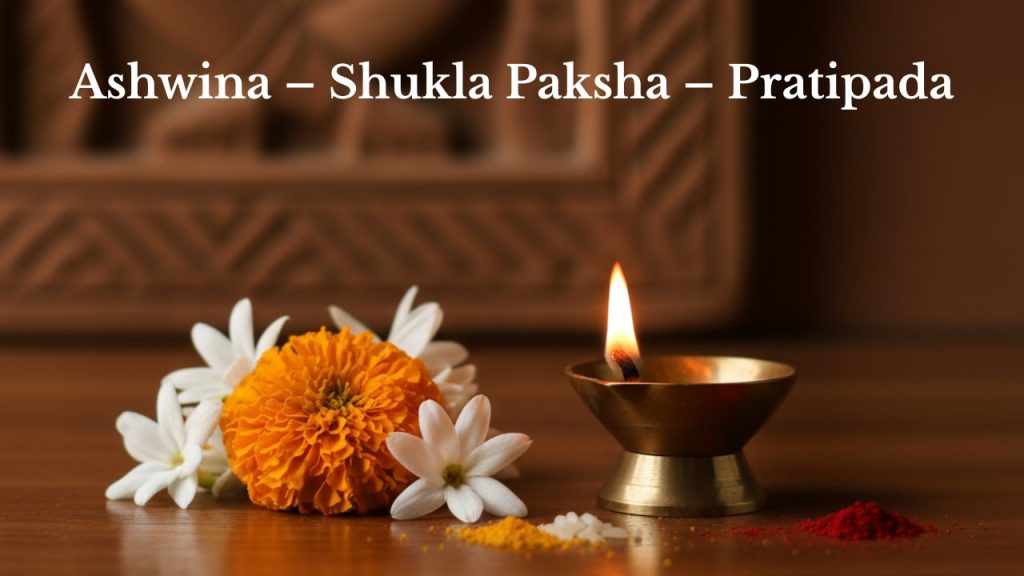
The Ganesh puja involves a sequence of rituals beginning with purification, lighting a lamp, and invoking Lord Ganesha through chants and mantras. Devotees offer flowers, durva grass, and other sacred items while reciting prayers that express gratitude and seek guidance. Each step is performed with intention, creating an atmosphere that fosters spiritual reflection and a profound connection to the divine.
Recitation of Ganapati Atharvashirsha and Other Mantras
Chanting the Ganapati Atharvashirsha and other sacred mantras is a central aspect of Sankashti rituals. These recitations focus the mind, enhance spiritual energy, and invoke Lord Ganesha’s blessings. Devotees often repeat the mantras 108 times, creating a rhythmic meditation that nurtures inner peace, clarity, and devotion.
Offering of Prasadam (Modak, Fruits, and Sweets)
Offering prasadam, particularly modaks and fruits, symbolizes devotion and gratitude. These offerings are first presented to Lord Ganesha and then distributed among family and community members. The act of sharing reinforces cultural bonds and adds a communal dimension to spiritual observances, fostering unity and collective devotion.
Importance of Performing Puja at Specific Times
Timing is crucial in Sankashti rituals. The puja is ideally performed after moonrise, aligning human activity with cosmic rhythms. Observing the proper timing enhances the efficacy of prayers, ensuring that devotees receive the full spiritual benefits of their devotion. This practice also teaches patience, discipline, and reverence for divine order.
Spiritual Benefits of Observing Ganadhipa Sankashti
Observing Ganadhipa Sankashti brings profound spiritual benefits, helping devotees navigate life with clarity, focus, and devotion. The disciplined practice of fasting, prayer, and meditation strengthens the connection between the devotee and Lord Ganesha, allowing divine guidance to permeate everyday life. This sacred day acts as a spiritual reset, offering opportunities to reflect, realign priorities, and cultivate inner peace.
Removal of Obstacles in Personal and Professional Life
One of the most revered benefits of Ganadhipa Sankashti is the removal of obstacles. Devotees believe that fasting, prayers, and recitation of mantras on this day help dissolve karmic blockages and bring clarity in decision-making. Challenges in career, business, relationships, or personal pursuits can find resolution as devotees invoke Lord Ganesha’s blessings. This practice reinforces resilience, encouraging one to approach difficulties with patience and faith, ultimately leading to smoother progress in all aspects of life.
Mental Clarity, Focus, and Spiritual Growth
The combination of fasting, meditation, and prayer enhances mental clarity and focus. Observing Ganadhipa Sankashti provides a structured environment for reflection, helping devotees release distractions and negative thought patterns. As a result, the mind becomes more receptive to wisdom, creativity, and higher spiritual understanding. Regular observance cultivates spiritual growth, guiding individuals toward self-realization and a deeper understanding of divine principles.
Strengthening Devotion and Faith
Ganadhipa Sankashti strengthens devotion by fostering a routine of discipline, prayer, and mindfulness. Through consistent observance, devotees deepen their faith, experiencing a profound sense of trust in divine guidance. This devotional practice reinforces ethical living, patience, and gratitude, creating a strong foundation for spiritual development and lifelong harmony.
Protection from Negative Energies
Fasting, chanting, and performing rituals on Ganadhipa Sankashti are believed to shield devotees from negative energies and influences. The spiritual vibrations generated through these practices create a protective aura, encouraging positivity and emotional resilience. Over time, devotees notice improved mental and emotional well-being, greater harmony in relationships, and an enhanced sense of purpose.
Health and Lifestyle Benefits
Ganadhipa Sankashti is not only spiritually uplifting but also has a positive impact on health and lifestyle. The practices observed on this day, including fasting, mindful eating, meditation, and disciplined routines, contribute to overall well-being, encouraging a balanced lifestyle.
Benefits of Fasting for Body and Mind
Fasting on Sankashti Chaturthi aids in detoxifying the body and improving digestive health. By abstaining from heavy foods, the digestive system gets rest, and metabolism stabilizes. On a mental level, fasting enhances concentration, self-control, and emotional balance, making the mind more attuned to prayer and meditation. The practice encourages mindfulness and intentional living, helping devotees cultivate a harmonious relationship between body and soul.
Encouraging Discipline and Mindfulness
Observing Ganadhipa Sankashti requires discipline in food, prayer timings, and rituals. This structure fosters a sense of mindfulness that extends beyond the day itself. Devotees learn to organize their daily routines better, develop self-restraint, and approach challenges thoughtfully. Discipline nurtured through this observance also strengthens mental fortitude and personal responsibility, contributing to a healthier lifestyle.
Detoxification and Self-Restraint Practices
The combination of fasting, meditation, and chanting acts as a form of detoxification for both the body and mind. By abstaining from indulgences, devotees practice self-restraint, fostering a sense of control over impulses and habits. This disciplined approach encourages mental clarity, emotional stability, and a deeper spiritual connection, resulting in holistic wellness.
Improvement in Emotional Well-being
Ganadhipa Sankashti nurtures emotional well-being by providing time for introspection, gratitude, and devotional connection. Engaging in rituals and prayers reduces stress, promotes calmness, and enhances resilience in the face of life’s challenges. The spiritual focus of the day encourages positivity, compassion, and patience, creating a balanced and emotionally fulfilling lifestyle.
Significance of Moon’s Role in Sankashti
The moon plays a pivotal role in the observance of Ganadhipa Sankashti. Its presence symbolizes the flow of energy, emotional balance, and spiritual awareness, making timing and alignment crucial for maximizing the benefits of the rituals.
Moon’s Connection with Emotional Balance
The moon governs emotions, mental clarity, and intuition in Vedic astrology. Observing Ganadhipa Sankashti during the Krishna Paksha aligns devotion with lunar energy, enhancing emotional balance and calmness. The moon’s influence helps devotees channel their emotions positively, creating an environment conducive to meditation, reflection, and spiritual growth. By honoring this celestial rhythm, devotees experience harmony between their inner and outer worlds.
Importance of Observing Chaturthi on the Correct Lunar Day
The efficacy of the rituals is amplified by performing them on the correct lunar day, Chaturthi. The alignment with the waning moon phase emphasizes the removal of obstacles and negativity, making prayers more potent. Deviating from the lunar schedule may reduce the spiritual impact, while proper timing ensures that devotees’ efforts are fully supported by cosmic energy, reinforcing the connection with Lord Ganesha.
Moon and Ganapati Energy Synergy
The combination of Ganapati’s blessings and lunar energy creates a powerful synergy. This alignment enhances spiritual receptivity, mental clarity, and emotional stability. Devotees often report heightened experiences of devotion and inner peace when rituals coincide with moonrise, emphasizing the interconnectedness of cosmic forces and divine grace.
Recommended Prayers During Moonrise
Performing prayers after moonrise is considered highly auspicious. Devotees recite Ganapati mantras, chant Atharvashirsha, and offer prasadam during this time, maximizing spiritual energy. Moonrise serves as a symbolic transition from darkness to light, reinforcing the removal of obstacles and the cultivation of positivity in all areas of life.
Ganadhipa Sankashti in Modern Times
Ganadhipa Sankashti holds remarkable relevance. The observance serves as a bridge between ancient wisdom and modern lifestyle, offering tools for spiritual balance, mental clarity, and emotional resilience.
Relevance of Ancient Rituals Today
Despite technological and societal changes, the principles behind Ganadhipa Sankashti remain impactful. Rituals, fasting, and prayers provide structure, purpose, and a moment for reflection, helping individuals navigate contemporary challenges. The ancient practice serves as a reminder to pause, realign priorities, and seek guidance from a higher power.
Combining Devotion with Daily Life Practices
Modern devotees adapt rituals to fit daily routines while maintaining spiritual integrity. Short meditation sessions, simplified puja procedures, and mindful fasting enable individuals to integrate devotion without compromising their professional or personal responsibilities. This adaptability demonstrates the timeless nature of Ganadhipa Sankashti, highlighting its ability to support holistic well-being in any era.
Observing Sankashti in Family and Community Settings
Participating in family or community observances strengthens social and cultural bonds. Group pujas, shared meals, and collective chanting foster a sense of unity and reinforce shared values. In modern society, these communal practices offer emotional support and promote the intergenerational transmission of spiritual knowledge.
Modern Adaptations and Virtual Observances
Devotees increasingly turn to online resources for guidance, live-streamed pujas, and virtual gatherings. These adaptations ensure that the essence of Ganadhipa Sankashti remains accessible, allowing global participation and preserving cultural continuity. Modern observance emphasizes devotion, mindfulness, and spiritual alignment, transcending physical boundaries.
A Moment to Reflect and Key Takeaways
Ganadhipa Sankashti is a significant observance that enriches the lives of devotees spiritually, mentally, and emotionally. Rooted in tradition and mythology, it provides practical tools for overcoming obstacles, cultivating discipline, and fostering devotion.
Spiritual, Mental, and Cultural Importance
The observance combines fasting, prayer, and meditation, offering holistic benefits. Spiritually, it strengthens the connection with Lord Ganesha. Mentally, it promotes clarity and emotional resilience. Culturally, it preserves heritage and fosters community bonding.
Encouragement to Observe Ganadhipa Sankashti
Regular observance encourages self-discipline, devotion, and mindfulness. Devotees gain spiritual protection, guidance, and strength to navigate challenges. The day also offers an opportunity to reflect, realign, and renew commitment to personal and spiritual growth.
Lifelong Benefits of Devotion to Lord Ganesha
Sincere devotion during Ganadhipa Sankashti yields long-term rewards, including the removal of obstacles, enhanced focus, prosperity, and inner peace. Repeated observance cultivates enduring faith, patience, and emotional stability.
Thoughts on Faith, Discipline, and Gratitude
Ganadhipa Sankashti reminds devotees of the importance of faith, discipline, and gratitude in everyday life. By observing this sacred day, individuals embrace a holistic approach to well-being, nurturing body, mind, and soul. The ritual encourages a life of balance, devotion, and purpose, inspiring lasting spiritual growth.