Importance of Indira Ekadashi
Definition and Significance of Indira Ekadashi
Indira Ekadashi is one of the most revered fasting days dedicated to Lord Vishnu, observed with deep devotion and spiritual discipline. It falls on the 11th lunar day (Ekadashi) of the Ashwin month, which usually occurs in September or October according to the Gregorian calendar. This particular Ekadashi is believed to hold immense significance for devotees seeking purification of mind, body, and soul. By observing Indira Ekadashi, individuals can eliminate negative energies, overcome karmic obstacles, and pave the way for prosperity and spiritual growth. It is not just a day of fasting but a period of heightened devotion, prayer, and reflection. The essence of this observance lies in creating harmony between inner consciousness and divine connection.
Placement in the Hindu Lunar Calendar (Ashwin Month)
The Hindu lunar calendar is designed to align human life with cosmic rhythms, and Ekadashi days play a crucial role in this alignment. Indira Ekadashi falls explicitly in the bright fortnight (Shukla Paksha) or the dark fortnight (Krishna Paksha) of the Ashwin month, depending on the year, marking a time of spiritual awakening and renewal. Ashwin, being a transition month between monsoon and harvest season, symbolizes a period of preparation and balance. Observing Indira Ekadashi during this month is believed to amplify spiritual rewards, as it aligns personal discipline with the cosmic order.
Difference Between Regular Ekadashi and Indira Ekadashi
While all Ekadashis are sacred, Indira Ekadashi carries distinct spiritual potency. Regular Ekadashi emphasizes general purification, penance, and devotion, whereas Indira Ekadashi is associated with specific blessings, including prosperity, familial harmony, and the removal of obstacles. Unlike some Ekadashis that emphasize complete fasting, Indira Ekadashi allows devotees to choose a Nirjala (waterless) fast or a partial fast with fruits and milk. The day is marked by additional rituals, intense prayers, and a night-long vigil (Jagran), making it more spiritually immersive than ordinary Ekadashis.
Spiritual and Cultural Importance
Spiritually, Indira Ekadashi is seen as a gateway to self-realization and inner peace. The observance strengthens the devotee’s connection with Lord Vishnu, the preserver of the universe, and reinforces principles like discipline, compassion, and mindfulness. Culturally, the day has been celebrated across generations, reinforcing community bonding, shared values, and devotion. Families often gather for puja and storytelling, passing down traditions that nurture faith and cultural identity.
Overview of Rituals and Observances
The rituals for Indira Ekadashi include early morning bathing, offering prayers to Lord Vishnu, chanting specific mantras, and observing a disciplined fast. Devotees may visit temples, participate in religious discourses, and donate to the needy. Night vigils and recitation of sacred texts like Vishnu Sahasranama enhance the spiritual atmosphere. The day is a blend of self-restraint, devotion, and community participation, creating an environment conducive to both personal and collective upliftment.
Mythological Background of Indira Ekadashi
Stories from Puranas Related to Indira Ekadashi
Indira Ekadashi finds its roots in the Puranic texts, where tales of kings, sages, and devotees illustrate its spiritual power. One prominent story narrates how a devoted king, burdened by sins, sought guidance from Lord Vishnu. The deity instructed him to observe Indira Ekadashi with complete devotion to absolve sins and restore prosperity. These stories emphasize the transformative potential of sincere affection and highlight that spiritual rewards are not bound by social status or wealth but by the depth of faith and sincerity in practice.
Association with Lord Vishnu
Lord Vishnu, the preserver in the Hindu trinity, is central to Indira Ekadashi. Observing this fast is considered equivalent to worshipping Vishnu with complete surrender. It is believed that on this day, Lord Vishnu descends to bless devotees who engage in meditation, chanting, and righteous actions. The connection is both symbolic and spiritual—Lord Vishnu represents order, balance, and preservation, while devotees strive to align their lives with these cosmic principles through fasting, prayer, and reflection.
Role of Indira Ekadashi in Hindu Epics
Indira Ekadashi is mentioned in various Hindu epics as a day of immense spiritual benefit. In the Mahabharata and Skanda Purana, the fast is associated with penance, liberation from sins, and attaining moksha. Kings and commoners alike are depicted as observing this day to secure divine blessings for their families and kingdoms. The narratives reinforce the idea that spiritual discipline, even in the form of fasting, can profoundly influence both individual and collective destinies.
Lessons and Morals Derived from the Mythology
The stories surrounding Indira Ekadashi convey timeless moral lessons. Key teachings include self-restraint, devotion, faith in divine will, and compassion for others. Devotees are reminded that worldly attachments often lead to suffering, while spiritual discipline leads to harmony and fulfillment. By internalizing these morals, individuals can navigate challenges with resilience and grace, using the principles of Indira Ekadashi as guiding lights in daily life.
Connection to Ancestral Blessings and Prosperity
Indira Ekadashi is also linked to honoring ancestors. Performing this fast with sincerity is believed to bring ancestral blessings, ensuring familial prosperity, protection, and harmony. Rituals often include prayers for the well-being of departed souls, acknowledging the debt of gratitude to those who came before. The spiritual dimension of Indira Ekadashi reinforces the continuity of faith across generations, blending personal devotion with collective ancestral respect.
Timing and Auspicious Hours
Importance of Observing the Fast on the Correct Tithi
In Hindu tradition, precise alignment with the lunar calendar is crucial for rituals to yield maximum benefits. Observing Indira Ekadashi on the correct tithi ensures that the spiritual energy of the day is fully harnessed. Fasting on the wrong day may reduce the efficacy of prayers and rituals. The Ekadashi tithi, being the 11th day of the lunar fortnight, is considered especially powerful for purifying karma and enhancing spiritual discipline. Following the correct tithi shows respect for cosmic order and strengthens the devotee’s connection to divine rhythms.
Sunrise and Sunset Timings for Rituals
The day of Indira Ekadashi begins with an early morning bath, symbolizing the purification of body and mind. Sunrise marks the start of prayers and offerings, while sunset signifies the completion of rituals and breaking of fast. Devotees are encouraged to adhere strictly to these timings, as aligning with natural cycles enhances spiritual receptivity. The period between sunrise and sunset is considered the most potent for meditation, chanting, and performing charitable acts, maximizing the day’s spiritual and karmic benefits.
Significance of the Night Vigil (Jagran)
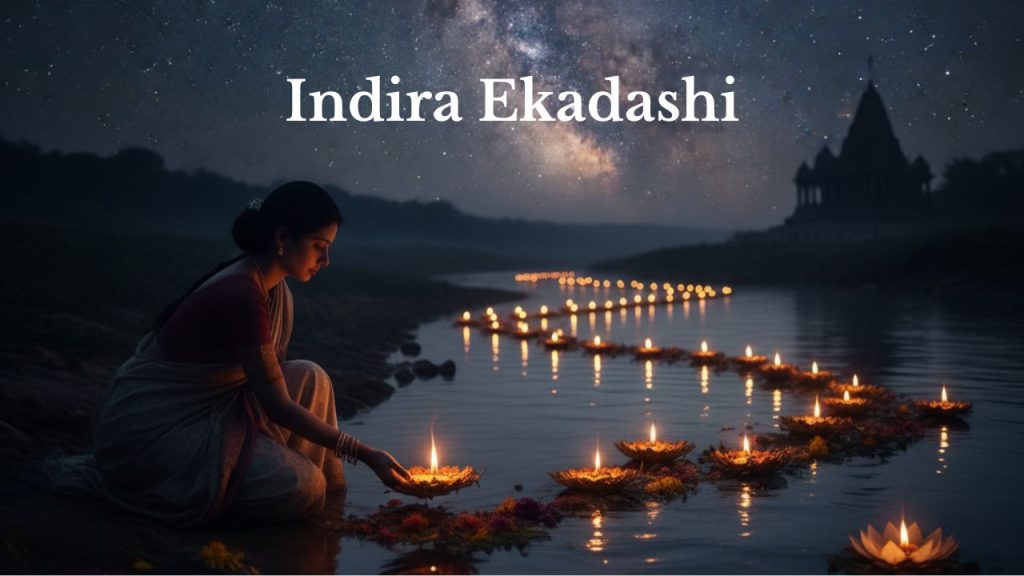
The night vigil, or Jagran, is a hallmark of Indira Ekadashi observance. Devotees stay awake, sing bhajans, recite scriptures, and meditate, symbolizing vigilance against negative tendencies and fostering spiritual awareness. Staying awake all night is not just a physical discipline but a spiritual practice that strengthens willpower, patience, and devotion. It embodies the principle that spiritual enlightenment requires continuous effort and conscious alignment with divine energies.
Recommended Duration for Fasting and Prayers
Devotees may choose either a full-day fast (Nirjala) or a partial fast, which allows the consumption of fruits and milk. The duration is carefully timed from sunrise to sunrise, or from moonrise to moonset, depending on local customs. Prayers and meditation are ideally performed in intervals throughout the day, integrating devotion with daily routines. Maintaining a consistent schedule enhances focus, mindfulness, and spiritual sensitivity, making the day a complete journey of inner cleansing and reflection.
Astrological Considerations
Astrology plays a supportive role in maximizing the benefits of Indira Ekadashi. Planetary positions influence the potency of prayers and rituals. Consulting traditional almanacs (Panchang) ensures that fasts, pujas, and offerings are performed under favorable conditions. Aligning observances with auspicious celestial timings amplifies spiritual rewards, harmonizing human efforts with cosmic energies.
Rituals and Traditions
Fasting Rules (Nirjala or Partial Fast)
The core of Indira Ekadashi is the fast, observed with devotion and discipline. Devotees may undertake a Nirjala fast, abstaining from all food and water, or a partial fast, consuming fruits, milk, and light vegetarian food. Fasting is not only an act of physical restraint but also a mental discipline, helping cleanse desires, attachments, and negative tendencies. Observing the fast with sincere devotion multiplies spiritual benefits, creating a holistic sense of purification and alignment with divine will.
Offerings to Lord Vishnu and Deities
Offerings form an essential part of Indira Ekadashi rituals. Devotees present flowers, fruits, milk, water, and sacred items to Lord Vishnu, symbolizing surrender and gratitude. These offerings are accompanied by chanting mantras and the performance of arati, creating an atmosphere of devotion and spiritual resonance. The act of giving, even if it is only symbolic, nurtures humility, compassion, and a sense of interconnectedness with the divine and the community.
Visiting Temples or Sacred Sites
Temples dedicated to Lord Vishnu and other sacred sites become centers of devotion on Indira Ekadashi. Pilgrimages, even if brief, enhance spiritual experience and provide opportunities to join communal prayers. Observing rituals in a temple amplifies devotion through collective energy, inspiring reflection and reinforcing faith. Visiting these sacred spaces also strengthens cultural connections and personal spiritual discipline.
Chanting Mantras and Reading Scriptures
Mantra chanting and scripture reading are central to the observance. Reciting Vishnu Sahasranama, Bhagavad Gita verses, or Ekadashi-specific texts fosters concentration, devotion, and inner calm. These practices create a rhythm of spiritual focus, helping devotees detach from worldly distractions and deepen their connection with the divine. The resonance of sacred words elevates the mind and soul, reinforcing the spiritual essence of the fast.
Charity and Helping the Needy on This Day
Indira Ekadashi emphasizes compassion and social responsibility. Donating food, clothing, or money to those in need is considered highly auspicious. Acts of charity align personal devotion with societal well-being, reinforcing the principle that actual spiritual growth encompasses both self-purification and service to others. Charity on this day generates merit, purifies the heart, and strengthens the community fabric, making the observance holistic and impactful.
Spiritual Significance
Cleansing of Sins and Karmic Purification
Indira Ekadashi offers a powerful opportunity to cleanse accumulated sins and negative karma. Fasting, prayers, and devotion act as spiritual detoxifiers, helping remove mental and emotional impurities. The disciplined observance signifies surrender to divine guidance and a conscious effort to align with higher principles. By participating in these rituals, devotees can break cycles of past negativity, fostering spiritual renewal and preparing for a life of righteousness and inner harmony.
Attaining Spiritual Enlightenment and Inner Peace
Observing Indira Ekadashi is a path toward inner awakening. The combination of fasting, meditation, and devotion cultivates mental clarity, emotional stability, and spiritual insight. Devotees experience a profound sense of peace and balance, enabling them to navigate life’s challenges with wisdom and calm. Spiritual enlightenment is not instantaneous but deepened through consistent practice, reflection, and immersion in the sacred rituals of this auspicious day.
Strengthening Devotion (Bhakti) Towards Lord Vishnu
Bhakti, or devotion, is the cornerstone of Indira Ekadashi. Engaging fully in rituals, chanting, and meditation fosters a deep, heartfelt connection with Lord Vishnu. This devotion goes beyond ritualistic practice, influencing daily actions, thoughts, and attitudes. Strengthened bhakti enhances spiritual resilience, nurtures empathy, and fosters a sense of unity with the divine, reinforcing the purpose of human life as aligned with cosmic principles.
Enhancing Meditation and Self-Discipline
Indira Ekadashi serves as an ideal occasion to cultivate meditation and self-discipline. Fasting challenges physical indulgences, while prayers and vigil train the mind for focus and endurance. These practices develop patience, willpower, and a disciplined lifestyle, which can extend beyond this day. Meditation deepens self-awareness, allowing devotees to observe and control impulses, reduce stress, and cultivate clarity in both spiritual and worldly endeavors.
Connection Between Fasting and Mindfulness
Fasting on Indira Ekadashi is more than abstaining from food—it is a mindful practice of presence, awareness, and intention. Every action, from preparing offerings to chanting mantras, becomes an opportunity to cultivate focus and conscious living. Mindfulness enhances spiritual rewards by integrating devotion with daily awareness, creating a state where body, mind, and soul are in harmony. Through this practice, devotees attain a holistic sense of well-being, clarity, and a profound connection to the divine.
Health and Wellness Benefits
Detoxification Through Fasting
Observing Indira Ekadashi is not only a spiritual practice but also a natural way to detoxify the body. Abstaining from solid foods or following a restricted diet allows the digestive system to rest and recover. The body utilizes this time to eliminate toxins, rejuvenate cells, and improve metabolic efficiency. This detoxification enhances physical energy and mental clarity, enabling devotees to focus on prayers, meditation, and spiritual practices without the distraction of bodily fatigue or sluggishness.
Mental Clarity and Improved Focus
Fasting and meditation on Indira Ekadashi sharpen mental faculties. The combination of spiritual focus, reduced consumption, and disciplined routine clears mental clutter and enhances concentration. Devotees often report heightened awareness, better decision-making, and a sense of inner calm. The practice reinforces the connection between physical discipline and cognitive clarity, demonstrating how spiritual observances can positively influence overall mental health.
Physical Discipline and Self-Control
Following the fasting rules of Indira Ekadashi requires significant self-discipline. Resisting urges to eat or indulge in comforts cultivates willpower and patience. This physical discipline extends beyond the day itself, helping individuals manage cravings, maintain healthy habits, and adopt a more balanced lifestyle. Over time, such disciplined practices contribute to long-term wellness and resilience.
Promoting Mindfulness and Spiritual Calmness
Indira Ekadashi encourages a mindful approach to life. Devotees consciously engage in prayers, chanting, and meditation, which promote calmness and reduce stress. The observance cultivates mindfulness by focusing attention on the present moment, fostering a deep sense of connection with oneself and the divine. This practice enhances emotional regulation, fosters peaceful interactions, and promotes a holistic approach to spiritual and physical well-being.
Psychological Benefits of Rituals and Meditation
Participating in structured rituals, mantra recitation, and meditation provides psychological stability. It offers a sense of purpose, reduces anxiety, and enhances emotional resilience. The combination of spiritual devotion, fasting, and mindful practices creates a balance between mind and body, reinforcing the understanding that spiritual growth and mental wellness are interlinked.
Observing Indira Ekadashi at Home
Preparing a Sacred Space for Puja
Creating a dedicated space for Indira Ekadashi rituals fosters focus and devotion. A clean, quiet, and organized area adorned with flowers, incense, and idols or pictures of Lord Vishnu provides an environment conducive to spiritual practice. A well-prepared space enhances concentration during prayers and meditation, creating a serene atmosphere that promotes spiritual immersion and personal reflection.
Steps for Performing Daily Rituals
Daily rituals include early morning bathing, offering prayers, lighting lamps, and chanting mantras. Devotees can begin by invoking Lord Vishnu’s blessings, performing arati, and presenting offerings such as fruits, milk, or flowers. These steps, followed systematically, enhance the observance’s spiritual significance and help maintain a rhythm that aligns with traditional practices.
Importance of Family Participation
Indira Ekadashi is often a collective family experience. Involving family members in rituals strengthens bonds, instills spiritual values, and nurtures a shared sense of purpose. Children and younger members learn the importance of devotion, self-discipline, and mindfulness, ensuring that the tradition continues across generations. Shared observances also enhance the energy and dedication of the household, creating a spiritually charged environment.
Maintaining Spiritual Focus Throughout the Day
Maintaining focus requires minimizing distractions, dedicating time to prayers and meditation, and reflecting on spiritual teachings. Even routine activities, like preparing meals or performing charity, can be approached with mindfulness. This conscious attention ensures that the spiritual essence of Indira Ekadashi is preserved throughout the day.
Use of Sacred Texts and Prayer Chants
Reading scriptures like Vishnu Sahasranama, Bhagavad Gita verses, or Ekadashi-specific texts reinforces devotion. Chanting mantras aloud or silently enhances focus, creates vibrations believed to attract divine energy, and deepens the connection with Lord Vishnu. Incorporating sacred texts into daily observance transforms the home environment into a center of spiritual learning and practice.
Special Prayers and Mantras
Recommended Mantras for Indira Ekadashi
Devotees recite specific mantras to invoke Lord Vishnu’s blessings. Simple yet powerful chants like “Om Namo Bhagavate Vasudevaya” or Ekadashi-specific mantras are recommended. Repetition of these mantras throughout the day purifies the mind, strengthens faith, and amplifies the spiritual energy surrounding the devotee, creating a profound meditative experience.
Benefits of Chanting Vishnu Sahasranama
Vishnu Sahasranama, the thousand names of Lord Vishnu, is highly auspicious on Indira Ekadashi. Chanting it fosters mental peace, spiritual upliftment, and emotional stability. Each name carries specific vibrations believed to attract divine blessings, ward off negative influences, and deepen devotion. Reciting Vishnu Sahasranama daily also nurtures focus, patience, and mindfulness.
Role of Meditation with Mantra Recitation
Combining meditation with mantra chanting deepens spiritual practice. Focused breathing and mindful repetition of mantras quiet the mind, allowing devotion to flourish and expanding awareness of the divine. Meditation strengthens self-discipline, reduces mental distractions, and enhances the transformative effects of fasting and rituals on Indira Ekadashi.
Significance of Japa Mala and Prayer Beads
Using a Japa mala while chanting mantras aids concentration and counts repetitions accurately. Prayer beads provide tactile feedback, encouraging rhythmic chanting and sustained devotion. This physical engagement reinforces mental focus, cultivates mindfulness, and helps maintain consistency throughout the day.
Combining Mantra Chanting with Fasting
Fasting and chanting together amplify the spiritual potency of Indira Ekadashi. While fasting purifies the body, mantra recitation purifies the mind. The combination strengthens willpower, deepens devotion, and enhances overall spiritual benefits, allowing devotees to experience a holistic sense of purification, focus, and divine connection.
Social and Cultural Importance
Community Gatherings and Temple Events
Indira Ekadashi brings people together through temple visits, group prayers, and community bhajans. Participation in collective observances enhances spiritual energy, fosters shared learning, and strengthens the sense of belonging. These gatherings celebrate faith, devotion, and cultural continuity, enriching both individual and collective experiences.
Promoting Cultural Continuity and Tradition
Observing Indira Ekadashi preserves age-old rituals and traditions. Families passing down stories, rituals, and chants to younger generations ensure that cultural heritage remains alive. The observance is not only spiritual but also a celebration of identity, faith, and collective memory, maintaining cultural continuity.
Sharing Meals or Donations After Fast
Breaking the fast with shared meals or distributing food and donations reinforces community bonds. Acts of generosity symbolize compassion and gratitude, teaching values of service and empathy. This practice strengthens relationships, spreads positivity, and makes the spiritual observance tangible and socially impactful.
Inspiring Younger Generations to Observe Ekadashi
By engaging children and youth in rituals, storytelling, and charitable acts, Indira Ekadashi inspires lifelong devotion and ethical living. Younger participants learn the importance of self-discipline, mindfulness, and respect for spiritual practices, ensuring that faith and culture thrive across generations.
Role of Storytelling and Mythological Narrations
Sharing stories and legends of Indira Ekadashi enhances understanding, engagement, and devotion. Mythological narratives convey morals, explain rituals, and provide context, enabling participants to connect personally with the observance. Storytelling keeps traditions alive while deepening spiritual awareness.
Concluding Reflections and Key Takeaways
Recap of Spiritual, Mental, and Physical Benefits
Indira Ekadashi is a multifaceted observance that nurtures spiritual growth, mental clarity, and physical well-being. The combination of fasting, meditation, mantra chanting, and charitable acts provides holistic benefits, reinforcing the interconnectedness of mind, body, and soul. Observance purifies negative karma, strengthens faith, and promotes balance in life.
Emphasizing Devotion, Discipline, and Self-Purification
The day highlights the importance of unwavering devotion, strict self-discipline, and conscious self-purification. Through dedicated rituals, vigil, and fasting, devotees cultivate patience, mindfulness, and inner resilience. These qualities extend beyond spiritual practice, influencing daily behavior, interactions, and decision-making.
Encouraging Regular Observance of Ekadashi
Regularly observing Ekadashi, including Indira Ekadashi, builds spiritual momentum, enhances discipline, and strengthens the connection with Lord Vishnu. Integrating these practices into daily life fosters consistency, growth, and alignment with cosmic principles, ultimately yielding long-term spiritual benefits.
Personal Reflections and Modern Relevance
Indira Ekadashi offers an opportunity to pause, reflect, and realign priorities. It encourages mindfulness, conscious living, and inner peace amidst daily chaos. Observing the fast and rituals can act as a reset for body, mind, and soul, promoting holistic wellness and resilience.
Key Highlights for Achieving Balance and Spiritual Growth
Indira Ekadashi exemplifies the harmonious blend of tradition, devotion, and self-discipline. It reinforces the principle that spiritual practice is not just ritualistic but transformative, creating balance between worldly life and spiritual aspirations. Observing this sacred day allows devotees to experience lasting peace, clarity, and divine blessings while fostering a life of mindfulness, compassion, and holistic growth.