Importance of Vijaya Dashami
Definition and literal meaning (“Victory Day”)
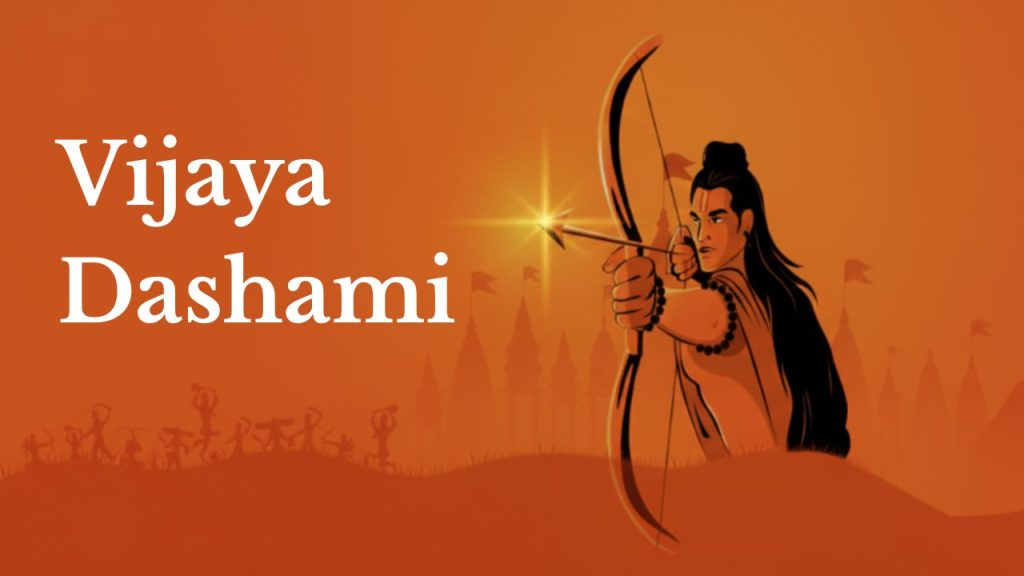
Vijaya Dashami, also widely known as Dussehra, marks the day of the ultimate victory of good over evil. The term itself is derived from Sanskrit, “Vijaya” meaning victory and “Dashami” referring to the tenth day of the lunar fortnight. On this day, people across India celebrate not just the triumph of divine forces but also the universal message that righteousness always prevails. The significance of this day goes beyond religious observance; it symbolizes hope, courage, and moral strength. Every community interprets Vijaya Dashami as a moment of reflection and renewal, a reminder that perseverance and ethical living ultimately overcome negativity and adversity in our lives. This day serves as an annual moral compass, encouraging individuals to embrace integrity, honesty, and compassion.
Placement in the Hindu lunar calendar (Ashwin month)
Vijaya Dashami falls on the tenth day of the bright half of the lunar month of Ashwin, according to the Hindu calendar. The timing is significant because Ashwin represents a period of transition from the intense energy of monsoon to the clarity and vibrancy of post-monsoon life. The rituals performed during Ashwin are believed to bring spiritual cleansing and rejuvenation. By aligning celebrations with this month, communities not only follow tradition but also harmonize human life with the natural cycles of the earth. Ashwin becomes a month of spiritual reflection, community bonding, and cultural observances, culminating in Vijaya Dashami, the final point of this sacred period.
Connection with Navratri and Durga Puja
Vijaya Dashami is intrinsically linked to the nine-day festival of Navratri and the widely celebrated Durga Puja. While Navratri emphasizes devotion, discipline, and spiritual focus through fasting and prayer, Vijaya Dashami serves as the culmination of the celebration. It is the symbolic victory at the end of this spiritually intensive period. Communities honor both Lord Rama’s triumph over Ravana and Goddess Durga’s victory over Mahishasura, reflecting an integrated cultural celebration that unites mythological narratives, religious devotion, and community festivities. This connection enhances the spiritual depth and cultural richness of the observance.
Overview of its cultural and spiritual significance
Vijaya Dashami is much more than a religious event; it represents a cultural ethos that spans centuries. Festivals, fairs, plays, and folk dances create an environment of communal joy and cultural pride. Spiritually, the day emphasizes moral integrity, courage, and devotion. Families come together to share meals, perform rituals, and narrate stories of triumph, passing down these values to younger generations. It is a day that encourages introspection, ethical decision-making, and the celebration of virtues such as truthfulness, selflessness, and resilience.
Universal message of the victory of good over evil
At its core, Vijaya Dashami conveys a timeless, universal message: no matter how formidable evil may appear, righteousness will prevail. This principle applies to personal challenges, societal issues, and moral dilemmas. By celebrating this day, communities reaffirm their commitment to ethical living, courage, and perseverance. It is an invitation to let go of negativity, embrace hope, and cultivate the virtues that sustain harmonious societies.
Mythological Significance
Lord Rama’s victory over Ravana
One of the central stories associated with Vijaya Dashami is the triumph of Lord Rama over the demon king Ravana. Ravana’s rule, though powerful, was rooted in arrogance, injustice, and cruelty. Rama’s victory symbolizes the restoration of dharma, or moral order, in the world. The epic Ramayana narrates how Rama, guided by righteousness and unwavering devotion, overcomes seemingly insurmountable obstacles. This narrative teaches the importance of courage, discipline, and ethical action. Communities often enact the Ram Lila, dramatic retellings of Rama’s journey, to inspire audiences to uphold virtue and confront challenges with integrity.
Symbolism of dharma triumphing over adharma
The battle between Rama and Ravana is more than a historical or mythological event; it represents the eternal struggle between dharma (righteousness) and adharma (unrighteousness). Dharmic living is characterized by truth, compassion, and justice, while adharma embodies selfishness, deceit, and cruelty. By commemorating this victory, people are reminded that ethical living requires courage and perseverance. This story is not confined to the past; it serves as a guiding principle for daily life, encouraging individuals to act with moral clarity even in the face of challenging circumstances.
Story of Goddess Durga defeating Mahishasura
Another significant narrative associated with Vijaya Dashami is the Goddess Durga’s victory over the buffalo demon Mahishasura. This myth highlights the power of divine feminine energy and the idea that good can rise against seemingly invincible evil. Durga’s triumph is celebrated with great fervor during Durga Puja, especially in eastern India. The story illustrates the importance of balance, resilience, and righteous action, showing that courage and devotion can overcome even the most formidable challenges.
Reference in sacred texts like the Ramayana and the Devi Mahatmya
The Ramayana and Devi Mahatmya are among the most revered texts that highlight the events celebrated during Dussehra, also known as Vijaya Dashami. These scriptures offer detailed accounts of divine victories and provide philosophical insights into morality, duty, and spiritual devotion. They serve as essential guides for rituals, storytelling, and ethical living. Observing Vijaya Dashami while reflecting on these texts deepens the spiritual experience and strengthens the cultural connection to these ancient narratives.
Relevance of these stories in modern times
Even today, the mythological stories celebrated on Vijaya Dashami remain highly relevant. They teach lessons about leadership, ethical responsibility, resilience, and community welfare. In a world filled with moral ambiguity and personal challenges, these stories inspire individuals to act with integrity and courage. By remembering the victories of Rama and Durga, communities reinforce the belief that adherence to righteousness is essential for both personal fulfillment and societal harmony.
Symbolism of Good Over Evil
Triumph of righteousness in human life
Vijaya Dashami symbolizes the ultimate victory of righteousness in every aspect of life. It is a reminder that ethical living, honesty, and compassion prevail over deceit, malice, and wrongdoing. This triumph is not only spiritual but also practical, guiding individuals to resolve conflicts, overcome challenges, and build a just society. The festival emphasizes that even in the face of adversity, adherence to dharma leads to long-term success and inner peace.
Moral lessons from mythological tales
The stories of Rama and Durga provide clear moral guidance. Rama teaches us the importance of patience, loyalty, and courage in upholding justice. Durga illustrates the necessity of strength, strategy, and unwavering determination to overcome evil forces. These narratives offer relatable lessons that can be applied in daily life, such as standing up against injustice, being resilient in difficult times, and cultivating self-discipline. By celebrating these lessons, communities instill ethical values in younger generations.
Spiritual cleansing and renewal
The symbolic victory of good over evil represents a form of spiritual cleansing. People use this occasion to reflect on their personal shortcomings, release negative emotions, and reaffirm their commitment to virtuous living. Rituals, prayers, and fasting during Vijaya Dashami enhance mindfulness, fostering inner peace and clarity. This process of spiritual renewal enables individuals to begin a new chapter in life with a moral focus and emotional balance.
Social harmony and justice
Vijaya Dashami is also a celebration of social justice and harmony. By remembering the triumphs of righteous leaders and divine beings, communities are reminded to foster fairness, cooperation, and empathy in their interactions. Celebrating this festival collectively reinforces social cohesion and mutual respect, promoting a culture where justice and equality are valued.
Encouragement for personal growth and courage
Finally, the festival inspires personal growth by emphasizing courage, perseverance, and self-discipline. It encourages individuals to confront fears, make ethical choices, and take proactive steps to improve themselves. Vijaya Dashami serves as a motivational reminder that victory over internal and external challenges is possible when one remains committed to truth and moral principles.
Cultural Importance Across India
Regional variations in celebration
Across India, Vijaya Dashami is celebrated in unique ways that reflect regional cultures. In North India, Ram Lila performances and effigy burning of Ravana are prominent. In West Bengal, elaborate Durga Puja rituals dominate, while in South India, Ayudha Puja emphasizes reverence for tools and instruments. Each region showcases local customs, attire, and festivities, demonstrating the festival’s adaptability and cultural richness.
Community gatherings and fairs
The festival is also a time for vibrant community engagement. Public gatherings, fairs, and cultural events create spaces for people to connect, share experiences, and celebrate collectively. These gatherings foster unity, enhance social bonds, and provide opportunities for cultural exchange. The sense of belonging and communal joy add a profoundly human dimension to the spiritual observances of Vijaya Dashami.
Folk arts, music, and dance performances
Traditional performances, such as folk dances, musical recitals, and theater, are integral to the cultural celebration. Ram Lila, Ras Leela, and other dramatic enactments bring mythological stories to life, making them accessible and engaging for all ages. These performances preserve ancient art forms while promoting creativity, community participation, and cultural pride.
Traditional attire and rituals
People dress in vibrant traditional attire to honor the festival, reflecting regional diversity and aesthetic values. Rituals such as worship, prayer, and ceremonial processions are conducted with devotion and meticulous attention to detail. These practices enhance the festival’s visual and spiritual appeal, offering a holistic experience that combines devotion, artistry, and communal pride.
Sharing of food and cultural exchange
Food plays a central role in the cultural celebration. Families and communities prepare traditional dishes, share meals, and host feasts. This act of sharing strengthens relationships, promotes hospitality, and creates a warm, inclusive environment. Culinary traditions passed down through generations become a bridge connecting cultural identity with everyday life.
Religious Rituals and Practices
Worship of Lord Rama and Goddess Durga
On Vijaya Dashami, people engage in elaborate worship rituals dedicated to Lord Rama and Goddess Durga. Temples and homes are decorated, and special prayers and offerings are made. Devotees chant mantras, recite scriptures, and perform aarti to seek divine blessings. These rituals reinforce faith, spiritual discipline, and the moral lessons embodied by the deities.
Fasting and prayers on the day
Fasting is a common practice that helps devotees focus on spiritual growth and self-discipline. Coupled with prayer and meditation, fasting is believed to purify the body and mind, fostering inner calm and devotion. This discipline enhances spiritual awareness and reinforces the symbolic victory of virtue over indulgence and desire.
Performing Ayudha Puja in South India
In South India, Ayudha Puja is an essential aspect of Vijaya Dashami celebrations. Tools, instruments, vehicles, and even books are ceremoniously cleaned and worshiped to acknowledge their role in daily life. This practice emphasizes gratitude, respect for labor, and recognition of the divine presence in all productive endeavors, blending practical life with spiritual observance.
Immersion of Durga idols in rivers/lakes
In eastern India, particularly West Bengal, the festival culminates with the immersion of Durga idols in rivers or lakes, symbolizing her return to the divine abode. The ritual represents the cyclical nature of life, the impermanence of material existence, and the continuation of moral and spiritual values. Communities gather in large numbers to witness this solemn yet celebratory ritual.
Chanting mantras and reading scriptures
Chanting sacred mantras and reading scriptures like the Ramayana and Devi Mahatmya are central practices during Vijaya Dashami. These activities deepen spiritual understanding, provide moral guidance, and create an atmosphere of devotion and reverence. Devotees immerse themselves in these texts to connect with divine wisdom and embody the principles of righteousness in everyday life.
Vijaya Dashami in Ashwin: Seasonal Significance
Celebration marks the end of the monsoon.
Vijaya Dashami coincides with the transition from the rainy season to the drier, more vibrant post-monsoon period in India. This seasonal shift is significant because it represents the clearing away of stagnation and negativity, both in nature and in human life. Just as the sun shines brighter and rivers settle after the monsoons, Vijaya Dashami inspires a sense of clarity, renewal, and optimism. The timing allows communities to emerge from introspective rituals of Navratri and participate in energetic outdoor festivities, symbolizing a fresh start in alignment with nature’s cycles.
Harvest-related traditions
Ashwin also marks a crucial period in the agricultural calendar, with crops nearing maturity. In many rural areas, Vijaya Dashami is closely tied to harvest celebrations. Farmers express gratitude for the abundance of nature and perform rituals to ensure continued prosperity. These practices emphasize the harmony between human activity and natural rhythms, reinforcing cultural values of gratitude, diligence, and responsible stewardship of resources.
Linking nature’s cycles with spiritual rituals
The timing of Vijaya Dashami highlights the close connection between nature and spiritual life. Just as seasons shift and rivers flow, the festival encourages individuals to reflect on the cycles of challenges and victories in personal life. Rituals such as worship, fasting, and community gatherings mirror these natural rhythms, promoting inner balance and mindfulness. This integration underscores the timeless wisdom of aligning spiritual practices with environmental and cosmic patterns.
Symbolic timing of renewal and prosperity
Vijaya Dashami’s placement in Ashwin represents the ideal moment for renewal and planning for the future. The day is often used to start new ventures, invest in learning, or engage in social initiatives. Communities see it as an auspicious time to let go of past mistakes and focus on constructive action. This symbolism reinforces the festival’s message of hope, determination, and moral commitment.
Astrological importance in the Hindu calendar
Astrologically, the tenth day of the bright half of Ashwin is considered highly auspicious. Many traditional rituals, including Ayudha Puja and the worship of deities, are performed based on precise timings to maximize spiritual benefits. This attention to cosmic alignment reflects the more profound understanding in Hindu tradition that human efforts harmonized with universal forces yield optimal results.
Social and Community Bonding
Organizing processions and public celebrations
Vijaya Dashami is a festival of collective joy. Large processions, decorated floats, and effigy burnings provide opportunities for communities to come together and celebrate shared cultural values. These events strengthen social ties, foster mutual respect, and create a festive atmosphere that transcends individual households. Participation in public celebrations fosters a sense of unity and belonging, thereby enhancing communal harmony.
Strengthening family and community ties
Families use the occasion to reconnect, exchange gifts, and share meals. Extended family members often travel long distances to partake in rituals and feasts, reinforcing emotional bonds. Community centers, temples, and public spaces serve as venues where people from diverse backgrounds interact, share traditions, and collectively celebrate the triumph of good over evil, building a stronger social fabric.
Role in passing traditions to younger generations
Vijaya Dashami provides a natural setting for imparting cultural knowledge and values to children. Storytelling, dramatizations like Ram Lila, and participation in rituals teach younger generations about ethical principles, social responsibilities, and cultural heritage. By engaging in these activities, children internalize lessons of morality, courage, and devotion, ensuring continuity of tradition.
Encouraging collective participation in rituals
Rituals such as communal prayers, idol immersions, and Ayudha Puja encourage collective engagement. This shared participation fosters cooperation, empathy, and coordination within communities. It also reinforces the idea that spiritual and social progress are intertwined, highlighting the importance of contributing to communal well-being while pursuing personal spiritual growth.
Charitable activities and community service
Vijaya Dashami often inspires acts of generosity, such as distributing food, clothing, or educational support to those in need. These charitable actions embody the ethical principles celebrated during the festival, transforming spiritual ideals into practical social impact. Communities strengthen their social responsibility and reinforce the moral foundation of the festival through such service-oriented initiatives.
Educational and Moral Lessons
Teaching values of truth, courage, and devotion
The narratives of Rama and Durga provide explicit moral instruction. Rama exemplifies unwavering devotion to duty and ethical principles, while Durga demonstrates courage and the righteous application of strength. These stories guide individuals in making morally sound choices and inspire resilience in the face of adversity. Celebrating these values helps reinforce ethical behavior in everyday life.
Inspiring children through mythological stories
Dramatic enactments and storytelling sessions make mythological lessons accessible and engaging for children. By witnessing Rama’s struggles and Durga’s victories, young audiences learn essential life skills such as problem-solving, perseverance, and moral discernment. This approach combines entertainment with education, making ethical learning memorable and practical.
Lessons in ethical decision-making
The tales celebrated during Vijaya Dashami offer insights into complex moral dilemmas. Rama’s choices emphasize justice and fairness, even in the face of challenging circumstances, while Durga’s actions illustrate the strategic application of power for the greater good. These examples encourage adults and youth alike to prioritize integrity and responsibility in their personal and professional lives.
Role models in the form of divine heroes
Divine figures serve as exemplary role models whose virtues are celebrated and emulated. By studying their actions, individuals gain practical lessons on leadership, patience, and community service. These role models provide guidance on maintaining ethical conduct while facing real-world challenges, reinforcing the festival’s enduring relevance.
Reinforcement of cultural identity and heritage
Educational and moral lessons during Vijaya Dashami strengthen cultural identity. They connect participants to centuries-old traditions, literature, and arts. Through engagement with these narratives, communities preserve linguistic, ritualistic, and artistic heritage, fostering pride and continuity in cultural practices.
Contemporary Relevance
Modern adaptations of traditional rituals
In urban areas, Vijaya Dashami has evolved to include contemporary elements while retaining traditional significance. Digital storytelling, online prayers, and eco-friendly idol immersions demonstrate how the festival adapts to modern lifestyles. These adaptations ensure accessibility for busy, tech-oriented communities while preserving cultural integrity.
Digital and virtual celebrations in urban areas
Technology enables global participation through live streaming of pujas, online Ram Lila performances, and virtual gatherings. Families unable to attend physical events can still engage spiritually and socially. This modernization reflects the festival’s enduring relevance and its ability to unify people regardless of physical distance.
Promoting peace and harmony in society
Beyond ritual, Vijaya Dashami reinforces social harmony. By emphasizing ethical living, collective well-being, and communal celebration, the festival encourages tolerance, empathy, and conflict resolution. It serves as a reminder that individual actions contribute to societal peace and moral order.
Encouraging mindfulness and gratitude
The festival invites reflection on personal and collective victories over challenges, fostering gratitude for ethical guidance, community support, and divine blessings. Rituals and storytelling create a mindful space for introspection, promoting emotional well-being and balanced living amidst the distractions of modern life.
Influence on arts, literature, and media
Vijaya Dashami continues to inspire contemporary arts, literature, and media. Plays, films, and literary works draw on the festival’s themes of virtue, courage, and moral triumph. This influence ensures that the festival remains culturally relevant, bridging the gap between ancient traditions and modern expressions.
Spiritual and Personal Significance
Reflection on personal victories and moral choices
Vijaya Dashami encourages individuals to reflect on their personal challenges and moral decisions. Just as Rama and Durga overcame obstacles, participants are inspired to recognize and celebrate their own victories over internal and external adversities.
Renewed hope and positivity
The festival instills optimism, reinforcing the belief that good will always prevail. This renewed hope empowers individuals to face future challenges with courage and determination, promoting a positive outlook on life.
Strengthening faith and devotion
Through prayers, rituals, and storytelling, faith and devotion are reinforced. This spiritual engagement nurtures resilience, ethical behavior, and a sense of purpose, enriching both personal and communal life.
Commitment to righteousness in daily life
Vijaya Dashami inspires a practical application of its principles. Individuals are reminded to live ethically, act justly, and contribute positively to society, embodying the values celebrated during the festival in everyday actions.
Universal message of harmony and triumph of good
Finally, the festival conveys a timeless message: righteousness, courage, and unity lead to harmony and success. By embracing these ideals, communities and individuals alike participate in the ongoing celebration of moral and spiritual victory, ensuring the enduring relevance of Vijaya Dashami in Ashwin.