Importance of Chhath Puja in Kartika
Chhath Puja is one of the most revered and spiritually significant festivals observed predominantly in Bihar, Jharkhand, Uttar Pradesh, and Nepal. The festival derives its name from “Chhath,” which literally translates to the sixth day, reflecting the day of worship that falls on the sixth day of the Shukla Paksha in the Kartika month of the Hindu lunar calendar. The timing of Chhath Puja is closely connected to the period following Diwali, enhancing its importance as a festival of gratitude and renewal. It is believed that during this time, the Sun God, Surya Dev, is worshipped for his life-giving energy, and Chhathi Maiya, an incarnation of Goddess Parvati, is invoked for protection and blessings for family and prosperity.
The festival has deep-rooted cultural significance, representing harmony between humans and nature. Families come together to celebrate, fasting, bathing in holy rivers, and performing elaborate rituals on riverbanks, lakes, and ponds. This collective devotion strengthens communal bonds and encourages a sense of spiritual purity. Chhath Puja is not just a ritualistic observance but a demonstration of gratitude for the sustenance provided by nature, emphasizing ecological awareness long before environmental movements existed. Its cultural relevance transcends geography, bridging traditional practices with modern spirituality, making it a festival that unites devotion, discipline, and environmental consciousness.
Celebrating Chhath Puja is a holistic experience that blends faith, discipline, and cultural continuity. It represents a time of reflection, personal purification, and renewal of relationships with nature and the divine. Communities actively participate in the festival, singing folk songs, preparing traditional foods, and performing rituals with meticulous care. Observing Chhath Puja is a way to connect with heritage, reaffirm spiritual beliefs, and instill a sense of respect for natural elements that sustain life. The festival, therefore, remains an enduring symbol of devotion, discipline, and cultural pride in the Kartika month.
Historical Background of Chhath Puja
The historical roots of Chhath Puja are deeply embedded in Vedic texts and ancient Hindu scriptures. References to sun worship, which form the core of Chhath rituals, are found in the Rigveda, highlighting the ancient reverence for Surya Dev as a source of life, energy, and spiritual strength. Chhath Puja, therefore, is not just a regional festival but a continuation of centuries-old spiritual traditions that honor the Sun God and recognize the importance of natural elements in sustaining life. Over time, these practices evolved into organized rituals observed during Kartika, seamlessly blending mythology, culture, and devotion.
Mythological stories surrounding Chhath Puja provide a fascinating glimpse into its spiritual significance. One prominent legend involves King Prithu, who is said to have initiated the practice of sun worship to ensure prosperity and protection for his kingdom. Devotees believe that Chhath Puja aids in achieving physical, mental, and spiritual well-being, as well as securing divine blessings for success and longevity. These stories not only inspire devotion but also establish Chhath Puja as a festival that intertwines history, mythology, and everyday life.
Over centuries, Chhath Puja has evolved, absorbing local customs and traditions, while preserving its core spiritual essence. The festival is celebrated with regional variations, reflecting the cultural diversity of Bihar, Jharkhand, Uttar Pradesh, and Nepal. Songs, folk dances, and ceremonial offerings have been passed down through generations, acting as a living testament to the festival’s cultural resilience. By participating in Chhath Puja, communities not only honor historical traditions but also maintain continuity with ancestral practices, ensuring that the values of gratitude, discipline, and devotion remain alive and well.
The role of Chhath Puja in preserving local traditions is immense. Rituals performed during the festival are accompanied by folk songs, oral storytelling, and the passing down of cultural knowledge from elders to younger generations. This connection to history allows devotees to feel a profound sense of belonging, rootedness, and respect for their spiritual heritage. Chhath Puja is, therefore, both a spiritual observance and a cultural celebration, bridging past and present, faith and folklore, in the Kartika month.
Religious Significance
Chhath Puja holds exceptional religious significance, as it primarily involves the worship of Surya Dev, the Sun God, and Chhathi Maiya, an embodiment of Mother Goddess. Devotees believe that these deities possess the power to purify the mind, body, and soul, while bestowing blessings of health, wealth, and prosperity. Surya Dev, as the source of life, symbolizes energy, vitality, and spiritual illumination. Chhathi Maiya, meanwhile, represents protection, nurturing, and devotion, underscoring the festival’s emphasis on family well-being and communal harmony.
Observing Chhath Puja is considered highly auspicious, particularly during the Kartika month, when spiritual energies are believed to be at their peak. Fasting, prayers, and offerings during this time amplify the benefits of devotion, leading to enhanced personal and familial prosperity. Many devotees hold firm that the rituals performed with sincere dedication can eliminate obstacles, promote good health, and secure long-lasting happiness. Chhath Puja is thus more than a festival; it is an opportunity to reinforce faith, strengthen moral discipline, and foster gratitude toward divine forces.
The connection between Chhath Puja and prosperity is deeply ingrained in Hindu beliefs. Offering prayers to the Sun God is symbolic of expressing gratitude for life’s energy and sustenance. Fasting and rituals during this period are acts of purification, enabling devotees to align their inner selves with the rhythm of nature and cosmic forces. Spiritual benefits include heightened mindfulness, emotional balance, and a sense of humility, reinforcing the idea that devotion combined with disciplined practice brings tangible blessings into one’s life.
Chhath Puja also serves as a reminder of human responsibility toward nature. By worshipping Surya Dev, devotees acknowledge the Sun’s critical role in agriculture, health, and daily life. The religious significance extends beyond individual benefit; it encourages ecological consciousness and a collective appreciation for natural resources. In essence, Chhath Puja combines devotion, environmental awareness, and spiritual growth, making it a significant observance during Kartika.
Rituals and Observances
The rituals of Chhath Puja are highly structured, intricate, and performed with absolute devotion. Observances begin with Nahay Khay, where devotees take a holy bath in rivers or clean water sources, symbolizing purification. This ritual marks the beginning of a disciplined fasting period, ensuring the body and mind are prepared for spiritual practices. The preparation of simple, sattvic meals during Nahay Khay reflects the emphasis on purity, mindfulness, and reverence for life’s energy sources. Families come together to perform this ritual, reinforcing unity and shared spiritual commitment.
Lohanda and Kharna mark the second stage of Chhath Puja, involving fasting and the first offering to the Sun God. Devotees observe a day-long fast without water, demonstrating self-discipline and devotion. In the evening, a meal called Kharna is prepared, traditionally comprising rice, jaggery, and other natural ingredients. This offering is a spiritual act that expresses gratitude to Surya Dev for his life-giving energy, reinforcing the connection between devotion and daily sustenance.
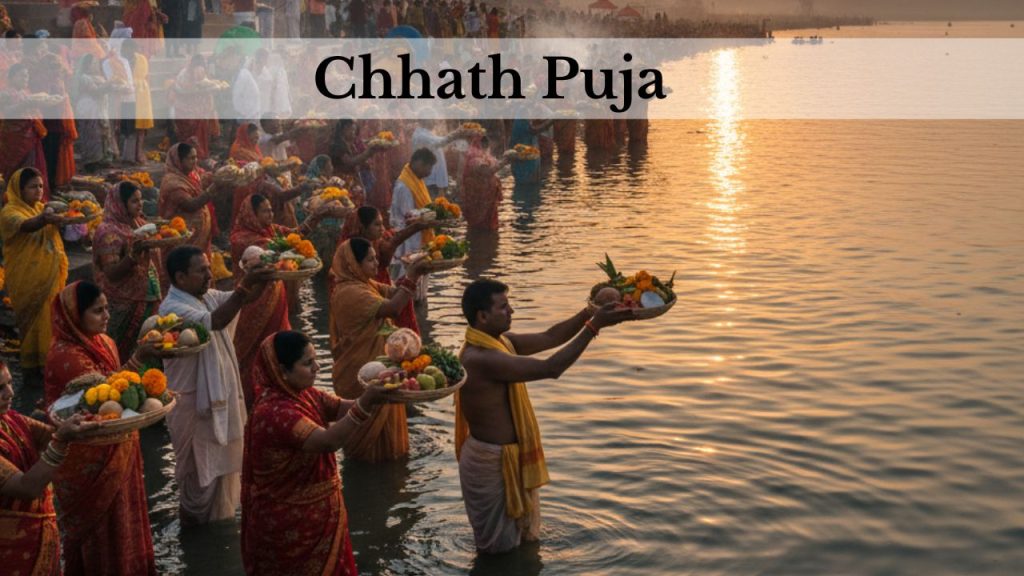
The Sandhya Arghya is the evening ritual in which devotees offer water, fruits, and other items to the setting sun. This practice takes place at riverbanks, ponds, or lakes, emphasizing harmony with nature and the elements. Participants chant hymns and sing folk songs, enhancing the spiritual atmosphere and creating a communal sense of devotion. Sandhya Arghya is both a personal and collective act of worship, merging individual spirituality with cultural tradition.
The Usha Arghya is the concluding ritual, performed at sunrise, marking the culmination of Chhath Puja. Offerings are made to the rising sun, seeking blessings for health, prosperity, and family well-being. The ritual signifies renewal, hope, and the cyclical nature of life, reminding devotees of the importance of gratitude and reverence for cosmic forces. Preparations for Chhath Puja, from decorating riverbanks to organizing offerings, reflect meticulous care, patience, and devotion, making the festival a profound spiritual experience.
Significance of Fasting
Fasting during Chhath Puja is a powerful act of physical and spiritual purification. Abstaining from food and water for long periods allows the body to detoxify while aligning mental focus with spiritual intentions. This disciplined practice strengthens willpower, encourages self-control, and fosters resilience. Fasting during Kartika is not merely an act of deprivation; it is a conscious effort to cultivate mindfulness, spiritual awareness, and inner harmony. By adhering to this disciplined routine, devotees demonstrate their commitment to faith, devotion, and respect for divine energy.
The act of fasting expresses deep gratitude to Surya Dev for his life-sustaining power and to Chhathi Maiya for protection and blessings. This ritualized gratitude extends beyond personal benefit, reflecting respect for the forces of nature that support life. Devotees believe that fasting purifies the soul, enhances spiritual awareness, and strengthens moral discipline. The selflessness required during fasting nurtures patience, empathy, and a sense of connection with the broader community, making it a spiritually transformative practice.
Fasting also carries health benefits, as it encourages mindful eating, detoxification, and metabolic balance. The combination of disciplined food intake, purification rituals, and spiritual meditation promotes overall well-being. Symbolically, fasting during Chhath Puja represents devotion, sacrifice, and acknowledgment of the interdependence between humans and nature. The discipline cultivated during fasting reinforces life lessons about gratitude, restraint, and mindful living, making Chhath Puja a festival that nurtures both the body and soul.
Chhath Puja’s fasting rituals, therefore, are far more than religious obligations. They are an immersive spiritual journey that strengthens personal discipline, fosters gratitude, and connects devotees to cosmic energy. Observing the fast with sincerity enables individuals to experience purification, renewal, and heightened spiritual consciousness, emphasizing the transformative power of devotion and discipline during Kartika.
Environmental and Cultural Connection
Chhath Puja is not only a spiritual festival but also a celebration of harmony between humans and nature. Devotees perform rituals on riverbanks, lakes, and ponds, emphasizing the importance of water bodies in sustaining life. The act of offering prayers while standing in rivers or near natural water sources reflects reverence for the environment and highlights the symbiotic relationship between humans and natural elements. These practices encourage environmental awareness, long before modern ecological movements emerged.
Community participation is another crucial aspect of Chhath Puja. Families and neighborhoods come together to clean riversides, decorate the area with traditional items, and prepare offerings collectively. This collective effort fosters unity and a sense of belonging, while also preserving local customs. Folk songs and traditional music performed during rituals add a cultural dimension, ensuring that artistic heritage and oral traditions remain alive.
The festival also underscores the cultural transmission of values across generations. Younger members of the community learn the significance of rituals, folk songs, and customs from elders, ensuring the continuity of traditions. Cultural expressions, including local attire, music, and ceremonial dances, strengthen identity and pride in one’s heritage. Celebrating Chhath Puja becomes a holistic experience where devotion, ecological consciousness, and cultural preservation intersect, creating a festival that is meaningful, enriching, and socially engaging.
Ultimately, Chhath Puja demonstrates that spiritual devotion and environmental stewardship are not separate. By venerating the Sun God and natural resources, devotees cultivate respect for nature while reinforcing cultural values. The festival, therefore, is an inspiring example of how religious observances can promote both ecological mindfulness and community cohesion.
Traditional Foods and Offerings
Traditional foods and offerings play a central role in Chhath Puja. Devotees prepare prasad with utmost care, using natural ingredients like thekua, seasonal fruits, and rice-based delicacies. The preparation process itself becomes a devotional act, emphasizing purity, cleanliness, and mindfulness. Each item is symbolic, representing health, prosperity, and divine blessings, ensuring that food is treated as a sacred offering rather than mere nourishment.
Thekua, a sweet made from wheat flour, jaggery, and ghee, is the most iconic prasad during Chhath Puja. Its preparation is a meticulous process, requiring patience and attention, reflecting the devotion of the practitioner. Fruits such as bananas, sugarcane, and seasonal varieties are offered in their natural form, emphasizing simplicity, purity, and the bounty of nature. These offerings are shared with family members and community participants, reinforcing social bonds and collective celebration.
Ritual offerings are not just symbolic gestures; they also carry spiritual significance. The process of preparing, presenting, and distributing prasad embodies gratitude for the Sun God’s energy and the Mother Goddess’s protection. The emphasis on natural, unprocessed foods aligns with the festival’s focus on health, purification, and respect for life. Sharing prasad within the community enhances a sense of unity, compassion, and cultural continuity, creating a spiritually enriched social environment.
By engaging with traditional foods and offerings, devotees immerse themselves fully in Chhath Puja. The festival becomes a holistic experience where culinary arts, devotion, and cultural practices converge. Through these practices, participants honor their heritage, express gratitude, and reinforce the importance of purity, discipline, and mindful living.
Regional Variations
Chhath Puja, while widely celebrated, exhibits unique regional variations that reflect local traditions and folklore. In Bihar, for example, rituals involve intricate preparation of offerings and a focus on collective community worship at riverbanks. Folk songs specific to Bihari culture accompany prayers, creating a vibrant spiritual atmosphere. In Jharkhand and Uttar Pradesh, customs may vary slightly, with different fasting rules, ceremonial processes, and local performances enhancing the festival’s regional flavor.
Nepal observes Chhath Puja with particular reverence, blending Hindu practices with local cultural influences. Offerings, songs, and rituals often reflect Nepali traditions, highlighting the festival’s adaptability and enduring significance. These regional distinctions enrich the festival’s cultural tapestry, demonstrating how core beliefs can harmonize with diverse local practices.
Migration has further spread Chhath Puja beyond its traditional regions. Urban celebrations often adapt traditional rituals to accommodate city life, frequently involving artificial water features or community halls. While space constraints and modern lifestyles necessitate modifications, the spiritual essence of the festival remains intact. Families and community groups ensure that traditional offerings, prayers, and songs are maintained, bridging urban living with ancestral devotion.
Regional variations also highlight the festival’s inclusivity and adaptability. Each community preserves unique expressions of devotion while maintaining universal principles of gratitude, discipline, and worship. Chhath Puja thus exemplifies how regional diversity enriches religious and cultural practice, fostering unity in diversity while celebrating the collective spirit of devotion.
Chhath Puja in Modern Times
In modern times, Chhath Puja has adapted to urban lifestyles and contemporary social settings without losing its spiritual core. Cities have witnessed the organization of community events along riversides, lakes, and artificial ponds, allowing urban dwellers to participate in traditional rituals. Media coverage, social platforms, and online communities have played a significant role in popularizing the festival, ensuring that younger generations remain connected to their cultural roots.
Modern observances balance devotion with practical challenges. Devotees continue to observe fasting, prepare prasad, and offer prayers, while logistical adjustments, such as portable arrangements for water bodies, accommodate city life. Community participation remains crucial, as collective observances foster a sense of belonging and shared cultural pride. Folk songs, traditional music, and regional attire continue to be integrated, maintaining the festival’s authenticity.
Chhath Puja has also contributed to a revival of folk art and music. Cultural organizations, schools, and social groups actively promote songs, rituals, and storytelling associated with the festival. This revival preserves heritage, educates younger generations, and strengthens spiritual consciousness. Celebrating Chhath in contemporary settings highlights the festival’s ability to evolve while retaining its spiritual significance and cultural richness.
The continued observance of Chhath Puja in modern times reflects its enduring relevance. Despite changing lifestyles, the festival’s core principles of gratitude, devotion, and respect for nature remain unchanged. It demonstrates how ancient traditions can coexist with contemporary life, enriching communities spiritually, socially, and culturally.
A Moment to Ponder: Spiritual Takeaways
Chhath Puja is a festival that transcends mere ritual; it embodies gratitude, discipline, and reverence for nature and the divine. By worshipping Surya Dev and Chhathi Maiya, devotees align themselves with cosmic energy, acknowledging the Sun’s vital role in sustaining life. The festival reinforces ethical and moral values, emphasizing patience, humility, and devotion. Observing Chhath Puja is an opportunity for personal and spiritual growth, fostering mindfulness, gratitude, and inner peace.
The festival also strengthens communal harmony. Families and communities unite in preparation, rituals, and celebrations, reinforcing social bonds. Folk songs, cultural performances, and regional variations enrich the spiritual experience while preserving heritage. Chhath Puja thus becomes both a personal spiritual journey and a collective cultural celebration.
Beyond spiritual and cultural aspects, Chhath Puja teaches respect for nature. Rituals performed on riverbanks and natural water bodies highlight ecological awareness and promote environmental stewardship. The festival exemplifies how devotion and environmental consciousness can coexist, inspiring responsible behavior toward nature.
Ultimately, Chhath Puja is a holistic festival that nurtures body, mind, and soul. It cultivates discipline, encourages gratitude, and preserves cultural identity. By participating in Chhath Puja, devotees embrace a tradition that is spiritually profound, culturally rich, and socially unifying. The festival’s enduring significance in the Kartika month demonstrates the timeless power of devotion, community, and harmony with the natural world.