Significance of Devashayani Dwadashi
Devashayani Dwadashi marks a deeply spiritual milestone in the Hindu lunar calendar, observed with reverence and introspection by devotees worldwide. “Devashayani” translates to “the Lord who goes to sleep.” This sacred day falls on the 12th day (Dwadashi) of the Shukla Paksha in the month of Ashadha, typically during June or July. It signals not just a change in the calendar but a decisive cosmic shift in spirituality.
On this day, Lord Vishnu is believed to have entered a divine slumber, Yoga Nidra, on the celestial ocean known as Kshira Sagara (the Ocean of Milk). This spiritual hibernation continues for four months until Prabodhini Ekadashi in the month of Kartika. These four months are collectively known as Chaturmasya, or the “Four Holy Months,” which hold immense spiritual importance.
Devashayani Dwadashi is much more than a date. It’s a time that invites everyone to slow down, reflect inwardly, and deepen spiritual practices. The Puranic scriptures, such as the Padma Purana, Skanda Purana, and Vishnu Purana, highlight this day as the beginning of a sacred pause in the material world. This is when spiritual discipline is encouraged and considered essential for those seeking higher consciousness.
The day’s significance lies not only in mythology but also in the alignment of cosmic energy. As the divine rests, humans are urged to awaken, spiritually, mentally, and emotionally. The universe subtly nudges every seeker to adopt a lifestyle of simplicity, mindfulness, and more profound devotion during this spiritually potent period.
Mythological Significance of Devashayani Dwadashi
Devashayani Dwadashi carries a rich tapestry of mythological importance that illuminates its revered status in Sanatana Dharma. Central to the narrative is Lord Vishnu’s divine act of Yoga Nidra, a state of cosmic sleep undertaken on Ananta Shesha, the thousand-hooded celestial serpent, floating upon the vast Kshira Sagara. This is not ordinary sleep but a symbolic withdrawal from worldly affairs, reflecting the balance between action and rest, a crucial lesson for every soul.
In this slumber, Vishnu continues to sustain the universe. His withdrawal is not abandonment but a deep cosmic meditation, a subtle way of overseeing creation while inspiring humans to take charge of their spiritual evolution during this time. The idea that even the preserver of the universe steps back to restore energy and harmony underscores the importance of spiritual retreat and self-renewal.
One of the most powerful mythological stories of this occasion is the Vamana Avatar and King Bali. In this tale, Lord Vishnu appears as a humble dwarf (Vamana) and approaches the righteous yet ambitious King Bali. Through a divine play of humility and cosmic strategy, Vishnu measures the three worlds in three steps and places his foot on Bali’s head, sending him to the netherworld. But in a beautiful twist, Vishnu promises to reside with King Bali in his realm during these four months, symbolizing the Lord’s presence even in darkness and humility.
The symbolism here is multilayered. It teaches that true surrender and selflessness attract divine companionship, and even in times when divinity seems absent (as in sleep), it is closer than ever, dwelling in humble and devoted hearts. Devashayani Dwadashi thus becomes a gateway into understanding divine timing, inner retreat, and the cosmic balance of activity and stillness.
Spiritual Importance for Devotees
For those on the spiritual path, Devashayani Dwadashi is not just a ritual day; it’s an invitation to dive deeper into one’s inner world. As Lord Vishnu symbolically enters Yoga Nidra, devotees are encouraged to begin a phase of austerity, discipline, and heartfelt devotion. This day marks the spiritual New Year for seekers who wish to strengthen their bond with the divine through conscious living.
One of the most powerful ways to honor this day is by embracing vratas (vows) and upavasas (fasts). These aren’t mere customs; they are powerful tools for inner purification. Fasting helps detach the mind from worldly cravings and redirects it toward a higher level of awareness. Some observe nirjala updates (fasting without water), while others follow a phalahar diet, consuming only fruits and milk. The focus remains on sincerity and dedication rather than rigidity.
During these sacred four months, spiritual practices intensify. Devotees immerse themselves in the chanting of Vishnu Sahasranama, the thousand names of the Lord, which invoke divine qualities and foster inner peace. Scriptural recitations, such as the Bhagavad Gita, Narayana Kavacham, and Vishnu Stotras, help anchor the mind in divine wisdom and protection. This is also a perfect time to adopt dhyan (meditation) and swadhyaya (self-study). These practices bring clarity, emotional balance, and a stronger connection to purpose. The Chaturmasya period, which begins with Devashayani Dwadashi, is ideal for cultivating virtues such as patience, humility, faith, and surrender. The deeper one dives into spiritual practices during this time, the stronger the foundation for personal transformation and inner joy.
Beginning of Chaturmasya: The Holy Four Months
The observance of Devashayani Dwadashi marks the onset of Chaturmasya, a sacred four-month period considered the most spiritually fertile season in the Hindu calendar. From Ashadha Shukla Dwadashi to Kartika Shukla Ekadashi, these months invite an inner reset, a conscious retreat from worldly distractions toward spiritual refinement.
It is believed that Lord Vishnu enters a state of divine sleep during this time. In His absence from cosmic activity, humans are responsible for upholding dharma, compassion, and discipline. Thus, activities like weddings, new businesses, and celebratory events are generally avoided, respecting the spiritual austerity of this period. Chaturmasya promotes a lifestyle centered on penance (tapasya), charity (dana), self-restraint, and ecological balance. Many people vow to avoid certain foods such as onions, garlic, grains, or non-vegetarian items. These abstinences are not about restriction but about simplifying life to purify the body, mind, and soul.
Environmental consciousness is another profound aspect of this time. Avoiding unnecessary travel, minimizing consumption, and living sustainably align with nature’s rhythm during the monsoon season. The philosophy behind these practices is deeply rooted in seasonal discipline and harmony with nature, which protects health and nurtures the planet. This phase becomes a personal pilgrimage, a spiritual cocoon from which individuals can emerge more conscious, compassionate, and connected to the divine. The culmination of Chaturmasya on Prabodhini Ekadashi is often seen as a moment of spiritual rebirth, where the Lord awakens, and so does the inner light of every sincere seeker.
Rituals and Observances on Devashayani Dwadashi
The sacred rituals performed on Devashayani Dwadashi embody love, surrender, and devotion. These personal and collective acts invite divine presence into the home and heart. Observances begin at dawn, often with a holy bath in rivers such as the Ganga, Yamuna, or Godavari, which are considered sacred and believed to be purifying. A special murti, or image of Lord Vishnu, is ceremoniously placed on a symbolic bed or resting platform made of wood or silver. This act of symbolic resting represents the Lord’s transition into a state of Yoga Nidra. The platform is decorated with lotus flowers, Tulsi leaves, and sandalwood paste, invoking freshness, sanctity, and purity.
Devotees offer a unique naivedya (divine food offering) that includes fruits, sweets such as kheer or payasam, and dishes prepared without onion or garlic. Tulsi (Holy Basil) is especially significant; it is believed that no offering to Vishnu is complete without Tulsi. Lighting lamps, singing bhajans, and participating in group Vishnu pujas create a powerful spiritual ambiance at homes and temples.
Fasting is a central observance, with many, based on their capacity, choosing either nirjala vrat (fasting with no food or water) or phalahar fasting (fasting with only fruit and milk). The intention behind fasting is not suffering, but surrender – choosing simplicity to gain clarity and grace. Vishnu temples come alive on this day with special abhishekas (ritual baths), Archana (chanting of names), and devotional satsangs. The temple bells, chants of “Om Namo Narayanaya,” and the fragrance of incense fill the air with divinity. When done with heartfelt devotion, the rituals of this day become a soul’s silent prayer, aligning with divine rest while actively preparing for inner awakening.
Astrological and Cosmic Alignment
Sun’s transit in Ashadha and its spiritual impact
The Sun’s movement into Ashadha (the first of the two lunar months of Ashadha in the Hindu calendar, roughly June–July) marks a decisive shift. You’ve likely felt that extra warmth, not just from the Sun’s rays but in your spirit. This transit astrologically increases our internal heat and energy, urging us toward transformation. Think of the Sun as a cosmic coach, spotlighting areas in your life that need focus, leadership, self-expression, or clearing away old habits.
As the Sun brightens your inner temple, its energy supports spiritual growth. Meditation becomes more vivid, thoughts and emotional patterns rise to the surface, ready to be witnessed, understood, and released. In this phase, discipline feels more natural. You may find yourself drawn to mantra practices, chanting, or dedicating more time to contemplation. Many traditions see this as an ideal time for sādhanā (spiritual practice), especially those that encourage cultivating willpower and inner clarity.
Spiritually, this period invites a profound inward gaze, like tuning into your inner GPS. You begin to sense patterns, attachments, and limiting beliefs illuminated by the Sun’s glow. We set the stage for a breakthrough by harnessing the sun’s energy with intention, such as offering gratitude during meditation or setting positive daily affirmations. Ultimately, this transit offers a potent reset: illuminating challenges, lighting the way forward, and fueling your desire to align with a higher purpose.
Lunar energies favor introspection and stability.
During Ashadha, the Moon moves through specific nakshatras (star constellations) that support introspection and emotional grounding. These lunar energies are like a friend whispering, “Slow down, notice what’s beneath the surface.” You’ll often sense a deepening need for self-reflection, inner dialogue, and emotional clarity. This isn’t about quieting down, it’s about becoming still enough to hear your inner voice.
Emotionally, this lunar phase fosters a sense of spaciousness and calm. You may notice minor irritations or anxieties that used to push your buttons, softening into curiosity. Why did that trigger occur? What is it trying to teach me? That transition from reaction to reflection is the heart of lunar support in Ashadha. It encourages stability, not by resisting change but by embracing it consciously.
On a practical level, journaling or moon-gazing offers beautiful synergy. Spending a few minutes each evening noting your emotional landscape can help untangle what’s important. The Moon’s energy supports longer meditative sessions, pranayama techniques that emphasize balance (such as Nadi Shodhana), and heart-centered practices like loving-kindness meditations. These lunar influences during Ashadha remind you that stability arises from conscious presence, as you grow roots within while the world shifts around you.
Influence of Vishnu’s Yogic Sleep on the planetary vibrations
Devashayani Dwadashi, also called Vishnu’s Yogic Sleep, symbolizes the Lord’s cosmic slumber during the four months of Chaturmasya. That divine pause carries vibrational influence across planets and earthly life. Imagine the cosmic stage dimming, letting subtle energies glow brighter. This also signals a time of rest, restoration, and inner recalibration.
On the macro level, planetary vibrations soften. Restless energies calm, encouraging us to tune into deeper guidance. You’ll notice a less frenetic cosmic tempo, external happenings may slow, prompting more introspection and spiritual work. On a micro level, this cosmic alignment favors quieter devotional practices, such as sankirtan (group chanting), reading sacred texts, or serene hours in temple silence.
Vishnu’s slumber invites you to enter your restful yogic sleep, practicing restorative meditation, deep pranayama, or gentle yoga to harmonize mind, body, and breath. These practices attune you to the subtler frequencies, intuition, compassion, and presence. As planetary rhythms soften, our nervous systems calm, and we reset into deeper alignment with purpose, gratitude, and grace.
Astrological remedies for doshas and karmic balances
When planetary influences feel misaligned, sparking doshas (Vata, Pitta, Kapha) or karmic imbalances, astrology offers remedies that are tools, not magic wands. In Ashadha, the doshas often lean toward Pitta (heat and agitation) and Vata (restlessness). Remedies for Pitta may include cooling rituals, such as sprinkling sandalwood water, fasting on specific days, or devotional singing to Shiva or Krishna. To balance Vata, practices like grounding meals (warm rice with ghee), daily abhyanga (self-massage with warm oil), and steady yoga are supportive.
Karmic alignment uses planetary insights to guide corrective steps. For example, if Mars is in a challenging position, engaging in selfless service, chanting the Hanuman Chalisa, or offering prayers on Tuesdays can ease its impact. If Saturn’s influence feels heavy, dedicating energy to charitable acts, devotion to Lord Vishnu on Saturdays, or lighting lamps in temples helps ease karmic burdens.
Importantly, these aren’t rigid rituals; they’re living invitations. They support self-awareness, offering mindful adjustments until harmony returns. The wisdom lies in consistency. Practicing any remedy with sincerity and devotion cultivates alignment, not just calming planetary influence, but uplifting your inner field.
The ideal time for initiation into higher spiritual disciplines
Ashadha’s cosmic climate, the Sun’s strength, supportive lunar influence, and Vishnu’s restful period create energetic conditions ripe for initiation into deeper spiritual practices. This window is especially potent if you’ve been considering mantra initiation, spiritual retreats, or teacher-guided sādhanā.
Tradition names Devashayani Dwadashi an auspicious time for diksha (formal initiation). The energetic alignment paves the way for more profound receptivity, transformation, and connection. Whether through a trusted guru or a dedicated community, this initiation offers more than technique; it opens a sacred pathway, establishing accountability, structure, and deeper trust in inner guidance.
If you’re drawn to advanced chanting like the Vishnu Sahasranama or meditation paths like Nada yoga, this is the time to begin. As cosmic support amplifies, your capacity to absorb, integrate, and embody these practices grows exponentially. Even a short vow, like daily 108-bead chanting, can have a compounding impact during this period. In essence, ritual commitment blended with cosmic energy works as potent alchemy, initiating profound shifts in awareness.
Ecological and Seasonal Relevance
Coincides with the onset of the monsoon season in India
In India, Ashadha marks the much-awaited arrival of the monsoon. The heavens open, rain nourishes parched earth, and ecosystems begin their vibrant resurgence. You might feel the fresh petrichor, the unique scent of rain on dry soil, and notice how your spirit feels lighter and more alive. It’s as if nature itself takes a deep breath and exhales a sigh of relief.
Ecologically, this shift transforms landscapes: barren fields turn green, wildlife returns, and agricultural cycles restart. People’s clothing, architecture, and cultural rhythms adjust. You’ll find more indoor gatherings, folk songs, and seasonal foods, such as turmeric-laced khichdi, fresh corn, and greens. Kitchens filled with fresh produce symbolize gratitude and sustainable living in homes.
This seasonal relevance adds richness to spiritual timing. The rains aren’t just meteorological; they remind us of cycles: brim and ebb, active and restful, seed and harvest. We resonate with nature’s rhythm, witnessing dormancy, emergence, cleansing, and renewal. Spiritually, this is a gentle reminder: you, too, can align outer rhythms with inner awareness, guiding your practices toward greater harmony.
Symbolic rest period for the Earth and living beings
Monsoon’s arrival speaks volumes: it’s a pause, a rest period for Earth and all that live upon it. Once crops, livestock, and wildlife have been tended and sustained, nature invites a replenishing slowdown. Ponds fill, wells quench, birds pause migrations, and river flows steadily. This rest allows rejuvenation, trusting in a cycle greater than any single bloom or harvest.
Your spiritual journey echoes this gentle pause. Instead of pushing forward, consider inward rest. Maybe that’s slowing your schedule, taking a retreat, or deepening your meditation for reflection. This isn’t avoidance, it’s regenerative. Just like the ecosystem takes a break, so can you. It would be much warmer if spoken like a caring friend: “Rest now so that you can rise stronger.”
This phase is also about mindful consumption. Water conservation becomes natural as rains fall, and waste decreases as fresh produce takes center stage. Drawing on this example, you can honor boundaries, adopt cleaner habits, maintain a slower pace, and cultivate an intentional presence. By echoing Earth’s lull, you reconnect with your cycles in a deeply supportive way.
Avoidance of agricultural and disruptive activities
Monsoon season often comes with advisories: avoid plowing, construction, or large gatherings. The soft soil, unpredictable weather, and spiritual significance of Devashayani Dwadashi all suggest the importance of honoring stillness. This aligns with age-old customs: work slows, families gather indoors, and community rituals focus more on introspection.
Taking a cue from this, you, too, can choose less frenetic rhythms. Pause remodeling, cancel big outings, or postpone major life transitions. Instead, reallocate that energy toward self-study, family conversations, or restorative practices. The message is clear: not everything you do has to be visible or ambitious. Some of your most valuable work happens behind the scenes, inside your heart or mind.
It’s also an ecological reminder: minimizing disruption helps soil ecology regenerate, which benefits food systems and biodiversity. In your own life, you can mirror this: avoid “digging up your garden”, emotionally or mentally. Stay with gentle inner cultivation. This is timeless for planting and more for deep inquiry, ritual simplicity, and honoring stillness.
Preservation of energy resources and natural cycles
Energy consumption patterns shift as rain cools the air and nature hums its regeneration. Light levels dim, daily work slows, and appliances operate at a lower intensity. There’s a natural pause in electrical, agricultural, and industrial consumption. This offers a living example: when we honor cycles, we naturally preserve resources.
You can follow this pattern by adopting a slower pace of living. Turn off unnecessary gadgets, enjoy a long walk in fresh rain, cook simple meals using what’s in season, and minimize reliance on air conditioning or screens. These small shifts compound over the season. You’re not just saving energy; you’re syncing your lifestyle with ecological rhythms, reducing stress, and contributing to larger sustainability.
It’s also a time to reflect on consumer habits. Consider storing small food offerings or repurposing clothes. Ask: “What do I need today?” That pause can gently shift consumption patterns long after the rains cease. The monsoon becomes a teacher, leading you back toward ease, reverence, and mindful presence.
Promotion of sustainable and mindful consumption
During Ashadha and the monsoon season, communities emphasize sustainability by eating locally grown vegetables, practicing zero-waste practices, and avoiding overfishing and deep-sea extraction. Householders may cook communal meals, host friends indoors, or exchange produce, fostering generosity and mindful reciprocity.
You can participate by embracing that spirit. Plan meals centered around seasonal produce. Use leftovers creatively. Share with neighbors. Support local farmers. Even small actions, such as collecting rainwater for plants, remind you that your consumption choices have a ripple effect on the environment.
This cultivation of mindful consumption aligns with spiritual practice: when you treat each resource with care, you cultivate awareness, gratitude, and restraint. These qualities reinforce devotional humility. In a season that calls for inner stillness and outer generosity, mindful consumption becomes a ritual that honors yourself, your community, and the natural world.
Connection with Vrat Traditions and Prominent Vratas
Significance of observing Sayana Dwadashi Vrata
Sayana Dwadashi Vrata (observed on Devashayani Dwadashi) marks the “putting to sleep” of Lord Vishnu for his cosmic rest period. It’s a deeply symbolic fast and ritual that honors that moment. By observing this vrat, you align with the divine cycle, participating in the cosmic pause as a householder or ascetic.
During this vrata, you observe a fast (full or partial), perform special puja to Lord Vishnu, recite sacred texts or hymns, and reflect and pray. The fast isn’t a punishment, it’s a conscious contraction of appetite and sense, opening space for a deeper connection. By practicing Sayana Dwadashi, you attune your inner rhythm to the cosmic, creating resonance in your heart and mind.
Beyond ritual obedience, abstaining from food or certain activities is about attention. You become more alert to your breath, thoughts, and subtle energy sensations. This heightened awareness offers a moment of spiritual amplification. You receive insight into long-standing patterns, emotional habits, or dormant inspiration. Panchama Vrata carries that benefit throughout Chaturmasya, yielding increased clarity, focus, and devotion.
Start of various vratas like Chaturmasya Vrata, Shravan Somvar, and Varsha Vratas
Devashayani Dwadashi marks the beginning of Chaturmas, four months of spiritual observance. Many vrata traditions begin here, each with its flavor:
- Shravan Somvar Vrat: Fasting on Mondays in the month of Shravan (part of Chaturmasya), devoted to Lord Shiva or Vishnu.
- Varsha Vrats: Rain season vrats are tied to fertility, renewal, and gratitude.
- Ekadashi and Dwadashi Vrats: Observance of Ekadashi (11th lunar day) every month, with fasting, prayers, and avoidance of grains.
These practices share common themes: self-restraint, spiritual upliftment, and honoring natural cycles. Starting these vrat traditions during Ashadha connects them to cosmic energy. The pattern becomes a sacred rhythm: fast, feast, reflect, act. By participating, you join a living tradition. These vratas provide structure, accountability, and a communal rhythm, all of which support spiritual momentum during Chaturmasya. It’s a gift, a seasonal container for growth.
Observances by ascetics, saints, and householders alike
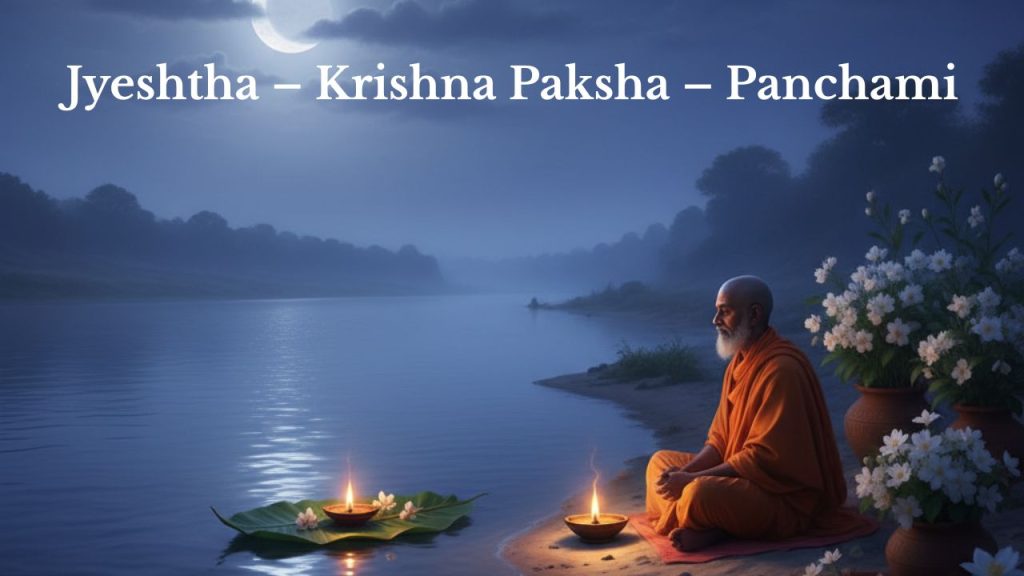
Devashayani Dwadashi and related vratas are inclusive and open to anyone seeking a deeper spiritual connection. You’ll find ascetics meditating at rivers, saints chanting in temple halls, and householders lighting lamps at home. Each person adapts to their stage of life. This universal applicability reflects a profound spiritual truth: inner transformation is accessible in a cave or a city apartment. You don’t need hours of chanting or elaborate puja. You need intention and sincerity. A small devotional setup, lamp, flower, and prayer create that bridge.
Observing these vratas acts as a collective spiritual pulse. You’re not just fasting, you’re joining a seasonal, societal tide grounded in love for the divine. That continuity, passed through generations, nourishes devotion. It sustains the flame of inner awakening.
Impact on karmic purification and spiritual growth
Every vrata ritual offers an opportunity. You test attachments to food, routine, and comfort with each fast. With every chant or prayer, you step outside the confines of the ego. This pattern becomes a ripple effect: a single fast transforms into weekly rituals, deeper satsangs, and shifts in relationships.
Examples from lived experience: Many report better self-control after a Shravan Somvar cycle. After observing a Chaturmasya vrata, people often report having a more straightforward intuition. These fruits arise when practice integrates with daily life, resulting in reduced sugar consumption, increased presence at work, and improved kindness in family dynamics. This imprint of consistency intensifies karmic purification, clearing old habits, promoting balance, and creating space for new insights to emerge. Over time, spiritual growth becomes credible and measurable. You’re not just guessing your progress; you see it in your choices, heart responses, and inner tone.
Continuation of lineage traditions (parampara)
Observing these vrata traditions honors the parampara, the line of teachers, saints, and communities that carried this wisdom. You join a chain of devotion stretching back millennia, Maharashtrian Varkaris, temple priests in Puri, sannyasis on the banks of the Ganga. Parampara isn’t old-fashioned, it’s living. As you follow it, you receive its seeds: blessings passed from teacher to student. These provide continuity and resilience. They anchor you in collective intention and shared values. And even if you walk alone in your apartment, you’re still part of that lineage.
Engaging with parampara offers a more profound transformation than a solo effort. Pay attention to how your faith evolves, your rituals deepen, your service to others grows, and your sense of sacredness expands. Through that lineage, you stand on the shoulders of giants. And even today, as you light your lamp and recite your mantras, you’re fighting with the same flame as countless seekers before you.
Regional Celebrations and Practices
Grand observances in Pandharpur (Maharashtra): Ashadhi Ekadashi to Dwadashi
Pandharpur erupts in devotion during the Ashadhi period. Millions of Varkaris, Lord Vitthal’s devotees, from Ekadashi to Dwadashi, pilgrimage across dusty plains to the temple. They walk in long, rhythmic rows, chanting “Vitthal, Vitthal” with every step. If you’ve seen the sea of saffron-clad pilgrims, you understand, it’s a living river of faith. These days bring unfiltered intensity: devotional outpouring at abhangs (devotional songs), community feasts (prasad served to all), and spontaneous spiritual tears. That energy is both communal and personal; each pilgrim carries their hopes, griefs, and joys, but those feelings blend into a collective heart resonance amid the chanting.
For the town, it’s a spiritual theater and a symbol of respect. Streets take on ceremonial paths, food flows, folk theatre begins, and folk artists sing for hours. By Dwadashi, the transition from Ekadashi’s rigorous fast to the celebratory breaking of the fast is triumphant, a blend of resting, rejoicing, and reflection. If you visit Pandharpur during this time, you will experience a profound sense of spiritual intensity and deep camaraderie. That’s an essential feature: people who might differ in caste, income, or background unite in bhakti. It demonstrates how a devotional life can transcend divisions and elevate collective consciousness.
Processions of Varkaris and bhakti congregations
The Varkari processions, long palkis (palanquins) carrying saints’ symbolic sandals, carry music and mantras across villages. Each group stops in towns to rest, pray, and share meals. These congregations celebrate devotion through bhajans, kirtans, and spiritual discussion. This atmosphere is contagious; children clap, elders weep in remembrance, and strangers meet as if they were siblings. You sense continuity, a practice deeply ingrained in the region’s spiritual heritage. And even if you’re a newcomer, a handful of abhangs sung with reverence can fill your heart.
Bhakti congregations aren’t staged, they’re alive. People offer water to pilgrims, farmers share their crops, and neighbors host overnight diners. That offers a model: worship that’s fully lived, chanted, shared, nuts-and-bolts, footprint on the ground. It’s not imagination, it’s a connection.
Celebrations in temples of Jagannath (Puri) and other Vaishnava centers
Ashadhi Dwadashi is celebrated far beyond the state of Maharashtra. In Puri, Lord Jagannath’s temple hosts deep rituals. During Chaturmasya, the deities are said to withdraw into cosmic slumber, and the priests observe special worship schedules. Devotees fast, light lamps, and offer khichdi. Satsangs echo along temple corridors.
Tirupati, Srirangam, and other Vaishnava centers resonate with devotional fervor; each location brings its unique texture. In South India, temple bells ring in slower rhythms, priests chant Vedic mantras, and devotees observe silence during certain hours. These shared practices, across geography, express unity in ritual experience and spiritual awareness. Although regional expressions differ, the essence remains the same: surrender, a devotional lull, and inner harvest. Each temple becomes a mirror, a collective heart reflecting cosmic rest and intimate devotion.
Community feasts, bhajans, and satsangs
Feeding the hungry, singing together, and gathering for Satsang (spiritual discourse) are at the core of Devashayani. Volunteers in every village and city host communal meals, where everyone eats together, seated at the same table, regardless of caste or social status. That’s powerful: food as devotion, kindness as ritual.
Bhajans fill the evenings, some rhythmic and electric, while others are slow and contemplative. Satsangs follow: stories, questions, reflections. These aren’t academic lectures, they’re personal sharing. Someone may speak of how their life shifted after observing Dwadashi vrats. Someone else might describe how a mantra changed subtle patterns. Those stories build faith. They show practice in motion. In community spaces, ordinary people become mirrors of devotion, and that’s contagious. You leave feeling, “It can happen to me, too.”
Influence on temple rituals in South India (Tirupati, Srirangam)
In Tirupati, priests conduct afternoon mokkali and sayana archanas, putting the deity to rest with lullabies and light offerings. Priests sleep in temples overnight, symbolizing the Lord’s yogic slumber. In Srirangam, Vishnu rests in a decorated palle, a sacred bed, with aromatic water sprinklings and prayers.
These rituals combine devotion with discipline. Each step is done with precise intention. The public watches, sometimes participating, and sometimes feeling blessed. Witnessing divine ritual raises awareness. It reminds observers that deeper play is happening beyond the visible world. For you, even observing the ritual offers a taste of cosmic devotion, an invitation to see beyond everyday life and sense the divine pause that permeates everything.
Philosophical and Universal Message of Devashayani Dwadashi
Symbol of divine detachment and universal order
Devashayani Dwadashi carries powerful symbolism: the great divinity entrusting cosmic care to nature during cosmic rest. It reminds you that detachment isn’t coldness, it’s trust. It asks: Can you release control and still rest in cosmic order? Just as Lord Vishnu descends into cosmic sleep, you’re called to detach from outcomes. You practice resting, trusting, and letting processes unfold. That’s profoundly liberating. You learn that rest is rhythm, not neglect. Surrender becomes sacred; trust becomes steady.
A reminder of the cyclical nature of time and existence
Our modern lives often follow a linear pattern, with work, sleep, and repeat. This celebration reminds us that existence isn’t linear. It’s seasonal, seasonal, cyclical, birth, rest, death, rebirth. Lord’s sleep signals cosmic winter. His awakening will signal summer. Each cycle supports the next. When you internalize that, every setback becomes a fertile ground. Every rest period becomes restoratio, not failure. You meet life’s ups and downs with greater grace, rooted in the knowledge that change is a natural part of life.
Emphasis on surrendering to divine will and rhythm
Surrender isn’t about giving up; it’s about waking up to something bigger. During Devashayani, the cosmic pace slows, and you’re invited to follow. Perhaps your schedule dims, or your responses soften. You can trust that inner guide, celestial cadence, or divine rhythm. They say when you surrender, resistance fades. Peace blooms. You accept how things are while moving with courage. That mix of presence without struggle, that’s freedom.
Encouragement for inner purification and ethical living
This period emphasizes going inward. As the world slows, you clean your inner space, examine your intentions, and adjust your patterns: less gossip, more kindness, less waste, and more generosity. It’s ethics in action, values in everyday practice. As you purify, your energy becomes clearer, and your clarity improves. That impacts your relationships, your decisions, and your service. You’re not just cleansing yourself, you’re tuning your container to hold more light.
Universal relevance beyond sects and regions
Though this is a Vaishnava festival, its wisdom applies everywhere, whether you chant the Jesus prayer under a cross, sit silently under a Bodhi tree, or light a candle in a quiet room at home. The rhythm of rest, reflection, and renewal is universal. You don’t need a temple idol; sincerity is all that is required. The practice is open: whether you call it Devashayani, Sabbath, Ramadan lull, or Christian Lent, the rhythm remains. Pause. Cleanse. Awaken. Move forward. This divine pause whispers: “The universe loves you, see yourself through its cycles.” That message itself transforms. It reminds you that you aren’t alone; you belong to the cosmic order, and within that order, your rest, service, devotion, and presence matter, now, always.