Trayodashi and Its Lunar Significance
Unlike the Gregorian calendar, the Hindu calendar revolves around the moon’s cycles, making it a lunar calendar deeply connected to natural rhythms. In this system, days are known as Tithis, each representing a specific phase of the moon’s journey. Understanding these tithis helps us grasp the profound spiritual meanings embedded in the Hindu tradition. Among these, Trayodashi holds a special place.
Understanding the lunar calendar and the concept of Tithi
What exactly is a tithi? A tithi is a lunar day, the time it takes for the moon to gain a 12-degree separation from the sun in its orbit. There are 30 tithis in a lunar month, split evenly between the waxing and waning phases. Each tithi carries its significance and energy, impacting daily rituals and festivals. Keeping track of the lunar calendar is crucial in Hindu culture, as it aligns human activities with cosmic rhythms.
What is Trayodashi: Meaning and placement in the lunar cycle
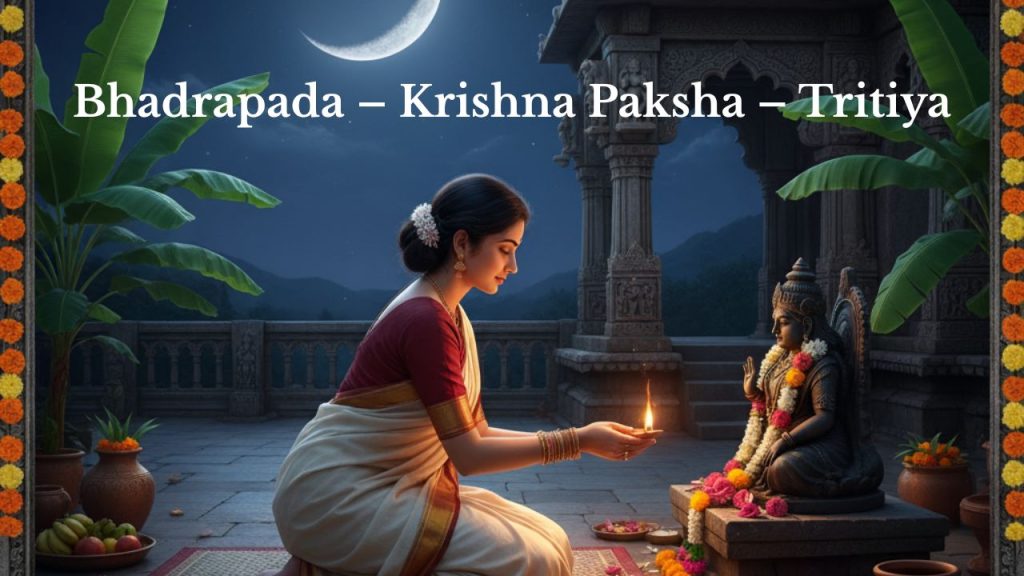
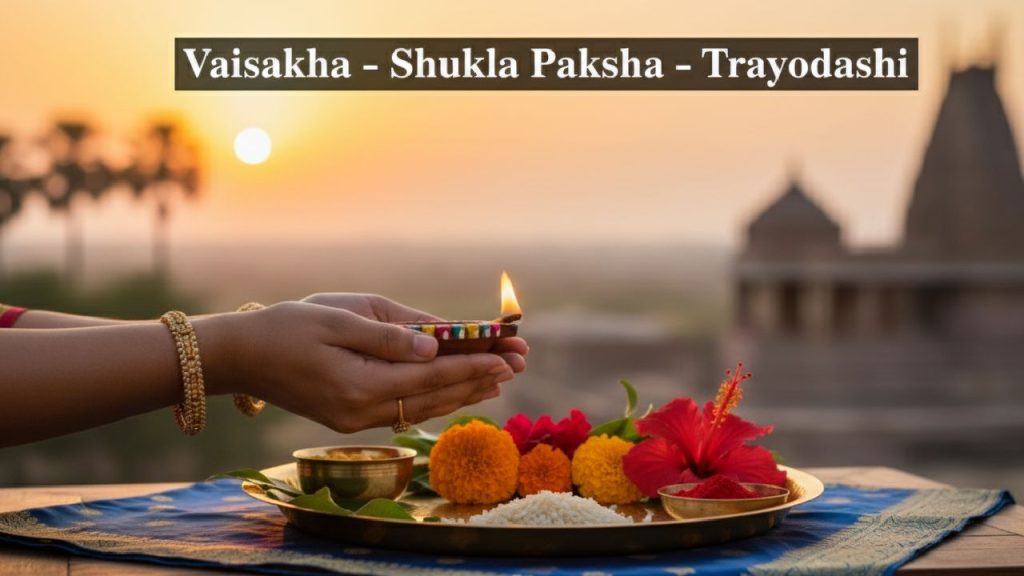
Trayodashi means “thirteenth” in Sanskrit. It is the thirteenth tithi of the moon’s waxing and waning phases. This means it appears twice every lunar month, once during Shukla Paksha (the bright fortnight when the moon grows) and once in Krishna Paksha (the dark fortnight when the moon wanes). Trayodashi is often considered auspicious, especially for Lord Shiva, and it marks essential fasts and rituals.
Difference between Shukla Paksha and Krishna Paksha
The lunar month is divided into two halves, or pakshas. The Shukla Paksha is the bright half, when the moon waxes from a new to a full moon, symbolizing growth, positivity, and expansion. On the other hand, the Krishna Paksha is the dark half, where the moon wanes from a full moon back to a new moon, a period associated with introspection and completion. Trayodashi’s spiritual influence can differ depending on which paksha it falls in, with the Shukla Paksha Trayodashi often linked to heightened spiritual energy and celebration.
Overview of the Vaishakha month in the Hindu calendar
Vaishakha is one of the most sacred months in the Hindu calendar, usually falling around April-May in the Gregorian calendar. It marks the transition from spring to early summer, a time of blossoming nature and new beginnings. This month is full of religious observances, with Trayodashi being particularly important. The energies of Vaishakha encourage devotion, cleansing, and renewal.
Spiritual energy during Shukla Paksha Trayodashi
When Trayodashi occurs during Shukla Paksha, the spiritual vibrations are notably powerful. This period is considered highly favorable for performing rituals, especially those connected to Lord Shiva. The growing moon symbolizes illumination and divine grace, making it an ideal time for worship, fasting, and meditation. Many devotees believe that spiritual efforts on this day yield multiplied benefits, aiding in self-purification and progress toward liberation.
Vaishakha Month in Hindu Tradition
The month of Vaishakha is not just another marker in the calendar; it holds deep astrological, spiritual, and cultural significance that influences how devotees live and worship.
Astrological relevance of Vaishakha
In Vedic astrology, Vaishakha is ruled by the planet Venus and the constellation known as Swati. This combination infuses the month with beauty, harmony, and balanced growth. It’s when cosmic forces align to support spiritual and material prosperity. Astrologers often advise undertaking important spiritual activities during Vaishakha because the planetary energies support growth in wisdom, health, and relationships.
Association with Lord Vishnu and Surya Dev
Vaishakha is intimately linked with two divine figures, Lord Vishnu, the preserver of the universe, and Surya Dev, the sun god who symbolizes life and vitality. Worshipping Vishnu during Vaishakha brings protection, prosperity, and stability. Meanwhile, Surya’s energy, at its peak during this time, encourages vitality and health. Together, these deities embody life’s sustaining and energizing forces, making Vaishakha a month for renewed dedication to dharma and righteous living.
Importance of snana (holy baths) and daan (charity) in this month
Taking a holy bath, or snana, during Vaishakha is believed to cleanse one’s body and soul, washing away negative karma and impurities. Pilgrims flock to sacred rivers and temples for this ritual. Alongside physical cleansing, daan, the practice of charity, gains prominence. Acts of generosity during Vaishakha are said to yield immense spiritual merit. Giving to those in need uplifts others and purifies the giver’s heart, strengthening the spiritual connection to the divine.
Scriptural references from the Puranas
The Puranas, ancient Hindu scriptures rich with mythology and teachings, highlight Vaishakha’s sanctity. The Padma Purana describes the month as conducive to penance and devotion, while the Skanda Purana emphasizes its connection to Lord Shiva’s grace. These texts often mention special observances, fasts, and rituals designed to harness Vaishakha’s spiritual potency, making it a sacred window for aspirants seeking divine blessings.
Connection to harvest and seasonal transitions
Vaishakha is spiritually significant and deeply tied to nature’s cycles. It marks a key transitional phase between spring’s fertility and the onset of summer’s heat. Traditionally, it’s associated with the first harvests, when farmers reap the fruits of their labor. This connection to growth and abundance resonates with the spiritual themes of renewal and prosperity, encouraging gratitude and reverence for life’s cyclical flow.
Mythological Stories Associated with Vaishakha Trayodashi
Numerous mythological stories passed down through generations enrich the spiritual importance of Vaishakha Trayodashi and offer insight into why this day is celebrated with such reverence.
The legend of Lord Shiva and Trayodashi
One of the most famous legends linked to Trayodashi involves Lord Shiva. It is said that Shiva performed the cosmic dance of destruction (Tandava) on this day, symbolizing the destruction of evil and ignorance. Devotees believe that observing Trayodashi honors Shiva’s power to transform negativity and bring renewal. This legend inspires many to fast and pray on this day, seeking Shiva’s blessings for strength and liberation.
Stories from Skanda Purana and Padma Purana
The Skanda Purana recounts stories of gods and sages undertaking austerities on Vaishakha Trayodashi and gaining divine grace. Meanwhile, the Padma Purana narrates how devotees attain spiritual enlightenment and peace through unwavering devotion on this day. These texts reinforce Trayodashi’s status as a day of immense spiritual opportunity, encouraging devotees to worship and meditate with faith and sincerity.
Tales of devotees attaining moksha on this day
There are inspiring stories of devoted souls who achieved moksha, liberation from the cycle of birth and death, by observing Trayodashi rituals. These tales remind us that sincere devotion and spiritual discipline on this auspicious day can lead to ultimate freedom. They motivate us to use Trayodashi as a stepping stone for personal transformation and connection with the divine.
Significance of divine appearances or events
Vaishakha Trayodashi is also associated with divine appearances or darshans in mythology. Many believe that gods choose this day to reveal themselves to their devotees, answering prayers and granting boons. Such events add a magical quality to the day, fostering a sense of hope and divine closeness among worshippers.
Impact of these stories on rituals and beliefs
These mythological narratives shape how we observe Trayodashi today. They influence rituals such as fasting, temple visits, and special prayers. Knowing the stories behind the day helps us connect emotionally and spiritually, deepening our faith and commitment. It’s as if the past whispers to us, guiding our present practices and enriching our spiritual journey.
Pradosh Vrat: A Sacred Form of Trayodashi Worship
Among the many ways Trayodashi is observed, Pradosh Vrat stands out as a particularly sacred and powerful practice. This vrat (fast) is a focused form of devotion dedicated to Lord Shiva, observed during the twilight hours of Trayodashi.
Meaning and origin of Pradosh Vrat
Pradosh refers to the period just after sunset, specifically the evening twilight. The vrat was established to honor Lord Shiva’s cosmic role in protecting the world from evil. According to legend, Shiva appeared to destroy demons threatening the gods in this twilight period. The practice of Pradosh Vrat honors this divine intervention, inviting Shiva’s blessings for protection and prosperity.
Why Pradosh Vrat is observed on Trayodashi in Shukla Paksha
Pradosh Vrat is traditionally observed on the Trayodashi tithi of the Shukla Paksha because this is when the spiritual energy peaks, when the moon is waxing, symbolizing growth and positivity. Combining this auspicious tithi with the special twilight hours creates a potent environment for prayer and fasting, allowing devotees to connect deeply with Shiva’s grace.
Types of Pradosh: Shani Pradosh, Soma Pradosh, etc.
Different types of Pradosh are observed depending on the day of the week the Trayodashi falls on. For example, Shani Pradosh occurs if Trayodashi falls on a Saturday and Soma Pradosh falls on a Monday. Each type carries unique energies; Shani Pradosh is linked with Saturn’s influence and emphasizes karmic cleansing, while Soma Pradosh relates to the moon’s calming and nurturing energy. This variety allows devotees to tailor their observance to align with planetary energies.
Rituals performed during Pradosh Kaal (evening twilight)
The core of Pradosh Vrat is worship during Pradosh Kaal, the twilight period between sunset and nightfall. Devotees perform Shiva Abhishekam, offering water, milk, honey, and bilva leaves to the Shiva Lingam. Chanting mantras like the Maha Mrityunjaya and Om Namah Shivaya is common. Temples are beautifully decorated, and special prayers are conducted. The atmosphere is charged with devotion, with many observing a strict fast until the evening worship is complete.
Spiritual benefits of observing Pradosh Vrat
Observing Pradosh Vrat is believed to cleanse negative karma, enhance mental clarity, and bring peace to the mind and soul. Devotees often experience a deep sense of connection with Shiva’s protective and transformative energies. This vrat is also thought to remove obstacles and grant health, prosperity, and spiritual upliftment. It’s a beautiful opportunity to pause, reflect, and realign with your spiritual goals.
Spiritual Practices Observed on Trayodashi
Trayodashi isn’t just about rituals; it’s a day for deep spiritual engagement that involves fasting, meditation, self-discipline, and generosity.
Fasting (Trayodashi Vrat) and its benefits
Fasting on Trayodashi is a common practice that helps cleanse the body and mind. By abstaining from food or limiting intake, you create space for spiritual focus. Fasting sharpens awareness, controls desires, and fosters a sense of discipline. It’s not just about self-denial but about cultivating inner strength and devotion. Many find that fasting on Trayodashi brings mental clarity and a feeling of lightness.
Shiva Abhishekam and mantras
One of the most powerful rituals is performing Shiva Abhishekam, where the Shiva Lingam is bathed with sacred substances like milk, honey, ghee, and water. This act symbolizes purification and devotion. Chanting mantras during the abhishekam enhances their power. The vibrations of these sacred sounds help quiet the mind and open the heart, allowing you to connect deeply with Shiva’s energy.
Importance of Meditation and jap
Meditation and jap (repetition of a mantra) are integral to Trayodashi’s spiritual practices. Spending time in silent meditation or chanting Shiva’s name helps you cultivate calmness, focus, and devotion. This inner work complements external rituals, reinforcing the intention to purify the mind and align with higher consciousness.
Observing silence and self-purification rituals
Many observe silence or maun vrat on Trayodashi, refraining from unnecessary speech to conserve energy and maintain mental peace. Self-purification rituals, such as taking holy baths and reflecting on one’s actions, help prepare the mind for spiritual progress. These practices encourage humility, patience, and self-awareness.
Acts of charity and feeding the needy
Charity is a beautiful way to express spiritual growth. On Trayodashi, donating food, clothes, or money to those in need is highly encouraged. Feeding the hungry not only helps others but also purifies your own heart, fostering compassion and gratitude. These acts embody the principle that true spirituality blossoms through kindness and service.
Worship of Lord Shiva on Trayodashi
Why is Trayodashi known as Pradosh Vrat in certain months?
Trayodashi becomes Pradosh Vrat when it falls during the Shukla Paksha, the waxing phase of the moon. Pradosh refers specifically to the twilight period of this day, which is considered highly auspicious for Lord Shiva’s worship. Devotees observe fast and perform special prayers these days, believing Shiva’s cosmic energy is especially accessible. This vrat is more than just ritual fasting; it is a sacred invitation to cleanse your mind and soul, connecting deeply with Shiva’s divine grace. The evening Pradosh Kaal symbolizes the transition from darkness to light, mirroring spiritual awakening.
Types of offerings made to Lord Shiva
The offerings you make during the Trayodashi puja are simple yet deeply meaningful. Bilva leaves hold the highest importance; they are said to be Shiva’s favorite. Along with these, fresh flowers, milk, honey, ghee, water, fruits, and sometimes sugar are offered to the Shiva Linga. These items are more than just symbolic; they represent purity, nourishment, and devotion. You express your surrender and love to Shiva when you offer them mindfully. Some devotees also offer darbha grass and incense, creating an atmosphere charged with sacred vibrations.
Role of the Shiva Linga in Puja
The Shiva Linga is central to the worship of Trayodashi. It symbolizes Shiva’s infinite nature, the formless and eternal cosmic energy. Performing Abhishekam (ritual bathing) of the Linga with milk, water, and honey is believed to cleanse both the devotee and the world of negativity. The tactile connection, touching, bathing, and adorning the Linga, helps you focus your devotion and purify your heart. This sacred act embodies the creation, preservation, and dissolution cycle, reflecting Shiva’s role in the universe.
Chanting of “Om Namah Shivaya” and other hymns
Chanting “Om Namah Shivaya” during the puja is a powerful way to align yourself with Shiva’s divine frequency. This mantra means “I bow to Shiva,” invoking his presence and blessings. The repetition of these sounds creates a rhythmic, calming energy, aiding in meditation and spiritual focus. Many chant hymns, like Maha Mrityunjaya Mantra and Shiva Sahasranama, honor Shiva’s healing and protective aspects. These chants bring peace, courage, and transformation, making your Trayodashi worship deeply impactful.
Timing of puja: the importance of the Pradosh Kaal
Timing your puja during Pradosh Kaal, about 1.5 hours before sunset to roughly 1 hour after, is crucial. This twilight period represents a sacred transition in nature and your spiritual practice. Performing puja during this window maximizes the ritual’s potency, as it coincides with heightened cosmic energy and Shiva’s favorable presence. It’s a perfect time to pause, reflect, and connect deeply, allowing your prayers to resonate on a higher level.
Health, Prosperity, and Trayodashi
Ayurvedic importance of aligning lifestyle with lunar days
Ayurveda teaches us that lunar days, or tithis, influence our bodily energies. Trayodashi is one such day where the balance of the body’s doshas, Vata, Pitta, and Kapha, can be harmonized through mindful fasting and rest. Aligning your lifestyle with these natural rhythms supports better digestion, mental clarity, and overall vitality. When you observe Trayodashi practices, you’re essentially syncing with the moon’s gentle influence, which governs fluid movements, emotions, and energy flow within your body.
Belief in healing energies on Trayodashi
Many believe that Trayodashi holds unique healing energies that cleanse your physical and spiritual body. The fast and prayers work together to detoxify the mind and body. It’s like hitting a reset button where stress and toxins dissolve naturally. This energetic cleansing supports emotional stability and can relieve chronic ailments connected to mental unrest or digestive issues. On Trayodashi, your body is more receptive to these healing vibrations, so spiritual practices help rejuvenate your whole being.
Trayodashi vrat’s Link to Physical and Mental Purification
Fasting on Trayodashi isn’t just a ritual; it’s a tool for deep purification. Physically, abstaining from food allows your digestive system to rest and flush out toxins. Mentally, it encourages discipline and self-control, clearing cluttered thoughts and enhancing focus. Combined with meditation and chanting, this purification process creates a calm mind and a pure heart, essential foundations for spiritual growth and peace.
Positive Impacts on Wealth and Well-being
Trayodashi is often associated with abundance, not just materially but also in happiness and well-being. The idea is that spiritual cleansing opens the flow of positive energy, attracting prosperity. Many devotees report improvements in their financial situations or personal success after consistently observing Trayodashi Vrat. This is because the practice helps remove internal blocks like fear, greed, or anxiety, making space for growth and opportunity.
Role of dietary discipline and sattvic food
What you eat on Trayodashi matters. Ayurveda highlights sattvic foods, pure, light, and nourishing, to maintain balance and clarity. Fresh fruits, nuts, milk, and simple grains are ideal, while heavy, oily, or processed foods are avoided. This dietary discipline supports your fast and keeps your body in a state that’s optimal for spiritual practice and healing. Eating sattvic food is like feeding your soul good energy, enhancing your Trayodashi experience.
Rituals and Regional Variations in Observance
Northern vs. Southern traditions of celebrating Trayodashi
In Northern India, Trayodashi observances tend to be grand and community-focused. Temples filled with devotees and pujas are elaborate, often singing and chanting in groups. It’s a vibrant celebration that brings people together. Meanwhile, in Southern India, the focus might be more on individual or family rituals with detailed mantras and specific offerings like neem leaves and coconut. Both regions deeply honor Trayodashi but express it through their unique cultural lens.
Temple festivals and community observances
Many temples host special festivals on Trayodashi, inviting large crowds for Pradosh Pooja. These events become spiritual hubs where people experience collective energy and joy. In villages and towns, community kitchens often distribute food to needy people, combining devotion with charity. These festivals reinforce social bonds and preserve traditions, making spirituality a shared experience.
Rituals observed by householders vs. sanyasis
Householders typically observe fasting, perform puja at home or temples, and engage in charity. Sanyasis and ascetics might focus more on meditation, chanting, and silence, using Trayodashi to deepen their renunciation and inner detachment. Both approaches honor the day’s spiritual essence, but your lifestyle influences how you observe it.
Role of Local Pandits and Temple Traditions
Local priests are vital in guiding devotees through correct rituals, chants, and timings. Their knowledge ensures the puja aligns with the scriptures and maximizes spiritual benefits. Temples often have traditions passed down through generations, adding layers of meaning to the observances. Consulting a knowledgeable pandit can enrich your Trayodashi experience.
Variations in mantras and prayers used
While Om Namah Shivaya is universally chanted, some regions or temples add specific hymns like Rudram, Lingashtakam, or Maha Mrityunjaya. These variations honor different aspects of Shiva or address particular spiritual needs, offering devotees tailored ways to connect with the divine.
Trayodashi and Liberation (Moksha) Beliefs
Spiritual symbolism of the 13th Tithi
The number 13 (Trayodashi) symbolizes transformation and threshold energy. It is seen as a day when the veil between the physical and spiritual worlds thins, allowing a more profound connection to higher consciousness. This tithi encourages shedding old karmas and moving toward liberation. You can think of it as a cosmic reset button, inviting you to leave behind attachments and embrace freedom.
Belief in Trayodashi as a moksha-karaka (liberation-giving) day
Many devotees believe sincere worship and austerity on Trayodashi can accelerate one’s journey to moksha, the release from the endless cycle of birth, death, and rebirth. The day’s energy supports inner detachment, helping dissolve the illusions that bind one to suffering. Performing rituals with devotion on this day is considered highly meritorious and spiritually purifying.
Association with dissolving karmic cycles
Trayodashi is a time when karmic debts can be reduced or nullified. You actively work to cleanse past negative actions through fasting, prayer, and charity. This karmic cleansing opens the path for a lighter, freer life, making it easier to progress spiritually.
Special poojas are performed for ancestors
Honoring ancestors is an essential aspect of Trayodashi observance. Special rituals (Pitru Tarpana) are performed to seek forgiveness and blessings from departed souls. This act is believed to break chains of inherited karma, offering peace to the ancestors and the living family members.
The connection to inner detachment and renunciation
Trayodashi inspires you to cultivate detachment, not coldly or indifferently, but as a spiritual freedom from cravings and attachments. This inner renunciation opens the door to true happiness and peace, aligning you with Shiva’s nature as the great ascetic and destroyer of illusions.
Modern Relevance and Continued Observance
Importance of preserving lunar rituals in today’s world
Preserving traditions like Trayodashi helps maintain a connection to natural cycles and ancient wisdom. These rituals remind us to pause, reflect, and nurture our inner selves amid external chaos. They serve as anchors of meaning and spiritual well-being in modern life.
How can young generations engage with traditions?
For younger people, Trayodashi can be a practical, meaningful way to explore their cultural roots. Engaging with these practices doesn’t require perfection; it’s about intention and connection. Simple acts like fasting, chanting, or attending temple services can spark curiosity and spiritual growth in anyone.
Using technology to observe Trayodashi (apps, calendars)
Today, technology offers tools to keep track of lunar calendars and prayer timings. Apps that notify you of Pradosh Kaal or provide guided meditation and chants make it easier to observe Trayodashi accurately, even with busy schedules. This blend of tradition and technology helps keep the practice alive and relevant.
Balancing spirituality and modern lifestyle
Observing Trayodashi doesn’t mean stepping away from your daily life; it’s about integrating spirituality into it. Whether working, studying, or managing family life, these rituals can become moments of mindfulness and self-care, enriching your day and grounding your soul.
The growing global interest in Vedic timekeeping and tithis
Globally, there’s rising curiosity about Vedic timekeeping and lunar observances. People across cultures are discovering the benefits of aligning with natural rhythms. Trayodashi, with its deep symbolism and practical benefits, is gaining attention as a tool for spiritual wellness worldwide.