Understanding Vaishakha Month
Meaning and Significance of Vaishakha in the Hindu Calendar
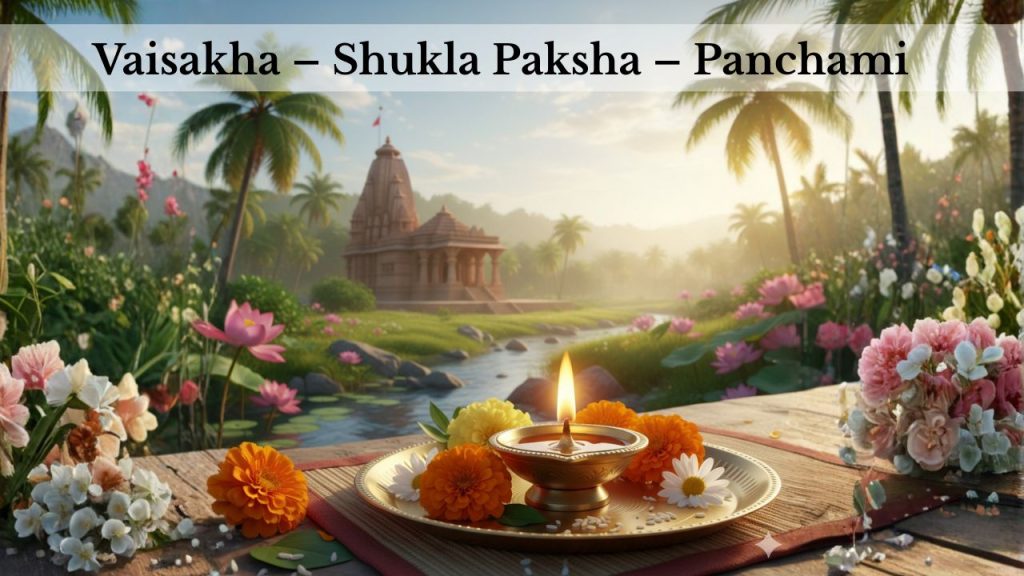
Vaishakha is the second month in the Hindu lunar calendar, generally occurring between April and May in the Gregorian calendar. The name ‘Vaishakha’ is derived from the prominent Nakshatra (lunar mansion) known as Vishakha, under which the full moon typically falls during this month. Vaishakha holds a unique and revered place in Hinduism due to its association with auspiciousness, spiritual prosperity, and charitable actions. The month is lauded in various Hindu scriptures, including the Skanda Purana and Padma Purana, for its potent energy that amplifies the results of virtuous deeds.
Vaishakha – The Second Month in the Lunar Calendar
Following the first month, Chaitra and Vaishakha continue the journey of seasonal transition from spring to summer. This shift symbolizes rejuvenation, natural blossoming, and renewal of energies both in nature and within human beings. According to Hindu tradition, this month invites devotees to purify their inner selves, engage in selfless deeds, and embrace a lifestyle of discipline. Ancient sages regarded this period as highly conducive to practicing austerity (Tapasya) and nurturing spiritual growth.
Importance of the Month in Terms of Festivals and Religious Practices
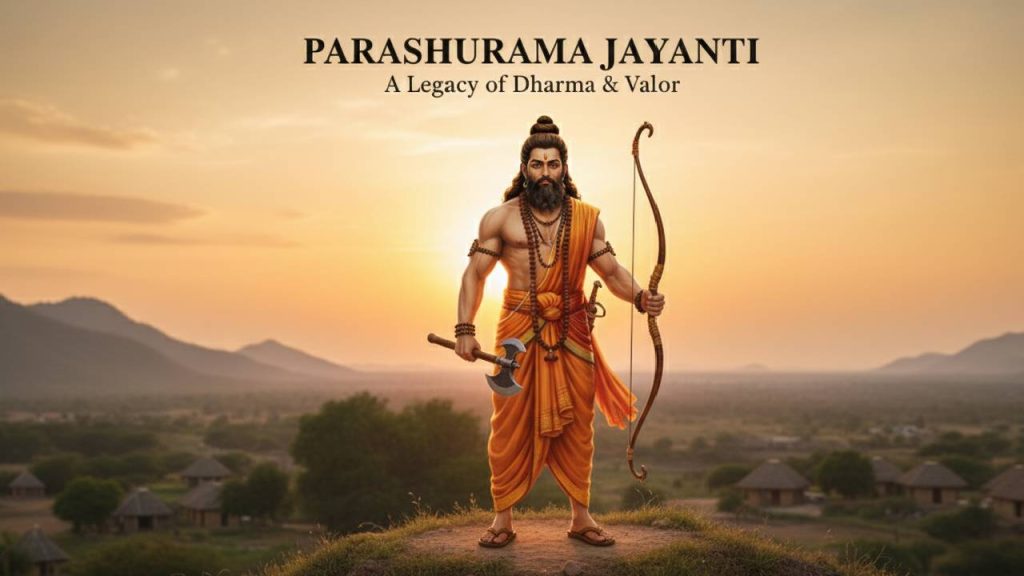
Vaishakha is abundant with celebrated Hindu festivals and religious observances, making it one of the holiest months of the year. Festivals like Akshaya Tritiya, celebrated as the day of endless prosperity, Parashurama Jayanti, the birth anniversary of the sixth avatar of Lord Vishnu, and Sita Navami, the appearance day of Goddess Sita, are observed with grand rituals. Religious fasting, Vratas, and auspicious ceremonies performed during Vaishakha are believed to have magnified effects, leading to eternal rewards.
Association with Lord Vishnu and Sacred Rivers
Vaishakha is particularly sacred to Lord Vishnu, who is often venerated through daily rituals, elaborate Pujas, and reading of the Vishnu Sahasranama. Bathing rituals (Vaishakha Snana) in sacred rivers like the Ganga, Yamuna, Godavari, Narmada, and Saraswati are strongly emphasized. The Puranas glorify river baths during Vaishakha as a supreme cleanser of sins, granting not just worldly peace but also pathways to Moksha (liberation).
Spiritual Benefits of Rituals Performed in Vaishakha
Rituals in Vaishakha are believed to yield profound spiritual benefits. Devotees are encouraged to rise early before sunrise, take ritualistic baths, engage in charity (Daan), observe fasts (Upavasa), and perform self-discipline (Tapasya). The Skanda Purana mentions explicitly that these activities in Vaishakha remove accumulated sins of many lifetimes, promote spiritual awakening, and ensure progress on the path of righteousness (Dharma).
Understanding Panchami Tithi
What is Panchami – The Fifth Day of the Lunar Fortnight
Panchami refers to the fifth Tithi (lunar day) in each half of the Hindu lunar month. Every month is split into two fortnights, Shukla Paksha (waxing moon) and Krishna Paksha (waning moon). Panchami occurs twice in a month, each carrying distinct spiritual implications. Hindu culture reveres this day for its ability to balance material and spiritual life, making it a key day for worship, reflection, and growth.
Role of Panchami in Both Shukla and Krishna Paksha
During Shukla Paksha Panchami, the moon is growing brighter, symbolizing spiritual expansion, fertility, and prosperity. Devotees often begin new initiatives, perform prosperity-related rituals, or celebrate goddess worship days such as Nag Panchami or Basant Panchami in different months. In Krishna Paksha Panchami, associated with the moon’s diminishing phase, the emphasis shifts towards penance, letting go of negativity, and internal cleansing through meditation and fasting.
Connection with Celestial Alignments and Astrology
In Vedic astrology, Panchami Tithi aligns with specific energies that favor wisdom, harmony, and spiritual reflection. Astrologers believe that performing rituals or commencing learning on Panchami days aligns well with planetary energies, especially when auspicious yogas like Sarvartha Siddhi Yoga or Amrit Siddhi Yoga coincide with the day.
The Symbolism of the Number Five in Vedic Tradition
The number five (Panch) carries deep symbolic meaning in Sanatana Dharma. It represents the Panchabhutas or five natural elements: earth (Prithvi), water (Apas), fire (Agni), air (Vayu), and space (Akasha). Additionally, it signifies the five sense organs, the five duties of householders, and the five Yajnas prescribed in the scriptures, making Panchami an energetically balanced day suitable for holistic well-being.
Spiritual Energy Associated with Panchami
Panchami is regarded as a spiritually potent day when the subtle energies of the universe aid in self-purification. It is an excellent day for engaging in spiritual practices such as japa (chanting), puja (worship), dhyana (meditation), and svadhyaya (scriptural study). Special Vratas and fasts observed on this day are believed to protect individuals from misfortunes and bestow inner peace.
Shukla Paksha vs Krishna Paksha
Difference Between Shukla (Waxing Moon) and Krishna (Waning Moon)
In the Hindu lunar calendar, each month is divided into two phases: Shukla Paksha and Krishna Paksha. Shukla Paksha starts with the Amavasya (new moon) and ends with Purnima (full moon), symbolizing increasing light, vitality, and auspiciousness. In contrast, Krishna Paksha begins with Purnima and concludes with Amavasya, representing inward reflection, reduction of worldly attachments, and self-restraint.
Importance of Shukla Paksha for Auspicious Beginnings
Shukla Paksha is considered an ideal period to start new projects, weddings, business ventures, and spiritual practices. Activities initiated during this bright fortnight are believed to flourish due to the ascending lunar energy that promotes growth, optimism, and good fortune.
Ideal Days for Rituals, Fasting, and Worship During Shukla Paksha
Prominent observances such as Navaratri, Ram Navami, Hanuman Jayanti, and Akshaya Tritiya are celebrated during the Shukla Paksha. Devotees commonly observe fasts like Ekadashi Vrata, perform Purnima Puja, and practice charitable acts during this fortnight to maximize positive karmic returns.
Increased Spiritual Potency During Waxing Moon
The waxing moon period is believed to radiate positive vibrations that make spiritual practices more effective. Activities like meditation, yoga, bhajans, and seva (selfless service) conducted during this time provide multiplied benefits, fostering personal and spiritual advancement.
Examples of Festivals Observed in Shukla Paksha
Festivals such as Chaitra Navaratri, Rama Navami, Vaishakha Akshaya Tritiya, Sita Navami, and Buddha Purnima all occur during Shukla Paksha, making it a spiritually rich time of the month with diverse cultural celebrations.
Mythological Significance of Vaishakha Panchami
Connection to Sacred Stories from Puranas and Itihasas
Vaishakha Panchami is celebrated in connection with divine events described in Puranic texts and Itihasas (epics). Many ancient tales highlight divine interventions, the appearance of deities, or benevolent blessings granted on this day, adding to its significance.
Legends of Goddess Lakshmi and Her Blessings on This Day
Several scriptures narrate how Goddess Lakshmi, the deity of wealth, prosperity, and purity, showers her choicest blessings on devotees who observe Vaishakha Panchami with devotion. Rituals invoking Lakshmi Puja on this day are believed to attract abundance and household harmony.
Association with Lord Vishnu’s Divine Pastimes
Vaishakha Panchami is sacred to Lord Vishnu, whose stories (Leelas) are remembered and celebrated through Vishnu Sahasranama Parayana, reading of Bhagavad Gita, and listening to Vishnu Katha. Vishnu devotees believe that worship on this day removes obstacles and ensures success in righteous endeavors.
Role in Stories Related to Sages and Holy Rivers
Ancient sages like Maharishi Ved Vyasa, Rishi Narada, and others have been linked to essential episodes on Vaishakha Panchami. Scriptures mention the sanctity of taking holy dips in rivers like the Ganga and Yamuna on this day, attributing immense spiritual benefits to these acts.
Divine Events Said to Have Occurred on Vaishakha Panchami
Many divine occurrences, including the descent of celestial beings, the manifestation of heavenly powers, and the bestowal of boons, are associated with Vaishakha Panchami. Observing this day with sincerity is said to secure divine grace, spiritual upliftment, and material well-being.
Observances and Rituals Performed on Vaishakha Shukla Panchami
Early Morning Bathing in Sacred Rivers or Waters
The day begins with early morning sacred baths (Snana) in holy rivers or nearby water bodies. Bathing at sunrise is considered particularly auspicious, with the Puranas declaring it equivalent to performing grand yajnas (sacrifices). In many regions, devotees travel to pilgrimage centers like Haridwar, Varanasi, and Prayagraj for the holy dip.
Vishnu Puja and Lakshmi Worship on Panchami
After bathing, devotees perform Vishnu Puja, offering Tulsi leaves, fragrant flowers, and sweet dishes to the deity, along with the recitation of Vishnu Sahasranama or Bhagavad Gita chapters. In many households, Lakshmi Puja is also performed, where devotees light lamps, chant Lakshmi Ashtottara Shatanamavali, and seek wealth and happiness.
Offering Food, Clothes, and Charity to Brahmins and the Needy
One of the most recommended practices on Vaishakha Panchami is Daan (charity). People distribute grains, fresh food, clothing, and Dakshina (monetary offerings) to Brahmins, priests, and the poor. Such acts of charity are believed to remove poverty, misfortune, and negativity from one’s life, ensuring divine protection and spiritual progress.
Spiritual Benefits of Observing Vaishakha Panchami
Removal of Past Karmas and Sins Through Rituals
Vaishakha Panchami is not just another date on the Hindu calendar; it’s a sacred opportunity to press the reset button on our karmic debts. According to ancient scriptures like the Padma Purana, rituals performed on this auspicious day can erase sins from countless previous births. When you observe this day with sincerity, starting with an early morning bath in sacred rivers, followed by offerings and prayers to Lord Vishnu and Goddess Lakshmi, you actively participate in a profoundly spiritual purification process. It’s like scrubbing the soul clean, removing layers of negativity, guilt, and subconscious burdens. The fire rituals (havan), mantra chanting, and charity done on this day amplify in spiritual merit due to the unique cosmic alignments. When you surrender your ego and serve with humility, divine grace flows freely, burning away karmic residues that bind the soul to suffering and repeated cycles of rebirth.
Enhanced Inner Peace and Spiritual Upliftment
There’s something transformative about sincerely observing Vaishakha Panchami; it awakens a profound inner stillness. When you fast, chant, and remain mindful, it’s not just your physical body that undergoes discipline but your thoughts and emotions. The vibrations of mantras like the Vishnu Sahasranama or Lakshmi Ashtottara create a subtle inner shift. You’ll notice a lightness in your heart, a calmness in your breath, and a more profound connection with the divine. Many spiritual seekers find that this day helps realign their spiritual compass and brings clarity to their path. The sattvic lifestyle, marked by clean eating, early rising, silence, and service, cultivates virtues like patience, compassion, and devotion. It’s an inner detox whose effects ripple far beyond the day, gradually shaping a more conscious and elevated life.
Promotion of Prosperity and Household Harmony
One of the most cherished blessings of Vaishakha Panchami is household prosperity. When families come together for rituals, offer food and clothing to the poor, and honor the divine through prayers, it creates an atmosphere of sacredness at home. Goddess Lakshmi, the embodiment of wealth and well-being, is said to be particularly pleased with sincere worship on this day. This doesn’t only mean material gain, true prosperity includes harmony in relationships, good health, financial stability, and emotional peace. Rituals like lighting lamps, placing tulsi leaves near the altar, and chanting Lakshmi mantras infuse the home with positive energy. It’s not superstition, it’s about invoking values of generosity, gratitude, and disciplined devotion that, over time, create a stable and peaceful home environment.
Elevation of the Soul Through Sattvic Actions
Every action done on Vaishakha Panchami with pure intent, fasting, feeding people experiencing poverty, or simply meditating, is a step closer to moksha, the ultimate spiritual liberation. These actions are categorized as sattvic, pure, harmonious, and free from ego. Engaging in such deeds purifies our outer conduct and our inner motivations. You begin to live more mindfully, speak more kindly, and think more lovingly. Over time, these subtle shifts elevate your consciousness, opening the heart to higher truths and more profound joy. Whether you’re deeply spiritual or just beginning your journey, embracing the sattvic essence of this day can lead you toward greater balance and bliss.
Favorable Planetary Influences When Observed Sincerely
According to Vedic astrology, the planetary energies during Vaishakha Panchami support spiritual work and inner growth. The waxing moon phase (Shukla Paksha) carries forward-moving energy, which helps to manifest positive intentions quickly. Rituals performed on Panchami align your energy with this cosmic rhythm, making your prayers more potent and your spiritual sadhanas more effective. It’s a day when the veils between the physical and spiritual worlds are thinner, so every mantra, prayer, and act of charity resonates more deeply across time and space.
Association with Temples and Pilgrimages
Special Temple Rituals Conducted on This Day
Vaishakha Panchami is observed with grandeur in several temples across India. Special rituals, aartis, and discourses are conducted, particularly in temples dedicated to Lord Vishnu and Goddess Lakshmi. Priests perform elaborate abhishekams (ceremonial baths of deities), decorate idols with fresh flowers and ornaments, and chant sacred hymns. These ceremonies are not just rituals but energetic celebrations that uplift every devotee’s spirit. Devotees flock to temples dressed traditionally, bearing offerings like coconut, tulsi leaves, incense, and sweets. On this day, there’s a powerful collective energy where individual faith merges into a collective wave of devotion. The divine vibrations are palpable, whether at the Lakshmi Narayan Temple in Delhi or the Padmanabhaswamy Temple in Kerala.
Pilgrimages to Holy Sites like Haridwar, Varanasi, and Pushkar
Pilgrimage has always held a special place in Hindu spirituality, and Vaishakha Panchami is the perfect time to undertake one. Cities like Haridwar, Varanasi, Prayagraj, and Pushkar become magnetized with spiritual energy. Devotees gather by the thousands to take a holy dip in sacred rivers, participate in collective aartis, and attend spiritual satsangs. These pilgrimages offer more than just religious merit; they are moments of self-reflection and transformation. Walking barefoot to temples, sharing meals with fellow pilgrims, and listening to discourses by saints can awaken something profound within you. It’s a humbling experience that reconnects you with your spiritual roots.
Celebrations in Vaishnava and Shaiva Temples
Whether you follow Lord Vishnu or Lord Shiva, Vaishakha Panchami unites all traditions in reverence and gratitude. Vaishnava temples perform kirtans and narrate stories from the Vishnu Purana, while Shaiva temples may conduct Rudrabhishekams or recitations of the Shiva Purana. Despite the differences in deity focus, the underlying themes are devotion, purification, and divine grace. Many temples organize charity drives, distribute prasadam, and offer devotees and needy people free meals (langar).
Ritualistic River Dips in Ganga, Yamuna, and Godavari
Taking a dip in sacred rivers on this day is one of the most profound rituals observed. The Ganga, Yamuna, and Godavari are believed to be infused with divine energy during Vaishakha Panchami. Devotees believe that even a dip washes away sins, dissolves negativity, and purifies the aura. If you can’t reach a river, you can recreate the energy at home by adding Ganga jal (holy water) to your bath and chanting river mantras like “Om Gange Cha Yamune Chaiva Godavari Saraswati.”
Community Participation in Temple Festivities
What makes Vaishakha Panchami even more heartwarming is the strong sense of community it fosters. In temples and local communities, people come together to clean the temple premises, decorate the altar, prepare food for offerings, and distribute meals to the less fortunate. Women lead many of these activities, preparing traditional sweets and floral garlands, while children participate in cultural performances, bhajans, and plays based on divine stories. These shared experiences strengthen faith and build lasting bonds among community members.
Influence on Art, Culture, and Literature
Impact on Classical Literature and Scriptures
Vaishakha Shukla Panchami has been significant in classical Hindu literature, particularly in Puranic and epic storytelling. The day is mentioned in several scriptures, including the Skanda Purana, Padma Purana, and Bhavishya Purana, where it is praised for its potent spiritual energy and role in celestial events. These references are not just symbolic; they often describe Vaishakha Panchami as a day of revelation, when sages received divine insights or important texts were first composed or recited. For instance, some traditions mark this day as the one when sacred verses were first whispered into the ears of humanity through rishis in deep meditation. Literary references to this tithi highlight the celestial balance of the Panchami and its suitability for invoking Saraswati, the goddess of wisdom, speech, and learning. Many ancient manuscripts were even traditionally begun or copied on this day to ensure divine favor.
Celebrated in Regional Art, Music, and Dance
Beyond the texts, Vaishakha Panchami has inspired classical art, music, and dance in many parts of India. Classical dancers perform special renditions of Odissi and Bharatanatyam dedicated to Goddess Lakshmi or Saraswati in regions like Odisha and Bengal. Folk musicians in rural communities sing devotional bhajans that narrate Vishnu legends, the river Ganga’s blessings, or the sacred union of divine forces during this auspicious time. Traditional art forms such as pattachitra (scroll painting) and alpana (ritual floor art) incorporate Panchami symbols like the rising sun, river motifs, and divine feet, symbolizing the gods’ arrival into the household. These cultural expressions serve as both artistic celebrations and devotional offerings.
Festive Rangoli and Floral Designs in Households
In many Indian homes, Vaishakha Panchami is when women and girls decorate the house’s entrance with intricate rangoli or kolam designs. They craft patterns considered auspicious and inviting to divine energies using natural colors made from rice flour, turmeric, and flowers. Marigolds, jasmine, and mango leaves are commonly used to adorn altars and doorways. These decorations are aesthetic and symbolic of spiritual cleansing, protection, and prosperity. Often, a small footprint design is drawn leading into the home, representing the arrival of Lakshmi or Saraswati.
Promotion of Handicrafts and Traditional Weaving
In several regions, Vaishakha Panchami coincides with local fairs where artisans and weavers showcase their handcrafted products. From Madhubani paintings in Bihar to handloom sarees in Andhra Pradesh, the day becomes a reason to celebrate Indigenous art. Many people purchase handcrafted items today, believing they bring good fortune and support dharma through the upliftment of local artisans. It’s a beautiful confluence of tradition, commerce, and sacred intention.
Reenactment of Mythological Narratives Through Folk Theatre
Folk theatre groups often stage plays or short dramas that portray mythological events associated with Vaishakha Panchami. These may include the story of Ganga’s descent to earth, the penance of Bhagiratha, or tales from Vishnu’s avatars. Such performances are more than entertainment; they’re educational tools passed down through generations, keeping oral traditions alive. The dialogues, costumes, and stagecraft reflect the devotion and creative ingenuity rooted in Indian culture.
Modern-Day Relevance and Revival of the Festival
How Urban Devotees Celebrate Today
The essence of Vaishakha Panchami is being rediscovered and reimagined by modern devotees. With limited access to temples and traditional settings, many urban Hindus now celebrate at home with simplified yet sincere rituals. Digital platforms have enabled access to live darshans, online satsangs, and guided pujas. Families gather in their living rooms to chant Vishnu and Lakshmi mantras, offer homemade sweets, and light incense before deity photos or idols. The focus has shifted slightly from elaborate customs to the spirit of devotion and intention. Many working professionals use the day for inner reflection, choosing to fast partially, meditate, donate to causes online, or read scriptures like the Bhagavad Gita. What’s heartening is that even with minimal resources, the reverence remains intact. Vaishakha Panchami in cities is becoming more personal and conscious, less about form and more about faith.
Online Celebrations and Global Hindu Community Involvement
With the growth of the global Hindu diaspora, Vaishakha Panchami has crossed geographical boundaries. In countries like the USA, UK, Australia, and Canada, temples organize virtual observances where devotees can join live aartis, attend spiritual lectures, and donate to temple initiatives. Online forums and social media platforms buzz with Panchami-related posts, pictures of homemade altars, shared rituals, and children’s drawings of deities. YouTube is filled with guided Lakshmi and Vishnu pujas, which allow even novice practitioners to engage meaningfully. This digital revival of the festival ensures that even second and third-generation Hindus living abroad remain connected to their roots. It also fosters a sense of community, as people share blessings and learn from each other across continents.
Eco-Friendly Celebrations and Sustainable Practices
The modern resurgence of Vaishakha Panchami has also embraced sustainability. With increased environmental awareness, many devotees now celebrate in an eco-friendly manner. Instead of synthetic materials, they use natural dyes, clay idols, and biodegradable offerings. Temples organize river-cleaning drives and tree-planting campaigns as part of their Panchami observances. Households are switching to reusable puja items and opting for minimalist rituals that reduce waste. This aligns perfectly with the original sattvic values of the festival, respect for nature, purity of space, and mindful living.
Inclusion in School Curriculums and Cultural Awareness
Educators and school leaders have also started including Vaishakha Panchami in annual cultural calendars to promote awareness among younger generations. Schools conduct small in-house celebrations, storytelling sessions, and art contests based on the day’s mythology. Children learn about religious customs and values like discipline, gratitude, and environmental care. This pedagogical approach helps the festival evolve beyond religious lines into a celebration of culture and character-building.
Role in Promoting Family Togetherness in the Digital Age
One of the most meaningful impacts of Vaishakha Panchami today is its role in reuniting families, even if only for a day. In a digital age where screen time often replaces face-to-face interaction, festivals like this encourage real-world connection. Parents involve children in rituals, grandparents share stories of how they celebrated their village days, and siblings cook or clean together. Whether arranging flowers on the altar or sitting silently after the evening aarti, these shared moments build lasting memories. The festival acts as a spiritual anchor amid busy lives.
Embracing the Essence of Vaishakha Panchami
The Significance and Key Rituals
Vaishakha Shukla Panchami is not just an event marked on the calendar; it’s a spiritual gateway to purity, prosperity, and peace. From sacred river baths and fasting to elaborate pujas and acts of charity, today’s rituals serve as powerful tools for inner transformation. The stories behind the day, whether it’s the descent of Mother Ganga, the worship of Vishnu, or the celebration of divine knowledge, point toward one central truth: divinity resides not just in rituals but in sincere devotion and mindful living. This festival teaches us to pause, purify, and reconnect.
Encouragement for Contemporary Observance and Cultural Continuity
Traditions can easily fade into the background unless consciously preserved. Vaishakha Panchami offers a beautiful chance to anchor ourselves in dharma, family values, and spiritual discipline. Whether you fast, meditate, perform a puja, or donate to a cause, you’re participating in something timeless. The form may evolve, but the essence must live on. Let this Panchami be a ritual and a renewal of purpose, purity, and peace in your life. Embrace it with heart, and let its blessings ripple through your days.