Importance of Navami in Shukla Paksha in Margashirsh
Navami, being the ninth lunar day or tithi of the fortnight, holds a unique place in the Hindu calendar. Each lunar day carries distinct spiritual vibrations, and Navami is no exception. During Shukla Paksha, the waxing phase of the moon, Navami is considered highly auspicious for performing rituals, seeking blessings, and initiating spiritual activities. It is believed that the energy on this day aligns perfectly with cosmic forces, creating opportunities for inner growth, prosperity, and positive transformation.
Shukla Paksha Navami differs from Krishna Paksha Navami, the latter occurring during the waning phase of the moon. While Krishna Paksha Navami is often associated with introspection and reflection, Shukla Paksha Navami is celebrated for growth, action, and success. This subtle distinction in energy makes it vital to recognize which Navami falls in the Shukla Paksha for performing the proper rituals at the right time.
Margashirsh, which corresponds to November–December in the Gregorian calendar, is a month rich with spiritual activities. Placing Navami within this month amplifies its importance, as this period is associated with devotion, prayer, and preparation for significant festivals. The tithi serves as a marker for devotees to align their activities with divine timing, enhancing the effectiveness of worship and meditation.
The role of Navami in Hindu timekeeping extends beyond rituals. It provides structure for religious observances, guiding devotees in selecting auspicious days for ceremonies such as pujas, fasts, and charity. By understanding the rhythm of Navami, one can harmonize personal activities with cosmic cycles, ensuring spiritual and material benefits flow more smoothly.
Definition of Navami as the ninth lunar day (tithi) of a fortnight
Navami literally translates to “ninth,” symbolizing completion of the first third of the lunar fortnight. In Shukla Paksha, it signifies rising energy and the growth potential. This tithi is critical for initiating auspicious activities because it is believed that the energies of the universe align favorably with human intentions on this day. Observing Navami allows devotees to channel positive energy into their personal, professional, and spiritual endeavors.
The ninth day often represents spiritual maturity and preparation for transformation. By recognizing Navami, practitioners can dedicate time to meditation, study of sacred texts, and devotion, building momentum toward higher consciousness. The tithi serves as a reminder of the cyclical nature of life, encouraging reflection and mindful action.
Difference between Shukla Paksha Navami and Krishna Paksha Navami
Shukla Paksha Navami falls during the waxing phase of the moon when the lunar energy is ascending. It is characterized by positivity, growth, and outward expression, making it ideal for celebrations, rituals, and charitable activities. On the other hand, Krishna Paksha Navami occurs during the waning phase, a period that is meant for introspection, letting go of negativity, and preparing for new beginnings.
This distinction helps devotees choose the right spiritual and practical activities. For example, initiating new projects or performing pujas to invoke prosperity aligns best with Shukla Paksha Navami. In contrast, reflection, penance, and ancestral rituals may be more suited for Krishna Paksha Navami.
Placement of Shukla Paksha Navami in Margashirsh (November–December)
Margashirsh, also called Agrahayana, is a month deeply associated with devotion, spiritual discipline, and early winter preparations. The placement of Shukla Paksha Navami in this month amplifies its auspiciousness, as the cosmic energy favors spiritual growth and positive action.
Observing Navami in Margashirsh is believed to bring long-term benefits in personal, family, and social life. The combination of Shukla Paksha and Margashirsh energy makes it an ideal day for performing rituals dedicated to Goddess Durga, Lord Rama, and other deities associated with courage, protection, and prosperity.
Role of Navami in Hindu timekeeping and rituals
Navami serves as a vital marker in the lunar calendar, guiding devotees on the timing of religious and social activities. The tithi ensures that rituals are performed when cosmic energies are favorable, increasing their effectiveness. From scheduling pujas to planning fasting days and community events, Navami provides a framework for spiritual alignment, enhancing the harmony between human actions and universal rhythms.
Significance of Shukla Paksha Navami
Shukla Paksha Navami carries immense spiritual significance, making it one of the most auspicious tithis of the month. The energy during this day encourages growth, prosperity, and positive transformation. Devotees consider this day highly favorable for initiating spiritual practices, charitable deeds, and personal projects that require divine blessings.
The day is particularly aligned with the energies of well-being and prosperity. Performing pujas or meditation during Shukla Paksha Navami allows one to connect with the subtle forces of the universe, amplifying the effectiveness of prayers. The alignment of lunar energy with this tithi enhances focus, clarity, and inner peace, enabling individuals to experience spiritual upliftment.
This Navami is also known for its influence on personal and family prosperity. Rituals performed on this day are believed to ensure financial stability, harmony in relationships, and protection from negative influences. By observing this tithi with devotion and mindfulness, individuals can strengthen family bonds and cultivate an atmosphere of positivity at home.
Spiritual importance in promoting positivity and auspicious beginnings
Shukla Paksha Navami is particularly revered for its ability to generate positive energy. Engaging in spiritual practices such as meditation, chanting, and puja aligns personal vibrations with cosmic rhythms. This alignment brings mental clarity, reduces stress, and fosters an atmosphere of peace and positivity.
The day is also ideal for initiating new ventures, whether in personal or professional life. Observing Navami ensures that actions are supported by auspicious energy, increasing the likelihood of success. By consciously dedicating the day to positive deeds, individuals can transform challenges into opportunities for growth.
Alignment with lunar energy for enhanced meditation and worship
The waxing moon during Shukla Paksha enhances concentration, intuition, and spiritual receptivity. Meditation and worship performed on Navami are believed to be particularly potent, helping devotees connect with higher consciousness. This alignment improves focus, deepens spiritual experiences, and strengthens the connection with divine energies.
Influence on personal and family prosperity
Rituals and prayers on Shukla Paksha Navami are thought to attract wealth, health, and harmony. Families often come together to perform pujas, creating a collective energy that strengthens relationships and fosters mutual well-being. Observing Navami with devotion is considered a practical way to nurture both spiritual and material prosperity.
Connection with specific deities like Lord Rama and Goddess Durga
Navami holds special significance for worshiping Goddess Durga and Lord Rama. For Goddess Durga, it symbolizes strength, courage, and victory over negativity. For Lord Rama, it reflects devotion, righteousness, and protection from evil. Engaging with these deities on Navami amplifies spiritual blessings and guides daily life.
Mythological Importance of Navami in Margashirsh
Navami in Margashirsh has a rich mythological background. This tithi is often associated with the victory of divine forces over evil, symbolizing courage, righteousness, and protection. Numerous legends highlight the spiritual importance of Navami, making it a cornerstone of devotional observances.
One of the most prominent myths revolves around Goddess Durga’s triumph over the demon Mahishasura. Shukla Paksha Navami is considered the day when Durga demonstrated her courage and divine power, establishing the victory of good over evil. Devotees commemorate this legend through prayers, rituals, and storytelling, reinforcing moral values and spiritual discipline.
Another significant connection is with Lord Rama, whose life and teachings are celebrated during Margashirsh. Stories emphasize the importance of righteousness, courage, and devotion, with Navami marking auspicious moments for worshiping him. These narratives are deeply embedded in Hindu culture, inspiring devotees to follow dharma and cultivate spiritual growth.
The cultural relevance of Navami extends to epic tales like the Ramayana and various Puranas. These texts highlight the day’s spiritual potency and encourage ritual observances to align personal actions with divine will. Narratives emphasizing the triumph of good over evil provide moral guidance, fostering devotion and ethical conduct.
Legends associated with Goddess Durga and her victory over Mahishasura
Goddess Durga’s victory symbolizes empowerment and protection. Observing Navami with rituals dedicated to her invokes courage and divine blessings. Devotees often perform special pujas, chant mantras, and meditate to honor her strength and seek guidance in overcoming personal challenges.
Stories linking Navami with Lord Rama’s life and teachings
Navami is linked to key events in Lord Rama’s life, including significant victories and demonstrations of dharma. Celebrating Navami encourages devotion, adherence to righteousness, and the cultivation of virtues like patience, courage, and compassion. It is a day to reflect on ethical living and spiritual discipline.
Cultural relevance in epic tales like the Ramayana and the Puranas
Navami is frequently mentioned in epics and Puranas as an auspicious day for divine intervention and moral triumph. These cultural narratives enrich the significance of Navami, providing context for rituals, festivals, and spiritual observances, while inspiring devotees to internalize the teachings of these texts.
Narratives emphasizing the triumph of good over evil
The central theme of Navami revolves around victory over opposing forces, both external and internal. Stories highlight how devotion, courage, and ethical action lead to success, encouraging individuals to overcome challenges with faith and perseverance.
Rituals and Observances on Shukla Paksha Navami
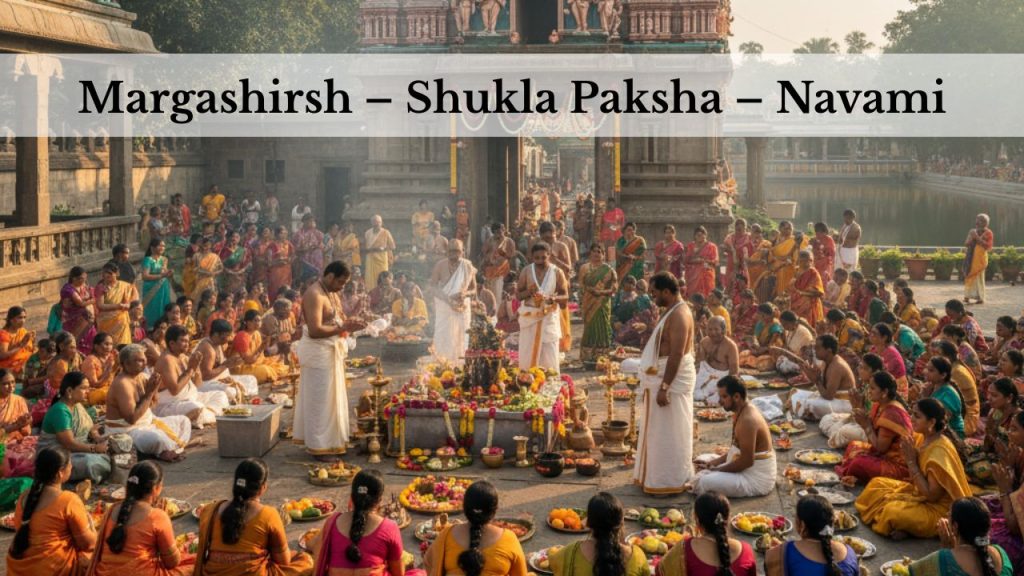
Rituals on Shukla Paksha Navami are performed with devotion, precision, and mindfulness. They serve as a bridge between human effort and divine blessings, creating a sacred space for spiritual growth. Observances vary regionally, but the essence remains the same: to honor deities, invoke positive energy, and purify the mind and body.
Morning and evening prayers, or Sandhya Vandana, are a central practice. These prayers harmonize personal energy with the natural rhythms of the day, invoking divine guidance. Chanting mantras specific to Navami enhances spiritual vibrations, making the practice deeply fulfilling.
Fasting, or Upavas, is another common observance. It is believed that abstaining from food, or consuming light meals, purifies the body, sharpens focus, and fosters devotion. Offerings of flowers, fruits, and incense to deities create a sacred atmosphere and signify respect, gratitude, and surrender to divine will.
Participation in community or temple ceremonies is encouraged, as collective energy amplifies spiritual benefits. Singing devotional songs, listening to sacred stories, and engaging in group prayers strengthen community bonds and elevate the spiritual experience.
Morning and evening prayers (Sandhya Vandana)
Sandhya Vandana marks the beginning and end of the day with devotion and mindfulness. Performing these prayers on Navami enhances mental clarity, spiritual connection, and alignment with cosmic rhythms. It is an opportunity to focus on gratitude, seek guidance, and cultivate inner peace.
Fasting (Upavas) practices and their spiritual significance
Fasting on Navami helps in purifying the body and mind, allowing devotees to concentrate on prayer and meditation. Observing Upavas is believed to bring mental discipline, resilience, and divine blessings. Light meals or abstinence from certain foods are part of this practice, reflecting commitment and devotion.
Offering of flowers, fruits, and incense to deities
Symbolic offerings during Navami express reverence and gratitude for the occasion. Fresh flowers, seasonal fruits, and fragrant incense create an atmosphere conducive to spiritual practice. These offerings are more than ritual—they signify surrender, devotion, and acknowledgment of divine presence.
Chanting of Navami-specific mantras for blessings
Chanting sacred mantras invokes divine energy and enhances spiritual vibrations. Navami-specific mantras connect practitioners with deities like Goddess Durga and Lord Rama, fostering protection, prosperity, and inner strength. Regular chanting strengthens focus and deepens devotional experience.
Participation in community or temple ceremonies
Joining communal prayers and temple events enriches spiritual observance. Collective energy enhances devotion, creates a sense of belonging, and amplifies blessings. Celebrating Navami together fosters harmony, cultural continuity, and shared spiritual growth.
Festivals Celebrated on Navami
Several festivals coincide with Shukla Paksha Navami in Margashirsh, emphasizing devotion, community bonding, and cultural celebration. This tithi often marks the beginning of preparations for major festivals, such as Durga Puja, where rituals, storytelling, and communal prayers are performed with great enthusiasm.
Margashirsh Navami plays a vital role in setting the tone for seasonal festivals, blending spiritual observance with cultural vibrancy. Many local and regional celebrations incorporate traditional music, dance, and folk performances, enriching the festive atmosphere and preserving cultural traditions.
Family gatherings are a central part of Navami celebrations. Devotees come together to perform rituals, share meals, and recount stories, fostering a sense of togetherness. This strengthens bonds, cultivates shared values, and ensures that spiritual and cultural practices are passed to future generations.
Margashirsh Navami and its connection to Durga Puja preparations
Margashirsh Navami often serves as a prelude to Durga Puja. Devotees begin ritual preparations, plan community events, and observe fasting and prayers to honor Goddess Durga. This connection highlights the spiritual importance of Navami as a day of preparation and devotion.
Specific local or regional observances in India
In various parts of India, Shukla Paksha Navami is celebrated with unique local traditions. Regional practices include special pujas, temple visits, and folk rituals, reflecting the diversity of Hindu culture while preserving the sanctity of the day.
Folk traditions and cultural programs linked to Navami
Cultural programs such as devotional songs, dance performances, and storytelling sessions are often organized on Navami. These traditions reinforce moral teachings, celebrate heritage, and create opportunities for community engagement.
Importance of family gatherings and communal prayers
Family gatherings during Navami promote unity, foster shared spiritual growth, and bring about collective blessings. Participating in communal prayers strengthens societal bonds, encourages mutual support, and creates lasting memories rooted in devotion and culture.
Astrological and Lunar Significance
Shukla Paksha Navami holds substantial astrological importance. In Vedic astrology, each lunar day, or tithi, carries unique energy that influences personal, professional, and spiritual aspects of life. The ninth day in the waxing phase, particularly in Margashirsh, is believed to enhance positivity, intuition, and decision-making abilities. Devotees often consult astrologers to align important activities with this tithi, maximizing success and minimizing obstacles.
Lunar positioning on Navami has a profound influence on the human mind and emotions. The waxing moon symbolizes growth, expansion, and prosperity, making this day ideal for meditation, prayer, and spiritual practices. Observing Navami helps channel cosmic energy into personal endeavors, ensuring that universal forces support actions taken on this day.
Astrologically, performing rituals and prayers on Shukla Paksha Navami can strengthen planetary alignments favorable to wealth, health, and family harmony. Traditional wisdom advises that starting new ventures, signing contracts, or engaging in creative projects during this tithi can yield positive results. This understanding demonstrates the practical relevance of lunar observances in everyday life.
Effect of Shukla Paksha Navami on zodiac signs and personal energy
Each zodiac sign experiences the Navami energy differently. For example, individuals with moon-based horoscopes can harness this day to reduce obstacles in their personal and professional lives. Devotees are encouraged to perform prayers that align with their zodiac strengths, channeling cosmic energy for growth and protection.
Recommended activities aligned with the tithi for success and health
Navami is favorable for activities like meditation, charitable acts, studying scriptures, and health-focused routines. Engaging in these actions ensures alignment with universal rhythms, promoting mental clarity, physical wellness, and spiritual stability. Rituals such as lighting lamps, offering prayers, and chanting mantras amplify these benefits.
Auspicious timing (Muhurat) for starting new ventures
Selecting Muhurat, or auspicious timing, on Shukla Paksha Navami is considered highly beneficial. Initiating business activities, spiritual projects, or personal endeavors during these favorable hours enhances the likelihood of success and ensures harmony with cosmic cycles.
Connection with the moon phase and mental clarity
The waxing moon during Shukla Paksha enhances concentration, intuition, and emotional balance. Observing Navami encourages reflection, mindful planning, and spiritual growth, allowing devotees to harness lunar energy for improved decision-making and inner peace.
Spiritual Benefits of Observing Navami
Shukla Paksha Navami is a powerful day for spiritual growth. Engaging in rituals, meditation, and devotion on this day allows one to cultivate inner peace, clarity, and moral discipline. By following traditional observances, devotees can experience transformation in their personal, social, and spiritual lives.
Spiritual practices on Navami help release negative energy and foster positive vibrations. Meditation, mantra chanting, and prayer align the mind with universal consciousness, promoting emotional stability and mental resilience. This alignment strengthens intuition and encourages mindful decision-making.
Observing Navami also nurtures family harmony and social well-being. Collective rituals and shared prayers create bonds that transcend everyday concerns, fostering cooperation, love, and understanding within households and communities. The act of devotion itself becomes a source of empowerment.
Enhancement of devotion and inner peace through rituals
Rituals performed on Navami deepen the connection with the divine, providing a sense of purpose and fulfillment. Simple acts, such as offering flowers, reciting mantras, or participating in temple ceremonies, encourage mindfulness and focus, cultivating a serene and positive mindset.
Purification of the mind and body via fasting and prayers
Fasting on Navami purifies the body, while prayers cleanse the mind. This combination enhances spiritual receptivity and mental clarity, allowing devotees to reflect on their actions and intentions. Abstaining from certain foods also symbolizes discipline and self-control, vital components of spiritual growth.
Strengthening family bonds and community harmony
Navami encourages families and communities to come together for rituals, prayers, and storytelling. This collective devotion strengthens relationships, instills shared values, and fosters a sense of belonging. Observing Navami with loved ones creates lasting spiritual and emotional benefits.
Manifestation of wealth, prosperity, and positive karma
Engaging in charitable acts, offering prayers, and performing rituals on Navami is believed to generate positive karma. This day can attract prosperity, abundance, and opportunities, demonstrating the practical spiritual benefits of aligning actions with divine energy.
Dos and Don’ts on Shukla Paksha Navami
Observing Shukla Paksha Navami requires mindful adherence to traditional practices, ensuring maximum spiritual benefit. Following dos and don’ts enhances devotion, encourages self-discipline, and strengthens alignment with cosmic rhythms.
Recommended activities like meditation, charity, and the study of scriptures
Engaging in meditation, studying sacred texts, and performing charitable deeds amplify the spiritual benefits of Navami. These activities help focus the mind, cultivate compassion, and align intentions with a higher purpose, ensuring a meaningful observance.
Avoidance of negative behaviors, arguments, or unnecessary travel
Shukla Paksha Navami is ideal for maintaining peace and harmony. Avoiding conflicts, arguments, and unnecessary travel prevents energy depletion, ensuring that spiritual and emotional focus remains intact. Positive conduct enhances the overall benefits of this auspicious day.
Dietary guidelines and fasting rules
Observing fasting or adhering to dietary restrictions is an essential component of Navami. Light meals or abstaining from certain foods purify the body and strengthen discipline. Proper fasting enhances spiritual receptivity, focus, and mindfulness during rituals.
Ritual cleanliness and preparation for puja
Maintaining physical and mental cleanliness is vital on Navami. Clean surroundings, fresh clothes, and a tidy puja space reflect respect and devotion. Proper preparation enhances concentration and the overall effectiveness of prayers, fostering spiritual growth.
Navami in Margashirsh and Seasonal Importance
Navami in Margashirsh is not only spiritually significant but also culturally and seasonally relevant. Margashirsh marks early winter in India, a period when communities prepare for seasonal festivals and agricultural activities. The tithi aligns with these cycles, creating opportunities to harmonize spiritual and practical endeavors.
Devotees often integrate seasonal foods, local traditions, and nature-based observances into Navami rituals. Offering fresh harvest produce, observing environmental cleanliness, and performing rituals outdoors strengthen the connection with nature and cosmic energy. This integration demonstrates how spirituality and daily life can coexist harmoniously.
Margashirsh Navami encourages mindfulness regarding seasonal transitions, ensuring that both spiritual and material activities are aligned with natural cycles. Observing Navami in this context fosters holistic well-being, balancing physical, mental, and spiritual health.
Connection of the lunar day with harvest and the winter season
Shukla Paksha Navami coincides with harvest celebrations in many regions. Devotees offer the first fruits and grains to deities, expressing gratitude for abundance and seeking blessings for prosperity during winter. This practice reinforces the link between lunar observances and agricultural cycles.
Impact on agricultural rituals and local traditions
Communities incorporate Navami into seasonal rituals, ensuring that spiritual practices align with the needs of daily life. Farmers, artisans, and families perform ceremonies that bless crops, livestock, and homes, creating harmony between spiritual devotion and livelihood.
Seasonal foods and offerings specific to Margashirsh Navami
Special foods prepared during Margashirsh Navami are offered to deities and shared among devotees. Seasonal produce, sweets, and simple vegetarian meals reflect a reverence for discipline and gratitude. These offerings enhance the cultural richness and spiritual significance of the tithi.
Observances to align with nature and environmental balance
Rituals on Navami often involve cleanliness, tree worship, and water offerings, emphasizing ecological balance. These practices foster a sense of responsibility towards nature, reinforcing the interconnectedness of spiritual life and environmental stewardship.
Spiritual Takeaways of Shukla Paksha Navami
Shukla Paksha Navami in Margashirsh offers a profound opportunity for spiritual growth, personal development, and cultural connection. By observing this tithi with devotion, mindfulness, and discipline, one can experience inner peace, family harmony, and societal cohesion.
The day emphasizes the triumph of good over evil, the importance of moral conduct, and the value of devotion in daily life. Performing rituals, meditation, and community activities on Navami helps align personal actions with cosmic energies, fostering prosperity, health, and spiritual clarity.
In essence, Navami serves as a guidepost for aligning human endeavors with divine timing. Observing its rituals and teachings nurtures discipline, compassion, and positivity, enriching life at every level. Its spiritual and cultural significance encourages ongoing reflection, ethical conduct, and devotion, making it a tithi that inspires holistic well-being and lasting blessings.
Reflection on the symbolic meaning of Navami
Navami symbolizes spiritual growth, inner strength, and alignment with cosmic energies. Observing the day encourages self-improvement, mindfulness, and devotion, fostering balance in personal and spiritual life.
Encouragement to follow rituals for spiritual growth
Consistent practice of Navami rituals, including fasting, puja, and meditation, helps cultivate discipline, focus, and moral strength. These practices support long-term spiritual development and enhance the overall quality of life.
Summary of mythological, cultural, and astrological importance
Navami integrates mythological stories, cultural traditions, and astrological guidance. Observing the tithi connects devotees to history, cosmic rhythms, and divine teachings, creating a well-rounded spiritual experience.
Lasting benefits of devotion, meditation, and mindfulness
Devotion, meditation, and mindfulness practiced on Shukla Paksha Navami generate lasting benefits, including emotional stability, inner peace, and a positive life outlook. These practices encourage harmony with oneself, family, community, and the universe.