Understanding the Importance of Dwadashi in Krishna Paksha in Vaisakha
Dwadashi is a significant Hindu lunar calendar day with profound spiritual and religious importance. The word Dwadashi means the “twelfth” day, marking the twelfth lunar day or tithi of both the waxing (Shukla Paksha) and waning (Krishna Paksha) phases of the moon. But what makes Dwadashi stand out, especially during Krishna Paksha of the Vaishakha month, is the wealth of traditions and beliefs attached to it. This day is often associated with devotion, fasting, and ritual observance, especially in honor of Lord Vishnu and his avatars.
Definition and Meaning of Dwadashi
At its core, Dwadashi is simply the twelfth day after the new moon or full moon. In the Hindu lunar calendar, each month is split into two halves—Shukla Paksha (bright fortnight) and Krishna Paksha (dark fortnight). Dwadashi falls on the twelfth day of either half. It’s considered a highly auspicious day for fasting and worship, primarily dedicated to Lord Vishnu, whose devotees observe Dwadashi with reverence. The word reminds us of the cyclical nature of time and the moon’s phases that guide spiritual life in Hindu tradition.
Position of Dwadashi in the Lunar Calendar
Understanding Dwadashi’s placement requires a brief look at the lunar calendar. Each lunar month has 30 tithis, split equally between Shukla Paksha and Krishna Paksha. Dwadashi comes after Ekadashi (the eleventh day), which is widely known for fasting. While Ekadashi marks the peak of spiritual austerity, Dwadashi is the day to break the fast and perform specific rituals that complete the spiritual cycle. This day’s placement ensures that the Ekadashi fast is observed respectfully and adequately.
Krishna Paksha vs Shukla Paksha Explained
You might wonder why we emphasize Dwadashi specifically in Krishna Paksha. The lunar month is divided into two phases: Shukla Paksha, the bright fortnight leading up to the full moon, and Krishna Paksha, the dark fortnight leading up to the new moon. Each Paksha has its energetic qualities. Krishna Paksha Dwadashi is mighty for introspection and penance because the moon’s waning light encourages detachment and cleansing. It’s a time for deep spiritual work, so Dwadashi is observed with particular devotion during Krishna Paksha.
Significance of the Month Vaishakha in the Hindu Calendar
Vaishakha is one of the holiest months in the Hindu calendar, falling roughly between April and May. This month symbolizes renewal and spiritual awakening, coinciding with springtime and agricultural cycles. Festivals like Buddha Purnima and various Vishnu-related observances take place in Vaishakha, adding to its sacredness. During this month, the Dwadashi in Krishna Paksha becomes a decisive moment for devotees to harness the energy of transformation and spiritual cleansing.
Why Focus on Dwadashi in Krishna Paksha of Vaishakha
Focusing on Dwadashi during Krishna Paksha in Vaishakha connects you to a unique spiritual rhythm. This particular day embodies the cycle of ending and preparation for renewal. Devotees believe that observing Dwadashi in this phase maximizes the benefits of penance and devotion. It acts as a spiritual reset, helping you release negativity and prepare your mind and soul for growth in the coming lunar month. By understanding this, you can appreciate why many seek to observe fasts, prayers, and rituals on this day sincerely.
Astronomical and Astrological Significance
The importance of Dwadashi extends beyond just ritual; it’s deeply tied to the cosmic dance of the moon and planets. The day’s unique lunar phase and astrological positioning influence religious practices, human behavior, and energies.
Lunar Phase Characteristics on Dwadashi
On Dwadashi, the moon is nearing the end of its waxing or waning cycle, depending on the Paksha. Krishna Paksha is in the waning phase, symbolizing decline and introspection. This lunar phase is scientifically associated with decreased gravitational pull, subtly influencing tides, human moods, and energy levels. Spiritually, the waning moon invites letting go of old habits, negative thoughts, and attachments, making Dwadashi an ideal day for cleansing rituals and meditation.
Impact on Planetary Positions During Vaishakha Krishna Paksha
Astrologically, Vaishakha is ruled by the Taurus sign (Vrishabha), governed by Venus, the planet of beauty, harmony, and material prosperity. During Krishna Paksha, planetary influences tend to shift toward introspection and reflection. The combination of Venus’s steady energy and the moon’s waning phase during Dwadashi creates a subtle cosmic balance that encourages material and spiritual alignment. This celestial environment amplifies the effects of fasting and devotion.
Influence on Human Behavior and Spiritual Practices
You might notice a natural inclination to slow down or feel more contemplative during Krishna Paksha Dwadashi. This isn’t coincidental. Astrological forces influence our mental and emotional states, nudging us toward inner work. Many find enhanced spiritual receptivity, making it an excellent day for prayer, journaling, or attending satsangs (spiritual gatherings). The cosmic setup supports detoxifying both body and mind.
Role of Moon Phases in Hindu Rituals and Festivals
In Hindu tradition, moon phases serve as a spiritual calendar. Every tithi governs specific energies that affect rituals and daily life. The waning moon is linked with penance, forgiveness, and letting go, while the waxing moon supports growth and new beginnings. Dwadashi’s place in this lunar cycle is crucial for balancing these energies. Celebrations and fasts on Dwadashi align with the moon’s influence to optimize spiritual growth.
Astrological Benefits Linked to Dwadashi
From an astrological perspective, Dwadashi fasting and rituals can reduce adverse planetary effects, especially those linked with the moon and Mars. It’s believed that observing Dwadashi can neutralize malefic doshas (afflictions) in your horoscope, improving mental clarity, health, and fortune. Many astrologers recommend Dwadashi observance to harmonize your energy with cosmic rhythms.
Mythological and Scriptural References
Stories Related to Dwadashi in Puranas and Epics
The Puranas and epics like the Mahabharata and Ramayana mention Dwadashi in various contexts, often linking it to divine interventions and cosmic balance. One popular tale involves Lord Krishna, an incarnation of Vishnu, performing miracles and teachings on Dwadashi. In many stories, Dwadashi marks the day for crucial events, such as divine victories or important vows, symbolizing spiritual triumph over darkness.
Importance of Krishna Paksha Dwadashi in Vaishnava Texts
Vaishnavism—the tradition devoted to Lord Vishnu—holds Krishna Paksha Dwadashi particularly sacred. Texts like the Bhagavata Purana emphasize this day as a time to honor Vishnu’s protective qualities. Fasting and worship on this day are said to please Vishnu and bring his blessings. Vaishnava scriptures highlight Dwadashi as an opportunity to deepen one’s connection with Krishna, who embodies divine love and compassion.
Lord Vishnu and Krishna’s Connection with Dwadashi
Vishnu, the preserver in the Hindu Trinity, is closely associated with the lunar calendar’s cycles, especially Dwadashi. Krishna, Vishnu’s avatar, is celebrated for restoring dharma (cosmic order) on this day. Dwadashi fasting invokes their grace, helping one overcome obstacles and gain spiritual strength. This connection explains why many devotees make special offerings and recite Vishnu’s names on Dwadashi.
Significance of Fasting and Worship on This Day as per Scriptures
Scriptures prescribe fasting on Dwadashi to purify the mind and body. The Bhavishyottara Purana and other texts mention fasting on Dwadashi to cleanse sins and align one’s karma with divine will. Worship rituals include chanting Vishnu’s mantras, performing pujas, and reading sacred texts. These practices deepen spiritual discipline and foster humility and devotion.
How Dwadashi Is Depicted in Sacred Literature
In sacred literature, Dwadashi is depicted as a day of renewal and mercy. It’s often described as a cosmic checkpoint, where one can evaluate one’s spiritual progress and recalibrate one’s intentions. This depiction inspires devotees to take Dwadashi seriously, not just as a ritualistic day but as a profound opportunity for inner growth and divine connection.
Religious and Spiritual Importance
Spiritual Benefits of Observing Dwadashi
When you observe Dwadashi, primarily through fasting and prayer, you invite peace and clarity into your life. Many experience heightened intuition and emotional balance. Spiritually, it helps cleanse impurities from the heart and mind, making you more receptive to divine energy. This purification supports a journey toward enlightenment and self-realization.
Role of Dwadashi in Enhancing Devotion and Faith
Dwadashi fosters a sense of surrender and devotion. You build a stronger bond with the divine through focused worship and rituals. This devotional practice renews your faith, especially when life feels overwhelming. The day becomes a reminder that spiritual discipline can uplift you, providing strength and resilience.
Connection Between Dwadashi and Moksha (Liberation)
Moksha, or liberation from the cycle of birth and death, is the ultimate goal in Hinduism. Dwadashi is said to aid this pursuit by helping purify your karma. The day’s fasting and prayers create a spiritual environment conducive to liberation, allowing your soul to detach from material bonds and move closer to eternal peace.
Importance of Prayers and Rituals Performed on This Day
The prayers and rituals on Dwadashi are not mere formalities but powerful spiritual tools. Chanting mantras, performing pujas, and offering food and flowers to Vishnu generate positive energy and divine blessings. These actions also help focus one’s mind and channel one’s intentions, making spiritual practice more effective.
How Dwadashi Aids in Cleansing Sins and Karmic Debts
By observing Dwadashi, you engage in a conscious spiritual discipline that can mitigate past mistakes and karmic burdens. The fast and devotion act as a form of penance, balancing your actions with spiritual justice. Many believe this cleansing effect offers a fresh start, encouraging ethical living and compassion.
Rituals and Practices on Krishna Paksha Dwadashi
Everyday Rituals Observed on This Day
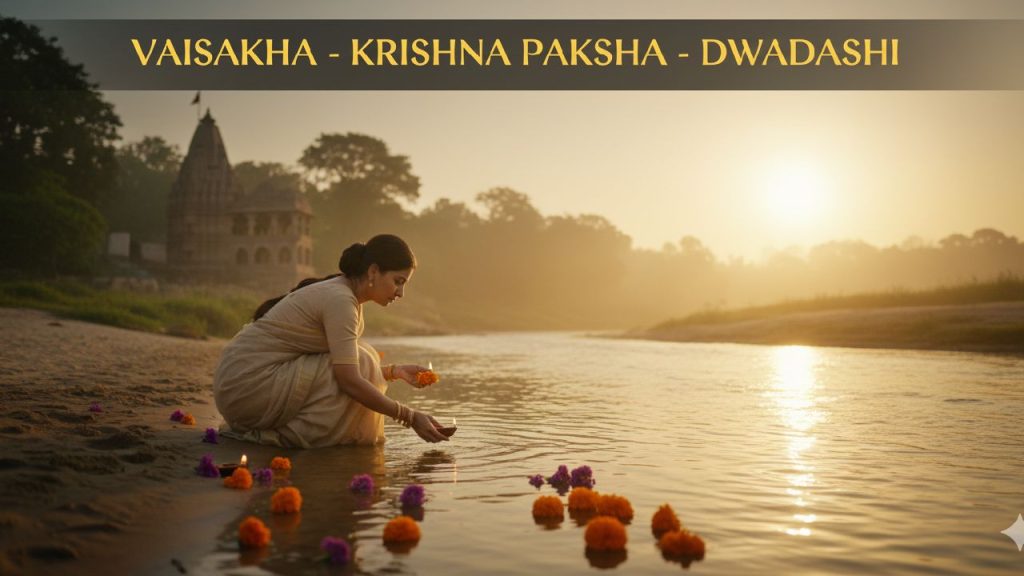
Typical Dwadashi rituals include waking early, bathing in holy rivers or water bodies, and wearing clean clothes. Devotees often decorate their homes and temples with flowers and light lamps to create a sacred atmosphere. Many also engage in group prayers or attend special temple ceremonies dedicated to Lord Vishnu or Krishna.
Fasting Rules and Types of Fasts Practiced
Fasting on Dwadashi can vary, from complete abstinence from food and water to consuming only fruits and milk. The type of fast depends on personal health and tradition. What’s important is the intention behind it: self-discipline and devotion. Breaking the fast happens the next day, often after performing rituals on Trayodashi (the thirteenth lunar day).
Mantras and Prayers Dedicated to Lord Vishnu/Krishna
Chanting mantras is central to Dwadashi. Popular chants include the Vishnu Sahasranama (thousand names of Vishnu) and the Maha Mrityunjaya Mantra. These prayers invoke protection, healing, and spiritual upliftment. Repeating these mantras during meditation or rituals can deepen your connection to the divine and amplify the day’s spiritual power.
Temple Visits and Special Ceremonies
Many devotees visit Vishnu or Krishna temples to participate in memorable ceremonies on Dwadashi. These include aarti (light offerings), abhishekam (ritual bathing of the deity), and bhajans (devotional songs). These gatherings create a community experience, enhancing collective devotion and spiritual energy.
Significance of Charity and Donations on Dwadashi
Giving charity to Dwadashi is highly encouraged. Donations to people in need or temples are believed to multiply spiritual merit. This generosity reflects the day’s themes of purification and renewal, helping you cultivate compassion and selflessness as part of your spiritual practice.
Dwadashi and Ekadashi Connection
Relationship Between Ekadashi and Dwadashi
Ekadashi and Dwadashi are two consecutive lunar days (tithis) with unique spiritual importance. Ekadashi is the 11th lunar day, and Dwadashi follows as the 12th. While Ekadashi is primarily known for fasting and intense spiritual practices, Dwadashi acts as the day of completion and gratitude. This relationship forms a natural cycle—Ekadashi’s discipline is followed by Dwadashi’s gratitude and fulfillment, completing the spiritual process.
Why Dwadashi Fasting Is Observed After Ekadashi
Many devotees observe a fast on Dwadashi to properly conclude the spiritual efforts that have begun on Ekadashi. The fast on Dwadashi, often called Parana, allows you to break the Ekadashi fast in a spiritually pure way. This sequence respects the lunar rhythm and aligns with scriptural advice, ensuring your spiritual energy remains balanced and your body gently transitions back to a routine.
Spiritual and Health Benefits of Maintaining This Sequence
Maintaining this fasting sequence benefits both the spirit and body. Spiritually, it provides continuity, strengthening your dedication and focus. Physically, this staggered fasting helps your digestive system adjust smoothly, prevents shock, and detoxifies effectively. This harmony between fasting days encourages better health outcomes and more profound spiritual experiences.
How Dwadashi Complements the Ekadashi Vrat (Fast)
Ekadashi fasting cultivates self-control and devotion, but its benefits may remain incomplete without proper closure. Dwadashi complements this by providing a sacred time for reflection, prayer, and reverence when breaking the fast. This two-step process enhances spiritual discipline and strengthens one’s connection to Lord Vishnu or Krishna.
Ritual Importance of Dwadashi Tithi for Concluding Ekadashi
Dwadashi tithi holds a special place as the ceremonial conclusion of Ekadashi vrat. Rituals performed on Dwadashi, such as offering water and prayers, mark the end of the Ekadashi fast and celebrate the devotee’s commitment. Properly observing this tithi ensures that the spiritual merit gained from Ekadashi is fully realized and preserved.
Specific Importance of Vaishakha Krishna Paksha Dwadashi
Unique Qualities of Vaishakha Month and Its Energies
Vaishakha is a spring month symbolizing renewal and growth. The atmosphere is filled with fresh energy, making it an ideal time for spiritual practices. This month represents a transition from the harvest to the planting season, reflecting life cycles and spiritual rebirth. The energy of Vaishakha naturally encourages purification and devotion.
Impact of Vaishakha Krishna Paksha Dwadashi on Spiritual Growth
Observing Dwadashi during Krishna Paksha in Vaishakha helps you harness these renewing energies. Your spiritual practices gain extra potency, dissolving past karmas and fostering new positive habits. Many devotees find this period conducive to deep meditation, self-inquiry, and reinforcing their devotional commitments.
Significance in Regional and Temple Traditions
Certain regions and temples celebrate this Dwadashi with specific rituals and festivals. Special prayers and processions honor Vishnu’s forms in some places, often attracting large gatherings. These celebrations strengthen community bonds and reinforce cultural heritage through shared spiritual experiences.
Festivals and Observances Linked Specifically to This Dwadashi
Vaishakha Krishna Paksha Dwadashi sometimes aligns with festivals dedicated to Lord Vishnu or Krishna’s avatars, adding layers of significance. Observances may include extended temple ceremonies, devotional singing, and storytelling celebrating divine virtues, making the day a vibrant spiritual festival.
Influence on Agricultural and Seasonal Cycles
This Dwadashi marks an essential point in the seasonal cycle in agrarian societies, symbolizing preparation and hope for future harvests. Rituals often pray for good rains and fertile lands, connecting the cosmic rhythm with earthly prosperity. This fusion of spirituality and ecology reminds us of the sacredness of nature.
Health and Psychological Benefits
Effects of Fasting on Physical Health During Dwadashi
Fasting on Dwadashi supports the body’s natural detoxification. It gives your digestive system a rest, allowing it to heal and reset. Scientific studies suggest intermittent fasting can improve metabolism and reduce inflammation, benefits that align with traditional fasting on this day.
Mental Clarity and Emotional Balance Attained Through Rituals
Participating in Dwadashi rituals can bring you mental calm and emotional stability. The focused prayers and meditations reduce mental clutter and promote mindfulness. This clarity helps you approach life’s challenges with a balanced and peaceful mind.
Role of Spiritual Discipline in Reducing Stress and Anxiety
Regular observance of spiritual practices, including Dwadashi fasting and prayers, builds resilience against stress and anxiety. The discipline and surrender help you feel more grounded and less overwhelmed, providing a natural coping mechanism.
Benefits of Meditation and Chanting on This Day
Meditation and chanting Vishnu or Krishna mantras on Dwadashi create a vibrational harmony in the mind and body. These practices stimulate the parasympathetic nervous system, promoting relaxation and well-being. They also foster a sense of connection, alleviating loneliness or despair.
Holistic Wellness Through Religious Observance
Dwadashi rituals offer a holistic approach to wellness, integrating body, mind, and spirit. This balanced care nurtures overall health and enriches daily life, empowering you to maintain harmony and purpose.
Modern-Day Relevance and Observance
How Dwadashi Is Celebrated in Contemporary Times
Today, many people observe Dwadashi with traditional fasting, prayers, and modern twists, such as online group meditations or digital puja services. This flexibility helps people maintain spiritual practices despite busy schedules or geographic distance.
Importance for Urban Devotees and Working Professionals
For urban dwellers and professionals, Dwadashi observance offers a meaningful break from routine, helping recharge mentally and emotionally. Even short prayer sessions or mindful fasting can bring significant spiritual upliftment amidst a hectic lifestyle.
Adaptations of Traditional Rituals in Modern Lifestyle
Modern adaptations might include simplified fasting options, shorter rituals, or virtual temple visits. These changes ensure you can honor Dwadashi without compromising health or work responsibilities, making spirituality accessible and practical.
Role of Digital Platforms in Spreading Awareness
Digital media is vital in educating and motivating people about Dwadashi’s significance. Online articles, videos, and social media groups provide guidance, share stories, and encourage community participation, helping keep the tradition alive and vibrant.
Encouraging Younger Generations to Observe Dwadashi
Engaging younger generations involves making Dwadashi relatable and interactive. Storytelling, music, and apps that explain the day’s importance help cultivate interest and participation among youth, securing the practice’s continuity.
Embracing Dwadashi in Krishna Paksha of Vaishakha
Spiritual, Cultural, and Health Benefits
This sacred day offers a unique blend of spiritual cleansing, cultural richness, and physical wellness. From fasting and prayer to community celebrations and mental peace, Dwadashi supports you on multiple levels, fostering growth and balance.
Encouragement to Observe Dwadashi With Devotion and Understanding
Approaching Dwadashi with devotion and awareness amplifies its power in your life. It’s more than tradition; it’s a personal opportunity to reset, reconnect, and rejuvenate your inner self.
Lasting Impact of Consistent Observance on Personal Life
Consistently honoring Dwadashi builds lasting spiritual strength, clarity, and well-being. Over time, this practice nurtures patience, compassion, and a sense of purpose that enriches every aspect of life.
Thoughts on Integrating Ancient Wisdom in Modern Living
Integrating ancient practices like Dwadashi can ground us deeply. It reminds us that spirituality isn’t separate from daily life but a vital thread that weaves meaning, health, and joy into our modern existence.