Tara Jayanti
What is Tara Jayanti?
Tara Jayanti is a significant festival celebrated in many parts of India, particularly among followers of Tantric traditions and worshippers of the Goddess Tara. It marks the divine birth or the manifestation day of Goddess Tara, who is revered as one of the ten Mahavidyas in Hinduism. The festival holds great importance, especially for devotees seeking wisdom, protection, and spiritual growth.
Tara Jayanti typically falls during the Chaitra month, specifically on the Shukla Paksha or the waxing phase of the moon. This auspicious occasion celebrates the embodiment of Tara, who is believed to offer blessings of strength, insight, and transcendence in the face of life’s challenges.
Spiritual significance in Sanatan Dharma
In Sanatan Dharma, the worship of Goddess Tara on Tara Jayanti is believed to have profound spiritual significance. Tara is seen as the embodiment of knowledge, wisdom, and supreme protection. She is often depicted as a fierce and compassionate deity, wielding the power to eliminate fears, ignorance, and opposing forces from one’s life. Tara Jayanti, therefore, represents an opportunity to invoke her blessings for the removal of obstacles and the elevation of consciousness.
Her role in Sanatan Dharma aligns with the values of wisdom, self-realization, and spiritual awakening. The day signifies a deep connection between the devotee and the divine as one seeks Tara’s guidance in their spiritual journey.
Relation to Goddess Tara (a form of Maa Durga)
Goddess Tara is often associated with Maa Durga, as both share many characteristics and are considered forms of the same divine feminine energy. While Durga represents the universal mother and protector, Tara embodies a more specific and intense form of energy that helps overcome ignorance and worldly struggles. Tara’s wrathful yet compassionate nature makes her an ideal deity for devotees seeking spiritual growth and freedom from the clutches of illusion.
The festival of Tara Jayanti honors her association with both wisdom and strength. As a form of Durga, she symbolizes protection from external and internal forces that hinder one’s attainment of spiritual liberation. Devotees seek Tara’s intervention through this day of worship, allowing them to move past their fears and uncertainties.
Why is it celebrated in Chaitra Shukla Paksha?
The celebration of Tara Jayanti in the Chaitra month, particularly during the Shukla Paksha (the waxing phase of the moon), is highly significant. This lunar phase is considered one of the most auspicious times for spiritual practices. The moon’s waxing phase is believed to symbolize growth, illumination, and positivity. As the moon becomes brighter, so does the devotee’s path toward enlightenment and wisdom.
In Hindu tradition, this is an ideal time to perform sadhanas (spiritual practices) and pujas (ritual worship), as the waxing moon heightens the potency of spiritual practices. Therefore, Tara Jayanti falls when the cosmic energies are believed to align perfectly, facilitating divine blessings.
Connection with Mahavidyas and Tantric worship
Tara is one of the ten Mahavidyas, a group of highly revered goddesses in Tantric traditions. The Mahavidyas represent different facets of the divine feminine and embody various aspects of life, wisdom, and cosmic energy. Tara’s role as the goddess of wisdom and transformation is deeply linked to Tantric practices, where she is worshipped to attain spiritual awakening, inner peace, and material well-being.
Tantric worshippers celebrate Tara Jayanti by engaging in elaborate rituals, including the chanting of mantras, offering prayers, and reciting hymns dedicated to her. This form of worship is often accompanied by using yantras (sacred diagrams) and mudras (hand gestures) to invoke her presence and blessings. For those following Tantric paths, Tara represents both the destruction of opposing forces and the manifestation of wisdom and divine energy.
Timing and Tithi of Tara Jayanti
Occurrence during the Shukla Paksha of the Chaitra month
Tara Jayanti takes place during the Shukla Paksha of Chaitra month, the first month of the Hindu lunar calendar. This period is considered especially auspicious in the Vedic tradition, marking a time of spiritual renewal and growth. The waxing phase of the moon is believed to amplify the positive energies in the universe, making it an ideal time for worship and meditation.
The Chaitra month is also linked to other important festivals, such as Chaitra Navratri, a nine-day celebration of Goddess Durga, and Ram Navami, the birth of Lord Rama. Therefore, Tara Jayanti’s placement within this time frame aligns it with a broader atmosphere of devotion, spiritual practices, and reverence for divine feminine energies.
The auspiciousness of this lunar phase
The lunar phase during which Tara Jayanti occurs is critical in Hindu astrology. Shukla Paksha is a time of growth, prosperity, and spiritual ascent. During this period, the moon strengthens, symbolizing the increase of positive cosmic energies. This is why the festival is celebrated during this phase—the waxing moon is believed to enhance the power of worship and the fulfillment of spiritual desires.
Additionally, the connection between the waxing moon and the goddess Tara is noteworthy. Tara is associated with enlightenment and the removal of ignorance, and as the moon waxes, the light of knowledge and wisdom grows stronger in the devotee’s life.
Role of Panchang in Determining Jayanti
The Panchang, an essential Hindu calendar that dictates the timing of various festivals and auspicious events, plays a crucial role in determining the exact day of Tara Jayanti. The date is calculated based on the lunar cycle, which shifts yearly according to the moon’s movements. Therefore, Tara Jayanti’s date may vary from year to year, but it always falls on a specific day during the Shukla Paksha of the Chaitra month.
The Panchang is used to pinpoint the most auspicious time for performing rituals and ceremonies. By consulting the Panchang, devotees can determine the ideal moment for worshiping the Goddess Tara, ensuring their prayers are offered during the most auspicious and propitious time.
Alignment with Vedic calendar traditions
The Vedic calendar is deeply rooted in lunar and solar cycles, and the timing of Tara Jayanti is based on these traditions. Aligning the festival with the Vedic calendar ensures that it occurs when the energies of the cosmos are most aligned with the goals of spiritual growth and purification.
The Vedic calendar’s connection to planetary movements and the lunar phases helps guide practitioners to the most favorable times for meditation, prayer, and spiritual practices. Tara Jayanti, therefore, follows this system to help devotees align with cosmic rhythms, amplifying the potential for spiritual progress and transformation.
Importance of sunrise and moonrise timings
The timing of sunrise and moonrise holds immense significance for Tara Jayanti. According to Hindu tradition, these celestial events influence the day’s energies. Sunrise marks the beginning of a new cycle, and it is considered the best time to start any form of worship or spiritual activity. On Tara Jayanti, the worship of Goddess Tara is best performed at sunrise to harness the purest and most potent energies of the day.
Similarly, the moonrise during the Shukla Paksha is considered an optimal time for spiritual practices, when the moon’s energies are at their peak. As the moon’s light grows during this period, so does the illumination of the mind and soul. Therefore, Tara Jayanti worship may also be conducted in the evening, coinciding with the moonrise, to invoke the goddess’s blessings for wisdom and transformation.
Mythological Background of Goddess Tara
Origin and stories from the Puranas
The origin of Goddess Tara can be traced back to ancient Hindu mythology, particularly in the Puranas. One of the most famous stories describes how Tara emerged from the churning of the ocean of milk, an event in which the devas (gods) and asuras (demons) collaborated to obtain the nectar of immortality. During this churning, Tara is said to have manifested as a goddess who embodies wisdom and strength.
According to another story, Tara is a powerful aspect of the goddess Parvati, the consort of Lord Shiva. In some accounts, she is depicted as an incarnation of Kali, the goddess of destruction, who appeared to protect the world from the forces of evil. Her dual nature as a fierce and compassionate deity makes her an essential figure in the Tantric and broader Hindu traditions.
Association with Lord Shiva and Lord Vishnu
Goddess Tara’s mythology is closely linked to Lord Shiva and Lord Vishnu. In some versions of her story, Tara is considered an emanation of Goddess Parvati, who is deeply connected with Lord Shiva. Tara’s fierce aspects result from Parvati’s transformation into the warrior goddess Kali, while her more nurturing qualities are derived from her association with Parvati’s gentler form.
In Tantric traditions, Tara is often depicted as a goddess who possesses the powers of destruction and creation, reflecting her connection with the divine energies of both Shiva and Vishnu. This duality enables Tara to transcend ordinary limitations, offering protection and wisdom to those who seek her grace.
Connection with Mahavidya and Tantric lore
Goddess Tara is one of the ten Mahavidyas, a group of powerful goddesses in the Tantric tradition. Each Mahavidya represents a different aspect of the divine feminine energy, and Tara embodies the qualities of wisdom, protection, and transformation. In Tantric practices, Tara is revered as a goddess who offers liberation from ignorance and suffering, guiding devotees toward spiritual awakening and self-realization.
Her association with the Mahavidyas makes her an essential figure in Tantric rituals and worship. Tantric practitioners often invoke Tara’s name in mantras and meditate on her form to access her divine energy and wisdom.
Depiction and iconography of Goddess Tara
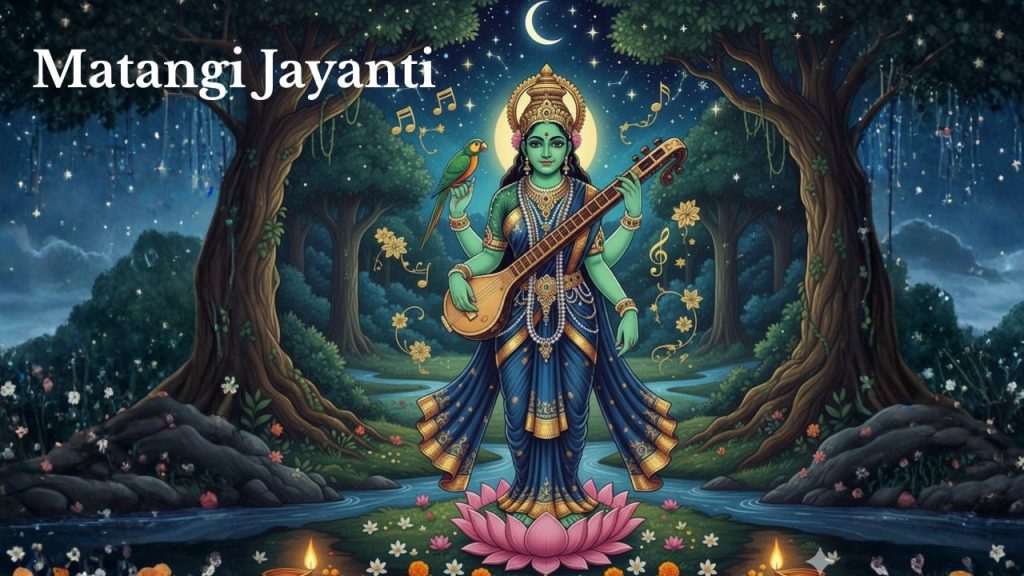
Goddess Tara is typically depicted as a beautiful, serene, and influential figure, often with multiple arms and eyes. She rides a lion or a tiger in some depictions, symbolizing her courage and strength. She is typically depicted with a gentle expression, often holding a lotus or a sword, which represents her power to destroy ignorance and guide her devotees toward enlightenment.
Her iconography varies across regions and traditions, but she is universally recognized for her association with spiritual transformation and wisdom. Tara’s imagery often includes symbols of protection, such as a shield or a weapon, emphasizing her role as a fierce protector against hostile forces.
Symbolism of Tara’s powers and attributes
The symbolism of Tara’s powers is rich and multifaceted. As a goddess of wisdom, she is believed to have the power to illuminate the mind, dispel ignorance, and guide her devotees toward spiritual enlightenment. Her role as a protector is symbolized by her fierce, warrior-like forms, which are invoked to remove obstacles and eliminate negative energies.
Tara’s attributes also include her ability to heal mentally and physically. She is often sought after for protection against fears, enemies, and calamities, offering solace to those in distress. Tara’s ultimate power lies in her ability to help devotees transcend the cycle of birth and death, leading them toward spiritual liberation.
Spiritual Importance of Goddess Tara Worship
Role in granting wisdom and salvation
Worshipping Goddess Tara is believed to bring immense spiritual benefits, particularly in wisdom and salvation. As a goddess who embodies knowledge and enlightenment, Tara is regarded as the ultimate source of wisdom. Her blessings are said to awaken the inner potential of the devotees, leading them on a path of self-realization and spiritual growth.
For those seeking knowledge, Tara’s guidance can remove mental blocks and clear the path for wisdom to flourish. This makes her worship especially important for individuals who desire to overcome ignorance, whether on the material plane or in the spirit realm. Her divine grace helps illuminate the mind, revealing the higher truths of existence.
Protection from fears, enemies, and calamities
One of the most widely recognized benefits of worshipping Tara is her protective nature. As a fierce and compassionate deity, Tara is believed to protect her devotees from external dangers, such as enemies and natural calamities, as well as internal fears and negative energies. This protective quality makes her worship particularly relevant for individuals seeking safety, security, and a sense of peace of mind.
Tara’s blessings are invoked by those who wish to shield themselves from harmful forces, be they physical, emotional, or spiritual. Her divine energy acts as a shield, ensuring the devotee remains safe from harm and continues to thrive on their spiritual journey.
Awakening higher consciousness
Goddess Tara’s worship is deeply connected to the awakening of higher consciousness. By meditating on her form and reciting her mantras, devotees can awaken dormant spiritual energies within themselves. Tara is believed to assist her followers in attaining higher states of awareness, helping them transcend mundane experiences and connect with the divine.
This process of awakening higher consciousness is central to Tara’s role in the Tantric traditions, where she is seen as the key to unlocking the doors of spiritual enlightenment. By cultivating a deeper understanding of the self and the universe, devotees can align themselves with the divine flow of cosmic energies, ultimately reaching a state of unity with the Supreme.
Removal of ignorance and negative energies
Tara is particularly revered for her ability to remove ignorance and negative energies. In the Tantric tradition, ignorance is the root cause of all suffering and misfortune. Tara’s role is to shine the light of knowledge, dispelling the darkness of ignorance and allowing her devotees to see the world.
In addition to ignorance, Tara is believed to remove negative energies that can hinder spiritual growth. These include external hostile forces and internal obstacles, such as self-doubt, fear, and emotional turmoil. Through her worship, Tara helps purify the mind and soul, allowing the devotee to attain inner peace and clarity.
Connection with Inner Transformation
The worship of Tara is intimately connected with the process of inner transformation. Through her blessings, devotees can experience profound shifts in their consciousness, leading to personal growth and spiritual evolution. Tara’s transformative powers help individuals break free from the limitations of the ego and reach higher levels of spiritual awareness.
Her worship provides a pathway for those seeking to transcend the material world and experience the true essence of divinity. By invoking Tara’s energy, devotees can undergo a spiritual metamorphosis, leading them toward liberation and enlightenment.
Tara Jayanti in Tantric Traditions
Worship among Tantric practitioners
In Tantric traditions, Tara Jayanti is celebrated with great reverence and devotion. Tantric practitioners often perform rituals to invoke the goddess’s energy and blessings. This may include chanting mantras, meditating on sacred yantras, and performing elaborate pujas that align with Tantric principles.
The day is considered one of the most powerful for spiritual work, as the energies of Tara are thought to be particularly accessible. Practitioners believe that Tara’s presence helps guide them through the complex and often challenging process of Tantric spiritual practices, which aim to achieve both material success and spiritual liberation.
Use of mantras, yantras, and mudras
One of the key features of Tantric worship on Tara Jayanti is the use of mantras, yantras, and mudras. Mantras, sacred sound vibrations, are chanted to invoke the divine presence of Tara, while yantras are geometrical designs believed to represent her energy. Mudras, specific hand gestures, channel energy, and focus the mind during worship.
These tools are essential for Tantric practitioners, as they believe that precisely using these elements allows them to connect with the goddess on a deep, spiritual level. Each component is vital in aligning the practitioner’s energies with Tara’s divine powers, helping them achieve spiritual goals.
Secret sadhanas observed during this day
On Tara Jayanti, advanced Tantric practitioners often engage in secret sadhanas – spiritual practices that are not shared with the general public. These sadhanas are believed to accelerate spiritual progress and are typically taught by initiated gurus within the Tantric tradition.
These practices may involve intense meditation, chanting of sacred texts, or the creation and worship of sacred yantras. These sadhanas aim to deepen the practitioner’s connection with Tara and facilitate the attainment of spiritual powers, known as siddhis.
Link with Aghora and left-hand path practices
Tara Jayanti also strongly connects with the Aghora tradition, a left-hand path within Tantra. Aghora is associated with unconventional and transgressive practices, often involving rituals that challenge societal norms. Tara, a fierce goddess, is a central figure in Aghora worship, and her worship of Tara Jayanti is believed to help followers overcome their fears, attachments, and ego.
For Aghora practitioners, Tara represents the raw power of the divine feminine, a force that can help destroy the false self and lead to liberation. By engaging in Aghora practices on Tara Jayanti, followers seek to transcend conventional boundaries and connect with the highest truths.
Role in spiritual attainments (siddhis)
Tara Jayanti holds great significance for those pursuing spiritual attainments, known as siddhis, within the Tantric tradition. Siddhis are supernatural powers believed to arise from intense spiritual practices. Tara is considered a goddess who can grant siddhis to her devotees, helping them achieve telepathy, clairvoyance, and the ability to heal others.
Worshipping Tara on this special day is believed to increase the likelihood of attaining such spiritual powers. However, these powers are viewed as a byproduct of spiritual discipline, rather than the ultimate goal. For devotees, the ultimate aim is to gain liberation (moksha) through the grace of Tara, but siddhis are often regarded as markers of spiritual progress.
Rituals Performed on Tara Jayanti
Tara Jayanti is a spiritual event and a time for deep devotion and ritualistic practices that bring devotees closer to the divine presence of the Goddess Tara. The day begins with specific rituals designed to purify the mind, body, and soul, followed by the installation of Tara’s idol or picture and the chanting of sacred hymns.
Morning Purification and Sankalp
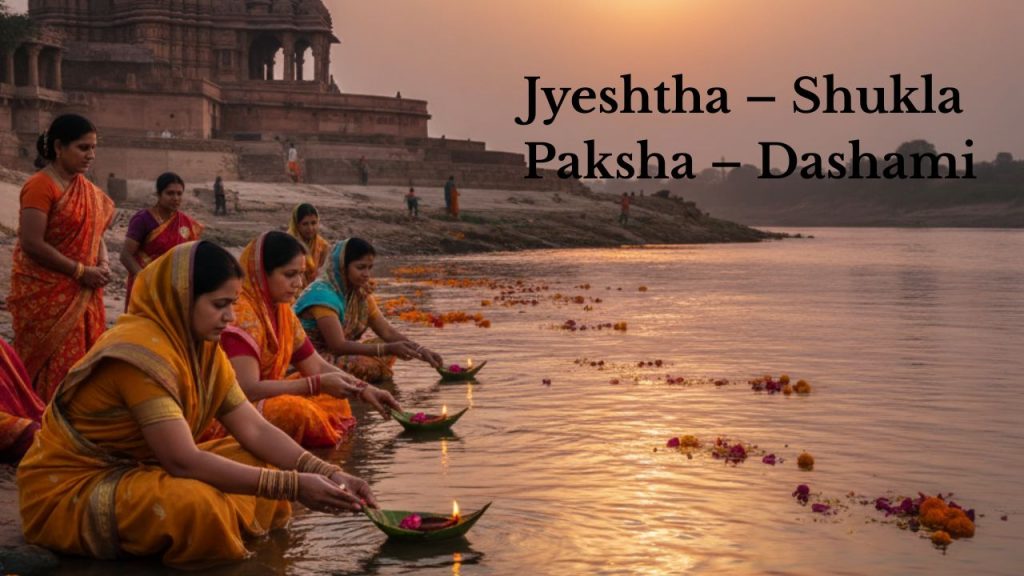
The day of Tara Jayanti typically begins with early morning purification rites. Devotees cleanse themselves physically and mentally through steps, including bathing or ablution in holy water. The purification process is designed to remove any negative energies, thereby preparing the body to receive the blessings of the Goddess Tara. This is followed by a Sankalp (a vow or declaration), where devotees express their sincere intentions and invoke divine blessings for wisdom, protection, and spiritual progress. The Sankalp aligns the practitioner’s mind and heart with Tara’s energies.
Installation of the Tara Idol or Picture
Another essential ritual during Tara Jayanti involves installing a Tara idol or a picture of Tara. Devotees place the idol or picture of the Goddess on a clean altar, often decorated with fresh flowers, incense, and offerings. This idol represents the form of Tara that will be worshipped throughout the day. The idol’s presence is believed to invoke Tara’s divine blessings and transform the space into a sacred one. In some households, the image of Tara may be placed on a throne to signify her supreme and revered status.
Chanting of Tara Gayatri and Tara Sahasranama
Chanting sacred mantras is central to Tara Jayanti’s worship. Among the most significant mantras are the Tara Gayatri and Tara Sahasranama (the thousand names of Tara). The Tara Gayatri mantra, often recited at sunrise, invokes the blessings of the Goddess Tara for wisdom, strength, and liberation. The recitation of Tara Sahasranama, which lists the thousand names of the Goddess, is done to deepen devotion and align oneself with her transformative energy. The repetition of these mantras is believed to protect the worshipper from evil influences and negativity.
Offerings: Flowers, Incense, Naivedya, and Blue Lotus
Offerings play an essential role in Tara Jayanti rituals. Devotees offer the Goddess flowers (typically red or blue), incense, fruits, and the sacred Naivedya (food offerings). Blue lotus flowers hold special significance as they are Tara’s favorite and are believed to embody purity and spiritual awakening. These offerings are meant to please the Goddess and invite her grace and protection into the lives of the devotees.
Special Havan or Homam for Appeasement
A special Havan or Homam (fire ritual) is also performed during Tara Jayanti to appease Goddess Tara and invoke her blessings for the spiritual and material well-being of the family and community. The fire is considered a powerful purifier, and its offerings represent the devotee’s dedication and desire for spiritual advancement. The ritual is often accompanied by chanting sacred hymns and mantras, which are believed to elevate the atmosphere and bring positive energy into the space.
Tara Jayanti Observances Across India
Though celebrated in various parts of India, Tara Jayanti holds particular significance in West Bengal, Assam, and Odisha. It is a significant religious event marked by rituals, community celebrations, and regional customs.
Celebrations in West Bengal, Assam, and Odisha
In West Bengal, the celebration of Tara Jayanti is a grand affair. It is particularly significant in places like Tarapith, where Tara’s divine form is honored with fervent rituals and ceremonies. During this time, devotees from all parts of the state gather to worship and chant mantras dedicated to Goddess Tara. Similarly, in Assam and Odisha, Tara Jayanti is observed with various regional practices that combine devotion and celebration. These states witnessed a surge in religious fervor during Tara Jayanti as people prepared themselves through fasting, prayers, and offerings to the Goddess.
Role in Shakta Temples like Tarapith
In the Shakta tradition, Tara Jayanti holds significant importance in temples such as Tarapith, located in West Bengal. Tarapith is one of the major Shakta shrines where the Goddess Tara is worshipped in her most revered form. At Tara Jayanti, the temple is adorned with flowers and lights, and special prayers are offered in its honor. Devotees believe that visiting these temples during Tara Jayanti bestows special blessings, and many pilgrims journey to seek divine favor.
Local Customs and Regional Rituals
Each region has unique customs associated with Tara Jayanti. In some places, it is marked by elaborate feasts, folk performances, and group prayers. In West Bengal, for instance, the festival features community-based rituals where people gather for collective worship. In Odisha, rituals often involve offering traditional sweets, while in Assam, devotees frequently perform sacred dances and hold religious gatherings.
Community Gatherings and Collective Sadhanas
Tara Jayanti is also marked by community gatherings where devotees perform collective sadhanas (spiritual practices). This collective worship not only strengthens individual devotion but also enhances the spiritual energy of the group. By engaging in shared prayer, singing devotional songs, and reciting sacred mantras together, participants build a strong collective bond with Goddess Tara, seeking blessings for the community’s overall well-being.
Influence on Tribal and Folk Traditions
In many tribal areas, Tara Jayanti is interwoven with local folk traditions. Tribes in West Bengal and Odisha often celebrate Tara Jayanti with specific regional dances, songs, and traditional practices that go beyond the formal rituals. These indigenous practices are deeply connected to nature and the divine, reflecting the intrinsic relationship between spirituality and daily life.
Tara Jayanti and Women’s Empowerment
Goddess Tara profoundly represents feminine power. She is a deity of protection and a symbol of strength, wisdom, and liberation, making Tara Jayanti a significant celebration of women’s empowerment.
Goddess Tara as a Symbol of Feminine Power
Goddess Tara embodies the ultimate form of feminine energy. She is fierce and compassionate, a manifestation of Shakti (the divine feminine) who wields immense power to protect and guide. As a deity, Tara represents the power of a woman capable of overcoming obstacles and transforming the world. Her role in various Hindu texts as a savior and protector reflects her connection to the empowerment of women.
Encouragement of Shakti Worship
Tara Jayanti is part of the larger tradition of Shakti worship, where the feminine divine is celebrated as the ultimate source of strength and wisdom. In the Vedic context, Shakti is the power behind all creation. Tara Jayanti, therefore, encourages the worship of Shakti, urging people, especially women, to recognize their innate power and connect with divine energy for personal and collective growth.
Empowerment of Women Through Divine Energy
The worship of Goddess Tara is often seen as a way to empower women. Devotees believe that by invoking Tara’s blessings, they can overcome life’s obstacles, whether personal, social, or financial. Tara is often depicted as a fierce protector who helps women confront challenges with courage and determination. Her strength reminds us that women can embody both gentleness and strength, wisdom and power, compassion and fierce determination.
Spiritual Feminism in the Vedic Context
Tara’s role in the Vedic context introduces a form of spiritual feminism, where women are not just seen as passive recipients of divine favor but as active participants in their own spiritual and social transformation. Tara Jayanti serves as a celebration of this spiritual feminism, affirming women’s role in shaping their destinies and the world around them through their connection to the divine.
Legacy of Devi in Modern Society
The legacy of Goddess Tara continues to inspire and empower women across India and the world. Tara Jayanti reminds women of the strength and wisdom they can access through spiritual practices. Women increasingly assert their rights and identities. Tara’s example serves as a guiding force for empowerment, urging women to tap into their inner potential for personal and collective transformation.
Benefits of Observing Tara Jayanti
Observing Tara Jayanti offers numerous benefits to devotees, ranging from spiritual growth to personal empowerment. Devotees who actively engage in the rituals and prayers of this day experience profound changes in their lives.
Mental Peace and Emotional Balance
One of the most immediate benefits of observing Tara Jayanti is the sense of mental peace and emotional stability it provides. Praying, chanting, and meditation on Tara help calm the mind, reduce stress, and foster a sense of inner peace. This emotional balance is temporary and has long-term effects on the practitioner’s well-being.
Resolution of Family and Financial Issues
Many people turn to Goddess Tara for blessings related to family harmony and financial prosperity. Tara bestows her grace to those seeking solutions to familial issues, disputes, or financial struggles. Devotees are believed to receive clarity and solutions to their challenges through her protection and guidance.
Spiritual Growth and Divine Protection
Tara Jayanti is not just about material gains; it is also a time for spiritual growth. Devotees experience profound inner transformation through the worship of Tara as she guides them on a path of spiritual enlightenment and awakening. The Goddess’s divine protection also shields the practitioner from negative influences, external threats, and inner fears.
Improvement in Intuitive and Psychic Abilities
Tara is associated with higher consciousness and spiritual knowledge. Worshipping her on Tara Jayanti enhances one’s intuitive and psychic abilities, helping the devotee understand the more profound truths of existence. Many practitioners report increased awareness and sensitivity to energies during this time.
Harmonizing Planetary Energies (Especially Rahu)
Tara is also associated with the planet Rahu, which is known for its influence over illusions and obstacles. Worshipping Tara on this day is believed to help harmonize Rahu’s energies, remove negative influences, and bring clarity. This alignment of planetary energies helps devotees overcome material and spiritual challenges, leading to a more harmonious and balanced life.
Embracing Divine Wisdom through Tara Jayanti
Tara Jayanti is more than just a religious observance; it is an opportunity to connect with divine wisdom, transformation, and empowerment. Whether through rituals, prayers, or community gatherings, this day holds deep spiritual significance for anyone seeking the blessings of Goddess Tara.
Summing Up Spiritual and Cultural Significance
Tara Jayanti celebrates the feminine divine, the wisdom of Goddess Tara, and the power of Shakti. Throughout the day, devotees are reminded of the eternal presence of divine energy in their lives and the strength that comes from embracing spiritual practices such as devotion, meditation, and chanting.
Encouraging Participation and Awareness
More people must recognize Tara Jayanti and its spiritual and cultural significance. By participating in this observance, individuals not only strengthen their connection to Goddess Tara but also contribute to preserving ancient traditions that have shaped spiritual practices for centuries.
Importance of Preserving Ancient Traditions
Tara Jayanti bridges the past and present, allowing devotees to connect with ancient spiritual wisdom while adapting these traditions to modern life. Preserving such traditions ensures that the deeper meanings of faith and worship are passed down through generations.
Tara Jayanti as a Bridge Between Faith and Enlightenment
Ultimately, Tara Jayanti reminds us that devotion is not just about rituals but about embracing the divine wisdom that leads to personal transformation. This day allows us to reflect on our spiritual journey and renew our commitment to growth, enlightenment, and heavenly wisdom.
On this Tara Jayanti, let us take a moment to deepen our devotion, seek the blessings of Goddess Tara, and embrace the wisdom and strength she offers. We can all benefit from the divine grace Tara bestows upon us through prayer, ritual, or meditation. Let this day inspire us to walk the path of enlightenment with confidence, courage, and a heart full of devotion.