Understanding Matangi Jayanti
Matangi Jayanti is a vibrant celebration dedicated to Goddess Matangi, a powerful deity revered in Hinduism as the embodiment of wisdom, creativity, and inner knowledge. This festival marks the goddess’s birth anniversary and holds a deep spiritual significance for her devotees. Observed with great devotion and enthusiasm, Matangi Jayanti reminds us of the goddess’s transformative energy and ability to remove ignorance and obstacles from our lives. For many, this day is an opportunity to seek her blessings for clarity of thought, eloquence, and artistic inspiration.
Definition and significance of Matangi Jayanti
At its core, Matangi Jayanti honors the divine birth of Goddess Matangi, one of the Sapta Matrikas, seven mother goddesses representing various forms of Shakti, the primordial feminine energy. This day is more than a ritual; it symbolizes the triumph of wisdom over ignorance and the awakening of our creative potential. The festival inspires us to connect deeply with our inner voice and express ourselves confidently and clearly.
A brief introduction to Goddess Matangi
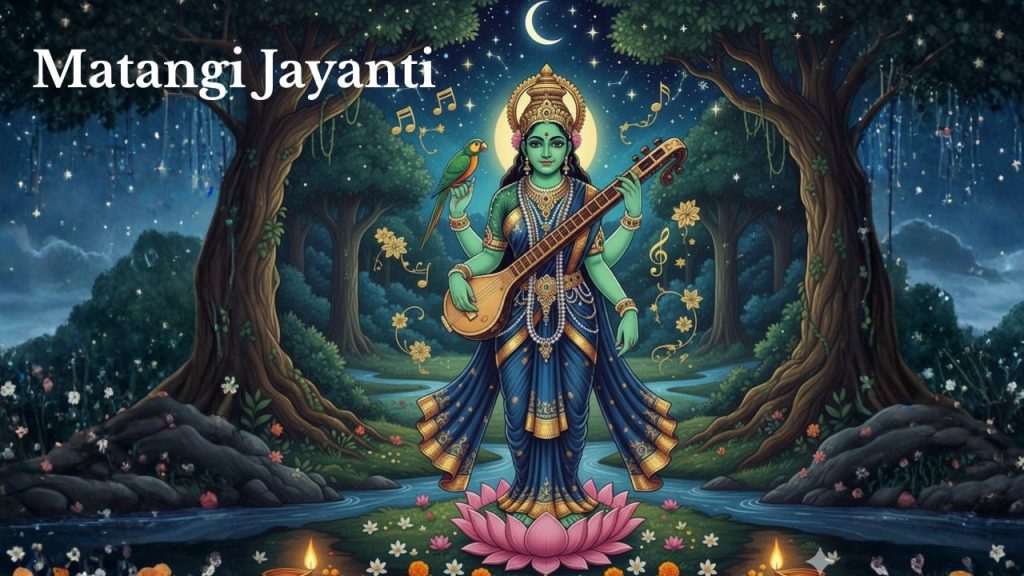
Goddess Matangi is uniquely positioned in the Hindu pantheon as the goddess of speech, music, and the arts. She is often depicted with a tan complexion, adorned in green garments, and holding a veena (a traditional string instrument), symbolizing her mastery over sound and expression. Matangi is regarded as the Tantric form of Saraswati, the goddess of learning, highlighting her association with esoteric knowledge and creative power. She encourages her devotees to embrace their individuality and to communicate with authenticity.
Date and time of celebration
According to the Hindu lunar calendar, Matangi Jayanti is observed annually on the 19th day of the Shukla Paksha (waxing moon phase) in Jyestha. In the Gregorian calendar, this usually falls in May or June. The exact timing is significant, as the lunar phase is considered auspicious for invoking the goddess’s blessings. Devotees often begin their prayers early in the morning and perform daily rituals to honor her.
Overview of Cultural Relevance
Beyond religious rituals, Matangi Jayanti resonates culturally across various Indian states and communities. It influences artistic performances, poetry, and musical recitals, reinforcing the goddess’s association with creativity. The festival is a cultural touchstone in many regions, preserving folk traditions and fostering communal harmony. The collective celebration of Matangi Jayanti also serves as a platform for passing down spiritual wisdom from one generation to another.
Importance in the Hindu calendar
Within the broader Hindu calendar, Matangi Jayanti stands out as a day dedicated to spiritual empowerment and artistic expression. It complements other festivals honoring the goddess’s counterparts, such as Saraswati Jayanti, and enriches the tapestry of Hindu worship focused on feminine divinity. This day is special for those deeply engaged in spiritual practice or creative professions, reinforcing the cyclical nature of divine blessings and human potential.
Historical and Mythological Background
The roots of Matangi Jayanti stretch far back into Hindu mythology and spiritual traditions, offering a fascinating insight into how this festival evolved and why it inspires devotees today.
The origin story of Goddess Matangi
Goddess Matangi’s origin is shrouded in mysticism and symbolic narratives. According to mythological accounts, she emerged from a divine feast’s leftovers, symbolizing purity from what others reject. This story reflects her association with the outcast and the unconventional, highlighting her role as a protector of those marginalized or misunderstood. Matangi embodies that wisdom and creativity often arise from unexpected or overlooked sources.
Connection to the Navadurga and Sapta Matrikas
Matangi is closely linked to the Navadurga (nine forms of the goddess Durga) and the Sapta Matrikas (seven mother goddesses), representing various aspects of feminine divine power. As one of the Sapta Matrikas, Matangi complements the collective force of Shakti, embodying the power of speech and knowledge. This connection places her within a broader spiritual framework where each goddess’s energy balances and supports the others, creating a harmonious cosmic order.
Symbolism in Hindu mythology
In Hindu mythology, Matangi’s symbolism is rich and layered. Her dark complexion represents the primal energy from which all life springs, while her veena signifies mastery over sound and music, tools essential for communication and learning. The goddess is also associated with the spoken word, eloquence, and the transformative power of speech, reminding us how words can shape reality and influence minds.
Traditional legends associated with Matangi Jayanti
Various legends recount how Goddess Matangi helps devotees overcome obstacles related to speech and knowledge. One popular tale narrates her guidance to sages and artists, empowering them to find their voice and unlock hidden talents. These stories emphasize the goddess’s compassion and willingness to bestow grace upon sincere seekers.
How the festival evolved over time
Initially celebrated in select spiritual circles and tantric traditions, Matangi Jayanti gradually gained prominence across wider communities. Over the centuries, the festival adapted to regional customs, incorporating local music, dance, and ritualistic elements. This evolution reflects the goddess’s dynamic nature, allowing her worship to remain relevant in changing cultural contexts and to reach a broader audience.
Spiritual Significance of Matangi Jayanti
Matangi Jayanti is not merely a cultural event; it holds profound spiritual meaning that can profoundly impact your inner life.
Role of Goddess Matangi in spiritual growth
The goddess Matangi guides spiritual growth by encouraging self-expression and inner wisdom. When you honor her on Matangi Jayanti, you invite a transformative energy that helps clear mental blocks, enhances intuition, and fosters a deeper connection to your higher self. Her presence supports you in developing spiritual awareness and embracing the path of self-discovery.
Matangi, as the goddess of inner knowledge and wisdom
Matangi is often seen as the guardian of esoteric knowledge beyond textbooks and external learning. She represents wisdom from intuition, contemplation, and direct experience. By worshipping her, you tap into a source of inner knowledge that helps you navigate life’s complexities with clarity and confidence.
Importance of invoking Matangi for creativity and speech
One of Matangi’s most celebrated gifts is the power of speech and creative expression. Whether you’re an artist, writer, or simply someone seeking to communicate more effectively, Matangi’s blessings on this day can inspire new ideas and help you articulate your thoughts with grace. Invoking her energy can break down fears related to public speaking or self-expression.
Connection to overcoming negative energies and obstacles
Matangi’s energy is also protective and purifying. She is believed to dispel negative energies, envy, and doubts that may cloud your mind and soul. On Matangi Jayanti, many devotees perform rituals to cleanse their environment and mental state, allowing positive vibrations to flow freely. This spiritual cleansing helps create a conducive atmosphere for growth and success.
How devotees seek blessings for enlightenment
Devotees approach Matangi Jayanti as a sacred opportunity to receive her blessings for intellectual and spiritual enlightenment. Through prayer, meditation, and ritual, they seek the goddess’s guidance to awaken latent talents and align with their higher purpose. The festival thus becomes a powerful platform for personal transformation and renewed spiritual commitment.
Cultural Importance in Society
Matangi Jayanti is woven deeply into the cultural fabric of many Indian communities, reflecting values and traditions that have stood the test of time.
Influence on art, music, and literature
The festival significantly influences various forms of creative expression. Musicians, poets, and artists often dedicate their performances and works to Goddess Matangi, seeking her divine inspiration during this time. This celebration nurtures a rich environment where traditional art forms are preserved and encourages contemporary creativity. It’s a time when culture and spirituality beautifully merge.
Matangi Jayanti in different regions of India
While Matangi Jayanti is observed broadly, its customs vary by region. In some parts of India, grand temple ceremonies mark the day, while in others, smaller community gatherings emphasize devotional singing and storytelling. These regional variations add depth and diversity to the festival, reflecting local customs and enriching the collective cultural experience.
Folk traditions and rituals are performed during the festival
Folk traditions play a vital role during Matangi Jayanti. Traditional dances, musical recitals, and storytelling sessions unite communities, often featuring themes related to the goddess’s attributes. These rituals serve religious purposes and act as vessels for transmitting heritage and values across generations.
Role in community bonding and cultural preservation
Matangi Jayanti acts as a catalyst for community bonding. People come together to celebrate, exchange stories, and participate in shared rituals, strengthening social ties. This collective spirit helps preserve cultural identity, ensuring ancient practices remain alive and meaningful in a rapidly changing world.
Influence on contemporary spiritual practices
Matangi Jayanti also influences modern spiritual movements that blend traditional worship with contemporary lifestyles. Many spiritual seekers incorporate the goddess’s teachings into meditation, yoga, and self-improvement routines, demonstrating the festival’s enduring relevance and adaptability.
Rituals and Customs Observed
The rituals performed on Matangi Jayanti are spiritually profound and rich in symbolism. They are designed to honor the goddess and invoke her blessings.
Detailed description of puja and prayers
The celebration’s core involves a detailed puja, where devotees meticulously prepare the altar with images or idols of Goddess Matangi. The puja includes offerings of flowers, fruits, and sweets, along with the lighting of incense and oil lamps. Prayers are chanted aloud or silently, often using special hymns dedicated to Matangi, such as the Matangi Stotra or mantra. The atmosphere is filled with devotion, and many devotees immerse themselves fully in the worship process to foster a direct spiritual connection.
Fasting and other austerities observed by devotees
Many followers observe fasting on Matangi Jayanti to purify the body and mind. This practice symbolizes self-discipline and devotion, helping devotees focus their energy on spiritual matters rather than worldly distractions. Fasting may range from abstaining from certain foods to a complete fast until the evening rituals are completed. This austerity enhances the potency of prayers and deepens the festival experience.
Mantras and hymns were chanted during Matangi Jayanti.
Chanting mantras dedicated to Goddess Matangi is central to the rituals. These mantras are believed to invoke her divine presence and attract her blessings. Reciting the Matangi mantra or stotra with sincerity and concentration can enhance mental clarity and spiritual focus. The vibrations created by chanting also purify the surroundings and align the devotee’s energy with the goddess’s.
Offerings and symbolic items used in rituals
Offerings during Matangi Jayanti are carefully chosen for their symbolic meanings. Fruits like bananas and sweets symbolize prosperity and sweetness in life. Green leaves and flowers represent growth and renewal, echoing the goddess’s connection to nature and vitality. Devotees also offer musical instruments or symbolic representations of speech and sound to honor Matangi’s domain.
Role of priests and temple celebrations
In many places, priests play a vital role in conducting formal rituals, guiding devotees through complex procedures, and chanting. Temples dedicated to Goddess Matangi become focal points of large-scale celebrations, with special ceremonies, music, and communal gatherings. These events often draw devotees from various regions, creating a shared spiritual experience that reinforces the goddess’s importance and accessibility.
Importance for Students and Artists
Why Matangi is Worshipped as the Goddess of Knowledge
When you think about knowledge and wisdom, Goddess Matangi holds a very special place. She is considered the embodiment of all creative and intellectual powers. When you call upon her, it’s like inviting clarity into your mind. She’s worshipped as the goddess of knowledge because she governs the arts, language, and communication, the tools you need for learning and expression.
Matangi’s energy nurtures the ability to absorb information, speak fluently, and express oneself creatively. If you’re a student, scholar, or anyone who seeks knowledge, worshiping Matangi is believed to open doors to mental clarity and a hunger for learning. Students have turned to her blessings before exams or critical intellectual challenges for centuries. The wisdom she embodies is not just academic but deeply intuitive and artistic.
Benefits for Students and Scholars
For students, the blessings of Goddess Matangi bring focus, memory power, and confidence. Imagine facing a difficult exam or an academic presentation, invoking Matangi’s energy can soothe anxiety and enhance your ability to recall and apply knowledge effectively. Scholars also revere her for inspiring innovative thinking and deep research insights.
Her presence is significant during critical learning phases or when undertaking creative academic projects. Chanting her mantras or participating in Matangi Jayanti rituals cultivates calm and a sense of preparedness. It’s more than ritual; it’s a spiritual boost to help you shine intellectually.
Significance for Musicians, Poets, and Artists
Suppose you are an artist, whether a musician, poet, painter, or performer, Matangi’s blessings are invaluable. She is often called the patroness of the arts, believed to unlock the creative flow and remove any blocks to expression. Many musicians and poets pray to her for inspiration and the power of flawless speech.
The arts are skills and expressions of the soul’s deepest emotions. Matangi’s connection with sound, speech, and artistic brilliance empowers you to bring those emotions to life through music, poetry, or painting. Celebrating Matangi Jayanti allows artists to reconnect with their muse, find fresh ideas, and cultivate a harmonious creative spirit.
How the Festival Inspires Creativity and Learning
Matangi Jayanti is more than just a day of worship; it’s a festival that celebrates the divine source of knowledge and creativity. Participants in the rituals, who listen to hymns or engage in community art events, feel a renewed sense of purpose and inspiration.
The festival encourages you to embrace learning and creativity as lifelong journeys. It reminds you that knowledge is sacred and that creative expression is a powerful force for transformation. By honoring Goddess Matangi, you also honor your inner voice, inspiring you to grow intellectually and artistically.
Modern-Day Relevance for Education and Arts Communities
Today, Matangi Jayanti remains profoundly relevant as education and the arts face rapid changes and challenges. Students struggling with the pressures of modern academic life find solace and strength through the festival’s spiritual practices. Similarly, artists navigating an increasingly digital and commercialized world look to Matangi for authenticity and inspiration.
Educational institutions and art communities often organize special events during Matangi Jayanti to highlight the importance of creativity and wisdom. These celebrations remind us all that at the heart of progress lies the power of knowledge and the courage to express oneself freely. This festival keeps ancient traditions alive while encouraging a bright future for learners and creators alike.
Psychological and Emotional Benefits
Mental Peace and Stress Relief Through Devotion
When you participate in the rituals of Matangi Jayanti, you’re not just performing duties; you’re stepping into a sacred space where peace is cultivated. The focused prayers, mantra chanting, and meditative atmosphere help calm the restless mind, reducing anxiety and stress.
Moments like these serve as a reset button for mental well-being in our fast-paced lives. Devotion to Goddess Matangi invites a deep sense of calm and mental clarity. This peace isn’t fleeting; it seeps into your daily mindset, helping you face challenges with a steadier heart and a clearer mind.
Boosting Confidence and Communication Skills
Matangi is the goddess of speech and communication. By engaging in her worship, you tap into a powerful source of confidence. Whether you have a presentation to give, a creative project to share, or want to express yourself better, Matangi’s blessings help you find your voice.
Devotees often report an improvement in their ability to articulate thoughts and connect with others meaningfully. This boost in communication isn’t just about speaking well; it’s about expressing your true self with clarity and confidence.
Encouraging Positive Thinking and Creativity
Matangi Jayanti’s spiritual energy fosters an optimistic outlook. When you immerse yourself in the celebrations and prayers, your mind naturally gravitates toward positive, creative thinking. The goddess’s influence helps you break free from limiting beliefs and mental blocks.
This positive shift encourages problem-solving and innovative ideas, whether you’re working on academic tasks, professional projects, or personal goals. Celebrating Matangi Jayanti becomes a way to realign your mindset with growth, creativity, and possibility.
Role in Overcoming Fears and Insecurities
Facing fears and insecurities can be daunting, but Goddess Matangi is believed to provide the inner strength to confront and overcome these challenges. Her divine energy is like a protective shield, calming self-doubt and replacing it with courage.
Through rituals and devotion, you invite this empowering force into your life. Many find that their anxieties lessen, and they feel more capable of stepping outside their comfort zones. Matangi’s festival thus becomes a spiritual tool for personal transformation and resilience.
Spiritual Healing Aspects Associated with the Festival
Matangi Jayanti is not only about external worship but also about deep spiritual healing. It offers a chance to cleanse negative energies and restore balance within your mind and soul. The mantras and prayers recited during the festival are believed to purify your inner self and heal emotional wounds and mental disturbances. This healing extends beyond the individual, influencing relationships and community harmony. By embracing Matangi’s grace, you open yourself to renewed vitality, wisdom, and inner peace.
Matangi Jayanti and Feminine Energy
Goddess Matangi as a Representation of Feminine Power
Goddess Matangi embodies the divine feminine in its purest form, powerful, wise, and independent. She represents the strength that comes from knowledge and inner wisdom rather than brute force. When you celebrate Matangi Jayanti, you honor this feminine power that nurtures creativity, communication, and spiritual growth. Matangi’s energy is soft yet potent, demonstrating how feminine qualities can lead to transformation and empowerment in both personal and societal contexts.
Empowerment and Respect for Women Through This Festival
Matangi Jayanti celebrates women’s intellect and strength. It encourages respect for women as bearers of knowledge and creators of culture. This festival honors women as caretakers, thinkers, artists, and leaders. By participating in this festival, you join a tradition that uplifts women’s roles in the spiritual and social spheres, promoting equality and recognition.
Symbolism of Wisdom and Independence
The goddess symbolizes wisdom that frees individuals, especially women, from societal limitations. Matangi teaches that true independence comes from knowledge and self-awareness. This symbolism is powerful in a world where women still fight for equal opportunities and respect. Matangi Jayanti reminds you that cultivating your mind and spirit leads to genuine empowerment and freedom.
Role in Promoting Gender Equality and Spiritual Feminism
Through honoring Goddess Matangi, the festival promotes gender equality by highlighting the sacredness of feminine wisdom. It supports the idea that spiritual and intellectual power transcends gender, fostering respect and balance. This spiritual feminism encourages you to view empowerment holistically, blending strength with compassion and intellect with intuition.
How the Festival Inspires Modern Women
Matangi Jayanti serves as a beacon for modern women seeking inspiration and courage. The goddess’s qualities inspire women to pursue education, creativity, and leadership roles. The festival connects ancient traditions with contemporary aspirations, encouraging women to embrace their full potential. Whether you’re a student, professional, or artist, Matangi’s festival reminds you that your voice and wisdom are powerful forces for change.
Contemporary Celebrations and Adaptations
How Matangi Jayanti is Celebrated Today
Today, Matangi Jayanti is celebrated with a blend of tradition and modernity. Temples hold special pujas where devotees gather to chant mantras, perform rituals, and offer flowers and sweets to the goddess. Families come together to honor Matangi’s blessings, often involving community events. The festival has also expanded beyond temple walls, reaching homes and cultural centers where workshops on arts and education may be organized.
Influence of Technology and Social Media on the Festival
Technology and social media have transformed how Matangi Jayanti is observed. Online platforms host virtual pujas, allowing devotees worldwide to participate. Social media pages share prayers, stories, and cultural programs, creating a sense of community even at a distance. This digital shift has made the festival accessible to younger generations, who engage with tradition in new and interactive ways.
Community Events and Online Pujas
Many communities organize concerts, poetry recitations, and art exhibitions during Matangi Jayanti to celebrate her influence on creativity. Online pujas and webinars allow devotees who cannot attend in person to join the celebrations. These events foster learning, cultural exchange, and spiritual connection, keeping the festival vibrant and inclusive.
Role of Educational Institutions in Promoting the Festival
Schools and colleges often use Matangi Jayanti to highlight the importance of education and the arts. Special assemblies, workshops, and cultural programs educate students about the goddess’s significance and inspire them to embrace learning and creativity. This involvement helps integrate ancient wisdom into modern education systems.
Future Prospects of Matangi Jayanti in a Globalized World
As the world becomes more interconnected, Matangi Jayanti has the potential to grow as a global celebration of knowledge, creativity, and feminine power. With digital platforms and cultural exchanges, more people can experience and appreciate this rich tradition. The festival’s universal message of wisdom and empowerment resonates beyond cultural boundaries, promising a bright future.
The Lasting Legacy of Matangi Jayanti
The Spiritual and Cultural Importance
Matangi Jayanti is a deeply enriching festival that weaves spirituality, culture, and creativity together. It honors the goddess who inspires knowledge, wisdom, and artistic expression, reminding you of the power within to learn and create. This festival celebrates intellect and intuition, the harmonious workings of the mind and heart. Observing this festival connects you to a timeless tradition that nurtures your inner growth and creative spirit. It’s a chance to pause, focus, and invite blessings for your journey.
How Matangi Jayanti Promotes Inner Growth and Harmony
Beyond the rituals, Matangi Jayanti offers a path for inner growth, mental peace, and spiritual harmony. The goddess’s energy helps you overcome obstacles, enhance communication, and cultivate a positive mindset. By honoring her, you invite balance into your life, aligning your thoughts and actions with your highest potential. Preserving festivals like Matangi Jayanti is vital in a rapidly changing world. These traditions carry ancient wisdom and cultural richness that ground people in identity and purpose. Respecting and continuing these practices honors your heritage and enriches your life with meaning.
The Universal Message of the Festival
Ultimately, Matangi Jayanti teaches a universal message that knowledge, creativity, and feminine power are forces for transformation and harmony. This festival invites you to embrace these qualities in yourself and your community. It celebrates the light within, inspiring you to shine and live authentically.