Understanding of Rama Ekadashi
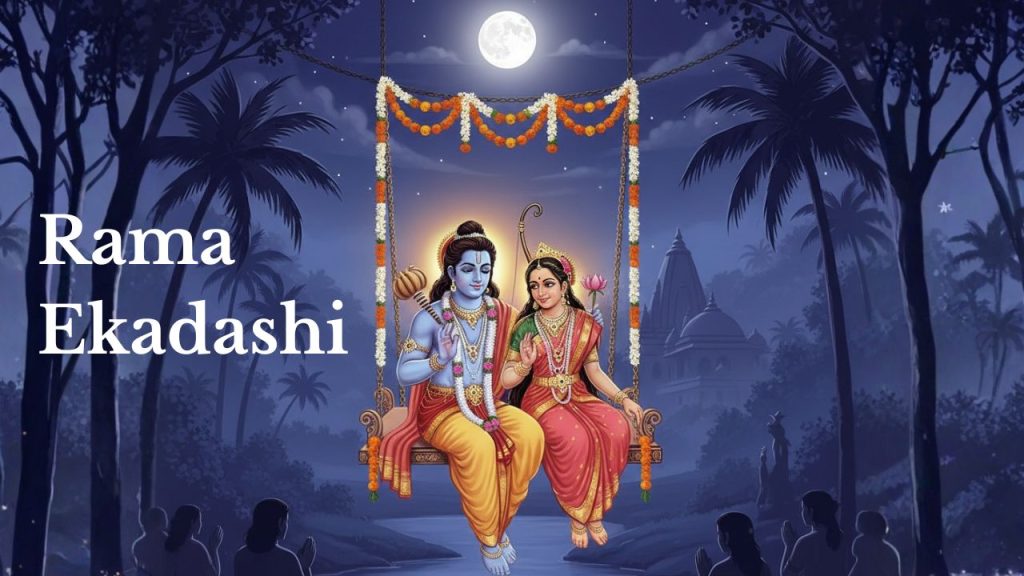
Rama Ekadashi is one of the most revered Ekadashis observed in the Hindu calendar, falling on the 11th day of the Shukla Paksha in the month of Kartika. The name itself derives from Lord Rama, the seventh incarnation of Lord Vishnu, whose virtues and unwavering devotion to dharma inspire millions. The literal meaning of Rama Ekadashi signifies a day devoted to righteousness, spiritual cleansing, and devotion to the divine. This day is considered highly auspicious for engaging in prayers, fasting, and seeking the blessings of Lord Vishnu.
Positioned within the Shukla Paksha of Kartika, Rama Ekadashi marks a crucial spiritual milestone in the Hindu lunar calendar. It follows the month of Ashwina and precedes the festival of Devotani Ekadashi, establishing a rhythm of devotion and reflection. The Kartika month itself is revered for heightened spiritual activity, and observing Rama Ekadashi amplifies the benefits of prayers, meditation, and self-discipline.
The connection with Lord Vishnu is central to this observance. Devotees believe that observing Rama Ekadashi with sincerity and devotion helps cleanse sins, foster inner peace, and gain spiritual merit. Daily life is enriched when one dedicates time to self-reflection, ethical living, and cultivating gratitude towards the divine. Modern-day observance often includes temple visits, community prayers, and reading sacred texts, making the day a blend of personal devotion and social engagement. Rama Ekadashi, therefore, serves as a reminder to integrate spirituality into routine life, encouraging mindfulness, discipline, and compassion towards others.
Historical and Mythological Background
Rama Ekadashi carries a profound historical and mythological significance, rooted in stories from the Puranas and epics. Ancient scriptures narrate tales of kings, sages, and devotees who observed Ekadashi fasts with unwavering dedication, receiving divine blessings in return. Among the prominent stories is that of King Yudhishthira, whose steadfast devotion and adherence to Ekadashi fasting brought prosperity and spiritual elevation to his kingdom. These tales are not just historical records but timeless lessons in virtue, self-control, and faith.
The legends associated with Rama Ekadashi highlight its distinctive connection to dharma and righteousness. According to tradition, observing this Ekadashi helps devotees overcome negative karma accumulated over lifetimes, reinforcing the principle that devotion and discipline lead to liberation. Some accounts also connect the observance directly with Lord Rama’s life, highlighting his dedication to dharma even in challenging circumstances, inspiring devotees to emulate these values.
The Puranas, including the Vishnu Purana and Padma Purana, emphasize the importance of Ekadashi fasts, especially during the month of Kartika. These scriptures highlight that fasting on Rama Ekadashi is equivalent to performing extensive rituals and offering immense spiritual rewards. The observance is seen not merely as abstention from food but as a holistic spiritual practice involving prayer, meditation, and moral living. Ekadashi fasts, therefore, form a bridge between mythological teachings and practical spiritual life, reminding devotees of the timeless relevance of virtue, devotion, and self-purification.
Astrological Significance
Rama Ekadashi is not only spiritually meaningful but also astrologically significant. The positioning of the moon and planets during the Shukla Paksha of Kartika plays a crucial role in enhancing the efficacy of prayers and rituals. Devotees often consider planetary alignments before starting new ventures or making important decisions, as auspicious celestial positions can amplify blessings received on this day.
Fasting during Rama Ekadashi is believed to harmonize spiritual energy and mental focus. The act of abstention sharpens concentration, reduces distractions, and aligns the mind with higher consciousness. Astrologically, the lunar energy during Ekadashi supports introspection, meditation, and the purification of thoughts. Engaging in rituals during this time creates a ripple effect of positive energy, influencing personal well-being and spiritual growth.
The lunar phases also hold special importance, as the Shukla Paksha is associated with the waxing moon, symbolizing growth, progress, and illumination. Observing Rama Ekadashi during this period is believed to magnify spiritual merits, cleanse karmic residues, and invite prosperity. Additionally, astrologers consider this day auspicious for initiating spiritual practices, charitable activities, and community service, reinforcing the harmony between cosmic forces and human actions. The alignment of celestial bodies during Rama Ekadashi thus serves as a cosmic guide, enhancing devotion, discipline, and spiritual transformation.
Spiritual Importance
Rama Ekadashi holds profound spiritual significance, serving as a day for cleansing the mind and body, enhancing devotion, and nurturing ethical living. The fast is more than a physical abstention from food; it is a practice in self-discipline, mindfulness, and surrender to divine will. By observing Rama Ekadashi with sincerity, devotees purify their thoughts, reduce negative tendencies, and cultivate virtues like patience, humility, and compassion.
Fasting during Rama Ekadashi supports spiritual practices such as meditation and chanting, enabling deeper concentration and heightened awareness. The mind becomes more receptive to divine energy, allowing one to experience inner calm and spiritual clarity. Regular observance fosters a habit of reflection, guiding individuals towards righteous living and detachment from worldly distractions.
Self-discipline is another critical aspect of Rama Ekadashi. Abstaining from food, sensory indulgences, and negative thoughts strengthens willpower and cultivates a sense of control over desires. This discipline extends beyond the day itself, positively influencing daily habits and decision-making. Accumulation of spiritual merit or punya is central to the practice. By observing Rama Ekadashi, devotees believe they earn the favor of Lord Vishnu, cleanse past karma, and progress on the path of liberation.
Ultimately, Rama Ekadashi encourages adherence to dharma, reminding individuals to live ethically, serve others, and align personal actions with spiritual values. It provides an opportunity to pause, reflect, and nurture a deeper connection with the divine, reinforcing that spiritual growth is a continuous journey rather than a destination.
Rituals and Observances
Observing Rama Ekadashi involves a blend of rituals, prayers, and mindful practices that enrich spiritual life. The day begins with morning puja, during which devotees offer flowers, fruits, and incense to Lord Vishnu, expressing their gratitude and devotion. These offerings are symbolic acts of surrender and alignment with divine energy, creating a sacred atmosphere for prayer and reflection.
Reading or listening to Vishnu-related scriptures is a significant part of Rama Ekadashi. Texts like the Bhagavad Gita, Vishnu Purana, and stories of Lord Rama guide devotees in understanding dharma, devotion, and righteous living. Engaging with these scriptures fosters wisdom, reinforces spiritual values, and deepens the connection with divine consciousness.
Chanting mantras, such as “Om Namo Bhagavate Vasudevaya,” is another essential observance. Repetition of sacred sounds helps focus the mind, enhances spiritual vibrations, and creates an inner sense of peace. Devotees often combine chanting with meditation to maximize spiritual benefits and cultivate mindfulness.
Fasting practices on Rama Ekadashi can vary. Some observe Nirjala fasts, abstaining from both food and water, while others follow partial fasts, consuming fruits or light vegetarian meals. The purpose of fasting is not deprivation but spiritual purification, self-discipline, and the channeling of energy towards devotion.
Visiting temples and participating in group prayers foster a sense of community and shared spirituality. Devotees gather to sing bhajans, listen to discourses, and engage in collective worship, creating a harmonious environment of faith and devotion. These rituals, when observed with sincerity, transform Rama Ekadashi into a day of spiritual elevation, self-reflection, and divine connection.
Fasting Guidelines
Observing Rama Ekadashi involves specific fasting practices that are both spiritual and disciplined. The fast is not merely abstaining from food; it is a mindful practice that encourages self-control, devotion, and purification. The rules are designed to help devotees focus entirely on spiritual growth and alignment with divine energy. On this day, it is recommended to avoid grains, beans, and heavy foods, while light vegetarian meals such as fruits, milk, and nuts are often allowed, depending on the tradition followed.
The spiritual reasoning behind fasting emphasizes the cleansing of the body and mind. Abstaining from regular meals allows the digestive system to rest and the mind to turn inward toward meditation, prayer, and contemplation. This practice creates a subtle energy balance, enhancing concentration and receptivity to spiritual teachings. The discipline of fasting also teaches restraint, patience, and detachment from material indulgences, strengthening moral and ethical foundations.
Maintaining health during the fast is crucial, especially for the elderly, pregnant women, or those with medical conditions. It is recommended to stay hydrated, consume light meals if necessary, and avoid excessive physical exertion. The essence of fasting lies in intention rather than extreme physical hardship, reinforcing that Rama Ekadashi is about devotion, not punishment.
Additionally, adverse actions and thoughts should be avoided. Devotees are encouraged to refrain from anger, gossip, and harmful behavior while cultivating positivity, kindness, and mindfulness. This holistic approach ensures that fasting contributes to spiritual elevation, mental clarity, and emotional balance. Following these guidelines allows devotees to fully experience the transformative benefits of Rama Ekadashi, making it a day of profound reflection, devotion, and inner harmony.
Benefits of Observing Rama Ekadashi
Observing Rama Ekadashi offers multiple layers of benefits, spanning spiritual, mental, physical, and social dimensions. Spiritually, it provides an opportunity to connect deeply with Lord Vishnu, purify the soul, and accumulate punya or divine merit. Devotees believe that sincere observation of this Ekadashi helps overcome negative karma and brings blessings, protection, and guidance in life’s challenges.
Mentally, the discipline of fasting and dedicated prayers promotes focus, clarity, and inner calm. Abstaining from worldly distractions allows the mind to settle, facilitating meditation, reflection, and spiritual contemplation. The practice encourages mindfulness, emotional balance, and enhanced self-awareness, creating a positive mental state that extends beyond the day of observance.
Physically, fasting aids detoxification and improves digestion. The body benefits from reduced intake of heavy foods, while the mind and spirit simultaneously experience rejuvenation. Regular observance can instill healthier habits, promoting overall wellness, self-control, and resilience.
Socially, Rama Ekadashi fosters stronger community and family bonds. Participating in group prayers, temple visits, and devotional gatherings encourages shared spiritual experience, collective harmony, and the passing of traditions across generations. The day can also inspire charitable acts, reinforcing compassion and service towards others.
Long-term benefits include spiritual growth, ethical living, and karmic purification. By integrating the principles of Rama Ekadashi into daily life, devotees cultivate patience, discipline, and a more profound sense of purpose. Overall, the day serves as a transformative experience, combining devotion, mindfulness, and ethical reflection for holistic well-being.
Connection with Lord Vishnu
Rama Ekadashi holds a special connection with Lord Vishnu, highlighting the importance of devotion, dharma, and divine protection. Lord Vishnu, the preserver of the universe, embodies righteousness and sustenance, making this Ekadashi a significant day for seeking his blessings. Observing Rama Ekadashi aligns devotees with Vishnu’s energy, fostering spiritual growth and inner stability.
Stories of Lord Vishnu’s avatars, particularly Lord Rama, reinforce the significance of this observance. Lord Rama’s life exemplifies the triumph of dharma over adversity, teaching devotion, ethical living, and courage. Devotees emulate these virtues through fasting, prayer, and meditation on Rama Ekadashi, strengthening moral resolve and spiritual focus.
Vishnu-related rituals performed during this Ekadashi, such as chanting mantras, offering puja, and reciting scriptures, create a direct connection with the divine. Devotees believe that sincere worship helps dissolve karmic debts, protects from negative influences, and cultivates blessings for prosperity, health, and spiritual upliftment.
The symbolic essence of Rama Ekadashi reflects dharma, protection, and righteous living. Devotees are encouraged to internalize these qualities, practicing compassion, honesty, and ethical decision-making. This connection with Lord Vishnu thus transforms Rama Ekadashi from a ritualistic observance into a meaningful spiritual journey, offering guidance, protection, and a pathway to inner peace.
Regional and Cultural Celebrations
Rama Ekadashi is celebrated across India with regional variations and cultural richness, reflecting local traditions while honoring the underlying spiritual significance. In states like Maharashtra, Gujarat, and Tamil Nadu, devotees visit temples, participate in group prayers, and listen to bhajans or discourses highlighting the virtues of Lord Vishnu and the importance of fasting.
Special temple events and fairs are common during this day, creating an atmosphere of collective devotion and community engagement. Folk traditions, such as singing devotional songs, storytelling, and arranging community meals for people in need, enhance cultural participation and strengthen social bonds. In many regions, the day is also marked by charity, with devotees offering food, clothes, and other essentials to the underprivileged, reinforcing the principle of service (seva) in spiritual practice.
Regional cuisines often adapt to the fasting rules, with light vegetarian meals prepared before or after the fast. In some areas, children and young adults are encouraged to participate in rituals and prayers, ensuring the continuity of traditions and cultural knowledge. These celebrations offer a holistic spiritual experience that combines personal devotion, cultural heritage, and community participation.
By observing Rama Ekadashi in regional and cultural contexts, devotees experience a sense of belonging, collective spirituality, and enriched cultural awareness, making the day a meaningful blend of devotion, tradition, and community values.
Modern Relevance and Takeaways
Rama Ekadashi retains profound relevance. The day serves as a reminder to pause, reflect, and reconnect with spirituality amidst daily routines. Modern observance encourages mindfulness, ethical living, and self-discipline, providing a counterbalance to material distractions and stress.
Fasting and prayer on Rama Ekadashi foster mindfulness, inner calm, and focus, enhancing both personal and professional life. The principles of dharma, devotion, and ethical living derived from this day offer practical guidance in navigating challenges, making decisions, and fostering harmonious relationships.
Families and communities can use Rama Ekadashi to strengthen bonds, share knowledge of traditions, and engage in collective worship or charitable activities. These practices promote social cohesion, empathy, and the cultivation of positive values among younger generations.
The overarching takeaway is that Rama Ekadashi is not just a ritual but a spiritual tool for holistic growth. It encourages devotion, self-reflection, and ethical living, offering tangible benefits for the mind, body, and soul. By integrating the lessons and practices of Rama Ekadashi into daily life, devotees can cultivate inner peace, spiritual resilience, and a sense of purpose, demonstrating that ancient wisdom remains relevant and transformative.