Importance of Guru Nanak Jayanti
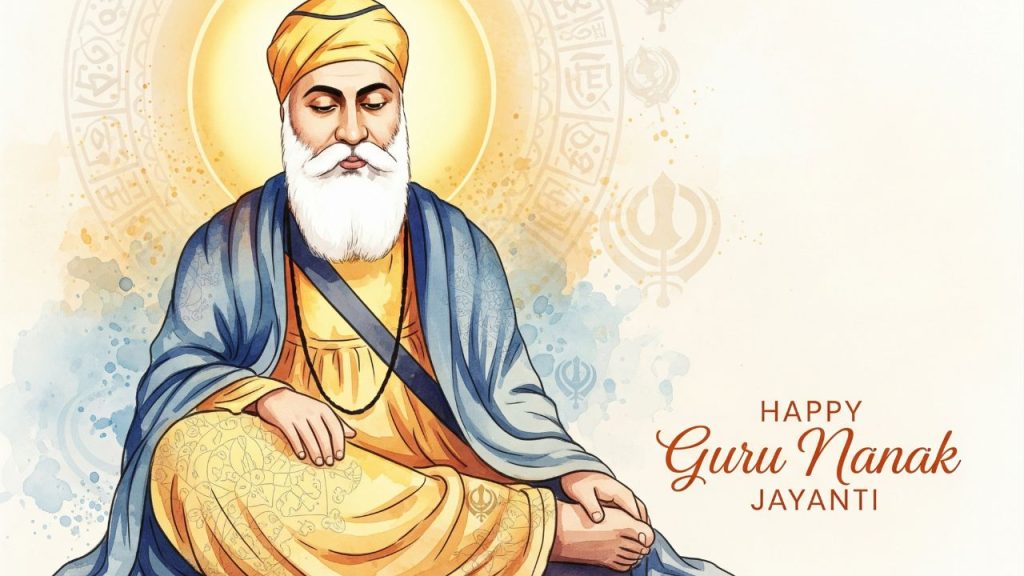
Guru Nanak Jayanti is one of the most cherished festivals in Sikhism, celebrated with immense devotion and joy across India and by the Sikh diaspora worldwide. It marks the birth anniversary of Guru Nanak Dev Ji, the first Sikh Guru, whose teachings laid the foundation of Sikhism. The festival holds profound spiritual and cultural significance, symbolizing the values of equality, compassion, and universal brotherhood.
Celebrations span across the country, with Punjab being the epicenter of festivities, while cities worldwide with Sikh communities, including London, Toronto, and New York, host vibrant events and gatherings. The day is also known as Gurpurab or Prakash Utsav, emphasizing the enlightenment and wisdom that Guru Nanak Dev Ji brought into the world.
The festival falls on Kartika Purnima, the full moon day in the month of Kartika, according to the Sikh calendar, which typically occurs in October or November. On this day, devotees gather in Gurdwaras, sing hymns, participate in processions, and engage in acts of service, making it a time of both spiritual reflection and communal bonding.
Guru Nanak Jayanti is not just a celebration of a historical figure; it is an occasion to introspect on his teachings and incorporate them into daily life. Its significance extends beyond religious boundaries, inspiring people to embrace humanity, social justice, and compassion. The festival offers a unique opportunity to experience collective devotion, strengthen community bonds, and immerse oneself in the universal message of peace and equality that Guru Nanak Dev Ji championed.
Life and Teachings of Guru Nanak Dev Ji
Guru Nanak Dev Ji’s life and teachings are central to understanding the essence of Guru Nanak Jayanti. Born in 1469 in Nankana Sahib, now in Pakistan, he displayed spiritual inclination and wisdom even as a child. His early life was characterized by curiosity, introspection, and a profound sense of justice, which later shaped his teachings.
Early Life and Childhood of Guru Nanak
From a young age, Guru Nanak demonstrated extraordinary awareness and a questioning mind, often contemplating the mysteries of life and the nature of God. Unlike others of his age, he displayed a keen sense of morality and a profound understanding of human suffering. These early experiences shaped his future path as a spiritual guide, emphasizing the importance of righteousness, humility, and empathy.
Spiritual Journey and Travels (Udasis)
Guru Nanak embarked on extensive journeys known as Udasis, traveling across India, Tibet, Sri Lanka, and the Middle East to spread his message of love, equality, and devotion to God. During these travels, he engaged with people from diverse cultures, religions, and social backgrounds, challenging societal norms, caste barriers, and religious orthodoxy. These journeys helped establish a universal message of spirituality that transcends regional, cultural, and religious divides.
Core Teachings: Equality, Compassion, and Devotion
Guru Nanak Dev Ji’s teachings revolved around the principles of equality, compassion, and devotion to God. He rejected social discrimination based on caste, creed, or gender and advocated for a society rooted in fairness, justice, and mutual respect. His emphasis on compassion highlighted the importance of helping others, caring for the needy, and living a life aligned with truth and honesty. Devotion, as per his teachings, was not limited to rituals but expressed through righteous living, selflessness, and unwavering faith in God.
Philosophy of Selfless Service (Seva)
A defining aspect of Guru Nanak Dev Ji’s teachings is the concept of Seva, or selfless service. He encouraged followers to serve humanity without expectation, as a means to attain spiritual growth and societal harmony. This principle continues to inspire Sikhs to organize Langars, community kitchens, and charitable activities that reflect the essence of selfless contribution and social responsibility.
Relevance of His Teachings in Modern Society
Even today, Guru Nanak’s teachings resonate with universal values that address contemporary challenges. His vision of equality, interfaith harmony, social justice, and environmental consciousness remains highly relevant in a world seeking compassion and unity. By following his guidance, individuals and communities can cultivate empathy, spiritual fulfillment, and a profound sense of responsibility toward society.
Spiritual Significance of Guru Nanak Jayanti
Guru Nanak Jayanti is not merely a festive occasion but a profound spiritual observance that allows devotees to connect deeply with divine teachings. It serves as a reminder of Guru Nanak Dev Ji’s enlightened path and encourages reflection on the principles he advocated.
Commemoration of Guru Nanak’s Birth
The primary spiritual purpose of Guru Nanak Jayanti is to honor the birth of a soul who transformed spiritual consciousness. This day provides an opportunity to revisit the life and teachings of Guru Nanak Dev Ji, acknowledging the timeless wisdom he imparted. Devotees view this day as a moment to align their lives with his ideals, fostering moral integrity and spiritual awakening.
Reflection on His Teachings and Values
On this day, individuals are encouraged to meditate on Guru Nanak’s teachings of equality, humility, and devotion. Reflecting on these values allows devotees to cultivate inner strength, ethical living, and a compassionate outlook toward all beings. It is a time to integrate these timeless principles into personal and professional life, creating a harmonious and just society.
Promotion of Inner Peace and Mindfulness
Guru Nanak Jayanti emphasizes spiritual introspection and mindfulness. Devotees engage in prayer, meditation, and singing of Shabads to cultivate mental clarity, emotional balance, and inner peace. This spiritual engagement provides a respite from daily stress, nurturing a sense of serenity and purpose.
Influence on Sikhism and Other Faiths
The festival reinforces the foundation of Sikhism and inspires followers of other faiths to embrace tolerance, empathy, and universal love. Guru Nanak’s inclusive teachings bridge religious divides, highlighting the interconnectedness of humanity and the importance of respecting diverse spiritual paths.
Inspiration for Moral and Ethical Living
Guru Nanak Jayanti inspires individuals to lead morally upright lives. By internalizing his teachings, devotees are motivated to act ethically, help others selflessly, and promote social justice. The spiritual significance of this day lies in fostering a global community rooted in compassion, humility, and truth.
Rituals and Celebrations
The observance of Guru Nanak Jayanti is marked by vibrant rituals, devotional activities, and community involvement that bring together people from all walks of life. These celebrations highlight spiritual devotion, cultural richness, and the essence of community service.
Prabhat Pheris (Morning Processions)
Prabhat Pheris are morning processions that begin at dawn, with devotees singing hymns and spreading the message of Guru Nanak. These processions move through towns and villages, often accompanied by musical instruments and devotional chants, symbolizing the light of knowledge dispelling darkness. Participation in Prabhat Pheris allows devotees to engage collectively in spiritual reflection and community bonding.
Singing of Shabads (Holy Hymns) in Gurdwaras
The recitation and singing of Shabads from the Guru Granth Sahib is central to Guru Nanak Jayanti celebrations. These hymns convey messages of devotion, ethical living, and spiritual enlightenment. Devotees actively participate in Kirtans, allowing the harmonious blend of melody and spirituality to uplift hearts and minds, creating a deeply immersive devotional experience.
Lighting of Lamps and Decoration of Temples
Gurdwaras and homes are adorned with lamps, flowers, and colorful decorations. This act symbolizes spiritual illumination, guiding individuals toward knowledge and divine wisdom. Decorations serve as a visual expression of reverence, creating an atmosphere conducive to contemplation, prayer, and celebration.
Langar (Community Meal) and Seva
Langar, a hallmark of Sikh practice, embodies the principle of equality and selfless service. During Guru Nanak Jayanti, large community meals are prepared and served to all visitors, irrespective of social status, caste, or religion. Participation in Langar exemplifies humility, charity, and communal harmony, fostering inclusiveness and compassion.
Reading from Guru Granth Sahib
Continuous reading of the Guru Granth Sahib during the festivities highlights devotion, learning, and spiritual reflection. These readings allow devotees to engage deeply with the Guru’s teachings, inspiring ethical conduct, moral responsibility, and spiritual growth. The recitation creates a collective sense of devotion, reinforcing the festival’s spiritual essence.
Guru Nanak Jayanti in Gurdwaras
Gurdwaras serve as the epicenter of Guru Nanak Jayanti celebrations, facilitating spiritual connection, fostering communal harmony, and promoting devotion to the divine teachings. They provide a sacred space where rituals, prayers, and charitable acts converge to honor the Guru’s legacy.
Special Prayers and Kirtan Sessions
On Guru Nanak Jayanti, Gurdwaras organize extended prayer sessions and Kirtans, where Shabads are sung to create a spiritual ambiance. These sessions cultivate a collective sense of devotion and reflection, allowing attendees to form a profound connection with the Guru’s teachings.
Community Gatherings and Sermons
Devotees gather to listen to sermons that elucidate Guru Nanak Dev Ji’s life, philosophy, and relevance. These gatherings strengthen community bonds, encourage discussions on ethical living, and motivate attendees to incorporate the Guru’s wisdom into their daily lives.
Role of Gurdwaras in Spreading Awareness of Teachings
Gurdwaras act as centers for education and spiritual guidance. During Guru Nanak Jayanti, they play a pivotal role in spreading awareness of the Guru’s teachings, hosting workshops, discourses, and educational activities that highlight the relevance of his principles in modern society.
Importance of Gurdwara Decorations and Processions
Decorations, illuminations, and processions in and around Gurdwaras enhance the festive spirit and symbolize reverence for the Guru. These visual elements attract devotees, engage communities, and inspire participation, making the festival a holistic spiritual and cultural experience.
Hosting and Organizing Charitable Activities
Gurdwaras facilitate charitable acts such as feeding people experiencing poverty, providing educational support, and organizing community services. These activities reflect the core principle of Seva, fostering a culture of generosity, empathy, and social responsibility, which is central to Guru Nanak Dev Ji’s teachings.
Cultural Importance
Guru Nanak Jayanti transcends religious boundaries and is a festival that celebrates the richness of culture, community, and spiritual values. While rooted in Sikh tradition, it reflects universal ideals that resonate with people from diverse backgrounds.
Celebration as a Festival of Unity and Peace
The festival is a powerful symbol of unity, bringing together people of all communities, castes, and ages. Public processions, Kirtans, and gatherings emphasize peaceful coexistence, harmony, and mutual respect. Participating in these events strengthens social bonds and fosters the collective celebration of values that transcend religious boundaries.
Promoting Values of Equality and Social Harmony
Guru Nanak Dev Ji’s teachings form the core of the festival, promoting equality and fairness. During the celebrations, Langars and charitable activities embody these values, ensuring that everyone, regardless of status, is treated with respect and dignity. These acts encourage a society based on fairness, justice, and empathy.
Role in Connecting Sikh Diaspora with Heritage
For Sikh communities living abroad, Guru Nanak Jayanti serves as a vital link to cultural roots and traditions. It allows the diaspora to preserve heritage, share their values with younger generations, and strengthen their spiritual identity while living in diverse societies.
Cultural Programs, Folk Songs, and Storytelling
Festivals include cultural performances, storytelling, and folk songs that narrate Guru Nanak’s life and teachings. These activities make learning about his values engaging and memorable, connecting participants with history and tradition in a creative, interactive way.
Interfaith Celebrations and Community Bonding
The inclusive spirit of the festival encourages participation from people of all faiths. Interfaith events promote understanding, respect, and collaboration, turning Guru Nanak Jayanti into a celebration of humanity and shared values rather than a strictly religious observance.
Guru Nanak Jayanti Around the World
The influence of Guru Nanak Dev Ji’s teachings is global, and celebrations extend far beyond India, reflecting the widespread impact of Sikhism. The festival fosters a sense of belonging, unity, and shared spirituality among the Sikh diaspora.
Observances in Countries Like Canada, the UK, and the USA
Major Sikh communities in countries like Canada, the UK, and the USA observe Guru Nanak Jayanti with grand processions, community prayers, and cultural events. These celebrations not only honor the Guru’s birth but also introduce local communities to Sikh traditions, values, and spirituality.
Role of Sikh Communities in Global Celebrations
Sikh communities worldwide play an active role in organizing events, conducting Kirtans, and running Langars. Their efforts ensure that the festival maintains authenticity while adapting to local cultural contexts, keeping traditions alive and relevant across generations.
International Recognition and Participation
Guru Nanak Jayanti has gained international recognition as an occasion of interfaith harmony and human values. Many local governments acknowledge the day, promoting awareness about Sikhism’s contributions to spiritual and social life, fostering global understanding and respect.
Integration of Local Culture in Celebrations
While maintaining core religious practices, celebrations abroad often integrate elements of local culture, such as music, food, and community engagement styles. This adaptation helps make the festival relatable while spreading the Guru’s message of equality, compassion, and unity.
Raising Awareness About Sikh Philosophy Worldwide
Global celebrations provide a platform to share the universal teachings of Guru Nanak Dev Ji. By participating in community events, educational programs, and public gatherings, people from different faiths and backgrounds gain insight into principles of justice, service, and spiritual devotion.
Lessons from Guru Nanak Dev Ji
Guru Nanak Dev Ji’s teachings are timeless, offering lessons that continue to guide humanity in ethical, spiritual, and social dimensions. His principles are applicable in daily life, promoting personal growth and societal harmony.
Importance of Truthfulness and Honesty
Guru Nanak emphasized living a life rooted in truth and honesty. Ethical behavior, transparency, and integrity form the foundation of spiritual and personal fulfillment. By adhering to these principles, individuals cultivate trust, respect, and meaningful relationships in every aspect of life.
Value of Selfless Service and Humility
The concept of Seva, or selfless service, is central to Guru Nanak’s philosophy. Engaging in acts of kindness, helping the needy, and serving the community without expecting rewards fosters humility, compassion, and a sense of social responsibility.
Spiritual Enlightenment Through Meditation and Prayer
Meditation, prayer, and devotion are crucial for spiritual growth, according to Guru Nanak. Regular spiritual practices allow individuals to reflect on their purpose, achieve inner peace, and connect with a higher consciousness, leading to balanced and meaningful living.
Promoting Social Justice and Equality
Guru Nanak challenged social discrimination and advocated for equality across caste, gender, and religion. Following his teachings encourages active participation in building a fair society, where justice, fairness, and respect for all are upheld.
Living a Life of Compassion and Tolerance
Compassion, empathy, and tolerance are cornerstones of Guru Nanak Dev Ji’s message. Practicing these values strengthens communities, resolves conflicts, and promotes peaceful coexistence, making them essential qualities for individuals and society.
Modern Relevance of Guru Nanak Jayanti
Guru Nanak Jayanti holds significant relevance, reminding us of universal values and ethical living. The festival encourages reflection on societal challenges and guides contemporary life.
Encouraging Acts of Kindness and Charity
The celebration inspires practical engagement in social welfare. Through charity, volunteering, and community support, individuals embody the Guru’s teachings, fostering empathy and strengthening communal bonds.
Strengthening Moral and Spiritual Values
Guru Nanak Jayanti reinforces ethical conduct, moral courage, and spiritual awareness. Observing the festival offers an opportunity to evaluate personal values, improve behavior, and cultivate integrity, honesty, and ethical decision-making in everyday life.
Connecting Younger Generations with Sikh Traditions
The festival plays a vital role in transmitting Sikh heritage to younger generations. Cultural programs, storytelling, and community participation ensure that youth understand and internalize the Guru’s teachings while fostering respect for tradition and cultural identity.
Promoting Global Message of Peace and Harmony
Guru Nanak Jayanti advocates universal peace, tolerance, and harmony. Celebrations across nations create awareness of these values, encouraging individuals to contribute to a world rooted in compassion, justice, and mutual respect.
Reflection on Environmental and Social Responsibility
Modern observances increasingly emphasize environmental consciousness, community welfare, and sustainable practices. By aligning celebrations with social and ecological responsibility, the Guru’s teachings remain relevant to pressing contemporary challenges.
Reflections and Parting Thoughts
Guru Nanak Jayanti is more than a festival; it is a profound reminder of spiritual values, ethical living, and community service. Observing this day allows individuals to connect deeply with the timeless teachings of Guru Nanak Dev Ji. The essence of the celebration lies in reflecting on his life, spreading compassion, and practicing humility, honesty, and devotion. Participation in rituals, prayers, and charitable activities ensures that the teachings of equality, social justice, and selfless service are not only remembered but lived.
The festival also fosters a sense of unity and collective purpose. Whether celebrated in Gurdwaras or through global community gatherings, Guru Nanak Jayanti strengthens bonds among people of all backgrounds, inspiring collaboration, understanding, and peace.
Ultimately, the day serves as a call to integrate Guru Nanak Dev Ji’s wisdom into daily life, encouraging personal growth, social responsibility, and a commitment to moral and spiritual excellence. Through devotion, reflection, and service, the festival transforms spiritual teachings into actionable values, enriching both individuals and society as a whole.