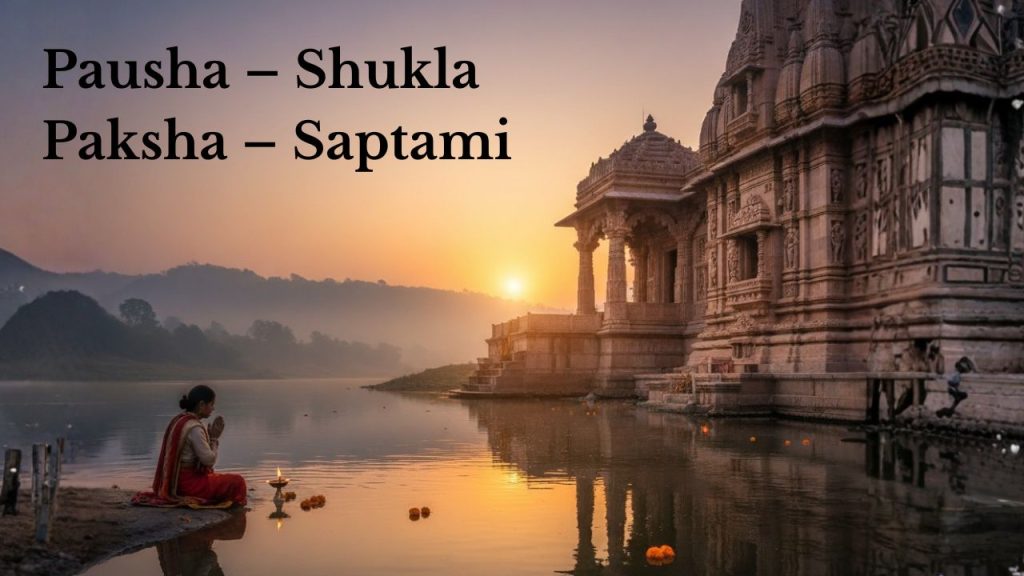
Importance of Saptami in Shukla Paksha in Pausha
Saptami, the seventh day of the Hindu lunar calendar, holds significant spiritual and cultural importance. Occurring in the Shukla Paksha, or the waxing moon phase, Saptami is a time when energy is believed to be rising, making it ideal for performing rituals and spiritual practices. In the month of Pausha, which falls between December and January, Saptami carries unique cultural significance due to its association with winter festivities and religious observances.
This day is regarded as highly auspicious for various Hindu rituals, including fasting, prayers, and offerings to deities. Saptami is often observed with special care and devotion, as the seventh day is considered to symbolize balance, harmony, and progress. Its placement in Shukla Paksha signifies the gradual increase of positive energy, which is believed to support spiritual growth and personal transformation.
In Pausha, Saptami aligns with seasonal changes, marking a period when devotees seek blessings for prosperity, health, and spiritual well-being. Daily routines on this day are often adjusted to accommodate prayers and rituals that honor the moon, Sun, and other deities. By observing Saptami thoughtfully, individuals reinforce their connection with the divine, nature, and the rhythm of the lunar cycle. The combination of Shukla Paksha’s rising energy and Pausha’s seasonal significance makes Saptami a day of reflection, devotion, and renewed purpose.
Meaning of “Saptami” in the Hindu lunar calendar
The term “Saptami” derives from the Sanskrit word “Sapta,” meaning seven, representing the seventh day of the lunar fortnight. In Hindu tradition, each day of the lunar month carries distinct energy and significance, and Saptami stands out as a day of spiritual discipline and devotion. This day is often associated with strengthening mental clarity, focusing on goals, and performing acts that promote balance in life. Historically, Saptami has been associated with religious ceremonies, particularly those that invoke the blessings of the Sun God, Lord Surya, and the Goddess Durga. Devotees believe that observing rituals on this day enhances spiritual energy, clears obstacles, and promotes overall well-being.
Definition of Shukla Paksha (waxing moon phase)
Shukla Paksha refers to the period of the lunar month when the moon transitions from the new moon (Amavasya) to the full moon (Purnima). This phase symbolizes growth, positivity, and increasing energy, making it a highly auspicious time for performing religious ceremonies, starting new ventures, and engaging in spiritual practices. Shukla Paksha is considered ideal for cultivating inner strength, developing discipline, and seeking blessings from deities. Each day within this phase has a specific spiritual significance, with Saptami being a day that encourages balance and alignment with divine energies.
Position of Saptami in the month of Pausha (December–January)
In the Pausha month, Saptami falls during the early part of the Shukla Paksha, when the moon begins its ascent toward fullness. Pausha, marking the winter season, is a time of introspection, devotion, and preparation for upcoming harvest celebrations. Saptami in this month is often celebrated with rituals aimed at invoking prosperity, health, and spiritual growth. Its position in the waxing phase enhances the impact of prayers and offerings, as the increasing lunar energy supports positive outcomes in personal and spiritual endeavors.
Overview of its spiritual and cultural significance
Spiritually, Saptami represents harmony, balance, and a focused approach to devotion. It is seen as a day when energy levels are conducive to meditation, worship, and self-discipline. Culturally, Saptami is observed with a variety of customs and practices across India, including temple visits, fasting, and community gatherings. These observances strengthen social and familial bonds while fostering a sense of spiritual purpose. The day embodies the interplay between cosmic energy and human action, highlighting the importance of aligning personal efforts with divine rhythms.
Connection of Saptami with Hindu daily rituals
Daily routines on Saptami often incorporate rituals like Surya Namaskar, recitation of sacred texts, and offerings to deities. Devotees adjust their schedules to include meditation, fasting, and acts of charity. The day encourages mindfulness, discipline, and reflection, reinforcing the connection between the lunar calendar and daily life. Saptami acts as a reminder to harmonize personal energy with the natural and spiritual cycles, emphasizing the integration of devotion into everyday living.
Understanding Shukla Paksha
Shukla Paksha, the waxing moon phase, is a critical aspect of the Hindu lunar calendar. It spans from Amavasya (new moon) to Purnima (full moon) and represents growth, positivity, and spiritual ascent. Observing Saptami during this phase is particularly auspicious because the moon’s energy is believed to be increasing, thereby supporting personal and spiritual progress. This period encourages the initiation of new projects, engagement in devotional practices, and acts that promote overall well-being.
Shukla Paksha serves as a symbolic reminder of life’s progressive nature. Just as the moon gradually becomes full, human efforts and intentions grow when aligned with cosmic energy. Each day within this phase carries its unique significance, with Saptami emphasizing balance, discipline, and the fulfillment of spiritual duties. Observances during this period are designed to enhance both inner growth and outward prosperity, making it a cornerstone of Hindu religious practices.
Definition and duration of Shukla Paksha
Shukla Paksha spans approximately 15 days, beginning with the new moon and concluding with the full moon. During this period, the moon’s visible portion gradually increases, reflecting the symbolic rise of positive energy and spiritual light. Each day, or tithi, has specific attributes and recommended activities. The duration of Shukla Paksha is crucial for planning rituals, festivals, and auspicious events. It provides a structured framework for spiritual practices, helping devotees synchronize their actions with cosmic cycles.
Difference between Shukla Paksha and Krishna Paksha
The lunar month in Hindu tradition is divided into two halves: Shukla Paksha (waxing moon) and Krishna Paksha (waning moon). While Shukla Paksha symbolizes growth, positivity, and abundance, Krishna Paksha represents introspection, release, and reflection. Shukla Paksha is ideal for initiating endeavors, performing rituals, and seeking blessings, whereas Krishna Paksha focuses on letting go, resolving past challenges, and preparing for renewal. Understanding these differences helps devotees align activities with the natural rhythm of lunar energy.
Spiritual symbolism of the waxing moon phase
The waxing moon symbolizes increasing energy, clarity, and spiritual potential. In Hindu philosophy, this phase encourages personal growth, the accumulation of knowledge, and the deepening of devotion. Performing rituals during Shukla Paksha is believed to yield amplified spiritual benefits. Saptami, as the seventh day, emphasizes balance and harmony, serving as a checkpoint for aligning intentions with spiritual goals. The symbolism encourages mindfulness, disciplined practices, and conscious engagement with divine forces.
Relevance of Shukla Paksha in Hindu festivals
Many Hindu festivals are strategically aligned with the Shukla Paksha to harness the positive lunar energy. Festivals such as Makar Sankranti, Ram Navami, and specific Puja observances are celebrated during this period. The waxing moon phase enhances the spiritual potency of rituals, amplifying prayers, offerings, and acts of devotion. Saptami in Shukla Paksha often coincides with preparatory rituals for larger festivals, ensuring that spiritual energy is cultivated before major celebrations.
Impact on auspicious days and rituals
Shukla Paksha influences the determination of auspicious days, or muhurats, for weddings, religious ceremonies, and new ventures. The increasing lunar energy is considered favorable for starting new projects, making financial decisions, and performing religious rites. Saptami, being a day of balance within this phase, is particularly suitable for rituals that seek harmony, prosperity, and protection from obstacles. Aligning important activities with Shukla Paksha ensures that natural cosmic rhythms support and enhance these actions.
Astronomical Perspective of Saptami
From an astronomical standpoint, Saptami is observed when the moon completes seven tithis or lunar days after Amavasya. This day is carefully calculated according to the lunar calendar, taking into account the moon’s position relative to the Sun and Earth. The waxing phase on Saptami ensures that lunar energy is steadily increasing, providing a harmonious backdrop for spiritual and cultural practices. This perspective underscores the intrinsic connection between celestial movements and daily human life.
The moon’s position on Saptami often aligns with specific Nakshatras, or constellations, which further enhances its significance. Ancient Hindu texts meticulously document these alignments, highlighting the effect of lunar phases on energy, mood, and auspicious timings. Observing the astronomical aspects of Saptami is not merely a ritualistic practice but a reflection of humanity’s age-old understanding of celestial influence on earthly life.
Calculation of Saptami in the lunar calendar
Saptami is the seventh lunar day after the new moon in the Shukla Paksha. Calculation involves determining the precise tithi, which may vary slightly based on local sunrise and sunset timings. Hindu Panchangs or almanacs provide detailed schedules, indicating when Saptami begins and ends. Accurate calculation is essential, as the efficacy of rituals, fasting, and worship depends on performing them within the correct tithi. Devotees rely on Panchangs to align daily life with celestial cycles.
Position of the moon on Saptami
On Saptami, the moon is visible as a crescent that has grown larger than the previous days of Shukla Paksha. This gradual increase symbolizes growth, prosperity, and spiritual ascension. The moon’s light on this day is considered particularly auspicious for meditation, worship, and community gatherings. Observing the moon’s position helps devotees synchronize their spiritual activities with cosmic energy, maximizing the benefits of rituals.
Relation to Nakshatras (constellations)
Nakshatras are the 27 lunar constellations in Hindu astrology that govern the timing and significance of tithis. On Saptami, the moon’s alignment with a specific Nakshatra can influence the nature of spiritual practices, auspicious timings, and the outcomes of rituals. Certain Nakshatras enhance devotion, while others may emphasize prosperity or protection. Understanding this relation allows devotees to perform rituals in harmony with celestial rhythms, ensuring alignment with cosmic energies.
Effect of moon phase on spiritual activities
The waxing moon phase amplifies spiritual energy, making meditation, pujas, and acts of charity more effective. Saptami, situated within this ascending phase, is ideal for initiating devotional practices or performing complex rituals. The moon’s increasing brightness symbolizes clarity, wisdom, and positive transformation, creating an environment conducive to inner growth. Spiritual activities conducted on this day are believed to have lasting impacts, fostering harmony and balance in life.
Observational practices for devotees
Devotees often observe Saptami with rituals that involve moon gazing, prayer, and lighting lamps. Special attention is given to chanting mantras, offering flowers, and performing charity. Observational practices also include noting natural phenomena, such as the moon’s glow and position, which are believed to influence the efficacy of spiritual practices. These traditions reflect a profound understanding of how celestial events influence daily life, fostering mindfulness and cosmic alignment.
Mythological Significance of Saptami
Saptami is rich in mythological importance, often linked to revered Hindu deities. It is particularly associated with Lord Surya, the Sun God, and Goddess Durga. These deities represent energy, vitality, and protection, making Saptami a day to honor divine forces that sustain life and uphold cosmic order. Ancient legends narrate how performing rituals on Saptami pleases these deities, ensuring blessings, health, and prosperity.
Mythological stories depict Saptami as a day that balances spiritual discipline with worldly responsibilities. Tales from the Puranas and epics describe devotees who attained success, protection, or divine favor by observing Saptami rituals. These narratives emphasize the interconnectedness of cosmic order, human effort, and divine grace. Understanding the mythological significance helps devotees approach the day with reverence, intention, and mindfulness, transforming routine observances into meaningful spiritual practices.
Connection with Hindu deities like Surya and Durga
Lord Surya, the Sun God, symbolizes life force, energy, and health. Worshipping Surya on Saptami is believed to enhance vitality, courage, and mental clarity. Similarly, Goddess Durga represents power, protection, and spiritual strength. Devotees perform rituals and offer prayers to seek blessings for overcoming obstacles and achieving success. These connections underline Saptami’s role as a day to honor divine energies that govern both physical and spiritual well-being.
Famous legends associated with Saptami
Many legends recount miraculous events that occurred on Saptami. For instance, specific texts describe how devotion to Saptami led to the defeat of demons and the restoration of cosmic balance. Such stories inspire devotees to observe the day with sincerity and faith. Legends also illustrate the importance of aligning personal action with divine will, reinforcing the notion that disciplined devotion on Saptami yields tangible benefits.
Stories from epics and Puranas
Epics like the Ramayana and Mahabharata, as well as Puranas such as the Vishnu and Markandeya Puranas, mention Saptami in the context of significant events. These texts highlight acts of bravery, devotion, and spiritual awakening linked to Saptami observances. By studying these stories, devotees gain insight into the historical and cultural depth of Saptami, enriching their understanding and practice of rituals.
Symbolism of Saptami in mythology
In mythology, Saptami symbolizes balance, order, and progression. It represents the harmonization of earthly and spiritual pursuits, encouraging devotees to maintain discipline while nurturing devotion. The number seven itself carries symbolic meaning, often associated with completeness, spiritual enlightenment, and cosmic cycles. This symbolism guides devotees in performing rituals that align personal and celestial energies.
Influence on rituals and celebrations
Mythological associations shape the way Saptami is celebrated across regions. Rituals may include fasting, worship of specific deities, and community ceremonies that reinforce cultural traditions. Celebrations often combine spiritual practice with social engagement, reflecting the holistic importance of Saptami. The influence of these mythological narratives ensures that rituals are performed with understanding, devotion, and reverence, creating a meaningful spiritual experience.
Cultural Importance of Saptami in Pausha
Culturally, Saptami during Pausha is observed with unique traditions, customs, and communal activities. The day often includes family gatherings, temple visits, and participation in seasonal festivals. Regional variations highlight the diversity of practices across India, yet all share the common theme of devotion, reflection, and alignment with lunar energy. Cultural observances provide a framework for preserving heritage while nurturing spiritual and social bonds.
Saptami rituals in Pausha often coincide with harvest cycles, winter festivals, and preparations for larger religious celebrations. The day emphasizes collective well-being, community support, and continuity of tradition. Families and communities engage in storytelling, sharing mythological tales, and performing acts of charity. These activities not only reinforce spiritual values but also strengthen social cohesion and cultural identity.
Regional traditions during Pausha Saptami
Different regions of India celebrate Pausha Saptami with distinct customs. In some areas, it is associated with Surya worship, while in others, Durga or local deities receive special offerings. Festivals may include singing devotional songs, preparing traditional foods, and organizing temple processions. These regional practices highlight the adaptability and richness of Hindu culture, ensuring that Saptami remains relevant and meaningful across diverse communities.
Folk practices and customs
Folk practices during Saptami include storytelling, performing folk dances, and enacting mythological dramas. Communities often engage in rituals that combine spiritual observance with entertainment, making the day accessible and engaging for all ages. Customs such as distributing food, lighting lamps, and offering prayers reinforce social values of generosity, respect, and harmony. These practices ensure that Saptami is celebrated not only as a religious event but also as a cultural festival.
Special fairs or events linked to Saptami
Many regions host fairs and community events on Pausha Saptami, providing opportunities for social interaction and cultural expression. These gatherings may include markets, musical performances, and religious ceremonies, fostering a sense of togetherness and shared spiritual experience. Participation in such events strengthens community ties and preserves traditional knowledge, linking present-day observances with historical practices.
Cultural rituals involving family and community
Family rituals play a central role in Saptami celebrations. Families often gather for joint prayers, meals, and storytelling sessions. Community temples organize collective worship, emphasizing unity and shared devotion. These cultural rituals foster intergenerational connections, teaching younger members about heritage, values, and spiritual practices. They reinforce the importance of collective observance, ensuring that traditions continue with meaning and purpose.
Integration with harvest and seasonal cycles
Pausha Saptami often coincides with the winter season, when harvest activities are concluded and preparations for the new agricultural cycle begin. Rituals performed during this period seek blessings for prosperity, abundant crops, and protection from natural challenges. The integration of Saptami observances with seasonal cycles highlights the practical and symbolic relevance of the day, linking spiritual devotion with everyday life and ecological awareness.
Religious Observances and Rituals
Saptami in Shukla Paksha is a day marked by spiritual devotion and precise religious practices. Observing rituals on this day is believed to invite divine blessings, promote prosperity, and enhance personal well-being. Devotees focus on worship, meditation, and acts of charity, aligning themselves with the positive energy of the waxing moon. Pausha Saptami, in particular, provides a unique opportunity to combine seasonal observances with spiritual practices, reinforcing both cultural and religious significance.
Religious rituals on Saptami vary by region, temple tradition, and family custom, but the essence remains the same: honoring deities, fostering discipline, and cultivating spiritual awareness. The day is also considered ideal for performing rites that protect individuals from negative influences, ensure health and longevity, and strengthen familial and social bonds. Observing these practices regularly enhances mindfulness and creates a structured rhythm to devotional life, aligning daily actions with cosmic cycles.
Recommended pujas on Saptami
Pujas dedicated to Lord Surya, Goddess Durga, and local deities are most common on Saptami. Devotees perform Surya Arghya in the morning, offering water and prayers to the Sun God to seek vitality and prosperity. Durga Puja may include chanting mantras, delivering flowers, and lighting lamps to honor her protective and nurturing energy. Performing these rituals with devotion is believed to bring balance, ward off negativity, and enhance spiritual growth.
Fasting and dietary practices
Fasting on Saptami is considered highly beneficial. Some devotees observe a partial fast, consuming only fruits and milk, while others may undertake a strict fast until evening prayers are completed. Fasting is believed to purify the mind and body, enhancing spiritual receptivity. Special dishes, prepared with traditional ingredients, are offered to deities and later consumed as prasad, symbolizing divine blessings shared with family and community.
Worship of deities specific to Saptami
In addition to Surya and Durga, Saptami is associated with worship of regional deities, snakes (Nag Panchami traditions in some areas), and river goddesses. Devotees offer flowers, fruits, and incense, often accompanied by chanting specific hymns. Worship practices emphasize gratitude, devotion, and reverence, connecting human life with cosmic and natural forces.
Mantras and prayers for spiritual benefits
Reciting mantras such as “Om Suryaaya Namaha” or Durga stotras is considered especially auspicious on Saptami. These chants help focus the mind, enhance positive energy, and create a protective spiritual shield. Incorporating prayer into daily routines on this day strengthens mental clarity, emotional balance, and spiritual awareness.
Timing and method of observances
Observances are typically timed according to sunrise, moon position, and tithi schedules. Morning rituals are prioritized, aligning with Surya worship, while evening ceremonies often involve family gatherings, lamp lighting, and recitations. Correct timing is essential, as Hindu scriptures emphasize that the efficacy of rituals depends on performing them within the auspicious window.
Significance of Saptami for Health and Well-being
Saptami is not only spiritually significant but also closely tied to mental, physical, and emotional well-being. The waxing moon phase is believed to enhance vitality, energy, and overall balance. Observing fasting, prayer, and meditation on this day contributes to both spiritual and physical purification. Ayurveda and traditional Hindu wisdom recognize the influence of lunar phases on bodily rhythms, emphasizing the holistic benefits of aligning human activity with cosmic cycles.
Devotees often find that Saptami provides an opportunity to reset their energy, focus on health, and reflect on personal goals. By combining spiritual observance with mindful practices, individuals can harmonize their internal state with the external environment, fostering mental clarity, emotional stability, and resilience. Observances also encourage community involvement and acts of charity, reinforcing social well-being alongside personal growth.
Spiritual benefits for mental peace
Meditation, chanting, and prayer on Saptami support mental clarity and emotional stability. The positive lunar energy during Shukla Paksha enhances concentration and mindfulness, allowing devotees to release stress and cultivate inner calm. Spiritual practices performed on this day are believed to alleviate anxiety, encourage self-reflection, and foster a sense of connectedness with the universe.
Connection with physical health in Ayurvedic texts
Ayurveda highlights the link between lunar phases and bodily functions. Observing Saptami fasting or following light, sattvic diets can improve digestion, detoxify the body, and balance internal energies. Traditional practices such as Surya Namaskar or yoga performed during the morning enhance circulation, vitality, and overall wellness. This integration of spiritual discipline and physical health demonstrates the holistic nature of Saptami observances.
Influence of lunar phase on body and mind
The waxing moon increases energy, motivation, and mental alertness. Saptami, positioned in Shukla Paksha, is especially favorable for initiating new health routines, engaging in physical activity, and maintaining mental discipline. Observing the day with mindfulness aligns body and mind with natural rhythms, improving overall vitality and resilience.
Fasting and detox practices
Fasting on Saptami not only purifies the spirit but also aids physical detoxification. Consuming simple foods, herbal drinks, and fruits allows the digestive system to rest while promoting mental focus. Rituals combined with fasting create a balanced approach to well-being, integrating spiritual, cognitive, and physical health in a single observance.
Positive energy and prosperity aspects
Engaging in Saptami rituals enhances positive energy in homes and communities. The day is associated with prosperity, abundance, and protection from negativity. Devotees report increased mental clarity, emotional stability, and a sense of purpose, illustrating the powerful connection between spiritual observance and overall well-being.
Saptami and Auspicious Activities
Saptami is considered ideal for initiating activities that require positive energy and divine blessings. The waxing moon phase provides a supportive environment for new ventures, financial decisions, spiritual practices, and family ceremonies. Aligning necessary actions with Saptami ensures that efforts are reinforced by cosmic energy, increasing the likelihood of success and harmony.
The day encourages reflection, planning, and intentional action. Auspicious activities performed on Saptami benefit from the symbolic growth of the moon, representing the gradual fulfillment of goals and the accumulation of positive outcomes. Devotees often combine spiritual practices with practical activities, creating a holistic approach to personal, familial, and community life.
Initiating new ventures on Saptami
Starting new projects, businesses, or educational endeavors on Saptami is believed to attract prosperity and positive outcomes. The growing lunar energy symbolizes expansion, progress, and success. Devotees often consult Panchangs to identify the most favorable muhurats, ensuring alignment with cosmic rhythms for optimal results.
Significance for marriages, ceremonies, and rituals
Saptami is considered an auspicious day for weddings, naming ceremonies, and other family rituals. The day’s energy supports harmony, commitment, and long-term stability. Families often plan key religious ceremonies on this day to benefit from the spiritual alignment of Shukla Paksha and Pausha Saptami.
Choosing auspicious timings (muhurat)
Correct timing is crucial for performing rituals or initiating essential activities. Hindu almanacs provide detailed schedules indicating the most favorable periods for Saptami observances. Aligning activities with these timings enhances their effectiveness, ensuring that endeavors receive both spiritual and cosmic support.
Business and financial activities on Saptami
Saptami is also considered favorable for financial decisions, investments, and business openings. The positive lunar influence encourages strategic thinking, prudent decision-making, and steady growth. Observing the day with proper rituals adds a spiritual dimension to material pursuits, creating a balance between worldly and spiritual success.
Spiritual practices for success and prosperity
Incorporating prayer, charity, and meditation into daily life on Saptami supports overall prosperity. Devotees often perform acts of kindness, offer donations, and recite mantras to attract positive energy. These practices reinforce the principle that spiritual alignment enhances both personal growth and worldly achievements.
Popular Festivals and Celebrations
Saptami in Pausha is closely linked to various festivals and regional celebrations across India. The day often serves as a focal point for devotional activities, community gatherings, and traditional ceremonies. Festivals during Saptami combine spiritual observance with cultural expression, providing opportunities for social engagement, storytelling, and collective worship.
These celebrations strengthen community bonds and preserve cultural heritage. Regional variations reflect local beliefs, climate, and historical practices, demonstrating the richness of Hindu traditions. Participation in Saptami festivals provides a shared sense of devotion and joy, highlighting the importance of cultural continuity and communal involvement.
Notable Saptami festivals in Pausha
Certain festivals, such as Surya Jayanti or specific Durga Puja observances, are celebrated on Saptami in the month of Pausha. These events often include temple rituals, processions, and devotional performances. Participation in these festivals allows devotees to experience the spiritual and cultural depth of the day while fostering community engagement and learning.
Regional variations in rituals
Across India, Saptami is celebrated differently in Maharashtra, Bengal, Gujarat, and other regions. Some emphasize Surya worship, while others focus on local deities or seasonal rituals. These variations showcase the adaptability and richness of Hindu cultural practices, ensuring that Saptami remains relevant and meaningful across diverse communities.
Historical and contemporary celebrations
Historical accounts describe elaborate Saptami rituals performed in temples, palaces, and homes. Today, many of these traditions continue, often blending modern practices with ancient customs. Public events, cultural programs, and religious gatherings reflect a harmonious combination of devotion, education, and community celebration.
Community gatherings and temple events
Collective worship, bhajan sessions, and community feasts often mark Saptami. These gatherings foster social cohesion, intergenerational learning, and cultural continuity. Participation encourages devotion while reinforcing the importance of collective spiritual practice.
Connection with other lunar festivals
Saptami’s observances often align with or precede larger festivals such as Makar Sankranti or regional harvest celebrations. This alignment ensures that the spiritual energy cultivated on Saptami supports broader festive activities, enhancing both personal and communal spiritual experiences.
Modern Relevance of Saptami
Even in contemporary times, Saptami continues to hold significant relevance. While lifestyles and daily routines have evolved, the core principles of spiritual alignment, balance, and devotion remain central. Observing Saptami provides a structured opportunity to pause, reflect, and realign with personal and spiritual goals, fostering mindfulness and holistic well-being.
Modern practices often blend traditional rituals with practical considerations. For example, urban devotees may perform brief morning pujas, follow dietary guidelines, or engage in meditation and yoga. This approach ensures that the essence of Saptami is preserved while adapting to modern schedules and lifestyles. Beyond religious observance, Saptami encourages self-reflection, goal-setting, and community engagement, demonstrating timeless relevance.
Observing Saptami in contemporary times
Modern devotees integrate Saptami observances into daily routines, balancing work, family, and spiritual life. Morning prayers, meditation, and simple offerings maintain the spiritual essence while fitting into busy schedules. Even minimal observances are believed to bring positive energy, clarity, and alignment with cosmic rhythms.
Blending traditional rituals with a modern lifestyle
Technology and modern conveniences enable devotees to learn about rituals, perform online pujas, and access Panchangs digitally. These tools make Saptami accessible without compromising tradition. Families often combine cultural storytelling, music, and community activities, preserving heritage while embracing contemporary methods.
Spiritual practices for mindfulness and well-being
Saptami encourages meditation, mindful breathing, and reflection on personal growth. These practices support mental clarity, reduce stress, and enhance emotional balance. Integrating spiritual practices into daily life reinforces the connection between tradition and individual well-being.
Encouraging cultural awareness among younger generations
Observing Saptami provides an opportunity to teach younger generations about lunar cycles, mythology, and cultural practices. Storytelling, ritual participation, and community events foster appreciation for heritage, ensuring continuity of knowledge and devotion across generations.
Summary of the continuing importance of Saptami
Saptami in Shukla Paksha during Pausha remains a day of profound spiritual, cultural, and personal significance. Its observance encourages devotion, mindfulness, balance, and alignment with cosmic rhythms. By combining traditional rituals with modern adaptations, Saptami continues to offer a meaningful, enriching, and practical framework for spiritual growth, community engagement, and holistic well-being.