Tula Sankranti in Kartika: Understanding Its Importance
Definition and Literal Meaning of Tula Sankranti
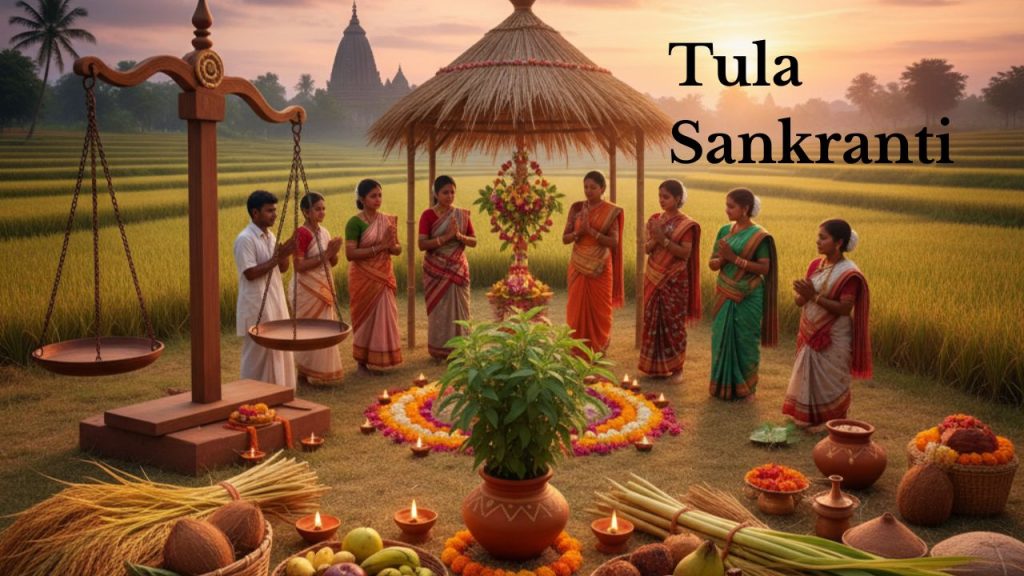
Tula Sankranti, also known as the Sun’s transition into the Libra zodiac (Tula Rashi), marks a significant astronomical and spiritual event in the Hindu calendar. The word “Tula” signifies balance or scales, while “Sankranti” refers to the movement or transit of the Sun from one zodiac sign to another. Essentially, Tula Sankranti is a day when the Sun enters Libra, symbolizing harmony, equilibrium, and the onset of a season that promotes balance in both nature and human life. Unlike ordinary days, this Sankranti holds deep spiritual and cultural significance as it aligns with cosmic cycles that influence earthly life.
Position in the Hindu Lunar Calendar (Kartika Month)
Tula Sankranti falls in the auspicious month of Kartika, which is revered for its spiritual purity and significance in Hindu traditions. Kartika, the eighth month in the lunar calendar, is characterized by heightened devotion, ritualistic observances, and temple festivities. The presence of Tula Sankranti in this month enhances its importance, making it a day for reflection, spiritual renewal, and the pursuit of balance in everyday life. Observing Tula Sankranti during Kartika is believed to amplify spiritual benefits and promote mental clarity, as this month itself is associated with heightened divine energy.
Connection with Sun’s Transition into Libra (Tula Rashi)
The Sun’s movement into Libra, the sign of balance, justice, and fairness, symbolizes the need for equilibrium in all aspects of life. Astrologically, this transition influences personality traits, emotional stability, and decision-making abilities. Libra represents impartiality and harmony, encouraging individuals to strike a balance between their actions, relationships, and responsibilities. This celestial event is not merely astronomical; it is also symbolic of the balance between light and darkness, action and reflection, and spiritual and material pursuits. It serves as a cosmic reminder to align life choices with principles of justice and mindfulness.
Overview of Cultural and Spiritual Relevance
Culturally, Tula Sankranti is celebrated with devotion and community involvement. Temples and households observe rituals to honor the Sun, express gratitude, and seek blessings for prosperity and well-being. Spiritually, it is a day to introspect, resolve conflicts, and embrace balance in relationships and responsibilities. By acknowledging the cosmic transition, people align their energies with natural rhythms, fostering harmony within themselves and with their surroundings. Tula Sankranti thus becomes a convergence of astronomical knowledge, cultural tradition, and spiritual practice.
Modern-Day Observance and Awareness
In contemporary times, Tula Sankranti continues to hold relevance, especially among those who observe Hindu rituals and astrology. Urban celebrations may include temple visits, charitable activities, and family gatherings, while rural communities emphasize agricultural cycles and seasonal adjustments. Awareness campaigns and online platforms now help people understand the significance of this day, blending ancient wisdom with modern practice. Observing Tula Sankranti today is not just a ritual; it is a conscious effort to harmonize life with the rhythms of the cosmos and maintain a balanced outlook in a fast-paced world.
Astrological Significance
Importance of the Sun’s Movement into Libra
The Sun’s entry into Libra represents a unique astrological shift that governs balance, relationships, and fairness. Libra, ruled by Venus, emphasizes harmony, beauty, and cooperation. When the Sun transits this sign, it influences human tendencies toward fairness, diplomacy, and intellectual clarity. Astrologically, this period is ideal for decision-making, resolving disputes, and initiating activities that require balanced judgment. By recognizing the Sun’s movement into Libra, individuals can align their actions with natural cosmic rhythms, enhancing their personal and professional lives.
Influence on Planetary Positions and Zodiac Signs
Tula Sankranti affects the positioning of planets in the zodiac, altering energy flows and their impact on human behavior. Certain zodiac signs experience favorable influences, while others may face challenges that encourage introspection and growth. Astrologers often advise specific rituals, mantras, and charity practices during this period to maximize positive outcomes. The transit serves as a celestial guide, helping people harness cosmic energies effectively to achieve spiritual and material goals.
Effect on Human Behavior and Emotions
This Sankranti is believed to bring emotional equilibrium. Individuals may feel an increased sense of responsibility, fairness, and empathy. Conflicts may be resolved more easily, and decision-making becomes more rational. The period encourages self-awareness, mindfulness, and emotional maturity, providing an opportunity to recalibrate personal relationships and life priorities.
Favorable Times for Rituals and Spiritual Practices
Astrologically, Tula Sankranti is considered highly auspicious for rituals, charity, and spiritual endeavors. Devotees often engage in sun worship, fasting, and pujas during the precise moment of transition, known as the ‘Sankranti Muhurat.’ Practices undertaken during this time are believed to yield amplified benefits, both spiritually and materially. Aligning spiritual practices with these cosmic timings enhances mindfulness and connection to universal energies.
Spiritual Importance
Connection with Balance, Justice, and Harmony
Spiritually, Tula Sankranti emphasizes the universal principle of balance. The Libra sign represents scales, symbolizing fairness and equilibrium in life. Observing this day reminds individuals to harmonize personal and professional responsibilities, resolve conflicts, and act with integrity. It is a period to reflect on life choices, evaluate karmic patterns, and pursue ethical living. Balance achieved during this period resonates beyond personal life, fostering harmonious interactions within families, communities, and society.
Significance in Hindu Dharma and Scriptures
Ancient scriptures and Hindu Dharma texts highlight Tula Sankranti as a spiritually significant day. It is considered a moment to honor the Sun, a symbol of knowledge, vitality, and divine energy. Puranic texts describe the day as favorable for performing virtuous deeds, donating to the needy, and seeking blessings for prosperity and longevity. Spiritual observances on this day help strengthen one’s connection with cosmic forces and promote inner purification.
Role in Promoting Self-Discipline and Mindfulness
Fasting, prayer, and meditation during Tula Sankranti cultivate self-discipline and mindfulness. These practices encourage individuals to restrain impulsive behavior, focus on inner growth, and nurture mental clarity. By dedicating time to spiritual reflection, one develops a stronger sense of purpose, patience, and resilience, enhancing both personal and interpersonal well-being.
Symbolism of Equilibrium in Life
Tula Sankranti symbolizes the equilibrium between material pursuits and spiritual aspirations. It is a reminder that true fulfillment arises from harmonizing worldly responsibilities with inner peace. By observing this day with intention, individuals align themselves with cosmic balance, promoting holistic well-being, spiritual growth, and emotional stability.
Rituals and Practices
Fasting and Vrat Observances
Fasting is a central aspect of Tula Sankranti, observed to purify the body and mind. Devotees often abstain from certain foods or maintain a strict diet, symbolizing self-restraint and discipline. This practice helps in detoxification, mental clarity, and spiritual focus. The vrat not only honors the Sun but also serves as a tool for self-discipline, fostering a mindful connection with the divine and natural cycles.
Performing Puja and Offerings to the Sun
Sun worship is a key ritual on Tula Sankranti. Devotees offer water, flowers, and incense to the Sun, often during sunrise, acknowledging its life-giving energy. Mantras such as the Gayatri or Surya Stotra are recited, invoking blessings for health, prosperity, and wisdom. Performing puja strengthens spiritual awareness and gratitude, reminding individuals of their connection to universal forces.
Charity and Helping the Needy
Tula Sankranti encourages acts of kindness and charity, emphasizing the spiritual merit of selfless giving. Donating food, clothes, or money to those in need creates positive karma and nurtures social harmony. Such practices reflect the principles of fairness, balance, and empathy, core to the spiritual essence of this Sankranti.
Visiting Temples and Holy Places
Pilgrimage and temple visits enhance the spiritual significance of the day. Devotees gather in temples dedicated to the Sun or associated deities, participating in community prayers and rituals. Visiting holy sites reinforces collective devotion, promotes cultural continuity, and provides a platform for spiritual learning and reflection.
Recitation of Mantras and Scriptures
Reciting sacred mantras, hymns, and scriptures during Tula Sankranti is believed to amplify spiritual benefits. Chanting elevates consciousness, purifies thoughts, and connects practitioners with cosmic energy. Consistent engagement with mantras and scriptural wisdom cultivates inner peace, strengthens spiritual discipline, and aligns personal energies with universal harmony.
Cultural Relevance
Regional Variations in Celebrations
Tula Sankranti is celebrated differently across India, reflecting regional traditions. In some areas, it is marked by grand temple rituals, while in others, it is a day for family gatherings and community events. These variations showcase the rich cultural tapestry of India and highlight how a single astronomical event can be woven into diverse cultural practices.
Folk Traditions and Community Gatherings
Folk songs, dances, and storytelling form an integral part of Tula Sankranti celebrations. Communities come together to share meals, perform traditional arts, and honor local customs. These practices reinforce social cohesion, preserve cultural heritage, and provide a sense of belonging and shared purpose among participants.
Role in Harvest and Seasonal Rituals
Kartika marks a transitional period in the agricultural calendar. Farmers observe Tula Sankranti as a time to honor the Sun, seek blessings for bountiful crops, and align agricultural activities with seasonal cycles. Rituals performed during this period ensure harmony with nature, reflecting a deep understanding of ecological balance embedded in cultural practices.
Festivals Associated with Tula Sankranti
Several regional festivals coincide with or are influenced by Tula Sankranti. These festivals blend astronomy, spirituality, and cultural expression, celebrating the Sun, justice, and balance. Participation in such festivities strengthens cultural identity, fosters community engagement, and reinforces the spiritual essence of the day.
Health and Well-being
Spiritual Practices Promoting Mental Balance
Tula Sankranti is not only spiritually significant but also contributes to mental and emotional wellness. Observing rituals, reciting mantras, and engaging in meditation during this time fosters mental clarity and emotional equilibrium. The practice of mindful reflection encourages individuals to let go of negativity and cultivate patience and compassion. By dedicating moments to connect with cosmic rhythms, one nurtures inner calm and strengthens resilience against daily stressors. These practices remind us that mental health is deeply intertwined with spiritual discipline and the conscious acknowledgment of natural cycles.
Ayurvedic Perspective on Seasonal Changes
From an Ayurvedic standpoint, the transition marked by Tula Sankranti influences bodily doshas and seasonal energy flows. Kartika, a month characterized by cooling energies after the monsoon, affects the balance of Vata and Pitta doshas. Observing fasting, consuming seasonal foods, and practicing moderation in diet and activity support physical and mental harmony. Ayurvedic guidance during this period emphasizes detoxification, digestive health, and nurturing immunity, ensuring that the body aligns with the changing environment.
Benefits of Fasting and Detoxification
Fasting, a key ritual of Tula Sankranti, is not only spiritually rewarding but also beneficial for physical health. It allows the digestive system to rest, improves metabolism, and promotes detoxification. Combined with mindful practices, fasting strengthens self-discipline and encourages a deeper awareness of bodily rhythms. The act of restraint cultivates self-control, enhances focus, and reinforces the principle of balance that lies at the core of this Sankranti.
Meditation and Yoga Practices During This Period
Integrating meditation and yoga during Tula Sankranti enhances overall well-being. Yoga postures aligned with Sun salutations energize the body, while meditation fosters mental clarity and spiritual insight. These practices harmonize body, mind, and soul, reflecting the cosmic equilibrium that the Sun’s transition into Libra symbolizes. Regular engagement during this period promotes holistic health, inner balance, and spiritual growth, preparing individuals to approach life with clarity and calm.
Tula Sankranti and Wealth
Auspicious Time for Starting New Ventures
Tula Sankranti is considered highly favorable for initiating financial or business ventures. The Sun’s entry into Libra brings balance and stability, which are crucial for decision-making and long-term planning. Starting projects during this period is believed to attract prosperity, minimize obstacles, and enhance success. Observing rituals before new undertakings aligns human efforts with cosmic energies, reinforcing confidence and clarity in financial decisions.
Significance in Financial Planning and Charity
This Sankranti emphasizes the principles of fairness and justice, not only in personal conduct but also in financial matters. Engaging in charitable acts, paying debts, or investing wisely during this period is said to yield positive karmic returns. Balancing income and expenditure, sharing wealth with the needy, and ensuring ethical financial practices reflect the essence of Libra’s scales. Such alignment fosters both spiritual satisfaction and material stability.
Performing Rituals for Prosperity and Abundance
Special rituals dedicated to the Sun and deities associated with wealth are commonly performed on Tula Sankranti. Offerings, prayers, and recitations create an environment conducive to abundance. These practices remind individuals that prosperity is not solely material but also encompasses harmony, relationships, and personal growth. By combining intention with action, devotees enhance the likelihood of holistic success.
Influence on Trade and Business Practices
Historically, Tula Sankranti has been observed as an auspicious day for trade, contracts, and financial negotiations. Traders and business communities align significant decisions with this period to harness a favorable cosmic influence. Ethical practices, fairness in dealings, and strategic planning during this time reinforce long-term prosperity while honoring the spiritual principles of balance and justice.
Environmental and Seasonal Aspect
Alignment with Seasonal Transitions in Kartika
Tula Sankranti coincides with a crucial seasonal transition, marking the transition from the monsoon to the cooler winter months. This shift affects agriculture, human activity, and energy patterns. Recognizing this natural rhythm through rituals and observances helps communities synchronize with environmental cycles. Awareness of seasonal changes enhances health, agricultural productivity, and overall well-being, highlighting the intimate connection between human life and nature.
Importance of Sun Exposure and Natural Cycles
Observing the Sun’s transition reinforces the significance of sunlight in daily life. Sun exposure supports Vitamin D synthesis, regulates circadian rhythms, and fosters physical vitality. Traditional rituals, such as offering water to the rising Sun, underscore the importance of connecting with natural cycles. These practices serve as reminders of humanity’s dependence on natural forces and the necessity of living in harmony with them.
Influence on Agriculture and Planting Activities
For agrarian communities, Tula Sankranti signals the end of one seasonal cycle and preparation for the next. Farmers align sowing, harvesting, and irrigation practices with cosmic and seasonal cues. Such observances ensure sustainable agriculture, reflecting a time-tested understanding of environmental balance. Seasonal rituals and festivals associated with Tula Sankranti also celebrate the bounty of nature, emphasizing gratitude and stewardship.
Seasonal Foods and Dietary Practices
Traditional dietary practices during Tula Sankranti emphasize seasonal foods that promote health and well-being. Cooling, nutrient-rich items such as ghee, fruits, and grains are consumed, while heavy or overly spiced foods are minimized. These practices help the body adapt to environmental changes and maintain balance. Observing dietary customs during this time integrates spiritual, physical, and ecological awareness, highlighting the holistic approach of ancient traditions.
Historical and Mythological References
Legends Associated with Tula Sankranti
Tula Sankranti is prosperous in mythological narratives. Ancient legends highlight the significance of Sun worship, karma, and righteous living. Stories emphasize how observing this day with devotion and balance leads to prosperity, wisdom, and spiritual advancement. These narratives serve as guiding principles, illustrating moral lessons and encouraging alignment with cosmic rhythms.
Stories from Puranas and Scriptures
Hindu scriptures such as the Skanda Purana and Padma Purana mention Tula Sankranti as a day of spiritual merit and auspicious deeds. Rituals, fasting, and charity are highlighted as practices that generate positive karma. Texts also describe the celestial significance of the Sun’s movement into Libra and its impact on human life, reinforcing the connection between cosmic events and human behavior.
Connection with Deities Linked to Libra and Sun
Deities associated with Tula Rashi, such as Surya (the Sun God) and Chandra (the Moon), are worshiped for wisdom, health, and balance. Temples dedicated to these deities witness special ceremonies during Tula Sankranti. Such practices reinforce devotion, gratitude, and spiritual discipline while fostering a sense of unity and continuity within communities.
Ancient Texts Emphasizing Rituals and Benefits
Classical texts detail the rituals, timing, and benefits of observing Tula Sankranti. Fasting, offerings, and meditation are recommended to harness spiritual and material benefits. These texts highlight the importance of living in harmony with cosmic cycles, promoting ethical conduct, and nurturing a balanced lifestyle that integrates spiritual, social, and environmental responsibilities.
Modern-Day Observance
How People Celebrate in Urban and Rural India
Tula Sankranti continues to be observed across India, though practices vary between urban and rural areas. In cities, families often perform simple pujas at home, participate in community events, and share knowledge online. In villages, rituals are deeply intertwined with agricultural practices, seasonal adjustments, and local traditions. Despite differences, the core principle of honoring balance, justice, and cosmic order remains constant.
Integration with Family and Community Life
Celebrating Tula Sankranti strengthens family bonds and community cohesion. Joint participation in pujas, charity, and cultural activities fosters a sense of belonging and collective responsibility. The day encourages open dialogue about life balance, ethical conduct, and harmonious living, reinforcing social and spiritual values.
Spiritual Retreats and Awareness Programs
Modern observances increasingly include spiritual retreats, workshops, and awareness programs. These events educate individuals about the significance of Tula Sankranti, astrology, and mindful living. Retreats often integrate meditation, yoga, and sun worship practices, bridging ancient traditions with contemporary lifestyles.
Continuing Relevance in Contemporary Hindu Culture
Even today, Tula Sankranti remains a vital part of Hindu culture. It emphasizes balance, ethical living, and conscious alignment with natural and cosmic rhythms. Observing this day encourages reflection, personal growth, and social responsibility, demonstrating that ancient wisdom remains relevant in modern life. Tula Sankranti serves as a reminder that harmony, fairness, and mindfulness are timeless principles that guide both personal and collective well-being.