Importance of Pratipada in Krishna Paksha in Pausha
Meaning of “Pratipada” in the Hindu lunar calendar
Pratipada marks the first day after the new moon or full moon in the Hindu lunar calendar. This day holds a unique position as it signifies beginnings, transitions, and the initiation of new spiritual or worldly endeavors. Pratipada is not merely a calendar day; it symbolizes a fresh start, a time when energies align to support growth, renewal, and auspiciousness. Observing Pratipada is considered highly favorable, as it offers an opportunity to set intentions, perform rituals, and seek blessings from the divine. Its significance grows even further during the Krishna Paksha of Pausha, when the moon begins its waning phase, creating a calm and reflective atmosphere conducive to spiritual practices.
Explanation of Krishna Paksha (waning phase of the moon)
Krishna Paksha refers to the lunar phase when the moon gradually decreases in size, moving from Purnima (full moon) towards Amavasya (new moon). This period is often associated with introspection, purification, and letting go of negativity accumulated over time. Krishna Paksha serves as a reminder to align personal actions with higher spiritual ideals. Each day of this lunar fortnight holds specific significance, with Pratipada marking the beginning of the phase, making it an ideal day for laying the foundation of practices that enhance mental clarity, inner peace, and spiritual growth.
Placement of Pratipada in the month of Pausha (December–January)
Pausha, falling between December and January, is a month celebrated for spiritual austerity and devotion. The Pratipada in Krishna Paksha within this month is particularly revered because it coincides with seasonal transitions, encouraging reflection, self-discipline, and renewal. Observances during this time are believed to yield long-term benefits, not only spiritually but also socially and culturally.
Overview of spiritual and cultural significance
Spiritually, Krishna Paksha Pratipada encourages individuals to start practices such as meditation, mantra recitation, or devotional offerings. Culturally, it is linked with rituals, temple observances, and traditional ceremonies that reinforce community bonding and continuity of ancient customs. The day is also symbolic of renewal, making it an ideal time to set intentions for personal development and well-being.
Connection with rituals and observances
Pratipada is closely tied to rituals that promote positivity, prosperity, and spiritual cleansing. Activities like fasting, prayer, and charitable actions are emphasized, reflecting the belief that actions performed on this day are magnified in their effects. Whether through individual devotion or community celebrations, the observances on Pratipada integrate the spiritual, cultural, and practical aspects of Hindu tradition, making it a significant day in the Pausha month.
Significance of Pausha Month in Hindu Tradition
Overview of Pausha as a sacred month
Pausha is regarded as a sacred month in the Hindu calendar, marked by devotion, austerity, and reverence for the divine. The month embodies spiritual discipline, encouraging individuals to focus on higher ideals, purification, and devotion. It is a period when sacred texts suggest performing acts of charity, meditation, and ritual worship to accumulate merit and foster personal growth.
Seasonal and agricultural context
This period coincides with the heart of winter in India, a time when nature slows down, and the environment becomes conducive to reflection and inward focus. Agriculturally, it is a season of harvesting and preparation for new sowing cycles, symbolizing abundance, planning, and the rewards of discipline. The serene and contemplative atmosphere of Pausha amplifies the spiritual potency of rituals and observances.
Connection with spiritual austerity and devotion
Pausha encourages self-restraint, fasting, and meditation. Devotees often take up short-term vows to purify mind and body, focusing on cultivating discipline and spiritual awareness. The month’s energy supports deep devotional practices, enabling individuals to enhance their connection with the divine and strengthen personal character.
Importance of fasting and rituals in Pausha
Fasting during Pausha is highly regarded for both spiritual and health reasons. It symbolizes detachment from worldly indulgences while promoting mental clarity and self-control. Daily rituals, including prayers and offerings, align practitioners with cosmic energies, fostering harmony and balance.
Association with divine worship and charity
The month emphasizes worship of deities like Lord Vishnu and Goddess Lakshmi while advocating acts of kindness, charity, and community service. Devotional acts performed during Pausha are believed to yield amplified spiritual rewards, nurturing both personal and societal well-being.
Mythological Background of Krishna Paksha Pratipada
Stories related to Lord Vishnu and his incarnations
Krishna Paksha Pratipada is linked to many legends involving Lord Vishnu and his incarnations. These stories highlight divine guidance, protection, and blessings. The day is believed to be favorable for invoking Vishnu’s energy for security, prosperity, and spiritual growth. Mythology often narrates how observing Pratipada with devotion helps overcome obstacles and invites divine support for life’s endeavors.
Significance of lunar phases in Hindu mythology
The moon is a powerful symbol in Hindu mythology, representing the mind, emotions, and spiritual cycles. The waning phase, Krishna Paksha, is associated with release, introspection, and purification. Pratipada, as the starting day, marks the initiation of these transformative energies. Observing the lunar cycles mindfully is believed to enhance spiritual outcomes, aligning personal energies with cosmic rhythms.
Legends connecting Pratipada with prosperity and spiritual growth
Numerous legends suggest that beginning spiritual practices, charitable acts, or rituals on Pratipada attracts prosperity, removes negativity, and accelerates spiritual evolution. For instance, offerings made on this day are said to bear multiplied results, reinforcing the day’s auspiciousness for both material and spiritual gains.
Role of Pratipada in temple rituals
Temples often begin special daily rituals, chanting, and ceremonial offerings on Pratipada. Priests and devotees consider this day ideal for initiating new ceremonies, dedicating energy to divine service, and strengthening communal spiritual practices. Temples become focal points for devotion, collective worship, and reinforcement of traditions on this day.
The mythological importance of starting new spiritual practices
Pratipada is seen as the ideal day to start meditation, fasting, or mantra recitation. Mythology emphasizes that beginnings made on this day are blessed with success and sustainability, offering devotees the confidence and divine support to maintain consistency in spiritual disciplines.
Spiritual Importance of Pratipada in Krishna Paksha
Auspiciousness of starting rituals on this day
Krishna Paksha Pratipada is widely considered auspicious for starting rituals, spiritual exercises, or personal resolutions. This belief stems from the day’s symbolic association with new beginnings and divine favor. Performing rituals on Pratipada is said to invite blessings, remove obstacles, and ensure long-lasting benefits for personal, familial, and communal life.
Connection with the purification of the mind and body
The waning phase of the moon encourages introspection and the release of negativity. Observances on Pratipada support this process, promoting mental clarity, emotional balance, and physical purification. Fasting, meditation, and devotional acts align the mind and body with cosmic energies, enhancing inner peace and spiritual growth.
Enhancement of meditation and spiritual discipline
Krishna Paksha Pratipada offers an ideal environment for meditation and reflection. The calm lunar phase reduces mental distractions, allowing deeper engagement with spiritual practices. Observing Pratipada regularly cultivates discipline, focus, and a sense of inner harmony that benefits all areas of life.
Ideal day for devotional practices and prayers
Devotional practices, including chanting, puja, and offering prayers, are highly effective on Pratipada. It is believed that the spiritual energy of this day amplifies the impact of prayers, fostering divine connection, guidance, and protection.
Belief in cosmic energy favoring spiritual activities
Hindu scriptures highlight that the alignment of lunar energies on Krishna Paksha Pratipada supports spiritual endeavors. Devotees trust that engaging in rituals, meditation, or charity on this day ensures that cosmic energies reinforce personal intentions, leading to prosperity, harmony, and spiritual advancement.
Observances and Rituals on Krishna Paksha Pratipada
Daily prayers and offerings to deities
Prayers on Pratipada often involve offering fruits, flowers, and sweets to deities. Devotees chant mantras dedicated to Lord Vishnu or other favored gods, focusing on gratitude, protection, and spiritual growth. These practices strengthen faith, devotion, and connection with the divine while creating a structured spiritual rhythm in daily life.
Fasting traditions and dietary restrictions
Many observe partial or complete fasting on this day to purify body and mind. Fasting practices vary from abstaining from grains and specific foods to consuming only fruits and milk. The act of fasting fosters discipline, mindfulness, and spiritual awareness, enhancing the significance of rituals and prayers performed on Pratipada.
Recitation of mantras and sacred texts
Devotees often recite sacred texts like Vishnu Sahasranama, Bhagavad Gita, or specific Pratipada prayers. The repetition of these mantras amplifies spiritual energy, provides clarity of thought, and strengthens focus. Recitation is a cornerstone of the day’s observances, reinforcing the spiritual atmosphere and intention behind each act of devotion.
Temple visits and community rituals
Visiting temples and participating in community rituals are standard practices. Devotees collectively engage in chanting, aarti, and charitable acts, creating a harmonious spiritual environment. These communal practices not only enhance personal devotion but also nurture cultural continuity and shared spiritual values.
Charity and helping people in need as part of the observance
Acts of charity are highly encouraged on Pratipada. Donating food, clothes, or resources to the needy is believed to multiply merit and attract divine blessings. This practice integrates spirituality with social responsibility, reinforcing the holistic significance of the day beyond personal devotion.
Connection with Lord Vishnu and Other Deities
Worship of Lord Vishnu during Krishna Paksha Pratipada
Krishna Paksha Pratipada holds special significance for devotees of Lord Vishnu. Worshipping Vishnu on this day is believed to bring protection, spiritual guidance, and prosperity. Devotees offer flowers, fruits, and sacred items while chanting Vishnu mantras to invoke his blessings. Temples often organize special pujas to honor Vishnu’s divine presence, emphasizing the importance of devotion and dharmic conduct. The alignment of the lunar energies during Pratipada supports spiritual receptivity, making prayers more impactful.
Importance of Goddess Lakshmi for prosperity
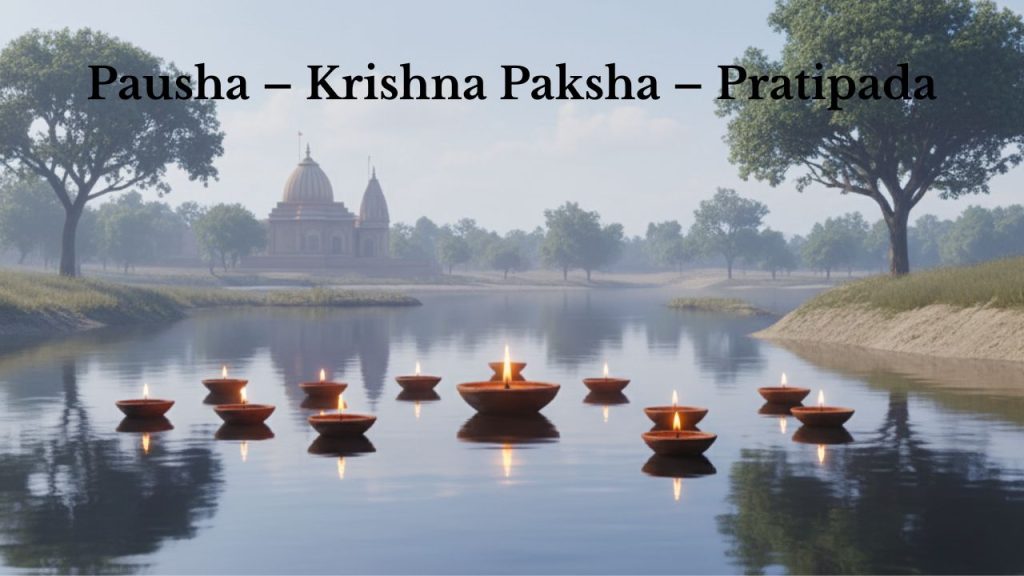
Alongside Lord Vishnu, Goddess Lakshmi is also worshipped to attract wealth, abundance, and well-being. Rituals include offering lighted lamps, coins, and sweets to invite her blessings. Observing Pratipada with a focus on prosperity reflects a holistic approach—balancing spiritual growth with material and social well-being. Stories in Hindu mythology suggest that acts of devotion to Lakshmi on this day can enhance both fortune and harmony in family life.
Rituals dedicated to local or regional deities
Many regions observe Pratipada by honoring local deities, reinforcing community-specific traditions. These practices often include temple ceremonies, folk songs, and rituals reflecting local culture. Participating in such rituals not only strengthens personal devotion but also preserves cultural heritage, connecting individuals with generations of spiritual practice.
Spiritual benefits of devotional offerings
Devotional offerings, whether to Vishnu, Lakshmi, or local deities, are considered to purify the mind and heart. They cultivate gratitude, humility, and a sense of interconnectedness with the divine. Performing these offerings on Pratipada enhances their effect due to the auspiciousness of the day and its alignment with cosmic energies.
Stories highlighting divine blessings on this day
Mythological accounts emphasize the blessings granted to devotees who observe Pratipada with sincerity. These narratives highlight protection from adversities, fulfillment of desires, and spiritual elevation, motivating individuals to embrace the day with complete devotion and mindfulness.
Pratipada as a Time for New Beginnings
Starting new spiritual or worldly ventures
Pratipada symbolizes the perfect opportunity to initiate new journeys, whether spiritual, personal, or professional. Beginning endeavors on this day is believed to attract divine support and ensure a smoother path. Devotees are encouraged to set intentions, start meditation practices, or engage in charitable projects, fostering long-term success and growth.
Planting seeds for success in personal and professional life
The day inspires reflection and action, promoting goal-setting and conscious decision-making. Symbolically, planting seeds on Pratipada represents laying the foundation for prosperity, knowledge, and spiritual maturity. Aligning efforts with lunar energies maximizes the likelihood of positive outcomes.
Conducting housewarming or other auspicious ceremonies
Pratipada is considered ideal for housewarming, naming ceremonies, or other significant life rituals. Observing such ceremonies on this day ensures auspiciousness and aligns family life with cosmic rhythms. Community participation in these events strengthens social bonds and fosters shared spiritual experiences.
Symbolism of renewal and fresh starts
The beginning of Krishna Paksha represents a period of reflection and release, making Pratipada a symbol of renewal. Engaging in new practices, rituals, or personal goals on this day reinforces the notion of transformation, resilience, and optimism.
Alignment with lunar energies for positive outcomes
Lunar energies during Krishna Paksha enhance introspection, spiritual clarity, and mental focus. Starting ventures on Pratipada ensures that actions are supported by these energies, increasing the likelihood of prosperous and harmonious results in life.
Health and Wellness Practices
Fasting benefits for physical and mental health
Fasting on Pratipada is not only spiritually significant but also promotes physical detoxification and mental clarity. Abstaining from heavy foods allows the digestive system to rest, while the practice of restraint cultivates self-discipline and mindfulness. Studies show that intermittent fasting can support overall health, making traditional fasting a holistic approach for well-being.
Yoga and meditation practices emphasized on Pratipada
Yoga and meditation are particularly beneficial on Pratipada due to the calm lunar energies. Practicing asanas, pranayama, or guided meditation enhances mental focus, reduces stress, and promotes inner balance. The reflective energy of Krishna Paksha supports deep introspection and spiritual alignment.
Detox rituals and body cleansing
Many traditional practices on Pratipada involve natural cleansing rituals such as bathing with herbal waters or consuming light, sattvic foods. These rituals harmonize body and mind, preparing the individual for spiritual practices. Such observances emphasize the importance of integrating physical health with spiritual growth.
Mindfulness and spiritual reflection
Krishna Paksha encourages letting go of negativity and cultivating mindfulness. Observing Pratipada with conscious awareness fosters emotional balance, mental clarity, and a sense of inner peace. Reflection on past actions and alignment with future intentions reinforces holistic well-being.
Balancing energies through spiritual discipline
Regular observance of Pratipada, including fasting, meditation, and prayer, helps harmonize the mental, emotional, and spiritual energies. Such alignment promotes resilience, calmness, and positivity, enhancing the ability to face challenges with wisdom and composure.
Cultural and Community Celebrations
Community gatherings and religious discourse
Temples and spiritual centers often host gatherings on Pratipada, bringing communities together to discuss scriptures, share wisdom, and participate in collective worship. These gatherings foster a sense of unity, cultural identity, and shared devotion.
Folk songs, bhajans, and devotional music
Music plays a key role in communal celebrations, with bhajans and folk songs enhancing the spiritual atmosphere. Singing together strengthens emotional bonds, raises collective consciousness, and deepens individual devotion.
Social harmony and collective worship
Participation in communal rituals promotes cooperation, respect, and harmony within communities. Shared worship encourages empathy, mutual support, and a collective sense of responsibility toward spiritual and social values.
Local fairs and traditional cultural programs
Some regions celebrate Pratipada with fairs and cultural programs, including traditional dance, drama, and storytelling. These activities preserve heritage, educate younger generations, and integrate social enjoyment with spiritual significance.
Passing on knowledge of rituals to younger generations
Observing Pratipada within communities ensures that children and youth learn about traditions, rituals, and values. This transmission of knowledge maintains continuity, strengthens cultural roots, and fosters lifelong engagement with spiritual practices.
Divine Insights: Key Lessons and Takeaways
Recap of spiritual, cultural, and practical significance
Krishna Paksha Pratipada in Pausha is a day that balances spirituality, culture, and personal development. Observing it enriches life through devotion, reflection, and community engagement, while emphasizing the interconnectedness of mind, body, and spirit.
Encouragement to observe rituals with devotion
Participating in prayers, fasting, meditation, and charity on Pratipada fosters personal growth and attracts divine blessings. Devotion transforms ordinary acts into powerful spiritual tools.
Emphasis on starting positive practices aligned with Pratipada
Whether beginning new projects, spiritual practices, or personal resolutions, Pratipada offers auspicious timing. Aligning intentions with the day’s energy ensures momentum, success, and fulfillment.
Relevance of Krishna Paksha Pratipada in modern life
Observing Pratipada provides a structured opportunity to pause, reflect, and reconnect with inner values. It encourages mindfulness, self-discipline, and harmony amidst daily challenges.
Closing thoughts on maintaining spiritual balance
Krishna Paksha Pratipada reminds individuals that spiritual, mental, and social well-being are deeply interconnected. Regular observance cultivates wisdom, positivity, and resilience, helping navigate life with clarity, devotion, and purpose.