Importance of Mother’s Day
History and Origin of Mother’s Day
Mother’s Day, as we know it today, has a rich history dating back to ancient civilizations. Although the modern-day version of the holiday originated in the United States in the early 20th century, its roots can be traced back to the Greeks and Romans. These cultures held festivals celebrating motherhood and revered their maternal goddesses. The most well-known precursor to our contemporary Mother’s Day was the “Mothering Sunday” in England. Historically, this day was a religious holiday observed on the fourth Sunday of Lent. It was a day when people returned to their “mother church.” Over time, it evolved into a celebration of mothers.
In the United States, Mother’s Day was popularized by Anna Jarvis, who, in 1908, held a memorial for her mother, a peace activist. The campaign that followed led to the establishment of Mother’s Day as a national holiday in 1914 under President Woodrow Wilson. Jarvis intended for the day to be a personal celebration between mothers and their children, not commercialized as it is today. Despite her initial intention, Mother’s Day quickly became highly commercialized, with businesses capitalizing on the tradition of gift-giving.
How Mother’s Day Is Celebrated Worldwide
Mother’s Day celebrations vary widely across cultures, but the common thread is the honoring of mothers and their essential role in the family and society. In the United States, people celebrate with cards, flowers, and family gatherings. Mother’s Day brunches or dinners are common, and children often shower their mothers with gifts or acts of service.
In Mexico, Mother’s Day (Día de las Madres) is celebrated enthusiastically on May 10th. Mariachi bands, family gatherings, and traditional foods are hallmarks of the event. It’s a profoundly emotional day on which families express their gratitude and love to their mothers.
Mother’s Day is celebrated in countries like Japan, South Korea, and China, often incorporating local customs. In South Korea, carnations are a popular gift, whereas in Japan, children often make crafts and cards for their mothers.
The Significance of Dedicating a Day to Mothers
Mother’s Day is highly significant, as it reminds us of the immense contributions mothers make to the well-being of their families, communities, and societies. It’s not just about flowers or gifts; it’s about acknowledging the tireless efforts, sacrifices, and love that mothers give selflessly. It is a way to express gratitude, often through simple gestures or heartfelt words.
A dedicated day helps individuals reflect on the importance of motherhood and what it truly means to be a mother. It fosters deeper connections and reminds people to appreciate the maternal figures in their lives, whether biological mothers, adoptive mothers, or any woman who has played a nurturing role in their lives.
Evolution of Mother’s Day Over Time
Mother’s Day has evolved from a religious observance to a largely secular, commercial holiday. Initially, it was a day when families gathered for religious purposes and honored mothers through reflection and remembrance. Over time, especially in the 20th century, it became a more mainstream celebration, influenced by the rise of consumer culture. Cards, flowers, chocolates, and other gifts have become the staples of the holiday.
The commercialization of Mother’s Day has sparked debates, as some people feel the holiday has lost its meaning. However, others argue that commercialization has made expressing gratitude easier, even if the day is marked with consumer products.
Personal Reflections on Mother’s Day
For many, Mother’s Day can be a profoundly emotional occasion. Celebrating with your mother or reflecting on her memory can bring up feelings of love, gratitude, and sometimes sorrow. It offers an opportunity for self-reflection and to cherish the bonds between mothers and their children. Mother’s Day reminds us to be present and honor the maternal figures who have shaped us. It’s a day for gifts and sharing meaningful moments with those who matter most.
Recognizing the Role of Mothers in Society
Mothers as Primary Caregivers
Mothers have always been at the heart of family caregiving. Women have been responsible for raising children for centuries, often serving as the primary nurturers, educators, and protectors. This role requires immense patience, resilience, and love. While caregiving responsibilities can vary depending on the family structure and societal expectations, mothers have historically been the cornerstone of familial support systems.
Many families have shifted toward shared responsibilities; mothers still tend to bear the brunt of caregiving. This can include physical care, managing emotional needs, offering guidance, and providing a safe and supportive environment that fosters growth in children. These caregiving roles can be even more intense for single mothers or those in less traditional family setups.
Emotional Support Provided by Mothers
A mother’s most powerful role is that of an emotional support system. Mothers provide unconditional love, comfort, and reassurance, acting as a source of stability and security. From early childhood through adulthood, mothers are there to help navigate life’s ups and downs, offering a listening ear, wise advice, and emotional support.
This emotional labor is often invisible but crucial. A mother’s ability to listen, console, and understand her children’s emotional needs lays the foundation for their mental health and well-being. Research shows that children who receive consistent emotional support from their mothers tend to develop more effective coping mechanisms and higher emotional intelligence.
Mothers as Educators and Role Models
Beyond caregiving and emotional support, mothers play a significant role in shaping their children’s values, beliefs, and attitudes. They are often a child’s first teacher, imparting life skills, manners, and morals. From reading bedtime stories to teaching right from wrong, mothers instill the knowledge and wisdom to guide their children.
Mothers also serve as powerful role models, demonstrating how to navigate challenges, manage relationships, and approach life with resilience. Their influence extends far beyond childhood, as children often carry the lessons their mothers taught them into adulthood. In many ways, a mother’s influence is long-lasting, shaping future generations through the values they impart.
Contribution of Mothers to Community and Culture
Mothers are an integral part of the fabric of communities and cultures worldwide. Mothers play a central role in maintaining cultural traditions, languages, and practices in many societies. They pass down heritage and wisdom to their children, ensuring that culture is preserved and passed on. Mothers are often involved in community-building through school activities, volunteering, or supporting social causes.
By raising thoughtful, empathetic, and engaged children, mothers play a vital role in shaping the next generation of leaders, thinkers, and changemakers. The impact of motherhood on society is profound yet often overlooked. Without mothers, the continuity of cultural traditions and societal values would be much weaker.
Impact of Mothers on Future Generations
The legacy of a mother’s love and teachings extends beyond her children. Mothers can shape future generations by instilling essential life lessons, offering emotional stability, and nurturing intellectual growth. Children raised in loving, supportive environments are more likely to become empathetic, responsible, and well-adjusted adults who can make positive contributions to society.
Moreover, studies have shown that when mothers are educated and empowered, they invest in their children’s education, leading to greater opportunities and success for future generations. In this way, mothers contribute to their families’ immediate well-being and society’s long-term success.
Emotional Significance of Mother’s Day
Expressing Gratitude and Love
Mother’s Day offers an exceptional opportunity to express gratitude and love to the women who have nurtured, supported, and cared for us. Whether it’s your biological mother, an adoptive mother, a grandmother, or a maternal figure in your life, this day offers a chance to let them know just how much they mean to you. Words of affirmation, a heartfelt note, or even spending quality time together can speak volumes.
Mother’s Day is more than a social occasion for many; it’s emotional. It allows us to reflect on the countless sacrifices our mothers have made and the love they’ve given unconditionally. It’s a day to recognize and acknowledge the emotional labor that often goes unspoken.
Strengthening Family Bonds
Mother’s Day isn’t just about honoring mothers; it’s also a time to strengthen family bonds. When we celebrate mothers, we also celebrate the family unit. This day provides an opportunity to reconnect with family members through shared meals, activities, or heartfelt conversations. The emotional connections strengthened during Mother’s Day celebrations can have lasting effects, enhancing family relationships and fostering unity.
For those who may not have had the best relationships with their mothers, Mother’s Day can also serve as an opportunity for healing. It’s a time to open up and communicate, fostering understanding and reconciliation where possible.
Healing and Reconciliation Opportunities
Mother’s Day is not always a joyous occasion for everyone. For those who have lost their mothers or have complicated relationships with them, this day can stir up feelings of grief, longing, or regret. However, it can also serve as an opportunity for healing and reconciliation. For individuals with unresolved issues with their mothers, Mother’s Day may provide the right moment to reach out, apologize, or seek closure.
In some cases, families may use the day as a chance to come together and mend old wounds, whether through conversation, shared experiences, or even a simple act of acknowledgment. For others, it may serve as a reminder of the love that once was, prompting them to cherish the memories and find peace.
Boosting Mothers’ Emotional Well-Being
Mother’s Day is significant for mothers, as it provides a rare occasion to celebrate and appreciate their hard work and emotional contributions. For many mothers, it’s a day when their efforts are recognized, and the weight of their tireless dedication is acknowledged. This recognition can have a profound impact on their emotional well-being. It reminds them that their sacrifices and the care they provide are deeply appreciated and valued by their families.
Mother’s Day can boost a mother’s sense of self-worth and contribute to their mental and emotional health. After often putting their needs last, this celebration allows mothers to feel loved, cherished, and seen. The emotional fulfillment of receiving love, appreciation, and affection can uplift their spirits and help them feel more connected to their family and community.
Moreover, a heartfelt gesture from children or partners, whether a handwritten note, a meaningful gift, or a simple “thank you”, can have a lasting positive effect on a mother’s mood. It affirms that their role as caregivers, nurturers, and emotional anchors is recognized and celebrated.
Creating Lasting Memories
One of the most meaningful aspects of Mother’s Day is the opportunity it provides to create lasting memories with mothers and maternal figures. Whether it’s spending quality time together, sharing a special meal, or engaging in an activity that both mother and child enjoy, these moments become cherished memories that are often remembered fondly.
Mother’s Day traditions are passed down through generations for many families, making it an annual occasion that deepens familial bonds. The joy of reminiscing about past celebrations, whether through photographs, shared stories, or favorite traditions, adds emotional significance to the day. These memories often provide comfort and a sense of connection for mothers and children, reinforcing the importance of love and family.
Mother’s Day as a Celebration of Sacrifice
Physical Sacrifices Mothers Make
Motherhood entails numerous physical sacrifices, many of which often go unnoticed. From the physical toll of childbirth to sleepless nights spent caring for newborns, the physical demands on a mother’s body can be intense. The act of carrying a child for nine months, undergoing the physical demands of pregnancy, and then giving birth is, in itself, an enormous sacrifice.
Even after childbirth, the physical work continues. Whether it’s preparing meals, cleaning the house, or attending to children’s needs, mothers often prioritize the well-being of their families over their physical comfort. It’s not uncommon for mothers to sacrifice their own health or personal time to ensure their children’s happiness and well-being. Despite their physical exhaustion, this relentless commitment to meeting the needs of others is a testament to mothers’ immense strength and resilience.
Emotional and Mental Sacrifices
The emotional and mental sacrifices mothers make are equally significant. Mothers often take on the role of the emotional anchor for the entire family. They are the ones who provide comfort during tough times, listen to their children’s worries, and guide them through difficult emotional situations. This emotional labor can be draining, yet it is often done without complaint or acknowledgment.
Mentally, mothers frequently juggle multiple responsibilities, ensuring that children are fed, clothed, and cared for while managing household tasks, work, and sometimes even social obligations. Motherhood’s mental load is heavy, requiring constant planning, problem-solving, and emotional regulation. For many mothers, this mental toll can be overwhelming, especially without enough external support. However, their ability to manage these multiple layers of responsibility without showing signs of stress or fatigue speaks volumes about their dedication and love for their work.
Balancing Work and Family Life
One of the most challenging aspects of modern motherhood is balancing work and family life. Many mothers today work full-time jobs, and the pressure to balance career responsibilities with family needs is immense. After a full day of work, mothers often come home to take on a second shift of childcare, cooking, and household duties.
Finding balance can lead to guilt, as mothers often feel they are not giving enough time to their careers or family. This “supermom” myth puts undue pressure on mothers to excel in every aspect of their lives, even when it is impossible. Despite this, many mothers persevere, making sacrifices in their personal lives to ensure their children’s needs are met and their families are supported.
Mothers’ Sacrifices in Different Cultures
In different cultures worldwide, mothers make unique sacrifices that reflect their cultural norms and values. In many collectivist societies, mothers often sacrifice personal autonomy and career ambitions for the sake of family harmony and their children’s well-being. For instance, in some Asian cultures, mothers may prioritize family over individual desires, investing significant time and energy in ensuring their children’s success in school and life.
In other cultures, such as those in parts of Africa and Latin America, mothers often work in both formal and informal economies, balancing work with household responsibilities. The sacrifices made by mothers in these communities are not just physical and emotional, but often include social sacrifices, where women may forgo personal dreams for the sake of family survival and well-being.
Recognizing Unsung Efforts
While Mother’s Day is a time to celebrate mothers’ sacrifices, it is also a momentous occasion to recognize the countless unsung efforts that often go unnoticed. Mothers perform a vast array of invisible tasks, from emotional support to logistical coordination, that are essential to the functioning of the household. These contributions are often overlooked but form the backbone of family life.
On Mother’s Day, it’s crucial to acknowledge these everyday sacrifices. Whether through a small gesture of appreciation or simply a thoughtful recognition of all that mothers do, it’s important to celebrate the big moments and the small, unseen efforts that make motherhood extraordinary.
Cultural Variations in Celebrating Mother’s Day
Unique Customs and Traditions Around the World
Mother’s Day is celebrated differently around the world, with each culture incorporating unique customs and traditions. In Norway, Mother’s Day is celebrated on the second Sunday of February, when children typically present their mothers with cards and flowers. In Ethiopia, the “Antrosht” celebration marks a day of honoring mothers, where families gather to feast and express gratitude for the strength and sacrifices of maternal figures.
In Thailand, Mother’s Day is celebrated on August 12th, which coincides with the birthday of the Queen Mother. People show appreciation by offering flowers, especially jasmine, and engaging in community activities. This day also holds national significance as it highlights the importance of mothers in the country’s cultural and political landscape. In Russia, Mother’s Day is observed on the last Sunday of November. It is a more solemn event that emphasizes family unity, respect for mothers, and the importance of motherhood in society.
How Different Cultures Honor Motherhood
Cultural practices of honoring mothers are deeply rooted in the values and societal norms of each region. In some cultures, the focus is on deep respect and reverence for mothers, while in others, the celebration may lean toward communal gatherings, feasts, and expressions of gratitude.
In some African countries, such as Nigeria, Mother’s Day is intertwined with local customs, including communal prayers and dances. In India, celebrations are often quieter and more family-oriented, with children offering blessings and gifts to their mothers. However, what’s common across cultures is the universal acknowledgment of mothers’ central role in children’s well-being and the continuity of cultural traditions.
Importance of Cultural Respect and Inclusivity
Given the diverse ways Mother’s Day is celebrated globally, it’s essential to approach the day with cultural sensitivity and inclusivity. Recognizing that not all cultures observe the holiday in the same way, and that some may not celebrate it at all, fosters a deeper appreciation for the multifaceted nature of motherhood. Respecting and honoring different traditions while recognizing that motherhood is universally valued is crucial.
When celebrating Mother’s Day, it’s essential to be mindful of the diversity within our communities and the varying needs and experiences of mothers from different cultural backgrounds. Inclusivity today means acknowledging the different ways motherhood is recognized, both within and outside one’s cultural context.
Gifts and Gestures Across Cultures
The gifts and gestures associated with Mother’s Day differ across cultures, with some emphasizing material gifts while others focus on actions or communal rituals. In many Western countries, flowers and cards are the standard gifts, while in countries like South Korea, giving carnations to mothers is a cherished custom. In parts of India, giving homemade sweets or preparing a special meal for the mother is a typical gesture of love and gratitude.
While gift-giving varies, the underlying sentiment is universal: to honor, appreciate, and celebrate mothers in all their forms. Whether through grand gestures or small tokens of love, the goal is to express gratitude for everything mothers do.
Globalization’s Impact on Mother’s Day
With globalization, Mother’s Day celebrations have become increasingly homogenized. Many countries, especially those influenced by Western culture, now observe it on the second Sunday of May. While this global recognition of Mother’s Day has created a shared experience, it also presents challenges in maintaining the authenticity of local traditions.
The commercialization of the holiday is another byproduct of globalization, leading to the proliferation of mass-produced gifts, cards, and advertisements that may overshadow the day’s personal and emotional significance. However, despite these challenges, Mother’s Day remains a powerful occasion for families worldwide to pause, reflect, and honor the indispensable role mothers play in our lives.
Economic Impact of Mother’s Day
Role in Boosting Retail and Hospitality Industries
Mother’s Day is one of the most lucrative holidays for the retail and hospitality industries. Each year, billions of dollars are spent on gifts, meals, and experiences as people celebrate mothers, maternal figures, and caregivers. The retail sector sees a significant boost, with many consumers purchasing flowers, cards, jewelry, chocolates, and other traditional gifts. According to industry statistics, spending on Mother’s Day gifts in the U.S. alone often surpasses Father’s Day, making it a pivotal period for retailers.
The hospitality industry also experiences a surge in demand as families dine out to celebrate the occasion. Many restaurants offer special Mother’s Day brunches, lunches, or dinners, often featuring prix fixe menus, live music, or family-friendly activities. These events attract families who want to treat their mothers, as well as those who wish to avoid cooking at home. Hotels and resorts also tap into the holiday, offering packages for “Mother’s Day Getaways,” where families can enjoy a relaxing weekend retreat. The surge in demand for dining and travel experiences around Mother’s Day has a significant impact on local economies, particularly in the tourism and service sectors.
Small Businesses and Handmade Gifts
While large corporations see a substantial increase in sales during Mother’s Day, small businesses also benefit from this celebration, especially those specializing in handmade, artisanal, or personalized gifts. Many consumers increasingly seek unique, thoughtful gifts that stand out from mass-produced options. Small businesses, whether local shops, artisans, or online marketplaces, capitalize on this demand by offering handcrafted jewelry, customized home decor, homemade candles, or personalized greeting cards.
Consumers eagerly support local makers, crafters, and independent artists on Mother’s Day. This shift toward more personalized, unique products aligns with broader trends in ethical consumerism, where shoppers are more conscious of where and how their purchases are made. The trend has created a vibrant market for small businesses, particularly those selling gifts with a personal touch, such as custom-made jewelry, quilts, and pottery.
Charity and Community Fundraising Events
Mother’s Day is also a time when charitable organizations and community groups leverage the occasion to raise funds and awareness for causes that affect mothers, children, and families. Many nonprofits hold fundraising events, charity auctions, or community walks to support causes such as maternal health, child welfare, and domestic violence prevention. Organizations often use the occasion to highlight the importance of supporting mothers in need, whether through direct financial aid, healthcare support, or educational resources.
For example, charities that focus on postpartum depression, women’s shelters, or child welfare may run specific campaigns during Mother’s Day to encourage donations. Corporate sponsorships and partnerships also play a role, with businesses offering to match donations or donate a portion of their sales to a good cause. These efforts raise essential funds and amplify awareness of the challenges faced by mothers worldwide.
Ethical Consumerism on Mother’s Day
As with many consumer-driven holidays, there has been growing interest in ethical consumerism around Mother’s Day. This movement encourages consumers to make more sustainable, ethical choices when purchasing gifts. For instance, some people purchase locally sourced, environmentally friendly products that use fair trade practices. As concerns about overconsumption and waste grow, more consumers are considering the impact of their purchases, favoring items crafted in ways that respect human rights and the environment.
Ethical consumerism on Mother’s Day also extends to gift-giving practices, with people choosing experiences over physical gifts. Spa days, weekend getaways, or tickets to live events can be more sustainable and meaningful ways of showing appreciation, as they create lasting memories rather than contributing to material clutter. Additionally, eco-friendly gifts such as reusable bags, organic skincare products, or sustainable home goods are gaining popularity as people increasingly consider the environmental impact of their purchases.
Economic Considerations and Commercialization Debate
While Mother’s Day’s economic benefits for retailers, restaurants, and small businesses are undeniable, its commercialization has raised concerns. Some people feel it has become too commercialized, shifting its focus away from genuine expressions of love and appreciation towards an industry-driven gift-giving frenzy. This debate has sparked discussions about whether the holiday’s true meaning is being overshadowed by consumerism.
For some, the pressure to buy expensive gifts or make grand gestures can create stress, particularly for those with limited financial resources. The commercialization of Mother’s Day can sometimes lead to unrealistic expectations and feelings of inadequacy, especially for children and spouses who may struggle to afford high-end gifts. The growing shift toward more meaningful, personal celebrations, rather than purely material ones, has been a counterpoint to the hyper-commercialized aspects of the holiday.
Mother’s Day and Mental Health Awareness
Importance of Recognizing Mothers’ Mental Health
Mother’s Day offers a valuable opportunity to highlight the mental health challenges that mothers face. While it is a day dedicated to celebrating mothers and their hard work, it also presents an opportunity to reflect on the often-overlooked emotional and psychological burdens that accompany motherhood. Despite their role as primary caregivers, mothers often struggle with feelings of anxiety, stress, isolation, and even depression.
Many mothers experience mental health struggles that are exacerbated by societal expectations, family pressures, and a lack of support. Recognizing and addressing these challenges is crucial, as untreated mental health issues can impact not only the mother’s well-being but also the entire family dynamic. Mother’s Day is an opportunity to remind society of the need to support mothers in terms of both material gifts and emotional and psychological care.
Addressing Postpartum Depression and Anxiety
Postpartum depression (PPD) is a serious mental health condition that affects many mothers in the months following childbirth. While it is widely acknowledged, it is often underdiagnosed and misunderstood. Postpartum anxiety, which can accompany or occur without depression, is another common condition that many new mothers face. These issues can be isolating, as mothers may feel ashamed or embarrassed to seek help, fearing judgment or stigma.
Mother’s Day can serve as a platform for raising awareness about PPD and postpartum anxiety, encouraging mothers to seek the help they need. By openly discussing these conditions, we can reduce the stigma and provide better support systems for new mothers. Highlighting maternal mental health on Mother’s Day emphasizes the importance of self-care and regular mental health check-ins, helping mothers understand that their emotional well-being is just as important as their physical health.
Support Systems for Mothers
One of the most important ways to address maternal mental health is by fostering strong support systems for mothers. This includes family and friends, as well as professional support from counselors, therapists, and medical professionals specializing in maternal mental health. On Mother’s Day, it’s essential to remind people that offering emotional support and understanding to mothers can make a significant difference in their mental well-being.
Support systems should also include community programs, such as parenting groups, support networks, and local organizations offering mental health resources. These services can offer a safe space for mothers to discuss their experiences and challenges without judgment. With the proper support, mothers can feel empowered to care for themselves mentally and emotionally, ultimately benefiting their families.
Role of Mother’s Day in Raising Awareness
Mother’s Day can be a powerful tool for raising awareness about the importance of maternal mental health. Many organizations and advocates use this time to highlight issues such as postpartum depression, maternal anxiety, and the lack of support for mothers in various societies. The holiday provides a platform to share educational resources, testimonials, and tools for coping with mental health challenges.
Raising awareness on this day can encourage people to seek help, join support groups, or open up to loved ones about their mental health struggles. As society becomes more aware of the importance of maternal mental health, we can create a culture that supports mothers in every aspect of their lives, emotionally, physically, and mentally.
Encouraging Open Conversations
Mother’s Day also presents an opportunity to encourage open conversations about the pressures and emotional toll of motherhood. By normalizing discussions around mental health and sharing stories, we can help mothers feel less isolated and more supported. Many mothers are reluctant to share their feelings, fearing judgment or appearing “weak,” but the more open and honest we can be, the more we can create a culture of empathy and understanding.
Encouraging open dialogue about mental health can also dispel the misconception that mothers must always be “strong” and “happy” for the sake of their children. It’s essential to recognize that motherhood is a multifaceted experience that encompasses joy and fulfillment, as well as stress, fatigue, and vulnerability. By acknowledging these complexities, we can foster an environment where mothers feel comfortable seeking help when needed.
Mother’s Day Celebrations in India: Honoring the Heart of the Family
Mother’s Day in India is a relatively new celebration compared to other parts of the world, but it has quickly gained popularity, especially among younger generations. Traditionally, Indian culture places a high value on respect and reverence for mothers, with the maternal figure often viewed as divine. While the specific day of Mother’s Day may not hold the same historical significance in India as it does in the West, the cultural importance of honoring mothers is deeply ingrained in daily life. Here’s a closer look at how Mother’s Day is celebrated in India and the unique ways in which families come together to show their love and appreciation.
How Mother’s Day is Celebrated in India
Like in many other parts of the world, Mother’s Day in India typically falls on the second Sunday of May. The day is celebrated with warmth, love, and affection in cities, towns, and rural areas. People across the country, particularly younger generations, have embraced the celebration, making it a special occasion for expressing gratitude and affection toward mothers.
Gifts and Surprises: A Tradition Embraced by the Youth
Gift-giving plays an essential role in the Indian celebration of Mother’s Day. While traditional gifts like flowers, chocolates, and cards are common, the trend of giving more personalized and unique presents is also gaining popularity. Younger Indians often surprise their mothers with custom-made presents, ranging from handcrafted jewelry to personalized home decor, showing a shift from mass-market commercial gifts to more thoughtful, meaningful tokens of love.
A popular trend in metropolitan cities is the special curated Mother’s Day gift hampers, often containing organic skincare products, wellness kits, or gourmet food baskets. These thoughtful gestures honor the mother and reflect a growing awareness of the importance of health and well-being.
In rural areas, where Mother’s Day is still relatively new, children often make homemade gifts or perform acts of service, such as preparing meals for their mothers, cleaning the house, or helping with farm work. The spirit of selfless love and gratitude, which is deeply embedded in Indian culture, counts.
Celebrating with Family Gatherings and Feasts
Much like in the West, Mother’s Day in India is an occasion for families to come together and celebrate their mothers. Family gatherings are often marked by large, home-cooked meals, where mothers get to relax and enjoy the day. Traditional Indian foods are served, with popular dishes varying by region, including biryani, curries, sweets such as gulab jamun, and snacks like samosas and pakoras.
In urban areas, dining out at restaurants, cafes, or even five-star hotels has become a popular way to celebrate Mother’s Day. Many restaurants offer special Mother’s Day buffets, discounts, or even complimentary gifts for mothers. This trend has also seen an uptick in recent years, especially among younger Indians who want to treat their mothers to an exceptional experience away from the regular chores.
Emotional Celebrations and Acts of Service
Mother’s Day in India is also emotionally significant. In Indian culture, respect for mothers is often regarded as a form of reverence towards a goddess, and the bond between a mother and her child is considered sacred. Today, many individuals express their deep gratitude and affection through heartfelt letters or messages. Social media has become a popular platform for people to express these emotions publicly, where posts featuring tributes to mothers, often accompanied by photos, memories, and heartfelt messages, flood Instagram, Facebook, and WhatsApp.
For many, service is a central part of the day’s celebration. Children and other family members may take on the household duties for the day, ensuring the mother has time to relax and feel appreciated. Acts of kindness, such as running errands, pampering the mother with a spa treatment, or helping her with personal projects, are common ways to show appreciation.
Religious and Cultural Contexts of Motherhood
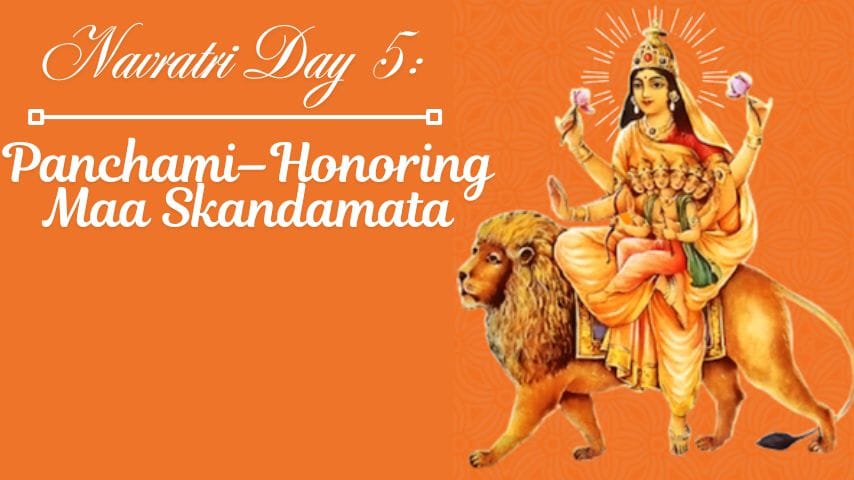
In India, where spirituality and religion play a significant role in people’s lives, Mother’s Day celebrations are often intertwined with prayers and rituals. Many people visit temples or perform prayers at home, invoking blessings for their mothers’ health, prosperity, and happiness. Indian mythology and religious texts frequently highlight the importance of mothers. On Mother’s Day, children may take a moment to honor the sacrifices mothers make by lighting candles or offering flowers to deities associated with motherhood, such as the Goddess Durga or the Goddess Lakshmi.
Mother’s Day may coincide with other culturally significant celebrations in specific communities, particularly within Hindu traditions. For instance, some families might celebrate it alongside festivals like Karva Chauth (a fasting ritual for the well-being of husbands), symbolizing the deep cultural connection between maternal love and familial well-being.
Regional Differences in Celebrations
As with many Indian holidays, Mother’s Day celebrations vary depending on regional customs and practices. For example, in South India, the celebration may include visiting ancestral homes or participating in family traditions that honor matriarchal figures. In cities like Mumbai, Bangalore, and Delhi, you may find more contemporary forms of celebration, such as special events, pop-up markets, or spa treatments tailored specifically for mothers.
In states like Kerala, Tamil Nadu, and Karnataka, where family ties are powerful, people often celebrate pilgrimages to temples with sentimental value. Family members might offer prayers for their mother’s health, and these small but meaningful rituals add a cultural layer to the Mother’s Day festivities.
In rural regions, the focus is more on family and community togetherness rather than commercial celebrations. The day is less about purchasing gifts and more about reinforcing the value of mothers in the family structure. People in these areas may spend the day together recounting stories, performing rituals, and enjoying traditional home-cooked meals, all while expressing love and gratitude for their mothers.
Mother’s Day and the Changing Role of Women in India
India’s changing social and cultural landscape also influences the celebration of Mother’s Day. As more women join the workforce, gain higher levels of education, and contribute to the economy, their roles within the family and society are evolving. In this context, Mother’s Day celebrations are an opportunity to honor the traditional homemaker and the working mother who balances career and family responsibilities.
Today, the spotlight often falls on a mother’s multifaceted role, as she juggles her aspirations with the needs of her family and makes sacrifices for her children. In this sense, celebrating mothers reflects the progress India is making toward recognizing women’s equality in all spheres of life.
Recognition of motherhood is not just about nurturing children, but also about acknowledging the diverse experiences that mothers undergo, whether they are stay-at-home moms, working professionals, or single mothers. Indian society is slowly evolving to recognize and honor all forms of motherhood. Mother’s Day reminds us of the vital role mothers play in families and in shaping the nation’s future.
Celebrating Non-Traditional Motherhood
While traditional mother-child bonds are honored on Mother’s Day in India, there is also growing recognition of non-traditional forms of motherhood. Step-mothers, adoptive mothers, grandmothers, and other maternal figures are celebrated, especially in modern families where nuclear structures are becoming more common. These maternal figures often play pivotal roles in nurturing and caring for children, and their contributions are increasingly being recognized as a part of the Mother’s Day celebrations.
In urban India, with its more diverse and fluid family structures, people are increasingly vocal about acknowledging all types of mothers, including those who may not be biological but still provide unconditional love and care. The growing recognition of non-traditional motherhood has made the celebration even more inclusive and reflective of the changing family dynamics.
Mother’s Day in the Modern Era
Virtual Celebrations and Greetings
Virtual greetings, video calls, and online messages are popular ways to celebrate the occasion, particularly for families separated by distance. Virtual celebrations enable loved ones to connect and share moments of appreciation, even when they are apart. Video calls on Zoom or Skype enable families to see each other and interact in real-time, bridging the distance that may otherwise create a gap.
Social media has also become a significant avenue for sending Mother’s Day wishes. Posting photos, heartfelt messages, and even creative videos can help express love and gratitude to mothers, especially when in-person visits aren’t possible.
Social Media’s Role in Expressing Appreciation
Social media is increasingly essential in expressing appreciation and celebrating Mother’s Day. Platforms like Instagram, Facebook, and Twitter are filled with posts honoring mothers and maternal figures. Many people take this opportunity to share photos, memories, and stories of their mothers, expressing gratitude through public shoutouts and tributes.
While this public display of appreciation is heartwarming, it also creates a global connection. People from diverse backgrounds can come together to celebrate mothers in a shared virtual space, regardless of geographical or cultural differences. It allows for sharing personal stories and experiences, deepening the sense of community and emotional connection on this special day.
Online Fundraising and Awareness Campaigns
In addition to personal celebrations, social media and digital platforms have helped make Mother’s Day a time for raising awareness and fundraising for causes related to maternal health, women’s rights, and family welfare. Many nonprofit organizations capitalize on the increased visibility of Mother’s Day to launch campaigns, encouraging online donations and support for initiatives that benefit mothers worldwide.
Fundraising campaigns may include calls to action for providing maternal healthcare in underserved communities, supporting mothers in crises, or donating to programs that promote maternal mental health. These online campaigns are often shared across social media platforms, amplifying their reach and encouraging people to get involved.
Digital Storytelling and Sharing Memories
With digital tools and platforms, people can now creatively share memories and stories about their mothers. Platforms like YouTube or TikTok allow individuals to create tribute videos, share family stories, or record personal messages for their mothers. Digital storytelling has become a popular way to express gratitude, preserve memories, and celebrate a mother’s legacy.
These stories serve as personal keepsakes and a way to share cherished memories with a broader audience. In a way, digital storytelling amplifies the emotional significance of Mother’s Day by allowing people to reflect on their relationship with their mothers and pass down these stories to future generations.
Pros and Cons of Digital Celebrations
While digital celebrations can bridge physical distances and provide a platform for expressing appreciation, they also have drawbacks. The ease of virtual greetings or social media posts can sometimes make celebrations feel less personal or genuine. Additionally, the pressure to create a perfect digital post or share a perfectly curated message can detract from the simplicity and sincerity of the occasion.
There’s also the potential for oversaturation, where the commercialized side of Mother’s Day, through ads, influencer endorsements, and corporate campaigns, becomes too prominent in the digital space. The challenge is to ensure that digital celebrations remain genuine, thoughtful, and focused on the emotional significance of honoring mothers, rather than just adding to the noise.
Beyond One Day: Honoring Mothers Year-Round
Everyday Appreciation and Respect
While Mother’s Day is a special occasion to honor mothers, genuine appreciation for their contributions should extend beyond just one day a year. Recognizing the efforts of mothers in everyday life, whether through small gestures of love, respect, or assistance, helps maintain a supportive and nurturing environment throughout the year. Simple acts, such as expressing gratitude, helping with household chores, or listening to a mother’s needs, can make her feel valued every day.
Like all individuals, mothers need acknowledgment and appreciation throughout the year, not just on a designated holiday. By actively showing respect and admiration daily, we foster stronger, more meaningful relationships within families.
Supporting Mothers in Daily Life
Supporting mothers in their daily lives involves more than occasional praise and offering tangible help and encouragement. It can take the form of sharing parenting responsibilities, providing emotional support, or even advocating for policies that support mothers in the workplace or society.
Supporting mothers also includes creating spaces where they can recharge through self-care initiatives, mental health resources, or social support groups. Families can contribute by helping mothers take breaks, offering childcare when needed, or simply providing a listening ear.
Advocating for Mothers’ Rights and Benefits
Year-round appreciation for mothers can also take the form of advocating for better rights, benefits, and policies that support maternal health, childcare, and family leave. Mothers should have access to adequate maternity leave, healthcare, and financial support to help them balance the demands of motherhood with work and other responsibilities.
Communities, governments, and organizations should collaborate to ensure that mothers are recognized and consistently supported in their roles on Mother’s Day. This includes advocating for policies that enhance access to maternal healthcare, offer affordable childcare options, and foster workplace flexibility for mothers.
Teaching Children the Value of Motherhood
One of the most important ways to honor mothers year-round is to teach children about the value of motherhood. By instilling respect and appreciation for mothers from a young age, we cultivate a generation that understands the importance of nurturing relationships and the sacrifices involved in raising a family.
This education can occur through conversation, shared family traditions, and modeling respectful behaviors. Children who understand the emotional and physical demands of motherhood are more likely to grow up to be empathetic, supportive partners and parents.
Building a Society That Values and Supports Mothers
Ultimately, one of the most significant ways to honor mothers year-round is by building a society that values and supports them. This means advocating for policies prioritizing families’ well-being, providing resources for mothers to thrive in all aspects of their lives, and creating supportive and inclusive communities.
When mothers are valued and supported, families thrive, communities strengthen, and societies become more compassionate and equitable. Year-round appreciation for mothers is not just a family matter; it is a societal one, and the impact can be felt for generations.