Understanding about Maha Navami
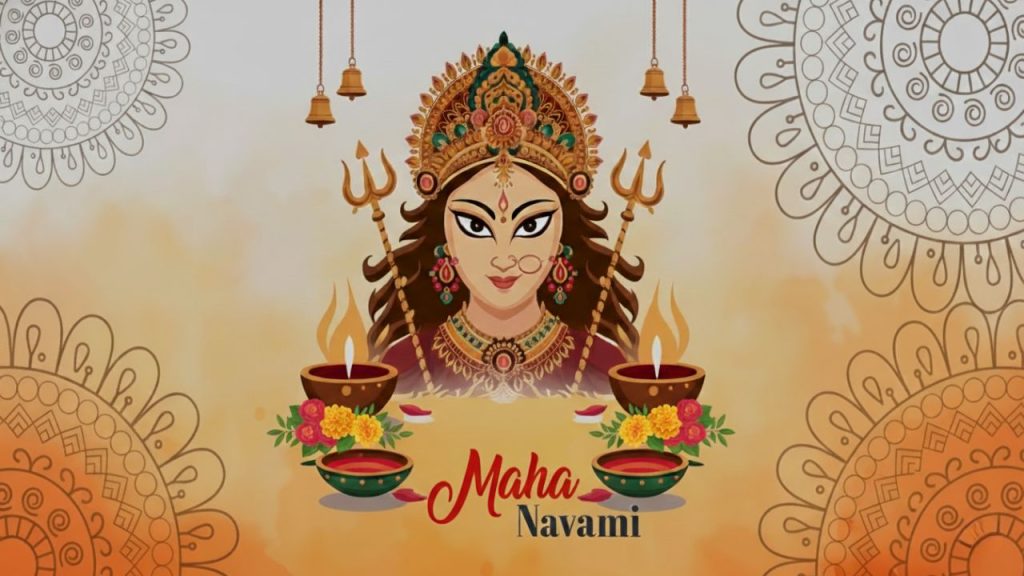
Maha Navami, literally meaning “the great ninth day,” holds a special place in the Hindu festival calendar. This day marks the penultimate day of the Navratri festival, observed with immense devotion and grandeur across India. Occurring in the month of Ashwin according to the Hindu lunar calendar, Maha Navami serves as a time for spiritual reflection, celebration, and honoring divine feminine energy in the form of Goddess Durga. The festival’s name itself conveys the significance of the day, emphasizing the culmination of nine nights of worship, rituals, and prayers dedicated to the goddess.
The connection of Maha Navami with Navratri and Durga Puja is profound. Navratri, celebrated over nine days, is devoted to the nine forms of Goddess Durga, symbolizing power, protection, and victory over evil. Maha Navami, being the ninth day, is considered the most auspicious of all Navratri days. During this day, devotees engage in elaborate worship ceremonies, focusing on the goddess’s supreme power and seeking her blessings for prosperity, courage, and inner strength. It is a day to honor both spiritual discipline and cultural heritage, combining devotion with social festivities.
Culturally and spiritually, Maha Navami encourages communities to come together in collective worship and prayer. Temples are decorated magnificently, streets come alive with festivities, and rituals are performed with precision and devotion. Spiritually, it signifies the cleansing of negative energies and the preparation for the victory of good over evil, which is celebrated on Vijayadashami, the following day. Beyond the religious aspects, Maha Navami also strengthens social bonds, as families and communities gather to celebrate through prayers, feasting, and cultural performances.
Celebrating Maha Navami in contemporary times has evolved to strike a balance between traditional reverence and modern participation. While rituals remain sacred, public celebrations, cultural programs, and charity initiatives provide an avenue for everyone to engage, irrespective of age or social background. Observing Maha Navami today is not just about following rituals; it is about connecting with spiritual roots, promoting community harmony, and embracing the timeless lessons of courage, discipline, and devotion. The essence of Maha Navami lies in experiencing divine energy while applying its principles of righteousness and resilience in everyday life.
Definition of Maha Navami and its Literal Meaning (“the great ninth day”)
Maha Navami, meaning “the great ninth day,” represents the culmination of spiritual energy during the Navratri festival. This day is dedicated entirely to the goddess’s final form, symbolizing the culmination of her efforts to destroy evil forces and restore righteousness. The term “Maha” signifies greatness, importance, and reverence, while “Navami” refers to the ninth day of the lunar fortnight. Together, the name embodies the spiritual intensity, significance, and auspiciousness of the day, reminding devotees of the divine presence and the ultimate triumph of good over evil.
The literal meaning emphasizes not just the numerical position in the festival but the peak of spiritual activity. It is a day when rituals, prayers, and offerings reach their zenith, and devotees actively seek the goddess’s blessings for protection, prosperity, and guidance. Symbolically, the “great ninth day” encourages introspection, devotion, and preparation for spiritual achievements. It is a reminder to honor the goddess’s strength and channel inner courage and discipline to overcome personal obstacles.
Placement in the Hindu Lunar Calendar During Ashwin Month
Maha Navami is observed during the Shukla Paksha (waxing phase of the moon) in the Ashwin month, which usually falls between September and October. Ashwin is considered one of the most auspicious months in the Hindu calendar, marking the onset of harvest and spiritual rejuvenation. The lunar calendar’s precise calculations determine the exact day of Maha Navami each year, highlighting the importance of celestial alignments in Hindu traditions.
This period in Ashwin is significant because it aligns with the energy of renewal and transformation, providing an ideal time for spiritual cleansing and devotion. Maha Navami’s placement ensures that the final phase of Navratri rituals is conducted under favorable planetary and lunar conditions, amplifying the positive effects of worship and prayers. It also acts as a bridge leading to Vijayadashami, reinforcing the cosmic rhythm of divine victory celebrated in Hindu mythology.
Connection with Navratri Festival and Durga Puja
Maha Navami marks the culmination of Navratri, a nine-day festival that celebrates the nine forms of Goddess Durga. While Navratri initiates a period of spiritual discipline, fasting, and devotion, Maha Navami culminates these efforts into a day of heightened reverence. It is directly associated with Durga Puja, particularly in regions such as Bengal, where elaborate rituals, elaborate idol decorations, and community prayers signify the goddess’s power and victory.
On this day, devotees intensify their worship practices, reflecting on the goddess’s virtues and their relevance in daily life. It marks the peak of Navratri, where the symbolic battle between good and evil reaches its climax, providing both spiritual insight and cultural celebration. The day is thus a bridge between personal devotion and communal festivity, reinforcing the interconnectedness of religious practices and social harmony.
Overview of Cultural, Spiritual, and Religious Significance
Culturally, Maha Navami fosters unity and collective celebration. Across India, temples, homes, and public spaces are adorned with lights, flowers, and symbolic decorations. Communities organize cultural events such as traditional dances, music performances, and fairs, reflecting the day’s joyous spirit. Spiritually, the day emphasizes inner purification, courage, and devotion, encouraging individuals to align their actions with dharma, or righteous living.
Religiously, Maha Navami is critical because it represents the goddess’s ultimate victory over Mahishasura, symbolizing the triumph of righteousness over wrongdoing. Devotees engage in prayers, rituals, and charitable activities to seek divine blessings and strengthen moral resolve. By celebrating Maha Navami, individuals participate in a living tradition that balances devotion, cultural expression, and spiritual growth, making it an integral part of Hindu observances.
Purpose of Celebrating Maha Navami in Contemporary Times
Maha Navami goes beyond rituals. It serves as a reminder of moral values, spiritual resilience, and communal harmony. People observe fasting, attend temple ceremonies, participate in cultural programs, and contribute to charity, embodying the essence of the festival in modern life. It provides a moment to pause, reflect, and reconnect with spiritual roots while navigating daily challenges.
Moreover, Maha Navami encourages the application of its teachings in practical life. By embracing virtues such as courage, discipline, and compassion, individuals can internalize the goddess’s energy and channel it to overcome personal and societal challenges. The celebration reinforces cultural identity, spiritual awareness, and ethical living, making Maha Navami as relevant today as it was centuries ago.
Mythological Significance
Maha Navami is steeped in mythology and religious lore, primarily revolving around the valor and divine interventions of the Goddess Durga. The day is celebrated to honor the goddess’s ultimate battle against Mahishasura, the buffalo demon, who symbolized tyranny, ignorance, and destructive forces. According to the Devi Mahatmya and other Puranas, the gods, unable to defeat Mahishasura, combined their energies to create Goddess Durga. Armed with celestial weapons and riding a lion, Durga engaged in a fierce battle with Mahishasura that lasted nine days, finally triumphing on the ninth day—Maha Navami.
This mythological narrative conveys profound lessons. The battle represents the perpetual struggle between good and evil, light and darkness, and knowledge and ignorance. Maha Navami thus becomes a symbolic reminder that righteousness, courage, and persistence are always rewarded. Devotees draw inspiration from these stories, internalizing the goddess’s strength to face personal challenges and moral dilemmas.
The day also honors other deities connected with Durga, such as Lakshmi and Saraswati, highlighting the interconnectedness of divine energies. Maha Navami is not just a celebration of a historical or mythological event but a reflection of universal truths about virtue, duty, and divine justice. By performing rituals, offering prayers, and participating in festivals, devotees actively engage with these mythological principles, reinforcing faith and ethical conduct.
Stories from Devi Mahatmya and Other Puranas
Devi Mahatmya, part of the Markandeya Purana, details the creation, exploits, and victories of Goddess Durga. It narrates the construction of Durga from the combined energies of various gods, her confrontation with demons, and her eventual victory. These stories provide vivid imagery of divine courage, strategic wisdom, and moral righteousness.
Other Puranas, including the Skanda and Vishnu Puranas, supplement these narratives with local variations and additional characters, enriching the lore surrounding Maha Navami. By engaging with these stories, devotees not only honor the goddess but also gain insights into ethical living, the importance of perseverance, and the necessity of aligning oneself with dharma in both personal and communal life.
The Battle of Goddess Durga with Mahishasura
The confrontation with Mahishasura is central to Maha Navami. Mahishasura, representing arrogance, violence, and unchecked desire, could not be defeated by any god or mortal alone. The creation of Durga symbolizes divine intervention when evil threatens cosmic order. Riding a lion and wielding powerful weapons, Durga embodies strength, wisdom, and justice.
Her nine-day battle culminates on Maha Navami, reinforcing the concept that patience, strategy, and virtue lead to victory. This myth resonates deeply with devotees, inspiring them to confront personal challenges with courage and moral clarity, reflecting the goddess’s triumph over darkness.
Symbolism of Good Triumphing over Evil
Maha Navami symbolizes the eternal victory of righteousness over wrongdoing. Every ritual, prayer, and cultural expression during this day emphasizes moral victory, ethical living, and spiritual resilience. The goddess’s triumph teaches that adversity can be overcome with discipline, faith, and courage.
This symbolism extends beyond mythology, encouraging individuals to confront their internal and external struggles with confidence and ethical clarity. Observing Maha Navami thus becomes a celebration of moral values, societal harmony, and spiritual integrity.
Role of Maha Navami in Showcasing Divine Power
Maha Navami showcases the omnipotence and grace of the divine feminine. The goddess is worshiped in her fiercest yet protective form, demonstrating that power can be balanced with compassion, wisdom, and justice. Devotees experience this divine energy through rituals, prayers, and cultural enactments, thereby reinforcing their faith and spiritual awareness.
The rituals performed on this day, including homas, stotras, and symbolic offerings, allow devotees to experience the goddess’s energy personally, connecting human devotion with cosmic power. It is a day to acknowledge that divine assistance is always accessible to those who align with righteousness and dharma.
Connection with Other Deities Worshiped on This Day
Alongside Durga, other deities like Lakshmi, Saraswati, and Kartikeya are also honored on Maha Navami in some regions. This reflects the holistic nature of Hindu worship, where divine forces collectively guide devotees toward prosperity, wisdom, and protection. Recognizing these connections reinforces the integrated approach to spirituality, emphasizing harmony, balance, and reverence for multiple aspects of divine energy.
Astrological and Calendar Importance
Maha Navami holds significant astrological importance, as it is intricately linked with the Hindu lunar calendar. Observed on the ninth day of the Shukla Paksha in Ashwin month, the day’s timing is determined with precision to ensure maximum spiritual efficacy. Celestial positions, planetary alignments, and lunar phases all contribute to the auspiciousness of Maha Navami, influencing rituals, fasting, and worship practices.
Astrologically, Ashwin is a transformative month associated with harvest, renewal, and divine energy. Maha Navami, occurring near the full moon, harnesses cosmic energies, enhancing the impact of prayers and spiritual activities. This alignment ensures that devotees’ offerings, mantras, and rituals resonate with universal forces, amplifying their spiritual benefits and creating a conducive environment for personal growth, discipline, and divine connection.
Regional variations in calendar observances also highlight the festival’s cultural richness. While the date remains constant, specific rituals and timings may vary according to local astrological interpretations, reflecting the diverse yet unified approach of Hindu festival traditions.
Position of Ashwin Month in the Hindu Lunar Calendar
Ashwin, typically spanning September to October, is one of the most celebrated months in the Hindu calendar. Marked by festivals like Navratri and Durga Puja, it signifies spiritual renewal, the transition of seasons, and alignment with cosmic rhythms. Maha Navami, which falls within this month, benefits from Ashwin’s spiritual energy, emphasizing introspection, devotion, and a divine connection.
Tithi and Nakshatra Details for Maha Navami
Maha Navami falls on the ninth tithi of Shukla Paksha, with specific nakshatras enhancing its auspiciousness. The combination of tithi and nakshatra determines favorable timings for rituals, homas, and prayers. Devotees observe these details to align their worship with cosmic cycles, ensuring maximum spiritual benefits and harmony with divine energies.
Auspicious Time Periods (Muhurat) for Rituals
Rituals on Maha Navami are performed during carefully selected muhurtas to maximize blessings. These include the Sandhi Puja, Durga Puja, and Homa timings, which are synchronized with planetary movements. Following the prescribed muhurat ensures that devotion, offerings, and prayers align perfectly with celestial influences, amplifying the day’s spiritual potency.
Impact of Planetary Positions on Festival Observances
The positions of the sun, moon, and other planets influence Maha Navami observances. Astrological factors guide the sequence of rituals, fasting schedules, and even social activities. Devotees believe that aligning actions with planetary energies enhances prosperity, health, and spiritual growth, making Maha Navami not only a day of celebration but also of cosmic synchronization.
Regional Variations in Calendar Observances
Across India, Maha Navami may be observed differently based on regional calendar interpretations. While the essence of the day remains the same, rituals, fasting practices, and cultural activities vary, reflecting local traditions, customs, and spiritual preferences. These regional differences enrich the festival’s cultural tapestry, demonstrating the diverse yet unified practice of Hindu spirituality.
Rituals and Worship Practices
Its elaborate rituals define Maha Navami, each designed to honor Goddess Durga and invoke her divine blessings. The day’s worship begins with early morning puja, followed by offerings, prayers, and symbolic acts that reflect devotion and spiritual discipline. Temples and homes are decorated with flowers, lights, and rangoli, creating an atmosphere of sanctity and celebration.
Daily puja includes chanting mantras, reciting Durga Stotra or Chandi Path, and performing aarti, creating a rhythmic connection between devotees and the divine. Special rituals, such as Sandhi Puja, mark the transition between Ashtami and Navami, symbolizing the peak of divine energy and providing an opportunity for devotees to seek protection, prosperity, and courage.
Offerings (naivedya) such as fruits, sweets, and traditional dishes are prepared with devotion and presented to the goddess. These offerings not only reflect gratitude but also symbolize purity, discipline, and spiritual nourishment. Fasting, observed by many devotees, is an essential part of Maha Navami, which reinforces control over desires and fosters focus on spiritual pursuits.
Yagna and Homa ceremonies are performed to purify the surroundings and amplify spiritual energy. These rituals involve fire offerings, recitation of mantras, and collective prayers, creating a potent spiritual atmosphere. The combination of physical devotion, disciplined fasting, and ritualistic practices ensures that Maha Navami is not merely a ceremonial observance but a holistic spiritual experience that engages mind, body, and soul.
Daily Puja and Special Maha Navami Rituals
Daily puja involves cleansing the worship area, arranging the deity’s idol or image, and performing prayers with devotion. On Maha Navami, these rituals are intensified, including additional recitations, symbolic gestures, and elaborate aartis. The day’s special ceremonies are believed to invoke maximum divine blessings, strengthen spiritual resolve, and ensure protection from hostile forces.
Offerings (Naivedya) and Symbolic Items Used
Devotees prepare a range of offerings, including fruits, sweets, flowers, and sacred items like turmeric, vermilion, and incense. Each item carries symbolic meaning: fruits represent nourishment, sweets signify joy, and flowers embody purity. These offerings reflect devotion and act as a medium to connect with the goddess’s energy.
Fasting Practices and Their Spiritual Significance
Fasting on Maha Navami involves abstaining from certain foods or eating only specific items like fruits, milk, and vrat-special dishes. The practice strengthens self-discipline, cleanses the body, and fosters mental clarity. Spiritually, fasting aligns the devotee’s mind and body with the goddess’s energy, enhancing focus, devotion, and receptivity to divine blessings.
Role of Reciting Durga Stotra or Chandi Path
Reciting Durga Stotra or Chandi Path is central to Maha Navami worship. These sacred texts narrate the goddess’s exploits, virtues, and victories over evil. Chanting these mantras with devotion invokes protective and empowering energy, strengthens faith, and facilitates a deep spiritual connection.
Performing Yagna and Homa Ceremonies
Yagna and Homa involve fire rituals where offerings are made into sacred flames while chanting mantras. These ceremonies purify the environment, dispel negativity, and create an energetic space conducive to divine blessings. They also foster collective spiritual energy, connecting communities in shared devotion and reinforcing the festival’s spiritual depth.
Significance of Durga Puja on Maha Navami
Durga Puja reaches its pinnacle on Maha Navami, emphasizing devotion to Shakti, the divine feminine energy. Intense worship, cultural activities, and communal gatherings mark the day. In Bengal and other regions, it is the culmination of elaborate rituals, idol decoration, and community prayers, reflecting both spiritual and social significance.
Durga Puja on Maha Navami highlights the goddess’s power to protect, nurture, and guide devotees. Temples and homes display intricately decorated idols, while devotees engage in prayers, aartis, and offerings. The day also prepares the community for Vijayadashami, symbolizing the final triumph of good over evil. Beyond religious observance, the celebration fosters cultural unity, social bonding, and spiritual reflection.
Connection with Shakti Worship and Feminine Energy
Maha Navami emphasizes Shakti worship, honoring the goddess as the embodiment of feminine power, strength, and resilience. Devotees recognize her ability to protect the righteous, destroy negativity, and guide spiritual growth. Observing this day fosters reverence for feminine energy, encouraging balance, respect, and empowerment in personal and societal life.
Importance of Ending Rituals of Navratri Before Vijayadashami
Maha Navami acts as the concluding day of ritualistic observances before Vijayadashami. It ensures that all spiritual practices, prayers, and offerings are completed, symbolically preparing devotees for the goddess’s final victory over evil. This completion signifies discipline, devotion, and adherence to tradition, reinforcing the importance of structure and timing in spiritual practice.
Cultural Symbolism in Bengal and Other Regions
In Bengal, Maha Navami is central to Durga Puja celebrations, with elaborate rituals such as Sandhi Puja marking the goddess’s final battle. Across India, local customs, music, dance, and food reflect regional interpretations of the goddess’s victory. This cultural richness provides a multifaceted understanding of devotion, blending religious significance with artistic expression and community participation.
Elaborate Idol Decoration and Ceremonial Immersion
Idol decoration on Maha Navami is both artistic and symbolic. Devotees adorn Durga idols with vibrant clothes, jewelry, and flowers, representing purity, power, and divine grace. The ceremonial immersion (visarjan), though occurring on Vijayadashami in many regions, is preceded by rituals on Maha Navami that prepare the idol and community, symbolizing reverence and the cyclical nature of life, devotion, and spirituality.
Community Gatherings and Collective Prayers
Maha Navami fosters community unity through collective worship, aartis, and cultural programs. Public spaces and temples serve as venues for gatherings where individuals share their devotion, participate in rituals, and celebrate their cultural heritage. These communal practices strengthen social bonds, encourage collective reflection on spiritual lessons, and enhance the overall festive atmosphere, making the day a shared experience of faith, joy, and learning.
Role in Spiritual Growth
Maha Navami is more than a day of rituals—it serves as a profound opportunity for personal and spiritual growth. Observing the day encourages self-reflection, discipline, and alignment with higher virtues. Through devotion and participation in rituals, individuals cultivate inner strength, patience, and resilience, mirroring the qualities of Goddess Durga, whose mythological triumph symbolizes the power of virtue over vice.
Spiritually, the day emphasizes cleansing negative energies from one’s life. The rituals performed on Maha Navami, including chanting mantras, offering prayers, and participating in homas, are not merely ceremonial—they act as tools for mental purification and emotional stability. By focusing on devotion, fasting, and meditation, individuals strengthen their spiritual awareness, learn to control desires, and cultivate discipline in daily life.
The lessons of Maha Navami extend beyond the temple or puja room. The goddess’s courage in defeating Mahishasura inspires devotees to confront personal challenges, overcome fears, and maintain moral integrity in their interactions. This internalization of divine lessons transforms the celebration from an external act of devotion into a daily guide for ethical living and spiritual maturity.
Moreover, Maha Navami encourages the practice of selfless service, charity, and compassion. By helping others, devotees align themselves with dharma, contributing to societal harmony while fostering personal growth. The day reinforces that true spiritual evolution combines inner discipline, ethical action, and a connection to divine energy. In this way, Maha Navami is a bridge between ritual observance and meaningful spiritual development, empowering individuals to lead balanced, virtuous, and enlightened lives.
Cleansing of Negative Energies and Karmic Debts
On Maha Navami, rituals like homas and pujas are believed to cleanse the devotee’s aura and neutralize accumulated negative energies. Fire offerings, chanting of Durga mantras, and focused meditation create a protective spiritual environment, helping individuals release karmic burdens and align with positive forces. This cleansing not only enhances inner peace but also strengthens resilience against life’s challenges.
Enhancing Devotion, Discipline, and Mindfulness
Fasting, prayer, and attentive participation in rituals promote discipline and mindfulness. The structured observances of Maha Navami teach devotees to focus their energy on spiritual objectives, avoid distractions, and cultivate a deep sense of devotion. This heightened awareness strengthens the connection between human consciousness and divine energy, fostering clarity, emotional balance, and ethical decision-making.
Fostering Gratitude and Inner Strength
Maha Navami encourages reflection on life’s blessings, cultivating gratitude toward the goddess and the universe. Expressing thanks through offerings, prayers, and charitable acts enhances spiritual contentment and fosters resilience. By acknowledging the divine’s role in guiding life’s journey, devotees reinforce their inner strength and moral courage.
Practices that Promote Self-Reflection and Meditation
The rituals of Maha Navami, including reciting Durga Stotra, performing aarti, and participating in Yagna, provide opportunities for introspection and meditation. Devotees are encouraged to reflect on their personal and spiritual challenges, evaluate moral choices, and seek guidance from divine energy. These practices strengthen mindfulness and facilitate spiritual transformation.
Encouraging Acts of Charity and Compassion
Observing Maha Navami often includes acts of charity, such as donating food, clothing, or resources to the needy. These actions embody the goddess’s compassionate energy, helping devotees internalize values of empathy, selflessness, and social responsibility, and reinforcing the festival’s spiritual depth beyond ritualistic observance.
Cultural Celebrations Across India
Maha Navami is celebrated with remarkable diversity across India, reflecting local traditions, cultural richness, and regional interpretations of the goddess’s significance. While the spiritual essence remains the same, customs, rituals, and festivities differ widely, offering a vibrant tapestry of cultural expression.
In Bengal, the day is marked by Sandhi Puja, an intricate ritual performed at the exact juncture of Ashtami and Navami. Elaborate idol decoration, cultural performances, and community feasts form the core of the celebration. In Gujarat, large-scale Garba and Dandiya dances accompany the worship, blending devotion with artistic expression. Maharashtra observes fasting and recitations, often complemented by local folk performances and communal prayers. Across North India, public gatherings, processions, and temple festivals highlight collective devotion and social unity.
The day also promotes intergenerational participation, with families teaching children rituals, songs, and stories associated with Maha Navami. Markets, streets, and temples come alive with music, colors, and festive energy, reflecting the deep-rooted cultural significance of the day. Beyond celebration, these regional practices foster a shared sense of community, reinforcing moral values, cultural identity, and spiritual connection.
Regional Variations: Bengal, Gujarat, Maharashtra, and North India
Each region adds its unique flavor to Maha Navami celebrations. Bengal emphasizes Sandhi Puja and elaborate cultural performances. Gujarat incorporates energetic dances like Garba and Dandiya, blending spirituality with festive joy. Maharashtra focuses on fasting, chanting, and traditional music, while North India celebrates with temple processions, devotional singing, and community gatherings, demonstrating the festival’s adaptability to local customs.
Traditional Dances, Music, and Folk Performances
Cultural expression during Maha Navami includes classical and folk dances, devotional music, and theatrical enactments of Durga’s battle with Mahishasura. These performances not only entertain but also educate communities about mythological stories, ethical values, and spiritual principles, reinforcing cultural transmission across generations.
Fairs, Exhibitions, and Community Feasts
Public fairs, exhibitions, and communal feasts enhance the festive spirit of Maha Navami. These gatherings promote social cohesion, cultural celebration, and collective devotion, allowing individuals to experience the festival beyond private worship, while fostering unity and generosity within the community.
Unique Local Rituals and Culinary Traditions
Local variations in rituals, food offerings, and ceremonial practices reflect India’s diverse cultural landscape. Special sweets, seasonal fruits, and traditional dishes prepared for pujas hold symbolic meaning, representing prosperity, purity, and devotion. Such practices enhance the festival’s sensory richness, making it a holistic cultural and spiritual experience.
Fasting and Dietary Customs
Fasting is a cornerstone of Maha Navami observances, reflecting self-discipline, spiritual focus, and reverence for the goddess. Devotees often abstain from grains, non-vegetarian foods, and indulgent items, consuming only fruits, milk, and vrat-special dishes prepared for the occasion. This practice cultivates control over desires, enhances mindfulness, and strengthens the connection between body, mind, and spirit.
Fasting also holds deep symbolic significance. It represents sacrifice, purification, and devotion, mirroring Goddess Durga’s ascetic preparation for battle. Observing fasts allows individuals to internalize their discipline, courage, and focus, fostering spiritual growth. The act of fasting aligns devotees with cosmic energies, primarily when performed at auspicious muhurats, enhancing spiritual efficacy.
Dietary customs vary across regions but maintain a common focus on purity, simplicity, and ritual significance. Breaking the fast after Maha Navami is accompanied by prayers, symbolic offerings, and the sharing of food with family and community members, emphasizing gratitude, generosity, and social harmony.
Types of Fasts Observed: Nirjala, Partial, or Fruit-Based
Devotees choose fasts based on personal capability and tradition. Nirjala fasts involve complete abstinence from food and water, signifying a profound level of devotion. Partial fasts may include fruits, milk, or vrat-special dishes. Fruit-based fasts are common for those seeking moderation while maintaining spiritual focus, offering flexibility without compromising devotion.
Foods Considered Auspicious During Maha Navami
Auspicious foods include seasonal fruits, milk, dairy products, and traditional vrat recipes. These offerings symbolize purity, prosperity, and devotion, enhancing the spiritual environment. Preparing and consuming these foods mindfully fosters discipline, gratitude, and connection to divine energy.
Importance of Purity and Discipline in Fasting
Fasting reinforces both physical and mental purity. Abstaining from certain foods and indulgences promotes self-control, inner clarity, and spiritual focus. This discipline aligns the devotee with the goddess’s energy, creating a conducive state for prayer, reflection, and ethical action.
Health Benefits and Spiritual Symbolism of Fasting
Beyond spiritual significance, fasting supports health through detoxification, improved digestion, and mindful eating practices. Spiritually, it symbolizes sacrifice, devotion, and surrender to divine will, emphasizing alignment with cosmic principles and moral living.
Breaking the Fast with Ritualistic Significance
The fast is concluded with prayers, offerings, and sharing of food, marking the transition from spiritual discipline to celebratory gratitude. This ritual reinforces communal harmony, gratitude toward divine energy, and appreciation for life’s abundance.
Maha Navami and Symbolism of Victory
Maha Navami epitomizes the victory of good over evil, both in mythological narratives and symbolic meaning. Goddess Durga’s triumph over Mahishasura represents moral courage, righteousness, and the power of divine energy to restore balance. The day encourages devotees to reflect on their own lives, identifying personal “demons” such as fear, anger, or ignorance, and striving to overcome them with discipline, virtue, and spiritual awareness.
The symbolism extends to social and ethical contexts. Just as Durga restored cosmic order, devotees are reminded of their responsibility to uphold justice, kindness, and ethical principles in society. Celebrations, rituals, and cultural activities reinforce this message, translating mythological lessons into practical moral guidance.
Through worship, fasting, and community engagement, individuals internalize the essence of victory—not as domination over others but as triumph over negativity within themselves. This transformative symbolism makes Maha Navami a day of empowerment, moral reflection, and spiritual renewal.
Representation of Good Defeating Evil (Durga vs. Mahishasura)
The battle between Durga and Mahishasura symbolizes the eternal struggle between righteousness and wrongdoing. Mahishasura’s arrogance, ignorance, and cruelty are countered by Durga’s courage, wisdom, and divine energy. This narrative serves as a guiding principle for devotees, encouraging the triumph of ethical conduct over moral lapses, personal fears, and social injustices.
Inner Victory over Ego, Fear, and Negativity
Maha Navami emphasizes conquering internal adversaries. Devotees are encouraged to reflect on personal limitations, fears, and negative tendencies. By aligning thoughts and actions with divine virtues, individuals achieve inner harmony, self-mastery, and spiritual clarity, embodying the goddess’s victorious energy in everyday life.
Symbolism of Courage, Righteousness, and Determination
The goddess’s victory exemplifies courage, steadfastness, and ethical determination. Observing Maha Navami instills these qualities in devotees, inspiring them to act justly, face challenges boldly, and consistently uphold moral values, both personally and socially.
Life Lessons Derived from Maha Navami Stories
The narratives of Durga’s battle teach perseverance, moral integrity, and the importance of righteous action. These lessons extend beyond mythology, guiding devotees in decision-making, personal growth, and ethical behavior, making the festival a practical source of life wisdom.
Connection to Moral and Ethical Teachings in Hindu Philosophy
Maha Navami reflects central Hindu philosophical principles: dharma (duty), karma (action), and shakti (divine power). By celebrating the goddess’s triumph, devotees reaffirm their commitment to ethical living, social responsibility, and spiritual discipline, thereby integrating religious wisdom into their daily lives.
Preparation for Vijayadashami
Maha Navami serves as the precursor to Vijayadashami, the day celebrating the ultimate victory of good over evil. The rituals, prayers, and offerings performed prepare devotees for this culmination, ensuring that spiritual, cultural, and social observances reach their peak.
Preparations include completing the final pujas, performing Sandhi Puja, and arranging for the ceremonial immersion of idols. Communities engage in final rehearsals of cultural programs, while individuals reflect on lessons learned during Navratri. The day’s observances ensure that the transition to Vijayadashami is seamless, spiritually meaningful, and socially celebratory.
Spiritually, Maha Navami reinforces readiness for the symbolic and practical application of divine lessons. It enables devotees to cultivate courage, discipline, and ethical focus, preparing them to celebrate the moral and spiritual triumph on Vijayadashami. The day highlights the cyclical nature of devotion, reflection, and renewal, ensuring that the energy of Navratri culminates in a profound experience of spiritual triumph.
Significance of Maha Navami as the Precursor to Dussehra
Maha Navami bridges the intensive worship of Navratri with the celebratory essence of Dussehra. By completing rituals and fasting, devotees spiritually align with the goddess’s energy, ensuring readiness to honor her victory and the symbolic triumph of righteousness on Vijayadashami.
Rituals Leading to the Final Day of Navratri
Final rituals include elaborate aartis, fire offerings, and the worship of sacred items that symbolize the goddess’s power. These acts consolidate spiritual energy accumulated over the nine days, preparing the community for collective celebration, reflection, and moral reinforcement.
Process of Immersion of Idols and Community Rituals
Although the idol immersion is primarily performed on Vijayadashami, Maha Navami rituals include preparatory ceremonies. These activities signify respect for divine presence, closure of festive activities, and communal participation in the symbolic transition from devotion to celebration.
Role of Prayers and Offerings in Concluding the Festival
Offerings and prayers on Maha Navami reinforce gratitude, spiritual discipline, and ethical reflection. They serve as a spiritual culmination of the intense devotion during Navratri, laying the groundwork for ongoing moral awareness and spiritual practice beyond the festival.
Spiritual Reflection on Lessons Learned During Navratri
Maha Navami offers an opportunity to reflect on the teachings of Navratri: perseverance, devotion, courage, and ethical living. Devotees internalize these principles, ensuring that the festival’s spiritual lessons continue to guide daily life, long after the celebrations end.