Importance of Pratipada in Krishna Paksha in Magh
Pratipada holds a special place in the Hindu lunar calendar, marking the first day after the new moon or full moon, depending on the month. During the Krishna Paksha, which refers to the waning phase of the moon, Pratipada signifies the commencement of a spiritually significant period when the moon gradually diminishes in its brilliance. This day is not only a calendar marker but also an opportunity for reflection, renewal, and devotion.
The Magh month, typically falling between January and February, is considered highly auspicious in the Hindu tradition. It is a period when spiritual practices, fasting, and rituals carry heightened significance due to the cosmic energies prevalent during this time. Observing Pratipada in Krishna Paksha during Magh aligns individuals with these energies, helping them achieve a sense of balance and spiritual harmony.
Pratipada in Krishna Paksha is observed to honor the divine rhythms of nature and maintain a disciplined spiritual life. The day encourages devotion, mindfulness, and introspection, allowing devotees to begin their month with purpose and clarity. In addition to personal spiritual growth, this day also fosters social and cultural connections, as communities often gather to perform rituals and celebrate shared traditions.
The relevance of this observance extends beyond religious devotion. It acts as a reminder to reset intentions, practice gratitude, and cultivate discipline. The day is a bridge between celestial events and earthly actions, showing how aligning with cosmic cycles can enhance well-being and spiritual depth. Through prayer, meditation, and ritualistic observance, Pratipada in Krishna Paksha serves as a foundation for meaningful spiritual engagement throughout the month of Magh.
Definition of Pratipada in the Hindu lunar calendar
Pratipada, derived from Sanskrit, literally means “the first” and refers to the first day of a lunar fortnight. In the context of Krishna Paksha, it marks the start of the waning moon phase following the full moon. This distinction is vital because each lunar phase carries its own energy and significance in Hindu practices. The moon’s cycles influence various aspects of life, from spiritual observances to agricultural activities, making Pratipada a crucial marker.
This day is considered favorable for beginning new spiritual practices or reinforcing existing ones. By observing Pratipada, devotees honor the natural order of time and life cycles. The day encourages individuals to reflect on the previous lunar cycle, release negative energies, and prepare for the new spiritual opportunities that lie ahead. In essence, it serves as a reminder that life, much like the moon, moves in cycles, and mindful engagement with these rhythms can enhance spiritual and personal growth.
Explanation of Krishna Paksha (waning moon phase)
Krishna Paksha represents the moon’s journey from full illumination to complete darkness, symbolizing the gradual withdrawal of light. This period is associated with introspection, detachment, and purification. During Krishna Paksha, the focus shifts inward, encouraging practices that help release negativity and foster self-awareness. Pratipada, as the first day of this phase, is especially significant as it sets the tone for the entire fortnight.
Spiritually, Krishna Paksha is seen as a time to cultivate discipline and humility. It is a reminder that life is not only about accumulation but also about letting go and finding inner balance. By starting this phase with dedicated observance on Pratipada, individuals can maximize the benefits of the waning moon, aligning their actions with cosmic rhythms that promote clarity, focus, and spiritual growth.
Timing of Magh month in the Hindu calendar (January–February)
Magh is the eleventh month in the Hindu calendar, falling typically between mid-January and mid-February. It is considered highly auspicious for spiritual practices, pilgrimage, and rituals. During this month, days like Pratipada are critical because the celestial configurations are believed to enhance the effectiveness of prayers, meditation, and acts of devotion.
The Magh month also coincides with winter, a season that naturally encourages inward reflection and contemplation. Observing Pratipada in Krishna Paksha during this time provides an opportunity to align spiritual routines with natural cycles, optimizing both mental and physical energies. It is a moment to embrace discipline, renewal, and devotion while harmonizing with the rhythms of nature.
Purpose of observing Pratipada
The primary purpose of observing Pratipada is to commence a spiritually meaningful cycle with intention and clarity. It is a day for reflection on past actions, renewal of vows, and setting the tone for the fortnight ahead. Rituals performed on this day help in purifying the mind, body, and soul, reinforcing positive energies, and removing accumulated negativity.
Moreover, Pratipada encourages structured spiritual practices such as meditation, prayer, and fasting. By dedicating time to these activities, devotees can strengthen their connection with the divine and cultivate self-discipline. It serves as both a spiritual reset and a reinforcement of devotion, ensuring that individuals start their Krishna Paksha with clarity, focus, and alignment with cosmic rhythms.
Relevance in spiritual and cultural contexts
Beyond individual spirituality, Pratipada has deep cultural significance. Communities gather to celebrate shared rituals, reinforcing social bonds and cultural continuity. Festivals, temple activities, and collective prayers often coincide with this day, fostering a sense of unity and shared purpose.
Spiritually, observing Pratipada in Krishna Paksha enhances mindfulness, introspection, and devotion. It reminds individuals that life’s cycles are interconnected with celestial patterns, and aligning with them can lead to holistic well-being. Culturally, it serves as a bridge connecting tradition with contemporary life, ensuring that ancient wisdom continues to guide everyday practices.
Mythological Significance
Pratipada in Krishna Paksha is rich in mythological importance, with roots embedded in Hindu scriptures and folklore. Legends recount that this day marks auspicious beginnings and divine interventions, emphasizing the importance of devotion and righteousness. Stories from ancient texts provide context, offering moral lessons and spiritual guidance to devotees observing this day.
The Puranas describe various instances where observing Pratipada brought blessings, protection, and spiritual elevation. It is believed that the energy of Krishna Paksha Pratipada aligns devotees with divine forces, making prayers and rituals more potent. These mythological narratives provide not only inspiration but also a framework for understanding the more profound significance of the lunar calendar and its impact on spiritual life.
Historically, Pratipada has been a day to honor deities, particularly Lord Vishnu, as he is associated with preservation and cosmic order. Devotees performing rituals on this day are said to receive protection, wisdom, and prosperity. Symbolically, the lunar phase during Krishna Paksha represents the gradual withdrawal of ignorance and attachment, which aligns with the spiritual intent of the day.
Through these stories, Pratipada becomes more than a calendar marker; it transforms into a spiritual guidepost. Historical anecdotes reveal that sages and devotees meticulously observed this day, performing austerities and prayers to harness divine energies. By engaging with these mythological and historical accounts, individuals can gain a deeper appreciation for the significance of Pratipada, enhancing both devotion and cultural understanding.
Legends associated with Pratipada in Krishna Paksha
Several legends highlight the sanctity of Pratipada during Krishna Paksha. One prominent story narrates how devotees who begin their spiritual journeys on this day receive the blessings of the gods, ensuring success and fulfillment. These tales illustrate the power of aligning human action with divine time, emphasizing the importance of auspicious beginnings.
In other accounts, Pratipada marks the initiation of penances and rituals that lead to spiritual liberation. Mythology suggests that the lunar phase plays a crucial role in amplifying the results of devotion, making the first day of Krishna Paksha especially potent. Through these narratives, the day is celebrated as a period of spiritual awakening and divine connection.
Stories from the Puranas highlight their importance.
The Puranas offer multiple accounts of Pratipada’s significance. For instance, texts like the Vishnu Purana describe the day as auspicious for performing charitable deeds and worshipping Lord Vishnu. It is believed that acts of devotion performed on this day are magnified, producing lasting spiritual benefits.
The Skanda Purana also emphasizes the importance of rituals on Krishna Paksha Pratipada, associating them with prosperity, wisdom, and protection from negative influences. These stories guide devotees on proper conduct, ritual practices, and the moral values necessary for spiritual progress.
Connection with Lord Vishnu and other deities
Pratipada is closely linked to Lord Vishnu, who symbolizes preservation, cosmic balance, and righteousness. Observing rituals on this day is thought to invoke his blessings, ensuring spiritual stability and protection. Other deities, such as Ganesha, are also honored, as beginning any new spiritual practice with his blessings ensures success and removes obstacles.
This divine connection reinforces the day’s spiritual potency. Devotees believe that sincere worship, prayer, and offerings during Pratipada align them with universal energies, enhancing devotion and inviting divine grace into daily life.
Symbolism of lunar phases in Hindu mythology
In Hindu mythology, the moon is a powerful symbol of mind, emotions, and cosmic rhythm. Krishna Paksha, the waning phase, represents introspection, humility, and letting go of attachments. Pratipada, as the first day, symbolizes new beginnings within this phase, offering a moment to release past negativities and embrace spiritual growth.
The moon’s phases also guide the timing of rituals, fasting, and meditation. Observing Pratipada during Krishna Paksha aligns human action with these natural cycles, emphasizing harmony between earthly life and cosmic order.
Historical anecdotes of devotion on this day
Historically, sages and saints observed Pratipada with strict rituals and meditation. Temples across India continue to mark this day with prayers, offerings, and community celebrations. Records describe how devotion on this day was believed to remove obstacles, bestow wisdom, and attract divine blessings, underlining its enduring importance in Hindu practice.
Spiritual Importance
Pratipada in Krishna Paksha offers profound spiritual significance. It is a day to focus on inner growth, purification, and alignment with divine energies. Spiritual practices performed on this day are believed to yield amplified benefits, making it an ideal time for meditation, prayer, and reflection.
The waning moon phase encourages introspection and detachment. By beginning this period on Pratipada, devotees set the stage for a fortnight of spiritual discipline, fostering self-awareness and mindfulness. This day serves as a spiritual anchor, reminding individuals to prioritize devotion, ethical conduct, and personal growth.
Prayers, fasting, and meditation on Pratipada help balance mental, emotional, and physical energies. The day promotes clarity, calmness, and focus, enhancing the effectiveness of spiritual practices. Moreover, consistent observance nurtures a habit of reflection, enabling devotees to release negativity and cultivate positive vibrations.
Through these practices, Pratipada strengthens the bond between the individual and the divine. It encourages commitment, patience, and faith, helping devotees navigate life’s challenges with resilience and grace. Ultimately, observing Pratipada in Krishna Paksha fosters holistic spiritual growth, inner peace, and a deeper connection with the cosmic rhythm.
Influence on meditation and spiritual practices
Pratipada provides an optimal opportunity to deepen meditation. The waning moon phase encourages turning inward, fostering concentration and mindfulness. Practicing meditation on this day helps release mental clutter, heightens awareness, and creates a sense of inner calm.
Spiritual practices, including mantra chanting, visualization, and prayer, are more potent on this day. The alignment of lunar energy with devotional intent amplifies results, offering clarity, emotional balance, and strengthened intuition. Regular observance cultivates consistency, enhancing overall spiritual development.
Significance in fasting and austerity rituals
Fasting on Pratipada is considered highly beneficial. It purifies the body, strengthens discipline, and enhances focus during spiritual practices. Austerity rituals performed on this day help release attachment and cultivate humility, aligning with the introspective nature of Krishna Paksha.
Fasting also promotes reflection, self-control, and spiritual resilience. Observers often report increased energy, mental clarity, and a heightened sense of connection with the divine after engaging in these rituals.
Role in enhancing positive energies
Pratipada is believed to activate positive vibrations in both individuals and their surroundings. Rituals and prayers performed on this day invite peace, prosperity, and spiritual protection. Aligning with lunar rhythms helps cleanse negative energies, fostering an environment conducive to growth, harmony, and overall well-being.
Pratipada is a time for prayer and reflection.
This day encourages thoughtful introspection and heartfelt prayer. Devotees focus on gratitude, ethical living, and spiritual intentions. Reflection on personal actions, goals, and devotion enhances mindfulness, self-awareness, and alignment with universal principles.
Spiritual benefits according to scriptures
Hindu scriptures highlight numerous spiritual benefits of observing Pratipada. These include increased merit (punya), protection from obstacles, enhanced concentration, and strengthened divine connection. Regular observance cultivates devotion, clarity, and inner peace, making it a cornerstone for meaningful spiritual practice.
Rituals and Observances
Pratipada in Krishna Paksha is marked by a variety of rituals, designed to purify, protect, and elevate the devotee spiritually. Observances typically include daily pujas, mantra chanting, fasting, and community participation. Rituals emphasize cleanliness, preparation, and intentionality, ensuring that actions are aligned with spiritual purpose.
Daily offerings such as flowers, fruits, and water play a central role, symbolizing surrender and devotion. Chanting sacred mantras and reciting prayers enhances concentration and invokes divine blessings. Fasting and austerity strengthen discipline and focus, reinforcing the spiritual significance of the day. Community participation in rituals fosters unity, shared devotion, and cultural continuity, highlighting Pratipada’s social as well as spiritual importance.
Daily puja procedures and offerings
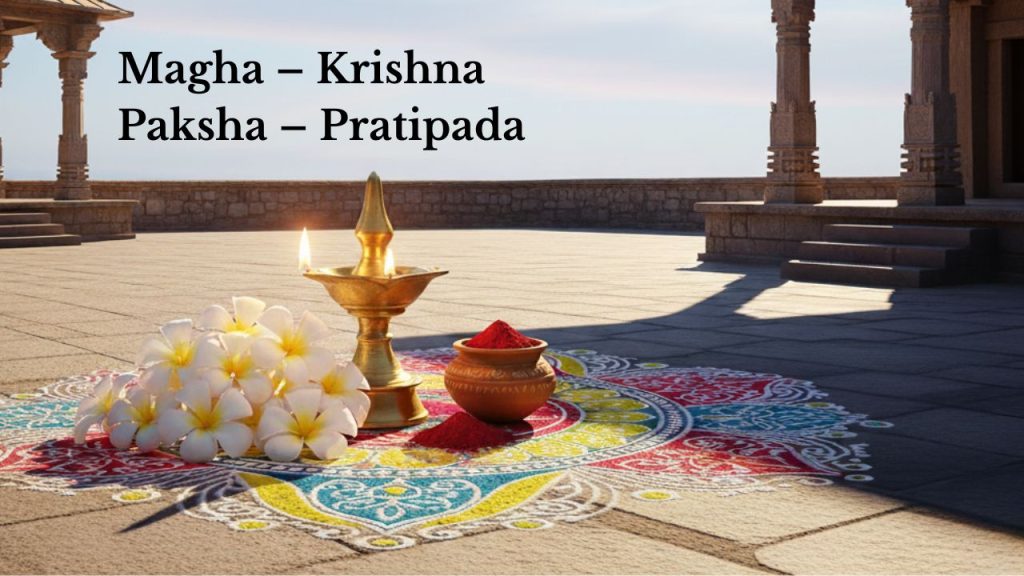
Puja on Pratipada typically begins with cleansing the sacred space and oneself. Devotees arrange offerings like fresh flowers, fruits, and holy water, creating an environment of devotion. The ritual includes lighting lamps, incense, and reciting specific prayers to invite divine presence.
Offerings symbolize surrender, gratitude, and reverence. Performing puja with mindfulness ensures that the devotee aligns with cosmic energies, maximizing spiritual benefits. The day’s rituals also provide a structured framework for cultivating discipline, focus, and devotion.
Importance of cleanliness and preparation of sacred space
Cleanliness is considered a vital aspect of ritual observance. Preparing a holy space involves purifying the surroundings, arranging offerings neatly, and ensuring a calm environment. This practice reflects inner discipline and respect for the divine.
By maintaining a pure environment, devotees enhance concentration, create positive vibrations, and reinforce the sanctity of the observance. Cleanliness extends beyond physical space, encompassing mental and emotional preparation, setting the stage for focused and meaningful devotion.
Specific prayers, mantras, and chanting practices
Chanting mantras such as Vishnu Sahasranama, Gayatri Mantra, or specific Pratipada hymns strengthens spiritual energy. Repetition of sacred sounds aligns the mind with divine vibrations, enhancing clarity, focus, and devotion. Prayer and mantra recitation also serve to cultivate gratitude, humility, and reverence.
Mantras can be accompanied by visualization or meditation, creating a holistic spiritual practice. These activities are believed to magnify the spiritual benefits of the day, helping devotees connect more deeply with divine consciousness.
Fasting practices observed on Pratipada.
Fasting is a significant aspect of Pratipada observance. Devotees may choose full or partial fasts, abstaining from grains, certain foods, or meals entirely. Fasting encourages discipline, reflection, and heightened awareness, complementing other spiritual practices.
The act of fasting purifies the body, strengthens self-control, and aligns physical energy with spiritual intent. Observing fasts during Krishna Paksha enhances the potency of rituals and prayers, creating a holistic approach to devotion and personal growth.
Role of family and community participation
Pratipada is not only a personal spiritual observance but also a community and family event. Families gather to perform rituals together, fostering unity and shared devotion. Communities organize temple events, group prayers, and cultural programs to mark the day.
Participation reinforces social bonds and ensures that traditions are passed down through generations. Engaging collectively in spiritual practices amplifies positive energy and strengthens cultural continuity, highlighting the communal significance of Pratipada.
Connection with Lord Krishna
Pratipada in Krishna Paksha is deeply associated with Lord Krishna, particularly due to the spiritual resonance of Magh and the waning moon phase. This day is ideal for devotion, meditation, and aligning one’s actions with the values exemplified by Krishna—love, compassion, wisdom, and selflessness.
The day provides an opportunity to reflect on Krishna’s teachings and pastimes. Observing rituals, prayers, and fasting during Pratipada fosters alignment with Krishna’s divine qualities. Temples and spiritual communities emphasize devotion through bhajans, storytelling, and guided worship, enabling devotees to immerse themselves in Krishna’s presence and guidance.
Through observance of Pratipada, devotees strengthen their spiritual alignment, cultivate inner peace, and develop a closer connection to the divine essence embodied by Krishna. This alignment not only nurtures devotion but also promotes moral, ethical, and spiritual refinement in everyday life.
Influence of Krishna’s pastimes during Magh Krishna Paksha
Krishna’s pastimes, or Leelas, provide moral and spiritual lessons for devotees. During Magh Krishna Paksha, these stories are particularly highlighted, offering guidance on righteousness, devotion, and humility. Observing Pratipada allows devotees to internalize these lessons, using them as a compass for ethical living.
These narratives also enhance spiritual engagement, inspiring meditation, prayer, and acts of compassion. By reflecting on Krishna’s actions, devotees align themselves with the principles of dharma and cultivate a balanced, harmonious life.
Importance of devotion (bhakti) on this day
Bhakti, or devotional love, is central to observing Pratipada. Devotees engage in heartfelt prayer, song, and service, cultivating a deep connection with the divine. The day encourages sincerity, focus, and emotional engagement in spiritual practice, making devotion more potent and fulfilling.
Bhakti expressed during Pratipada strengthens spiritual resilience, nurtures humility, and reinforces ethical conduct. It also creates a lasting impression on the mind, fostering spiritual growth and inner harmony throughout the fortnight.
Observing Pratipada for spiritual alignment with Krishna
Observance of Pratipada acts as a spiritual alignment tool, connecting individual practices with Krishna’s energies. Rituals, fasting, and meditation harmonize the devotee’s mind, body, and spirit with divine consciousness, facilitating clarity, focus, and spiritual elevation.
This alignment enhances understanding of divine principles and encourages practical application in daily life. It ensures that spiritual practices are not merely ritualistic but transformative, producing tangible benefits in behavior, mindset, and emotional well-being.
Stories of Krishna related to this lunar phase
Texts and folklore recount Krishna’s engagement with devotees during the waning moon. These stories illustrate the power of devotion and righteous living, emphasizing that aligning with cosmic rhythms enhances spiritual outcomes. Reflecting on these tales during Pratipada strengthens faith and encourages ethical and spiritual diligence.
Temples and rituals dedicated to Krishna on Pratipada
Many temples perform special ceremonies, including abhishekam, aarti, and bhajan sessions on Pratipada. These rituals reinforce community participation, devotion, and cultural continuity. Visiting temples and engaging in these observances enhances the spiritual experience, providing opportunities to connect with Krishna’s energy in a collective, immersive environment.
Benefits of Observing Pratipada
Observing Pratipada in Krishna Paksha during Magh offers a wide range of spiritual, mental, and physical benefits. The day is designed to align human actions with cosmic rhythms, ensuring that devotion, discipline, and mindfulness are integrated into everyday life. Engaging in rituals, prayers, and fasting on Pratipada creates an environment of positive energy and personal transformation.
Spiritually, Pratipada provides a structured opportunity for self-reflection and purification. It encourages devotees to release negative thoughts, regrets, and attachments, fostering mental clarity and inner peace. This spiritual cleansing enhances one’s focus, enabling more profound meditation and a more meaningful engagement with devotional practices. As the waning moon encourages introspection, the observance of Pratipada aligns perfectly with the natural rhythm of reflection and self-improvement.
Psychologically, the day promotes discipline, patience, and emotional resilience. Practices such as fasting and ritual observance strengthen willpower and cultivate a sense of accomplishment, while devotional activities like chanting and prayer encourage positivity and hope. The reinforcement of ethical living and mindfulness during Pratipada contributes to overall well-being, reducing stress and enhancing emotional balance.
Socially, observing Pratipada fosters harmony within families and communities. Group prayers, temple visits, and shared rituals enhance collective devotion, creating a supportive and spiritually vibrant environment. This sense of unity reinforces cultural continuity, ensuring that spiritual values are maintained and celebrated across generations.
Overall, the benefits of Pratipada extend far beyond ritualistic observance. It promotes holistic growth—spiritual, mental, and social—helping devotees lead disciplined, peaceful, and purpose-driven lives aligned with divine principles.
Mental and emotional purification
Pratipada is particularly effective for cleansing the mind and emotions. Devotional practices, meditation, and prayers help remove lingering negativity, stress, and unresolved emotional tension. By dedicating time to spiritual introspection, devotees cultivate a calm, focused, and balanced mindset, enhancing overall emotional stability and resilience.
Removal of negative karma
Engaging in fasting, charity, and prayer on Pratipada is believed to reduce past karmic burdens. These actions demonstrate humility, selflessness, and devotion, which purify the soul. Scriptural references highlight that sincere observance attracts divine grace, removing obstacles and fostering spiritual advancement.
Promotes harmony in family and social life
The day encourages family participation in rituals and collective devotion. Shared prayers, community gatherings, and temple visits strengthen interpersonal bonds, foster unity, and create a spiritually uplifting environment. This social engagement complements individual spiritual growth.
Boosts concentration and discipline in spiritual practices
Regular engagement in rituals, meditation, and fasting during Pratipada enhances mental focus and cultivates self-discipline. These qualities extend beyond spiritual life into personal and professional domains, creating well-rounded, mindful individuals.
Enhancement of prosperity and well-being
Spiritual observance on Pratipada is believed to attract positive energies that influence material and emotional prosperity. Aligning with cosmic rhythms promotes holistic well-being, ensuring that life flows harmoniously on physical, mental, and spiritual levels.
Cultural and Community Aspects
Pratipada is not only a personal spiritual observance but also a deeply cultural event. The day brings families and communities together, reinforcing traditions and social values. Celebrations often include temple visits, group prayers, singing of bhajans, and sharing of knowledge about the significance of Krishna Paksha.
Community gatherings enhance collective devotion, allowing participants to share experiences, guidance, and inspiration. Cultural performances, storytelling, and spiritual discussions ensure that traditions are transmitted to younger generations, maintaining continuity and relevance in contemporary life.
The cultural dimension of Pratipada also emphasizes social responsibility. Acts of charity, feeding people in need, and helping others are integral, reinforcing moral and ethical values. Participation in communal activities strengthens bonds and ensures that spiritual practices foster a sense of unity, cooperation, and shared purpose.
Celebrations and community gatherings
Temples and spiritual centers organize group prayers, discourses, and devotional music sessions. These gatherings create a vibrant spiritual atmosphere, offering devotees an opportunity to engage collectively in worship while reinforcing community bonds.
Singing bhajans and devotional music
Bhajans and kirtans performed on Pratipada uplift the mind and heart, creating an emotional connection with the divine. Music facilitates meditation, devotion, and spiritual reflection, allowing participants to immerse themselves in Krishna’s presence.
Role of elders in guiding rituals
Elders provide guidance on proper rituals, prayers, and fasting practices. Their participation ensures adherence to traditional observances and fosters spiritual education among younger generations, preserving cultural and religious continuity.
Social significance in reinforcing traditions
By participating in communal rituals, devotees maintain the cultural heritage of Hinduism. Pratipada serves as a living tradition, linking spiritual practice with social responsibility and collective well-being.
Regional variations in celebration practices
Different regions observe Pratipada with unique rituals, local deities, and customary practices. Despite these variations, the central theme of devotion, reflection, and community unity remains consistent, demonstrating the adaptability and enduring relevance of this observance.
Fasting and Dietary Practices
Fasting during Pratipada in Krishna Paksha is a core practice that supports both spiritual and physical well-being. Devotees observe either full or partial fasts, abstaining from grains, specific foods, or certain meals. The act of fasting enhances self-discipline, encourages mindfulness, and purifies the body, preparing it for spiritual activities.
Dietary practices on this day typically include fruits, milk, nuts, and light, easily digestible foods. Observers are encouraged to avoid processed, heavy, or impure foods to maintain the purity of body and mind. The controlled approach to eating fosters mindfulness and reflects an inward focus aligned with the waning moon phase.
Meditation, prayers, and mantra recitation also accompany fasting and dietary regulation. These combined practices enhance devotion, concentration, and alignment with cosmic energies. Modern adaptations ensure that fasting is health-conscious, allowing devotees to observe traditions safely while maintaining their spiritual integrity.
Types of fasts observed (full, partial, or symbolic)
Full fasts involve complete abstinence from food, sometimes accompanied by drinking water or consuming light fluids. Partial fasts may allow specific foods, such as fruits, milk, or certain grains. Symbolic fasting involves refraining from indulgences or maintaining spiritual focus, creating discipline without strict dietary restrictions.
Foods recommended and prohibited
Recommended foods include milk, fruits, nuts, and simple vegetarian dishes. Prohibited items often include grains, heavy foods, and non-vegetarian items. Adhering to these guidelines ensures physical purification and alignment with spiritual intent.
Role of water and fruits in fasting
Water and fruits provide sustenance while maintaining the purity of the fast. They support health and energy while allowing devotion and introspection to remain the primary focus. Consuming these foods mindfully enhances the spiritual benefits of the observance.
Fasting as a form of self-discipline and devotion
Fasting teaches self-control, patience, and perseverance. It encourages the devotee to focus on spiritual objectives rather than immediate gratification, fostering devotion, humility, and resilience.
Guidelines for health-conscious observance
Modern practitioners are encouraged to balance fasting with health needs. Hydration, light meals, and avoiding extreme deprivation ensure that the spiritual benefits are achieved safely, promoting sustainable observance.
Pratipada in Astrology and Vedic Calendar
Astrologically, Pratipada in Krishna Paksha is considered an auspicious day, particularly in the month of Magh. Planetary positions and lunar energy influence the effectiveness of spiritual activities, making this day ideal for rituals, prayers, and meditation. Vedic guidance emphasizes performing spiritual practices during specific muhurta (auspicious timings) for optimal benefits.
The lunar influence during Krishna Paksha supports introspection, detachment, and purification. Observing Pratipada in alignment with these energies enhances focus, devotion, and overall spiritual outcomes. Astrology also guides devotees on favorable activities, ensuring that rituals, charitable acts, and meditation align with cosmic patterns for maximum positive effect.
The Vedic calendar integrates lunar phases with spiritual observances, emphasizing the significance of timing. Pratipada acts as a gateway for the fortnight’s practices, helping individuals harness lunar energies for mental clarity, spiritual growth, and ethical living.
Influence on planetary positions and horoscope readings
Pratipada’s alignment with lunar and planetary movements affects spiritual energy. Devotees use astrological insights to perform rituals and prayers at times when celestial energies are most favorable, enhancing results and spiritual potency.
Auspicious timings (muhurta) for rituals
Specific muhurta, determined by lunar and planetary calculations, guides the timing of puja, meditation, and offerings. Observing rituals during these periods aligns the devotee with cosmic energy, maximizing spiritual benefits.
Role in determining favorable activities
Astrological guidance on Pratipada suggests favorable days for charity, meditation, and community involvement. Aligning actions with these recommendations promotes positive outcomes, both spiritually and practically.
Connection with lunar energy and wellness
The waning moon’s energy encourages self-reflection, detachment, and purification. Observing Pratipada during this phase harmonizes mind, body, and spirit with natural cycles, fostering wellness, clarity, and spiritual alignment.
Insights from Vedic astrology regarding spiritual gains
Vedic astrology emphasizes that devotional practices on Pratipada amplify positive karma, attract blessings, and remove obstacles. Aligning spiritual activities with astrological guidance ensures holistic benefits for the devotee.
Contemporary Relevance
In today’s fast-paced world, observing Pratipada in Krishna Paksha remains highly relevant. Despite modern distractions, dedicating time to spiritual reflection, ritual, and devotion allows individuals to maintain mental clarity, emotional balance, and ethical grounding.
Adapting traditional practices to contemporary life can involve incorporating mindful meditation, simplifying rituals, and fostering community engagement through digital platforms or local gatherings. These adaptations ensure that devotion and discipline remain integral, even amidst modern challenges.
Pratipada serves as a reminder to pause, reflect, and realign with higher values. It encourages mindfulness, gratitude, and intentional living, offering a spiritual counterbalance to the demands of daily life. By observing this day, individuals can cultivate resilience, peace, and purpose, reinforcing both personal growth and cultural continuity.
The day also inspires younger generations to connect with their heritage through practical, engaging, and meaningful practices. Pratipada becomes not only a spiritual observance but a tool for life management, ethical reflection, and emotional well-being.
Adapting rituals in the modern lifestyle
Modern observance may involve shorter pujas, meditation, and selective fasting that fit into daily schedules. Technology, such as online temple broadcasts, allows participation even from a distance, maintaining engagement with tradition.
Importance of mindfulness and spiritual reflection
Pratipada encourages conscious living. Through meditation, prayer, and reflection, individuals cultivate awareness, gratitude, and ethical focus, integrating spiritual principles into everyday life.
Using Pratipada for self-improvement and mental clarity
The day provides an opportunity to assess personal goals, release negative patterns, and adopt constructive habits. This introspective practice enhances clarity, decision-making, and inner peace.
Encouraging younger generations to observe traditions
Engaging youth through storytelling, community events, and simplified rituals ensures that spiritual and cultural heritage continues. Participation fosters appreciation, learning, and spiritual growth from an early age.
Maintaining cultural continuity in the age of technology
Digital tools, social media, and online community events allow Pratipada observances to remain relevant. These platforms connect devotees globally, preserving tradition while embracing modern lifestyles.