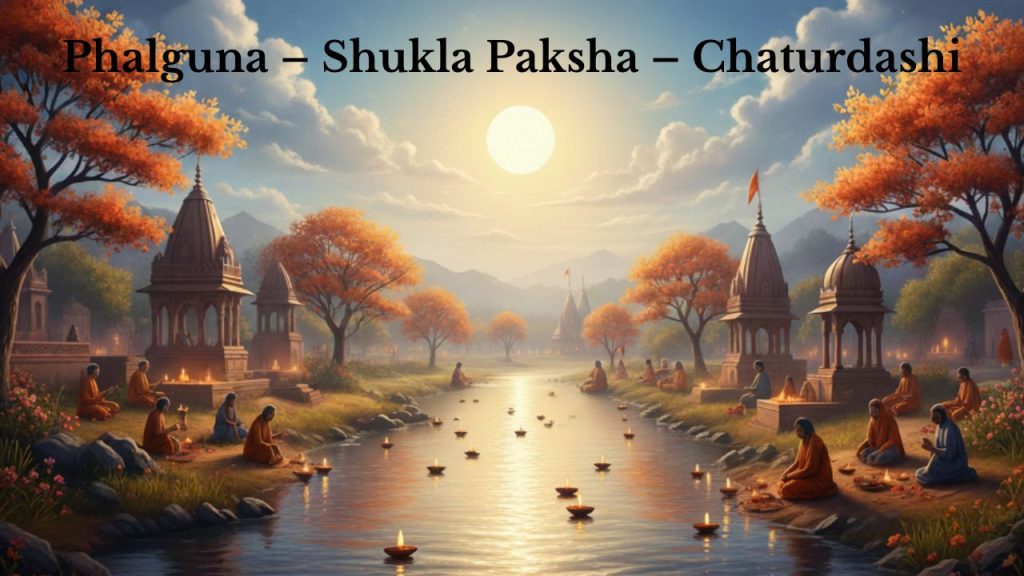
Importance of Chaturdashi in Krishna Paksha in Magh
Definition of Chaturdashi (14th day of the lunar fortnight)
Chaturdashi, the 14th day of the lunar fortnight, holds a unique place in the Hindu lunar calendar. It is observed twice a month, during the waxing (Shukla Paksha) and waning (Krishna Paksha) moon phases. In Krishna Paksha, Chaturdashi marks the penultimate day before Amavasya, symbolizing the culmination of the waning lunar energy. This day is considered significant for spiritual cleansing and introspection. It serves as a day of reflection, helping devotees align their energies with the natural rhythms of the moon.
Explanation of Krishna Paksha (waning phase of the moon)
Krishna Paksha represents the waning phase of the moon, starting from the full moon (Purnima) and ending at the new moon (Amavasya). During this period, the moon gradually decreases in illumination, symbolizing release, detachment, and inner cleansing. Observing Chaturdashi in this phase encourages letting go of negative thoughts and past burdens. The waning phase is spiritually ideal for introspection, meditation, and rituals aimed at purification. It reminds individuals that endings are part of natural cycles, preparing them for new beginnings with the upcoming lunar month.
Occurrence of Chaturdashi in Magh (January–February)
In the month of Magh, Chaturdashi falls during the peak of winter in India, a period traditionally associated with heightened spiritual practices. The crisp, serene mornings provide a perfect environment for meditation, prayer, and fasting. Observing Chaturdashi in Magh enhances spiritual discipline, enabling devotees to focus on inner growth and self-realization. This period is often considered auspicious for performing rituals that seek blessings for prosperity, health, and overall well-being.
The purpose of observing Chaturdashi in the Hindu culture
Observing Chaturdashi is more than a ritual; it is an act of devotion and discipline. It encourages spiritual awakening and moral introspection. People use this day to perform prayers, meditate, and fast, believing it brings divine blessings and balances mental, emotional, and physical energies. It also fosters a sense of community, as families often gather to celebrate, pray, and share spiritual practices.
Spiritual and cultural significance
Chaturdashi symbolizes preparation, reflection, and devotion. Spiritually, it offers an opportunity to cleanse the mind and body. Culturally, it strengthens bonds by encouraging collective observance and shared rituals. The day is often linked to prominent legends, adding depth to its observance and making it a crucial aspect of the Hindu lunar calendar.
Astronomical Significance of Chaturdashi
Position of the moon on Chaturdashi
On Chaturdashi, the moon is nearing the end of its waning cycle, appearing as a thin crescent in the sky. Astronomically, this position symbolizes the transition from fullness to darkness. The moon’s reduced illumination is linked with energy reduction, encouraging introspection and meditation. Observing the moon on this day provides a tangible connection to natural rhythms, reminding devotees of life’s cyclical patterns and the importance of balance in spiritual practices.
Relation to the sun and other planetary positions
During Chaturdashi, planetary alignments, especially of the sun and moon, influence energy levels and spiritual efficacy. The sun represents vitality, while the moon governs emotions. Their relative positions create an ideal environment for reflection, prayer, and performing rituals. Certain planetary positions on this day are believed to enhance the effectiveness of spiritual practices, making it auspicious for seeking divine guidance, protection, and blessings.
Importance in the lunar calendar
Chaturdashi serves as a key marker in the lunar calendar, indicating the approach of Amavasya. It is a reminder that cycles of growth and decline are natural, urging devotees to embrace endings gracefully. In the lunar calendar, this day is often chosen for specific religious observances, as it carries heightened spiritual energy conducive to performing rituals, fasting, and meditation.
Connection to tides and natural cycles
The moon’s gravitational influence affects tides and natural cycles on Earth. Observing Chaturdashi during Krishna Paksha aligns human activity with natural energy fluctuations. This connection between celestial events and earthly rhythms highlights the wisdom of traditional practices, emphasizing harmony with nature as an essential aspect of spiritual and physical well-being.
Religious Importance in Hinduism
Role in specific rituals and prayers
Chaturdashi is considered an ideal day for performing rituals that purify the soul and environment. Devotees often engage in early morning prayers, chanting mantras, and offering water or flowers to deities. The rituals are believed to cleanse negative karma, strengthen mental clarity, and invoke divine blessings. This practice reinforces discipline and encourages a focused, meditative mindset.
Worship of deities like Lord Shiva and Hanuman
Lord Shiva is especially revered on Chaturdashi, symbolizing the destruction of negativity and spiritual renewal. Devotees perform abhishekam (ritual bathing of the deity) with milk, water, or honey, accompanied by chanting Shiva mantras. Hanuman is also worshipped for courage, devotion, and protection. Observing these practices fosters inner strength, patience, and resilience while deepening spiritual connection.
Significance in Magh month observances
Chaturdashi in Magh holds additional importance due to its timing in a spiritually auspicious month. Many devotees intensify rituals, fasting, and charity during this period. Religious gatherings and community prayers are organized, promoting collective spiritual engagement. These observances strengthen faith, foster self-discipline, and offer opportunities for personal growth and transformation.
Association with fasting and spiritual purification
Fasting on Chaturdashi is considered highly beneficial. Abstaining from heavy meals, focusing on sattvic foods, or even observing a complete fast enhances mental clarity and spiritual focus. The discipline required for fasting is symbolic of controlling desires, removing impurities, and cultivating mindfulness. Over time, these practices contribute to both physical health and spiritual growth.
Influence on auspicious ceremonies and festivals
Chaturdashi is often chosen for significant ceremonies such as sacred rituals, yajnas (fire sacrifices), and other spiritual gatherings. The day’s auspicious energy amplifies the effects of these ceremonies, ensuring that intentions set during rituals carry long-lasting benefits. It is also a time to seek blessings for prosperity, harmony, and protection from negative influences.
Mythological and Historical References
Stories from the Puranas related to Chaturdashi
Several Puranic stories highlight Chaturdashi as a day of divine intervention and blessings. One notable legend involves Lord Shiva, who appeared to his devotees on this day to grant boons and remove suffering. These stories highlight the spiritual significance of the day and encourage devotees to observe traditions with sincerity and devotion.
Historical significance of Chaturdashi observances
Historically, Chaturdashi has been observed through rituals that promote societal well-being and spiritual discipline. Ancient texts detail how sages and kings performed specific ceremonies to ensure harmony, prosperity, and protection from negative energies. These practices reinforced community values, making Chaturdashi a day of collective reflection and devotion.
Connection to legends of divine blessings
Chaturdashi is intertwined with stories of divine grace, where sincere observance leads to blessings of health, wealth, and spiritual growth. Legends often describe miraculous events occurring on this day, inspiring devotees to maintain faith and perform rituals with dedication. The cultural memory of these blessings strengthens the tradition and encourages consistent observance.
Cultural narratives emphasizing spiritual discipline
The recurring theme in Chaturdashi narratives is discipline and self-control. Legends and historical references underscore the importance of meditation, fasting, prayer, and charity. Observing Chaturdashi is thus a means to cultivate patience, humility, and devotion, reinforcing spiritual habits that support lifelong growth.
Fasting Practices and Rituals
Types of fasts observed on Chaturdashi
Devotees follow various fasting patterns, ranging from complete abstinence to partial fasting with light, sattvic meals. Some observe a Nirjala fast, abstaining from both food and water, while others take fruits and milk. Each type of fasting is aimed at purifying the body, calming the mind, and enhancing spiritual focus. The choice of fast depends on personal discipline, health, and religious guidance.
Recommended rituals and poojas
Chaturdashi poojas often involve offering milk, honey, fruits, and flowers to deities, along with chanting specific mantras. Performing abhishekam of Lord Shiva or worshipping Hanuman is highly encouraged. Rituals may also include lighting lamps, reciting sacred texts, and meditating to connect deeply with spiritual energies. These practices help reinforce focus, devotion, and inner peace.
Preparation and offerings for deities
Before the pooja, devotees clean their homes and create a sacred space. Offerings, including fruits, sweets, and flowers, are arranged meticulously. Water, milk, and honey are often used in the ritual bathing of idols. This preparation signifies devotion, respect, and purity, creating an atmosphere conducive to spiritual upliftment.
Benefits of fasting on spiritual and physical levels
Fasting on Chaturdashi is believed to purify both mind and body. Spiritually, it fosters discipline, enhances concentration, and deepens connection with the divine. Physically, fasting supports detoxification, improves metabolism, and promotes overall wellness. This practice demonstrates the integration of spiritual and physical well-being, showing how traditional observances align with holistic health principles.
Astrological Benefits of Chaturdashi
Influence on personal horoscope and planetary alignments
Chaturdashi is astrologically significant because the moon is in its waning phase, affecting emotions, intuition, and decision-making. The position of the moon, along with other planets, can influence mental clarity, emotional stability, and spiritual receptivity. Devotees often perform rituals and prayers on this day to harmonize planetary energies, reduce doshas (astrological imbalances), and invite positive outcomes in personal and professional life. Observing Chaturdashi with intention is believed to align individual energy with cosmic patterns, bringing a sense of balance and calm.
Connection with moon phases and mental clarity
The waning moon encourages introspection, reflection, and detachment from negativity. Chaturdashi is ideal for meditation, self-assessment, and focusing on personal growth. By aligning practices with lunar energy, devotees can clear mental clutter, enhance focus, and cultivate emotional stability. The subtle energy of the day supports spiritual discipline, allowing individuals to release old patterns and prepare for renewal during Amavasya.
Favorable times for meditation and prayers
Astrologically, the hours of Chaturdashi are considered highly auspicious for meditation, mantra chanting, and performing poojas. Early morning and twilight are potent times for spiritual practices, as planetary energies are most receptive to spiritual influences. Observing rituals during these hours enhances their effectiveness, helping devotees experience a more profound sense of calm, clarity, and divine connection.
Role in enhancing positive energy and reducing negative influences
Chaturdashi rituals, fasting, and prayers are believed to neutralize negative energy and attract positivity. This day is ideal for performing cleansing ceremonies at home, offering prayers for protection, and engaging in charitable acts. By participating in these practices, devotees can cultivate resilience, inner peace, and a harmonious environment, both spiritually and physically.
Cultural Celebrations and Traditions
Regional variations in observing Chaturdashi
Across India, Chaturdashi is observed with unique regional traditions. In some areas, devotees gather at temples to perform group prayers, while in others, home rituals dominate. Each region brings cultural richness to the observance, with specific customs, foods, and devotional songs enhancing the experience. These variations reflect the adaptability and inclusiveness of Hindu traditions, allowing spiritual practices to resonate with local communities.
Folk traditions and community rituals
Folk traditions often include storytelling, devotional singing, and ceremonial offerings. Community rituals strengthen social bonds and create a shared spiritual atmosphere. These practices offer an opportunity for collective reflection, celebration, and learning, as they pass down sacred knowledge from one generation to the next.
Music, art, and local customs associated with the day
Chaturdashi celebrations often involve devotional music, folk dances, and artistic expressions inspired by legends associated with the day. Temples and homes are adorned with decorations, and rituals may include lighting lamps, creating rangoli designs, and performing symbolic gestures. These practices reinforce cultural identity and deepen spiritual engagement.
Social and family-oriented celebrations
Families often come together to observe Chaturdashi through fasting, prayer, and shared meals after rituals. This day fosters harmony, teaches patience, and encourages values such as compassion, gratitude, and discipline. Social gatherings during Chaturdashi also provide a platform for educating younger generations about spiritual and cultural traditions.
Health and Wellness Aspects
Impact of fasting on physical and mental health
Fasting during Chaturdashi offers numerous health benefits. Abstaining from heavy meals allows the digestive system to rest, promotes detoxification, and improves metabolism. Mentally, fasting encourages discipline, mindfulness, and emotional regulation. Regular observance of Chaturdashi fasts can contribute to long-term wellness, reinforcing the connection between spiritual practice and holistic health.
Yoga and meditation practices are recommended on Chaturdashi
Chaturdashi is ideal for incorporating yoga and meditation into daily routines. Gentle asanas, pranayama, and mindfulness exercises enhance the benefits of fasting and ritual observances. Meditation during this day helps center the mind, reduce stress, and cultivate a sense of inner peace, aligning physical, mental, and spiritual energy.
Detoxification benefits linked with lunar cycle observance
The alignment of fasting and lunar cycles during Chaturdashi supports natural detoxification processes. The body’s energy is better utilized for cleansing and rejuvenation, creating a balance between physical vitality and spiritual clarity. This synergy highlights the wisdom of traditional practices in promoting overall wellness.
Spiritual wellness and mental peace
Observing Chaturdashi fosters spiritual and mental wellness. Devotional activities, introspection, and community rituals create a sense of purpose and inner fulfillment. Engaging in these practices reduces stress, improves focus, and cultivates a positive mindset, demonstrating the holistic benefits of integrating spirituality into daily life.
Chaturdashi in Daily Life and Modern Relevance
Applying spiritual lessons in everyday life
The observance of Chaturdashi provides valuable lessons in discipline, reflection, and mindfulness that can be applied in daily routines. Practicing gratitude, self-control, and compassion during the day reinforces habits that support personal and professional growth. These lessons help cultivate resilience and a balanced approach to challenges.
Importance of mindfulness and reflection
Chaturdashi encourages conscious living through introspection and self-assessment. Taking time to reflect on actions, thoughts, and intentions fosters mental clarity, emotional stability, and ethical decision-making. Mindfulness on this day strengthens the ability to stay focused and centered amid life’s demands.
Role in strengthening family and social bonds
Family gatherings, shared prayers, and communal rituals during Chaturdashi enhance social connections and promote harmony. These practices cultivate a sense of belonging and intergenerational learning, reinforcing both spiritual and cultural values in everyday life.
Modern adaptations of traditional practices
While contemporary life can be busy, Chaturdashi practices have adapted to fit modern schedules. Online prayers, simplified rituals, and flexible fasting options allow individuals to honor traditions while maintaining professional and personal commitments. These adaptations ensure that spiritual practices remain relevant and accessible today.
Key Takeaways and Parting Thoughts
Summary of spiritual, cultural, and health benefits
Chaturdashi in the Krishna Paksha of Magh is a day of profound significance. Spiritually, it offers an opportunity for reflection, devotion, and purification. Culturally, it strengthens family, community, and heritage. Health-wise, fasting and meditation support physical detoxification and mental clarity.
Encouragement to observe Chaturdashi mindfully
Observing Chaturdashi with sincerity allows for a deeper connection with oneself and the divine. Mindful practices enhance discipline, patience, and inner peace, fostering holistic well-being.
Reflection on personal growth and discipline
The day’s rituals, fasting, and meditation instill valuable qualities such as focus, self-control, and resilience. Chaturdashi encourages embracing life’s cycles, letting go of negativity, and preparing for new beginnings with clarity and determination.
Importance of preserving traditions in contemporary times
Even in modern life, honoring Chaturdashi preserves cultural identity, reinforces spiritual values, and promotes communal harmony. By integrating traditional practices into contemporary routines, this observance continues to offer timeless lessons in balance, devotion, and holistic wellness.