The Hindu Lunar Calendar and Krishna Paksha
Overview of the Hindu lunar calendar system
The Hindu lunar calendar is a fascinating and intricate system that has guided daily life, rituals, and festivals for thousands of years. Unlike the Gregorian calendar, which follows the solar cycle, the Hindu calendar primarily follows the lunar phases. Each month is divided based on the moon’s waxing and waning, creating a natural rhythm that profoundly influences spiritual and social practices.
In this system, a lunar month is approximately 29.5 days long and is split into two halves called Pakshas. The first half, known as Shukla Paksha, is when the moon waxes or grows brighter. The second half, called Krishna Paksha, is the waning phase, when the moon gradually darkens until the New Moon. Each day in these halves is called a tithi, a lunar day with significance and spiritual meaning. This calendar plays a vital role in determining the timing of festivals, fasts, and religious ceremonies. It is deeply woven into the cultural fabric, especially in Hindu households where the moon’s phases help decide auspicious days for everything from weddings to pujas.
Explanation of Krishna Paksha (waning phase of the moon)
Krishna Paksha, meaning the “dark fortnight,” is when the moon’s visible surface shrinks from a full moon to a new one. It’s a time associated with introspection, release, and spiritual purification. In contrast to Shukla Paksha’s outward growth and brightness, Krishna Paksha symbolizes withdrawal, rest, and an inward journey.
Spiritually, this phase encourages detachment and reflection. Many spiritual traditions advise slowing down, letting go of attachments, and focusing on internal growth during Krishna Paksha. This period is ideal for penance, austerity, and meditation because the moon’s diminishing light aligns with themes of surrender and purification. As the moon darkens, its energy naturally supports the cleansing of old patterns and prepares for a new cycle that begins with the bright Shukla Paksha.
Significance of tithis (lunar days) in daily spiritual life
Each tithi in the Hindu lunar calendar holds significance and governs specific rituals and spiritual activities. These tithis are not just days but energy pulses within the lunar cycle, offering unique opportunities for spiritual growth or caution.
For example, certain tithis are considered highly auspicious for worship, fasting, or starting new ventures, while others may advise caution or restraint. Many devotees structure their daily spiritual lives around tithis, observing fasts or performing prayers according to the lunar day’s energy. This system helps you live in harmony with natural cosmic rhythms. Knowing the significance of each tithi guides decisions, enhances spiritual practices, and connects you to a time-tested cosmic rhythm.
Role of the Jyeshtha month in the Hindu calendar
Jyeshtha is the third month in the Hindu lunar calendar, roughly corresponding to May-June in the Gregorian calendar. It is a hot and challenging time of year in many parts of India, marked by rising temperatures and the anticipation of the monsoon season. Spiritually, Jyeshtha is seen as a transformative month, symbolizing intense purification and renewal. The energy of Jyeshtha encourages you to release physical and mental impurities, preparing for the rains that bring new life and growth.
Many important festivals and observances take place during this month, and its unique energy is closely tied to rituals aimed at protection, prosperity, and spiritual growth. The Krishna Paksha of Jyeshtha holds special significance as it represents a crucial internal cleansing and preparation phase.
Why focus on Dwitiya (second day) in Krishna Paksha?
Dwitiya, the second tithi of the lunar fortnight, may seem like just another day in the moon’s cycle, but it holds a unique place in spiritual traditions, especially when it falls in Krishna Paksha. The name “Dwitiya” itself means “second,” symbolizing duality, choice, and balance. It’s a day that invites you to consciously navigate between light and darkness, attachment and detachment, action and stillness.
In Krishna Paksha, Dwitiya marks a pivotal moment for initiating spiritual disciplines, setting intentions for letting go, and deepening your connection with divine energies such as Shiva and Shakti. It’s a day to embrace the challenge and opportunity of the waning moon, where you learn to shed old habits and step into a more conscious, purified state. Focusing on Dwitiya in Krishna Paksha allows you to tap into a potent spiritual energy that supports transformation and growth, aligning your inner journey with the cosmic rhythm.
What is Dwitiya Tithi and Its General Importance
Meaning and placement of Dwitiya in lunar phases
Dwitiya is the second tithi, or lunar day, in each half of the Hindu lunar month. Since each lunar month has two Pakshas, Shukla Paksha (waxing moon) and Krishna Paksha (waning moon), Dwitiya occurs twice a month. Its placement as the “second” day marks it as an early indicator of the energy tone for the fortnight.
During the Krishna Paksha, Dwitiya is the second day after the full moon when the moon’s visible part begins to decrease. Symbolically, this day reflects the initial phase of letting go and internalizing the lessons of the waning moon. It’s like the first real step toward release and transformation after the fullness of the moon’s light. Dwitiya is a subtle reminder of the dualities we face: joy and sorrow, attachment and detachment, light and shadow. This day encourages awareness of these dual aspects within ourselves and our world.
Scriptural references about Dwitiya
Dwitiya has been mentioned in several ancient Hindu scriptures, including the Vedas, Puranas, and classical Dharmashastra texts. These references highlight its importance as a day with specific energetic qualities and prescribed rituals.
For instance, the Skanda Purana and Padma Purana mention the observance of fasts and worship on Dwitiya to please deities such as Lord Shiva and Lord Vishnu. It’s considered a day suitable for offering prayers that promote peace, prosperity, and spiritual upliftment. The Manusmriti and other Dharma texts also outline specific duties and conduct guidelines for Dwitiya, emphasizing restraint, discipline, and piety. These ancient texts affirm Dwitiya’s role as a day to honor cosmic order and engage in meaningful spiritual practice.
Energetic and spiritual characteristics of Dwitiya
Energetically, Dwitiya embodies the principle of duality and balance. It invites you to consciously engage with the twofold nature of existence, such as light and darkness, creation and destruction, or attachment and renunciation.
Spiritually, this tithi provides an opportunity for inner reflection and conscious decision-making. The energy encourages you to evaluate what you want to nurture and what you need to release. This is especially true during Krishna Paksha, where Dwitiya’s energy leans towards introspection, surrender, and penance. Many practitioners find Dwitiya ideal for japa (mantra repetition), meditation, and starting new spiritual routines. Its subtle yet powerful vibrations support breaking free from old patterns and initiating a transformation.
Auspicious and inauspicious activities are advised
Dwitiya has guidelines on which activities are favored or discouraged to maintain harmony with its energy. It is generally considered an auspicious day for:
- Beginning spiritual practices, such as meditation or mantra chanting.
- Performing religious ceremonies and pujas to deities.
- Observing fasts or vrata for purification.
- Engaging in acts of charity or service.
On the flip side, inauspicious activities to avoid include:
- Starting major financial or business ventures.
- Undertaking travel or journeys.
- Engaging in conflict or heated discussions.
These recommendations stem from the understanding that Dwitiya is a day more suited to inward focus and spiritual growth rather than outward action and material pursuits.
Role in monthly vrat and rituals
Dwitiya is vital in the monthly vrat (fasting) cycle and ritual observances. Many communities observe fasts on Dwitiya to align their discipline with lunar energies. For instance, some traditions emphasize fasting on Krishna Dwitiya to honor Pitru (ancestors) and seek their blessings and peace. This fasting serves as spiritual purification and a way to express gratitude to forebears.
Dwitiya fasting also promotes detoxification of the body and mind, helping you build resilience and deepen your spiritual focus. The rituals performed on this day often involve chanting, offering water or food to ancestors, and engaging in heartfelt prayer. By observing Dwitiya vrat, you’re consciously syncing your lifestyle with the cosmic rhythms, opening doors to spiritual clarity and balance.
Importance of Krishna Paksha in Jyeshtha Month
Mythological significance of Jyeshtha Krishna Paksha
Jyeshtha Krishna Paksha holds a special place in Hindu mythology and spiritual tradition. This phase is often associated with stories of gods and sages who undertook penance, introspection, and transformation during this time.
For example, the worship of Lord Shiva intensifies during Krishna Paksha in Jyeshtha, as Shiva represents destruction and renewal, mirroring the waning moon’s energy. Many legends describe Shiva granting boons or guiding devotees through spiritual challenges precisely during this dark fortnight. This period is seen as a time when cosmic forces are especially receptive to sincere devotion and austerity. The mythological backdrop encourages you to tap into your inner strength and embrace the transformative power of letting go.
Transition period before Amavasya (New Moon)
Krishna Paksha in Jyeshtha is the crucial transition from fullness to emptiness, culminating in Amavasya, the New Moon day. This transition period symbolizes the cyclical nature of life, encompassing both creation and dissolution.
During this time, the moon’s diminishing light parallels the release of attachments, old karma, and stagnant energies. It’s like nature reminding you that endings are necessary to make way for new beginnings. Spiritually, this phase encourages withdrawal from external distractions and deep contemplation. You prepare yourself mentally and emotionally to enter the darkness of Amavasya, a powerful time for renewal, rebirth, and setting intentions for the upcoming lunar cycle.
Influence on Nature and the human psyche
The waning moon in Jyeshtha Krishna Paksha affects the environment and your inner world. Physically, this period often coincides with hot and dry weather conditions, which can challenge your endurance and health.
Psychologically, the energy encourages calmness, detachment, and a reflective mindset. You may notice a natural pull towards solitude, introspection, and spiritual pursuits. This is a time when distractions fade and more profound truths emerge. The subtle energies urge you to slow down, reduce mental chatter, and connect with your inner self. This influence can help you build emotional resilience and prepare for spiritual growth.
Time for introspection, detachment, and austerities
Krishna Paksha in Jyeshtha is ideal for practicing detachment and austerities, whether fasting, meditation, or controlling one’s senses. The diminishing moonlight symbolizes the shedding of illusions and attachments, making it easier to focus inward. By consciously embracing austerity during this period, you align with the cosmic rhythm of purification. It’s a time to question habits, detoxify your body and mind, and cultivate discipline. Many spiritual teachers recommend this phase for starting serious sadhana or penance because the universe energetically supports your efforts to purify and grow.
Associated festivals and observances in Jyeshtha Krishna Paksha
Several vital festivals and observances take place during Jyeshtha Krishna Paksha, each carrying its unique spiritual significance:
- Nirjala Ekadashi: A fasting day emphasizing complete abstinence from water and food to purify the body and mind.
- Vat Savitri Vrat: Observed by married women praying for their husband’s longevity and prosperity.
- Pitru Paksha rituals: Honoring ancestors and seeking their blessings.
These festivals reinforce themes of devotion, sacrifice, and renewal. They offer structured opportunities to engage with the spiritual energy of Krishna Paksha and deepen your practice.
Spiritual Significance of Dwitiya in Krishna Paksha
Ideal for sadhana (spiritual practice) and jap
Dwitiya during Krishna Paksha creates an excellent, energetic environment for sadhana (dedicated spiritual practice) and japa (repetition of mantras). The waning moon’s introspective energy supports deep focus and concentration. Today, your spiritual efforts are amplified, and entering meditative states is easier. Many practitioners find their mantra recitations feel more powerful and transformative during Dwitiya in Krishna Paksha. This is your chance to create lasting spiritual momentum. By dedicating time to sadhana and japa on this day, you align your inner rhythm with cosmic energies, helping you move closer to clarity, peace, and self-realization.
Opportunity to reflect on inner dualities (Dvitiya = second)
The very meaning of Dwitiya, “second”, symbolizes duality, reminding you to observe the twofold nature of existence within yourself. It’s a day to recognize and harmonize opposing forces, such as light and shadow, joy and sorrow, or action and surrender. This reflection is crucial for personal growth. Acknowledging these inner dualities develops awareness and balance. Dwitiya invites you to become a witness to your internal struggles and strengths without judgment. This heightened self-awareness on Dwitiya can be a pivotal turning point for healing and transformation, enabling you to navigate life’s complexities with wisdom and grace.
Energetic alignment with Shiva and Shakti
Dwitiya in Krishna Paksha resonates strongly with the cosmic energies of Shiva (the destroyer and transformer) and Shakti (divine feminine energy). This alignment creates a potent spiritual atmosphere for renewal and awakening. Shiva’s energy supports letting go of ego and attachments, while Shakti empowers creativity and inner strength. Together, they guide you through cycles of destruction and creation within your life. On this day, worship and meditation focused on Shiva-Shakti can deepen your connection to universal consciousness and inspire profound spiritual growth.
Encouragement for devotees to begin penance
Dwitiya’s energy nudges devotees to begin penance or austerities, especially during Krishna Paksha, when the lunar energy favors detachment and purification. This penance can take many forms, such as fasting, silence, or increased spiritual discipline. Starting penance on Dwitiya offers a natural energetic boost to sustain these practices, making your efforts more effective and meaningful. It’s a day to commit to self-improvement and transformation with sincerity and dedication. Embracing penance on Dwitiya helps clear karmic debts and prepares you for more profound spiritual experiences.
Alignment with yogic and meditative energies
The subtle vibrations of Dwitiya in Krishna Paksha perfectly align with yogic and meditative practices. The energy supports heightened awareness, calmness, and inner stillness. Practicing yoga or meditation on this day can lead to a deeper level of absorption and insight. The waning moon’s quiet energy helps you move beyond surface distractions and connect to your inner source. Tuning into these energies can accelerate your spiritual journey, allowing you to experience profound peace and clarity.
Observances and Vrats Performed on This Day
Specific vrata (fasts) were observed in Krishna Dwitiya in Jyeshtha.
On Krishna Dwitiya in Jyeshtha, many devotees observe fasts to honor ancestors, seek blessings, and purify themselves. This vrata often involves abstaining from food or certain foods and dedicating time to prayer and meditation. Fasting on this day is believed to remove negative karma and bring prosperity, health, and peace. It’s a form of sacrifice that aligns your body and mind with cosmic cycles, opening the door for spiritual progress. The vrata is also an opportunity to cultivate self-discipline and deepen devotion, making it a spiritually rewarding practice.
Women’s observances of family welfare
In many regions, women observe special rituals and fasts on Krishna Dwitiya to pray for the well-being, longevity, and prosperity of their families, particularly their husbands. These observances are expressions of love, care, and spiritual connection. Women often engage in pujas, offer prayers to deities like Lord Shiva or Goddess Parvati, and perform acts of charity. These practices support family harmony and empower women spiritually by connecting them to divine feminine energies. This day strengthens the social and spiritual fabric by honoring familial bonds through sacred rituals.
Pitru-related rituals (ancestral homage)
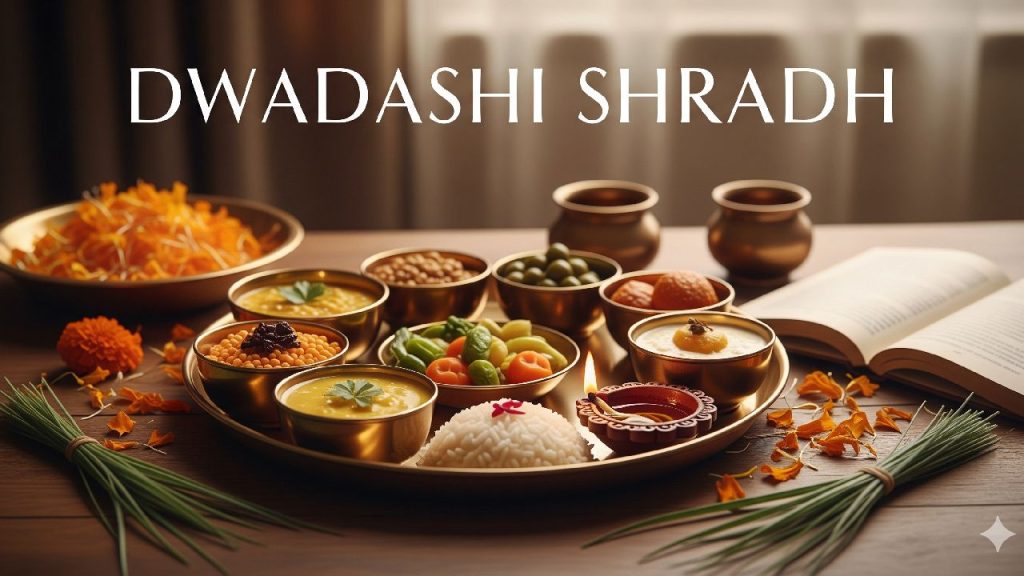
Krishna Dwitiya is an essential day for performing Pitru Paksha rituals, which honor deceased ancestors. These rites involve offering water, food, and prayers to the souls of forebears to ensure their peace and blessings. By performing these rituals, you express gratitude and connect spiritually with your lineage. This practice is believed to cleanse ancestral karma and bring protection and prosperity to the living family members. Pitru rituals on this day serve as a poignant reminder of the cycle of life and the enduring connection between past and present.
Regional practices across India
Across India, Krishna Dwitiya is observed with diverse customs that reflect local cultures and traditions. In some regions, grand community gatherings and temple festivities occur, while individuals engage in quiet personal worship in others. For example, in Maharashtra, Vat Savitri Vrat is celebrated with women tying threads around a banyan tree for their husbands’ longevity. In northern India, prayers to Lord Shiva and fasting are common. These regional variations enrich the spiritual landscape, offering multiple ways for you to connect with the energy of Dwitiya in Krishna Paksha.
Customary dietary and spiritual disciplines
During Dwitiya vrat, dietary practices are disciplined and straightforward. Many people avoid grains, salt, and cooked foods, opting instead for fruits, dairy products, and nuts. This light diet supports detoxification and spiritual alertness. Spiritually, devotees are encouraged to cultivate a calm mind, refrain from negative speech, and prioritize prayer, chanting, and meditation. The day is an invitation to live with purity in body, mind, and heart. By adopting these disciplines, you enhance the spiritual potency of the day and align yourself with the lunar energies.
Association with Deities and Mythological Events
Dwitiya, the second day of Krishna Paksha (the waning phase of the moon), holds a significant place in Hindu spirituality. It is intricately connected with various deities and mythological stories. When you explore this day, you’ll find it’s not just a date on the calendar but a portal to deeper divine relationships and timeless narratives.
Worship of Lord Vishnu and Shiva
On Krishna Paksha Dwitiya, many devotees focus their prayers on Lord Vishnu and Lord Shiva. Why? These two powerful deities represent the cosmic balance of preservation and transformation. Vishnu, the preserver, maintains the universe’s balance, while Shiva, the destroyer, helps remove obstacles to spiritual growth. Together, they symbolize the delicate balance of life, creation, and dissolution, as well as the interplay between light and darkness. People often perform special rituals or pujas on this day to seek their blessings for protection, peace, and spiritual wisdom. When you pray to Vishnu or Shiva on this Dwitiya, you align yourself with cosmic forces that nurture growth and healing in your life.
Stories from Puranas Involving Krishna Paksha Dwitiya
You may be fascinated by the fact that ancient texts, such as the Puranas, frequently mention events associated with Krishna Paksha Dwitiya. For example, some stories narrate how sages and gods chose this day to meditate or perform significant sacrifices, emphasizing its auspiciousness for spiritual practices. These tales serve as reminders that Dwitiya is a day favored for calmness, reflection, and divine connection. If you think of Dwitiya as the “second step,” as many texts do, it’s about moving forward gently but with purpose in your spiritual journey, a repeated theme in these mythologies.
Goddess Worship in Certain Regions (e.g., Durga or Gauri)
In parts of India, especially in the northern and western states, Dwitiya is associated with goddess worship, particularly of Durga or Parvati, also known as Gauri. These goddesses symbolize feminine power, protection, and nurturing energy. Some communities celebrate small, local festivals or conduct special rituals in honor of them on this day. When you honor the goddess on Dwitiya, you tap into the strength and compassion she embodies, perfect energies to invite into your own life to face challenges or nurture your loved ones.
Symbolism of Divine Duality and Balance
On the second day, Dwitiya naturally connects to the concept of duality, encompassing light and dark, action and rest, and masculine and feminine energies. This day reminds us that life is full of contrasts that need harmony. By observing Dwitiya, you engage in the divine dance of balance, recognizing that neither side alone can sustain existence. This symbolic duality encourages you to balance your inner and outer worlds, enabling you to navigate challenges with greater grace and wisdom.
Narratives Encouraging Virtue and Discipline
Lastly, many narratives associated with Dwitiya promote virtues such as discipline, self-restraint, and devotion. These stories show characters who gained wisdom or overcame difficulties by sincerely observing this day. When you incorporate such discipline into your life on Dwitiya, fasting, meditation, or ethical behavior, you’re continuing a tradition of spiritual refinement that strengthens your character and resolve.
Jyotish (Astrological) Importance of Krishna Dwitiya
Astrology, or Jyotish, offers a fascinating lens through which to understand how Krishna Paksha Dwitiya affects us beyond mythological or ritual contexts. When you dive into Jyotish, you’ll see why this day holds specific energies that influence your mind, body, and spirit.
Influence of Planetary Positions During Jyeshtha Krishna Dwitiya
During Jyeshtha Krishna Dwitiya, planetary alignments are unique. The moon is waning, moving away from fullness, and its soft, subtle light begins to fade. Planets like Mercury and Venus might have a substantial impact, encouraging communication and emotional balance. The exact planetary positions can vary from year to year, but the common thread is that the energies favor introspection and letting go. If you’re into astrology, this day is ideal for reassessing goals or preparing for transitions, thanks to the celestial atmosphere.
Moon’s Waning Energy and Its Psychological Effect
Unlike how you feel on some days, the moon’s waning phase naturally signals contraction and release. On Krishna Dwitiya, you might experience a quieter, more contemplative mood, with thoughts turning inward. This lunar energy is perfect for shedding old habits or mental clutter. You may be more sensitive or emotionally tuned in, so calming activities like meditation or gentle yoga are wise. Recognizing this psychological ebb and flow can help you navigate the day more easily and purposefully.
Recommended Remedies and Rituals for Certain Nakshatras
Jyotish also identifies specific nakshatras (lunar mansions) that might be prominent on Krishna Dwitiya. For example, if the moon is in Ashlesha or Jyeshtha nakshatra, specific remedies such as chanting mantras or wearing gemstones can enhance positive outcomes. These rituals balance planetary influences and shield you from adverse effects. If you follow astrology closely, tailoring your observance of Krishna Dwitiya to these nakshatras adds a layer of personalized spiritual care.
Auspicious Times (Muhurta) During the Tithi
Timing matters in Jyotish, and Krishna Dwitiya has specific muhurta (auspicious moments) when starting a new venture or performing essential rituals, which yield better results. These times are calculated based on the exact lunar and planetary positions and can vary by location. Knowing and acting during these windows maximizes the energetic support available to you, making your prayers or efforts more effective.
Astrologers’ Suggestions for Activities and Caution
Astrologers often suggest that Krishna Dwitiya is a day to avoid impulsive decisions, but focus on steady progress in personal growth and spiritual practices. They recommend engaging in charity, prayers, and reflection rather than high-energy or risky activities. This cautious approach respects the lunar energy’s natural rhythm, helping you align more effectively with cosmic forces.
Regional Practices and Cultural Variations
One of the most beautiful aspects of Krishna Paksha Dwitiya is the variation in its observance across India and neighboring regions. These cultural differences demonstrate the diversity and richness of Hindu traditions, which adapt the same spiritual essence into local flavors.
How Different Indian States Observe Krishna Dwitiya
In Maharashtra and Gujarat, for example, Dwitiya might be celebrated with special fasts and prayers dedicated to Lord Shiva or local goddesses. Tamil Nadu or Kerala temple rituals involve intricate pujas and community feasts. Each region has its way of honoring this day, shaped by historical, climatic, and cultural factors. This regional diversity adds layers of meaning, allowing you to experience Dwitiya through multiple lenses if you travel or connect with different communities.
South vs North Indian Interpretations
North Indian traditions often emphasize Dwitiya as a day for Shiva worship and austerity, whereas South Indian practices may blend Dwitiya rituals with ancestral ceremonies or offerings to goddesses. The South tends to have more elaborate temple celebrations, sometimes featuring classical music and dance, making the day a grand cultural affair. Meanwhile, the North might keep the day more intimate and family-focused, showing the spiritual flexibility Dwitiya allows across geographies.
Nepalese and Himalayan Regional Traditions
Beyond India, in Nepal and the Himalayan regions, Krishna Dwitiya has unique customs, sometimes linked with mountain deities or local legends. These areas might blend Hindu and Buddhist elements, resulting in hybrid rituals that honor nature and cosmic cycles. Prayer flags, mountain pilgrimages, or special meditative retreats highlight the day’s spiritual power in these serene landscapes.
Temple Festivities or Processions
In certain places, public celebrations on Dwitiya include temple processions, where idols are carried through the streets accompanied by music and chanting. These events foster a sense of community spirit and shared devotion, making spirituality accessible and joyful for everyone. Participating in such festivities can be a profoundly moving experience, connecting you with a larger collective of faith and tradition.
Folk Songs, Dances, and Local Storytelling
Lastly, oral traditions keep the spirit of Dwitiya alive through folk songs and dances that narrate its significance. In rural areas, elders might gather children and share stories of gods and sages linked to this day. These cultural expressions remind us that spirituality is not just a ritual but a living, breathing experience passed from heart to heart.
Dwitiya and Personal Transformation
Dwitiya is more than just a calendar mark; it is a powerful symbol of personal growth and inner change. When you embrace this day, you’re stepping into a cycle of renewal and intention-setting.
Significance of “Second Step” on a Spiritual Path
Think of Dwitiya as the “second step” on your spiritual journey. The first step might be awakening or realization, but the second is where commitment and discipline take root. It’s a reminder that progress requires consistent effort and reflection. Today, you can pause and ask yourself: What new habit or mindset will I cultivate? How can I deepen my connection to my higher self? Taking this step consciously makes your journey more purposeful.
Ideal Day for Making Internal Resolutions
Dwitiya is ideal for setting internal resolutions, as the lunar energy supports introspection and letting go. Unlike New Year’s resolutions, which often focus on external achievements, Dwitiya invites you to make promises to your inner self, to be kinder, more patient, or more present. When you take time on this day to journal or meditate on your intentions, you harness a powerful cosmic force to support your transformation.
Symbol of Detachment from Worldly Attachments
The waning moon on Krishna Paksha Dwitiya symbolizes detachment. Just as the moonlight gradually fades, this day encourages you to release attachments that no longer serve you, negative thoughts, grudges, or unhealthy habits. Letting go can feel liberating, as it clears space for fresh energy and clarity.
Guidance for Householders and Renunciants Alike
Whether you are deeply involved in worldly duties or have chosen a path of renunciation, Dwitiya offers guidance. For householders, it serves as a reminder to strike a balance between material life and spiritual care. For renunciants, it reinforces the need for discipline and surrender. The universal message is clear: no matter your stage in life, the second step is about deepening your spiritual integrity.
Daily Routine Suggestions for Spiritual Upliftment
Consider incorporating simple but meaningful practices into your daily routine to maximize Dwitiya. Begin with a morning meditation that focuses on your intentions, followed by gentle yoga or pranayama. You might fast lightly or avoid indulgent foods, using the day for spiritual nourishment. In the evening, spend time in gratitude journaling or reading sacred texts. These habits can transform your Dwitiya into a day of real inner growth.
Integrating Dwitiya in Modern Spiritual Practice
Bringing the ancient wisdom of Krishna Paksha Dwitiya into your modern life can deepen your sense of connection to time, nature, and your soul.
How to Honor Krishna Dwitiya in a Contemporary Lifestyle
You don’t need elaborate rituals to honor Dwitiya today. Simple actions, such as lighting a candle, offering fresh flowers, or taking five minutes to sit quietly and practice mindful breathing, can make the day special. It’s about intention and presence, not perfection. You can adapt Dwitiya observances to fit your lifestyle, making spirituality accessible and meaningful.
Suggestions for Rituals, Meditation, and Seva (Service)
Consider starting a Dwitiya tradition that combines meditation with seva (selfless service). For example, spend time helping someone in need, donate to a cause you care about, or volunteer your skills. This outward expression of compassion honors the divine duality Dwitiya represents, inner transformation reflected in outer action.
Digital Tools for Tracking Lunar Tithis
Apps and online calendars accurately track lunar phases and tithis. Using these tools, you can plan your Dwitiya observances and stay connected with cosmic rhythms even in a busy schedule. This tech integration beautifully bridges ancient wisdom and modern convenience.
Encouragement for Deeper Connection with Time Cycles
As you become more aware of Dwitiya and other lunar days, you may find your life gaining a new rhythm, one in harmony with natural cycles rather than clocks and deadlines. This connection can bring greater peace, clarity, and purpose into your everyday experience.
The Aligning with Cosmic Rhythms
Honoring Dwitiya is about aligning yourself with the universe’s ebb and flow. It’s an invitation to walk your path with mindfulness, balance, and devotion. When you embrace this sacred second step, you’re not alone; you join countless seekers across time who have used this day to deepen their spiritual journey.