Understanding of Janaki Jayanti
Janaki Jayanti is a deeply revered occasion in the Hindu tradition, celebrated as the birth anniversary of Goddess Sita, who is also lovingly addressed as Janaki, the daughter of King Janaka. Observed in the month of Phalgun, which typically falls between February and March, this festival is a significant spiritual event for devotees across India and Nepal. It not only honors the divine presence of Goddess Sita but also reaffirms timeless values of devotion, sacrifice, and righteousness.
The day of Janaki Jayanti is determined according to the Hindu lunar calendar, usually falling on the Shukla Paksha Ashtami or Navami of the Phalgun month. This celestial alignment adds to the sanctity of the celebration, reminding devotees of the cosmic harmony that governs human lives. The observance is not just about commemorating the birth of a goddess but also about celebrating the eternal bond between dharma (righteousness) and life’s challenges, symbolized through the life of Sita.
Spiritually, Janaki Jayanti holds immense significance as it reminds devotees of the strength found in humility, purity, and devotion. Culturally, it strengthens the roots of traditions by connecting communities with their ancient heritage. Families come together, rituals are performed with deep faith, and stories from the Ramayana are narrated to ensure that the younger generations inherit values of loyalty, patience, and resilience. More than just a religious observance, Janaki Jayanti is a bridge between faith and culture, creating an environment of devotion, unity, and reverence.
Mythological Significance of Goddess Sita
The mythology surrounding Goddess Sita makes Janaki Jayanti a profound and meaningful celebration. Sita, often referred to as Janaki due to her parentage from King Janaka, is one of the most celebrated female figures in Hinduism. She represents the embodiment of purity, sacrifice, and devotion, serving as an eternal role model for generations.
Sita, as the daughter of King Janaka, is hence called Janaki.
The story of Sita’s birth is unique and symbolic. According to scriptures, she was discovered by King Janaka while ploughing the fields, symbolizing her divine connection with the earth itself. This miraculous origin signifies her role as a daughter of nature and fertility, reinforcing her purity and sacredness. Her identity as Janaki highlights her upbringing in the Mithila region, where she was nurtured with wisdom, grace, and virtues that defined her later role as a guiding figure in the Ramayana.
Symbol of purity, devotion, and sacrifice
Sita’s life reflects virtues that remain timeless. She chose to walk alongside Lord Rama into exile, leaving behind royal comforts to share in his struggles. Her unwavering faith and sacrifices during exile and captivity symbolize the strength of her devotion and the purity of her heart. Her resilience during trials, including the agni pariksha, further emphasizes her role as a symbol of truth and honor. This makes her an enduring spiritual beacon for those seeking guidance in times of adversity.
Her role as the consort of Lord Rama in the Ramayana
In the Ramayana, Sita plays an essential role as the devoted consort of Lord Rama. She is not merely portrayed as his companion but as an equal partner in the journey of dharma. From supporting Rama in the forest to enduring hardships in Ravana’s captivity, her strength and loyalty illuminate the ideals of marital harmony, courage, and unwavering moral values. Through her role, the Ramayana highlights the profound significance of partnership rooted in mutual respect and faith.
Spiritual qualities associated with her life
Sita’s spiritual essence lies in her qualities of compassion, patience, and strength in adversity. Her life teaches that true strength is not found in power but in humility, endurance, and faith. She is revered as a goddess who teaches lessons in dharma, patience, and selflessness. Observing Janaki Jayanti allows devotees to reflect upon these qualities and imbibe them in daily life, nurturing a balanced approach toward challenges.
Astronomical and Calendar Relevance
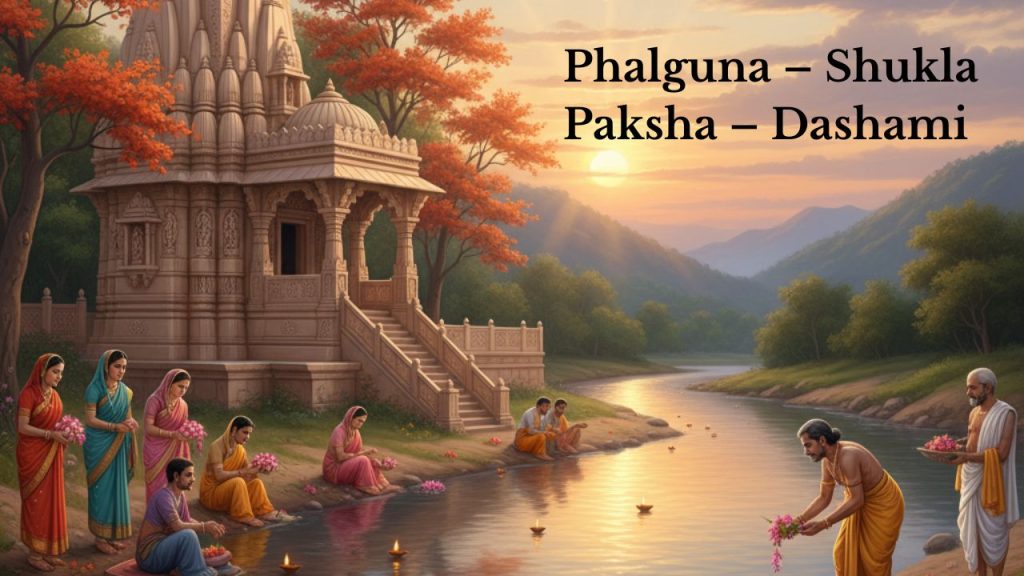
The observance of Janaki Jayanti is closely tied to the Hindu lunar calendar, and its timing adds cosmic significance to the celebration. Unlike festivals that follow fixed solar dates, Janaki Jayanti is celebrated based on lunar phases, specifically during the bright fortnight (Shukla Paksha) of the Phalgun month.
Placement of Janaki Jayanti in Phalgun month
Phalgun, falling between February and March, marks the end of winter and the arrival of spring. This seasonal transition symbolizes renewal, growth, and abundance, making it a fitting backdrop for celebrating the birth of Goddess Sita, who embodies purity and fertility. Her birth in this month aligns with nature’s cycle of rejuvenation, signifying divine harmony between human lives and the environment.
Connection to the lunar cycle and Shukla Paksha
The Shukla Paksha, or waxing phase of the moon, represents growth, positivity, and light overcoming darkness. Janaki Jayanti’s occurrence during this phase carries symbolic meaning, reminding devotees of Sita’s role in spreading hope and guiding humanity through resilience and virtue. Her birth in this auspicious lunar phase reflects her role as a guiding light in times of adversity.
Role of Panchang in determining the date
The exact date of Janaki Jayanti is determined through the Panchang, the traditional Hindu calendar that tracks lunar and solar movements. Devotees consult astrologers and priests to identify the precise tithi (lunar day) to perform rituals and prayers. This reliance on celestial timings underscores the deep spiritual connection between human lives and cosmic rhythms.
Importance of aligning festivals with celestial timings
Celebrating Janaki Jayanti in alignment with celestial patterns highlights the Hindu belief in cosmic order and divine timing. It emphasizes that sacred events are not random but harmoniously tied to universal cycles. By observing the festival according to celestial alignments, devotees not only honor tradition but also align themselves with cosmic energy, creating a more profound spiritual resonance.
Cultural Importance of Janaki Jayanti
Beyond its spiritual meaning, Janaki Jayanti carries immense cultural value. It is an occasion that strengthens bonds within communities, preserves heritage, and highlights the richness of traditions passed down through generations.
Observances in different parts of India and Nepal (Mithila region)
Janaki Jayanti holds a special place in the Mithila region of Bihar in India and Janakpur in Nepal, believed to be Goddess Sita’s birthplace. Temples in these regions witness grand celebrations, where thousands of devotees gather to honor Janaki. Rituals include singing folk songs, storytelling, and public recitals of the Ramayana. The cultural pride associated with Mithila’s heritage is deeply woven into the observance of this day.
Regional rituals and community gatherings
Communities across India celebrate Janaki Jayanti with regional variations. Devotees fast, organize bhajan sessions, and perform aarti in temples. Women, in particular, actively participate, drawing inspiration from Goddess Sita’s resilience. These rituals create a sense of shared devotion, reinforcing unity and togetherness within communities.
Connection with folk traditions and art forms
Folk traditions and art play a prominent role during Janaki Jayanti. In Mithila, vibrant Madhubani paintings often depict episodes from Sita’s life, reflecting her deep cultural association with the region. Local performances of Ramayana-inspired dramas bring her story alive for audiences, ensuring that her values continue to resonate across generations.
Preservation of cultural values through the festival
By celebrating Janaki Jayanti, communities actively preserve values of loyalty, resilience, and devotion. The festival acts as a cultural anchor, ensuring that traditions are passed down intact to younger generations. It not only strengthens spiritual faith but also nurtures cultural pride, reminding people of their roots and identity.
Rituals and Celebrations
Janaki Jayanti is celebrated with devotion, discipline, and a festive spirit. The rituals are designed to honor Goddess Sita’s life and teachings, creating an atmosphere of purity and reverence.
Fasting and prayers dedicated to Goddess Sita
Many devotees observe fasting on this day, dedicating their prayers to Goddess Sita. The fast is seen as a way to purify the body and mind while focusing on spiritual reflection. Fasting is often accompanied by meditating upon Sita’s qualities, seeking her blessings for resilience, peace, and harmony in life.
Recitation of Ramayana and Sita-related hymns
One of the most significant practices on Janaki Jayanti is the reading of the Ramayana, especially passages related to Sita. Hymns and bhajans dedicated to her are sung in temples and homes, filling the atmosphere with devotion. This practice not only deepens faith but also allows families to bond through storytelling and shared worship.
Special puja offerings like flowers, sweets, and fruits
Offerings hold a central place in Janaki Jayanti rituals. Devotees present flowers, sweets, and fruits to the deity as symbols of love and devotion. Each offering carries meaning, flowers symbolize purity, sweets denote gratitude, and fruits represent the fulfillment of desires. The act of offering is a way to honor Sita’s selflessness and devotion.
Celebrations in temples and homes with devotional fervor
Janaki Jayanti is marked by collective celebrations in temples, where special pujas, kirtans, and processions are organized. Families also perform rituals at home, creating a personal space of devotion. The day is spent in prayer, storytelling, and sharing festive meals, turning the occasion into both a spiritual and social celebration.
Spiritual Lessons from the Life of Sita
The life of Goddess Sita is a treasury of spiritual lessons that continue to inspire generations. Her journey, filled with trials, sacrifices, and unwavering devotion, provides timeless guidance for those navigating challenges in life. Observing Janaki Jayanti is an opportunity to reflect upon these lessons and bring them into everyday practice.
Embodiment of devotion, faith, and resilience
Sita’s unwavering faith in Lord Rama and her devotion to dharma are unmatched. When Rama was exiled, she chose to leave behind her royal comforts and accompany him into the forest, not out of obligation but out of pure love and devotion. Her resilience during exile and captivity in Lanka shows that faith can empower one to face even the most difficult circumstances with courage. For devotees, her life is a reminder that true strength lies in faith and trust in higher values.
Lessons on patience, endurance, and dharma
Sita’s trials, from enduring the hardships of forest life to facing Ravana’s captivity, illustrate unparalleled patience. She did not waver in her values even when confronted with adversity. By standing firm in her principles, she demonstrated that dharma (righteousness) must be upheld, no matter how testing the circumstances. Her story teaches that patience is not passive waiting, but an active choice to remain grounded in virtue.
Her strength as a woman in adversity
Sita is not portrayed merely as a passive figure but as a woman of immense inner strength. Despite societal and personal challenges, she displayed courage, self-respect, and resilience. Her dignified responses to trials show that true strength is quiet yet powerful. For women today, Sita remains a role model who exemplifies dignity, perseverance, and courage in the face of life’s challenges.
Inspiration for leading a balanced and virtuous life
Her balanced approach to life inspires people to remain humble in joy and composed in the face of adversity. She lived a life rooted in values rather than material comforts, reminding everyone that peace comes from living a virtuous and honest life. Celebrating Janaki Jayanti encourages devotees to adopt her values, compassion, truth, humility, and loyalty as guiding principles in their personal and social lives.
Role of Women in Hindu Tradition Highlighted by Janaki Jayanti
Janaki Jayanti is not just a festival celebrating the birth of a goddess; it is also a reminder of the esteemed place of women in Hindu tradition. Sita’s life embodies the qualities of strength, devotion, and resilience, shedding light on the divine feminine’s role in guiding humanity.
Representation of feminine strength and purity
Sita represents the union of strength and purity, showing that these qualities coexist harmoniously. While she is revered for her purity and devotion, her strength is equally significant. Whether it was choosing to accompany Rama to the forest or facing Ravana with dignity, her actions reflect inner power rooted in values. Observing her life helps communities understand that femininity is a symbol of both nurturing love and unshakable strength.
Comparison with other divine feminine figures (Durga, Parvati, Lakshmi)
In Hindu tradition, feminine divinity is expressed in many forms: Durga as the warrior goddess, Parvati as the nurturing mother, Lakshmi as the goddess of prosperity, and Saraswati as the goddess of wisdom. Sita aligns with this divine feminine spectrum as the epitome of purity and sacrifice. Like Durga, she embodies courage; like Parvati, she represents loyalty; like Lakshmi, she brings prosperity of values; and like Saraswati, she inspires wisdom. Her place among these goddesses highlights the multifaceted role of women.
Sita is an ideal role model for women
Her story continues to inspire women across cultures and generations. She embodies the values of dignity, loyalty, and perseverance, demonstrating that self-respect and moral strength must never be compromised. For many women, her life serves as a source of encouragement to balance responsibilities, maintain self-worth, and stay rooted in values, even when faced with adversity.
Empowerment through devotion and sacrifice
Sita demonstrates that true empowerment does not come from external power but from inner strength and conviction. Her sacrifices were not signs of weakness but of empowerment, as she chose the path of devotion and dharma with complete awareness. Her legacy reminds society that faith, patience, and sacrifice can become powerful tools for both spiritual and social empowerment.
Pilgrimage Sites and Temples Associated with Janaki Jayanti
Janaki Jayanti is celebrated with great fervor in temples dedicated to Goddess Sita, particularly in regions historically associated with her life. These sacred sites not only honor her divine presence but also serve as cultural and spiritual centers that draw thousands of devotees every year.
Janaki Mandir in Janakpur, Nepal
The Janaki Mandir in Janakpur is one of the most important pilgrimage sites for Janaki Jayanti. Believed to be the birthplace of Sita, this grand temple becomes the epicenter of celebrations, with devotees from India and Nepal gathering in huge numbers. Rituals, processions, and cultural programs mark the occasion, turning the city into a hub of devotion and cultural pride.
Temples in the Mithila region and across India
Apart from Janakpur, the Mithila region of Bihar also holds special significance. Local temples in Sitamarhi and surrounding areas conduct elaborate pujas and community gatherings. Across India, especially in Uttar Pradesh, Madhya Pradesh, and Maharashtra, temples dedicated to Rama and Sita also celebrate Janaki Jayanti with rituals, hymns, and storytelling sessions.
Special events and gatherings in sacred places
On this day, temples organize special satsangs, kirtans, and yajnas. Devotees engage in storytelling sessions from the Ramayana, highlighting episodes that showcase Sita’s virtues. These events not only strengthen spiritual devotion but also encourage cultural preservation by passing stories to younger generations.
Pilgrimage significance during the festival
For many devotees, visiting Janaki-related pilgrimage sites during this festival is considered a sacred act that brings blessings and fulfillment. The experience of walking through places associated with Sita’s life creates a deep connection with her journey and virtues. Pilgrimage on Janaki Jayanti is not just a religious duty but also an act of honoring heritage and cultural identity.
Relevance of Janaki Jayanti in Modern Times
While Janaki Jayanti has deep historical and mythological roots, its relevance extends powerfully into modern times. The teachings from Goddess Sita’s life continue to resonate, offering guidance for personal growth, family harmony, and societal well-being.
Reflection of values like faith, humility, and strength
The values embodied by Sita, faith, humility, and resilience remain highly relevant. Her life inspires people to approach difficulties with patience and inner strength, reminding them that virtues outweigh temporary struggles.
Role in strengthening family and social bonds
The celebration of Janaki Jayanti encourages families to come together for rituals and storytelling. This strengthens intergenerational bonds, allowing younger members to learn from elders. On a broader scale, community gatherings during the festival foster unity and collective devotion, creating social harmony.
Promoting respect for women and their contributions
In today’s world, where the importance of gender equality is emphasized, Sita’s story reminds society of the deep respect and reverence women deserve. Her resilience and dignity highlight that women are central to cultural and spiritual strength. Celebrating Janaki Jayanti becomes an act of honoring women’s contributions to family, society, and spiritual life.
Preserving traditions in a fast-changing world
Globalization and modernization often challenge cultural continuity, but festivals like Janaki Jayanti preserve traditions and pass them to future generations. Rituals, stories, and artistic expressions serve as anchors, keeping communities rooted while adapting to modern times. The observance of this festival demonstrates how ancient traditions remain meaningful and valuable today.
Eternal Significance of Janaki Jayanti
Janaki Jayanti is far more than a date on the Hindu calendar; it is a spiritual and cultural reminder of timeless values. It celebrates the birth of Goddess Sita, but more importantly, it honors her virtues of devotion, sacrifice, strength, and resilience. Observing this festival allows devotees to connect with her story, reflect on her lessons, and carry forward the essence of dharma in everyday life.
The festival serves as a unifying force, bringing together communities across regions to celebrate shared traditions. It connects faith with culture, spirituality with heritage, and devotion with daily practice. In honoring Sita, society also reinforces respect for women, preservation of traditions, and the pursuit of virtues that build stronger families and communities.
Even in modern times, Janaki Jayanti continues to hold relevance, guiding individuals through challenges with lessons of patience, humility, and moral strength. It is a festival that transcends generations, reminding humanity of the eternal bond between divine principles and human life. By celebrating Janaki Jayanti in Phalgun, devotees not only honor the goddess but also reaffirm their commitment to living a life rooted in values, devotion, and righteousness.