Importance of Ganesh Chaturthi
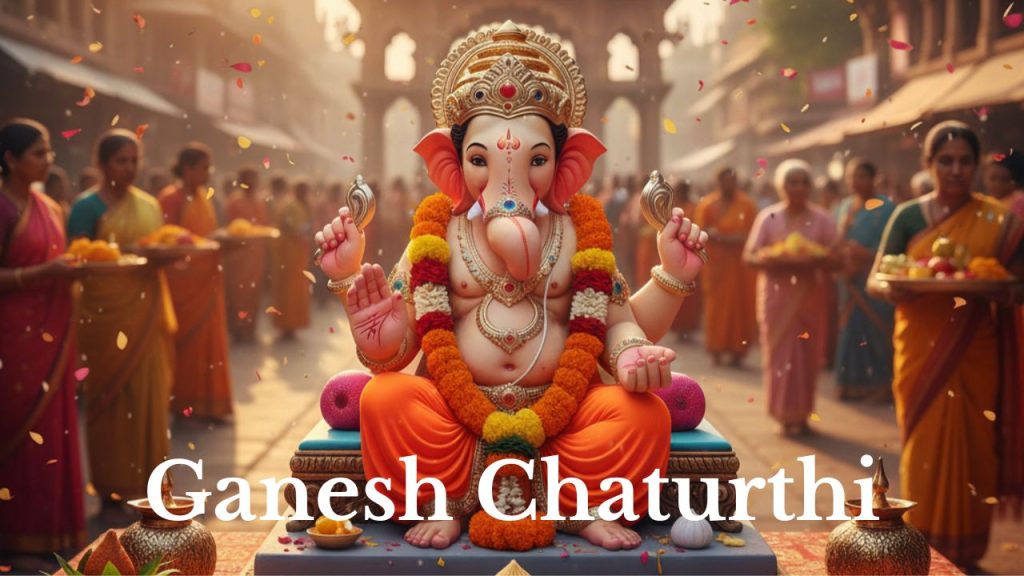
Ganesh Chaturthi is more than just a festival; it’s a spiritual journey, a vibrant celebration, and a deeply rooted tradition that brings together hearts, homes, and hopes. This Hindu festival, widely celebrated across India and by global Indian communities, is dedicated to Lord Ganesha, the beloved elephant-headed deity known as the remover of obstacles and the lord of beginnings.
Falling in the Bhadrapada month of the Hindu lunar calendar, which usually overlaps with August–September, Ganesh Chaturthi marks the auspicious day of Lord Ganesha’s birth. The air during this time is filled with chants of “Ganpati Bappa Morya”, joyful drumming, and the divine scent of incense and flowers.
What makes this celebration truly special is its ten-day duration. Starting on Ganesh Chaturthi day, when beautifully crafted idols of Lord Ganesha are brought home or installed in public pandals (temporary decorative structures), the festival extends until Anant Chaturdashi, when the idols are immersed in water as a symbolic farewell.
During these ten days, people worship Ganesha with great devotion through rituals, prayers, and offerings of his favorite sweets, such as modaks and laddoos. Whether celebrated at home or in community spaces, the spirit of the festival remains consistent, welcoming Ganesha into hearts and homes, seeking his blessings for prosperity, happiness, and a smooth journey ahead.
Ganesh Chaturthi is not merely a religious observance; it’s an emotional and cultural milestone. It invites everyone to pause, reflect, celebrate, and renew their spiritual connection. It represents hope, fresh starts, and faith, making it one of the most widely revered and loved festivals in India.
Mythological Significance
Every festival carries stories, legends that whisper through time, keeping ancient wisdom alive. Ganesh Chaturthi is no exception. It holds profound mythological significance, closely tied to divine symbolism and teachings from sacred Hindu texts.
Birth of Lord Ganesha from Goddess Parvati
According to the Shiva Purana, Lord Ganesha was born from Goddess Parvati’s desire for a personal guardian. Using the sandalwood paste she used for her bath, she sculpted a boy and breathed life into him. This divine creation was assigned to guard her privacy while she bathed.
When Lord Shiva, Parvati’s consort, returned home and attempted to enter, the boy stopped him. Not knowing the boy was Parvati’s son, Shiva, enraged by the defiance, beheaded him in battle. Seeing Parvati devastated, Shiva promised to revive the boy. He instructed his followers to bring the head of the first living being they found facing north, which happened to be an elephant. And thus, Ganesha was reborn with the head of an elephant, blessed with unmatched wisdom, and declared the leader of Shiva’s celestial troops.
Symbolism of the Elephant Head – Wisdom, Intellect, and Power
Ganesha’s unique form is deeply symbolic. The elephant head represents wisdom and understanding, the large ears symbolize a great capacity to listen, and the small eyes denote focus. His broken tusk signifies sacrifice, and his round belly denotes the ability to digest both the good and evil in life peacefully. In essence, Ganesha embodies the human quest for knowledge, humility, and inner peace. He’s a reminder that even what seems unconventional can carry divine purpose and unmatched strength.
Stories of Ganesha’s Supremacy Among Deities
One popular tale showcases Ganesha’s intellect. When Lord Shiva challenged his sons, Ganesha and Kartikeya, to circle the world, Kartikeya took off on his peacock. Ganesha, instead, circled his parents and declared, “My world lies at the feet of my parents.” This act of wisdom won him the title of “Prathama Pujya”, the first to be worshipped before any other deity.
Connection to Shiva Purana and Other Ancient Texts
The Shiva Purana, Skanda Purana, and other ancient scriptures repeatedly highlight Ganesha’s role as the remover of obstacles (Vighnaharta) and bestower of success (Siddhivinayaka). These texts elevate him as the divine bridge between mortal struggles and spiritual fulfillment. His stories are not just myths; they’re timeless life lessons etched into culture and consciousness.
Cultural and Social Unity
Ganesh Chaturthi is more than devotion; it’s a celebration of unity, a time when people from every background come together with shared purpose and joy. What makes this festival truly remarkable is its ability to break down barriers and foster a spirit of collective belonging.
Community Gatherings and Celebrations
During Ganesh Chaturthi, entire neighborhoods transform into vibrant hubs of celebration. Public pandals adorned with flowers, lights, and thematic decorations become the heart of cultural exchange. People gather in large numbers to perform aarti, sing devotional songs, and share prasad. These gatherings create a sense of camaraderie that transcends routine social divisions.
Everyone contributes by volunteering, decorating, cooking, or simply being part of the shared spiritual rhythm. The joy is collective, the purpose is mutual, and the outcome is beautiful: a community uplifted by love and reverence.
Inclusive Participation Irrespective of Caste, Class, or Creed
One of the most heartwarming aspects of Ganesh Chaturthi is how it opens its arms to all. Whether someone is rich or poor, Hindu or from another faith, this festival encourages inclusive participation. It’s not uncommon to see people of various religious backgrounds joining in to offer flowers or enjoy the communal atmosphere. In urban slums and elite neighborhoods alike, Ganpati Bappa unites people in worship, song, and celebration. No one is left out; everyone finds a role and a reason to belong.
Promotes Neighborhood Bonding Through Public Pandals
Public pandals serve as meeting points for neighbors, fostering friendships and mutual respect. From planning decorations to organizing daily pujas and meals, the festival encourages collective decision-making and cooperation.
Children make friends, adults share stories, and elders pass on traditions. It becomes a platform for intergenerational learning and emotional bonding, creating memories that linger long after the idol’s immersion.
Social Harmony Through Shared Rituals and Activities
Rituals such as aarti, bhajans, and the distribution of prasad create a spiritual rhythm that unites people. These daily rituals become moments of reflection, gratitude, and joy shared by all. Ganesh Chaturthi becomes a mini social ecosystem, where peace, togetherness, and empathy thrive. In a world often divided by differences, this festival serves as a gentle yet powerful reminder of unity through spirituality.
Religious Importance
Ganesh Chaturthi is steeped in religious depth, making it one of the most spiritually significant festivals for Hindus. It’s not just about celebration, it’s about sacred rituals, divine connection, and seeking the blessings of the deity who clears the path ahead.
Invocation of Ganesha Before Starting New Ventures (Vighnaharta)
Ganesha is known as “Vighnaharta”, the remover of obstacles. Before embarking on anything important, a business venture, a journey, an exam, or even a wedding, people invoke Lord Ganesha to ensure a smooth path ahead.
This deep-rooted tradition stems from the belief that success begins with Ganesha’s blessings. During Ganesh Chaturthi, devotees pray for clarity, strength, and direction as they move forward in life. It’s a spiritual alignment of intent, faith, and purpose.
Prayers for Wisdom, Prosperity, and Obstacle Removal
Each day of Ganesh Chaturthi is marked by prayers and rituals that focus on specific blessings, ranging from seeking wisdom in decision-making to inviting prosperity into the home. Ganesha is revered for his ability to guide, protect, and bless every phase of life.
Chants like the Ganapati Atharvashirsha, Sankata Nashana Stotra, and Ganesha Ashtottara Shatanamavali are recited with devotion. These prayers act as both supplication and meditation, clearing the mind and connecting the soul.
Daily Aarti, Puja, and Chanting During the 10 Days
For ten days, homes and pandals resonate with morning and evening aartis, devotional songs, and prayers. Each session begins with lighting lamps, offering flowers, and singing praises to the deity. It’s a spiritually immersive routine that transforms daily life into a divine worship experience. These ten days aren’t just about ritual; they’re about recalibrating life with mindfulness, gratitude, and devotion.
Importance of Rituals Like Pranapratishtha and Visarjan
The Pranapratishtha ceremony on the first day breathes life into the idol, inviting the deity’s energy to reside within. This ritual marks the beginning of a divine presence in the home or pandal. On the final day, Visarjan (immersion) is performed.
This symbolizes detachment and surrender, reminding everyone that nothing is permanent and that all must return to the divine source. It’s an emotional moment; tears mix with chants, and hearts are filled with blessings. These rituals make Ganesh Chaturthi a spiritually intense and deeply personal journey.
Artistic and Creative Expression
Ganesh Chaturthi is where devotion meets imagination. It’s not just a spiritual celebration; it’s a creative explosion that showcases India’s rich artistic traditions and modern innovations. From the tiniest clay idols to grand pandals themed on mythology, social causes, or even current events, this festival becomes a vibrant canvas.
Intricate Idol Making: From Clay to Eco-Friendly Materials
The festival begins with the arrival of beautifully handcrafted idols of Lord Ganesha. Artisans spend months perfecting the details, from the serene expression on Ganesha’s face to the decorative ornaments and posture.
Traditionally, idols were made using clay and natural dyes, symbolizing a return to the Earth. Over time, Plaster of Paris (POP) and chemical paints became popular for mass production; however, environmental awareness has revived the demand for eco-friendly idols. Many cities now promote clay idols that dissolve easily in water, reducing pollution and honoring sustainability. These idols are not just art, they’re acts of responsibility wrapped in reverence.
Decorative Pandals Showcasing Themes, Creativity, and Devotion
Pandals are where creativity knows no bounds. From traditional palace-style mandaps to replicas of famous temples, every pandal tells a unique story. Themes often reflect social issues, like women’s empowerment, education, or environmental conservation, woven beautifully with devotional elements. Volunteers, artists, and designers work tirelessly to bring these concepts to life. These installations often become tourist attractions, with thousands flocking to witness their grandeur.
Rangoli Designs, Lighting, and Floral Arrangements
Outside every home and pandal, rangolis (colored floor art) bloom in vibrant patterns, welcoming Ganesha with joy. Made using rice powder, petals, or colored sand, these designs are symbolic of auspiciousness and beauty. Lights and floral garlands further elevate the mood. Homes glow with diyas, lanterns, and string lights, turning streets into glowing rivers of festivity.
Competitions in Music, Dance, and Art Around the Festival
Ganesh Chaturthi also encourages creative community engagement. Schools and local groups organize competitions in music, dance, painting, and sculpture. These contests aren’t just about prizes; they’re about celebrating talent and devotion.
Cultural nights feature traditional dances, such as Lavni, and Dhol-Tasha performances, infusing the atmosphere with rhythm and energy. It’s a stage where spirituality meets performance, and everyone gets to be a star in Ganesha’s celebration.
Economic and Local Business Impact
Ganesh Chaturthi does more than awaken spiritual fervor; it also significantly boosts the local economy. From artisans and small-scale vendors to event managers and travel agents, this ten-day festival acts as a powerful economic stimulant. The ripple effects impact various sectors, providing income opportunities and stimulating consumer activity across multiple domains.
Boost for Local Artisans, Idol Makers, and Decorators
One of the most evident beneficiaries of the festival is the idol makers and artisans. Often from rural or marginalized backgrounds, these craftsmen begin their work months in advance. Each idol is sculpted with care and devotion, and the festival season becomes their primary source of income for the year.
Decorators also see high demand. From intricate pandal setups to floral arrangements and lighting, the need for skilled decorators skyrockets. Their artistry not only contributes to the visual appeal of the festival but also sustains their livelihoods.
Temporary Jobs in Event Management and Security
Ganesh Chaturthi generates numerous temporary job opportunities. Event organizers hire staff to manage public pandals, conduct competitions, arrange cultural events, and maintain crowd control. Security personnel, sound technicians, caterers, and cleaning crews often find short-term employment, with many relying on festival seasons like this for supplemental income. This surge in demand fosters a cycle of employment and entrepreneurship that benefits thousands, particularly young people and freelancers seeking seasonal work.
Increased Sales for Flower Vendors, Sweet Shops, and Garment Sellers
During the festival, sweet shops do brisk business as devotees offer modaks, laddoos, and other traditional items to Lord Ganesha. Flower vendors, too, find a thriving market as homes and pandals require daily floral decorations.
New clothes, festive accessories, and spiritual items such as incense sticks and garlands see a spike in demand. Street vendors set up stalls near public pandals, selling a wide range of items from snacks to souvenirs, which adds a carnival-like atmosphere and encourages spontaneous shopping.
Tourism Revenue in Major Cities like Mumbai, Pune, and Hyderabad
Cities famous for grand Ganesh Chaturthi celebrations, especially Mumbai, Pune, and Hyderabad, experience a sharp increase in domestic tourism. People from surrounding towns and states travel to witness the magnificence of iconic idols and processions.
This influx boosts hotels, restaurants, transport services, and local attractions. The tourism industry, often slow during the monsoon months, receives a much-needed revival thanks to festival-driven travel. Ganesh Chaturthi’s economic engine demonstrates that faith and festivity can coexist with financial upliftment, making it not only a religious occasion but also a socio-economic celebration.
Environmental Awareness and Eco-Friendly Practices
As the world becomes increasingly aware of ecological issues, Ganesh Chaturthi has evolved to reflect greater environmental responsibility. The traditional practices of idol immersion and elaborate decorations have faced scrutiny for their environmental toll, prompting a welcome shift toward greener celebrations.
Shift from Plaster of Paris to Clay and Natural Colors
One of the most significant changes has been the transition from Plaster of Paris (POP) idols to eco-friendly clay idols. POP idols take months to dissolve in water and release harmful chemicals, causing water pollution and harming aquatic life.
Clay idols, in contrast, dissolve quickly and naturally. Many local governments and NGOs now promote natural paints made from turmeric, sandalwood, and vegetable dyes, encouraging artisans to move away from chemical-based colors.
Promotion of Artificial Immersion Tanks to Protect Water Bodies
To reduce the burden on rivers, lakes, and seas, many cities have introduced artificial immersion tanks. These portable or permanent structures allow devotees to conduct visarjan rituals without harming natural water bodies.
Educational campaigns and media outreach have helped raise awareness, and the public has increasingly embraced this environmentally friendly option. It’s a practical solution that respects both religious sentiment and ecological balance.
Use of Sustainable Decorations and Biodegradable Offerings
Eco-conscious pandals now use bamboo, jute, and cloth instead of plastic and thermocol. Offerings are placed in leaf bowls or compostable containers. LED lighting and solar-powered installations are being widely adopted for their energy efficiency. These practices don’t diminish the festive spirit; they enhance it by aligning tradition with today’s urgent environmental priorities.
Educational Campaigns on Green Ganpati Practices
Numerous campaigns led by schools, housing societies, and municipal bodies educate people about Green Ganpati practices. Workshops on clay idol making, competitions on eco-themed decorations, and awards for sustainable celebrations encourage a broader cultural shift. This growing awareness has transformed Ganesh Chaturthi into a platform for climate consciousness, proving that devotion doesn’t have to come at the cost of nature.
Spiritual Reflection and Inner Growth
Beyond the lights, sounds, and colors, Ganesh Chaturthi holds profound meaning for the soul. It is a sacred opportunity for introspection, spiritual discipline, and inner purification.
Time for Self-Purification and Spiritual Discipline
Many devotees observe fasts or adopt sattvic (pure) diets during the festival, focusing on detoxifying both their bodies and minds. Rising early, performing daily pujas, and abstaining from negative thoughts and actions foster a sense of internal discipline. These spiritual routines help in forming habits that lead to mental clarity and emotional stability, something sorely needed in today’s hectic life.
Fasting, Meditation, and Chanting of Mantras (like Ganapati Atharvashirsha)
Chanting mantras like the Ganapati Atharvashirsha or 108 names of Ganesha becomes a daily practice for many. These verses are more than rituals; they are meditative exercises that calm the nervous system and bring focus. Fasting, when practiced mindfully, serves as a symbolic sacrifice, representing the offering of the ego and desire at the feet of the divine.
Emphasis on Humility, Devotion, and Gratitude
Lord Ganesha’s stories emphasize traits like humility, obedience, and deep respect for elders. His worship is a reminder to cultivate gratitude for life’s blessings and faith in navigating its challenges. Devotees reflect on personal obstacles, such as anger, fear, or pride, and offer them up symbolically, seeking the strength to rise above.
Ganesha as a Symbol of Breaking Inner Barriers and Ego
Ganesha’s broken tusk and humble form symbolize that imperfection is divine, and spiritual evolution often comes from breaking down internal walls. His blessings are sought not just for worldly gains but for liberation from inner bondage. Ganesh Chaturthi becomes a mirror for the self, revealing where growth is needed and where light needs to shine.
Symbol of New Beginnings and Auspiciousness
Ganesh Chaturthi is considered one of the most auspicious times for new ventures, embodying the spirit of fresh starts and divine blessings. It’s a time when people align their intentions with faith to welcome abundance, success, and clarity.
Many People Launch Businesses or Buy New Assets During This Time
From opening a new shop to buying a vehicle or property, many wait for Ganesh Chaturthi to mark the beginning. The belief is that Lord Ganesha’s blessings ensure prosperity and protect against unforeseen hurdles. It’s not just about timing; it’s about starting with sacred intention.
Belief in Ganesha’s Blessings for Success and Fortune
Entrepreneurs, artists, and professionals all seek Ganesha’s favor. His image often adorns workspaces, cash registers, and vehicles, not as superstition, but as a symbol of divine alignment with goals. This trust fosters confidence and commitment, especially during the highs and lows of any new journey.
Students Seek His Favor Before Exams and Academic Pursuits
Students across India pray to Lord Ganesha before exams or the start of a school year. His blessings are believed to sharpen intellect, improve concentration, and boost memory. Temples experience a surge in young devotees during this season, as many chant Ganesha mantras with a sincere heart.
Farmers Begin Sowing and Auspicious Tasks Post-Ganesh Chaturthi
In rural India, the festival holds agricultural significance. Farmers begin sowing their fields or initiating land work after the day of visarjan, viewing it as an auspicious sign for a fruitful harvest. Ganesh Chaturthi thus becomes a beacon of optimism, hope, and new possibilities for everyone, from a child in school to a farmer in the field.
Legacy of Lokmanya Tilak and National Awakening
Ganesh Chaturthi’s transformation into a public festival carries a remarkable tale of patriotism and resistance. It was Lokmanya Bal Gangadhar Tilak, the visionary freedom fighter, who elevated the celebration from private homes to public spaces in 1893.
Revived as a Public Celebration by Bal Gangadhar Tilak in 1893
Under British rule, public gatherings were discouraged, as the British feared rebellion. Tilak saw an opportunity in Ganesh Chaturthi to unite people under the guise of a religious celebration. By promoting community pujas, he turned Ganesha into a symbol of unity and cultural pride.
Tool for Uniting People Against British Colonial Rule
Public celebrations became platforms for discussion, resistance, and inspiration. While singing bhajans and performing rituals, people also shared nationalist ideas. This strategic use of religion for national unity was both bold and brilliant.
Sparked a Spirit of Nationalism and Cultural Pride
Ganesh Chaturthi celebrations began featuring plays on historical heroes, speeches about Indian heritage, and songs that stirred patriotism. It rekindled faith in Indian identity at a time when foreign rule tried to suppress it.
Continues to Inspire Civic Participation and Community Organization
Tilak’s vision lives on in every community pandal. The organizational skills, collaboration, and collective devotion seen today stem from that very spirit. It reminds everyone that faith can fuel freedom, and culture can be a catalyst for change. Ganesh Chaturthi is thus not only a celebration of divinity but a living legacy of India’s quest for independence and unity, a perfect blend of spiritual reverence and social awakening.