The Significance of Dwadashi
Explanation of Dwadashi: The 12th Day in a Lunar Calendar
Dwadashi refers to the 12th day of the lunar calendar’s waxing and waning phases. In the Hindu calendar, each month is divided into two phases: waxing (Shukla Paksha) and waning (Krishna Paksha). Dwadashi falls on the 12th day of both these phases, and it holds immense significance for religious practices and spiritual growth, especially in Hinduism. The lunar calendar follows the moon’s cycles, and each day is associated with specific rituals, fasting, and worship.
12 is special in Hinduism, symbolizing completeness and the cosmic order. On Dwadashi, devotees often partake in activities that promote self-purification and reflection. This day is traditionally dedicated to Lord Vishnu, and followers engage in acts of devotion, seeking his blessings for peace, prosperity, and spiritual well-being.
Significance in Hinduism and its Connection to Religious Practices
Dwadashi is an essential day for many Hindu devotees, particularly those who follow rituals dedicated to Lord Vishnu. Vishnu, revered as the preserver of the universe, is honored on this day through prayer, fasting, and temple visits. The rituals performed on Dwadashi are meant to purify the mind and body, promoting spiritual well-being and closeness to the divine. The connection between Dwadashi and Lord Vishnu is significant, as he is said to bless his devotees who observe the day with reverence.
In Hinduism, fasting on Dwadashi is considered especially auspicious. Devotees believe that by observing this fast, they cleanse their minds and souls of negative influences, preparing themselves for a better connection with the divine. Furthermore, it is a day for spiritual reflection, where individuals engage in prayer, meditation, and chanting to elevate their consciousness.
Overview of Krishna Paksha and its Relevance in the Chaitra Month
The Hindu lunar month is divided into Shukla Paksha (the waxing phase of the moon) and Krishna Paksha (the waning phase of the moon). Krishna Paksha is considered a time of introspection, as the moon gradually diminishes in light. This phase is associated with fading negative energies, making it an opportune time for physical and spiritual cleansing.
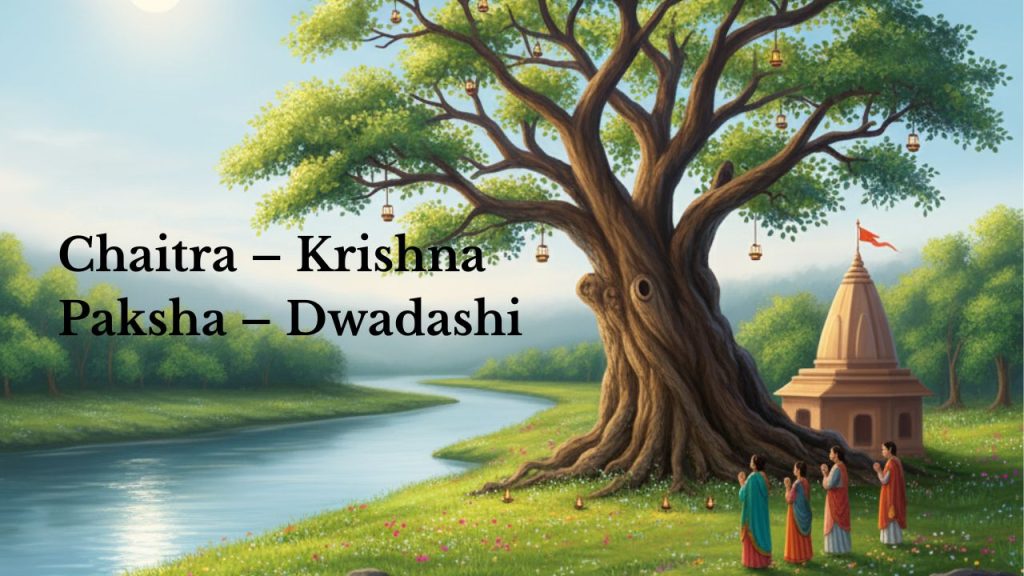
Krishna Paksha holds special significance in the Chaitra month, the first month of the Hindu lunisolar calendar. The Chaitra month typically falls in March or April and marks the beginning of the new lunar year. During this period, many important festivals are celebrated, including Ram Navami. Krishna Paksha in Chaitra is a time for deep spiritual practices, making Dwadashi a perfect day for devotees to immerse themselves in worship and reflection.
Krishna Paksha: A Brief Overview
Meaning of Krishna Paksha: The Waning Phase of the Moon
Krishna Paksha refers to the waning phase of the moon, which begins after the full moon (Purnima) and continues until the new moon (Amavasya). During this phase, the moon’s light gradually diminishes, and the energy associated with the moon’s power is believed to decrease as well. For many, this phase is a time for quiet reflection and spiritual practices that involve letting go of negativity and past burdens.
In Hindu tradition, the waning moon is often associated with removing obstacles and negativity. As the moon’s light begins to fade away, it is a time for physical and spiritual cleansing. People engage in activities that promote introspection, prayer, and self-purification. Krishna Paksha is also considered a time to observe fasts, meditate, and focus on personal growth and devotion to the divine.
The Connection to Spiritual Practices and Rituals
Krishna Paksha is deeply connected to various spiritual practices in Hinduism. Many devotees use this time in rituals fostering self-discipline and spiritual growth. The waning moon symbolizes a time to let go of excess baggage, both material and emotional. Devotees seek to cleanse themselves of impurities and negative thoughts through fasting, meditation, and prayer.
One of the central practices during Krishna Paksha is observing fasts on significant days like Dwadashi, Ekadashi, and Amavasya. These fasts are physical abstentions from food and a means of purifying the mind and body. By fasting, individuals strive to break free from attachment to material pleasures and concentrate on spiritual growth.
How Krishna Paksha is Observed Differently from Shukla Paksha
The main difference between Krishna Paksha and Shukla Paksha lies in the moon’s energy during each phase. While Shukla Paksha is a time of increasing light and growth, Krishna Paksha is a period of waning and retreat. The waxing phase, or Shukla Paksha, is often associated with accumulating positive energy, prosperity, and new beginnings. In contrast, Krishna Paksha encourages introspection, letting go of negativity, and preparing for new opportunities by clearing out past burdens.
Krishna Paksha is a time for withdrawal and self-reflection, a phase that encourages people to slow down, engage in spiritual practices, and focus inward. On the other hand, Shukla Paksha is more outwardly focused and associated with expansion and the accumulation of positive forces. This difference makes Krishna Paksha ideal for fasting, quiet prayer, and cleansing rituals.
Chaitra Month: The First Month of the Hindu Calendar
Overview of the Chaitra Month in the Hindu Lunisolar Calendar
Chaitra is the first month of the Hindu lunisolar calendar and is considered one of the most auspicious months of the year. It typically falls between March and April, marking the beginning of the Hindu New Year in many regions of India. Chaitra holds immense significance in the lunar calendar, as it sets the tone for the year ahead and is a time for new beginnings.
During Chaitra, nature’s energy is in harmony, and spring arrives in many parts of India. This season is associated with renewal, rejuvenation, and new growth, making it a perfect time for spiritual awakening and personal transformation. The Chaitra month holds particular significance for those who follow the tradition of lunar calendars, as it provides an opportunity to start fresh and engage in activities that promote personal and spiritual growth.
Religious Events and Festivals Associated with Chaitra (e.g., Ram Navami)
The Chaitra month is home to many important religious events and festivals. One of the most notable celebrations is Ram Navami, which marks the birth of Lord Rama, a significant deity in the Hindu pantheon. Devotees celebrate this day with prayers, fasting, and processions as they commemorate the birth of the divine hero and his role in the Ramayana.
Other important festivals in the Chaitra month include Ugadi, Gudi Padwa, and Chaitra Purnima. These festivals are widely celebrated across India, particularly in southern and western states, where they are considered the start of the new year. During this time, people engage in various religious activities, including temple visits, fasting, and reciting sacred texts.
The Astrological Significance of Chaitra Month in the Lunar Cycle
From an astrological perspective, Chaitra is considered a great power and significance month. It marks the beginning of the lunar cycle and is believed to be a time when the energy of the cosmos is at its peak. The position of the moon and the stars during this time is said to influence the spiritual and material realms, making it an ideal period for engaging in religious rituals, seeking blessings, and making positive changes in one’s life.
In astrology, Chaitra is also associated with the zodiac sign Aries, which the planet Mars rules. Aries is a sign of action, energy, and courage, and the energy of this month is said to inspire individuals to take bold steps toward achieving their goals, both in the spiritual and material aspects of life.
The Spiritual Significance of Dwadashi in Krishna Paksha
Dwadashi’s Role in Promoting Spiritual Growth and Self-Reflection
Dwadashi, particularly in Krishna Paksha, reminds individuals to pause, reflect, and engage in spiritual practices that foster growth and development. The waning moon during Krishna Paksha is an ideal time for letting go of negativity and distractions, creating space for new insights and spiritual awakening.
On Dwadashi, the focus is often on self-reflection and deepening one’s connection with the divine. Devotees use this time to engage in prayer, fasting, and meditation, which help them reconnect with their inner selves and the spiritual realm. It’s a day to assess one’s actions, thoughts, and intentions, seeking to align them with divine will.
Connection to Lord Vishnu and His Devotees
Dwadashi is particularly significant for Lord Vishnu, who is revered as the protector and preserver of the universe. On this day, devotees honor Lord Vishnu through prayers and rituals, seeking his blessings for peace, protection, and spiritual growth. Lord Vishnu is often worshipped during Dwadashi through offerings and prayers. The rituals foster a deeper connection with Vishnu, allowing devotees to experience his divine grace and protection. The day is also seen as a time to offer gratitude for the blessings one has received and to seek guidance for future endeavors.
Importance of Fasting or Performing Rituals on Dwadashi
Fasting on Dwadashi is considered a highly beneficial spiritual practice. By abstaining from food or certain indulgences, devotees purify their bodies and minds, enabling them to focus more deeply on their spiritual practices. Fasting is not seen as a form of punishment but as a means of discipline and self-control, allowing individuals to break free from attachments and focus on higher ideals. In addition to fasting, many devotees perform specific rituals on Dwadashi, such as offering prayers, visiting temples, and reciting sacred texts. These rituals are seen as a way to honor Lord Vishnu and seek his blessings. Whether performed alone or in a group, these activities are robust spiritual growth and self-purification tools.
Observances and Rituals on Dwadashi
Key Rituals and Ceremonies Performed on Dwadashi During Krishna Paksha
Devotees on Dwadashi, particularly during Krishna Paksha, engage in several rituals and ceremonies to honor the divine and promote spiritual well-being. One of the most important rituals is the recitation of Vishnu Sahasranama, a sacred text that lists the 1,000 names of Lord Vishnu. This is believed to invoke the divine presence of Vishnu and bring blessings to the devotee.
Another key ritual involves offering food and flowers to Lord Vishnu. This is typically done in temples or at home altars, where devotees prepare special offerings like fruits, sweets, and tulsi leaves. These offerings symbolize devotion and gratitude and invite Lord Vishnu’s blessings.
Standard Fasting Practices and Prayers
Fasting is one of the central practices of Dwadashi, and devotees often observe it to purify their minds and bodies. Many people abstain from food and water for the day, while others may opt for a partial fast, avoiding specific types of food like grains or certain vegetables. In addition to fasting, devotees often recite prayers such as the Vishnu Ashtakshara mantra or the Hare Krishna mantra. These prayers invoke Lord Vishnu’s blessings and help devotees deepen their connection with the divine.
The Role of Temple Visits and Community Worship
Temple visits are an integral part of Dwadashi observances. Devotees often gather in temples to participate in communal prayers, sing bhajans (devotional songs), and make offerings to Lord Vishnu. Community worship fosters a sense of unity and strengthens the collective spiritual energy. In many regions, Dwadashi is marked by grand processions and rituals in temples dedicated to Lord Vishnu. These events are filled with vibrant displays of devotion and are potent reminders of the importance of faith, discipline, and community in one’s spiritual journey.
Dwadashi and Its Connection to Lord Vishnu
Dwadashi is sacred and significant in Hindu religious practices, especially when honoring Lord Vishnu, the universe’s protector. On the 12th day of both lunar fortnights—Shukla Paksha and Krishna Paksha—Dwadashi is a day deeply associated with Vishnu’s qualities of protection, preservation, and balance in the cosmos. Let’s explore the connection between Dwadashi and Lord Vishnu and understand why they are vital in Hindu spiritual practices.
Lord Vishnu’s Association with the Day of Dwadashi
Lord Vishnu, revered as the preserver of the universe in Hinduism, is often depicted resting on the cosmic serpent, Ananta Shesha, with a conch, discus, and mace in his hands. The day of Dwadashi holds a special connection with Lord Vishnu because it is believed that he is most auspiciously worshipped on this day. This connection stems from the tradition of performing Ekadashi-Vishnu worship, which peaks during Dwadashi. As a day that follows Ekadashi, which is dedicated to fasting and devotion to Lord Vishnu, Dwadashi continues that commitment.
Many devotees choose to observe fasts and participate in prayers to honor Lord Vishnu. This period symbolizes renewal, divine protection, and the elimination of impurities from one’s life. The day is believed to bring harmony, peace, and prosperity, as Lord Vishnu’s blessings are sought to remove obstacles and provide protection.
How Dwadashi Honors Lord Vishnu’s Qualities and Teachings
Dwadashi’s observance reflects Lord Vishnu’s divine qualities, such as compassion, patience, and protection. The fasting and devotional practices performed on this day encourage spiritual purification. Lord Vishnu’s teachings emphasize the importance of selflessness, duty, and devotion to God. Dwadashi honors these teachings by encouraging devotees to adopt these virtues in their own lives.
On this day, many devotees pray or recite sacred mantras such as the Vishnu Sahasranama, which consists of 1,000 names of Lord Vishnu, each representing a different attribute of the deity. By invoking these names and meditating on his qualities, devotees strengthen their bond with Vishnu and deepen their understanding of his teachings, leading to spiritual growth.
The Connection to the Ekadashi-Vishnu Worship Tradition
Dwadashi has a unique role in the Ekadashi-Vishnu worship tradition, which spans the waxing (Shukla Paksha) and waning (Krishna Paksha) lunar fortnights. Ekadashi is considered a day of fasting, abstinence, and intense devotion, with a special focus on Lord Vishnu. Since Dwadashi follows Ekadashi, the sacred energy generated in Ekadashi continues, enhancing the spiritual benefits of fasting and prayer.
By observing Dwadashi, devotees believe they have completed the cycle of devotion that started on Ekadashi, amplifying the spiritual power of their actions. Many also perform charity and other acts of goodwill on this day to maximize the merits earned through their devotion. This unique connection between Dwadashi and Vishnu worship strengthens the spiritual impact and offers devotees the opportunity for divine blessings.
Astrological Impact of Dwadashi in Krishna Paksha
Dwadashi in Krishna Paksha, the waning phase of the moon, carries a distinct astrological significance that influences not only spiritual practices but also one’s personal and spiritual life. The moon’s position during this period is vital in shaping the experiences and outcomes associated with this sacred day. Understanding this astrological connection can enhance the spiritual benefits derived from observing Dwadashi.
How the Position of the Moon Affects Spiritual Practices on Dwadashi
The moon’s position in the lunar cycle during Krishna Paksha (the waning phase) is believed to influence spiritual practices uniquely. In Hindu astrology, the moon represents the mind, emotions, and intuition. During Krishna Paksha, the moon’s light gradually wanes, symbolizing the gradual reduction of material influences and the potential for introspection and purification.
On Dwadashi, this waning energy encourages practitioners to focus on inner reflection, mind cleansing, and spiritual renewal. It’s an opportune time to engage in meditation, prayer, and rituals that promote emotional and mental peace. The moon’s influence during this period enhances the power of fasting and devotion, allowing individuals to purify themselves and connect more deeply with Lord Vishnu spiritually.
The Influence of Krishna Paksha Dwadashi on One’s Personal and Spiritual Life
Astrologically, Krishna Paksha Dwadashi is a time for personal reflection and spiritual renewal. It is believed that performing spiritual practices on this day can help clear mental clutter, release negative emotions, and promote emotional healing. For many, the energy of Krishna Paksha Dwadashi encourages a deeper connection with the divine and offers opportunities for overcoming personal obstacles.
The period following Ekadashi is when individuals are encouraged to focus on releasing past attachments and seeking a fresh start. If you face challenges personally, observing Dwadashi with devotion can bring clarity, peace, and a sense of purpose. Spiritual practices during this time have a greater impact on overcoming obstacles and achieving spiritual growth.
Astrological Predictions or Advice Linked with Dwadashi Observances
From an astrological perspective, the spiritual benefits of Dwadashi can be enhanced by paying attention to the positions of key planets and their alignment with the moon during Krishna Paksha. Astrologers often recommend performing specific rituals or prayers based on one’s horoscope to maximize the effects of Dwadashi. For instance, those with specific planetary alignments may be advised to focus on particular deities or mantras to receive the most favorable spiritual outcomes.
Dwadashi is an ideal day for individuals to engage in charitable activities, make offerings to deities, and seek blessings for prosperity and well-being. Some astrological recommendations suggest performing acts of kindness and donating to those in need on this day to align with cosmic energies and attract divine grace.
The Role of Dwadashi in Purification and Atonement
Dwadashi in Krishna Paksha plays a pivotal role in the purification and atonement of past misdeeds, which is integral to Hindu spiritual practice. The day is seen as an opportunity for devotees to cleanse themselves of spiritual impurities and seek forgiveness for past wrongdoings. The practices associated with Dwadashi, including fasting and devotion, help devotees purify their minds and souls.
Spiritual Cleansing Through Fasting and Devotion
Fasting on Dwadashi is considered an essential form of spiritual cleansing. When you fast, you abstain from food to control your senses, focusing instead on inner purity. This act of restraint symbolizes letting go of worldly desires and distractions and aligning yourself more closely with spiritual goals. In Hindu philosophy, fasting purifies the body and mind, creating space for divine blessings and growth.
Devotees also engage in devotional practices, including chanting mantras, reciting Vishnu’s 1000 names, or listening to sacred texts. These acts of devotion help purify the heart, mind, and soul, allowing one to gain a clearer perspective and experience emotional and spiritual healing.
Symbolic Significance of Purification During Krishna Paksha Dwadashi
The waning moon during Krishna Paksha signifies a time of letting go and purification. As the moon’s light diminishes, devotees believe their spiritual impurities can be cleansed during this phase. Dwadashi thus serves as a symbolic opportunity to release past negative karma and prepare oneself for a more positive future. Spiritual practitioners view this day as a time for cleansing their souls, seeking divine forgiveness, and making a fresh start.
Atonement for Past Misdeeds and Seeking Blessings for the Future
Dwadashi is also seen as a day for atonement when one can seek forgiveness for past misdeeds and harmful actions. Observing Dwadashi with devotion and prayer is believed to provide an opportunity for spiritual atonement, where divine grace washes away past sins. It is also a time to express gratitude for the lessons learned from past mistakes and to seek blessings for a better future.
Importance of Charity and Service on Dwadashi
Charity and service are integral components of the spiritual observance of Dwadashi. Today, many devotees participate in acts of kindness, such as donating food, clothing, or money to those in need. These acts of service help accumulate spiritual merit and contribute to personal growth. Charity is seen as a way to honor Lord Vishnu’s qualities of compassion and generosity.
The Tradition of Donating Food, Clothing, or Money During Dwadashi
Giving to others is an essential part of Dwadashi observances. Devotees believe they gain spiritual merit by donating food, clothing, or money and cleansing themselves of negative karma. In many households, the day is marked by preparing special meals and offering them to the poor to express gratitude and share the blessings received from Vishnu.
How Charity During This Day Enhances Spiritual Merit
Charity on Dwadashi is not just about material donations but a spiritual offering. By performing acts of kindness, devotees believe they align themselves with divine virtues, earning merit that will positively influence their spiritual journey. These acts also serve to foster compassion and humility, qualities that are highly valued in Hinduism.
The Impact of Service and Kindness on One’s Spiritual Journey
Service and kindness towards others create a ripple effect, bringing peace and joy to the recipients and the giver. Observing Dwadashi by serving others is a powerful way to grow spiritually. It helps foster a sense of community and compassion, essential qualities that deepen one’s relationship with the divine.
Why Dwadashi in Krishna Paksha of Chaitra is Vital
Dwadashi in Krishna Paksha holds immense spiritual significance for Hindus, especially during the Chaitra month. The day provides a unique opportunity for purification, atonement, and devotion to Lord Vishnu. By observing Dwadashi with dedication, fasting, and charitable acts, you can purify your soul, overcome past misdeeds, and attract divine blessings.
Dwadashi’s Spiritual Importance and Role in Hindu Practice
Dwadashi is not just a day of fasting but a time of profound spiritual renewal. The connection to Lord Vishnu, the astrological influences, the purification process, and the emphasis on charity all work together to create an environment for personal growth and divine connection.
The Lasting Effects of Observing Dwadashi with Devotion
The effects of observing Dwadashi are lasting, bringing blessings that can shape your future. Whether through purification of mind and body, spiritual growth, or the accumulation of merit through charity, Dwadashi is a stepping stone towards greater peace, prosperity, and connection with the divine.
Encouragement to Observe the Rituals and Gain Spiritual Benefits
By embracing the practices of Dwadashi with complete devotion, you can enrich your spiritual journey and create positive shifts in your life. The rituals associated with Dwadashi open the door to deeper understanding and alignment with the divine, offering countless benefits for those who observe the day with sincerity.