Importance of Bhishma Dwadashi in Magh
Bhishma Dwadashi is one of the most revered observances in the Hindu calendar, celebrated to honor the legendary warrior and wise statesman, Bhishma Pitamah, from the epic Mahabharata. This auspicious day falls in the Hindu month of Magh, typically between January and February. Bhishma Dwadashi marks the remembrance of Bhishma’s unwavering dedication to duty, truth, and righteousness. It is a day that encourages reflection on moral values and devotion to Dharma, the principle of righteous living.
This observance is deeply connected to the spiritual teachings of Bhishma, whose life exemplified extraordinary commitment, discipline, and ethical conduct. Observing Bhishma Dwadashi is not just about ritualistic practices; it is a time to absorb lessons from his life, including perseverance in the face of adversity, loyalty to one’s word, and the importance of selfless service.
The purpose of celebrating Bhishma Dwadashi is multifaceted. Spiritually, it fosters devotion to higher ideals and strengthens moral grounding. Culturally, it connects communities through shared stories and traditions of reverence for legendary figures. The day also holds significance for family welfare, encouraging participation in charitable acts and the nurturing of familial bonds through collective prayer and service.
This blog will explore the rituals, mythological and historical significance, spiritual benefits, and cultural importance of Bhishma Dwadashi. Readers will gain insights into how this observance can be a source of inspiration, ethical guidance, and spiritual enrichment, making it relevant even in modern life. By understanding Bhishma Dwadashi deeply, individuals can connect with timeless values and apply them in personal and societal contexts.
Historical and Mythological Background
Bhishma’s Life in the Mahabharata
Bhishma Pitamah, born as Devavrata, was the son of King Shantanu and the river goddess Ganga. From a young age, he exhibited exceptional intelligence, valor, and moral integrity. His story in the Mahabharata highlights the virtues of courage, loyalty, and unwavering commitment to truth. Bhishma was known for his unmatched skill in warfare, diplomacy, and governance, earning the admiration of both allies and adversaries.
His life represents the ideal of a devoted servant of duty, where personal desires were subordinated to principles and societal obligations. Bhishma’s presence in the Mahabharata is central, guiding the Pandavas and Kauravas while embodying the virtues of justice, discipline, and righteousness. His life serves as a model for ethical conduct, inspiring generations to uphold moral standards even in complex situations.
His Vow of Celibacy and Dedication to Duty
Bhishma’s legendary vow of lifelong celibacy was an extraordinary example of sacrifice and self-discipline. He took this vow to ensure his father could marry Satyavati, prioritizing the kingdom’s welfare over personal happiness. This act of selflessness became a cornerstone of his identity, earning him immense respect and reverence in the epic and among followers.
By observing Bhishma Dwadashi, devotees reflect on the importance of duty over desire and the transformative power of selfless actions in maintaining harmony and stability within society. The vow signifies the ultimate commitment to Dharma, demonstrating that personal sacrifice for the greater good is both noble and transformative.
Role in the Kurukshetra War
Bhishma’s role in the Kurukshetra war was that of a formidable warrior and a guiding mentor. Despite his personal conflicts of loyalty, he upheld his duty to the throne of Hastinapura, demonstrating ethical decision-making and resilience in the face of moral dilemmas. His leadership and strategic brilliance influenced the course of the epic, emphasizing the importance of discipline, patience, and wisdom in times of crisis.
Bhishma Dwadashi commemorates his martial prowess while honoring the ethical framework he maintained even amidst conflict. It reminds devotees of the balance between action and morality, and how one can achieve greatness while adhering to principles of righteousness.
The Significance of His End-of-Life Teachings (Bhishma Upadesha)
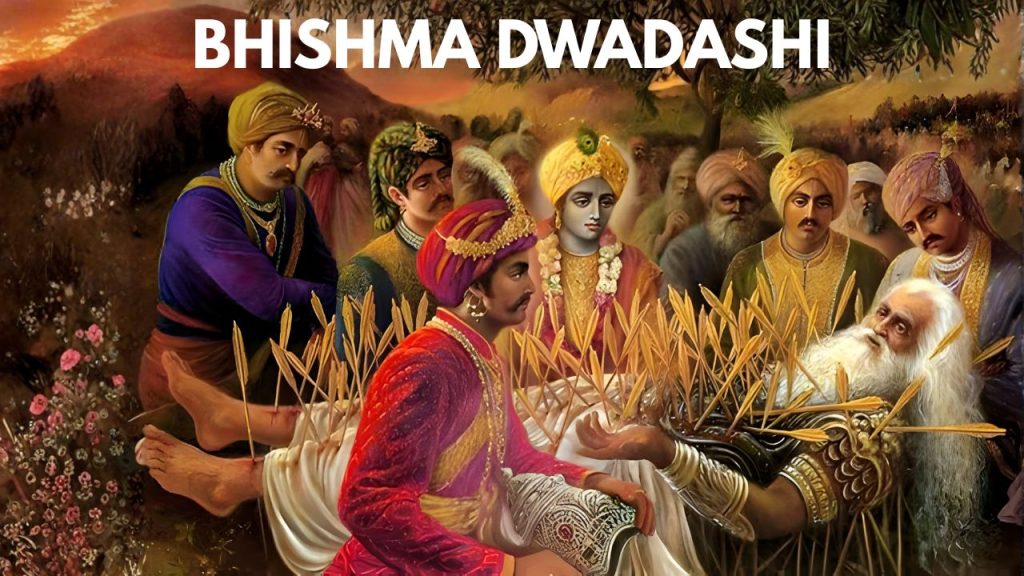
On his deathbed, lying on a bed of arrows, Bhishma imparted profound wisdom to the Pandavas, covering topics such as Dharma, governance, ethics, and devotion. These teachings, collectively called Bhishma Upadesha, remain a guiding light for ethical living and spiritual discipline. Observing Bhishma Dwadashi encourages reflection on these teachings, inspiring individuals to adopt values such as patience, honesty, and self-restraint in everyday life.
How Bhishma Dwadashi Commemorates His Legacy
The observance of Bhishma Dwadashi ensures that the virtues and sacrifices of Bhishma Pitamah are remembered and celebrated. By performing rituals, fasting, and prayer, devotees honor his contribution to Dharma and draw inspiration from his life. This celebration is a testament to the enduring relevance of moral courage, loyalty, and wisdom, fostering spiritual growth and ethical consciousness in society.
Astrological Significance of Magh Month
Position of the Sun and Moon during Bhishma Dwadashi
Bhishma Dwadashi falls during the Hindu month of Magh, which is astrologically significant due to the position of the Sun and Moon. The alignment of celestial bodies during this period is believed to enhance spiritual energy, making it an ideal time for devotion, fasting, and meditation. The Moon in Magh is in the Shravana or Dhanistha nakshatra, fostering reflection, calmness, and inner focus, while the Sun’s position influences vitality and auspiciousness.
Connection with the Uttarayana Period
Bhishma Dwadashi occurs during Uttarayana, the Sun’s northward journey, which is considered highly auspicious in Hindu tradition. This period symbolizes the triumph of light over darkness, knowledge over ignorance, and spiritual awakening over material attachment. Devotees observing Bhishma Dwadashi during Uttarayana believe their prayers and rituals yield amplified spiritual benefits, aligning human efforts with cosmic rhythm.
Influence on Spiritual Practices and Observances
The astrological alignment encourages devotees to engage in introspection, meditation, and disciplined spiritual practices. Energy from the celestial alignment is believed to strengthen resolve, focus, and clarity, making it a powerful period for seeking guidance from Bhishma’s teachings. Activities such as reading scriptures, chanting mantras, and performing charity gain enhanced spiritual potency during this time.
Best Time for Rituals and Prayers
The Brahma Muhurta, approximately 1.5 hours before sunrise, is considered ideal for Bhishma Dwadashi rituals. Devotees perform puja, meditate, and chant sacred hymns during this period, maximizing the benefits of devotion. Astrological wisdom guides the timing of fasts, temple visits, and charitable acts to align with cosmic energy for spiritual upliftment.
Role in Enhancing Religious Merit (Punya)
Observing Bhishma Dwadashi in alignment with astrological insights is believed to increase religious merit, or punya, significantly. Devotees gain spiritual rewards not only for their devotion but also for understanding and respecting cosmic cycles. The combination of ethical living, ritual observance, and astrological alignment cultivates spiritual growth, harmony, and blessings for individuals and families.
Religious Significance
Worship of Bhishma as a Symbol of Wisdom and Duty
Bhishma Dwadashi is primarily a day to worship Bhishma Pitamah, who is revered as a symbol of ultimate wisdom, discipline, and duty. His life exemplifies moral integrity and loyalty, and devotion to him serves as a guide for navigating life’s ethical challenges. By offering prayers and reciting sacred hymns, devotees connect with his values, seeking inspiration to act with righteousness in personal and professional spheres.
Link between Bhishma Dwadashi and Longevity, Righteousness
The observance of this day is believed to promote longevity and righteousness. By adhering to fasts, performing rituals, and engaging in spiritual practices, devotees honor Bhishma’s principles and invite his blessings for a life rooted in virtue, health, and harmony. The day emphasizes that longevity is not merely physical but also spiritual, achieved through a life of dharmic conduct and ethical consistency.
Blessings for Devotion, Family Welfare, and Prosperity
Performing rituals on Bhishma Dwadashi brings blessings for personal devotion, family welfare, and prosperity. It strengthens familial bonds through collective prayer and charitable actions. Bhishma’s teachings inspire individuals to cultivate compassion, patience, and generosity, ensuring the well-being of family and community, which is considered the highest form of devotion in Hindu tradition.
Importance of Fasting and Prayer on this Day
Fasting, or upavasa, is a significant aspect of Bhishma Dwadashi. It symbolizes self-discipline, spiritual purification, and focus on higher ideals. Devotees refrain from certain foods and dedicate the day to meditation, scripture reading, and prayer. The combination of fasting and devotion amplifies spiritual energy, cleansing the mind and body while reinforcing moral and ethical awareness.
Bhishma’s Teachings on Dharma and Their Contemporary Relevance
Bhishma’s lessons on Dharma, truth, responsibility, and ethical living remain relevant today. Observing Bhishma Dwadashi provides an opportunity to reflect on how these principles can be applied in modern life, from personal decision-making to leadership and societal contributions. The day serves as a bridge connecting timeless wisdom with contemporary challenges, encouraging virtuous action and ethical conduct.
Rituals and Observances
Fasting (Upavasa) and Dietary Guidelines
Fasting is central to Bhishma Dwadashi. Devotees abstain from grains, certain vegetables, and indulgent foods, consuming light meals such as fruits, milk, and nuts. This dietary discipline fosters mindfulness, physical detoxification, and heightened spiritual focus. Fasting encourages self-control, aligning the body, mind, and spirit for prayer and meditation, making the day a holistic spiritual experience.
Recitation of Bhishma Ashtottara Shatanamavali and Vishnu Sahasranama
Reciting sacred hymns such as the Bhishma Ashtottara Shatanamavali and Vishnu Sahasranama forms a vital ritual practice. Chanting these mantras cultivates devotion, mental clarity, and spiritual connection. It is believed that consistent recitation invokes Bhishma’s blessings, fosters inner peace, and provides guidance for righteous living, reinforcing the day’s religious significance.
Offering Prayers at Temples and Homes
Devotees perform prayers both at temples and within homes, creating a sacred atmosphere through offerings of flowers, incense, and lamps. This practice nurtures a personal connection with Bhishma Pitamah, promoting spiritual introspection and communal harmony. Home rituals allow families to collectively engage in devotion, reflecting on moral teachings and ethical conduct in daily life.
Visiting Holy Rivers or Performing Charitable Acts
Visiting holy rivers for ritual baths or engaging in charitable acts such as donating food, clothes, or money is common on Bhishma Dwadashi. These activities reflect the values Bhishma upheld: compassion, generosity, and service to humanity. By participating in charity, devotees extend their spiritual practice beyond personal devotion, contributing positively to society.
Observing Brahma Muhurta for Spiritual Practices
Performing spiritual practices during Brahma Muhurta, roughly 1.5 hours before sunrise, is considered highly auspicious. Meditation, chanting, and the study of scriptures during this period are believed to amplify spiritual benefits. Observing this sacred time enhances discipline, inner peace, and mindfulness, enabling devotees to align with cosmic energy and embody the wisdom of Bhishma Pitamah in their lives.
Cultural Significance
Commemorating an Ideal of Devotion and Duty in Indian Culture
Bhishma Dwadashi holds immense cultural importance in India, reflecting values that are central to the societal fabric. Bhishma Pitamah is revered not only for his prowess as a warrior but also for his unwavering devotion to duty and ethical conduct. Celebrating this day encourages communities to remember and honor these ideals. Families and communities come together, retelling stories of Bhishma’s life and emphasizing virtues such as selflessness, loyalty, and respect for elders. These narratives serve as moral lessons, reinforcing the cultural ethos of responsibility and honor in everyday life.
Stories and Folk Traditions Related to Bhishma
Across India, various regions have preserved tales and folklore celebrating Bhishma’s wisdom and heroism. These stories are shared during gatherings, festivals, and religious discourses, keeping alive the lessons of courage, ethical decision-making, and devotion. Folk songs, dramas, and storytelling sessions often highlight key moments from Bhishma’s life, making the classes accessible to younger generations and ensuring that cultural values are passed down engagingly.
Depiction of Bhishma in Arts, Drama, and Literature
Bhishma Dwadashi inspires artistic representations through paintings, sculptures, theater performances, and literary works. Classical Indian art often depicts him on the bed of arrows during his final days, imparting wisdom to the Pandavas. These depictions not only preserve history but also serve as visual reminders of morality, duty, and resilience, providing cultural context to spiritual teachings.
Community Gatherings and Spiritual Discourses
On Bhishma Dwadashi, community gatherings are common, where spiritual leaders and scholars deliver discourses on Bhishma’s life and ethical teachings. These gatherings create a shared sense of reverence and reflection, allowing participants to internalize the principles of Dharma and carry them into daily life.
Influence on Moral and Ethical Teachings in Families
By observing Bhishma Dwadashi, families cultivate moral values and ethical conduct among children and younger members. Lessons from Bhishma’s life guide behavior, emphasizing respect, discipline, and the importance of fulfilling one’s responsibilities. Cultural practices during this day reinforce communal harmony and ethical awareness.
Spiritual Benefits of Observing Bhishma Dwadashi
Accumulation of Spiritual Merit (Punya)
Observing Bhishma Dwadashi provides significant spiritual merit or punya. By engaging in rituals, fasting, prayers, and charitable acts, devotees accumulate positive karma. This accumulation is believed to cleanse past transgressions, strengthen ethical resolve, and enhance spiritual awareness. The practice reminds individuals that devotion and righteous actions directly influence spiritual growth and overall well-being.
Cultivation of Discipline and Self-Control
The observances associated with Bhishma Dwadashi, including fasting, meditation, and ritual worship, cultivate discipline and self-control. Abstaining from indulgences and focusing on spiritual practices sharpens mental clarity and reinforces moral strength. These practices help individuals navigate life’s challenges with calmness, patience, and balanced judgment.
Enhancing Devotion (Bhakti) and Knowledge of Dharma
Bhishma Dwadashi deepens devotion to higher principles and reinforces understanding of Dharma. By listening to discourses, reading scriptures, and reflecting on Bhishma’s teachings, devotees internalize concepts of righteousness, duty, and ethical living. This spiritual enrichment strengthens the bond between individuals and their higher purpose, encouraging a life guided by morality and devotion.
Guidance for Ethical Living Inspired by Bhishma
Bhishma’s life offers a roadmap for ethical living, emphasizing integrity, truthfulness, and responsibility. Observing Bhishma Dwadashi inspires individuals to apply these principles in personal and professional contexts. By reflecting on his decisions and sacrifices, devotees learn to prioritize values over convenience, fostering a life rooted in honesty and compassion.
Protection from Negative Energies and Obstacles
Devotion and disciplined observance of Bhishma Dwadashi are believed to provide spiritual protection. Rituals, prayers, and ethical actions create a positive aura, shielding individuals from negative influences and obstacles. This protective aspect allows devotees to approach life’s uncertainties with confidence and faith.
Health and Wellness Aspect
Benefits of Fasting for Physical Detoxification
Fasting on Bhishma Dwadashi aids physical detoxification by giving the digestive system a rest and promoting the elimination of toxins. Consuming light meals such as fruits, milk, and nuts helps cleanse the body while enhancing metabolic efficiency. This practice not only improves digestion but also boosts immunity and energy levels, complementing spiritual efforts with tangible health benefits.
Mental Clarity and Emotional Balance through Meditation
Meditation and prayer during Bhishma Dwadashi enhance mental clarity and emotional balance. Focusing on spiritual teachings and practicing mindfulness reduces stress, calms the mind, and fosters emotional stability. These practices cultivate inner peace, enabling individuals to approach life with equanimity and resilience.
Importance of Mindful Practices During Spiritual Observances
Mindful engagement in rituals and prayers fosters heightened awareness and presence. Devotees practicing mindfulness during Bhishma Dwadashi experience greater spiritual fulfillment and self-reflection. This conscious attention to daily actions enhances ethical awareness and strengthens the connection between thought, word, and deed.
Promoting Healthy Lifestyle Habits in Line with Rituals
Rituals associated with Bhishma Dwadashi encourage a structured daily routine, including waking early for Brahma Muhurta, performing meditation, and engaging in physical activity or charity. These habits contribute to overall well-being, balancing spiritual, mental, and physical health.
Role of Prayer and Reflection in Stress Reduction
The spiritual focus of Bhishma Dwadashi, including prayer, reflection, and contemplation of ethical values, naturally reduces stress. Devotees experience a sense of calm and emotional release, which supports mental wellness and fosters resilience in facing life’s challenges.
Modern Relevance of Bhishma Dwadashi
Applying Bhishma’s Principles of Duty and Ethics in Daily Life
In contemporary times, Bhishma Dwadashi serves as a reminder to integrate duty and ethical principles into daily life. Bhishma’s life encourages prioritizing responsibilities, practicing honesty, and maintaining integrity, even in complex situations. These timeless teachings guide personal growth, professional conduct, and social interactions, fostering a deeper understanding of oneself and others.
Encouraging Family Values, Respect for Elders, and Moral Conduct
Observing Bhishma Dwadashi reinforces family values, respect for elders, and moral conduct. Sharing stories, performing rituals, and engaging in charitable acts strengthen family bonds and ethical upbringing. Younger generations gain practical lessons on respect, patience, and social responsibility, ensuring continuity of cultural values.
Integration of Rituals into Contemporary Lifestyle
Even in a fast-paced modern lifestyle, Bhishma Dwadashi rituals can be integrated effectively. Short meditation sessions, reading of scriptures, or performing charitable deeds allow individuals to honor the observance meaningfully without compromising professional commitments. This adaptability makes the day relevant and accessible to all.
Community Awareness and Charitable Acts
Modern observance emphasizes community service and charitable acts, such as distributing food, supporting education, and aiding people in need. These activities reflect Bhishma’s virtues of compassion and selflessness, connecting spiritual practice with social responsibility.
Lessons for Personal Growth and Leadership
Bhishma’s teachings inspire leadership, personal discipline, and ethical decision-making. Observing Bhishma Dwadashi motivates individuals to emulate his qualities in workplaces, communities, and personal life. Values such as integrity, accountability, and strategic thinking foster effective leadership and holistic personal growth.
Spiritual Insights and Key Takeaways
Bhishma Dwadashi in the month of Magh is not merely a ritualistic observance; it is a profound opportunity to reflect on the timeless values of duty, discipline, and devotion. The day commemorates the life of Bhishma Pitamah, whose sacrifices, wisdom, and unwavering commitment to Dharma serve as a guiding light for devotees. Observing this day strengthens spiritual discipline, enhances ethical awareness, and promotes moral living in personal, familial, and societal contexts.
The rituals, including fasting, prayers, meditation, and charitable acts, provide holistic benefits, spiritual, mental, and physical. Engaging in these practices fosters inner peace, emotional stability, and a sense of connectedness with the community and higher principles. Cultural celebrations, storytelling, and discourses ensure that Bhishma’s legacy continues to inspire generations.
The modern relevance of Bhishma Dwadashi lies in its ability to bridge tradition and contemporary life. The teachings of selflessness, integrity, and ethical leadership remain applicable in everyday situations, offering lessons in personal growth, resilience, and social responsibility. By participating in Bhishma Dwadashi, individuals not only honor a legendary figure but also cultivate virtues that shape a balanced, disciplined, and meaningful life.
Ultimately, Bhishma Dwadashi is a celebration of moral courage, spiritual devotion, and ethical living. It serves as a reminder that true greatness lies in service, righteousness, and unwavering commitment to higher principles. Through this observance, devotees find inspiration to live harmoniously, act ethically, and embody the timeless wisdom of Bhishma Pitamah in every aspect of life.