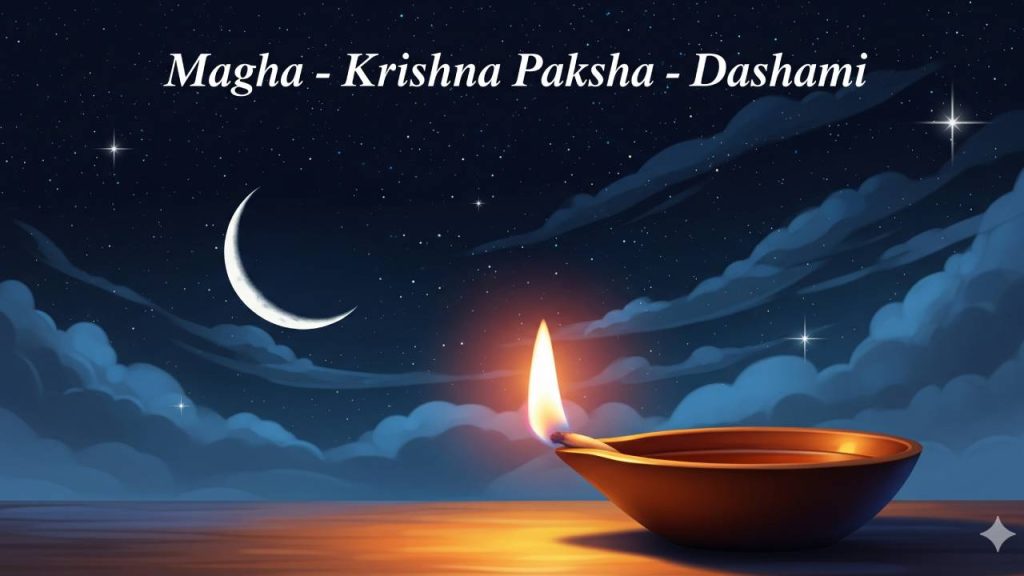
Significance of Vinayaka Jayanti
Vinayaka Jayanti, also widely known as Ganesh Jayanti, is a festival that holds immense significance in Hindu culture and spirituality. Celebrated to mark the birth of Lord Ganesha, the elephant-headed god revered as the remover of obstacles and the harbinger of wisdom, this day serves as a reminder of devotion, learning, and the importance of overcoming challenges in life. The festival is observed with reverence during the Hindu month of Phalgun, typically falling between February and March. Unlike Ganesh Chaturthi, which is celebrated in the Bhadrapada month with grand public festivities, Vinayaka Jayanti focuses on personal devotion and family-oriented celebrations, emphasizing the spiritual aspects of worship and reflection.
The festival goes beyond mere rituals; it embodies a blend of cultural, societal, and spiritual relevance. Communities across India, especially in Maharashtra, Goa, and parts of Karnataka, celebrate the day with intricate pujas, devotional songs, and gatherings that strengthen social and familial bonds. Temples dedicated to Lord Ganesha are decorated beautifully, and devotees come together to recite sacred hymns, sharing the spirit of devotion with one another.
Vinayaka Jayanti is more than a celebration; it is a way to align with the values Lord Ganesha represents: wisdom, patience, humility, and the courage to face challenges. Rituals performed on this day, such as offering modaks (a favorite sweet of Ganesha), chanting mantras, and observing fasts, are symbolic of seeking blessings for personal growth, prosperity, and spiritual enlightenment. For families and communities, it serves as a reminder of the importance of spirituality in everyday life, encouraging a harmonious balance between worldly responsibilities and inner devotion.
Definition of Vinayaka Jayanti and Its Significance
Vinayaka Jayanti commemorates the divine birth of Lord Ganesha, symbolizing the triumph of wisdom over ignorance and the removal of obstacles in one’s path. Unlike the widely popular Ganesh Chaturthi celebrated in Bhadrapada, Vinayaka Jayanti falls in Phalgun and emphasizes spiritual practices rather than large-scale public festivities. The festival highlights the values that Ganesha represents: intelligence, problem-solving, compassion, and devotion.
Significance lies not only in the mythological aspects but also in the guidance it offers for daily life. Devotees perform rituals to seek clarity in decision-making, success in endeavors, and harmony within families and communities. Vinayaka Jayanti provides a dedicated time to focus on personal growth, self-discipline, and cultivating patience, as it is believed that aligning oneself with Lord Ganesha’s virtues leads to a smoother, obstacle-free path.
The festival also strengthens cultural continuity, connecting modern households to centuries-old traditions. Observing Vinayaka Jayanti encourages mindfulness, reflection, and an understanding of the more profound spiritual teachings of Hinduism. This observance transcends mere ritual; it becomes an opportunity to internalize values of wisdom, resilience, and devotion.
Observed in the Hindu Month of Phalgun (February–March)
Phalgun, the twelfth month of the Hindu lunar calendar, holds spiritual significance as it marks the transition from winter to spring, symbolizing renewal and fresh beginnings. Celebrating Vinayaka Jayanti during this period aligns with the idea of starting new ventures and seeking divine blessings for success. The timing is also astrologically significant, as the Shukla Paksha (waxing moon) is considered auspicious for spiritual observances, new endeavors, and meaningful rituals.
The festival’s placement in Phalgun allows devotees to reflect on personal growth while embracing the rejuvenating energy of nature. In addition to its spiritual significance, Phalgun’s climate and seasonal changes encourage community gatherings, temple visits, and devotional activities, enhancing both personal and social well-being.
Celebration of the Birth of Lord Ganesha, the Remover of Obstacles
The birth of Lord Ganesha symbolizes hope, wisdom, and the removal of life’s obstacles. Ganesha is revered as Vighnaharta, the remover of difficulties, and his birthday is celebrated to seek his blessings for a smooth journey in all aspects of life. Devotees engage in prayers, rituals, and offerings to invoke his divine presence.
Families often perform pujas at home, recite Ganapati stotras, and offer sweets like modaks, which are considered a favorite of Lord Ganesha. The celebrations emphasize inner devotion, reflection, and mindfulness, reminding devotees to approach challenges with intelligence and patience. Lord Ganesha’s birth narrative, where he is created by Goddess Parvati and granted divine wisdom by Lord Shiva, reinforces the idea that knowledge and devotion are potent tools in overcoming obstacles.
Overview of Spiritual, Cultural, and Societal Relevance
Vinayaka Jayanti is not only a religious festival but also a celebration of cultural unity and moral values. Spiritually, it encourages introspection, prayer, and the cultivation of virtues like patience, humility, and wisdom. Culturally, it promotes music, art, and traditions, as devotional songs, dances, and temple decorations are integral parts of the celebration. Societally, it strengthens family and community bonds by bringing people together in collective worship and service, fostering harmony and a shared sense of purpose.
Connection with Devotion, Rituals, and Traditional Practices
The essence of Vinayaka Jayanti lies in its devotion-centric practices. Rituals include early morning prayers, chanting of mantras, and offering special foods like modaks and fruits. Decorating temples and homes with lights, flowers, and rangoli is a way to invite positive energy and divine blessings. These practices provide structure to the celebration while reinforcing the values of devotion, discipline, and mindfulness. Observing these traditions helps maintain a spiritual rhythm, reminding devotees of the importance of faith and cultural continuity.
Mythological Significance of Lord Ganesha
Lord Ganesha holds a unique place in Hindu mythology as the deity who combines wisdom, strength, and benevolence. Known as the son of Lord Shiva and Goddess Parvati, his stories are filled with lessons about intelligence, devotion, and moral responsibility. The narratives surrounding his birth, his role in divine affairs, and his relationship with other gods form the backbone of Vinayaka Jayanti celebrations, highlighting why he is worshiped as the first deity before any auspicious work.
Story of Lord Ganesha’s Birth According to Scriptures
According to scriptures, Lord Ganesha was created by Goddess Parvati from turmeric paste while she bathed. She breathed life into the figure, and thus Ganesha was born. When Lord Shiva returned home and saw an unfamiliar child guarding the entrance, he was unaware of Ganesha’s origin and, in anger, severed his head. Parvati’s grief led Shiva to replace Ganesha’s head with that of an elephant, granting him life again. This story conveys profound symbolism, wisdom (elephant head), strength (large body), and the protective nature of divine energy.
The narrative also emphasizes the importance of respect for parents, obedience, and the balance between wrath and compassion. It forms the spiritual foundation of Vinayaka Jayanti, as devotees reflect on these qualities, seek guidance, and internalize lessons of patience, intelligence, and devotion.
Role of Ganesha in Hindu Mythology as the God of Wisdom and Prosperity
Lord Ganesha is revered as Vighnaharta (remover of obstacles) and Buddhipriya (beloved of intelligence). He is invoked at the beginning of rituals, journeys, and business ventures to ensure success and smooth progress. Stories depict his cleverness, such as winning a race against his brother Kartikeya by circling his parents, symbolizing that wisdom and understanding are greater than physical speed or power. His role extends beyond intellect; he embodies prosperity and material well-being. Worshipping Ganesha on Vinayaka Jayanti encourages devotees to align with both spiritual and worldly success, reinforcing that wisdom should guide all actions.
Significance of Ganesha in Removing Obstacles and Granting Success
Ganesha’s presence is believed to clear hurdles and misfortunes in life. By invoking him during Vinayaka Jayanti, devotees seek his guidance to navigate challenges at personal, professional, and spiritual levels. This belief strengthens perseverance and faith, creating an optimistic mindset. Rituals like offering sweets, chanting mantras, and performing pujas help internalize these qualities, reminding devotees that obstacles can be overcome through devotion, discipline, and intellect.
Connection with Other Deities, Especially Parvati and Shiva
Lord Ganesha’s relationships with his divine parents, Shiva and Parvati, and siblings are central to his mythological significance. Parvati represents nurturing and creation, while Shiva embodies transformation and power. Ganesha’s birth and devotion reflect a harmony between these forces, teaching balance between nurturing wisdom and asserting strength. Recognizing these connections during Vinayaka Jayanti enriches the spiritual experience and underscores the importance of familial bonds and divine guidance.
Historical and Cultural Context
Vinayaka Jayanti has roots in ancient India, with references in texts like Mudgala Purana and Shiva Purana. It has been celebrated for centuries, primarily in Maharashtra and surrounding regions, emphasizing spiritual devotion over public grandeur. Over time, the festival influenced regional culture, rituals, and even arts, reflecting the integration of religious practice with daily life and societal values.
Origins of Vinayaka Jayanti Celebrations in Ancient India
The earliest references describe Vinayaka Jayanti as a day devoted to spiritual growth and community devotion. Temples dedicated to Ganesha were centers of learning and culture, where scholars, devotees, and artists gathered. The festival symbolized not just the birth of a deity but also the cultivation of wisdom, virtue, and prosperity in society.
Regional Variations in Rituals and Observances
While Maharashtra celebrates with traditional pujas and temple gatherings, regions like Goa focus on family rituals and modest temple visits. Karnataka emphasizes chanting of Ganesha hymns, whereas Tamil Nadu includes community-based storytelling about Ganesha’s exploits. These variations reflect cultural adaptation while maintaining spiritual consistency.
Influence on Art, Literature, and Temple Architecture
Vinayaka Jayanti inspired classical literature, devotional songs, paintings, and intricate temple carvings. Ganesha idols depict him with distinct styles across regions, showcasing artistic diversity. Temples often include murals narrating his birth, wisdom, and exploits, merging devotion with creativity.
Integration with Local Festivals and Cultural Traditions
Vinayaka Jayanti often coincides with local seasonal celebrations, weaving together religious devotion and community bonding. Folk dances, music, and communal meals enhance participation, ensuring the festival remains relevant across generations.
Timing and Auspiciousness
The timing of Vinayaka Jayanti is integral to its spiritual potency. Celebrated in Phalgun Shukla Paksha Chaturthi, it aligns with the waxing moon, symbolizing growth, positivity, and renewal. Auspicious timings for rituals and prayers are meticulously observed to maximize the spiritual benefits and ensure success in endeavors.
Importance of the Phalgun Month in the Hindu Calendar
Phalgun represents a period of spiritual reflection and preparation for spring. Observing Vinayaka Jayanti in this month encourages personal renewal and the pursuit of knowledge. The lunar phase is considered auspicious for new beginnings and spiritual alignment, enhancing the festival’s significance.
Shukla Paksha Chaturthi as the Day of Celebration
The fourth day of the waxing moon (Chaturthi) is spiritually powerful. Chaturthi is inherently linked with Lord Ganesha, and celebrating his birth on this day is believed to amplify blessings. Devotees perform focused pujas, chant mantras, and seek guidance for wisdom, prosperity, and obstacle removal.
Auspicious Timings (Muhurta) for Rituals and Prayers
Muhurta, or the precise timing for rituals, is crucial. Performing pujas during specific hours enhances spiritual efficacy. Early morning rituals (Brahma Muhurta) are preferred for meditation, chanting, and offerings, ensuring that the day’s energy is optimally aligned with divine blessings.
Role of the Lunar Calendar in Determining Vinayaka Jayanti
Vinayaka Jayanti’s date varies according to the Hindu lunar calendar. This alignment ensures that celebrations are harmonized with celestial movements, connecting devotees to cosmic rhythms. Awareness of the lunar cycle reinforces mindfulness and devotion, integrating spiritual practice with the natural order.
Traditional Rituals and Practices
Observing Vinayaka Jayanti involves a combination of prayers, offerings, and disciplined practices. These rituals create a spiritual environment that nurtures devotion and mindfulness. From pujas and offerings to decoration and fasting, each element reinforces the celebration’s spiritual, cultural, and familial significance.
Morning and Evening Prayers (Puja) Dedicated to Ganesha
Puja is central to Vinayaka Jayanti. Devotees begin the day with morning prayers, offering water, flowers, and incense to Ganesha. Evening rituals include aarti and chanting of Ganapati stotras. These prayers establish a spiritual rhythm, creating a sacred space for reflection, gratitude, and devotion.
Offerings: Modaks, Fruits, Flowers, and Incense
Modaks are the quintessential offering, symbolizing sweetness, prosperity, and divine blessings. Fruits represent abundance, while flowers and incense purify the environment and create a meditative ambiance. Together, these offerings honor Lord Ganesha and facilitate a deeper connection with the divine.
Recitation of Ganesha Mantras and Stotras
Chanting mantras like “Om Gan Ganapataye Namah” and reciting stotras invoke Ganesha’s energy, fostering wisdom and removing obstacles. Repetition of these sacred words enhances focus, mindfulness, and spiritual growth, making them a powerful aspect of the celebration.
Decoration of Homes and Temples with Lights and Rangoli
Decorating homes and temples is both a devotional and cultural practice. Rangolis, lamps, and flower arrangements symbolize welcoming divine energy and creating an atmosphere of positivity. These decorations encourage creativity while expressing reverence and community spirit.
Observance of Fasts and Spiritual Discipline
Many devotees observe fasts on Vinayaka Chaturthi, also known as Vinayaka Jayanti, to cultivate self-discipline, focus, and devotion. Fasting is not just abstention from food; it is a means to purify the mind and body, strengthen spiritual resolve, and deepen one’s connection with Lord Ganesha.
Symbolism of Lord Ganesha in Daily Life
Lord Ganesha is not just a deity to worship during festivals; he serves as a guiding figure in everyday life. Each aspect of his form carries deep symbolism, offering lessons in wisdom, adaptability, and resilience. Observing Vinayaka Jayanti provides an opportunity to reflect on these symbols and integrate their teachings into personal, professional, and spiritual life.
Elephant Head and Wisdom: Overcoming Challenges Intelligently
Ganesha’s elephant head symbolizes immense wisdom and intelligence. The large head teaches that thinking, planning, and understanding are essential to overcoming obstacles. In daily life, this translates to making thoughtful decisions, analyzing situations calmly, and approaching challenges with patience rather than haste. Celebrating Vinayaka Jayanti reminds devotees to value knowledge, learning, and insight as tools for personal and professional success.
Large Ears: Importance of Listening and Learning
The large ears of Lord Ganesha signify the need to listen attentively before speaking or acting. Active listening fosters understanding, empathy, and better decision-making. This aspect of Ganesha’s form encourages reflection, patience, and the acquisition of knowledge from experiences and others’ guidance, making it a timeless lesson for relationships, work, and spiritual growth.
Trunk and Adaptability: Flexibility in Facing Life’s Situations
Ganesha’s trunk, capable of handling both small and large tasks, symbolizes adaptability. Life is full of challenges, and the ability to adjust approaches without compromising principles is a valuable skill. Vinayaka Jayanti serves as a reminder that flexibility, combined with wisdom, allows individuals to overcome difficulties efficiently while maintaining balance and composure.
Role of Ganesha as a Guide in Personal and Professional Life
Lord Ganesha embodies guidance, protection, and success. By invoking his blessings, devotees seek clarity in decision-making, courage to face challenges, and insight to navigate complexities. Observing his symbolism in daily routines fosters focus, resilience, and a problem-solving mindset, enriching both personal and professional endeavors.
Significance in Family and Community
Vinayaka Jayanti is as much about family and community as it is about spiritual observance. It serves as a unifying event, reinforcing familial bonds, societal harmony, and shared cultural values. Participating in the festival together strengthens relationships and creates an environment of mutual support and spiritual growth.
Strengthening Family Bonds Through Collective Worship
Family pujas during Vinayaka Jayanti encourage shared devotion and collective spiritual practice. Performing rituals together fosters communication, understanding, and moral guidance, creating a strong familial foundation. Children learn values of discipline, respect, and devotion while adults deepen their spiritual connection.
Community Celebrations: Processions and Temple Gatherings
Temples often host gatherings and processions that bring entire communities together. Such celebrations promote unity, collective participation, and cultural continuity. Shared devotion creates an atmosphere of joy, encouragement, and spiritual support that extends beyond individual households.
Teaching Children Spiritual and Moral Values
Celebrating Vinayaka Jayanti with children provides an opportunity to instill lifelong values. Storytelling about Ganesha’s wisdom, bravery, and devotion teaches children patience, respect, and critical thinking. Engaging them in rituals and preparations fosters discipline, curiosity, and cultural awareness.
Social Harmony and Collective Cultural Identity
The festival reinforces social cohesion by bridging generational and cultural gaps. By participating in shared rituals and celebrations, communities cultivate a sense of belonging and collective identity. Vinayaka Jayanti thus becomes a platform for reinforcing ethical values, spiritual awareness, and cultural pride.
Spiritual Benefits of Observing Vinayaka Jayanti
Observing Vinayaka Jayanti is not only a cultural act but also a path toward spiritual growth. Devotion, prayer, and ritual practice provide inner strength, guidance, and a sense of purpose. Engaging deeply with the festival fosters mindfulness, gratitude, and alignment with higher principles.
Removal of Obstacles and Negative Energies
Lord Ganesha is revered as Vighnaharta, the remover of obstacles. Devotees performing pujas and rituals during Vinayaka Jayanti invoke his blessings to overcome personal and professional challenges. This spiritual practice not only provides divine support but also cultivates a positive mindset that helps individuals face difficulties with courage and composure.
Attaining Knowledge, Wisdom, and Clarity of Thought
Ganesha represents intellect and discernment. Observing Vinayaka Jayanti encourages reflection, meditation, and study, thereby sharpening the mental faculties. Chanting mantras, reading scriptures, and participating in rituals provide spiritual clarity, making decisions more insightful and life choices more aligned with purpose.
Promoting Mindfulness, Devotion, and Inner Peace
Rituals and prayers create a calm and focused environment conducive to mindfulness. The practice of devotion reduces stress, increases emotional resilience, and nurtures inner peace. Vinayaka Jayanti encourages individuals to connect with their spiritual selves, promoting balance between worldly duties and inner well-being.
Enhancing Prosperity and Positive Energy in Life
Devotion to Ganesha is believed to attract prosperity, success, and positive energy. Performing rituals with sincerity aligns personal intentions with divine guidance. Observing Vinayaka Jayanti fosters gratitude, optimism, and spiritual alignment, enhancing overall life satisfaction and harmony.
Modern Celebrations and Innovations
While rooted in tradition, Vinayaka Jayanti has adapted to contemporary lifestyles. Modern practices blend spirituality with sustainability, creativity, and technology, making the festival accessible, relevant, and impactful for all generations.
Urban and Rural Differences in Celebrating the Festival
In urban areas, Vinayaka Jayanti often includes temple visits, family gatherings, and small-scale rituals. Rural celebrations may focus on community-based pujas, storytelling, and folk performances. These differences illustrate how devotion adapts to its context while retaining its spiritual essence.
Use of Eco-Friendly Ganesha Idols and Sustainable Practices
Environmental awareness has influenced modern celebrations. Many devotees now opt for eco-friendly clay idols, biodegradable decorations, and natural colors for rangoli. These practices preserve tradition while protecting nature, reflecting responsible devotion.
Virtual and Online Celebrations
Digital technology allows devotees worldwide to participate in live-streamed pujas, virtual satsangs, and online group chanting. These innovations expand accessibility, strengthen community, and promote continuity of tradition across distances.
Integration with Cultural Programs, Music, and Art Exhibitions
Festivals now incorporate cultural programs such as music, dance, and art exhibitions inspired by Ganesha’s symbolism. These activities educate, entertain, and engage communities, making Vinayaka Jayanti a celebration of both spirituality and creativity.
Parting Thoughts
Vinayaka Jayanti is a profound festival that blends spiritual devotion, cultural richness, and societal cohesion. It encourages reflection, personal growth, and the pursuit of wisdom while reinforcing values of family, community, and moral living.
Recap of Spiritual, Cultural, and Social Importance
The festival highlights devotion to Lord Ganesha, the embodiment of wisdom, prosperity, and obstacle removal. Celebrations strengthen family bonds, foster community engagement, and nurture cultural identity, making it a holistic observance with lasting impact.
Relevance of Vinayaka Jayanti
Vinayaka Jayanti offers a pause for reflection, mindfulness, and spiritual realignment. It reminds individuals of the importance of values, patience, and balanced decision-making, guiding both personal and professional life.
Encouragement to Uphold Traditions While Embracing Modern Practices
The festival serves as a bridge between tradition and modernity. By blending eco-friendly rituals, online participation, and cultural programs with ancient practices, Vinayaka Jayanti remains relevant and impactful, inspiring devotion, creativity, and responsibility.
Emphasis on Devotion, Learning, and Community Bonding
Ultimately, Vinayaka Jayanti is about connecting with Lord Ganesha, cultivating wisdom, and nurturing relationships. Devotion, reflection, and collective participation ensure that the festival remains a guiding light, providing spiritual strength and fostering harmony in daily life.