Vinayaka Chaturthi in Jyeshtha: A Sacred Celebration of Beginnings and Devotion
When we think of Lord Ganesha, the first image that comes to mind is his charming elephant face and powerful yet kind presence. Ganesha is revered in almost every Hindu household, known as the God of beginnings, wisdom, and overcoming obstacles. While many of us are familiar with Ganesh Chaturthi in Bhadrapada, there’s a lesser-known but equally sacred observance known as Vinayaka Chaturthi in Jyeshtha.
Falling on the Chaturthi tithi (fourth lunar day) during the Shukla Paksha (waxing phase of the moon) in the Jyeshtha month, this day holds significant weight in both spiritual and ritualistic terms. Unlike the more widely celebrated Ganesha Chaturthi, which includes grand processions and massive public installations, Jyeshtha Vinayaka Chaturthi is more intimate, spiritual, and deeply personal. It’s about connecting with Ganesha quietly and reflectively.
This celebration gently reminds us to pause, reset, and seek blessings before embarking on anything new, whether it’s a journey, a relationship, a project, or even a fresh mindset. The energy during this time is believed to be perfect for removing internal and external obstacles, inviting clarity and wisdom, and strengthening our connection with the divine. In its essence, Vinayaka Chaturthi in Jyeshtha is an opportunity to reconnect with our roots, to honor beginnings, and to invite Ganesha into our lives not just as a deity but as a wise friend and guide.
Astronomical and Lunar Significance
The celebration of Vinayaka Chaturthi isn’t just mythologically significant; it is also deeply aligned with cosmic and lunar energies. In the Hindu calendar, the Shukla Paksha (waxing phase of the moon) is seen as a time of growth, clarity, and positive energy. This phase begins after the new moon and leads to the full moon, symbolizing illumination and new beginnings.
Occurrence during the waxing moon (Shukla Paksha)
This timing isn’t random. It aligns perfectly with Lord Ganesha’s symbolism. Just as the moon grows brighter daily, our intentions, goals, and spiritual strength are believed to grow when we begin them during this phase. The energy is constructive, making it the perfect moment to start something new under Ganesha’s watchful eyes. The Chaturthi tithi is the fourth day of each lunar fortnight and is especially relevant in Vedic astrology. It’s said to be governed by Chaturthi Devi and associated with intense spiritual potential. According to Vedic texts, the Chaturthi during the waxing moon is mighty for overcoming obstacles, aligning beautifully with Ganesha’s primary role.
Influence of planetary positions during this time
Astrologically, this period often reflects stability and alignment. The planetary positions during Jyeshtha Shukla Paksha typically promote focus, creativity, and rational thinking, qualities that Lord Ganesha embodies. When we pray to Ganesha on this day, we tap into the cosmic current of clarity and insight. In Hindu belief, the moon is believed to govern the mind. Worshipping Ganesha during this lunar phase helps balance our emotional and mental energies. It’s believed that Ganesha helps stabilize the mind’s wavering nature, offering peace and determination.
Auspicious timing for new ventures and prayers
Due to these cosmic alignments, Vinayaka Chaturthi in Jyeshtha is an ideal time for laying the foundation for future endeavors. Whether starting a business, performing housewarming ceremonies, or initiating spiritual practices, this time blesses us with divine support for long-term success.
Mythological Background and Stories
No festival in Hinduism is complete without its rich tapestry of mythology, storytelling, and divine symbolism. Vinayaka Chaturthi in Jyeshtha is rooted in various powerful legends and sacred tales highlighting Ganesha’s origins, divine roles, and cosmic connections.
Legends related to Ganesha’s creation and his elephant head
One of the most well-known stories begins with Goddess Parvati, who created Ganesha from sandalwood paste and infused him with life to guard her privacy. Unaware of this, Lord Shiva attempted to enter, but young Ganesha stopped him. This led to a tragic confrontation, where Shiva severed the child’s head in rage. Upon realizing the truth, he replaced the boy’s head with that of a sacred elephant and granted him divine status, making Ganesha the first to be worshipped in every ritual. In another tale, the gods once decided which of Ganesha and Kartikeya should lead the divine forces (Ganapati). While Kartikeya set off on a world tour, Ganesha circled his parents, Shiva and Parvati, saying, “They are my world.” His wisdom won him the title of Vighnaharta or remover of obstacles.
Myth involving the curse of Chandra (Moon) on Vinayaka Chaturthi
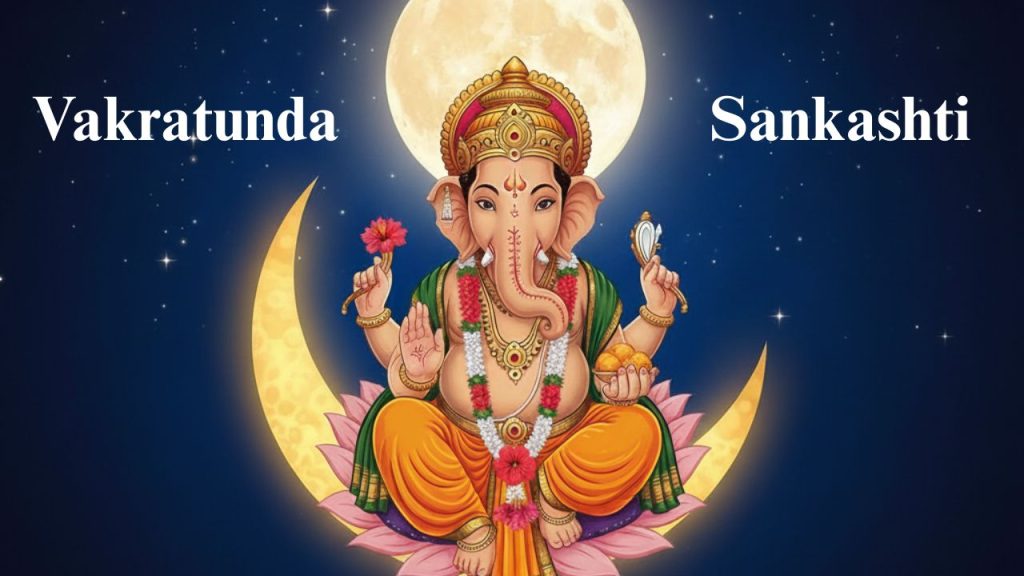
A vital legend associated with Vinayaka Chaturthi in Jyeshtha involves the curse of Chandra (the Moon God). It’s said that once, Ganesha fell from his mount (a mouse), and Chandra laughed at him. Enraged, Ganesha cursed the moon, declaring that anyone who gazed at it on this day would face false accusations and ill luck. This is why many devotees avoid looking at the moon on Vinayaka Chaturthi. Lord Ganesha’s presence frequently appears in stories involving great sages, such as Durvasa, who often tested people’s devotion and patience. He also shares a deep bond with Shiva and Parvati, portraying the importance of family and dharma in Hindu thought.
Importance of Ganesha’s wisdom and devotion in Hindu epics
Whether in the Mahabharata, where Ganesha serves as the scribe for sage Vyasa, or in the Puranas, where he is the wise observer, Ganesha’s role is consistently reinforced as a symbol of intelligence, devotion, and balance. His presence consistently brings calm, clarity, and success, especially during challenging times.
Rituals and Observances
If you’ve ever participated in a Vinayaka Chaturthi puja, even the simplest one, you know how serene and spiritually uplifting it feels. This observance in Jyeshtha is often done with a quieter, more personal touch centered around devotion, discipline, and intention.
Early morning Ganesha puja with flowers and durva grass
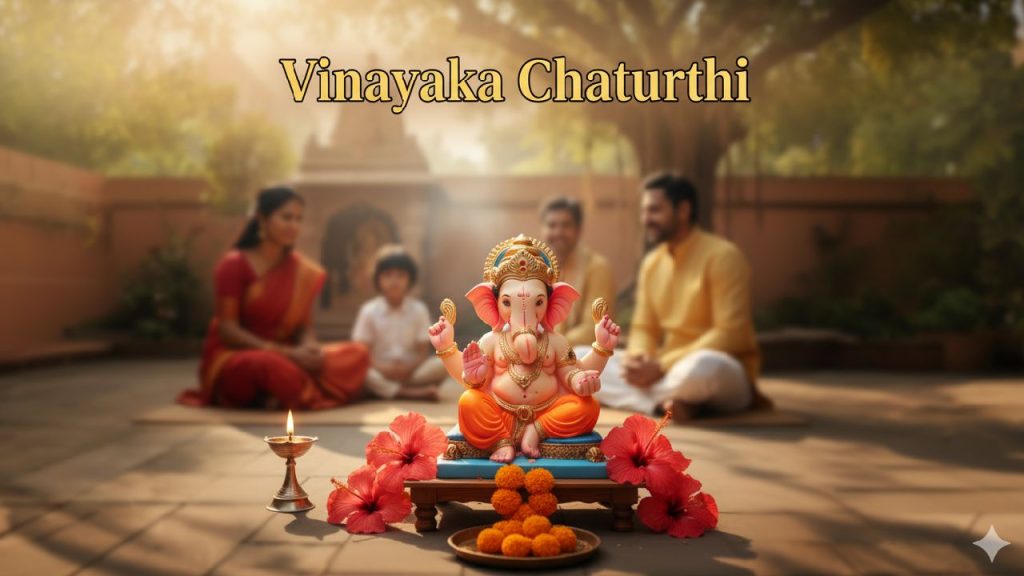
The day typically begins at sunrise with a clean bath and purification rituals. Devotees create a simple altar with an idol or image of Ganesha, decorating it with fresh flowers, especially red hibiscus, and the sacred durva grass, which is believed to cool Ganesha’s energetic form and is dear to him. During the puja, many recite powerful mantras such as “Om Gan Ganapataye Namah” and the revered Ganapati Atharvashirsha, which praises the cosmic form of Ganesha. These chants are not just ritualistic; they are meditative, calming the mind and bringing a deep sense of divine presence.
Fasting practices observed by devotees
Fasting on this day is common. Some people follow a strict nirjala fast (without water), while others opt for a phalahar (fruit-based) or a satvik diet. The idea is to purify the body, elevate the spirit, and focus all energy on prayer and introspection. No Ganesha puja is complete without modaks; sweet dumplings are his favorite. Jaggery, coconut, and bananas are also offered with love and gratitude. The offerings are later shared as prasad, symbolizing divine blessings.
Moon avoidance tradition due to mythological beliefs
Remember the story of the moon’s laughter? Even today, devotees avoid looking at the moon on Jyeshtha Vinayaka Chaturthi night. It’s a heartfelt ritual that connects us to ancient myths and reminds us to stay humble and respectful toward divine energies.
Regional Variations and Local Traditions
What’s beautiful about Hindu festivals is how they adapt and flourish uniquely in every region, carrying the same essence but with diverse expressions. Vinayaka Chaturthi in Jyeshtha is celebrated with slight variations across India.
Observances in Maharashtra, Karnataka, and Tamil Nadu
Although the Bhadrapada festival is more famous in Maharashtra, families also perform home-based pujas in Jyeshtha, often led by the matriarchs. In Karnataka and Tamil Nadu, temples organize special Ganesha homes (fire rituals) and abhishekas (sacred baths). The southern states also link this celebration with astrology and temple traditions.
In some Tamil and Kannada households, a form of Gauri-Ganapati puja is performed, symbolizing the union of mother and son, Parvati and Ganesha. It’s seen as a nurturing ritual that strengthens family bonds and honors feminine energy alongside Ganesha’s wisdom.
Folk customs and storytelling practices in rural regions
Rural communities bring their charm. Storytelling sessions about Ganesha’s childhood, singing folk songs, and children acting out mythological tales are common. These practices pass spiritual values across generations in an engaging, community-centric way.
Community worship vs. private household rituals
People may gather in temples or local mandapas in smaller towns for joint worship. However, in urban areas, individual household rituals are more common. The beauty lies in its flexibility. Ganesha accepts all forms of sincere worship. Local panchayats (Hindu almanacs) play a vital role in determining the timing of puja and fasting rituals. Regional priest communities guide people in observing this day per local customs and astrological calculations.
Spiritual Significance and Inner Cleansing
Vinayaka Chaturthi is not just a festive day; it holds deep spiritual significance that reaches into the core of our inner selves. Celebrating this day invites you to reflect on your personal growth and spiritual journey. Lord Ganesha, the remover of obstacles, is also seen as the destroyer of ego and negativity that blocks your true potential. The festival encourages you to look inward and cleanse yourself from the layers of pride, fear, and doubts that cloud your mind.
Ganesha as the Destroyer of Ego and Negativity
Think about the ego as a heavy chain that restricts your freedom. Ganesha’s symbolism teaches us that true wisdom and progress come when we let go of that ego. On this day, devotees invoke Ganesha’s blessings to cut through their inner negativity, the fears and false identities that hold them back. Imagine Ganesha as a light shining on your inner darkness, dissolving confusion and ego-driven thoughts so that you can move forward with clarity and humility.
Fasting as a Means to Control the Senses and Mind
Fasting during Vinayaka Chaturthi is more than just abstaining from food. It’s a powerful tool for self-discipline, helping you gain control over your senses and mind. When you consciously fast, you teach yourself restraint, which spills over into your thoughts and actions. It’s like resetting your inner world, calming the chatter of desires and worries. This control cultivates spiritual clarity and enhances your willpower, which is essential for overcoming life’s obstacles.
Importance of Surrendering Obstacles to Ganesha
Surrender can be tough. We often want to control everything ourselves, but the festival reminds us that some obstacles are best entrusted to Ganesha. When you surrender your worries and barriers with faith, it’s like handing over a heavy burden to someone who can remove it. Letting go brings peace and makes you more receptive to solutions beyond your immediate understanding.
Chanting and Meditation to Invoke Spiritual Clarity
The chants of Ganesha’s mantras are not just sounds; they are vibrations that harmonize your mind and spirit. Meditating on these chants during Vinayaka Chaturthi helps deepen your focus and connects you to divine energy. You feel calmer and more centered and can face challenges with a balanced mind. It’s like tuning a musical instrument; your inner self becomes aligned and ready to play the melody of life with grace.
Reflection on Purity, Humility, and Devotion
At its heart, the festival encourages reflection on three key virtues: purity, humility, and devotion. Purity in thoughts cleanses your mindset, humility breaks down barriers of arrogance, and devotion fuels your connection with the divine. These qualities are the foundation for spiritual growth. As you observe Vinayaka Chaturthi, take a moment to ask yourself: How can I bring more of these qualities into my daily life? This reflection leads to an inner cleansing that prepares you to face life’s hurdles with renewed strength.
Vinayaka Chaturthi and Vrat Katha
The Vrat Katha (story of the fast) associated with Vinayaka Chaturthi is a beautiful narrative that enriches the festival with deep meaning. When you listen to or read this story, it becomes more than a ritual; it becomes a guide that teaches values and inspires transformation.
Importance of Reading or Listening to Vinayaka Vrat Katha
When you engage with the Vrat Katha, you connect with generations of devotees who have found wisdom and solace in this story. It’s a practice that brings the community together and helps you feel part of something larger than yourself. The Katha reminds you that spiritual traditions are living experiences that speak directly to your heart. One of the most famous parts of the Vrat Katha is the story where the moon laughs at Ganesha after he falls from his vehicle. Hurt by the laughter, Ganesha curses the moon to lose its shine and influence. This tale reminds us of the power of respect and humility. It teaches that mocking or disrespecting others, especially divine beings or principles, leads to consequences. The moon’s story also symbolizes how pride and ego, even in celestial bodies, can lead to downfall.
How Observing the Vrata Absolves One of Past Sins
The vrat observed on this day is believed to have the power to absolve sins and past mistakes. This is not just a spiritual promise but a psychological reset. When you sincerely fast and pray, you release guilt and regret. It’s like cleaning a dusty window so the light can shine again. This cleansing effect empowers you to start afresh, carrying forward lessons without the weight of past errors. The Vrat Katha is filled with moral lessons, truthfulness, patience, discipline, respect, and devotion. These teachings aren’t just abstract ideas but practical guidelines for daily life. By following these principles, you build character and resilience. The story gently nudges you to live with integrity and kindness, naturally attracting success and happiness.
Encouragement of Truthfulness, Patience, and Discipline
Truthfulness fosters honesty with yourself and others, laying the foundation for trust. Patience helps you endure life’s trials without losing hope. Discipline, reinforced by the fast, keeps your mind focused and your actions purposeful. These qualities create a balanced and harmonious life that Vinayaka Chaturthi helps you cultivate through the Vrat Katha.
Importance in Personal and Professional Life
Vinayaka Chaturthi isn’t just about spiritual cleansing; it has practical relevance that impacts your everyday life, whether you’re starting a new project, seeking clarity in your career, or enhancing your focus and intellect.
Auspicious Day for Beginning New Ventures or Purchases
Have you ever felt uncertain about when to start something new? This festival is traditionally considered highly auspicious for launching new ventures or making essential purchases. Invoking Ganesha’s blessings is believed to clear the path of obstacles, making success more likely to occur. Whether it’s a business, a creative project, or even buying a vehicle or home, choosing this day aligns your efforts with positive energy. If you’re a student or lifelong learner, Vinayaka Chaturthi is a special occasion to seek Ganesha’s blessings for wisdom and knowledge. Ganesha is revered as the deity of intellect and learning, so worshipping him can inspire better concentration and understanding. Many students take this day to pray before exams or critical academic milestones, trusting that Ganesha will help remove mental blocks and enhance their memory.
Removal of Blockages in Business and Career Paths
Obstacles often come in the form of challenges, delays, or confusion in your professional life. The symbolism of Ganesha as the remover of obstacles applies directly here. Performing the rituals or meditating on this day helps you psychologically clear doubts and fears that hinder your progress. It’s not magic; it’s about shifting your mindset to confidence and clarity, naturally leading to better decisions and smoother paths. Life is full of tough choices. Vinayaka Chaturthi offers a perfect opportunity to pause and reflect before making significant decisions. The festival’s calm and sacred atmosphere supports clearer thinking. By engaging in prayer, meditation, or simply mindful reflection, you open yourself to deeper insights and intuition that guide you toward the best course of action.
Strengthening Intellect and Focus Through Worship
Worshipping on Vinayaka Chaturthi isn’t just a ritual; it’s a mental exercise. Repeated chants, focused prayers, and disciplined fasting enhance your mental stamina and concentration. Think of it like a workout for your brain and spirit. Over time, these practices can improve your ability to focus on tasks, solve problems creatively, and maintain calm under pressure.
Alignment with Hindu Dharma and Festive Cycle
Vinayaka Chaturthi fits seamlessly within the rich tapestry of Hindu dharma and its cyclical festive calendar. Understanding this helps you appreciate how this festival supports a larger spiritual rhythm.
Continuation of Monthly Chaturthi Observances in Vedic Dharma
Vinayaka Chaturthi is part of a monthly tradition of observing Chaturthi (the fourth lunar day). This monthly observance keeps the connection to Ganesha’s blessings alive throughout the year. It’s a regular reminder of the importance of spiritual discipline and mindfulness rather than just a once-a-year event.
Connection to the Broader Cycle of Hindu Festivals
The festival also connects to other Hindu celebrations that mark different seasons and spiritual themes. For example, Vinayaka Chaturthi in Jyeshtha is a spiritual build-up to the grander celebrations later in Bhadrapada. This rhythmic progression helps devotees gradually deepen their spiritual practices, cultivating sustained devotion and growth. The observance in Jyeshtha is like a spiritual rehearsal, preparing you for the grander festivities of Ganesh Chaturthi later in the year. It enables you to cultivate devotion, reflect on your progress, and refine your intentions. This gradual build-up creates a layered experience of spirituality, enhancing the overall impact of the festival season.
Enhancing Spiritual Discipline Through Regular Vrats
By observing Vinayaka Chaturthi regularly, you strengthen your spiritual discipline. These repeated commitments teach patience, self-control, and focus. Over time, the discipline spilled into other areas of life, supporting overall well-being and personal growth. The festival promotes upholding dharma and righteous living through its rituals and practices. It combines external actions (such as puja and fasting) with internal virtues (like humility and devotion). Together, these support a life aligned with truth, balance, and spiritual progress.
Contemporary Relevance and Environmental Message
While Vinayaka Chaturthi is deeply rooted in tradition, it also evolves in response to modern times, reflecting today’s social and environmental concerns. This makes the festival meaningful spiritually and in practical, worldly ways.
Growing Popularity of Eco-Friendly Ganesha Idols
Today, there is a growing movement toward eco-friendly Ganesha idols made from natural clay and organic colors. This shift responds to concerns about pollution caused by synthetic idols. Choosing eco-friendly idols shows respect for nature, aligning the festival’s spiritual values with environmental stewardship. It’s an excellent example of tradition adapting to protect our planet. Many communities are moving away from overly extravagant celebrations and focusing on simple, heartfelt devotion. This change emphasizes the true essence of the festival, purity of heart, not excess. Celebrating modestly reduces waste and allows more people to participate meaningfully.
Use of Online Platforms for Collective Puja During Restrictions
Online platforms have become a new way for devotees to connect and celebrate, particularly during periods of social distancing. Virtual pujas and satsangs help maintain the communal spirit and spread devotion beyond geographic boundaries. This shows how tradition and technology can blend harmoniously. Vinayaka Chaturthi offers a much-needed pause. It invites you to slow down, be mindful, and cultivate a positive mindset. The festival’s focus on overcoming obstacles resonates with anyone facing stress or uncertainty, making its message universally relevant.
Role of Vinayaka Chaturthi in Connecting Youth to Cultural Roots
Ultimately, the festival plays a crucial role in helping younger generations connect with their cultural heritage. Youth gain a sense of identity and pride through engaging in rituals, stories, and community activities. This connection supports cultural continuity while encouraging personal growth and values aligned with dharma.