Ashtami and Its Significance
Ashtami is one of the most critical days in the Hindu lunar calendar, celebrated with great devotion and reverence. The word Ashtami means the eighth day. It refers to the eighth lunar day (tithi) in either the waxing or waning phase of the moon, but here, we focus on the Shukla Paksha (waxing phase) in the month of Vaishakha. You might wonder why this particular day holds such spiritual weight in Hindu culture.
The etymology of Ashtami comes from Sanskrit: Ashta means eight, and Ami signifies day. So, it simply marks the eighth day, but culturally and spiritually, this day carries deep meaning. The Hindu lunar calendar divides each month into two phases: Shukla Paksha (waxing moon) and Krishna Paksha (waning moon). Vaishakha is the second month in this calendar, usually falling between April and May in the Gregorian calendar. It’s a period of new beginnings, blossoming nature, and spiritual rejuvenation.
Now, why is Ashtami considered so auspicious? It’s believed that on this day, cosmic energies align to enhance spiritual practices and blessings. In Hindu culture, days aligned with specific lunar phases are thought to have unique vibrations, and Ashtami’s energy is powerful for cleansing, healing, and growth. This is why many festivals, rituals, and fasting days occur on Ashtami.
Beyond astrology, Ashtami holds a cultural significance because it symbolizes the victory of good over evil, new beginnings, and the honoring of divine feminine energy. It’s a day that encourages reflection, devotion, and renewal. For many, it’s not just a day to observe rituals but a chance to deepen spiritual connections.
The connection of Ashtami with lunar phases is essential because the Hindu calendar is lunisolar, and phases of the moon dictate the rhythm of spiritual and social life. The eighth day in Shukla Paksha has a special place as it represents progress, moving towards the full moon, a symbol of completeness and enlightenment. So, observing Ashtami ties you directly into the natural cosmic rhythms and enhances your spiritual journey.
Astrological Importance of Ashtami in Vaishakha
Astrology plays a massive role in Hindu practices, and Ashtami during the Vaishakha month is no exception. The moon’s phases influence the subtle energies that impact your mind, body, and spirit. During Shukla Paksha, the moon grows brighter, symbolizing growth, clarity, and positivity. Ashtami falls right in the middle of this growth, making it a perfect day to harness these energies.
When the moon waxes, its energy is considered Sattvic, pure and harmonious. Astrologically, Ashtami helps balance planetary energies, especially calming malefic influences from planets like Saturn or Rahu. This balancing act means worshipping or performing rituals on Vaishakha Ashtami, which can lead to better emotional stability and a peaceful mind.
For you, the astrological benefits include enhanced spiritual growth and improved clarity in decision-making. It’s like your inner self gets a cosmic boost, helping you align with your life purpose and overcome obstacles. Many astrologers suggest that prayers and rituals on this day strengthen your Chandra (moon) energy, which governs your emotions and intuition.
Another fascinating aspect is the connection of Ashtami with specific nakshatras (lunar mansions). These are segments of the sky through which the moon travels, each with unique qualities. On Vaishakha Ashtami, the moon often transits through nakshatras that promote courage, compassion, and creativity. So, engaging in spiritual practices or setting intentions on this day can amplify these qualities in your life. Vaishakha Ashtami is astrologically significant because it combines the powerful lunar energy of growth and renewal with favorable planetary influences. This synergy creates an ideal time to focus on personal transformation and deepen your spiritual journey.
Mythological Stories Associated with Vaishakha Ashtami
Every Hindu festival and holy day is deeply enriched by stories and legends that add layers of meaning and inspiration. Vaishakha Ashtami has its share of powerful mythological tales that you’ll find fascinating and motivating.
One of the most significant legends tied to Ashtami is the worship of Goddess Durga and Kali, the fierce and protective forms of the Divine Mother. It is believed that Durga manifested to destroy evil forces today. The stories in the Puranas, ancient Hindu scriptures, describe how Goddess Durga fought the demon Mahishasura and restored cosmic balance. Every Ashtami symbolically celebrates the victory of good over evil, reinforcing the message of hope, courage, and righteousness.
Stories associated with Ashtami also feature Lord Krishna, particularly as Vaishakha forms part of the Krishna Paksha in specific calendars. His playful and divine exploits, like lifting Govardhan Hill, remind devotees of divine protection and love. These tales inspire you to trust the divine and overcome life’s challenges with faith.
The rituals performed on Ashtami are rich in symbolism. The offerings, prayers, and chants represent surrender, purification, and renewal. When you participate in these rituals, you reenact the cosmic drama of victory, transformation, and harmony. It’s like becoming part of a timeless story that connects you to generations of devotees and the eternal divine. This connection to myth and ritual isn’t just about tradition; it’s about drawing strength and inspiration from sacred narratives. When you honor these stories on Vaishakha Ashtami, you tap into powerful spiritual energies that encourage growth, resilience, and devotion.
Religious Practices and Rituals on Vaishakha Ashtami
Vaishakha Ashtami is celebrated with devotion and reverence through various religious practices, connecting you with the day’s divine energy. Many devotees observe pujas (ritual worship) dedicated to Goddess Durga or other deities, performing specific offerings such as flowers, fruits, and sweets.
Fasting is a key aspect for many on this day. It’s believed that fasting helps purify your body and mind, creating a clean slate to receive divine blessings. The fasting rules typically include abstaining from grains and certain vegetables, while some prefer a complete fast with only water. This discipline nurtures your inner strength and focus, helping you connect deeper during prayers.
Mantra chanting is another crucial part of the rituals. Reciting mantras dedicated to Goddess Durga or other associated deities enhances the spiritual vibrations around you and within you. It’s like tuning yourself to a higher frequency, making your prayers more powerful. Temples become vibrant centers of activity on Vaishakha Ashtami, with community gatherings where devotees come together to celebrate and share their faith. These gatherings foster a sense of belonging and spiritual solidarity, making the day even more special.
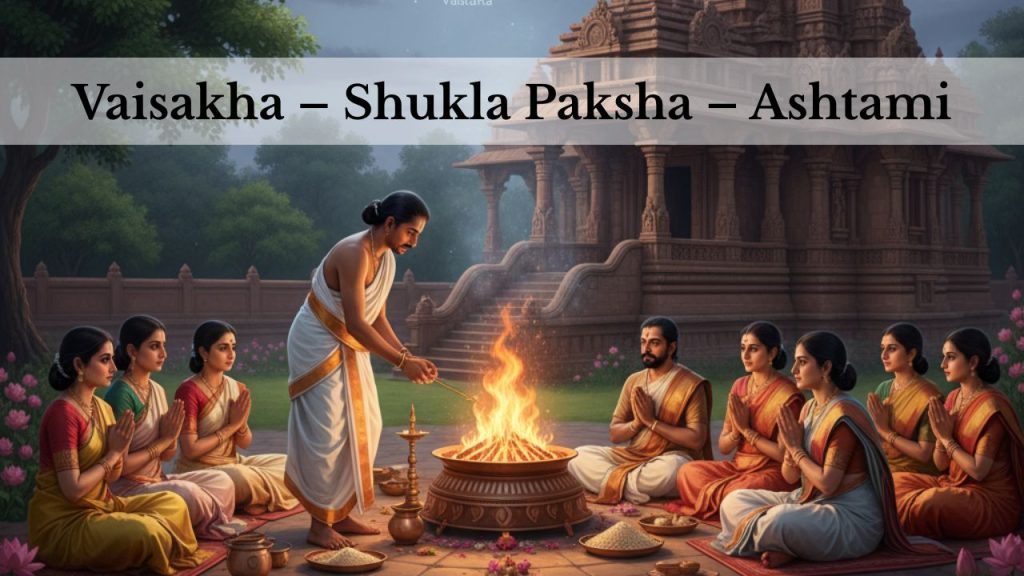
Some rituals are also unique to Vaishakha Ashtami, like special aarti (light offerings) and homams (fire ceremonies) that invoke the blessings of the Divine Mother for protection and prosperity. These ceremonies not only enrich your spiritual experience but also highlight the collective energy of devotion. Engaging in these practices allows you to experience the full spiritual potential of Vaishakha Ashtami. Whether you fast, chant, or join temple rituals, you align yourself with a sacred tradition that uplifts your soul and invites divine grace into your life.
Ashtami’s Role in Devotional Worship of Goddess Durga and Other Deities
When we talk about Ashtami, especially Vaishakha Ashtami, the focus naturally turns to Goddess Durga, the divine feminine energy embodying power, compassion, and protection. Durga Ashtami, celebrated during Navratri, shares this day’s spiritual essence, highlighting the goddess’s strength and grace.
On Vaishakha Ashtami, Durga worship takes on a special form. Devotees perform elaborate pujas and offer prayers, seeking her blessings for courage, wisdom, and success. The day symbolizes the victory of the divine feminine over darkness and ignorance. This connection with the goddess encourages you to embrace your inner strength and compassion.
The symbolism of the divine feminine is central to this day. Durga represents not only power but also nurturing love and cosmic balance. When you honor her on Ashtami, you invite these qualities into your life: a balance between strength and kindness, action and reflection. Performing Durga puja on this day brings immense benefits: the removal of obstacles, protection from harm, and spiritual upliftment. It’s a chance to renew your faith and deepen your spiritual practice.
Besides Durga, other deities such as Lord Krishna, Shiva, and Vishnu are also honored on Vaishakha Ashtami, reflecting the rich tapestry of Hindu spirituality. Each deity adds a unique dimension of blessings and guidance, making the day spiritually rich and inclusive. In essence, Vaishakha Ashtami is a day to celebrate the divine forces that support your life journey, empowering you to face challenges and grow spiritually. Participating in these devotional practices aligns you with a tradition of strength, devotion, and cosmic harmony.
Health and Spiritual Benefits of Observing Ashtami
Observing Vaishakha Ashtami is regarded as a holistic practice that nurtures the body, mind, and soul. Fasting on this sacred day helps in detoxifying the body by giving the digestive system much-needed rest. This detoxification process supports better metabolism, strengthens immunity, and boosts overall energy levels. Coupled with meditation, fasting further reduces stress hormones and fosters physical wellness.
Psychologically, observing Ashtami brings about emotional balance and mindfulness. People often report a sense of calm, reduced anxiety, and renewed purpose after following the traditional rituals and prayers. Spiritually, Ashtami is a powerful day for cleansing oneself of negative energies and restoring inner harmony. The chanting of mantras and the performing of rituals are said to purify the aura and recharge spiritual energy.
Furthermore, the discipline of fasting, chanting, and meditation sharpens focus and enhances mental peace, helping individuals make clearer decisions and achieve inner tranquility. The practice also aligns individuals with the rhythms of the moon, fostering natural well-being and improving both sleep and emotional stability.
Importance of Charity and Giving on Vaishakha Ashtami
Vaishakha Ashtami is not only a time for personal spiritual upliftment but also a day for practicing charity and compassion. Traditionally, devotees engage in charitable acts such as donating food, clothes, and money to temples, needy individuals, and community kitchens. Selfless service, or seva, is strongly encouraged as it cultivates kindness and compassion in the heart.
Giving during Ashtami holds great spiritual significance as it purifies the mind, reduces attachment, and promotes humility and gratitude. These acts of charity extend beyond personal benefit, creating a positive social impact by strengthening community ties and promoting cooperation and goodwill.
From a spiritual perspective, charitable deeds performed on auspicious days like Ashtami are believed to bring immense punya (spiritual merit), enhancing one’s karma and aiding spiritual growth. Donations of grains, fruits, clothes, or money are common, but even donating one’s time through volunteering at temples or organizing community activities is seen as highly meritorious.
Regional Variations and Cultural Celebrations of Vaishakha Ashtami
Vaishakha Ashtami is celebrated with diverse customs across India and Nepal, showcasing the rich tapestry of Hindu culture. In some areas, devotees observe the day with fasting and worship dedicated to Goddess Durga, while in others, stories of Lord Krishna form the centerpiece of celebrations. Different regions have their unique festivals during this period, such as Basoda in Nepal or special Durga pujas in Bengal, where community feasts and rituals take place.
Cultural activities such as folk songs, traditional dances, and devotional gatherings add vibrancy to the celebrations, nurturing both social and spiritual connections. Local temples become central hubs of activity, offering special prayers, performing homams (fire rituals), and distributing prasad (blessed food). The influence of Ashtami festivities also extends to local arts and crafts, inspiring rangoli designs, paintings, and handcrafted decorations, which help preserve the cultural legacy for future generations.
How to Celebrate Vaishakha Ashtami at Home
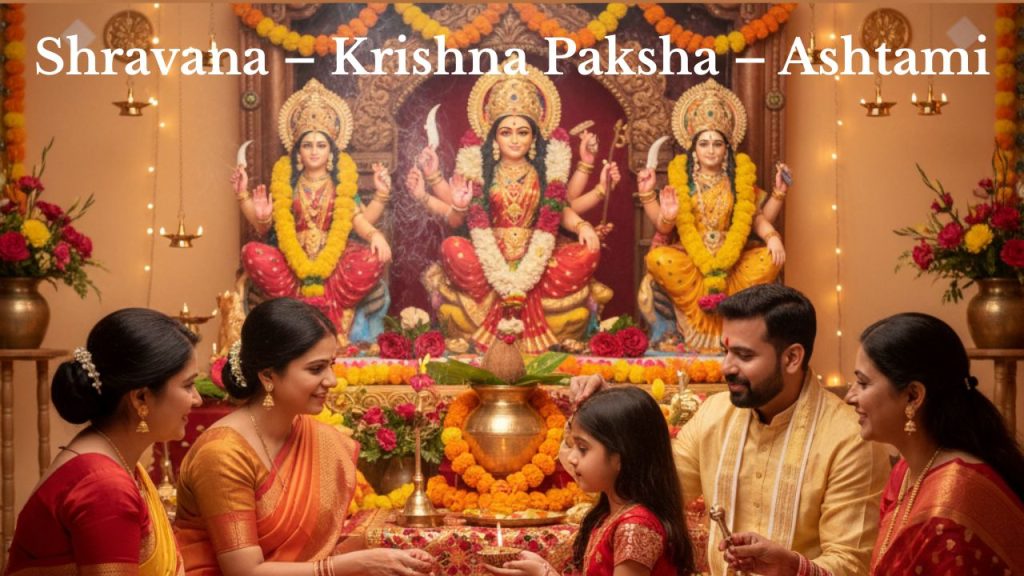
Celebrating Vaishakha Ashtami at home can be an enriching spiritual experience for individuals and families. The day usually begins with cleaning the house and setting up a sacred altar adorned with pictures or idols of Goddess Durga or one’s chosen deity.
Lighting a diya (lamp), offering flowers, fruits, incense, and reciting prayers creates an atmosphere of devotion. If you observe fasting, simple sattvic meals can be prepared before or after the fast, while staying well-hydrated throughout the day. Meditation in a quiet, clean space enhances the experience.
Devotional practices may include chanting mantras like Durga Chalisa, Gayatri Mantra, or Om Dum Durgayei Namaha, accompanied by listening to bhajans. It is customary to avoid heavy, oily, or processed foods and instead consume light items like fruits, nuts, dairy, or coconut water. A beautifully decorated altar with fresh flowers and clean offerings completes the sacred ambiance, making the celebration fulfilling and spiritually enriching.
Modern Relevance and Continuing Traditions of Vaishakha Ashtami
Vaishakha Ashtami continues to hold great relevance, offering a bridge between tradition and contemporary life. Many people now observe Ashtami as a day of mindfulness, self-care, and ecological awareness, adapting its teachings to modern lifestyles.
Practices such as yoga, meditation, and mindful living have become integrated into Ashtami observances, helping individuals stay in tune with nature’s cycles and spiritual rhythms. Even in urban settings and among diaspora communities worldwide, Ashtami remains significant, with devotees participating in temple ceremonies or virtual gatherings to celebrate together.
Modern innovations, such as online pujas and eco-friendly rituals, reflect how the tradition continues to evolve while preserving its essence. By educating children and younger generations about the importance of Ashtami, families can instill values of respect, spirituality, and cultural pride, ensuring that these meaningful traditions continue to thrive.