Understanding Ugadi
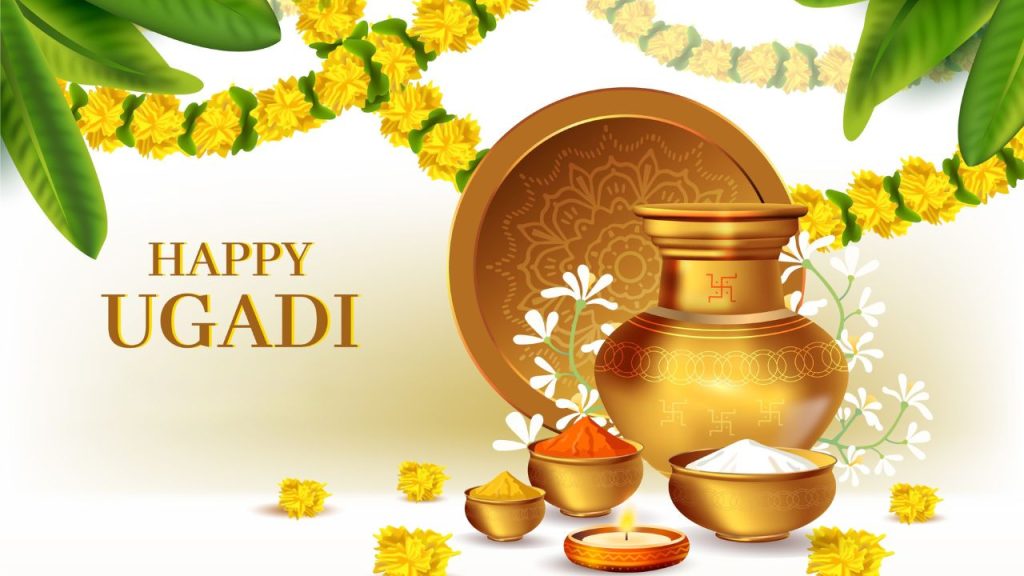
Ugadi is one of the most significant festivals celebrated in India, particularly in southern regions like Andhra Pradesh, Telangana, Karnataka, and Maharashtra. According to the Hindu lunisolar calendar, it marks the beginning of a new year and usually falls in the Chaitra month (March-April). The term “Ugadi” is derived from two Sanskrit words: “a,” meaning age or era, and “Adi,” meaning the beginning. So, Ugadi translates to “the beginning of a new age.”
For many, Ugadi is a time of fresh starts, much like a spiritual spring cleaning. It is observed with immense enthusiasm and as an opportunity for spiritual growth, renewal, and self-reflection. People clean their homes, adorn them with flowers and mango leaves, and prepare a special dish called “Ugadi Pachadi,” representing the different tastes of life: sweet, sour, salty, bitter, and spicy.
The Significance of Krishna Paksha in the Hindu Lunar Calendar
In the Hindu lunar calendar, each month is divided into two halves: Shukla Paksha (the waxing phase of the moon) and Krishna Paksha (the waning phase of the moon). Krishna Paksha, the “dark fortnight,” spans from the full moon to the new moon. It is believed that this phase is when negative energies are at their peak; therefore, it is a time of introspection and spiritual growth.
While Shukla Paksha is considered more auspicious for starting new ventures, Krishna Paksha provides an opportunity for reflection, completion, and letting go of that which no longer serves us. This makes Ugadi particularly unique, as it combines the idea of a fresh start with the energy of introspection and renewal, particularly during Krishna Paksha.
Connection to the Chaitra Month and Its Importance
Ugadi is celebrated on the first day of Chaitra, the first month in the Hindu calendar. Chaitra is considered highly auspicious because it marks the arrival of spring and symbolizes renewal, fertility, and prosperity. The transition into this new year is not just a change in time but a spiritual and cultural reset. Celebrating Ugadi during Krishna Paksha in Chaitra brings together the energies of introspection and new beginnings.
Understanding the Cycle of the Lunar Phases and the Impact on Ugadi
The cycle of the lunar phases plays a crucial role in Hindu festivals. The moon’s waxing and waning symbolize life’s natural rhythms—growth, fulfillment, decay, and rebirth. On Ugadi, during Krishna Paksha, the spiritual energy aligns with the concept of shedding the old to make way for the new. The waning moon invites people to release negativity, reflect on past experiences, and prepare themselves for the upcoming cycle of growth and positivity that will come with the new moon.
The Historical and Mythological Significance of Ugadi
Ugadi is the New Year in Various Regions of India
Ugadi is celebrated differently across various regions of India, but the essence remains the same: it marks the beginning of the new year. In Andhra Pradesh and Telangana, it is one of the most important festivals, while in Karnataka, it is called “Varsha” or “Vishu.” Similarly, in Maharashtra, it is celebrated as “Gudi Padwa.” While the name and customs may differ, the festival holds the same cultural and spiritual importance in all these regions. It symbolizes a fresh start, an opportunity to eliminate past mistakes, and a time for new resolutions.
Mythological Stories Behind Ugadi (Creation, Brahma’s Day, etc.)
Ugadi has deep mythological roots, and one of the most popular stories connects it to the creation of the universe. According to Hindu mythology, Ugadi marks the day when Lord Brahma, the creator of the universe, began his work of creating life. It is believed that Lord Brahma created the world on this very day, and thus, Ugadi symbolizes the cosmic cycle of creation, preservation, and destruction.
Another story concerns the end of Lord Vishnu’s avatar, Lord Rama, who returned to his heavenly abode. Ugadi thus marks not only the new year but also the divine significance of time and existence, highlighting the importance of cyclical time in Hindu philosophy.
Regional Differences in Celebrating Ugadi
Though Ugadi is celebrated widely, regional variations in customs and rituals exist. In Telangana and Andhra Pradesh, the day begins with early morning prayers, and temples are decorated with mango leaves and flowers. People wear new clothes, and the day is celebrated with family gatherings. In Maharashtra, the festival is marked by the “Gudi,” a symbolic flag representing victory and the triumph of good over evil. These regional differences show how Ugadi transcends geographical boundaries while retaining its core meaning.
Significance of Ugadi in Hindu Scriptures (Like the Mahabharata and Puranas)
Ugadi holds a significant place in Hindu scriptures. The Mahabharata mentions this day as an auspicious day for starting new ventures. In the Puranas, Ugadi is when time takes on a renewed cycle. The festival encourages individuals to enter the new year with spiritual awareness, guided by ancient texts emphasizing renewal, optimism, and devotion.
The Role of Krishna Paksha and Its Connection to Ugadi
Explanation of Krishna Paksha and Its Meaning
Krishna Paksha refers to the waning phase of the moon, which lasts from the full moon day to the new moon day. The term “Krishna” means dark, signifying the decreasing illumination of the moon. This phase is considered a time for introspection, self-evaluation, and letting go of negative energies. In the Hindu belief system, it is a time when one should focus on personal growth and spiritual enhancement.
The Effect of Krishna Paksha on Spiritual Practices
The Krishna Paksha period is when spiritual practices such as meditation, prayers, and introspection are most beneficial. It is believed that the moon’s energy helps individuals dive deeper into their inner selves during this time. By practicing mindfulness and engaging in rituals that promote spiritual growth, individuals can rid themselves of negative influences and prepare for new beginnings.
Why Ugadi Falls in Krishna Paksha and Its Relevance
Ugadi falls on the first day of Chaitra, during Krishna Paksha. This timing is symbolic: while Shukla Paksha (the waxing moon phase) is ideal for new beginnings and external growth, Krishna Paksha provides an opportunity for internal transformation. Ugadi, with its focus on self-reflection, purification, and renewal, aligns perfectly with the spiritual energy of Krishna Paksha. It emphasizes the importance of releasing the old and welcoming the new, externally in the form of the new year and internally through spiritual practices.
The Influence of the Lunar Phase on Ritual Practices and Celebrations
The lunar phases affect ritual practices, and the waning moon’s energy during Krishna Paksha influences how people approach celebrations. During Ugadi, prayers and rituals are performed to purify the mind and spirit. The emphasis on introspection and letting go of past mistakes during this phase is crucial to making the most of the new year ahead. It encourages a mindful approach to starting fresh, rooted in spiritual awareness.
Spiritual and Astrological Significance of Ugadi
The Transition from One Year to Another in Astrological Terms
From an astrological perspective, Ugadi marks the sun’s transition from the Pisces zodiac (Meena Rashi) to the Aries zodiac (Mesha Rashi). This shift signifies a fresh start regarding the cosmic calendar and personal growth. It is a time when the astrological energies favor new beginnings and setting intentions for the year ahead. Many people consult astrologers during this time to seek guidance on their personal and spiritual journeys.
The Impact of Ugadi on Personal Growth and Reflection
Ugadi offers a valuable opportunity for self-reflection. Rituals and personal growth opportunities mark the transition into the new year. It encourages individuals to take stock of their lives, reflect on past challenges, and identify areas for improvement. Just like the new year marks a time for resolutions, Ugadi is also a time to cleanse and move forward with clarity and intention spiritually.
Astrological Predictions and Readings During Ugadi
Astrologers often conduct readings during Ugadi to predict the coming year’s fortunes for individuals based on their birth charts. The alignment of planets and stars on this auspicious day can offer insights into the year’s potential. Many people consult their horoscopes for guidance on relationships, careers, health, and wealth during this time.
How Krishna Paksha Influences Spiritual Well-Being and Decision-Making
The spiritual significance of Krishna Paksha during Ugadi cannot be overstated. This phase encourages introspection, allowing you to examine your choices and decisions from the previous year. It is a time to release negativity and set your intentions for personal development and spiritual growth. By embracing the energy of Krishna Paksha, you create a solid foundation for making mindful and informed decisions in the new year.
Rituals and Traditions Observed During Ugadi
Traditional Rituals Like Prayers, Pujas, and Offerings
The celebration of Ugadi begins with early morning prayers, typically conducted at home or in temples. People cleanse their homes, decorate with flowers and mango leaves, and worship Lord Ganesha and Lord Brahma to seek blessings for the new year. Special prayers and Pujas are performed to invite peace, prosperity, and happiness into one’s life. Fresh fruits, sweets, and flowers are offered to express gratitude for the year gone by.
Preparation of Ugadi Pachadi (The Symbolic Dish)
The preparation of Ugadi Pachadi is one of the festival’s most symbolic aspects. This dish contains ingredients representing the different flavors of life: jaggery (sweet), tamarind (sour), neem flowers (bitter), green chilies (spicy), and salt. The combination of these ingredients symbolizes that life is a mixture of joys and sorrows, and one must accept all experiences, both good and bad, with equanimity.
The Importance of Cleanliness and Renewal During the Festival
Ugadi is also associated with the ritual of cleaning and renewal. Homes are thoroughly cleaned and decorated with fresh flowers, mango leaves, and kolams (rangoli) to welcome the new year. This cleaning symbolizes removing the dirt and negativity accumulated in the past year and making space for new energy and opportunities. It’s a time to start afresh, both physically and spiritually.
Regional Variations in Rituals (E.g., Telugu, Kannada, Maharashtrian Customs)
While the core rituals of Ugadi remain the same across regions, the way they are performed may vary. In Telugu and Kannada regions, the day is marked with elaborate prayers, community feasts, and the preparation of Ugadi Pachadi. In Maharashtra, the festival is celebrated with the hoisting of the “Gudi,” a decorated flag symbolizing the victory of good over evil. These regional differences add unique flavors to the celebrations while retaining the festival’s universal significance.
Cultural Importance of Ugadi in Daily Life
A Festival Beyond Rituals
Ugadi is much more than a religious observance; it is a celebration that deeply influences everyday life and societal dynamics. As the New Year for many South Indian communities, it brings with it a wave of hope, enthusiasm, and fresh beginnings. People clean and decorate their homes, symbolizing the removal of old, negative energies and the invitation of positivity and prosperity.
Symbolism in Food and Traditions
A core highlight of Ugadi is the preparation of the traditional dish Ugadi Pachadi, which includes six flavors—sweet, sour, bitter, pungent, salty, and astringent. Each flavor represents different emotions and life experiences. This symbolic dish teaches the value of embracing life in its totality—joy and sorrow, success and challenge, excitement and calm.
Celebrating Through Arts and Culture
The day also features artistic and intellectual expressions like classical dance, music, poetry recitations, and storytelling rooted in mythology and folklore. These events are not only entertainment but a way to strengthen cultural identity and pass on heritage to younger generations.
Community Bonding and Social Unity
Ugadi fosters strong community ties. In villages and towns, collective celebrations are common—temple gatherings, community feasts, and local fairs create a shared sense of joy and unity. Differences in social status are set aside as people come together to celebrate as one.
A Living Cultural Experience
More than a day of festivity, Ugadi is a living cultural experience. It reconnects people with their heritage, aligns them with nature’s rhythms, and reinforces values like gratitude, patience, and resilience—an essential reminder in our fast-paced world.
Role of Women and Elders During Ugadi
Women: Pillars of Tradition and Devotion
Women play a central role in upholding and executing Ugadi traditions. From early morning, they are actively engaged in cleaning homes, designing colorful rangolis, decorating doorways with mango leaves, and preparing traditional dishes. They also lead the family prayers, bringing both order and spiritual grace to the day’s proceedings.
Preserving Cultural Values Through Rituals
With every gesture—whether it’s boiling the first pot of rice or making the Pachadi—women ensure that every action is done with intention and cultural reverence. Their knowledge of household customs and rituals forms the backbone of an authentic Ugadi experience.
Elders as Keepers of Wisdom
Elders in the family play a deeply respected role during Ugadi. They share ancient stories, explain the festival’s mythological background, and teach the younger generation the why behind the how. Their presence infuses the celebration with spiritual depth and emotional richness.
Blessings That Bind Generations
Touching elders’ feet and receiving their blessings is a heartfelt ritual that symbolizes the importance of lineage, respect, and tradition. It reinforces intergenerational bonds and keeps family values at the forefront of celebrations.
Guidance Through the Panchangam
Elders also interpret the Panchangam—the Hindu almanac—to offer predictions, mark auspicious days, and help families plan the year ahead. Their insights offer both astrological direction and cultural continuity.
The Heart of Ugadi Celebrations
Together, women and elders form the heart of Ugadi. While women maintain the sacred rhythm of rituals and meals, elders preserve the soul of the celebration through wisdom and blessings. Their contributions transform Ugadi from a simple festival into a profound, multi-generational celebration of life, faith, and family.
Ugadi and Its Influence on Agriculture and Nature
Ugadi as a Harvest Festival and Its Connection to Nature’s Cycles
Ugadi is not just a cultural and spiritual festival; it also has strong ties to agriculture and the cycles of nature. In many parts of India, particularly in rural areas, Ugadi marks the beginning of the harvest season, which is a crucial time for farmers. The timing of Ugadi, falling at the start of the spring season, aligns with harvesting crops like mangoes, a key ingredient in the Ugadi Pachadi and other seasonal produce. This gives the festival a deep agricultural significance, symbolizing the rejuvenation of the earth and the fruits of hard labor.
For farmers, Ugadi signifies a time to appreciate the harvest and give thanks for the abundance of nature. It is a moment to reflect on the effort that went into cultivating the land and to celebrate the bountiful yield that the earth has provided. In this sense, Ugadi isn’t just a personal or spiritual renewal; it is a collective celebration of nature’s cycles and the rewards of patience and perseverance. The rhythms of nature and farming are linked to the festival’s timing, reinforcing the close relationship between humans and the environment.
The Celebration of Spring and the Renewal of Nature
Ugadi coincides with the onset of spring, a season that brings a sense of renewal. The blossoming of flowers, the sprouting of new plants, and the gentle warming of the earth symbolize new beginnings and growth. This connection with spring reflects a time of rejuvenation and new life in nature and within individuals and communities.
Spring represents hope, and Ugadi reminds us of nature’s continuous growth, decay, and renewal cycles. Just as the earth refreshes itself with the blooming of flowers and trees, humans are encouraged to shed old habits, embrace positive changes, and move forward with renewed energy. The vibrancy of nature during this time mirrors the internal transformation that people undergo during Ugadi, making it a time of both external and internal blossoming.
Agricultural Practices and Ugadi Celebrations in Rural India
In rural India, Ugadi celebrations are deeply intertwined with the agricultural calendar. The festivities often include prayers for a good harvest, with farmers offering special rituals to their crops. Today, people may visit fields to pray to the gods for protection and prosperity. The rituals ensure that the crops are healthy and yield a good harvest. People in agricultural communities also celebrate the festival by sharing the fruits of their labor, such as fresh mangoes, with friends, family, and neighbors.
The agricultural connection to Ugadi is powerful in regions like Telangana, Andhra Pradesh, and Karnataka, where farming is central to the economy. In these areas, Ugadi celebrations are more than just a time for family gatherings; they also represent a deep connection with the land. Farmers see their work as a sacred duty, and the festival honors this with rituals that seek to bring blessings upon the land and crops.
The Role of Ugadi in Marking the Beginning of the Harvest Season
Ugadi’s role in marking the beginning of the harvest season cannot be overstated. It signifies a fresh start, much like the new crops that begin to emerge. As the spring season kicks off, the festival brings optimism and enthusiasm for the coming agricultural cycle. The harvest is seen not only as a material gain but as a symbol of the rewards of patience, hard work, and faith.
In a broader sense, Ugadi also reminds people of the delicate relationship between people and nature. It encourages individuals to appreciate the earth’s cycles and recognize the importance of living harmoniously. The beginning of the harvest season during Ugadi serves as an annual opportunity to pause, reflect on nature’s bounty, and offer thanks for the earth’s abundance.
Ugadi Celebrations in Different Regions
How Ugadi is Celebrated Across South India (Telangana, Andhra Pradesh, Karnataka)
In South India, Ugadi is celebrated with great enthusiasm and fervor, especially in Telangana, Andhra Pradesh, and Karnataka. The celebration is marked by special rituals, prayers, and offerings to deities, and the preparation of Ugadi Pachadi is a central part of the festivities. Homes are cleaned and decorated, and the day begins with the ritual of hoisting the Ugadi flag (known as “Pattabhishekam”) in many regions, symbolizing the triumph of good over evil.
The worship of Lord Vishnu is common, with people praying for prosperity, peace, and happiness in the coming year. New clothes are worn, and people visit temples to offer prayers. In many households, a family elder recites the Ugadi Panchangam (the astrological calendar for the year), which outlines the predicted events, auspicious days, and other celestial details for the year ahead. It is believed that listening to the Panchangam brings blessings and sets the tone for the year.
Food plays a vital role in the celebrations. Ugadi Pachadi, a mixture of jaggery, tamarind, raw mango, and other ingredients, symbolizes the ups and downs of life. The festival also includes feasting on traditional sweets and savory dishes, marking the occasion as both a spiritual and culinary celebration.
Unique Rituals and Customs in Maharashtra and Other Parts of India
While Ugadi is predominantly a South Indian festival, similar celebrations are observed in Maharashtra, which is known as Gudi Padwa, and other parts of India. In Maharashtra, the Gudi (a decorated pole with a cloth and a copper vessel) is hoisted outside homes to mark the beginning of the new year. People also clean their homes, wear new clothes, and visit temples to offer prayers for prosperity.
In other states, like Goa and Gujarat, the festival is celebrated for personal reflection, family bonding, and community gatherings. While the rituals may vary, the common thread across these regions is the focus on renewal, joy, and gratitude. Traditional foods, prayers, and offerings to deities are central to these celebrations.
Ugadi Celebrations in the Diaspora Communities Worldwide
Ugadi has also gained significant importance in diaspora communities, especially among South Indians living abroad. Whether in the United States, the United Kingdom, or the Middle East, Ugadi is celebrated enthusiastically, often with community gatherings, cultural programs, and religious ceremonies. Diaspora families may gather at temples or community centers, participate in rituals, and prepare special dishes like Ugadi Pachadi, even far from home.
These celebrations help maintain cultural ties, allowing individuals and families to pass down traditions to younger generations while keeping their connection to their roots intact. The essence of Ugadi—renewal, hope, and community bonding—is cherished, making it a meaningful celebration for those living away from their homeland.
Differences in Ugadi’s Cultural Significance in Krishna Paksha in Various States
Although Ugadi is a widely celebrated festival across South India, its cultural significance in the Krishna Paksha (the dark fortnight) varies slightly from state to state. In some areas, the Krishna Paksha is seen as a time for introspection; in others, it is considered a time to receive divine blessings for a prosperous year.
In regions like Telangana and Andhra Pradesh, where agricultural activities are central to the economy, the Krishna Paksha phase is closely linked to the agricultural calendar. Here, the waning moon symbolizes the end of one cycle and the preparation for a new one. This phase becomes a time to reflect on the harvest, give thanks, and prepare for the new crops.
In contrast, other regions emphasize the spiritual renewal associated with Krishna Paksha, focusing on meditation, prayer, and personal reflection. Regardless of the specific traditions, Ugadi, in all its regional variations, encourages new beginnings and offers a chance for self-improvement, marking a significant turning point in the lunar calendar and people’s lives.
The Importance of Ugadi in Krishna Paksha in Chaitra
Ugadi’s Spiritual, Cultural, and Seasonal Significance
Ugadi, the celebration of the new year according to the Hindu lunar calendar, holds deep spiritual, cultural, and seasonal significance. It marks a time of renewal, where people reflect on the past and prepare for the future, personally and communally. The spiritual importance of Ugadi lies in its ability to inspire self-reflection, growth, and change. Culturally, it connects communities, encouraging social bonding and celebrating new beginnings.
The seasonal significance of Ugadi is equally essential. Falling during the Krishna Paksha in Chaitra aligns with nature’s renewal in the spring season. This synchronization between the lunar calendar and the natural world reinforces the idea that just as the earth undergoes cycles of growth and renewal, so too do we as individuals.
The Deep Connection Between Lunar Phases and Personal Life
The lunar phases play a crucial role in determining the timing and significance of Ugadi. The Krishna Paksha phase, focusing on introspection, renewal, and preparation for new beginnings, mirrors the internal process of shedding the old and welcoming the new. The transition from the waning moon to the waxing moon serves as a reminder that every phase of life, no matter how challenging, will eventually give way to a new growth cycle.
Therefore, Ugadi is more than just a festive occasion—it reflects the cycles of nature and the rhythms of our lives. It invites us to embrace change and transformation, recognizing that each new beginning is an opportunity to grow and evolve.
How the Celebrations Inspire Hope, Positivity, and Renewal
Ugadi inspires hope, positivity, and renewal, creating an atmosphere where people can leave behind old struggles and look forward to a brighter future. Whether through the symbolic ritual of consuming Ugadi Pachadi or through personal resolutions, the festival encourages individuals to approach the new year with optimism and a renewed sense of purpose.
The collective energy of the celebrations fosters a spirit of community and togetherness, reinforcing the importance of shared experiences and mutual support. Ugadi reminds us that no matter where we are, there is always the possibility of transformation, growth, and new beginnings. Through its intricate connections to lunar cycles, nature’s rhythms, and personal growth, Ugadi remains one of the most spiritually rich and culturally significant festivals celebrated in India and beyond.