Importance of Ratha Saptami in Magh
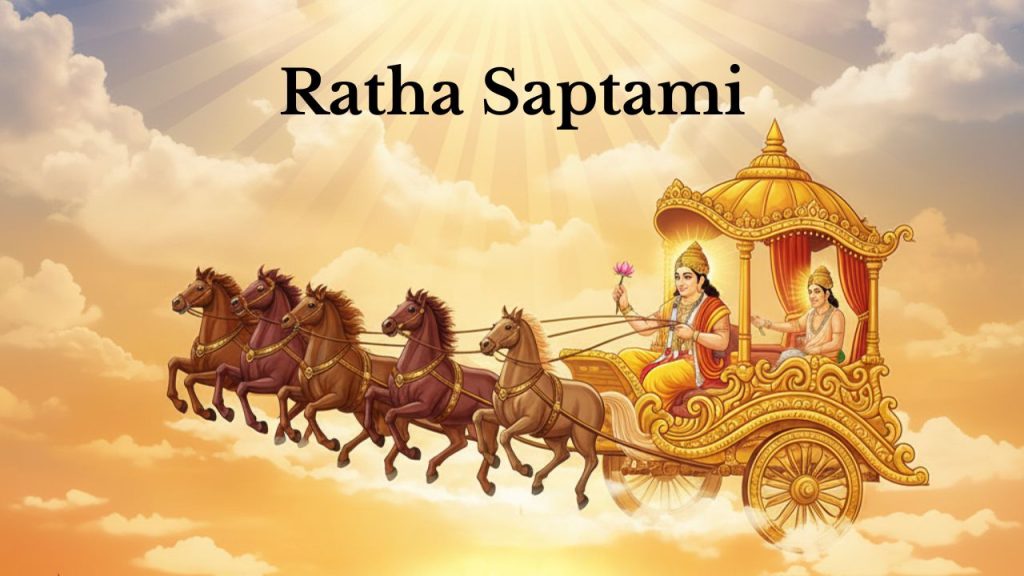
Ratha Saptami, celebrated with immense devotion across India, marks the symbolic birthday of Surya, the Sun God. Observed on the seventh day (Saptami) of the Shukla Paksha in the Hindu month of Magh (January–February), this festival is deeply intertwined with the worship of the Sun, also known as Surya. The term “Ratha Saptami” literally translates to the “Seventh Day of the Chariot,” symbolizing the Sun God riding his celestial chariot driven by seven horses. The festival is not only a spiritual celebration but also a reminder of the importance of light, energy, and life in human existence.
Ratha Saptami holds a unique place in Hindu culture, as it combines ritualistic worship with seasonal awareness. The day is associated with the change of seasons, notably the transition from winter to spring, signifying renewal, growth, and the rejuvenation of life. Farmers, in particular, consider it an auspicious time to begin new agricultural activities. In addition to the seasonal significance, Ratha Saptami embodies the ancient practice of solar worship, highlighting the importance of the Sun as a source of physical and spiritual nourishment.
The purpose of observing Ratha Saptami goes beyond ritualistic practices. It is a day to honor the vital energy that sustains life on Earth and to reflect on personal growth, discipline, and spiritual alignment. In modern life, this festival continues to hold relevance, offering an opportunity to reconnect with nature, practice mindfulness, and acknowledge the balance between cosmic forces and daily existence. Through devotion, prayer, and rituals, Ratha Saptami encourages a conscious approach toward health, wellness, and spiritual awakening.
Meaning of Ratha Saptami (Sun God’s chariot on the seventh day)
Ratha Saptami derives its name from the imagery of the Sun God traveling across the sky in a chariot drawn by seven horses. Each horse represents one day of the week and the spectrum of colors visible in sunlight, signifying the omnipresence and vitality of Surya. The chariot itself symbolizes progress, movement, and the journey of life, highlighting the importance of energy, discipline, and balance in human existence. This symbolic depiction reinforces the concept of the Sun as a guiding force, illuminating the path of righteousness and wisdom.
On this day, devotees recognize the Sun not merely as a celestial body but as a divine energy source. The chariot is a metaphor for life’s journey, driven by the dynamic forces of nature. It represents the continuous motion of the universe and the cycles of time, reminding individuals of the transient yet essential nature of life. Observing Ratha Saptami with awareness is believed to align one’s physical, mental, and spiritual energies with the rhythm of the cosmos.
The seventh day, specifically, holds importance as it marks the midpoint of the month, a time to reflect, recalibrate, and renew commitments toward spiritual growth. Rituals associated with Ratha Saptami encourage mindfulness, self-discipline, and the practice of gratitude. Through symbolic offerings, prayers, and meditation, devotees honor the Sun’s energy, seeking vitality, protection, and blessings for prosperity.
Placement in the Hindu month of Magh (January–February)
Magh, a winter month in the Hindu calendar, is considered highly auspicious for spiritual practices, health rituals, and religious observances. Ratha Saptami falls on the seventh day of Shukla Paksha, which is believed to enhance the potency of rituals and prayers due to the favorable alignment of planetary energies. The month of Magh is associated with introspection, cleansing, and preparation for the vibrant spring season, making this festival significant for both personal and communal well-being.
The timing of Ratha Saptami coincides with the peak of winter, symbolizing the gradual transition toward longer days and increased sunlight. This seasonal change is celebrated as a metaphor for the triumph of light over darkness, warmth over cold, and life over stagnation. Devotees recognize this period as a time to embrace positive changes, pursue spiritual renewal, and engage in practices that support health, vitality, and mental clarity.
Observing Ratha Saptami in Magh reflects the harmony between cosmic rhythms and human life. The festival bridges ancient wisdom with modern relevance, reminding individuals of the profound influence of celestial events on daily life. It also encourages the community to participate in collective celebrations, reinforcing cultural continuity and spiritual awareness.
Connection with Surya (Sun God) worship
Surya, the Sun God, is revered as the source of all energy, health, and life in Hindu tradition. Worshipping Surya on Ratha Saptami signifies respect for the cosmic forces that sustain the universe. Devotees offer prayers, water, flowers, and food to the Sun at sunrise, seeking blessings for vitality, wisdom, and prosperity. Surya’s worship embodies the acknowledgment of natural cycles, light, and energy as essential elements for holistic well-being.
Surya is also seen as a symbol of discipline and regularity, as the Sun rises and sets consistently, governing time and life rhythms. By connecting with Surya’s energy, devotees aim to enhance self-discipline, resilience, and focus in personal and professional life. The rituals performed on this day, such as Surya Namaskar, fasting, and Arghya (offering water to the Sun), reinforce a sense of gratitude, mindfulness, and alignment with universal forces.
Purpose of the blog: exploring rituals, traditions, and spiritual significance
This blog aims to provide a comprehensive understanding of Ratha Saptami, highlighting its mythological, astronomical, and spiritual aspects. By exploring the rituals, traditions, and stories associated with the festival, readers can connect with its more profound meaning and significance. The blog also highlights how these ancient practices remain relevant today, providing valuable insights into health, wellness, and spiritual growth.
Relevance of Ratha Saptami in modern life
Even in contemporary society, Ratha Saptami holds relevance as a reminder of the importance of nature, discipline, and holistic well-being. Observing the rituals and understanding their symbolic meanings encourages mindfulness, strengthens spiritual awareness, and fosters a sense of harmony with natural cycles. For modern individuals, this festival is an opportunity to reconnect with ancient wisdom, embrace positivity, and prioritize physical and mental health.
Mythological Significance
Ratha Saptami is steeped in rich mythology, emphasizing the divine energy of Surya and his role in sustaining life on Earth. Stories associated with this festival serve as lessons in devotion, discipline, and the pursuit of knowledge. According to Hindu scriptures, Surya travels across the sky in a chariot drawn by seven horses, representing the seven days of the week and the spectrum of colors in sunlight. This imagery conveys the omnipresence of the Sun and the importance of balance, energy, and motion in life.
The festival is also linked to the legends of Sage Vasistha, who emphasized the significance of the Sun’s blessings for health, prosperity, and spiritual enlightenment. Worshipping Surya on Ratha Saptami is believed to remove obstacles, purify the mind, and rejuvenate the body. The stories highlight the symbolism of light overcoming darkness and the triumph of knowledge over ignorance. Through these narratives, Ratha Saptami becomes more than a ritual—it is a source of moral and spiritual guidance.
Legend of Surya’s chariot drawn by seven horses
The seven-horse chariot symbolizes the seven colors of sunlight and the seven days of the week, emphasizing the Sun’s omnipotence and omnipresence. Each horse signifies energy, vitality, and cosmic balance, illustrating how the Sun governs life on Earth. According to legend, Surya’s chariot traverses the sky daily, bringing light, warmth, and sustenance. Observing Ratha Saptami honors this continuous movement, symbolizing progress, discipline, and the flow of time.
The chariot metaphor extends to human life, teaching that steady effort, guided by knowledge and devotion, leads to growth and success. Devotees are encouraged to align their actions with the rhythm of nature, seeking harmony in personal, professional, and spiritual spheres.
Symbolism of the seven horses and seven colors
The seven horses pulling Surya’s chariot represent the seven colors visible in sunlight—red, orange, yellow, green, blue, indigo, and violet—and the seven days of the week. These elements symbolize energy, health, and the holistic nature of life. The combination of colors and horses indicates the interdependence of cosmic forces and the importance of balance in human life. Worshipping the Sun is a way to absorb this vital energy, strengthen physical and mental health, and cultivate spiritual awareness.
The symbolism also underscores the importance of discipline, consistency, and dedication. Just as the Sun rises daily without fail, humans are encouraged to maintain regularity in their spiritual and daily practices, fostering resilience, focus, and well-being.
Story of Sage Vasistha and Surya’s blessings
Sage Vasistha, one of the revered sages in Hindu mythology, emphasized the significance of Surya’s blessings for spiritual and physical well-being. He narrated that performing Surya Namaskar, offering water to the Sun, and reciting mantras on Ratha Saptami bring health, longevity, and prosperity. His teachings highlighted the interconnectedness of devotion, discipline, and cosmic energy.
The sage’s story serves as guidance for devotees, encouraging them to seek knowledge, embrace self-discipline, and respect natural forces. Observing Ratha Saptami is not merely a ritual; it embodies a conscious effort to harmonize one’s personal life with universal energy, fostering balance, clarity, and resilience.
Association with the renewal of life and energy
Ratha Saptami signifies renewal, representing the Sun’s vital energy entering a phase of rejuvenation. Just as sunlight nurtures growth in nature, the festival symbolizes the revival of life forces, health, and spiritual energy in humans. Observances on this day, such as fasting, prayers, and holy baths, are believed to enhance vitality, cleanse negativity, and prepare individuals for the challenges ahead.
Spiritual lessons derived from the myths
The myths associated with Ratha Saptami teach enduring spiritual values—discipline, devotion, gratitude, and awareness. They highlight the importance of aligning personal life with universal rhythms, embracing positivity, and nurturing both body and soul. By reflecting on these lessons, devotees cultivate mindfulness, resilience, and a deep connection with the divine.
Astronomical and Seasonal Significance
Ratha Saptami is not only a festival of devotion but also a celebration deeply rooted in astronomy and the changing seasons. The festival coincides with the Sun’s northward journey, known as Uttarayana, marking a crucial transition in the Hindu calendar. This movement symbolizes the end of the winter solstice and the beginning of longer days, bringing warmth, vitality, and a sense of renewal to life on Earth. Observing Ratha Saptami during this period emphasizes the interconnectedness between cosmic events and human existence, reminding individuals to align their daily routines and spiritual practices with natural cycles.
The festival also holds agricultural significance. Historically, farmers considered this time auspicious to commence new planting activities, anticipating a bountiful harvest aided by the Sun’s increasing energy. The Sun’s position in Makara (Capricorn) Rashi is believed to enhance life energy, stimulate growth, and purify the environment. This astronomical alignment is celebrated not just with rituals but also with an acknowledgment of nature’s cycles, fostering respect for the environment and awareness of seasonal patterns.
Through rituals like early morning sun worship, Arghya (offering water to the Sun), and recitation of Surya mantras, devotees symbolically synchronize themselves with the Sun’s energy. By doing so, the festival acts as a bridge between cosmic phenomena and human spiritual practice, encouraging mindfulness, vitality, and harmony with the universe.
Position of the Sun in Makara (Capricorn) Rashi
The Sun’s entry into Makara Rashi during Magh is considered highly auspicious, marking the onset of Uttarayana, the six months associated with positive energy and spiritual growth. This celestial transition is symbolic of light conquering darkness, both physically and metaphorically. In Vedic astrology, this period is believed to strengthen vitality, enhance immunity, and improve mental clarity.
Devotees observe rituals at sunrise, taking holy baths, and performing Surya Namaskar to align their energies with the Sun’s powerful influence. The precise positioning of the Sun in Capricorn reinforces the importance of discipline, timing, and balance in life. It encourages reflection, planning, and preparation for new beginnings. By understanding the Sun’s movement, devotees gain a deeper appreciation for the cosmic forces that govern existence, using this knowledge to foster personal growth and spiritual alignment.
Connection with the onset of spring and agricultural cycles
Ratha Saptami marks the subtle transition from winter to spring, symbolizing rejuvenation, renewal, and fertility. The festival’s timing coincides with the preparation of land for sowing crops, making it especially significant for agrarian communities. Farmers offer prayers to Surya, seeking his blessings for abundant produce and favorable weather conditions.
The seasonal significance also extends to personal life. Just as nature awakens with increased sunlight, individuals are encouraged to cultivate positivity, discipline, and energy within themselves. Rituals performed during Ratha Saptami help cleanse negativity, boost immunity, and prepare the body and mind for the changing season.
Symbolism of the Sun’s movement in enhancing vitality
The Sun’s northward journey is believed to strengthen life force (Prana) in humans. Observing Ratha Saptami enables devotees to consciously absorb the Sun’s energy through rituals, prayers, and exposure to morning sunlight. This energy revitalizes the body, improves concentration, and supports overall wellness. The symbolic alignment of personal effort with cosmic energy reinforces the belief that spiritual practices enhance physical and mental vitality.
Importance of observing solar transitions in the Hindu tradition
Solar transitions like Ratha Saptami are a reminder of the universe’s influence on human life. Hindu tradition emphasizes observing these changes through rituals to maintain harmony with cosmic rhythms. Understanding and respecting the Sun’s movements is a way to cultivate mindfulness, gratitude, and alignment with natural forces, reinforcing the holistic nature of spiritual practice.
Rituals and Traditions
Ratha Saptami is celebrated with a variety of rituals and practices that honor the Sun God, cleanse the body and mind, and reinforce spiritual devotion. These traditions combine physical, mental, and symbolic actions, creating a holistic approach to the festival. Observances on this day are designed to harness Surya’s energy, cultivate discipline, and purify negative influences in daily life.
The most prominent ritual is taking a holy bath at sunrise, often accompanied by the addition of turmeric, sesame seeds, and flowers. This practice is believed to cleanse the body physically while purifying the mind and soul. Devotees also offer water to the Sun, perform Surya Namaskar, and chant mantras, expressing gratitude and seeking blessings for health, prosperity, and knowledge. Temples and homes are decorated to reflect the festival’s joyous and sacred atmosphere. Fasting, devotional singing, and reciting scriptures further deepen spiritual engagement, fostering a sense of discipline and mindfulness.
Morning Surya Namaskar and prayers
Surya Namaskar, or Sun Salutation, is a series of yoga poses performed at sunrise to honor the Sun God. Each posture in Surya Namaskar aligns with breathing patterns and energy flow, symbolizing the union of body, mind, and spirit. On Ratha Saptami, performing this practice is considered highly auspicious. Devotees recite mantras during the ritual, focusing on gratitude, vitality, and spiritual growth. Regular practice is believed to strengthen the immune system, improve flexibility, and enhance overall energy, reflecting the sun’s life-giving force.
Taking a holy bath with sesame seeds and turmeric
A ritualistic bath using sesame seeds and turmeric is a central part of Ratha Saptami observances. Sesame seeds symbolize purification and energy, while turmeric represents cleansing, protection, and auspiciousness. Devotees sprinkle water mixed with these elements on themselves during the early morning ritual. This practice is believed to remove physical and spiritual impurities, invigorate the body, and strengthen inner vitality. It is also a symbolic act of surrender to the divine energy of Surya, reinforcing discipline and mindfulness.
Offering water to the Sun (Arghya)
Arghya, the act of offering water to the Sun God, is performed by holding water in the hands and pouring it slowly while facing the rising Sun. This ritual signifies gratitude, devotion, and acknowledgment of the Sun’s essential role in sustaining life. Devotees often recite Surya mantras while performing Arghya, invoking blessings for health, prosperity, and knowledge. The practice aligns human energy with cosmic forces, creating harmony between the individual and the universe.
Observing fasts and reciting Surya mantras
Fasting on Ratha Saptami is a common practice aimed at purification, self-discipline, and spiritual focus. Devotees consume light meals or abstain from food entirely while dedicating the day to prayer, meditation, and devotional activities. Reciting Surya mantras amplifies the spiritual benefits of fasting, reinforcing devotion and mindfulness. These practices together enhance physical vitality, mental clarity, and spiritual resilience.
Decorating temples and homes in honor of Surya
Temples and homes are adorned with flowers, rangoli, lamps, and other decorations to celebrate Ratha Saptami. These visual expressions of devotion create a sacred and festive environment, enhancing spiritual focus and communal participation. The decorations symbolize joy, purity, and reverence for the Sun God, strengthening cultural traditions and encouraging mindfulness and positivity.
Religious Significance
Ratha Saptami holds profound religious significance, as it emphasizes devotion, spiritual discipline, and alignment with divine energy. The festival is dedicated to Surya, the Sun God, who represents vitality, knowledge, and the cosmic order. Worshipping Surya on this day is believed to purify the soul, remove obstacles, and guide individuals on a path of righteousness and spiritual growth. The religious observances of Ratha Saptami highlight the holistic nature of Hindu festivals, combining devotion, ritual, and moral guidance.
Devotees perform rituals, prayers, and offerings to honor Surya’s energy, seeking blessings for health, prosperity, and wisdom. These practices also strengthen mental focus, encourage self-discipline, and cultivate gratitude. By aligning with the Sun’s energy, individuals can overcome negativity, increase vitality, and experience spiritual rejuvenation. Ratha Saptami serves as a reminder that devotion is not only an expression of faith but also a source of inner strength and guidance.
Strengthening devotion and spiritual discipline
The rituals and observances of Ratha Saptami foster a deeper connection with the divine. Daily practices like Surya Namaskar, Arghya, and chanting mantras instill discipline, patience, and mindfulness. Devotees are encouraged to maintain consistency in spiritual practices, reinforcing the importance of devotion in daily life. By dedicating time and energy to worship, individuals cultivate a sense of purpose, focus, and resilience.
Seeking blessings for health, prosperity, and wisdom
Ratha Saptami is a day to seek the blessings of Surya for physical, mental, and spiritual well-being. Devotees pray for good health, success in endeavors, and clarity of thought. The belief is that aligning with the Sun’s energy enhances vitality, removes obstacles, and fosters wisdom. Observing these rituals regularly strengthens the connection between human effort and divine guidance, ensuring holistic growth.
Ratha Saptami is a day for purification and new beginnings.
The festival symbolizes the purification of the mind, body, and soul. Fasting, bathing, and performing rituals cleanse negativity and promote positive energy. It is also an auspicious day for new beginnings, whether in personal life, spiritual pursuits, or professional endeavors. Observing Ratha Saptami encourages reflection, renewal, and setting intentions aligned with spiritual and moral values.
Connection with other Sun-related festivals in Hinduism
Ratha Saptami is closely linked to other festivals honoring Surya, such as Makar Sankranti and Chhath Puja, creating a continuum of Sun worship in Hindu tradition. These festivals collectively highlight the significance of solar energy in sustaining life, promoting health, and guiding spiritual practice. Participation in Ratha Saptami reinforces cultural continuity, devotion, and a holistic understanding of cosmic forces.
Health and Wellness Benefits
Ratha Saptami is not only a spiritual observance but also a festival that promotes physical and mental wellness. The rituals performed on this day are deeply linked to health benefits, rooted in ancient wisdom. Early morning sun worship, Surya Namaskar, fasting, and holy baths are all practices that stimulate vitality, improve immunity, and enhance overall well-being. Observing these traditions consciously aligns the body’s energy with natural and cosmic rhythms, fostering a holistic sense of balance.
The timing of the festival during Magh, when days gradually lengthen, allows individuals to absorb early morning sunlight, which is rich in vitamin D and essential for maintaining energy levels. Exposure to sunlight combined with meditation and Surya Namaskar helps reduce stress, improve circulation, and support mental clarity. Additionally, fasting and consuming light, nutritious foods during this period helps detoxify the body and rejuvenate vital organs.
Ratha Saptami also encourages mindfulness and mental wellness. The meditative aspects of the rituals—chanting mantras, offering prayers, and reflecting on the Sun’s energy—promote emotional balance, reduce anxiety, and cultivate a sense of inner peace. By combining physical activity, nutrition, and spiritual practice, the festival embodies a comprehensive approach to health that benefits both the body and the mind.
Belief in enhancing vitality and immunity
One of the key reasons for observing Ratha Saptami is the belief that connecting with Surya’s energy strengthens life force (Prana) and enhances immunity. The early morning sun is considered pure and potent, and rituals performed at this time are believed to energize the body and mind. Practices like Surya Namaskar increase circulation, stimulate muscles, and improve flexibility, while the spiritual focus enhances mental resilience.
Therapeutic benefits of early morning sunlight exposure
Early morning sunlight exposure during Ratha Saptami offers both physical and psychological benefits. Sunlight regulates circadian rhythms, supports vitamin D synthesis, and boosts mood by increasing serotonin levels. Devotees who practice morning rituals experience heightened energy, reduced fatigue, and improved focus. Integrating these practices into daily life can have long-term benefits for physical and mental health.
Influence on mental clarity and positive energy
Rituals and prayers performed on Ratha Saptami are designed to focus the mind and enhance concentration. Chanting mantras and engaging in meditative practices help clear mental clutter, reduce stress, and foster positive thought patterns. This mental clarity, combined with physical wellness practices, creates an overall sense of balance and harmony, allowing individuals to approach challenges with resilience and composure.
Connection between fasting, meditation, and holistic wellness
Fasting on Ratha Saptami, along with meditation and sun worship, promotes holistic wellness. Fasting provides the body with rest, aids detoxification, and increases mental alertness. Meditation and mantra recitation amplify these benefits by nurturing mindfulness, emotional stability, and spiritual awareness. Together, these practices create a complete system for achieving health, vitality, and inner peace.
Regional Celebrations Across India
Ratha Saptami is celebrated across India with diverse customs, reflecting regional culture while maintaining the central theme of Surya worship. Each state incorporates unique rituals, temple practices, and devotional traditions, creating a rich tapestry of celebration. Despite differences in approach, the festival universally emphasizes gratitude, discipline, and reverence for the Sun God.
In Maharashtra, devotees perform early morning Surya Namaskar and take ceremonial baths in rivers or water bodies. Temples are decorated elaborately, and community prayers are organized to foster devotion and cultural continuity. In Karnataka and Tamil Nadu, the festival is marked with special offerings, Surya Arghya rituals, and recitation of ancient hymns praising Surya’s energy. Andhra Pradesh emphasizes communal gatherings, devotional singing, and elaborate temple rituals to honor the Sun God.
These regional variations enhance the cultural significance of Ratha Saptami, making it a festival that unites individuals with both tradition and community. Folk songs, dances, and devotional performances further enhance the festive atmosphere, promoting unity and spiritual engagement.
Observances in Maharashtra, Karnataka, Tamil Nadu, and Andhra Pradesh
In Maharashtra, devotees visit temples, perform Surya Namaskar, and participate in community events. Karnataka and Tamil Nadu emphasize temple rituals, ceremonial bathing, and singing of devotional hymns. Andhra Pradesh celebrates with grand temple festivities, cultural programs, and special offerings to Surya, highlighting the diverse yet unified nature of Ratha Saptami across India.
Unique temple rituals (e.g., Konark Sun Temple, Tirumala)
Temples dedicated to Surya, such as the Konark Sun Temple in Odisha and the Tirumala temples in Andhra Pradesh, host special celebrations. Rituals include detailed Arghya ceremonies, elaborate decorations, and recitation of Surya Stotras. These temple-specific observances draw thousands of devotees, reinforcing the spiritual importance of Ratha Saptami and providing a communal platform for worship.
Cultural programs and devotional gatherings
Across India, cultural programs such as music, dance, and storytelling are organized during Ratha Saptami. These gatherings encourage community participation, promote cultural preservation, and provide a platform for collective spiritual expression. Devotional singing and group prayers strengthen the sense of unity and reinforce the festival’s spiritual significance.
Folk songs, dances, and local customs
Local traditions, including folk songs, dances, and ritual performances, add color and vibrancy to Ratha Saptami celebrations. These cultural expressions not only honor Surya but also preserve regional heritage and provide opportunities for social bonding, reflecting the deep-rooted connection between spirituality and community.
Symbolism of the Sun’s Chariot
The central motif of Ratha Saptami is the Sun’s chariot, drawn by seven horses. This imagery carries profound symbolic meaning, representing progress, energy, and the dynamic forces of life. The chariot is a metaphor for human existence, emphasizing discipline, movement, and the constant journey toward growth and enlightenment.
Each of the seven horses represents a day of the week and the seven colors of sunlight, symbolizing completeness, vitality, and cosmic order. The chariot signifies the Sun’s unwavering journey across the sky, reminding devotees of the importance of consistency, perseverance, and alignment with universal rhythms.
Through this symbolism, Ratha Saptami conveys lessons about balance, self-discipline, and the pursuit of knowledge. The festival encourages individuals to harness energy consciously, embrace positivity, and move forward in life with purpose and clarity.
A chariot represents movement and progress in life.
The Sun’s chariot serves as a reminder that life is a journey requiring effort, direction, and balance. Just as the Sun progresses steadily across the sky, individuals are encouraged to pursue personal and spiritual growth with consistency and determination.
Seven horses symbolize the seven days of the week.
The seven horses symbolize the continuous flow of time, emphasizing the importance of regularity and discipline in human endeavors. Observing Ratha Saptami encourages structured routines, mindfulness, and consistency in daily life.
Spiritual metaphor: light conquering darkness
The Sun’s movement in the chariot is symbolic of light overcoming darkness, knowledge dispelling ignorance, and positivity triumphing over negativity. This metaphor reinforces the festival’s spiritual essence, inspiring personal transformation and moral clarity.
Moral lessons from the journey of the Sun across the sky
The Sun’s journey teaches resilience, focus, and alignment with natural rhythms. By reflecting on this imagery, devotees learn to embrace challenges, maintain discipline, and cultivate wisdom, reinforcing the holistic significance of Ratha Saptami.
Modern Relevance of Ratha Saptami
Ratha Saptami remains relevant in modern life by offering opportunities for mindfulness, wellness, and spiritual reflection. In a fast-paced world, the festival encourages individuals to pause, realign with natural rhythms, and focus on holistic well-being. It highlights the importance of sunlight, discipline, and daily routines for maintaining health and vitality.
Modern observances often combine traditional rituals with contemporary practices, such as yoga, meditation, and health-oriented fasting. The symbolic aspects of the festival—movement, light, and energy—provide valuable lessons for personal development, goal setting, and resilience. By embracing these principles, individuals can cultivate balance, positivity, and clarity in both personal and professional life.
Ratha Saptami also serves as a reminder of ecological awareness. Celebrating the Sun’s energy reinforces respect for natural resources, seasonal cycles, and sustainable living practices. In essence, the festival bridges ancient wisdom with contemporary relevance, making it a guiding light for health, mindfulness, and spiritual growth.
Celebrating Sun worship in daily life for well-being
Incorporating Surya worship through morning rituals, sunlight exposure, and gratitude practices promotes mental and physical wellness, encouraging a balanced lifestyle.
Incorporating rituals into contemporary lifestyle
Modern devotees adapt fasting, Surya Namaskar, and meditation practices to suit daily routines, maintaining the spiritual essence while enhancing health and focus.
Use of symbolism in self-improvement and goal setting
The Sun’s chariot and journey inspire structured personal growth, discipline, and consistent effort toward achieving life goals, emphasizing the importance of persistence and positivity.
Awareness of solar cycles and ecological significance
Ratha Saptami fosters consciousness about the Sun’s role in sustaining life and the importance of respecting natural cycles, promoting sustainability, and environmental mindfulness.
Spiritual Takeaways from Divine Insights
Ratha Saptami is a festival that intertwines mythology, spirituality, health, and seasonal awareness, making it a celebration of life itself. By honoring Surya, devotees engage in rituals that purify the body, strengthen the mind, and elevate the spirit. The festival’s practices—holy baths, Surya Namaskar, fasting, and prayers—reflect a holistic approach to wellness, mindfulness, and spiritual discipline.
The symbolic journey of the Sun’s chariot teaches resilience, progress, and alignment with natural rhythms. Observing Ratha Saptami encourages reflection, renewal, and the pursuit of knowledge, inspiring individuals to embrace positivity, discipline, and harmony. Modern relevance lies in its ability to integrate ancient wisdom with contemporary practices, promoting health, ecological awareness, and spiritual growth.
Ultimately, Ratha Saptami serves as a reminder that life thrives through balance, energy, and conscious living. By observing its rituals and embracing its lessons, one can experience a deeper connection with the universe, enhanced vitality, and a renewed sense of purpose, making this festival a timeless celebration of light, life, and devotion.