Importance of Saptami in Shukla Paksha in Phalgun
Definition of Saptami in the Hindu lunar calendar
Saptami, the seventh tithi in the Hindu lunar calendar, holds profound significance in spiritual and cultural practices. It is considered an auspicious day where devotion, rituals, and spiritual energies converge. The term “Saptami” literally means the seventh day, and it plays a vital role in the rhythm of lunar observances. Every lunar day, or tithi, carries distinct qualities and energies, with Saptami being particularly revered for its connection to prosperity, health, and divine blessings. Observing Saptami in Shukla Paksha allows individuals to align their actions with the positive energies of the waxing moon, fostering growth, clarity, and auspicious beginnings.
Explanation of Shukla Paksha (waxing moon phase)
Shukla Paksha, the waxing phase of the moon, is a period symbolizing growth, brightness, and positivity. It starts from Pratipada (the first tithi) and continues until Purnima (full moon). During Shukla Paksha, the moon gradually increases in brightness, representing the rise of spiritual energy, knowledge, and abundance. Saptami, as part of this phase, carries the cumulative benefits of the preceding days, making it an ideal day for performing rituals, starting new endeavors, and seeking divine guidance. The lunar phase’s energy enhances personal growth, health, and emotional well-being.
Occurrence of Saptami in the month of Phalgun (Feb–Mar)
In the Hindu calendar, Phalgun is a significant month bridging winter and spring. Shukla Paksha Saptami during Phalgun often coincides with festivals and essential rituals. An alignment of cultural, seasonal, and spiritual energies marks this period. Observing Saptami in Phalgun not only adheres to religious tradition but also harmonizes individual energies with nature’s rhythms. It is a day for cleansing, rejuvenation, and preparing for new beginnings as the environment transitions toward warmer and vibrant days.
Significance of Saptami in Hindu traditions
Saptami is deeply embedded in Hindu rituals, spiritual observances, and mythological stories. It is associated with the worship of deities like Surya (Sun God), Lord Rama, and Goddess Durga, depending on regional and seasonal traditions. The day is believed to remove obstacles, enhance prosperity, and bring divine protection. Families and communities often perform pujas, offer prayers, and observe fasts to receive blessings for health, success, and spiritual growth. Saptami’s significance extends beyond religious rituals, influencing personal and social well-being.
Purpose of the blog: rituals, mythology, and spiritual importance
The objective of this blog is to provide a comprehensive understanding of Saptami in Shukla Paksha during Phalgun. It explores the rituals, mythological connections, spiritual benefits, and practical applications in daily life. By delving into the astrological and cultural aspects of Saptami, readers can gain insight into why this day is considered auspicious and how it can be observed to enhance spiritual and personal growth.
Astrological Significance of Saptami
Influence of the seventh lunar day on planetary positions
Saptami holds substantial astrological importance as it influences planetary alignments and their effects on human life. The seventh lunar day is considered favorable for activating positive energy in one’s horoscope. Astrologers emphasize that Saptami impacts the Sun and other celestial bodies, enhancing vitality, courage, and confidence. The energies of the day align with growth and improvement, making it a favorable time for starting ventures, investing efforts in personal development, and resolving past karmic challenges.
Connection with Surya (Sun) and other deities
Surya, the Sun God, is closely linked with Saptami. Worshipping Surya on this day is believed to strengthen health, provide energy, and remove negative influences. In addition to Surya, Saptami is also connected with other deities depending on the regional and seasonal context. Devotees often perform rituals to invoke divine blessings for prosperity, well-being, and spiritual progress. The day encourages devotion and mindfulness, offering an opportunity to harmonize with cosmic energies.
Effects on individual horoscopes
From an astrological perspective, Saptami can have a positive influence on personal horoscopes. It enhances traits associated with leadership, wisdom, and decision-making. Individuals may find it easier to make essential choices, overcome obstacles, and achieve success in endeavors initiated on this day. Observing rituals, fasting, or prayers on Saptami aligns personal energies with favorable planetary influences, fostering mental clarity and emotional stability.
Significance for auspicious beginnings
Saptami is an ideal day for initiating important tasks, ceremonies, and spiritual practices. The combined energy of Shukla Paksha and the seventh tithi provides momentum for success, growth, and prosperity. Businesses, educational pursuits, and personal commitments undertaken on this day have higher chances of positive outcomes. This is why Saptami is often chosen for events like weddings, housewarmings, and other life-changing ceremonies.
Role in daily spiritual practices
In daily life, Saptami serves as a reminder to maintain spiritual discipline and mindfulness. Observing the day through meditation, chanting, and devotional practices can significantly enhance focus, positivity, and resilience. It encourages reflection, ethical conduct, and alignment with higher values, offering an opportunity to integrate spirituality into practical life.
Mythological Importance of Saptami
Legends associated with Saptami in Phalgun
Saptami is intertwined with numerous Hindu legends, particularly those observed in Phalgun. Mythological texts highlight the day as a time when deities grant special blessings, protect devotees, and ensure prosperity. The narratives often illustrate the triumph of virtue over vice, emphasizing moral lessons and spiritual wisdom. By understanding these stories, one can appreciate the cultural and devotional depth of Saptami, which extends beyond rituals to life lessons applicable in daily existence.
Stories of Lord Rama and other deities
Saptami in Phalgun is often associated with Lord Rama, whose life exemplifies dharma, courage, and devotion. Rituals and celebrations performed on this day reflect his virtues and inspire devotees to adopt similar principles. Other deities, including Surya and Goddess Durga, are also worshiped on Saptami, depending on regional practices. These narratives reinforce the power of faith, discipline, and righteousness, guiding individuals toward spiritual growth and ethical living.
Connection to divine blessings and protection
Saptami is considered a day when divine energies are particularly accessible. Observing rituals, fasting, or prayers on this day attracts blessings that safeguard health, family well-being, and material prosperity. The day’s spiritual potency is believed to dispel negativity, restore balance, and offer protection against challenges. Devotees often seek blessings for strength, clarity, and fulfillment of personal goals.
Symbolism in Hindu mythology
The seventh lunar day symbolizes completeness, stability, and progress. In mythology, it represents the culmination of the initial phases of effort and the preparation for success. The waxing moon during Shukla Paksha amplifies this symbolism, highlighting growth, hope, and the pursuit of enlightenment. Observing Saptami allows individuals to resonate with these symbolic energies and integrate them into their personal and spiritual lives.
Teachings derived from Saptami-related tales
The tales associated with Saptami impart lessons of patience, devotion, and moral fortitude. They encourage acting with integrity, observing spiritual discipline, and valuing community and family bonds. These teachings go beyond ritualistic practice, offering guidance for navigating life with balance, faith, and wisdom. They remind us that alignment with cosmic rhythms enhances both spiritual and practical aspects of life.
Key Rituals Observed on Saptami
Fasting practices and their significance
Fasting on Saptami is a common practice to purify the body and mind. Devotees often consume simple meals or observe a complete fast, depending on their capacity and tradition. Fasting is believed to enhance spiritual focus, attract divine blessings, and improve self-discipline. The act of restraint on this day symbolizes surrender to divine will, fostering humility and devotion while aligning energies with the auspicious tithi.
Performing puja at home and temples
Puja performed on Saptami can be conducted at home or in temples, with offerings such as flowers, fruits, and sacred items. Rituals often include chanting mantras, lighting lamps, and reciting prayers to deities like Surya or Lord Rama. The ceremonial aspects not only invoke divine presence but also strengthen community ties when performed collectively. Puja rituals create a sacred atmosphere, fostering mindfulness and spiritual connection.
Offerings made to deities on this day
Offerings on Saptami include fruits, sweets, flowers, and sometimes grains. These offerings symbolize gratitude, devotion, and the willingness to share abundance with the divine. Each item has a symbolic meaning; for example, flowers signify purity, while fruits represent sustenance and prosperity. Making offerings with sincere devotion is believed to enhance spiritual merit and attract positive energies into the home and personal life.
Community and family observances
Saptami encourages family and community participation. Many regions celebrate the day collectively, organizing gatherings, prayers, and charity events. These communal activities reinforce social bonds, encourage shared devotion, and spread spiritual awareness. Family observances include group prayers, storytelling of Saptami-related myths, and shared meals after fasting or rituals, creating a holistic spiritual and cultural experience.
Timing (muhurta) considerations for rituals
Observing rituals at the appropriate muhurta, or auspicious time, is crucial on Saptami. Certain hours of the day are believed to be more potent for prayers, fasting, and spiritual activities. Performing rituals during these times maximizes their efficacy, aligns personal energies with cosmic rhythms, and enhances the likelihood of receiving blessings. Knowledge of muhurta ensures that devotion is synchronized with celestial energy, amplifying the spiritual benefits.
Festivals Falling on Saptami
Overview of major festivals observed on Saptami.
Several significant festivals coincide with Saptami, each reflecting unique regional and cultural traditions. These festivals celebrate divine legends, seasonal changes, and communal harmony. Observances often include elaborate rituals, community feasts, and public celebrations that highlight spiritual and cultural values. Saptami festivals provide an opportunity to participate in shared devotion, strengthen cultural identity, and experience the vibrancy of Hindu traditions.
Phalguna Shukla Saptami specific celebrations
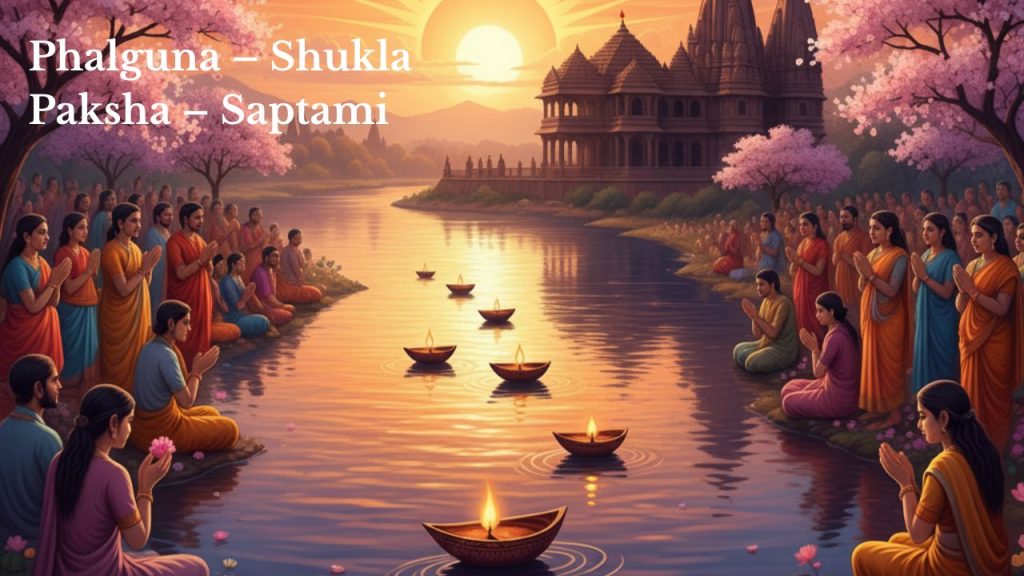
In Phalgun, Shukla Saptami often marks festivals that honor deities like Surya, Lord Rama, and Goddess Durga. Specific celebrations may involve fasting, special pujas, processions, and storytelling of relevant myths. Devotees prepare traditional dishes, decorate homes, and engage in charitable acts. These practices not only reflect spiritual devotion but also encourage social cohesion and reinforce the moral and cultural lessons embedded in the festivals.
Regional variations in observances
Observances of Saptami vary across regions, reflecting local customs, myths, and historical practices. In some areas, the focus may be on Surya worship, while in others, the legends of Lord Rama take prominence. Regional music, dance, and rituals enhance the festive spirit and allow communities to celebrate their heritage. Understanding these variations provides insight into the richness and diversity of Hindu cultural practices and their connection to lunar observances.
Significance of these festivals in cultural traditions
Festivals on Saptami play a vital role in preserving cultural heritage. They reinforce ethical teachings, promote communal harmony, and celebrate the cyclical nature of time. Observing these festivals fosters a sense of belonging, continuity, and shared spiritual growth. The traditions encourage devotion, ethical living, and alignment with natural and cosmic rhythms, ensuring that ancient practices remain relevant in modern life.
Connection to seasonal changes and harvest cycles
Many Saptami festivals align with seasonal transitions and agricultural cycles. Phalgun, marking the approach of spring, is a time of renewal and preparation for harvest. Celebrations on Saptami often include offerings from the harvest, prayers for fertility and prosperity, and rituals that honor nature’s abundance. This connection emphasizes the integration of spirituality with practical life, highlighting gratitude and harmony with the environment.
Religious Ceremonies and Vows
Importance of vrata (vow) on Saptami
Observing a vrata, or religious vow, on Saptami is a revered practice that strengthens discipline, devotion, and spiritual growth. Devotees commit to specific observances, such as fasting, chanting mantras, or performing charitable acts, to honor the divine. These vows are believed to invoke the blessings of deities, ensuring protection, prosperity, and the fulfillment of personal desires. Saptami’s energy, being part of Shukla Paksha, amplifies the spiritual benefits of these commitments. By keeping a vrata, individuals cultivate patience, self-control, and a deeper connection with the divine.
Specific ceremonies for health and prosperity
Saptami is considered auspicious for conducting ceremonies aimed at health, wealth, and general well-being. Rituals may include Surya Namaskar, recitation of specific mantras, and offering prayers to deities associated with vitality and abundance. Devotees also perform homas (fire rituals) to remove obstacles and invite prosperity into their homes. These ceremonies symbolize purification, renewal, and alignment with cosmic energies, reinforcing the belief that divine forces support human efforts when approached with sincerity and devotion.
Rituals for unmarried women, couples, and families
Different sections of society observe Saptami in tailored ways. Unmarried women often perform pujas to seek blessings for marital happiness and family harmony. Couples may participate in rituals to strengthen relationships and ensure prosperity. Families collectively engage in prayers and offerings, fostering unity and shared devotion. These observances reinforce moral and spiritual lessons while creating lasting bonds within the community.
Symbolic offerings and prayers
Offerings on Saptami carry symbolic meanings, representing gratitude, purity, and abundance. Fruits, sweets, flowers, and holy water are commonly used in rituals. Devotees recite mantras and prayers to invoke blessings for health, success, and spiritual upliftment. Performing these rituals with focus and reverence amplifies the day’s spiritual potency, allowing participants to internalize the virtues of discipline, devotion, and humility.
Benefits of observing these ceremonies
Observing Saptami ceremonies fosters a sense of spiritual fulfillment and personal growth. Devotees report increased mental clarity, emotional balance, and a stronger sense of purpose. The combination of ritualistic practice, self-discipline, and devotion cultivates inner peace and confidence. Furthermore, participating in communal ceremonies enhances social cohesion, creating a supportive environment for spiritual and moral development.
Spiritual Benefits of Saptami
Enhancing mental peace and positivity
Saptami provides a unique opportunity to calm the mind and cultivate positivity. Observing rituals, meditating, or chanting on this day can help release stress and negative emotions. The seventh tithi’s energy, combined with the waxing moon of Shukla Paksha, enhances mental clarity, focus, and optimism. Regular observance encourages a mindset of gratitude, self-reflection, and mindfulness, fostering inner peace that supports both personal and professional life.
Strengthening devotion and faith
Spiritual practices on Saptami deepen devotion and strengthen faith. By engaging in pujas, prayers, and community rituals, devotees build a direct connection with the divine. This consistent practice reinforces trust in higher forces, encourages ethical living, and motivates individuals to pursue spiritual goals. Strengthened faith also nurtures resilience, providing comfort and guidance during challenging times.
Attracting divine blessings
Saptami is considered highly auspicious for attracting divine blessings. Devotees believe that sincere observance brings health, prosperity, protection, and spiritual growth. These blessings are not merely symbolic; they manifest as practical benefits such as improved relationships, success in endeavors, and personal well-being. By aligning actions with cosmic rhythms, Saptami ensures that individuals receive support from higher energies in both spiritual and worldly pursuits.
Cleansing of sins and karmic debts
The rituals and fasting observed on Saptami are thought to purify the mind, body, and soul. Devotees seek forgiveness for past misdeeds and engage in acts of charity, which help balance karmic debts. This cleansing process allows individuals to start anew with a clear conscience, making the day a powerful tool for spiritual renewal and ethical growth.
Improvement in personal and professional life
The spiritual alignment achieved on Saptami often translates into tangible benefits in daily life. Focus, discipline, and positivity cultivated through rituals enhance productivity, decision-making, and interpersonal relationships. By observing the day mindfully, individuals can experience a harmonious balance between personal, professional, and spiritual spheres, reinforcing the practical value of traditional observances.
Saptami in Daily Life Practices
Significance of starting new ventures on Saptami
Saptami is an ideal day to initiate new projects, business ventures, or personal endeavors. The positive energy of Shukla Paksha supports growth, success, and sustainable outcomes. Choosing this tithi for important undertakings is believed to enhance the probability of favorable results, as cosmic forces align with human effort, providing momentum and guidance for new beginnings.
Health and wellness practices aligned with the day
Many devotees use Saptami to focus on physical health, engaging in practices like yoga, pranayama, and mindful exercise. Fasting and dietary discipline help detoxify the body and enhance vitality. Spiritual practices combined with physical wellness on this day contribute to holistic health, balancing mental, emotional, and physical energies.
Meditation and chanting recommendations
Meditation, chanting, and mantra recitation are integral practices on Saptami. Devotees often focus on Surya or Lord Rama mantras, which are believed to channel positive energy, improve concentration, and cultivate inner calm. Daily incorporation of these practices strengthens spiritual discipline, enhances mindfulness, and fosters an enduring sense of peace.
Observing ethical and moral conduct
Saptami emphasizes ethical living and moral integrity. Devotees are encouraged to practice kindness, honesty, and compassion. Aligning actions with these values amplifies the spiritual benefits of the day and contributes to personal growth and social harmony. Ethical conduct ensures that spiritual observances translate into meaningful, real-world impact.
Tips for maximizing spiritual benefits
To fully harness Saptami’s spiritual energy, it is recommended to combine rituals with mindfulness, self-reflection, and service. Engaging in charity, helping family or community members, and maintaining a disciplined routine can amplify the day’s potency. These practices ensure that Saptami is not just a ceremonial observance but a transformative experience that fosters growth, positivity, and divine alignment.
Astrological Remedies Associated with Saptami
Recommended prayers and mantras
Saptami is mighty for chanting specific prayers and mantras. Devotees often recite Surya mantras, Gayatri mantras, or Lord Rama shlokas to invoke blessings, health, and protection. These chants align individual energies with cosmic vibrations, promoting mental clarity, positivity, and spiritual growth. Regular practice of these mantras on Saptami enhances devotion and strengthens personal connection with higher energies.
Gemstones and yantras for Saptami
Astrological remedies on Saptami may include wearing gemstones like ruby or sunstone, believed to enhance the influence of the Sun. Yantras, or sacred geometric diagrams, are also used to focus spiritual energies. These remedies help harmonize planetary influences, improve confidence, and attract success while reinforcing the metaphysical benefits of ritual observance.
Charitable acts and donations on this day
Performing acts of charity on Saptami, such as donating food, clothes, or money, is considered highly auspicious. These acts of selflessness enhance spiritual merit, cleanse karma, and invite divine blessings. Charity aligns with the tithi’s energy, emphasizing compassion, generosity, and social responsibility. Communities often organize collective charity events on Saptami to multiply the positive impact.
Remedies for planetary doshas
Saptami is an ideal day for remedies to counteract planetary doshas or afflictions. Practices include pujas, mantras, fasting, and donations tailored to specific astrological conditions. By observing these remedies, devotees seek balance, protection, and improved fortune, allowing Saptami’s auspicious energies to support personal growth and mitigate challenges.
Benefits of following these remedies
Adopting these remedies on Saptami can lead to tangible improvements in health, wealth, and personal relationships. Spiritual alignment with cosmic energies fosters clarity, confidence, and resilience. The combined practice of rituals, prayers, and remedies ensures that Saptami is a day of transformation, offering both spiritual upliftment and practical benefits in daily life.
Divine Insights
Saptami’s cultural, spiritual, and astrological importance
Saptami in Shukla Paksha during Phalgun is a day of immense cultural, spiritual, and astrological significance. Observances of the seventh lunar day harmonize human effort with cosmic energy, enhancing devotion, prosperity, and well-being. Rituals, fasting, prayers, and charitable acts provide a structured way to align with divine forces, promoting both personal and communal growth.
Encouragement to observe rituals mindfully
Mindful observance of Saptami rituals maximizes their spiritual and practical benefits. Engaging fully in puja, meditation, and acts of charity ensures a deep connection with divine energy. Devotees are encouraged to approach the day with awareness, discipline, and devotion, allowing its transformative potential to manifest fully in life.
Modern relevance of traditional practices
Even in today’s fast-paced life, Saptami offers an opportunity to pause, reflect, and realign. Its rituals and teachings encourage holistic well-being, ethical living, and community engagement. Integrating these traditional practices into modern routines fosters balance, mindfulness, and spiritual resilience, bridging ancient wisdom with contemporary life.
Integrating Saptami’s Teachings into Daily Life: Key Insights
Saptami is more than a ritualistic observance; it is a day to cultivate discipline, devotion, and awareness. By internalizing its teachings, individuals can cultivate ethical conduct, spiritual alignment, and a sense of service to others, thereby enhancing personal growth, happiness, and fulfillment. Observing Saptami encourages a life of purpose, harmony, and connection with the divine, creating lasting benefits in every aspect of life.
Inspirational message for readers
Embracing Saptami’s principles inspires a path of mindfulness, positivity, and spiritual growth. Whether through rituals, meditation, or ethical living, this day offers an opportunity to align with cosmic rhythms and invite blessings into everyday life. By honoring Saptami, individuals can cultivate balance, resilience, and enduring spiritual strength.