Understanding about Ashtami in Shukla Paksha
Definition of Ashtami in the Hindu lunar calendar
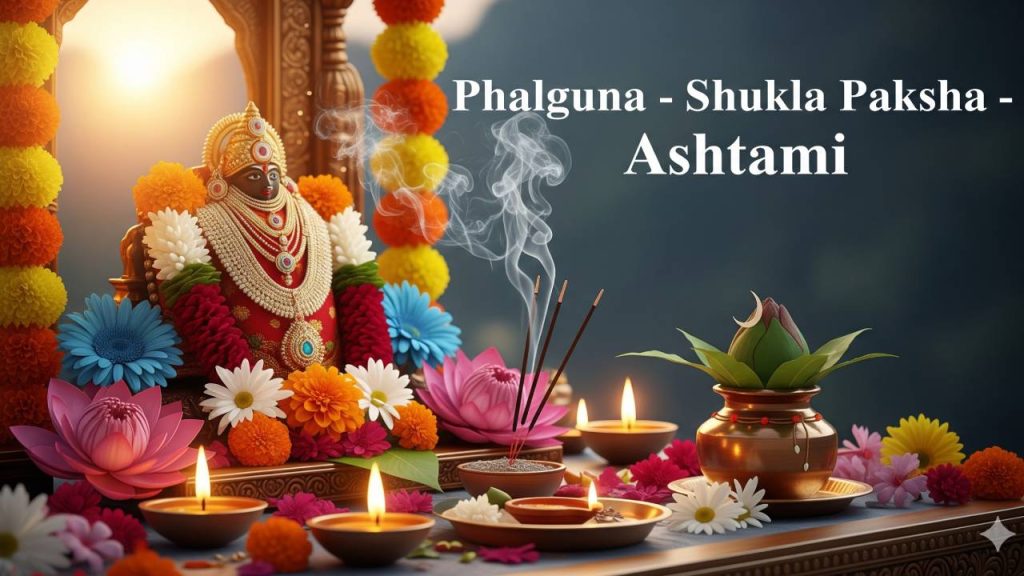
Ashtami, derived from the Sanskrit word Ashta meaning eight, is the eighth day of the lunar fortnight in the Hindu calendar. It is observed twice in a month: once during the waxing moon phase (Shukla Paksha) and once during the waning moon phase (Krishna Paksha). The Shukla Paksha Ashtami holds special significance as it occurs during the bright half of the lunar month when the moon gradually grows fuller, symbolizing growth, positivity, and spiritual awakening. Unlike ordinary days, Ashtami is considered highly auspicious for performing rituals, engaging in spiritual practices, and offering prayers to deities, especially Goddess Durga. It is believed that observing this day with devotion brings protection, prosperity, and overall well-being to individuals and families.
Explanation of Shukla Paksha (waxing moon phase)
Shukla Paksha is the period between the new moon (Amavasya) and full moon (Purnima), lasting approximately fifteen days. During this phase, the moon’s visible portion gradually increases, symbolizing progress, clarity, and the illumination of life’s path. In Hindu tradition, each tithi (lunar day) of Shukla Paksha carries specific spiritual significance, and Ashtami, being the eighth tithi, is critical because it represents strength, balance, and divine energy. The waxing moon is associated with positivity, growth, and the amplification of good deeds performed during this time. Observing rituals during Shukla Paksha Ashtami is believed to enhance spiritual energy and attract blessings.
Timing of Ashtami in the month of Phalgun (Feb–Mar)
Phalgun, the twelfth month in the Hindu lunar calendar, generally falls between February and March in the Gregorian calendar. This month is considered highly auspicious for worship and celebration, marking the transition from winter to spring. Shukla Paksha Ashtami in Phalgun often coincides with major festivals such as Holi and Durga Puja in some regions, which adds to its cultural and religious importance. The timing of Ashtami during Phalgun is considered ideal for performing charitable deeds, observing fasts, and engaging in devotional practices. It is believed that spiritual activities performed during this period yield amplified results, paving the way for prosperity.
Its significance in Hindu rituals and festivals
Ashtami in Shukla Paksha is a focal point for devotion and spiritual observances. Devotees believe that the energies of the day are particularly conducive to connecting with the divine, removing obstacles, and seeking blessings for health, wealth, and happiness. Rituals conducted on this day, such as offering prayers, lighting lamps, chanting mantras, and observing fasts, hold special importance in both household and temple settings. The day is not only spiritually significant but also socially and culturally important, as it fosters communal harmony, encourages charity, and strengthens family and community bonds.
Overview of what the blog will cover
This blog explores the multifaceted significance of Ashtami in the Shukla Paksha of Phalgun. It delves into its mythological roots, cultural importance, religious practices, and rituals. Additionally, it examines how Ashtami is celebrated during Navratri, its astrological relevance, and its impact on personal growth and wellness. By understanding the more profound meaning and benefits of observing Ashtami, readers can appreciate the profound role this lunar day plays in spiritual and cultural life.
Mythological Significance of Ashtami
Stories associated with Goddess Durga and Ashtami
Ashtami is deeply intertwined with the worship of Goddess Durga, who embodies courage, power, and righteousness. Legends describe that on Ashtami, Goddess Durga fought and defeated powerful demons threatening the world. This day symbolizes the triumph of good over evil, courage over fear, and divine power over negativity. Temples and households celebrate this day with elaborate rituals honoring the goddess’s strength and benevolence. Devotees believe that offering prayers and performing rituals on this day invokes her protection, removes obstacles, and brings peace and prosperity into one’s life.
Connection with Vedic legends and Puranas
The Vedas and Puranas mention Ashtami as a spiritually significant tithi dedicated to various forms of the divine feminine. Scriptures describe that meditating and offering prayers on Ashtami strengthens moral character, enhances spiritual insight, and attracts divine blessings. Puranic tales highlight Ashtami as a day for performing penance and charity, ensuring that individuals attain both worldly benefits and spiritual growth. These texts reinforce the belief that observing Ashtami is an effective way to maintain harmony between the material and spiritual realms.
Significance in the Ramayana and Mahabharata
Ashtami is mentioned in epics like the Ramayana and Mahabharata in contexts that underline bravery, devotion, and righteous action. In the Ramayana, warriors and devotees observed Ashtami to seek blessings before embarking on significant endeavors. Similarly, in the Mahabharata, performing rituals on Ashtami was believed to fortify spiritual strength and ensure protection during critical challenges. These references illustrate that Ashtami has been revered for centuries as a day that embodies courage, wisdom, and divine guidance.
Spiritual symbolism of Ashtami in Hinduism
Spiritually, Ashtami signifies balance, discipline, and the awakening of inner energy. It is associated with the concept of Shakti, the divine feminine energy that sustains creation and ensures justice in the world. Observing Ashtami encourages reflection on personal strengths and weaknesses, promoting self-discipline and mindfulness. The eighth lunar day symbolizes completeness in effort, dedication, and spiritual practice, inspiring individuals to cultivate virtues and lead a life aligned with dharma (righteousness).
Cultural Importance of Shukla Paksha Ashtami
Role of Ashtami in local and regional traditions
Across India, Shukla Paksha Ashtami is celebrated with unique customs that reflect regional diversity. In West Bengal, it is observed as Durga Ashtami, marked by elaborate pujas and community gatherings. In Gujarat and Maharashtra, special rituals and fairs are organized to honor Goddess Durga and other local deities. These celebrations strengthen cultural identity, create a sense of unity, and pass on traditions across generations. Communities actively participate in festivities, reinforcing shared values and spiritual heritage.
Observances in temples and community gatherings
Temples witness heightened activity on Ashtami, with priests conducting extended rituals, chanting mantras, and performing ceremonial aartis. Devotees gather to offer prayers, flowers, and sweets to deities, seeking protection and blessings. Community gatherings often include devotional music, dance performances, and shared meals, emphasizing collective celebration and devotion. Such observances foster a sense of belonging and promote cultural preservation while providing opportunities for charitable acts and social bonding.
Influence on art, music, and folk culture
Ashtami celebrations have inspired art forms, music, and folklore across India. Traditional songs and dances narrate stories of Goddess Durga’s valor and moral teachings. Folk art, including paintings and crafts, often depicts scenes from mythological battles associated with Ashtami. These creative expressions not only enrich cultural heritage but also provide a medium for passing spiritual values to younger generations. Through art and music, Ashtami serves as a reminder of the enduring power of devotion and righteousness.
Seasonal relevance of Phalgun and agricultural ties
Phalgun marks the transition from winter to spring, a period symbolic of renewal and growth. Ashtami during this month is closely linked to agricultural cycles, with farmers offering prayers for a good harvest. Rituals and festivals during this period are believed to ensure fertility, prosperity, and harmony with nature. The cultural and agricultural relevance of Ashtami highlights the interconnectedness of spiritual observances, environmental cycles, and societal well-being, making it a holistic celebration of life and abundance.
Religious Practices and Rituals
Daily puja rituals on Ashtami
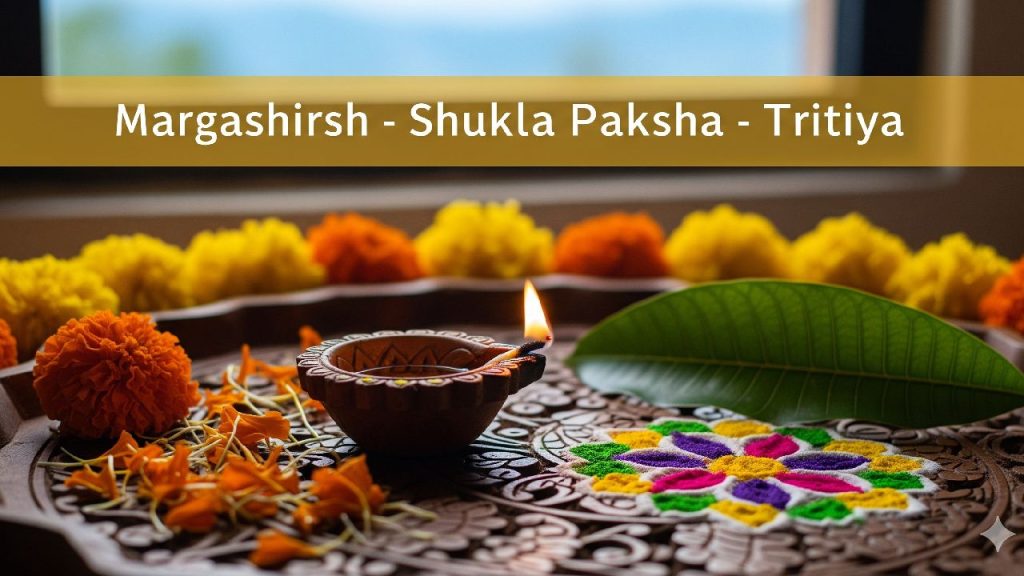
Puja rituals on Ashtami are performed with great devotion and attention to detail. Devotees clean and decorate their homes, prepare special offerings, and create sacred spaces for worship. The puja typically involves lighting lamps, reciting mantras, and chanting hymns dedicated to Goddess Durga. Rituals often include symbolic acts, such as drawing rangoli, placing flowers on idols, and performing aarti. These practices enhance spiritual focus, create a sacred atmosphere, and help cultivate a sense of discipline and devotion in daily life.
Fasting rules and dietary restrictions
Fasting on Ashtami is a widely observed practice believed to purify the body and mind. Devotees may choose to observe a complete fast, consuming only fruits and milk, or avoid certain foods, such as grains and salt. The fast is not merely a dietary restriction; it is a spiritual discipline that fosters patience, self-control, and mindfulness. Observing fasts on Ashtami is thought to attract divine blessings, promote health, and strengthen mental clarity, making it a holistic approach to spiritual and physical well-being.
Offering flowers, sweets, and prayers to Goddess Durga
Offering flowers, sweets, and prayers is a central aspect of Ashtami rituals. Devotees present red flowers, fruits, and traditional sweets as symbols of devotion and gratitude. These offerings, combined with heartfelt prayers, are believed to appease the goddess and invite her protective energy into homes and communities. The act of giving reinforces the values of generosity, gratitude, and reverence, while connecting individuals to a larger spiritual framework that emphasizes balance, harmony, and compassion.
Special recitations and mantras
Chanting mantras and reciting sacred texts on Ashtami is believed to amplify spiritual energy. Popular recitations include Durga Saptashati, Navarna Mantra, and other hymns praising the goddess. These practices help focus the mind, cultivate inner peace, and strengthen one’s connection with divine energy. Devotees often engage in collective chanting in temples or community spaces, enhancing the spiritual atmosphere and fostering a sense of unity and shared devotion.
Importance of observing Ashtami for spiritual growth
Observing Ashtami goes beyond rituals; it is a means of spiritual growth and self-reflection. The day encourages introspection, moral alignment, and the cultivation of virtues such as patience, courage, and compassion. Engaging in devotional practices, fasting, and charity fosters discipline, empathy, and mindfulness. The spiritual significance of Ashtami underscores the transformative power of dedicated practice, guiding individuals toward a balanced, purposeful, and harmonious life.
Navratri and Ashtami
Placement of Ashtami in the nine-day Navratri festival
During Navratri, Ashtami holds a special position as the eighth day of the nine-day celebration dedicated to Goddess Durga. It represents the culmination of intense devotion, discipline, and spiritual energy accumulated during the preceding days. The day is considered highly auspicious for performing elaborate rituals, offering special prayers, and engaging in community events. Observing Ashtami during Navratri reinforces the themes of victory, divine energy, and moral triumph that define the festival.
Significance of Durga Ashtami during Navratri
Durga Ashtami is regarded as the most potent day of Navratri. Legends narrate that on this day, Goddess Durga vanquished the demon Mahishasura, symbolizing the victory of good over evil. Devotees worship her with immense devotion, seeking courage, protection, and spiritual guidance. The day is marked by heightened religious fervor, community celebrations, and the performance of specific rituals that honor her divine energy. Durga Ashtami exemplifies strength, righteousness, and the transformative power of faith.
Rituals and ceremonies performed on Ashtami
Rituals on Durga Ashtami include Kanya Puja, where young girls are worshiped as embodiments of the goddess. Devotees perform elaborate pujas, recite sacred texts, and offer flowers, sweets, and symbolic items. Community gatherings often include bhajans, devotional songs, and cultural performances. Temples are adorned with decorations, lights, and ceremonial arrangements. These practices collectively create a spiritually charged environment, emphasizing devotion, discipline, and the communal celebration of divine energy.
Symbolism of the victory of good over evil
Durga Ashtami embodies the eternal struggle between good and evil. The victory of Goddess Durga over demons signifies the triumph of righteousness, courage, and virtue over opposing forces. Observing the day encourages individuals to confront challenges with resilience, cultivate moral strength, and uphold ethical principles. The symbolism extends beyond mythology, offering practical lessons in perseverance, self-discipline, and the pursuit of justice in everyday life. It inspires devotion, ethical conduct, and the belief that positivity and righteousness ultimately prevail.
Astrological Significance of Ashtami
Influence of planetary positions on Ashtami
Astrologically, Ashtami holds significant influence, particularly due to its association with the eighth lunar day (tithi). The positioning of the Moon and other celestial bodies during Shukla Paksha Ashtami is believed to enhance spiritual receptivity and attract positive energy. Planetary alignments can influence personal well-being, relationships, and career prospects. Devotees often consult astrologers to determine auspicious times (muhurat) for pujas, fasting, and charitable acts. Aligning rituals with cosmic rhythms ensures maximum spiritual benefit and harmonious outcomes in daily life.
Best practices and auspicious timings (muhurat)
Performing Ashtami rituals during favorable timings is considered essential to reap the full benefits of the day. Early morning, before sunrise, is generally deemed most auspicious for meditation and worship. The precise muhurat varies depending on lunar positions and local calendars. Engaging in rituals, chanting mantras, and offering prayers during these windows is believed to amplify spiritual energy, enhance focus, and attract divine blessings. Following these timings creates a harmonious connection between individual actions and cosmic forces.
Connection with personal growth and prosperity
Observing Ashtami with awareness fosters both spiritual and material growth. Devotees believe that devotion, discipline, and charitable acts performed on this day attract prosperity, remove obstacles, and enhance personal development. By aligning daily practices with the energy of Ashtami, individuals cultivate patience, clarity, and ethical conduct. This alignment fosters introspection and motivates conscious decision-making, ultimately leading to success and a balanced life.
Recommendations for spiritual and worldly activities
Astrologically guided practices on Ashtami may include meditation, mantra chanting, temple visits, and acts of charity. Performing business-related or educational tasks during auspicious hours is believed to yield positive results. Devotees are also encouraged to maintain mental clarity and engage in ethical actions to maximize both worldly and spiritual benefits. The day serves as a bridge between cosmic influence and human effort, reinforcing the principle that spiritual alignment enhances practical success.
Health and Wellness Practices
Benefits of fasting and meditation on Ashtami
Fasting on Ashtami is more than a ritual; it is a pathway to detoxification, mental clarity, and spiritual focus. Abstaining from certain foods or limiting intake encourages discipline and strengthens self-control. Meditation during this period enhances mindfulness, reduces stress, and promotes emotional balance. Combined, fasting and meditation harmonize the body, mind, and spirit, allowing practitioners to experience inner peace and heightened energy.
Physical and mental discipline associated with rituals
Engaging in Ashtami rituals cultivates discipline and structured living. The preparation of pujas, recitation of mantras, and adherence to fasting schedules promote time management, attention to detail, and consistent practice. Mentally, these activities encourage focus, patience, and resilience, while physically, they support light activity, mindful eating, and a calm routine. Regular observance of such practices fosters long-term health and spiritual growth.
Detoxification and rejuvenation through traditional observances
Traditional observances on Ashtami, including fasting and ritual cleansing, naturally promote detoxification. Limited intake of heavy foods allows the digestive system to rest, while consumption of fruits, milk, and light meals replenishes essential nutrients. Ritual baths, often performed before puja, rejuvenate the body and enhance a sense of purity. These practices, combined with meditation, provide holistic wellness benefits that nurture both physical and spiritual vitality.
Yoga and spiritual exercises are recommended on Ashtami
Integrating yoga and pranayama on Ashtami aligns the body with spiritual intentions. Simple asanas, breathing exercises, and mindful stretches enhance flexibility, energy flow, and mental focus. Practicing these alongside meditation and chanting strengthens spiritual awareness, reduces stress, and amplifies the positive effects of rituals. Yoga acts as a bridge between physical vitality and spiritual discipline, ensuring a balanced and harmonious observance of the day.
Regional Variations and Celebrations
Popular Ashtami festivals in different states of India
Ashtami is celebrated across India with regional variations reflecting local culture and traditions. In West Bengal, Durga Ashtami involves grand temple rituals, idol worship, and community gatherings. In Gujarat, devotees perform Garba and aarti, while in Maharashtra, folk dances and pujas highlight the day’s significance. Each state’s unique observances showcase the diversity of Indian culture and the shared reverence for divine energy.
Unique customs in West Bengal, Gujarat, Maharashtra, etc.
West Bengal emphasizes Kanya Puja, where young girls are honored as manifestations of Goddess Durga. Gujarat and Maharashtra focus on community dances, devotional songs, and charitable acts. Rajasthan and Karnataka incorporate traditional music, folk plays, and regional delicacies into celebrations. These variations create a rich tapestry of customs, ensuring that Ashtami resonates with local identity while maintaining its spiritual essence.
Traditional foods and sweets are prepared.
Special dishes and sweets form an essential part of Ashtami celebrations. Devotees prepare offerings such as laddoo, peda, and seasonal fruits for puja. In some regions, light vegetarian meals accompany the fast, incorporating lentils, milk, and rice-based dishes. These foods are not only devotional offerings but also provide nourishment after fasting, reinforcing the connection between spiritual practice and physical well-being.
Community events and charity practices
Ashtami encourages community involvement and acts of charity. Devotees often distribute food, clothing, and essential items to those in need. Community prayers, cultural events, and public feasts foster social cohesion, empathy, and shared devotion. By combining spiritual observance with social responsibility, Ashtami promotes harmony, kindness, and the reinforcement of moral values within society.
Modern Relevance of Ashtami
How urban households observe Ashtami today
In contemporary urban settings, Ashtami has adapted to modern lifestyles without losing its spiritual essence. Devotees may perform home pujas with small idols or follow virtual temple services. Preparations are often simplified due to time constraints, but devotion and adherence to key rituals remain intact. Urban households balance traditional practices with daily responsibilities, demonstrating the flexibility and continued relevance of Ashtami in modern life.
Integration of Ashtami practices in daily life
Even outside temple settings, Ashtami principles can be incorporated into daily routines. Observing a day of reflection, performing small acts of charity, and engaging in meditation or mantra recitation help individuals connect with spiritual energy. Integrating these practices encourages mindfulness, ethical living, and emotional balance, ensuring that Ashtami’s teachings extend beyond ritualistic observances.
Digital and virtual celebrations in the modern era
Technology has enabled devotees to participate in Ashtami celebrations virtually. Live-streamed temple rituals, online puja guides, and digital communities allow engagement despite physical distances. Virtual participation preserves tradition, facilitates learning, and ensures continuity of cultural practices. This modern adaptation illustrates the resilience of spiritual observances, allowing devotion to thrive in the digital age.
Role in maintaining cultural and spiritual identity
Ashtami serves as a reminder of cultural heritage and spiritual responsibility. Observing this day, even in contemporary contexts, reinforces a connection to ancestral traditions, values, and moral teachings. It helps individuals cultivate a sense of belonging, strengthens family bonds, and nurtures spiritual growth. By honoring Ashtami, one preserves cultural identity while embracing modern living.
Spiritual Wisdom and Lessons
Lessons of devotion, discipline, and righteousness
Ashtami teaches the importance of unwavering devotion, disciplined practice, and ethical conduct. By following rituals, fasting, and prayers, devotees learn patience, perseverance, and self-control. The day encourages aligning actions with higher values, reinforcing the principle that spiritual growth is a result of consistent effort and moral living.
Encouragement to connect with the inner self and nature
Observing Ashtami fosters introspection, mindfulness, and a deeper connection with the self. Rituals, meditation, and fasting provide opportunities for reflection, emotional clarity, and spiritual awakening. The day also emphasizes harmony with nature, highlighting the interconnectedness of life and the divine order.
Importance of gratitude and generosity
Acts of charity, communal celebrations, and offerings on Ashtami instill gratitude and compassion. Devotees learn to appreciate blessings, support the needy, and contribute positively to society. These practices reinforce the idea that spiritual observance is incomplete without empathy and social responsibility.
Practical ways to incorporate Ashtami teachings in life
The principles of Ashtami, discipline, devotion, generosity, and mindfulness, can be applied daily. Simple actions, such as practicing gratitude, performing ethical deeds, engaging in self-reflection, and helping others, extend the spiritual lessons of the day. Integrating these teachings creates a balanced, purposeful, and harmonious life, reflecting the enduring relevance of Ashtami beyond ritual observance.