Understanding about Pratipada in Krishna Paksha
Pratipada, marking the first day of the lunar fortnight, holds a distinct place in the Hindu calendar. Observed during Krishna Paksha, the waning phase of the moon, Pratipada signifies the beginning of a period where the moon gradually diminishes, symbolizing reflection, introspection, and renewal. Unlike the vibrant Shukla Paksha, Krishna Paksha invites one to slow down, focus on inner growth, and align with cosmic energies. Its timing in the month of Phalgun, typically spanning February to March, coincides with the transition from winter to spring. This period is not only significant for its seasonal relevance but also for its spiritual importance, as it is believed that the energies during Phalgun enhance meditation, devotion, and rituals.
Spiritually, Pratipada encourages self-discipline and reflection. Culturally, it is a reminder of age-old traditions where communities come together to perform ceremonies and observe customs. Religious practices on this day often emphasize devotion, piety, and the purification of both the mind and surroundings. People perform specific rituals, visit temples, and engage in family-centered spiritual activities to invoke divine blessings. This blend of individual reflection and collective observance establishes Pratipada as a cornerstone of spiritual life.
The auspiciousness of Pratipada lies in its ability to set the tone for the entire fortnight. By participating in rituals and mindful practices on this day, individuals harness the lunar energy to cultivate discipline, focus, and harmony. Observing Pratipada is more than a ritualistic exercise; it is a conscious effort to attune one’s life with cosmic rhythms, ensuring that spiritual, mental, and physical energies remain balanced and aligned.
Astrological Significance of Pratipada
Astrologically, Pratipada in Krishna Paksha holds profound significance. The lunar phase during Krishna Paksha influences planetary alignments and governs the flow of energy, affecting emotional stability, mental clarity, and spiritual consciousness. According to Vedic astrology, the waning moon symbolizes letting go of negativity, eliminating obstacles, and embracing a path of self-discipline. Engaging in spiritual activities on Pratipada is considered highly effective because the subtle planetary positions amplify devotion, meditation, and introspective practices.
Influence on Mental Clarity, Emotional Balance, and Spiritual Growth
During this phase, the energy of the moon encourages calmness and introspection. Emotions tend to stabilize, and the mind becomes more receptive to spiritual teachings. Meditating or chanting mantras on Pratipada enhances focus, leading to improved emotional resilience. People often feel a natural inclination toward self-evaluation and inner purification, which strengthens spiritual growth. These energies are ideal for resolving past conflicts, letting go of grudges, and cultivating forgiveness.
Ideal for Rituals, Penance, and Prayers
Pratipada is recognized as a highly auspicious day for rituals, penance, and prayers. Temples witness an increase in devotees, and homes see special poojas performed to invoke divine blessings. Whether it involves offerings, fasting, or chanting sacred hymns, the combination of lunar influence and devotion heightens the effectiveness of these practices. Performing rituals with sincerity on Pratipada ensures spiritual upliftment and the removal of negative energies from the surroundings.
Impact on Personal and Household Prosperity
Astrologically, observing Pratipada has a direct impact on household harmony and prosperity. Rituals performed on this day are believed to attract positive energies, enhance familial bonds, and improve financial stability. By aligning activities with the lunar rhythm, one can harness cosmic energy for personal growth, relationship strength, and overall well-being, making Pratipada a cornerstone of astrological observance.
Mythological Background
The mythological significance of Pratipada in Krishna Paksha is deeply intertwined with tales of divine intervention, moral teachings, and the guidance of revered deities. Ancient scriptures narrate various legends highlighting the day’s importance as a period for devotion, virtue, and spiritual awakening. These stories often convey life lessons that emphasize righteousness, ethical conduct, and reverence toward the divine.
Legends and Stories Associated with Pratipada
One prominent theme in the mythological narratives is the act of observing the lunar phase as a way to honor deities. Stories describe how sages and devotees utilized this day to seek blessings, overcome obstacles, and gain wisdom. In many texts, Krishna Paksha Pratipada is marked by acts of penance and devotion that attract the favor of gods, reinforcing the day’s spiritual potency.
Connection to Lord Vishnu and Other Deities
Lord Vishnu, known as the preserver of the universe, is frequently associated with Pratipada. Devotees believe that performing rituals dedicated to Vishnu on this day strengthens protection, ensures prosperity, and supports spiritual advancement. Other deities, depending on regional traditions, may also receive veneration, highlighting the day’s adaptability and universal relevance in spiritual practice.
Moral Lessons and Virtues
The legends of Pratipada consistently emphasize virtues such as discipline, humility, patience, and devotion. Observing the day encourages individuals to reflect on their actions, practice self-restraint, and cultivate moral integrity. By following these teachings, one not only gains spiritual merit but also enhances personal character, making the observance relevant to everyday life.
Preservation of Traditional Practices
Through centuries, the mythological stories associated with Pratipada have helped preserve traditional practices and oral heritage. They provide a cultural framework that informs rituals, festivals, and spiritual observances, ensuring that the wisdom of the past continues to guide present and future generations.
Religious Importance and Rituals
Religious observances on Pratipada in Krishna Paksha are deeply ingrained in spiritual life. These rituals form a bridge between divine worship and practical application, allowing devotees to experience a sense of fulfillment, devotion, and communal harmony. The religious significance of the day is heightened by its alignment with the lunar cycle, which enhances the efficacy of prayers and spiritual activities.
Everyday Rituals Performed on Pratipada
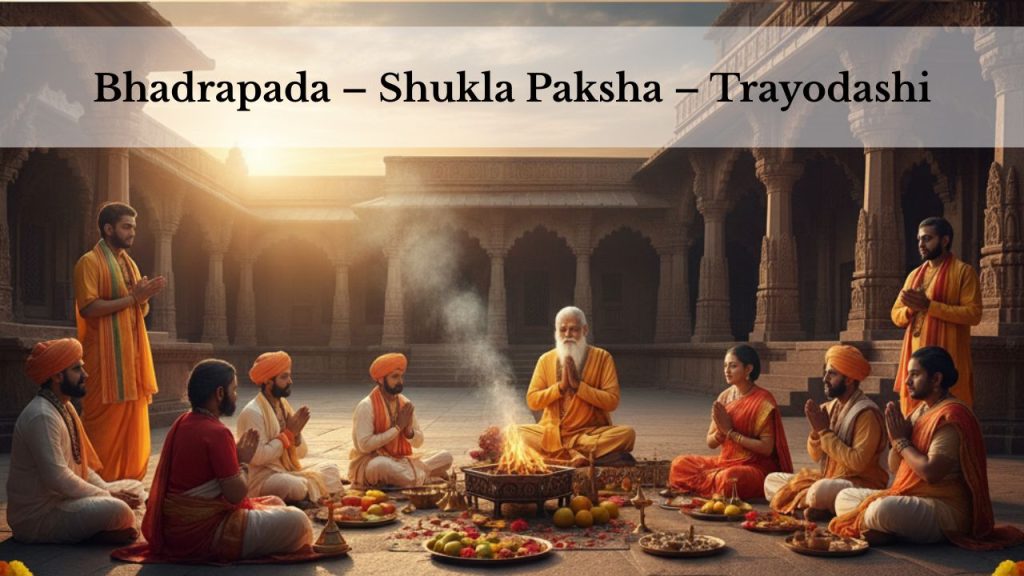
Pratipada rituals often include the lighting of lamps, chanting of sacred mantras, and offering flowers, fruits, and other sacred items to deities. Devotees typically perform these rituals early in the morning to align with auspicious lunar timings, ensuring maximum spiritual benefit. Temples and households alike follow prescribed methods that have been passed down through generations.
Offerings, Fasting, and Special Prayers
Fasting is a common practice, varying from partial to full-day observances, depending on personal capacity and spiritual intent. Offerings to deities, such as fruits, sweets, and holy water, are made as an act of devotion and gratitude. Special prayers, often recited in Sanskrit or regional languages, invoke divine blessings for health, prosperity, and spiritual growth.
Visiting Temples and Performing Pujas at Home
Pratipada encourages visits to local temples, where group prayers amplify the energy of devotion. At home, devotees establish sacred spaces for puja, often using icons or images of Vishnu, Krishna, or other relevant deities. Performing rituals in a calm, focused environment ensures that spiritual energy permeates both the household and the individual practitioner.
Observing Cultural Customs for Prosperity and Spiritual Well-being
Beyond formal rituals, Pratipada is observed by participating in cultural practices that strengthen family bonds and community cohesion. Sharing prasad, engaging in charity, and teaching younger generations about traditions all contribute to spiritual and social well-being. The combination of ritual, reflection, and communal involvement makes Pratipada a powerful day for holistic growth.
Fasting and Spiritual Practices
Fasting on Pratipada in Krishna Paksha is more than a physical discipline; it is a spiritual tool designed to purify the body, calm the mind, and heighten awareness. The practice of fasting encourages focus, self-control, and alignment with cosmic energies, providing an ideal opportunity for introspection and devotion.
Types of Fasts Observed on Krishna Paksha Pratipada
Devotees may undertake a complete fast, abstaining from food and certain liquids, or a partial fast, limiting intake to fruits, milk, and light meals. The choice of fasting depends on individual health, spiritual goals, and traditional guidelines. Each type of fast carries specific spiritual benefits, from enhanced meditation capacity to increased receptivity to divine blessings.
Significance of Partial and Full Fasting
Partial fasting is often observed to maintain energy while still aligning with spiritual discipline, whereas full fasting symbolizes complete surrender to the divine. Both forms serve as methods to cultivate detachment from worldly distractions and focus entirely on spiritual growth. Practitioners report heightened mental clarity, emotional balance, and a sense of inner peace during and after the fast.
Meditation, Mantra Chanting, and Spiritual Reflection
Pratipada fasting is complemented by meditation, mantra chanting, and the reading of sacred texts. The quiet and focus brought about by fasting enhances the effect of these practices, allowing deeper introspection and a stronger connection with the divine. Regular observance helps develop discipline, mindfulness, and a structured spiritual routine.
Benefits of Fasting for Mind, Body, and Soul
Fasting improves physical well-being by giving the digestive system a break and encouraging mindful eating habits. Mentally, it fosters concentration and emotional resilience. Spiritually, it creates an environment conducive to introspection, prayer, and self-purification. Combined with rituals and cultural practices, fasting on Pratipada strengthens the holistic experience of the lunar phase, ensuring that the devotee benefits on every level.
Connection with Deities
Pratipada in Krishna Paksha carries a deep spiritual connection with various deities, particularly Lord Vishnu, who is revered as the preserver of the universe. Observing this day with devotion strengthens the bond between the devotee and divine forces, enhancing protection, guidance, and spiritual growth. The day’s significance is rooted in the belief that performing rituals and prayers on Pratipada draws the attention and blessings of these higher powers.
Worship of Lord Vishnu and Other Deities
On this day, devotees perform pujas and offer prayers specifically to Lord Vishnu and his avatars. In certain regions, worship may also extend to Goddess Lakshmi, Krishna, or regional deities, depending on local traditions. These observances are performed to attract prosperity, remove obstacles, and foster spiritual well-being. Devotional songs, mantra chanting, and offerings form the core of worship practices, creating a sacred atmosphere at home or in temples.
Stories of Divine Blessings
Mythology offers numerous examples of divine blessings bestowed upon devotees who observed Pratipada. Stories recount how faithful individuals experienced health, wealth, and spiritual upliftment through devotion and disciplined observance. These narratives inspire devotees to maintain a consistent spiritual practice, reinforcing the idea that sincere worship on this day can lead to tangible and intangible benefits in life.
Importance of Devotion and Bhakti
Pratipada emphasizes bhakti, or pure devotion, over ritualistic performance alone. The alignment of the lunar phase with sincere spiritual practice enhances the impact of prayers, making it a day for heartfelt connection rather than mere routine. The energy cultivated through devotion helps devotees cultivate patience, compassion, and inner peace.
Symbolic Offerings and Their Meanings
Offerings on Pratipada are symbolic gestures that signify gratitude, surrender, and purity. Fruits, flowers, incense, and water are commonly used, each representing life, prosperity, and spiritual energy. By consciously performing these offerings, devotees reinforce mindfulness, align intentions with spiritual goals, and cultivate a sense of humility and reverence.
Cultural and Social Significance
Pratipada is not just a day of personal devotion; it also has meaningful cultural and social dimensions. Communities often come together to observe rituals, share meals, and participate in temple ceremonies. These practices foster social cohesion, reinforce cultural identity, and allow individuals to experience the richness of shared tradition.
Community Gatherings and Temple Events
On Pratipada, temples become hubs of spiritual and social activity. Devotees attend group prayers, participate in religious discourses, and engage in collective chanting sessions. These gatherings create a sense of belonging, offering an opportunity to connect with like-minded individuals who share the same spiritual goals.
Sharing Prasad and Celebrating with Family
Offering and sharing prasad, or sanctified food, is a common practice that strengthens family and community bonds. Family members come together to prepare offerings, perform rituals, and distribute prasad, cultivating gratitude, cooperation, and joy. This practice instills values of generosity and collective celebration while ensuring that traditions are passed on to younger generations.
Reinforcing Values, Traditions, and Community Bonding
Pratipada emphasizes moral and cultural values, such as respect for elders, care for the environment, and mindful living. Participating in these practices helps maintain societal harmony and preserves cultural knowledge, ensuring that traditions remain vibrant and relevant.
Impact on Local Festivals and Regional Customs
In many regions, Pratipada coincides with the beginning of local festivals, fairs, or seasonal celebrations. Observing the day contributes to the overall spiritual and cultural rhythm of the community, creating a shared sense of purpose and continuity that transcends generations.
Health and Well-being Practices
The observance of Pratipada also extends to promoting physical, mental, and spiritual health. Traditional practices encourage a holistic approach, combining fasting, meditation, and mindful living with rituals, creating harmony between body, mind, and spirit.
Traditional Practices for Mental and Physical Wellness
Devotees often engage in yoga, meditation, or light physical activities during Pratipada. These practices complement fasting and prayer, supporting overall health and reducing stress. Ayurvedic principles suggest that aligning daily routines with lunar energy enhances digestion, sleep patterns, and emotional balance.
Ayurvedic Tips and Rituals Linked with Pratipada
Ayurveda highlights the benefits of Pratipada for detoxification and rejuvenation. Simple practices, such as drinking warm water, consuming light vegetarian meals, and avoiding processed foods, help enhance the body’s natural rhythm and support the flow of spiritual energy. Rituals like oil anointing or applying turmeric are believed to purify the body and environment, reinforcing physical and spiritual wellness.
Timing of Activities According to Lunar Energy
Observing daily activities according to lunar phases is central to maximizing benefits. Morning prayers, meditation, and fasting align with the waning moon’s energy, supporting mental clarity and emotional calmness. Evening rituals, such as lighting lamps or chanting, enhance spiritual focus and bring a sense of completion to the day.
Encouraging Mindfulness and Holistic Living
Pratipada provides an opportunity to cultivate mindfulness, promoting conscious living that extends beyond rituals. By integrating spiritual, cultural, and health practices, devotees create a lifestyle that nurtures longevity, vitality, and mental resilience, demonstrating the holistic importance of this lunar observance.
Dos and Don’ts on Krishna Paksha Pratipada
Observing Pratipada requires awareness of both auspicious and inauspicious actions to ensure maximum spiritual benefit. Following guidelines helps maintain purity of thought, word, and deed while aligning personal energy with cosmic rhythms.
Recommended Actions for Auspicious Outcomes
Engage in meditation, chanting, and devotional practices to attract positive energy. Performing rituals, visiting temples, and offering prayers with sincerity strengthen spiritual connection. Acts of charity, sharing prasad, and helping those in need enhance the day’s blessings.
Avoiding Negative Activities and Conflicts
Pratipada emphasizes calmness and reflection, discouraging arguments, negativity, or rash decisions. Avoiding indulgence in harmful habits, gossip, or anger ensures mental clarity and supports spiritual focus.
Importance of Purity in Thoughts, Words, and Deeds
Maintaining ethical conduct is crucial. Observers are encouraged to cultivate humility, patience, and kindness, ensuring that actions align with spiritual intentions. Purity of thought amplifies the benefits of prayers and rituals, creating harmony in personal and social life.
Guidelines for Domestic and Temple Observances
Follow structured rituals at home or in temples, including appropriate timings, offerings, and recitations. Preparing the space with cleanliness, lighting lamps, and maintaining silence during meditation reinforces positive energy flow. Respecting traditional methods ensures that the day’s observance is both spiritually and culturally meaningful.
Soulful Reflections
Pratipada in Krishna Paksha is a multifaceted day that integrates spirituality, culture, community, and health. Observing it with devotion, discipline, and mindfulness allows individuals to align with cosmic rhythms, strengthen personal virtues, and cultivate a harmonious lifestyle. The day’s significance goes beyond rituals; it encourages reflection, ethical conduct, and holistic well-being.
By observing Pratipada, devotees connect with deities, harness lunar energy, and engage in practices that promote mental clarity, physical health, and spiritual growth. The day emphasizes not only personal devotion but also social responsibility, encouraging charity, community bonding, and the preservation of cultural heritage.
The combination of fasting, meditation, ritual, and mindful living makes Pratipada a transformative opportunity. It serves as a reminder that aligning with nature, cosmic cycles, and moral principles enhances life on every level, physically, mentally, and spiritually. Pratipada in Krishna Paksha is, therefore, not merely a calendar event but a powerful tool for holistic growth, reflection, and lasting spiritual enrichment.