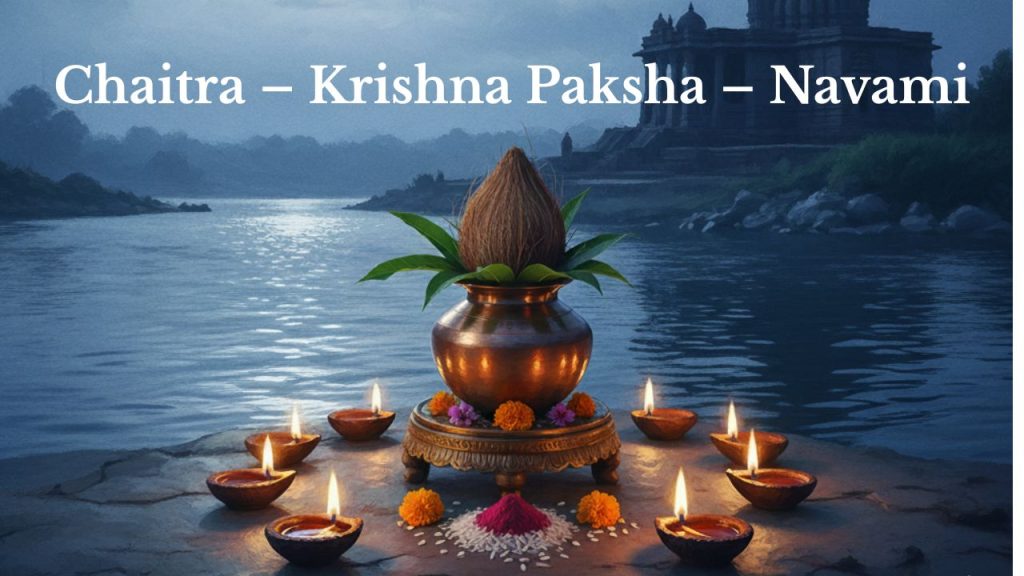
Understanding about Chaturthi in Krishna Paksha
Chaturthi in Krishna Paksha holds a distinct place in the Hindu lunar calendar. The term “Chaturthi” literally means the fourth day, which in this context refers to the fourth day after the full moon, during the waning phase of the moon. This specific tithi is observed with devotion, fasting, and spiritual practices, especially in the Phalgun month, which usually falls between February and March. The waning moon, or Krishna Paksha, symbolizes introspection, detachment, and spiritual cleansing, making Chaturthi a perfect day for reflection, prayer, and personal growth.
The timing of Chaturthi in Phalgun is particularly significant, as it precedes the vibrant festivities of Holi. It serves as a spiritual preparation, allowing devotees to cleanse themselves of negative energies and invite blessings before celebrating the festival of colors. Observing Chaturthi during this period is not only a cultural practice but also a profoundly spiritual one. It aligns with the natural rhythm of lunar cycles, emphasizing the importance of living in harmony with nature.
This day is revered across India, with families and communities coming together to perform rituals dedicated to Lord Ganesha, the remover of obstacles. Devotees also engage in charity, prayer, and self-discipline, fostering a sense of connection with both the divine and the community. The significance of Chaturthi extends beyond rituals; it offers an opportunity for inner reflection, self-discipline, and cultivating a sense of gratitude.
The purpose of this blog is to explore the multifaceted importance of Chaturthi in Krishna Paksha, focusing on its astrological, spiritual, and cultural significance. Readers will gain a deeper understanding of the rituals, myths, and practical benefits associated with this day. By observing Chaturthi with awareness, individuals can experience a profound sense of spiritual well-being and cultural connection.
Astrological Significance of Chaturthi
Chaturthi in Krishna Paksha carries strong astrological importance, influencing mental, emotional, and spiritual states. The fourth day after the full moon holds a special alignment with the moon, which governs emotions, intuition, and mental clarity in Vedic astrology. On this day, the waning moon emits energies that encourage introspection, detachment from material desires, and alignment with higher consciousness. By observing Chaturthi, individuals can harness these energies to gain mental peace and emotional stability.
The moon’s position on Chaturthi affects planetary energies, which in turn impact various aspects of life, including relationships, career, and spiritual growth. Astrologically, this tithi is considered favorable for performing rituals, making offerings, and seeking blessings from Lord Ganesha. The alignment of the moon with particular zodiac signs can enhance positive outcomes, such as improved clarity in decision-making, increased financial stability, and greater inner harmony.
Favorable zodiac signs and planetary alignments during Chaturthi amplify its benefits. For instance, those born under the signs of Taurus, Virgo, and Capricorn may find their mental clarity and spiritual focus heightened on this day. Devotees are encouraged to perform specific rituals, chant mantras, and meditate to align themselves with these cosmic energies. Doing so strengthens their ability to overcome obstacles and fosters resilience in facing challenges.
Chaturthi also holds a practical connection with the Panchang, or Hindu calendar, which predicts auspicious timings and planetary positions. Following these astrological insights ensures that rituals and prayers are performed at the most opportune moments, maximizing spiritual benefits. Understanding the astrological significance of Chaturthi allows individuals to harmonize their personal actions with cosmic rhythms, creating a sense of balance and purpose in daily life.
Position of the Moon and Its Effects on Planetary Energies
The moon plays a central role in influencing human emotions, mental clarity, and spiritual growth. On Chaturthi in Krishna Paksha, the moon is in a waning phase, symbolizing reduction, introspection, and release. This phase encourages devotees to release negative emotions, old habits, and unproductive thoughts. It is an ideal time to reflect on personal challenges and seek divine guidance for overcoming obstacles. By aligning daily actions with the lunar phase, individuals can experience greater mental stability and clarity.
The moon’s alignment affects planetary energies, enhancing the spiritual potency of rituals performed on this day. When the moon forms favorable angles with Jupiter, Venus, or Mercury, it can improve intellectual clarity, emotional well-being, and relationships. Conversely, if the moon aligns with challenging planetary positions, performing prayers and rituals can help mitigate negative influences. By observing Chaturthi with awareness, devotees harness lunar energies to improve overall well-being.
The waning moon phase also resonates with spiritual symbolism. It represents letting go, detachment, and purification. Practicing meditation, chanting, and fasting during Chaturthi helps internalize these energies. Devotees may feel increased empathy, patience, and inner peace as a result. Understanding the connection between lunar position and planetary energies transforms Chaturthi from a mere ritual into a profound opportunity for personal and spiritual growth.
Influence on Mental Peace, Prosperity, and Emotional Well-Being
Observing Chaturthi in Krishna Paksha has a remarkable impact on mental and emotional health. Fasting, meditation, and prayers performed on this day enhance concentration and mindfulness, promoting clarity of thought. By dedicating time to spiritual practices, individuals can release stress, reduce anxiety, and cultivate a sense of calm. This contributes to emotional balance, improving relationships and personal resilience.
Prosperity is closely linked with spiritual alignment. By observing Chaturthi, devotees invite divine blessings, particularly from Lord Ganesha, who is known to remove obstacles and bring abundance. Rituals and offerings serve as a symbolic acknowledgment of gratitude and faith, which in turn reinforces positivity and mental well-being. This alignment of intention and action fosters both spiritual and material prosperity.
Emotional well-being is further supported through community and family participation. Sharing rituals, distributing Prasad, and engaging in acts of kindness during Chaturthi enhance a sense of connection and fulfillment. Devotees experience increased empathy, compassion, and gratitude, which contribute to overall happiness. These combined effects illustrate how observing Chaturthi is not only a spiritual practice but also a holistic method for enhancing mental, emotional, and material harmony.
Favorable Zodiac Signs and Planetary Alignments
Chaturthi in Krishna Paksha carries specific astrological significance based on zodiac signs. Taurus, Virgo, and Capricorn experience heightened mental clarity and emotional balance on this day. At the same time, other signs may find their spiritual practices more effective in removing obstacles and fostering inner peace. Awareness of zodiac-specific influences enables devotees to tailor rituals and practices for optimal benefit.
Planetary alignments on Chaturthi can amplify positive outcomes. Favorable positioning of Jupiter supports wisdom and knowledge, while Venus enhances relationships and emotional harmony. Mercury boosts intellectual clarity and communication skills. Recognizing these alignments enables strategic planning of rituals, prayers, and fasting, ensuring that spiritual energies are effectively harnessed.
Performing rituals aligned with planetary guidance helps neutralize challenges posed by unfavorable positions. For instance, chanting specific mantras or offering certain Prasad items can mitigate negative planetary influences. This understanding demonstrates the practical application of astrology in daily life, showing how Chaturthi observance integrates cosmic wisdom with personal development.
Connection with Lunar Cycles and Panchang Predictions
Chaturthi’s alignment within the lunar cycle is essential for its spiritual potency. The Krishna Paksha phase represents introspection, detachment, and preparation for renewal, making it an ideal time for spiritual practices. The Panchang provides precise timings for rituals, ensuring maximum alignment with lunar energies.
By following Panchang predictions, devotees can determine the most auspicious hours for fasting, prayers, and meditation. Observing these timings enhances the effectiveness of rituals, improves spiritual focus, and strengthens the connection with divine energies. Understanding the relationship between lunar cycles and personal actions transforms Chaturthi observance from a routine into a deeply intentional practice.
Spiritual Importance of Krishna Paksha Chaturthi
Chaturthi in Krishna Paksha is a powerful opportunity to strengthen devotion and spiritual discipline. The waning moon phase encourages self-reflection, detachment, and purification, making it ideal for focusing on spiritual growth. Observing Chaturthi nurtures a sense of humility, gratitude, and alignment with higher consciousness.
The spiritual significance extends beyond rituals. Fasting, meditation, and prayer help devotees internalize spiritual principles, fostering mindfulness and self-awareness. Engaging with sacred texts and chanting mantras heightens spiritual energies, allowing individuals to connect deeply with divine consciousness. This daily alignment with lunar energies also promotes inner stability and calmness, essential for spiritual progression.
Spiritual discipline observed on Chaturthi is not merely about ritual performance. It involves intentional living, self-control, and reflection on life’s purpose. By dedicating time to spiritual practices, devotees cultivate resilience, patience, and a harmonious mindset. The day serves as a reminder to release negative attachments and focus on self-growth, paving the way for long-term spiritual benefits.
The waning moon also symbolizes the shedding of past burdens. By embracing introspection and self-purification, individuals prepare themselves for new beginnings and enhanced spiritual awareness. This alignment of spiritual discipline with natural lunar cycles demonstrates the holistic wisdom embedded in observing Chaturthi in Krishna Paksha.
Strengthening Devotion and Spiritual Discipline
Observing Chaturthi nurtures devotion to Lord Ganesha, the divine remover of obstacles. Daily practices such as fasting, prayer, and chanting strengthen the devotee’s connection with the divine, fostering a sense of guidance and protection. By dedicating uninterrupted time to spiritual practices, individuals develop discipline, patience, and resilience, which reflect in other areas of life.
Spiritual discipline extends beyond rituals into daily conduct. Mindful eating, charity, and ethical living complement traditional practices, creating a holistic approach to devotion. This discipline enhances self-control, helps overcome negative tendencies, and fosters inner peace. Over time, such consistent observance deepens faith, strengthens character, and promotes a life aligned with spiritual principles.
Enhancing Meditation and Prayer Practices
Chaturthi provides an ideal environment for meditation and prayer. The waning moon phase encourages introspection, helping devotees focus on internal growth rather than external distractions. Practicing meditation enhances mental clarity, reduces stress, and cultivates a deeper understanding of self and divine consciousness.
Prayer practices during Chaturthi involve chanting mantras, reading sacred texts, and offering symbolic items to Lord Ganesha. These practices foster mindfulness, gratitude, and humility. Regular observance enhances concentration, emotional balance, and spiritual resilience, enabling individuals to navigate life’s challenges with greater calmness and insight.
Connection to Self-Purification and Inner Growth
Chaturthi in Krishna Paksha encourages self-purification through fasting, reflection, and ethical conduct. By abstaining from certain foods and habits, devotees cleanse both body and mind. This purification process enhances focus, emotional stability, and spiritual receptivity.
Inner growth is further nurtured through contemplation and mindful living. Reflecting on past actions, seeking forgiveness, and cultivating virtues such as patience and compassion align the devotee with higher consciousness. The day becomes a transformative experience, promoting a sense of renewal and spiritual clarity.
Symbolism of the Waning Moon in Spiritual Journeys
The waning moon represents detachment, introspection, and the shedding of past burdens. Chaturthi during Krishna Paksha leverages this symbolism to guide spiritual seekers toward letting go of negative thoughts, emotional baggage, and unproductive habits.
By observing rituals and meditative practices aligned with this lunar symbolism, devotees gain insights into life’s transient nature. This encourages humility, acceptance, and focus on personal growth. Embracing the teachings of the waning moon allows individuals to cultivate resilience, balance, and spiritual awareness.
Mythological Significance
Chaturthi is deeply rooted in Hindu mythology, particularly through its association with Lord Ganesha. Various legends narrate the importance of this tithi in removing obstacles, granting wisdom, and fostering prosperity. Scriptures emphasize the power of devotion and the auspiciousness of observing Chaturthi with sincerity and faith.
One widely known story describes how Lord Ganesha was bestowed with divine wisdom and blessings through the observance of Chaturthi. This reinforces the spiritual practice of fasting, prayer, and offering to the deity. By following these traditions, devotees not only honor mythology but also cultivate virtues such as patience, discipline, and gratitude.
The Phalgun month, in which Chaturthi occurs, holds additional mythological significance. It is considered a time of preparation for Holi, a festival celebrating the victory of good over evil. Observing Chaturthi in this period symbolizes purification and readiness to embrace new beginnings. The rituals performed also reflect the cultural transmission of these myths, allowing communities to maintain continuity and reverence for tradition.
Through consistent observance, devotees connect with divine energies and mythological narratives. These stories serve as moral and spiritual guidance, offering lessons on devotion, discipline, and ethical living. Chaturthi becomes not only a day of ritualistic observance but also an embodiment of age-old wisdom that continues to inspire generations.
Legends Associated with Lord Ganesha and Chaturthi
Lord Ganesha is revered as the remover of obstacles, the provider of wisdom, and the harbinger of prosperity. Numerous legends highlight the significance of Chaturthi in his worship. One notable story narrates how the goddess Parvati created Ganesha to guard her abode, emphasizing loyalty, devotion, and divine protection.
Observing Chaturthi in Krishna Paksha honors these legends by performing rituals that reinforce faith, patience, and self-discipline. Offering sweets, chanting mantras, and performing pujas symbolize gratitude and devotion. These practices provide both spiritual and emotional support, reminding devotees of the divine presence in their daily lives.
Stories from Scriptures About Blessings Received on This Day
Sacred texts emphasize the blessings bestowed upon those who observe Chaturthi with sincerity and devotion. Devotees are said to receive wisdom, prosperity, and protection from obstacles. Scriptural accounts describe miraculous events and fulfilled wishes, underscoring the power of passion and faith.
By engaging in fasting, meditation, and prayer, devotees align with divine energies. These actions create a positive spiritual environment, fostering mental clarity, emotional stability, and overall well-being. Scriptural guidance reinforces the transformative potential of observing Chaturthi, making it a spiritually enriching experience.
Significance of Phalgun Month in Mythology
Phalgun, the month of transition and renewal, holds mythological importance. It marks the period preceding Holi, the festival of colors, celebrating the triumph of good over evil. Observing Chaturthi in this month symbolizes purification, preparation, and alignment with cosmic rhythms.
The rituals performed during Phalgun Chaturthi enhance spiritual awareness and readiness for celebration. By following these practices, devotees honor both mythological traditions and natural cycles, emphasizing the harmony between human life and cosmic forces.
Cultural Transmission of These Legends Through Rituals
Rituals performed on Chaturthi serve as living expressions of mythological narratives. From fasting to pujas, each practice embodies lessons of devotion, discipline, and virtue. Communities across India preserve these rituals, passing down knowledge and values to younger generations.
Cultural transmission ensures continuity of spiritual wisdom, creating shared identity and collective reverence. Observing Chaturthi thus becomes a bridge connecting mythology, cultural heritage, and contemporary spiritual practice, fostering a deeper connection with tradition and faith.
Rituals and Practices Observed
Chaturthi in Krishna Paksha is marked by specific rituals and practices that enhance spiritual growth and devotion. Observing fasts, performing pujas, chanting mantras, and offering Prasad are central elements. These rituals not only honor Lord Ganesha but also cultivate discipline, mindfulness, and inner peace.
Fasting, known as Vrat, varies in intensity depending on individual capability. Some devotees observe a strict fast, consuming only fruits and water, while others may follow partial fasting. This practice helps in purifying the body and mind, promoting concentration and devotion. Regular fasting on Chaturthi aligns physical discipline with spiritual goals, enhancing overall well-being.
Performing Ganesha Puja, either at home or in temples, involves offering flowers, sweets, and incense while chanting sacred mantras. This ritual strengthens the devotee’s spiritual connection, creating a focused environment for prayer and meditation. Community participation in pujas also fosters social bonding and shared reverence.
Chanting mantras and reciting sacred texts further amplifies spiritual energies. Devotees focus their thoughts, cultivate mindfulness, and enhance their devotion through the repetition of divine names and verses. Offering Prasad and engaging in acts of charity reinforce gratitude, compassion, and connection with the broader community.
By combining fasting, puja, mantra chanting, and charitable activities, Chaturthi becomes a holistic practice promoting spiritual, emotional, and social well-being. Observing these rituals with sincerity and understanding allows devotees to experience the full depth of the day’s spiritual significance, fostering inner growth and a harmonious connection with the divine.
Observing Fasts (Vrat) and Their Variations
Fasting during Chaturthi is central to the day’s observance. Devotees may choose strict fasting, consuming only water and fruits, or a more moderate fast with light meals. This practice promotes self-discipline, mental clarity, and spiritual focus, aligning the body and mind with devotional intent.
Vrat variations also include partial fasting, where certain foods are avoided, and others may be consumed at specific times. Regardless of the form, fasting encourages introspection, detachment, and gratitude, reinforcing the spiritual essence of Chaturthi. Over time, regular observance strengthens resolve and fosters mindfulness in everyday life.
Performing Ganesha Puja at Home or in Temples
Ganesha Puja is a central ritual of Chaturthi. Devotees offer flowers, sweets, and incense, creating a sacred atmosphere for prayer. At home, this practice strengthens familial bonds and cultivates a sense of devotion. In temples, collective worship fosters community spirit and shared reverence.
The puja involves chanting mantras, reading scriptures, and visualizing the deity, reinforcing spiritual alignment. By dedicating time to these rituals, devotees invite divine blessings, wisdom, and protection. Performing puja with sincerity enhances focus, devotion, and overall spiritual growth.
Chanting Mantras and Reciting Sacred Texts
Chanting mantras and reciting sacred texts amplifies the spiritual impact of Chaturthi. Mantras like “Om Gan Ganapataye Namah” are believed to remove obstacles and invite positive energies. The recitation of scriptures reinforces faith, promotes ethical living, and fosters mindfulness.
These practices encourage focused meditation, emotional stability, and spiritual resilience. The repetitive nature of chanting creates rhythm and discipline, enhancing mental clarity. Sacred texts provide guidance, reinforcing the moral and spiritual lessons of the day. Regular practice deepens devotion and strengthens the connection with divine consciousness.
Offering Prasad and Distributing Blessings to Family/Community
Offering Prasad during Chaturthi embodies gratitude, devotion, and generosity. Sweet offerings such as modak are considered pleasing to Lord Ganesha and symbolize spiritual nourishment. Sharing Prasad with family and community reinforces social bonds and collective faith.
Distributing blessings and engaging in acts of kindness amplify the spiritual benefits of the day. Charity and community service foster empathy, humility, and a sense of purpose. This practice demonstrates the interconnectedness of spiritual devotion and social responsibility, enhancing both personal and communal well-being.
Observing Charity and Acts of Kindness
Charity and acts of kindness are integral to the observance of Chaturthi. Donating food, clothing, or resources to those in need aligns with spiritual principles of compassion and service. These actions cultivate humility, gratitude, and empathy, enriching the devotee’s spiritual experience.
Engaging in charitable acts on Chaturthi fosters a sense of community and shared humanity. It reinforces the belief that spiritual practices are not only for personal benefit but also for uplifting others. By integrating charity into rituals, devotees experience a holistic spiritual journey that combines devotion, ethical living, and social responsibility.
Health and Well-Being Benefits
Observing Chaturthi in Krishna Paksha is not only a spiritual practice but also a method to promote holistic health and well-being. Fasting, meditation, and mindful rituals performed on this day positively influence both the body and mind. By engaging in self-discipline and conscious living, devotees experience detoxification, improved digestion, and increased mental clarity. The alignment of physical practices with lunar rhythms encourages harmony between natural energy cycles and personal health.
Fasting on Chaturthi varies from strict water-only fasts to partial fasting with light meals. This practice allows the digestive system to rest and rejuvenate while promoting focus and self-control. Beyond physical benefits, fasting also improves emotional resilience. Abstaining from certain foods and habitual indulgences helps cultivate mindfulness, patience, and mental discipline.
Meditation and prayer complement fasting by reducing stress and enhancing mental well-being. Chanting mantras and focusing on spiritual intentions create a calm and balanced state of mind. Studies on mindfulness and fasting show improvements in emotional regulation, cognitive clarity, and overall life satisfaction, effects that align with traditional spiritual practices.
Additionally, the day encourages a holistic approach to health. Acts of charity, social engagement, and spiritual reflection foster emotional and social well-being. By combining physical discipline, meditation, and mindful interactions, Chaturthi becomes a comprehensive practice for nurturing the body, mind, and soul. Observing this day consistently cultivates resilience, inner peace, and a sense of connectedness with both oneself and the surrounding world.
Social and Cultural Importance
Chaturthi in Krishna Paksha is deeply rooted in cultural and social traditions. The day strengthens community bonds as families and neighbors come together to perform rituals, share Prasad, and engage in collective prayer. In temples, congregational worship fosters unity, a sense of belonging, and shared reverence for Lord Ganesha. The celebration is not just a spiritual act but a cultural expression that preserves traditions and strengthens social cohesion.
The festival provides an opportunity for cultural transmission. Elders educate younger generations about myths, legends, and ethical lessons associated with Chaturthi, ensuring the continuity of tradition. Folk songs, regional rituals, and culinary practices related to the day also highlight cultural diversity, enriching the social fabric.
Participation in Chaturthi rituals encourages empathy, compassion, and social responsibility. Acts of charity, sharing food, and community service enhance social harmony. The day teaches that spiritual observance is intertwined with ethical living and social contribution.
Furthermore, Chaturthi has an aesthetic dimension. Homes and temples are decorated with flowers, rangoli, and lights, reflecting cultural artistry. Community events, storytelling sessions, and devotional performances strengthen cultural identity and provide a platform for creative expression.
In essence, observing Chaturthi promotes a holistic sense of community, preserves cultural heritage, and instills social values. The day illustrates how spiritual devotion, ethical practice, and social engagement are interconnected, fostering a richer and more meaningful cultural experience.
Connection with Other Festivals in Phalgun
Chaturthi in Krishna Paksha is closely connected with other festivals in the Phalgun month, especially Holi. Being observed just before the vibrant festival of colors, it serves as a preparatory ritual for spiritual cleansing and purification. The observance of Chaturthi ensures that devotees approach Holi with a refreshed mind, purified body, and aligned spiritual energy, enhancing the celebratory experience.
Chaturthi also has links with other tithis in Krishna Paksha, such as Pratipada and Dwitiya. Observing these lunar days collectively creates a cycle of reflection, detachment, and spiritual alignment. Each tithi contributes to an overarching rhythm that guides devotees through phases of introspection and preparation, thereby fostering balance in their lives.
Agricultural and seasonal rituals are another point of connection. Phalgun marks the transition toward spring, a period of renewal and growth. Observances during this month, including Chaturthi, align human activities with seasonal changes, emphasizing harmony with nature and cosmic rhythms.
By recognizing these connections, devotees experience a continuum of spiritual benefits. Chaturthi is not an isolated ritual but part of a larger framework of lunar observances, preparing the mind and soul for celebration, renewal, and inner growth. This interconnectedness highlights the wisdom inherent in the Hindu calendar, which seamlessly integrates spirituality, culture, and nature.
Modern-Day Observance
In contemporary life, Chaturthi continues to hold relevance despite busy schedules and urban lifestyles. Many households now observe the day through home pujas and online temple services, maintaining devotion even when traditional temple visits are challenging. This adaptability ensures that spiritual practices remain accessible and inclusive.
Modern observance often incorporates mindful and health-conscious adaptations. Partial fasting, meditation apps, and eco-friendly rituals reflect contemporary sensibilities while preserving core traditions. By integrating technology and wellness practices, devotees can maintain spiritual discipline without compromising modern commitments.
Community engagement has also evolved. Social media and digital platforms enable collective prayers, storytelling sessions, and virtual participation in temple rituals. These innovations allow a broader audience to connect with traditions, promoting continuity and shared devotion across distances.
Even in modern contexts, Chaturthi retains its focus on spiritual growth, charity, and ethical living. Urban celebrations often emphasize mindfulness, ethical consumption, and sustainable practices, demonstrating that ancient wisdom can harmoniously coexist with contemporary values.
Overall, modern observance highlights the timeless relevance of Chaturthi. While methods have evolved, the core principles of devotion, discipline, purification, and community engagement remain intact, offering a meaningful spiritual experience adaptable to contemporary life.
A Moment to Ponder
Chaturthi in Krishna Paksha is a celebration of devotion, discipline, and spiritual alignment. Observing this day provides profound benefits for mental, emotional, and physical well-being while strengthening cultural and social bonds. Through fasting, meditation, puja, and acts of charity, devotees cultivate inner peace, clarity, and resilience.
The day serves as an opportunity to reflect on life, release negative energies, and embrace positive habits. Aligning personal practices with lunar rhythms enhances spiritual growth and strengthens the connection with cosmic energies. Astrological insights, mythological narratives, and traditional rituals collectively create a holistic framework for meaningful observance.
Culturally, Chaturthi preserves heritage, encourages community engagement, and fosters shared values. Its connection with other tithis and festivals, particularly in the Phalgun month, highlights a continuum of spiritual preparation and celebration. The observance integrates ancient wisdom with modern practices, ensuring that devotion remains relevant in contemporary life.
In essence, Chaturthi is more than a ritual; it is a journey of self-purification, spiritual alignment, and social harmony. By embracing the practices, stories, and symbolism of this day, devotees can experience enhanced well-being, a sense of purpose, and a deepened connection to tradition. Observing Chaturthi in Krishna Paksha transforms ordinary days into opportunities for growth, reflection, and divine connection.