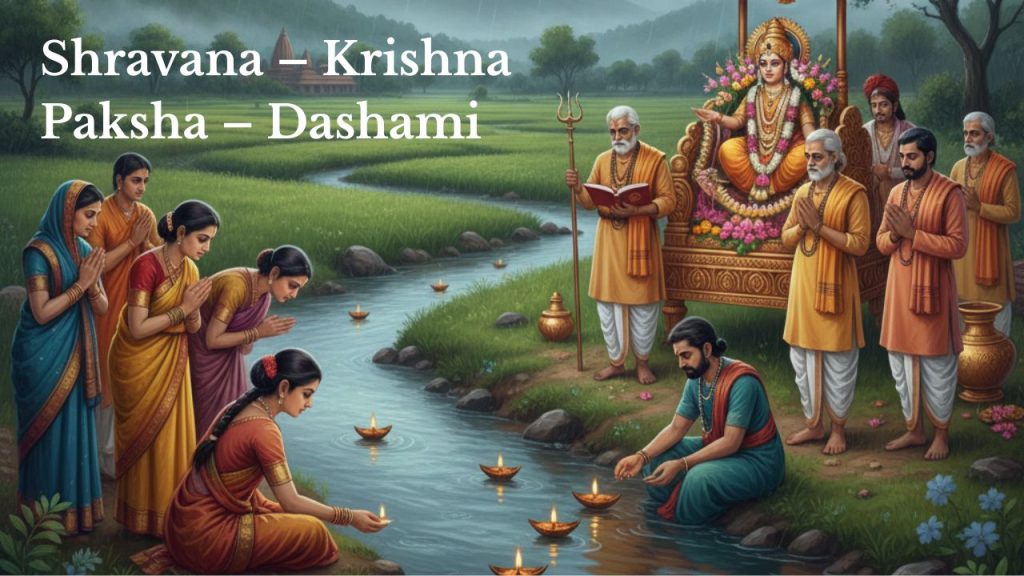
Understanding about Chaturdashi in Krishna Paksha
Chaturdashi, the fourteenth day of the lunar fortnight, holds significant spiritual and cultural importance in Hindu traditions. In the Hindu lunar calendar, each tithi or lunar day represents unique energies and opportunities for devotion, reflection, and spiritual alignment. Chaturdashi falls just before the new moon, marking a crucial point in the Krishna Paksha, or waning moon phase, when the moon gradually diminishes in size. This phase symbolizes letting go, introspection, and preparing for new beginnings.
In the month of Phalgun, which typically spans February to March, Krishna Paksha Chaturdashi assumes a heightened spiritual significance. The transition from winter to spring, combined with this particular lunar day, offers an ideal opportunity for spiritual practices, cleansing rituals, and devotion to the divine. The day serves as a bridge between personal reflection and outward devotion, making it ideal for fasting, prayer, and rituals aimed at spiritual purification.
Culturally, observing Chaturdashi fosters discipline and mindfulness. Communities gather for prayers, recitations, and rituals, strengthening social bonds while nurturing individual spiritual growth. Many festivals and observances in the Hindu calendar, such as Maha Shivaratri, coincide with this tithi, underscoring its importance across regions and traditions.
The focus of this blog will explore the rituals, astrological significance, mythological roots, and spiritual benefits of Chaturdashi in Krishna Paksha during Phalgun. It will provide guidance for devotees seeking to maximize the positive energies of this auspicious day while connecting readers with its deep-rooted cultural and spiritual relevance.
Definition of Chaturdashi in the Hindu Lunar Calendar
Chaturdashi, derived from the Sanskrit words chatur (four) and dashi (ten), signifies the fourteenth day in the lunar cycle. Each month in the Hindu calendar is divided into two pakshas, Shukla Paksha (waxing moon) and Krishna Paksha (waning moon). Chaturdashi is present in both, but its observance in Krishna Paksha emphasizes introspection, detachment, and spiritual preparation.
On this day, the diminishing moon symbolizes the gradual letting go of negative energies, habits, and thoughts, allowing individuals to focus on spiritual growth. Traditionally, Chaturdashi is associated with increased spiritual potential, making it an optimal day for meditation, fasting, and religious observances. Devotees believe that performing specific rituals on this day brings mental clarity, emotional balance, and divine blessings, creating an opportunity for personal transformation.
The significance of Chaturdashi in the Hindu lunar calendar is intertwined with its positioning in the lunar cycle. Being one day short of the new moon, it represents both closure and the promise of renewal, encouraging reflection on past actions and planning for future endeavors in alignment with spiritual principles.
Explanation of Krishna Paksha (Waning Moon Phase)
Krishna Paksha, or the waning moon phase, spans from the full moon (Purnima) to the new moon (Amavasya). During this time, the moon gradually decreases in brightness, symbolizing a natural cycle of letting go, cleansing, and inward reflection. Spiritual texts emphasize that Krishna Paksha is ideal for performing introspective practices, penance, and meditation to eliminate negative energies and karmic debts.
In this phase, devotees are encouraged to focus on self-discipline, charitable actions, and devotional practices. The waning moon is believed to reduce worldly distractions and enhance spiritual receptivity, providing an opportunity to deepen one’s connection with the divine. Chaturdashi, falling in the penultimate stage of Krishna Paksha, is considered particularly powerful for rituals aimed at absolution, prayer, and devotion.
Observing Krishna Paksha Chaturdashi aligns one with the natural rhythm of the moon, which governs emotional and energetic cycles. Devotees often synchronize their fasting, prayers, and meditative practices with this lunar phase to maximize spiritual benefits, ensure inner harmony, and create a sense of balance between mind, body, and soul.
Timing of Chaturdashi in the Month of Phalgun (Feb–Mar)
Phalgun, the twelfth month in the Hindu calendar, typically falls between February and March in the Gregorian calendar. The Chaturdashi tithi of Krishna Paksha occurs during this transitional period, when winter gives way to spring. This seasonal change holds symbolic significance, representing renewal, growth, and spiritual awakening.
Timing is crucial for observing Chaturdashi rituals. Devotees often consult the Panchang (Hindu almanac) to determine the precise start and end of the tithi, as performing rituals during the correct lunar period enhances their spiritual efficacy. Fasting, prayer, and meditation are commonly aligned with sunrise or moonrise, depending on local traditions, ensuring that the spiritual benefits are fully realized.
The Phalgun month is also culturally significant, as it encompasses other major festivals, reinforcing the importance of this period for devotion and community gatherings. Observing Chaturdashi during Phalgun allows devotees to harmonize personal spiritual practices with larger communal celebrations, enriching both individual and collective experiences.
Cultural and Spiritual Relevance of the Day
Chaturdashi is deeply embedded in Hindu culture and spirituality. On this day, devotees observe fasting, perform pujas, and engage in acts of charity. The day is not merely a ritualistic observance but a reminder of the importance of self-discipline, devotion, and mindful living.
Spiritually, the tithi encourages introspection, repentance, and purification. Fasting is a common practice, believed to cleanse the mind and body while enhancing focus during prayer. Reciting sacred texts, chanting mantras, and meditating help connect with divine energies, bringing peace and clarity.
Culturally, temples and communities organize special gatherings, narrate mythological stories, and perform collective prayers. This collective participation reinforces social bonds and preserves traditions across generations. Chaturdashi thus serves as a bridge between personal devotion and societal engagement, creating a holistic spiritual experience.
Overview of the Blog’s Focus on Rituals, Astrology, and Benefits
This blog aims to provide a comprehensive understanding of Chaturdashi in Krishna Paksha during Phalgun. Readers will discover the mythological, astrological, and spiritual aspects of the day. Detailed insights into fasting practices, rituals, temple visits, and meditation techniques will help maximize the spiritual benefits.
Additionally, the blog explores the astrological impact of Chaturdashi on zodiac signs and life events. Understanding these influences enables devotees to plan activities that align with cosmic energies, promoting balance, prosperity, and spiritual growth. The ultimate goal is to provide practical guidance for integrating this sacred day into daily life, creating meaningful, transformative experiences for all devotees.
Mythological Significance of Chaturdashi
Chaturdashi is steeped in rich mythological narratives that illustrate its spiritual potency. Across various Puranas and scriptures, this tithi is associated with divine events and blessings from deities, particularly Lord Shiva. Legends emphasize devotion, righteousness, and the triumph of good over evil, making Chaturdashi a powerful day for observing spiritual disciplines and connecting with cosmic energies.
Legends Associated with Chaturdashi in Krishna Paksha
Several legends highlight the significance of Chaturdashi in Krishna Paksha. One prominent story describes the victory of Lord Shiva over demon forces, emphasizing the triumph of divine energy over negativity. This narrative underlines the spiritual principle of dharma and the importance of devotion in overcoming obstacles.
Other tales narrate the transformative effects of fasting and prayers on this day. Devotees who perform penance and recite sacred texts are believed to receive divine blessings, spiritual upliftment, and protection from misfortune. These stories provide context for contemporary practices and highlight why Chaturdashi continues to hold immense relevance in Hindu culture.
Connection to Lord Shiva and Other Deities
Lord Shiva holds a central place in Chaturdashi observances. Maha Shivaratri, one of the most significant festivals, falls on Chaturdashi, symbolizing Shiva’s cosmic dance and spiritual grace. Devotees offer prayers, water abhishekam, and bilva leaf offerings to honor Shiva’s energies.
Other deities, including Vishnu and Durga, are also revered during specific regional Chaturdashi observances. This multidimensional devotion emphasizes harmony between different forms of divine energy, offering devotees a holistic spiritual experience. Aligning practices with these deities enhances the efficacy of rituals and deepens the sense of sacred connection.
Stories from the Puranas Highlighting the Importance
The Puranas narrate instances where observing Chaturdashi brought spiritual and material rewards. One account highlights King Harishchandra’s devotion, where fasting and prayers on Chaturdashi ensured divine protection and moral clarity. Such stories inspire modern devotees to follow disciplined routines, reflecting on ethical and spiritual principles.
Symbolism of Devotion and Righteousness
Chaturdashi symbolizes the embodiment of devotion, self-restraint, and righteousness. Observing the tithi teaches one to control desires, embrace spiritual practices, and act with integrity. The day serves as a reminder that spiritual growth requires consistent effort, mindfulness, and a commitment to ethical living.
Lessons from Mythological Accounts
The mythological narratives associated with Chaturdashi encourage reflection on karma, devotion, and discipline. By studying these legends, devotees understand the importance of aligning personal actions with spiritual principles. The day emphasizes preparation for new beginnings, cleansing of past mistakes, and cultivation of positive energies that foster both individual and societal harmony.
Astrological Significance of Chaturdashi
Chaturdashi in Krishna Paksha is not only spiritually significant but also astrologically influential. The planetary positions during this tithi affect individual horoscopes, material prosperity, and spiritual potential. Understanding the astrological impact helps devotees align their actions with cosmic rhythms for optimal benefits.
Planetary Influence on Chaturdashi Tithi
The waning moon phase impacts emotional and mental energies. On Chaturdashi, the moon’s diminishing light encourages introspection and spiritual focus. Astrologically, the moon governs the mind and emotions; hence, Chaturdashi is ideal for meditation, prayer, and releasing negative patterns.
The positions of other planets during this tithi can influence health, relationships, and wealth. Consulting the Panchang or astrologers provides insights into the best times for rituals, fasting, and charitable activities, ensuring alignment with cosmic energies.
Impact on Zodiac Signs and Personal Horoscopes
Chaturdashi affects all zodiac signs differently. For example, individuals with a Moon in Aries may experience heightened emotional clarity, while those with a Moon in Capricorn may find opportunities for reflection and career planning. By understanding these influences, devotees can perform rituals that enhance luck, prosperity, and spiritual growth.
Influence on Spiritual and Material Prosperity
Astrological guidance emphasizes that Chaturdashi offers opportunities for both spiritual and material advancement. Fasting, prayers, and charity performed on this day attract positive energies, improve mental focus, and foster harmonious relationships. Aligning daily activities with planetary movements ensures the maximum benefit of this auspicious tithi.
Relation to Nakshatras (Lunar Mansions)
Nakshatras, or lunar mansions, further refine the impact of Chaturdashi. The specific Nakshatra present during the tithi influences the nature of rituals and prayers. Certain Nakshatras enhance meditation, others improve wealth or health. Observing these cosmic alignments enables devotees to channel energies effectively for desired outcomes.
Recommended Activities Based on Astrology
Astrological traditions recommend fasting, meditation, mantra chanting, and charitable deeds on Chaturdashi. Aligning these activities with planetary and Nakshatra positions amplifies their spiritual and material benefits, ensuring a balanced approach to devotion and life responsibilities.
Spiritual Benefits of Observing Chaturdashi
Observing Chaturdashi brings profound spiritual benefits, nurturing devotion, discipline, and inner harmony. Engaging in rituals, fasting, and meditation on this day strengthens the connection with the divine and supports personal transformation.
Enhancing Devotion and Inner Peace
Chaturdashi encourages focused devotion and introspection. The waning moon phase supports inner reflection, allowing the mind to settle and align with higher consciousness. Rituals, prayers, and meditation performed on this day enhance spiritual receptivity, fostering deep peace and emotional stability. Devotees often experience a heightened sense of gratitude and clarity when engaging in these practices. By dedicating time to connect with the divine, individuals cultivate inner tranquility, compassion, and mindfulness.
Cleansing of Sins and Karmic Debts
Fasting and penance on Chaturdashi are believed to absolve sins and reduce karmic burdens. Spiritual texts highlight that sincere observance, accompanied by prayers and meditation, purifies the mind and body. Devotees release negative energies, regrets, and harmful habits, creating space for spiritual growth and positive karma accumulation.
Strengthening Spiritual Discipline
Discipline is a key element of Chaturdashi observance. Maintaining a fast, performing rituals, and dedicating time to prayer requires consistent effort and mindfulness. This discipline extends beyond the tithi, fostering habits of spiritual practice, ethical conduct, and self-control in everyday life.
Connection to Meditation and Mantra Chanting
Chaturdashi provides an optimal environment for meditation and chanting mantras. The diminished moonlight and calm energies support focus and concentration. Devotees reciting sacred texts or chanting Shiva mantras often experience heightened awareness, deep inner peace, and alignment with cosmic energies.
Opportunities for Self-Reflection and Growth
Chaturdashi encourages evaluation of personal actions, thoughts, and intentions. Reflection on past deeds, acknowledgment of mistakes, and setting spiritual goals support growth and transformation. The tithi promotes a balanced approach to life, blending discipline, devotion, and self-awareness.
Religious Practices and Rituals
Chaturdashi is marked by various religious practices that enhance spiritual connection, promote discipline, and create meaningful engagement with divine energies. Devotees integrate fasting, puja, temple visits, and scripture recitation into their observances.
Fasting and Its Significance
Fasting on Chaturdashi is a central aspect of its observance. Abstaining from food or certain items purifies the body, sharpens the mind, and strengthens willpower. Fasting is not merely a physical restraint; it symbolizes letting go of attachments, controlling desires, and preparing for spiritual growth. Devotees often consume light meals or only fruits and milk. The discipline of fasting cultivates patience, focus, and mindfulness, enhancing the efficacy of prayers and rituals performed during the day.
Performing Puja and Offering Prayers
Puja rituals on Chaturdashi involve invoking deities, offering flowers, incense, and sacred items. Devotees chant mantras, recite hymns, and perform abhishekam to seek divine blessings. The ritualistic worship nurtures devotion, encourages gratitude, and strengthens spiritual alignment. The meticulous practice of puja also instills a sense of discipline and reverence, connecting the devotee to age-old traditions while cultivating inner calm and clarity.
Visiting Temples or Sacred Places
Many devotees visit temples or sacred sites on Chaturdashi. The collective spiritual energy enhances individual practices, and witnessing communal devotion reinforces faith and cultural identity. Temples often organize special prayers, bhajans, and night vigils, creating a powerful spiritual environment. Visiting sacred places allows devotees to immerse themselves in ritual, experience divine ambiance, and draw inspiration from centuries-old practices and community participation.
Reciting Sacred Texts and Mantras
Chaturdashi is an ideal day for reciting sacred texts such as the Shiva Purana, the Vishnu Purana, or other regional scriptures. Chanting mantras amplifies spiritual vibrations and strengthens mental focus. Devotees experience a sense of peace, emotional stability, and enhanced spiritual awareness through consistent recitation and mantra chanting.
Observing Night Vigils (Jagran)
Night vigils, or jagrans, are common on Chaturdashi, especially during Maha Shivaratri. Devotees remain awake through the night, singing devotional songs, chanting mantras, and meditating. This practice symbolizes vigilance in spiritual pursuits, commitment to devotion, and alignment with cosmic energies during the peak hours of spiritual power.
Chaturdashi in Phalgun and Seasonal Significance
Chaturdashi in the month of Phalgun holds a unique place in the Hindu calendar due to its alignment with seasonal transitions. Phalgun, bridging the end of winter and the arrival of spring, is symbolic of renewal, growth, and spiritual awakening. Observing Chaturdashi during this period allows devotees to harmonize personal spiritual practices with the natural cycles of the environment, enhancing both inner and outer well-being.
Importance in the Waning Phase of the Moon
The Krishna Paksha, or waning phase of the moon, represents introspection, cleansing, and letting go. Chaturdashi, falling just before the new moon, is considered particularly potent for spiritual purification. Devotees engage in fasting, meditation, and ritual observances during this phase to release negativity, regrets, and unproductive habits.
The diminishing moonlight serves as a natural metaphor for releasing the past and preparing for renewal, making Chaturdashi an ideal time to focus on spiritual growth. Observances during this tithi are believed to amplify the benefits of prayer, mantra chanting, and acts of charity.
Connection to the Transition from Winter to Spring
Phalgun marks the seasonal shift from winter to spring, a period celebrated for new beginnings and rejuvenation. The physical environment reflects this change, with emerging greenery and longer daylight hours symbolizing growth and vitality. Spiritual practices on Chaturdashi during this period align with this natural rhythm, enhancing energy, optimism, and clarity. Devotees often combine seasonal rituals, such as planting trees or offering spring flowers in temples, with traditional Chaturdashi observances to honor both the lunar and environmental cycles.
Agricultural and Environmental Beliefs
Traditionally, Phalgun Chaturdashi also holds agricultural significance. Farmers consider this period auspicious for preparing fields and sowing seeds, believing that observing tithis and rituals can influence prosperity and crop yield. The day’s connection with cosmic energies is thought to harmonize human activity with nature, fostering balance and abundance.
Alignment with Other Hindu Festivals in Phalgun
Chaturdashi frequently coincides with major festivals, such as Maha Shivaratri, which enhances its spiritual relevance. Aligning personal rituals with broader community observances deepens the sense of cultural connection, collective devotion, and shared spiritual experience.
Traditional Customs Associated with the Season
Devotees celebrate the day with seasonal customs such as decorating homes with flowers, preparing light meals for fasting, and engaging in collective prayers. These practices reinforce the connection between cosmic cycles, environmental changes, and spiritual observance, making Chaturdashi a holistic celebration of devotion and renewal.
Famous Chaturdashi Observances
Certain Chaturdashi days are celebrated more prominently due to their mythological, spiritual, or regional significance. These observances bring together communities and devotees in shared devotion, amplifying spiritual energy and creating a sense of cultural continuity.
Maha Shivaratri in Krishna Paksha Chaturdashi
Maha Shivaratri, observed on Krishna Paksha Chaturdashi, is one of the most important festivals dedicated to Lord Shiva. Devotees fast, perform puja, chant mantras, and stay awake throughout the night, celebrating Shiva’s cosmic dance and divine energy. This observance emphasizes the power of devotion, discipline, and spiritual transformation.
Other Regional and Local Observances
Different regions in India have unique customs associated with Chaturdashi. For example, in some areas, devotees honor specific local deities, perform community pujas, or organize processions. These regional practices highlight the diversity of cultural expression while maintaining the underlying spiritual significance of the day.
Community and Temple Events
Temples play a central role during Chaturdashi, hosting special prayers, kirtans, and night vigils. Participation in these communal events fosters a sense of belonging, shared devotion, and collective spiritual upliftment, allowing individuals to feel connected to a larger tradition.
Significance of Collective Prayers and Gatherings
Engaging in collective prayers magnifies spiritual energies and strengthens communal bonds. Devotees feel encouraged, supported, and inspired by participating in group rituals, which reinforces both personal discipline and collective devotion.
Influence on Local Culture and Folklore
The stories, songs, and rituals associated with Chaturdashi have shaped regional folklore and traditions. Festivals, myths, and legends shared during these observances pass cultural knowledge across generations, preserving heritage and reinforcing spiritual values.
Dos and Don’ts on Chaturdashi
Observing Chaturdashi requires awareness of recommended practices and behaviors. Proper alignment with spiritual and cultural guidelines ensures that devotees gain maximum benefit from the tithi.
Recommended Fasting and Dietary Practices
Fasting is a cornerstone of Chaturdashi observance. Devotees may abstain from grains, eat only fruits and milk, or follow light vegetarian meals. These practices enhance spiritual focus, self-discipline, and mindfulness, preparing both mind and body for rituals and meditation.
Avoiding Negative Actions and Behaviors
Chaturdashi encourages moral and ethical mindfulness. Avoiding anger, gossip, and adverse actions ensures that spiritual energy remains positive and untainted. Devotees are advised to focus on inner reflection, meditation, and constructive activities to honor the sacred nature of the day.
Spiritual and Mental Conduct Guidelines
Maintaining calmness, patience, and concentration is essential during Chaturdashi. Practices such as silent reflection, reading spiritual texts, and mindful breathing support mental clarity and reinforce devotion. These habits cultivate spiritual discipline and emotional balance.
Charity and Helping the Needy
Acts of charity, including donating food, clothes, or money, are highly recommended on Chaturdashi. Such deeds purify karma, foster compassion, and reinforce the connection between personal spirituality and social responsibility.
Daily Routine Adjustments for Spiritual Alignment
Adjusting daily routines, waking early, meditating, chanting mantras, and minimising distractions enhance spiritual alignment. Simple lifestyle modifications ensure that the tithi’s energies are utilized effectively, promoting balance and inner growth.
Benefits of Chaturdashi Fasting
Fasting on Chaturdashi is not merely a ritual; it offers profound physical, mental, and spiritual benefits. Observing the fast aligns one with cosmic rhythms, enhances self-discipline, and promotes holistic well-being.
Physical and Mental Health Benefits
Fasting supports digestive rest, detoxification, and improved metabolism. Mentally, it encourages focus, mindfulness, and emotional regulation. Devotees often experience increased energy, mental clarity, and reduced stress while observing a disciplined fast.
Spiritual Cleansing and Enhanced Focus
Chaturdashi fasting facilitates spiritual purification. Abstaining from food and distractions heightens receptivity to divine energies, enhances meditation, and strengthens connection with higher consciousness. This disciplined approach fosters clarity, humility, and devotion.
Improved Self-Discipline and Willpower
Regular fasting builds self-control, patience, and determination. Chaturdashi provides an opportunity to cultivate these qualities, reinforcing spiritual practice and personal growth. Strengthened willpower supports broader life goals and ethical living.
Connection to Longevity and Prosperity
Spiritual texts suggest that fasting on Chaturdashi promotes longevity and overall prosperity. The act symbolizes purification, devotion, and alignment with natural and cosmic rhythms, contributing to balanced life energy and abundance.
Mythological Stories Supporting Fasting Practices
Puranic legends highlight individuals who observed Chaturdashi fasts and received divine blessings. These stories emphasize the transformative power of disciplined devotion, inspiring modern devotees to embrace fasting as a pathway to spiritual growth and karmic balance.
Parting Thoughts
Chaturdashi in Krishna Paksha during Phalgun is a day rich with spiritual, astrological, and cultural significance. Observing this tithi allows devotees to align with cosmic rhythms, cultivate discipline, and deepen their connection with the divine.
Recap of the Significance of Chaturdashi
From its mythological roots to its modern observances, Chaturdashi symbolizes devotion, introspection, and spiritual preparation. The tithi serves as an opportunity to reflect, purify, and engage in disciplined spiritual practices that enhance personal and societal harmony.
Importance of Aligning with Lunar Phases for Spiritual Growth
The waning moon phase of Krishna Paksha provides a natural framework for introspection, letting go, and spiritual renewal. Aligning rituals, fasting, and meditation with this lunar rhythm maximizes the benefits, ensuring holistic growth and inner balance.
Encouragement for Incorporating Rituals and Devotion
Performing pujas, chanting mantras, observing fasts, and engaging in night vigils allow devotees to experience the tithi’s spiritual energy fully. Incorporating these practices fosters more profound devotion, mindfulness, and alignment with divine principles.
Reflection on Personal and Societal Benefits
Chaturdashi strengthens self-discipline, moral integrity, and social responsibility. Collective observances reinforce community bonds, cultural continuity, and shared spiritual growth. The day emphasizes the interconnectedness of personal spirituality and societal well-being.
Closing Thoughts on Faith, Discipline, and Harmony
Chaturdashi is more than a day on the lunar calendar; it is an invitation to cultivate faith, discipline, and inner harmony. By observing this tithi with devotion, mindfulness, and ethical conduct, individuals can achieve spiritual clarity, emotional balance, and a deeper connection with the divine, preparing for new beginnings and lasting fulfillment.