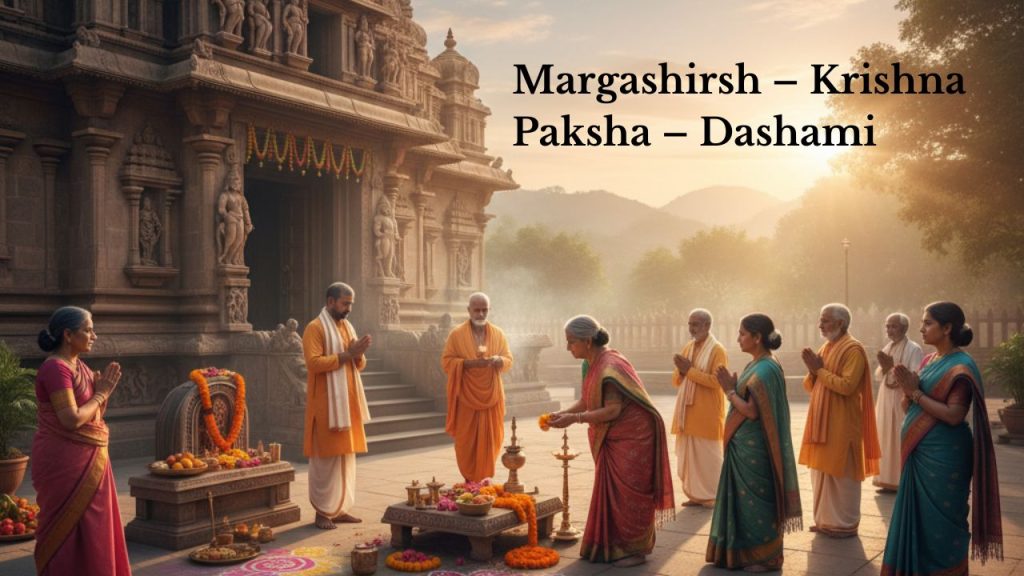
Importance of Navami in Shukla Paksha in Pausha
Navami, the ninth day of the lunar fortnight, holds a significant place in the Hindu lunar calendar. Every month, Navami occurs twice – once during Shukla Paksha (the waxing phase of the moon) and once during Krishna Paksha (the waning phase of the moon). The focus here is on Shukla Paksha Navami in Pausha, which typically falls between December and January. This period of the year is characterized by the gradually increasing moon, symbolizing growth, positivity, and spiritual elevation. Navami in Shukla Paksha is considered especially auspicious for worship, rituals, and introspection.
The term “Navami” comes from the Sanskrit word “nava,” which means nine. In a lunar month, this ninth day is believed to amplify spiritual energy, making it an ideal day for prayer, meditation, and charitable acts. Shukla Paksha, or the waxing moon phase, is symbolic of light triumphing over darkness. Observing Navami during this phase aligns one with the natural cycles of growth, renewal, and positivity.
The placement of Navami in Pausha, a winter month in the Hindu calendar, adds a layer of seasonal significance. During this time, communities prepare for harvest rituals, and the cold winter nights are considered ideal for quiet reflection, devotion, and spiritual practices. Navami connects deeply with Hindu timekeeping traditions, marking important days for festivals, rituals, and offerings. Its spiritual and cultural relevance is not limited to religious observances but also serves as a reminder to align daily life with the cycles of nature and the cosmos.
Navami in Shukla Paksha in Pausha encourages a harmonious balance between spiritual discipline and worldly responsibilities. The day is not only about devotion but also about fostering community bonds, sharing blessings, and seeking inner clarity. Observing Navami mindfully helps maintain a rhythm between celestial events and human activities, making it a cornerstone of Hindu cultural and spiritual life.
Meaning of “Navami” in the Hindu lunar calendar
Navami, as the ninth day, carries profound symbolic meaning. In Hindu cosmology, the number nine represents completeness and divine energy. Each lunar day, or tithi, has specific qualities, and Navami is associated with patience, discipline, and the removal of obstacles. It is often associated with powerful deities such as Lord Rama, Krishna, and Goddess Durga, depending on regional practices and the specific month in question. The ninth day is ideal for focused spiritual activity, including meditation, rituals, and reading sacred texts.
Explanation of Shukla Paksha (waxing moon phase)
Shukla Paksha refers to the lunar fortnight when the moon gradually waxes from Amavasya (new moon) to Purnima (full moon). This phase is considered favorable for auspicious beginnings, spiritual practices, and personal growth. Every day in Shukla Paksha carries unique energies that can influence human life positively. Navami, in this context, emphasizes building spiritual momentum and enhancing personal discipline, encouraging believers to align their actions with the natural rhythm of the cosmos.
Placement of Navami in the month of Pausha (December–January)
Pausha, falling during winter, is a time of introspection and preparation. The environment during this period – chilly mornings, serene evenings, and longer nights – provides a perfect setting for devotion and meditation. Navami in Pausha marks a spiritually enriching day when rituals, fasting, and prayers are believed to yield greater benefits. Seasonal influences further enhance the significance of this tithi, making it a day for both internal reflection and external offerings to the community and family.
Overview of its spiritual and cultural significance
Spiritually, Navami encourages discipline, meditation, and worship. Culturally, it serves as a focal point for community gatherings, charity, and rituals that preserve tradition. Observances on this day strengthen familial and societal bonds, passing cultural narratives and values to younger generations. The day symbolizes alignment with universal cycles, striking a balance between earthly duties and spiritual aspirations.
Connection to Hindu timekeeping and lunar cycles
Hindu timekeeping emphasizes the relationship between celestial movements and human activities. Navami, observed in Shukla Paksha, exemplifies this connection, guiding rituals, festivals, and agricultural practices. It helps maintain harmony between natural cycles and spiritual life, ensuring that devotion and action are synchronized with cosmic rhythms.
Historical and Mythological Significance
Navami in Shukla Paksha is steeped in history and mythology, with stories that provide both inspiration and moral guidance. In Hindu scriptures, Navami is frequently mentioned as a day that honors divine intervention, moral victory, and spiritual enlightenment. For example, Lord Rama’s victory over Ravana, celebrated as Rama Navami in Chaitra, demonstrates the triumph of dharma on the ninth day. Similarly, other texts describe Navami as the day when powerful deities manifest or bestow blessings upon their devotees.
Historical events also highlight Navami’s significance. In Pausha, this tithi is associated with essential rituals that honor the ancestors, nature, and the deities governing prosperity. Across regions, traditions evolved to include fairs, community prayers, and special offerings that honor divine energies on this day. These events preserve cultural memory, linking the present to a rich tapestry of spiritual practice.
Navami symbolizes the ninth step in the lunar fortnight, which numerically represents completeness and divine energy. This symbolism is reflected in rituals, fasting practices, and storytelling, reinforcing the spiritual lessons embedded in daily life. The ninth day, strategically positioned just before the full moon, emphasizes preparation, reflection, and readiness for fulfillment.
Cultural narratives have been passed down through generations, making Navami a day of both historical awareness and moral teaching. From temple legends to family rituals, the stories associated with Navami in Shukla Paksha encourage devotion, ethical conduct, and social cohesion. Whether through song, storytelling, or ritual, these narratives keep the spirit of Navami alive, making it relevant in contemporary times.
Stories from Hindu scriptures associated with Navami
Scriptures often highlight Navami as a day of divine intervention and spiritual lessons. From epics like the Ramayana and Mahabharata to Puranic tales, the ninth day is frequently portrayed as a turning point where virtue is rewarded and faith is tested. Observing Navami allows individuals to connect with these stories, drawing moral guidance and inspiration for personal growth.
Connection with Lord Rama, Krishna, or other deities
Navami is associated with revered deities, depending on the tradition. Lord Rama’s birth (Rama Navami) and Lord Krishna’s important leelas are celebrated on this day. Devotees often engage in special prayers, kirtans, and readings of scriptures to honor these divine figures, seeking blessings for courage, wisdom, and devotion.
Historical events celebrated on Navami in Pausha.
Several regional events, especially in agrarian and temple-centered communities, are scheduled on Navami in Pausha. These may include seasonal rituals for harvest, temple ceremonies, and charity drives. By observing these historical events, communities maintain a link with their cultural and spiritual heritage.
Symbolism of the ninth day in the lunar fortnight
The ninth day symbolizes the culmination of effort, patience, and spiritual readiness. It represents completeness in human effort and divine alignment, guiding devotees to focus on discipline, worship, and moral integrity.
Cultural narratives are passed down through generations.
Stories, songs, and legends related to Navami reinforce moral values and cultural continuity. These narratives, often shared orally or through ritualistic storytelling, connect people to their heritage, inspire devotion, and promote social harmony.
Understanding Shukla Paksha
Shukla Paksha, the waxing phase of the moon, spans from Amavasya (new moon) to Purnima (full moon). During this fortnight, the moon gradually increases in size, symbolizing growth, positivity, and spiritual light. Each day of Shukla Paksha carries specific energies, with Navami representing discipline, spiritual focus, and readiness for fulfillment. Understanding this lunar phase is crucial to comprehending the significance of Navami.
Shukla Paksha is considered highly auspicious for initiating new ventures, performing religious rituals, and pursuing spiritual growth. The waxing moon symbolizes expansion, clarity, and upward movement, creating a favorable environment for devotion, meditation, and charitable acts. By observing Navami within this lunar phase, one aligns personal and spiritual activities with the broader cosmic rhythms.
The influence of lunar phases on festivals, rituals, and human behavior is central to Hindu cosmology. Each tithi in Shukla Paksha carries unique energies that guide ritual observances, personal development, and community events. Navami, positioned strategically in this sequence, encourages focused worship, fasting, and reflection on moral and spiritual responsibilities.
Spiritual growth is closely connected with Shukla Paksha. The waxing moon reflects the gradual accumulation of spiritual merit and energy, making each day an opportunity to enhance devotion and ethical conduct. Navami, as the ninth day, acts as a milestone in this journey, reminding devotees to cultivate patience, discipline, and readiness for the culmination of spiritual endeavors.
Definition and duration of Shukla Paksha
Shukla Paksha lasts approximately 15 days, from new moon to full moon. Each day is significant, offering unique opportunities for spiritual practices and worldly activities. Observing Navami during this period is particularly meaningful because it coincides with the moon’s energy strengthening, symbolizing growth and enlightenment.
Importance of waxing moon in Hindu rituals
The waxing moon represents positivity, clarity, and spiritual light. Rituals performed during Shukla Paksha, including Navami observances, are believed to yield amplified results, fostering prosperity, inner peace, and divine blessings.
Influence of lunar phases on festivals and observances
Hindu festivals and religious practices are closely tied to lunar phases. Shukla Paksha is considered ideal for celebrations, worship, and charitable acts. Navami fits into this rhythm, emphasizing preparation, spiritual focus, and social cohesion.
Relationship between Shukla Paksha and spiritual growth
The gradual increase of moonlight mirrors the accumulation of spiritual merit. Observing Navami encourages reflection, meditation, and disciplined worship, enhancing spiritual growth and alignment with cosmic rhythms.
How Navami fits within this lunar phase
Navami, as the ninth day, represents the nearing culmination of the waxing phase. It is a day for disciplined devotion, ethical reflection, and communal harmony, embodying the broader purpose of Shukla Paksha – to guide humans toward spiritual fulfillment.
Religious Practices Observed on Navami
Navami in Shukla Paksha is marked by a variety of religious practices that enhance spiritual growth, community bonding, and personal discipline. Devotees engage in daily puja, fasting, prayers, and charitable acts to align with the auspicious energies of the day. These practices are not only about devotion but also about creating harmony between personal life and cosmic rhythms.
Daily puja and rituals form the backbone of Navami observances. Homes and temples are cleaned and decorated, idols of deities are adorned, and sacred offerings are prepared. Rituals often include chanting mantras, reciting prayers, and performing aarti, which helps devotees focus their minds, invoke divine blessings, and purify their surroundings.
Fasting, or Upavas, is another key aspect of Navami. It is believed that fasting with devotion enhances spiritual merit, fosters self-discipline, and strengthens connection with the divine. There are regional variations in fasting – some abstain from grains, while others observe complete fasts with only fruits and milk.
Special prayers and mantras are chanted on Navami to seek guidance, protection, and prosperity. Offerings and acts of charity are encouraged, reflecting the principle of dharma and reinforcing social responsibility. From distributing food to aiding people in need, these acts of kindness extend the spiritual significance of Navami into everyday life.
Regional variations in observances make Navami a culturally rich celebration. For instance, certain states emphasize specific deity worship, while others focus on agricultural or seasonal rituals. Regardless of the regional differences, the underlying essence remains devotion, discipline, and alignment with cosmic cycles.
Daily puja and rituals specific to Navami
Daily puja includes lighting lamps, offering flowers and fruits, and reciting specific prayers to honor the deities. These rituals help establish focus, create a sacred environment, and invoke blessings for health, prosperity, and spiritual strength.
Fasting traditions (Upavas) and their significance
Fasting is a disciplined way to enhance spiritual merit. On Navami, fasting symbolizes self-control, devotion, and alignment with the cosmic rhythm. Observing Upavas encourages reflection, mindfulness, and detachment from worldly distractions.
Special prayers or mantras for spiritual merit
Chanting mantras and offering prayers on Navami are believed to remove obstacles, attract positive energies, and enhance spiritual growth. Mantras dedicated to Lord Rama, Krishna, or Goddess Durga are commonly recited, depending on tradition.
Offerings and charity on this day
Providing food, clothing, and resources to those in need is a vital aspect of Navami. These acts of charity reinforce dharma, promote social welfare, and create positive karmic influence.
Regional variations in Navami observances
Different regions celebrate Navami with unique rituals, festivals, and traditions. While the essence of devotion and discipline remains the same, local customs add cultural richness and diversity to the observances.
Navami in Pausha: Seasonal and Agricultural Importance
Navami in Pausha occurs during the heart of winter, a season associated with introspection, reflection, and preparation for the coming harvest. This tithi is particularly significant for rural and agrarian communities, where the lunar calendar aligns with agricultural cycles. Navami offers an opportunity to honor nature, seek blessings for prosperity, and perform rituals that ensure fruitful crops.
The timing of Navami in the winter months makes it ideal for specific spiritual and agricultural practices. Cold mornings and serene evenings provide a calm environment for meditation, rituals, and prayers. This seasonal setting reinforces the reflective and disciplined nature of Navami observances.
Rituals linked with agriculture are observed every day during Navami in Pausha. Farmers often pray for favorable weather, healthy crops, and protection from natural calamities. These rituals strengthen the bond between humans and nature, acknowledging dependence on natural cycles for sustenance and prosperity.
Seasonal foods and offerings play a key role in Navami celebrations. Traditional winter grains, fruits, and dairy products are often included in the offerings to deities and shared with the community. This practice reflects gratitude for nature’s bounty and encourages communal harmony.
Festivals coinciding with Navami in Pausha highlight its cultural and social importance. Community gatherings, fairs, and temple events foster unity, celebrate tradition, and reinforce moral and spiritual values. Rural and farming communities, in particular, benefit from these practices, as they combine spiritual devotion with a practical acknowledgment of seasonal cycles.
Timing of Navami in the winter months
The placement of Navami in Pausha, during the heart of winter, enhances its spiritual and seasonal significance. The long nights and serene environment are conducive to meditation, reflection, and ritual observance.
Rituals linked with agriculture and harvest
Farmers and rural communities perform prayers for protection, prosperity, and bountiful harvests. Navami serves as a reminder of the interdependence between humans and nature.
Seasonal foods and offerings
Winter grains, dairy products, and seasonal fruits are included in puja offerings. These offerings not only honor deities but also reflect gratitude for nature’s abundance and promote community sharing.
Festivals coinciding with Navami in Pausha
Regional fairs, temple events, and cultural programs are often scheduled around Navami. These gatherings strengthen social bonds, celebrate tradition, and provide opportunities for communal worship and learning.
Importance in rural and farming communities
For agrarian societies, Navami is both a spiritual and practical observance. It reinforces ethical conduct, acknowledges natural cycles, and ensures alignment between spiritual devotion and daily life activities.
Spiritual Significance of Navami
Navami in Shukla Paksha is a profoundly spiritual day that encourages devotion, self-reflection, and alignment with divine energy. The ninth day of the lunar fortnight symbolizes spiritual preparedness and the accumulation of positive energy. Observing Navami with sincerity is believed to purify the mind, strengthen inner discipline, and foster a deeper connection with the cosmos.
This day provides a unique opportunity for devotees to reflect on their spiritual journey. Through rituals, meditation, and prayer, one cultivates virtues such as patience, compassion, and mindfulness. The spiritual benefits of observing Navami extend beyond the individual, contributing to family harmony, community well-being, and overall societal balance.
Devotion practiced on Navami often involves worship of deities who embody virtues like wisdom, courage, and protection. This includes Lord Rama, Lord Krishna, and Goddess Durga, depending on regional and traditional practices. These worship practices are designed to inspire moral conduct, encourage righteous action, and nurture an understanding of dharma.
The spiritual essence of Navami is further enriched by fasting, charitable acts, and recitation of mantras. Fasting is considered a tool for discipline and purification, while acts of charity amplify spiritual merit and connect devotees to the larger community. Through these combined practices, the day encourages a holistic approach to spirituality that integrates action, devotion, and reflection.
Attaining peace, prosperity, and spiritual upliftment
Navami is considered a day to cultivate inner peace and align oneself with cosmic energy. Devotees perform prayers and meditation to attain mental clarity, emotional balance, and spiritual upliftment. The belief is that sincere observance attracts prosperity, removes obstacles, and strengthens moral character.
Connection to specific deities worshipped on Navami.
Different regions emphasize different deities. For example, Rama Navami celebrates the virtues of Lord Rama, while other communities may worship the Goddess Durga for protection and strength. Devotional practices include puja, chanting, and offering symbolic items such as flowers, fruits, and sweets.
Beliefs in karma and spiritual purification
Navami emphasizes the purification of thoughts, actions, and intentions. Devotees believe that righteous acts performed on this day create positive karma, remove past misdeeds, and enhance both spiritual and worldly outcomes.
Meditation and devotional practices
Meditation and focused prayer on Navami help calm the mind, increase awareness, and deepen spiritual connection. These practices serve as tools for self-improvement and enlightenment.
Significance in family and community prayers
Navami is not only an individual spiritual observance but also a communal one. Families and communities gather to worship together, share meals, and perform acts of charity, reinforcing social bonds and collective devotion.
Cultural Celebrations and Festivities
Navami in Shukla Paksha is celebrated with a blend of devotion, art, and cultural vibrancy. Across India, regional traditions highlight the cultural richness associated with this day. Festivals, fairs, and temple events often coincide with Navami, making it a day of spiritual and social significance.
The cultural celebrations surrounding Navami include music, dance, and storytelling. Folk songs narrate tales of deities and heroes, passing on traditional wisdom to younger generations. Dance forms performed during these festivities often depict episodes from epics like Ramayana or Mahabharata, reinforcing the day’s spiritual essence.
Art and decorations are integral to Navami celebrations. Homes and temples are adorned with flowers, rangoli patterns, and lamps, creating an atmosphere of reverence and joy. These visual expressions enhance devotion and make the observances accessible to people of all ages.
Community gatherings and fairs are also common during Navami. These events foster a sense of unity, provide opportunities for charitable acts, and allow devotees to share experiences and blessings. Food distribution, cultural performances, and religious discourse are often part of these gatherings.
Regional variations enrich the cultural experience of Navami. While some states focus on deity worship, others emphasize agricultural or seasonal rituals, reflecting the adaptability of tradition while preserving its essence. These cultural expressions ensure that Navami remains a vibrant and engaging festival, relevant to contemporary life.
Regional fairs and events on Navami
Community fairs provide a platform for social interaction, cultural exchange, and devotional expression. Markets, performances, and rituals coincide with Navami, making it a day of holistic celebration.
Traditional music, dance, and storytelling
Music and dance narrate spiritual and moral lessons, preserving folklore while enhancing devotion. Traditional storytelling also allows families to connect with their cultural roots.
Art, decorations, and symbolic rituals
Homes and temples are decorated with lamps, flowers, and rangoli designs. These symbolize purity, prosperity, and divine presence, enriching the devotional environment.
Social gatherings and communal worship
Community prayer sessions and temple rituals create a sense of belonging, fostering shared devotion and spiritual solidarity.
Role of folklore and legends in cultural memory
Stories of deities, saints, and historical events associated with Navami are passed down, preserving cultural memory and inspiring moral conduct.
Navami Fasting and Dietary Practices
Fasting on Navami is a widespread practice that combines spiritual discipline with personal reflection. Devotees undertake fasting to cleanse the body, sharpen the mind, and enhance spiritual merit. The practice symbolizes self-control and devotion, fostering a sense of accomplishment and alignment with divine energy.
There are multiple types of fasts observed on Navami. Some devotees observe a partial fast, consuming fruits, milk, and light meals, while others undertake a complete fast, abstaining from all food and water until the following day. The intensity of fasting often depends on regional customs, personal health, and spiritual goals.
Special dietary considerations accompany the fast. Devotees avoid grains, salt, and certain vegetables, focusing instead on natural, sattvic foods that purify the body and mind. These dietary practices are believed to enhance concentration, promote physical well-being, and align the body with the spiritual energies of the day.
Breaking the fast is a ritual in itself. Devotees consume the first meal in a prescribed manner, often offering food to the deity before partaking. This act symbolizes gratitude, humility, and acknowledgement of divine blessings. Fasting on Navami is not only a personal spiritual practice but also a communal one. Families and communities observe the day together, fostering a sense of collective discipline and devotion. This strengthens social bonds while reinforcing the significance of self-restraint and spiritual focus.
Types of fasts observed on Navami
Partial fasts may include fruits, milk, and nuts, while full fasts involve complete abstinence. Both are designed to purify the mind and body, enhancing spiritual receptivity.
Foods to avoid and foods recommended
Grains, salt, and certain vegetables are avoided. Recommended foods include fruits, milk, nuts, and seasonal items that support sattvic energy and concentration.
Benefits of fasting in physical and spiritual health
Fasting promotes mental clarity, self-discipline, and emotional balance. Spiritually, it is believed to remove negative energies and enhance the effect of prayers and rituals.
Rituals before and after breaking the fast
Before breaking the fast, offerings are made to deities or shared with people in need. This ensures that the act of fasting aligns with devotion, gratitude, and the well-being of the community.
Special offerings made during Navami
Fruits, milk, sweets, and seasonal foods are offered to the deities. These offerings symbolize devotion, purity, and the intent to harmonize material and spiritual life.
Navami in Modern Times
In contemporary society, Navami continues to hold relevance despite changing lifestyles and urban settings. Devotees integrate traditional practices into modern life, finding meaningful ways to honor the day. Temples, community organizations, and families adapt rituals to suit current schedules while maintaining spiritual significance.
Modern observances may include early morning pujas, online prayer sessions, and community events in urban centers. Technology allows virtual participation, enabling devotees to connect with distant temples and family members, ensuring continuity of tradition.
Contemporary practices often blend spiritual and social objectives. Acts of charity, community food distribution, and environmental awareness campaigns are increasingly associated with Navami, reflecting an evolved understanding of dharma and societal responsibility.
Navami also serves as a reminder to maintain balance between worldly responsibilities and spiritual growth. Devotees are encouraged to practice mindfulness, engage in meditation, and participate in community welfare, fostering holistic development in daily life.
Urban observances often emphasize education, cultural programs, and family-oriented rituals, ensuring that younger generations understand the historical, spiritual, and cultural significance of Navami. By preserving tradition in modern contexts, the essence of Navami continues to inspire devotion, ethical living, and communal harmony.
Contemporary observances in urban settings
Urban communities often organize temple events, cultural programs, and family pujas, adapting traditional practices to modern life schedules.
Integration of Navami rituals in daily life
Daily routines may include meditation, brief pujas, or charitable acts, ensuring spiritual observance amidst professional and personal commitments.
Community events and temple programs
Community-organized programs provide opportunities for learning, devotion, and social interaction, helping to preserve and keep cultural traditions alive.
Online and virtual participation in festivals
Digital platforms allow devotees to participate in prayers, listen to discourses, and engage with temple rituals remotely, ensuring wider access and continuity.
Maintaining tradition while adapting to modern life
Navami’s relevance is sustained by creatively merging traditional rituals with contemporary lifestyles, fostering devotion, ethical conduct, and social responsibility.
A Moment to Ponder: Key Takeaways
Navami in Shukla Paksha in Pausha is a day of profound spiritual, cultural, and social significance. Its observance encourages devotion, discipline, reflection, and harmony within the community. By aligning personal actions with the lunar cycles and seasonal rhythms, Navami promotes a balanced and purposeful life.
The spiritual significance of Navami extends to meditation, prayer, fasting, and charitable acts. These practices foster moral conduct, enhance inner peace, and strengthen social bonds. Culturally, Navami preserves stories, rituals, and traditions, passing wisdom and values from one generation to another.
Observing Navami in Pausha also highlights seasonal and agricultural connections. It reinforces the relationship between humans and nature, celebrating harvests, seasonal foods, and environmental awareness. These aspects ensure that the day remains relevant and meaningful, integrating spiritual devotion with practical life lessons.
In modern times, Navami continues to inspire devotion, community engagement, and mindfulness. Whether through traditional rituals, digital participation, or communal celebrations, the essence of Navami remains intact. Observing the day consciously provides both personal growth and societal benefit, making it a cornerstone of Hindu spiritual practice.
Recap of spiritual, cultural, and historical importance
Navami embodies devotion, discipline, cultural preservation, and moral guidance. It is a day to honor tradition, seek divine blessings, and cultivate ethical and spiritual living.
Encouragement to observe Navami with devotion
Mindful participation in rituals, prayers, and fasting allows devotees to maximize the spiritual and karmic benefits of the day.
Reflection on personal and community benefits
Navami strengthens inner focus, family bonds, and community cohesion, making it a day of holistic significance.
Lasting relevance of Navami in the Hindu tradition
Through centuries, Navami has remained a spiritual, cultural, and social anchor, illustrating the enduring wisdom of the Hindu lunar calendar.
Invitation to explore other days of Shukla Paksha
Understanding Navami encourages appreciation of other tithis in Shukla Paksha, highlighting the interconnectedness of lunar cycles, spiritual growth, and cultural practices.