Importance of Dwadashi in Krishna Paksha in Margashirsh
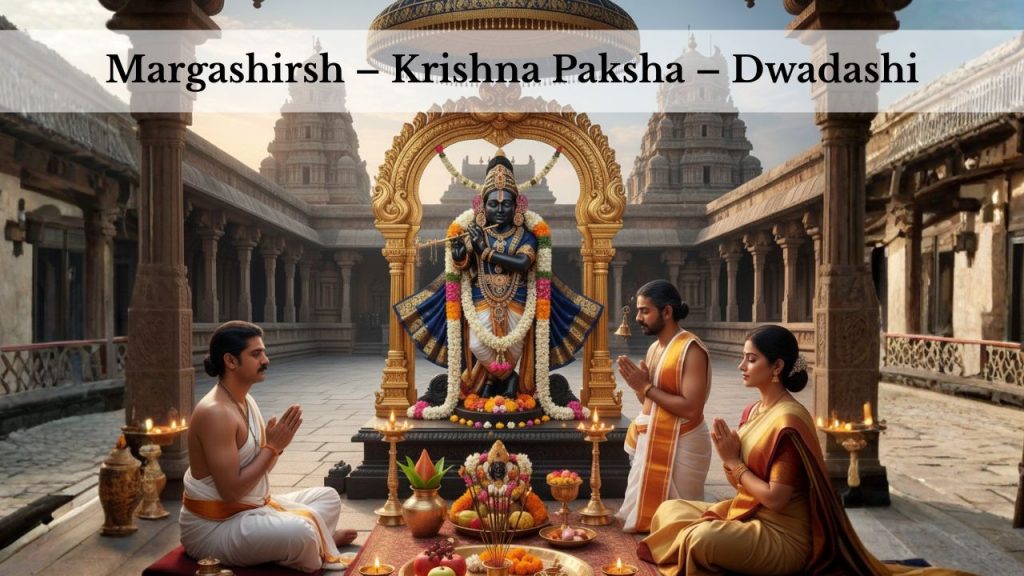
Dwadashi is the twelfth day of the lunar fortnight in the Hindu calendar and holds immense religious and spiritual significance. It marks the culmination of Ekadashi, the eleventh lunar day, making it a critical point in the lunar cycle for devotees. While both Shukla Paksha (waxing phase) and Krishna Paksha (waning phase) have their own Dwadashis, Krishna Paksha Dwadashi is particularly significant as it occurs after the deep spiritual practices and fasting of Krishna Paksha Ekadashi. In the month of Margashirsh, which typically falls between November and December, this day holds added significance because the month is associated with devotion, self-purification, and the worship of Lord Vishnu.
Understanding the lunar calendar is essential for grasping the importance of Dwadashi. Each tithi, or lunar day, influences spiritual practices, rituals, and personal reflection. Dwadashi, in particular, serves as a bridge between intense spiritual discipline and worldly life, reminding devotees to maintain a balance between devotion and day-to-day responsibilities. Its observance is not limited to rituals but extends to personal reflection, self-restraint, and ethical conduct.
Krishna Paksha Dwadashi in Margashirsh also has cultural significance. Communities gather for prayers and temple visits, reflecting the intertwined nature of spirituality and social life. The day serves as a reminder of moral values, the importance of dedication, and the continuous journey toward self-improvement. By observing Dwadashi, devotees not only honor tradition but also experience an opportunity for personal transformation, making it a cornerstone of spiritual practice in this lunar month.
Timing and Calculation of Krishna Paksha Dwadashi
Method of determining Dwadashi in the lunar calendar
Dwadashi is calculated based on the lunar phases, occurring on the twelfth day after the new moon (Amavasya) or full moon (Purnima). Specifically, Krishna Paksha Dwadashi follows the Ekadashi of the waning phase of the moon in Margashirsh. The calculation relies on precise astronomical observations of the moon’s position relative to the sun. Traditional Panchang calendars provide exact timings for Dwadashi, ensuring accurate observance of rituals and fasts.
In practice, the tithi begins and ends at specific times, which can vary from sunrise to sunrise or moonrise to moonrise, depending on regional and astrological calculations. Observing the correct tithi is crucial, as performing rituals outside these timings can diminish their spiritual efficacy. Therefore, consulting an accurate lunar calendar or a trusted Panchang is essential for maintaining the sanctity of Dwadashi observances.
Significance of sunrise and moon position
The alignment of the moon and sun determines the auspicious timing for rituals, prayers, and fasting. Sunrise is particularly important as it marks the beginning of daily worship, while the moon’s position influences the strength of spiritual energies. Devotees often begin their morning prayers during the early hours to harness these energies, invoking blessings for health, prosperity, and spiritual growth. The moon, being in its waning phase, symbolizes detachment, introspection, and preparation for the new lunar cycle.
Duration and auspicious time periods (Muhurat)
Observing Dwadashi within the Muhurat, or auspicious time frame, is essential for maximizing spiritual benefits. Muhurats typically include morning, midday, and evening windows, during which rituals, meditation, and fasting are considered most effective. Performing pooja or charity during these periods enhances karmic rewards and strengthens the connection with the divine. Devotees often schedule temple visits, scriptural readings, and community service around these auspicious timings.
Regional variations in observance across India
Different regions in India have distinct customs for observing Dwadashi. In South India, temples often organize special Vishnu poojas, while North Indian communities may emphasize fasting and recitation of sacred hymns. Even within the same region, local traditions influence the foods prepared, the style of prayer, and community participation. This diversity enriches the cultural fabric of Dwadashi observance, allowing devotees to engage in a way that resonates with their local heritage and spiritual inclinations.
Religious Significance of Dwadashi
Dwadashi is a day dedicated to Lord Vishnu and his incarnations.
Krishna Paksha Dwadashi is closely associated with Lord Vishnu, who embodies preservation, righteousness, and spiritual protection. On this day, devotees remember Vishnu’s role in maintaining cosmic balance and seek his blessings for inner peace and guidance. The day is particularly significant in Margashirsh, a month already considered auspicious for Vishnu worship. By dedicating prayers and rituals to Vishnu, devotees cultivate a sense of devotion, humility, and moral discipline in their lives.
Role in daily rituals, prayers, and meditation
Observing Dwadashi involves specific rituals such as abhishek (ritual bathing of deities), chanting Vishnu mantras, and performing puja at home or in temples. Meditation practices on this day focus on detachment, self-purification, and gratitude. Daily routines are infused with mindfulness, encouraging devotees to align actions with dharma, the universal law of righteousness. These practices not only deepen spiritual understanding but also foster emotional balance and mental clarity.
Stories and scriptures highlighting Krishna Paksha Dwadashi
Various Puranas and scriptures recount the importance of Dwadashi. Legends often describe the spiritual benefits of fasting, prayer, and charity on this day. Stories of devotees who attained divine blessings reinforce the significance of observing Dwadashi with sincerity. These narratives serve as both inspiration and guidance, illustrating how devotion, discipline, and ethical living lead to spiritual progress and fulfillment.
Connection with spiritual purification and devotion
Dwadashi acts as a spiritual reset, particularly after Ekadashi, which emphasizes fasting and self-restraint. Devotees use this day for reflection, purification, and strengthening their devotion. Acts of charity, recitation of holy texts, and meditation help cleanse negative karma, aligning individuals with higher spiritual energies. The cumulative effect fosters discipline, compassion, and a deeper awareness of life’s purpose.
Fasting Practices on Krishna Paksha Dwadashi
Overview of fasting rituals and their rules
Fasting on Krishna Paksha Dwadashi is an integral aspect of spiritual observance. The fast can range from complete abstinence from food to restricted consumption, depending on personal capacity and regional tradition. Observing the fast with devotion enhances spiritual focus and fosters self-discipline. Rules typically include avoiding grains, certain vegetables, and indulgent foods. Devotees also maintain a clean and serene environment during fasting to support meditation and prayer.
Types of fasts: Nirjala, partial, or Ekadashi continuation
Several fasting types are observed:
- Nirjala fasting, which involves abstaining from both food and water.
- Partial fasting, allowing fruits, milk, or light meals.
- For those who observed Ekadashi fasting, the continuation often involves breaking the fast on Dwadashi with specific rituals.
Each type of fast is designed to encourage discipline, spiritual reflection, and detachment from worldly desires. The choice of fasting type depends on individual devotion, health, and spiritual goals.
Benefits of observing the fast for health and spirituality
Fasting on Dwadashi not only strengthens spiritual discipline but also has physical and psychological benefits. Detoxifying the body, improving digestion, and enhancing mental clarity are natural outcomes. Spiritually, fasting cultivates patience, mindfulness, and self-control. It aligns individuals with cosmic rhythms and encourages a deeper connection with divine energies.
Recommended foods and offerings post-fast
After completing the fast, devotees typically consume light, sattvic meals such as fruits, milk, and rice preparations. Offerings to deities may include fruits, flowers, and tulsi leaves. These offerings symbolize gratitude and devotion, reinforcing the spiritual lessons learned during the fast. Sharing prasad (consecrated food) with family or community members amplifies the benefits and strengthens social bonds.
Dwadashi and Ekadashi Connection
Relationship between Ekadashi and Dwadashi in the lunar cycle
Dwadashi is intrinsically linked to Ekadashi, as it immediately follows the eleventh day of the lunar cycle. While Ekadashi focuses on rigorous fasting, introspection, and spiritual discipline, Dwadashi serves as a concluding phase, emphasizing gratitude and continuity in devotion. Observing Dwadashi properly ensures that the spiritual benefits of Ekadashi are maintained and magnified.
Significance of Dwadashi in breaking Ekadashi fasts
Breaking the Ekadashi fast on Dwadashi is a critical ritual. It must be performed at the correct time and in accordance with traditional practices to ensure spiritual efficacy. Rituals often involve offering food to deities, reciting mantras, and consuming light meals in a prescribed manner. This practice reinforces the connection between discipline and divine blessing.
Spiritual and ritualistic importance of proper observance
Proper observance of Dwadashi is believed to amplify the merit gained from Ekadashi fasting. Devotees who follow the rituals with sincerity experience enhanced spiritual awareness, emotional balance, and karmic purification. It highlights the importance of consistency, patience, and devotion in spiritual practice.
Cultural practices surrounding the transition from Ekadashi to Dwadashi
Across India, various cultural practices mark this transition. In some regions, devotees participate in temple processions, community prayers, or charity events. Foods prepared post-fast differ regionally, reflecting local traditions. These practices integrate spirituality into daily life, promoting communal harmony and reinforcing moral values within society.
Festivals and Special Observances
Major festivals falling near Krishna Paksha Dwadashi
Krishna Paksha Dwadashi in Margashirsh often coincides with or falls near significant Hindu festivals, adding layers of spiritual and cultural importance. Festivals like Mokshada Ekadashi or Putrada Ekadashi sometimes overlap with this period, making Dwadashi a continuation of devotional celebrations. These festivals emphasize the virtues of devotion, righteousness, and the fulfillment of dharma, encouraging devotees to maintain spiritual discipline beyond a single day.
Regional rituals and fairs associated with this day
In various parts of India, Dwadashi is observed through regional rituals and fairs that celebrate devotion to Lord Vishnu. In Maharashtra, devotees gather at temples for collective prayers, while in Gujarat, community events often include recitations of holy texts and devotional music. These gatherings strengthen community bonds, allowing spiritual practices to extend into social and cultural spheres.
Role of temples and community gatherings
Temples play a central role in Dwadashi observances, offering spaces for collective worship, chanting, and meditation. Community gatherings foster shared spiritual experiences, enabling devotees to exchange knowledge, participate in charitable activities, and reinforce moral and cultural values. The communal aspect of Dwadashi encourages inclusivity and collective devotion.
Special pujas and charity practices are performed on Dwadashi.
Performing special pujas and acts of charity on Dwadashi is believed to enhance spiritual merit. Devotees often donate food, clothing, or money to people in need and participate in temple rituals. This practice emphasizes the combination of devotion and social responsibility, reinforcing the principle that spiritual growth is intertwined with compassion and ethical living.
Mythological Stories Associated with Krishna Paksha Dwadashi
Legends from the Puranas and epics linking Dwadashi to Lord Vishnu
Mythological texts like the Vishnu Purana highlight the significance of Dwadashi. Stories often describe how devotees of Lord Vishnu attained divine blessings through fasting, prayer, and ethical conduct on this day. The narratives serve as inspirational guides, illustrating the rewards of devotion, honesty, and moral discipline.
Stories emphasizing morality, devotion, and dharma
One recurring theme in these legends is the emphasis on dharma, or righteous living. Tales of kings, sages, and ordinary devotees show that observing Dwadashi with sincerity brings not only spiritual rewards but also worldly prosperity. These stories encourage ethical behavior, compassion, and mindful living, making the day a moral as well as spiritual compass for devotees.
Tales highlighting blessings and spiritual benefits
Several stories illustrate that Dwadashi observance leads to the removal of sins, protection from adversity, and the fulfillment of wishes. For example, devotees who observed fasting and offered charity often received divine visions or guidance, reinforcing faith and commitment to spiritual practices. Such tales underscore the tangible and intangible benefits of disciplined devotion.
Anecdotes of historical observances by saints and devotees
Historical accounts of saints and devotees observing Krishna Paksha Dwadashi inspire contemporary practices. Saints like Adi Shankaracharya and other revered figures are said to have maintained strict discipline on Dwadashi, combining fasting, meditation, and charity. Their examples provide a template for modern devotees, blending spiritual rigor with compassionate action.
Spiritual Benefits of Observing Dwadashi
Purification of the mind and body through rituals and fasting
Observing Dwadashi purifies both mind and body. Fasting and prayer help cleanse physical toxins while encouraging mental clarity and emotional stability. Rituals performed during the day, such as puja and meditation, enhance inner focus, reduce stress, and cultivate mindfulness. This holistic purification fosters a stronger connection with spiritual energies.
Enhancement of devotion and concentration in meditation
Devotees experience heightened concentration and devotion through Dwadashi practices. Regular engagement in meditation, chanting, and reflective prayer enhances focus, deepens spiritual awareness, and strengthens the connection with divine consciousness. The disciplined nature of this day encourages a sustainable spiritual routine.
Fulfillment of desires and karmic benefits according to the scriptures
According to Hindu scriptures, observing Dwadashi faithfully can lead to the fulfillment of righteous desires and positive karmic outcomes. Acts of devotion, charity, and self-restraint generate merit that impacts both spiritual progress and practical life benefits. This dual reward system motivates devotees to maintain consistency in their observances.
Psychological and emotional advantages of spiritual discipline
Practicing rituals, fasting, and meditation on Dwadashi also contribute to emotional well-being. Discipline and reflection foster resilience, reduce anxiety, and create a sense of purpose. By aligning actions with higher spiritual ideals, devotees experience inner peace, emotional balance, and a stronger sense of life satisfaction.
Cultural and Social Importance
Role in strengthening family and community bonds
Dwadashi observances often involve family and community participation. Shared rituals, collective prayers, and communal meals create opportunities for bonding and reinforce cultural traditions. Families use the day to teach younger generations about spiritual values, ethical behavior, and the importance of devotion.
Local customs and traditional celebrations
Regional customs enrich the observance of Dwadashi. In some areas, memorable devotional songs, folk dances, or temple processions are organized. These customs preserve cultural heritage while providing a lively, participatory dimension to spiritual practice. The day becomes a celebration of both devotion and cultural identity.
Influence on agricultural and seasonal cycles
Historically, Dwadashi observances aligned with agricultural cycles, marking periods of sowing, harvesting, or seasonal change. Rituals and prayers were performed to seek divine blessings for prosperity, good yields, and protection from natural calamities. This connection reinforces the practical significance of spiritual observances in everyday life.
Integration into everyday life and moral teachings
Dwadashi emphasizes applying spiritual principles to daily living. Lessons of self-restraint, charity, compassion, and mindfulness derived from rituals inform ethical decision-making and interactions with society. This integration ensures that spiritual practice transcends rituals and becomes a guiding framework for life.
A Moment to Ponder and Its Modern Relevance
Krishna Paksha Dwadashi in Margashirsh remains a day of profound spiritual, cultural, and social significance. By combining fasting, prayers, meditation, and acts of charity, devotees align themselves with cosmic rhythms, moral values, and ethical living. The day serves as a bridge between intense spiritual discipline and practical life, reminding devotees that devotion must translate into action, reflection, and compassion.
In modern life, Dwadashi offers an opportunity to pause, reflect, and reconnect with spiritual priorities. Even amidst busy schedules, observing the day through meditation, mindfulness, or simple rituals brings inner calm and clarity. The lessons of discipline, gratitude, and ethical conduct remain timeless, encouraging a balance between worldly responsibilities and spiritual aspirations.
By honoring Krishna Paksha Dwadashi, devotees not only participate in centuries-old traditions but also strengthen their personal growth, societal bonds, and moral compass. Its observance is a reminder that spiritual practice is not isolated from life but a guiding force that enhances everyday experience, cultivates inner peace, and fosters harmony within communities.