Understanding about Tritiya in Krishna Paksha
Tritiya in Krishna Paksha is a day of profound spiritual and cultural significance in Hindu traditions. The term “Tritiya” literally means the third day of the lunar fortnight, making it an essential marker in the cyclical rhythm of the Hindu calendar. Each lunar month is divided into two halves, the bright half (Shukla Paksha) and the dark half (Krishna Paksha). Tritiya falls on the third day of the waning moon phase, Krishna Paksha, bringing with it a unique blend of spiritual energy and religious observances.
Observing Tritiya in Krishna Paksha, particularly in the month of Magh (which usually spans January to February), is a practice deeply embedded in the Hindu way of life. This period is marked by the transition from the fullness of the moon towards the new moon, symbolizing a time of reflection, cleansing, and preparation for new beginnings. Magh is considered a sacred month for performing rituals, prayers, and self-purification practices, and Tritiya plays a vital role in this process.
The purpose of observing Tritiya extends beyond ritualistic practices; it serves as a reminder to align daily life with spiritual values. By dedicating this day to specific observances, devotees enhance mental clarity, reinforce moral discipline, and cultivate a sense of inner peace. Beyond its spiritual significance, Tritiya in Krishna Paksha is also culturally relevant. Families gather to honor traditional practices, pass down knowledge of the lunar calendar, and maintain a connection with heritage. The day reinforces social bonds, strengthens communal values, and offers an opportunity for introspection and growth.
Tritiya, therefore, is not just a date on the calendar; it is a harmonious blend of cosmic alignment, spiritual opportunity, and cultural continuity. Observing this day with conscious awareness allows for a deeper connection with the lunar cycles, the rhythms of nature, and the rich tapestry of Hindu traditions.
Definition of Tritiya in the Hindu lunar calendar
Tritiya is the third day of each lunar fortnight, distinguishing itself from the other days through its association with specific rituals and spiritual practices. In the Hindu lunar calendar, each month is meticulously divided into two halves: the waxing phase of the moon (Shukla Paksha) and the waning phase (Krishna Paksha). Tritiya occurs in both halves but carries different symbolic meanings depending on the lunar phase. During Krishna Paksha, the focus is on reflection, introspection, and preparation for new beginnings, with an emphasis on spiritual and ethical purification.
This day has been consistently highlighted in Hindu scriptures and traditional Panchang calendars due to its auspicious nature for specific observances and rituals. It provides an ideal time for meditation, devotional worship, and performing acts of charity. Tritiya also serves as a guide for timing rituals that are sensitive to the lunar position, ensuring that spiritual practices are conducted at the most effective moments. By observing Tritiya regularly, individuals align themselves with cosmic rhythms and embrace the structure that the lunar calendar offers, making it easier to harmonize daily activities with nature’s flow.
The significance of Tritiya extends beyond religious symbolism; it is also a practical guide for community events, festivals, and cultural practices. Knowing the specific day allows families and communities to plan rituals, fasting schedules, and social gatherings in a coordinated manner. Tritiya, therefore, acts as a bridge between cosmic timing and human activity, reinforcing the wisdom embedded in the Hindu lunar calendar.
Explanation of Krishna Paksha (waning moon phase)
Krishna Paksha, the waning phase of the lunar cycle, is a period of introspection, spiritual cleansing, and letting go. It begins the day after Purnima (full moon) and continues until Amavasya (new moon). The moon’s gradual decrease in visibility symbolizes shedding negativity, releasing burdens, and focusing on personal growth. Tritiya, as the third day of this phase, represents the initial steps of this spiritual journey, setting the tone for reflection and meaningful action.
The influence of Krishna Paksha on spiritual practices is profound. During this period, rituals are designed to remove karmic obstacles, cleanse the mind, and enhance mindfulness. Devotees are encouraged to engage in self-restraint, meditation, and ethical behavior. Observing Tritiya during Krishna Paksha emphasizes these qualities and supports individuals in aligning with a higher spiritual purpose. The waning moon’s energy promotes humility, patience, and a deeper awareness of life’s transient nature, encouraging people to focus on self-improvement and conscious living.
Krishna Paksha also holds cultural significance. Traditional festivals, fasting routines, and worship schedules often coincide with this lunar phase. Tritiya becomes an ideal day to perform specific rituals that harness the energy of the waning moon, such as charity, devotional singing, and meditation. The combination of cosmic influence and intentional practice makes Tritiya in Krishna Paksha a powerful day for personal and spiritual transformation.
Timing of Magh month (January–February) in the Hindu calendar
Magh is one of the most revered months in the Hindu calendar, typically falling between mid-January and mid-February. Known for its auspicious days and spiritual significance, Magh is a time of ritual observances, bathing in holy rivers, and performing acts of charity. The month is considered highly favorable for spiritual activities because the sun moves into Capricorn (Makara Rashi), enhancing the energy for purification and devotion.
Tritiya in the Krishna Paksha of Magh carries a unique significance because it combines the benefits of the lunar phase with the sacredness of the month. Observing spiritual practices during this time yields amplified results in terms of mental clarity, karmic cleansing, and divine blessings. Communities across India celebrate special days, encourage temple visits, and organize gatherings to honor traditions during Magh, ensuring that spiritual energy is shared and preserved.
The timing of Magh also aligns with seasonal transitions, which are crucial in Hindu rituals. The period symbolizes the end of winter and the preparation for the spring season, reflecting themes of renewal and balance. Observing Tritiya during Magh, therefore, allows individuals to harmonize their spiritual practices with the natural rhythm of the environment, fostering a holistic approach to devotion and cultural continuity.
Purpose of observing Tritiya in Krishna Paksha
The primary purpose of observing Tritiya in Krishna Paksha is spiritual purification and alignment with cosmic rhythms. By dedicating the third day of the waning moon to reflection and devotion, individuals can cleanse their mind, body, and soul, preparing themselves for future endeavors. Tritiya encourages ethical living, compassion, and a deeper connection to divinity, fostering an environment conducive to personal growth and community harmony.
Rituals performed on Tritiya are designed to strengthen faith, increase self-discipline, and promote spiritual resilience. Fasting, prayer, and meditation help individuals break free from negative habits and cultivate virtues such as patience, humility, and gratitude. Additionally, Tritiya provides an opportunity for social engagement through community rituals, charitable acts, and family gatherings, emphasizing the interconnectedness of spiritual and societal life.
Observing Tritiya is also about creating mindfulness in daily living. It encourages slowing down, assessing actions, and making conscious decisions aligned with dharma (righteousness). This focus on intention and reflection transforms Tritiya from a mere date on the calendar into a day of meaningful practice and spiritual enrichment.
Relevance in daily spiritual and cultural life
In daily life, Tritiya serves as a touchstone for maintaining spiritual discipline while engaging in worldly responsibilities. The observance reminds individuals to integrate ethical practices, mindfulness, and devotion into their routines. By marking this day with rituals, prayers, or meditation, individuals can reinforce positive habits, reduce stress, and cultivate inner peace amidst the challenges of modern life.
Culturally, Tritiya is a vehicle for preserving heritage and family traditions. Observing this day helps transmit knowledge of the lunar calendar, sacred stories, and rituals to younger generations. Community celebrations, temple visits, and family prayers help reinforce social cohesion, providing a sense of continuity and a more profound sense of belonging. The observance of Tritiya bridges the spiritual and the social, demonstrating how cosmic timing and human life intersect to create meaningful, culturally rich experiences.
Astronomical Significance of Tritiya
The astronomical significance of Tritiya in Krishna Paksha is deeply intertwined with Hindu beliefs and cosmic calculations. Tritiya is not only a spiritual observance but also a reflection of the celestial alignment and the moon’s position in the lunar cycle. By understanding the astronomical context, devotees can perform rituals at the most auspicious times, harnessing the moon’s energy for spiritual and personal benefits.
The Hindu calendar meticulously charts lunar and planetary movements to determine auspicious days for religious practices. Tritiya, falling on the third day of the waning moon, holds particular importance for rituals that involve introspection, meditation, and cleansing. Ancient sages observed the alignment of the moon, sun, and planets to guide spiritual activities, recognizing the profound influence of cosmic rhythms on human life. The day also marks the gradual decline of lunar energy, making it an ideal time for releasing negativity and cultivating self-discipline.
Observing Tritiya with awareness of its astronomical significance enhances the effectiveness of spiritual practices. Whether it is fasting, performing puja, or meditating, the alignment of celestial bodies ensures that energy is directed positively, amplifying results. This harmonious connection between cosmic timing and human intention reflects the depth of wisdom embedded in Hindu traditions and emphasizes why Tritiya remains a revered day for generations.
Position of the moon on Tritiya day
On Tritiya, the moon occupies the third day in the waning phase (Krishna Paksha), gradually decreasing in visibility. This reduction symbolizes the shedding of impurities, karmic burdens, and negative tendencies, aligning perfectly with rituals designed for purification and reflection. The moon’s position is also crucial in calculating tithis (lunar days) that dictate the timing of various spiritual practices.
The waxing and waning of the moon affects not only tides and nature but also human energy and emotions. Tritiya is strategically placed early in the waning phase, allowing individuals to initiate processes of cleansing and spiritual alignment. By observing this day, devotees synchronize their actions with the lunar rhythm, enhancing mindfulness, focus, and inner balance.
The moon’s position on Tritiya is also recorded in Panchang calendars, which guide performing prayers, fasting, and other rituals at the most beneficial times. Aligning practices with the moon’s position ensures maximum spiritual impact, reflecting the precision and wisdom of Hindu astronomical traditions.
Influence of lunar phases on human behavior and spirituality
Lunar phases are believed to significantly influence human emotions, mental clarity, and spiritual energy. During Krishna Paksha, the waning moon brings introspection, calmness, and a focus on internal growth. Tritiya, occurring early in this phase, is ideal for starting reflective practices, self-discipline, and spiritual cleansing.
The diminishing moonlight symbolizes letting go of negativity, making it a powerful period for meditation, ethical introspection, and devotion. Human behavior naturally aligns with lunar cycles, with energy levels, emotional sensitivity, and cognitive focus fluctuating according to the moon’s visibility. By observing Tritiya, individuals can harness these subtle energies, using them to enhance mental clarity, resolve conflicts, and deepen their connection with spiritual principles.
This synchronization between lunar cycles and human behavior demonstrates the profound understanding of natural rhythms in Hindu culture. Tritiya’s placement early in Krishna Paksha ensures that spiritual practices begin at a time when cosmic energy is conducive to purification, growth, and renewal, making it a cornerstone for meaningful observance.
Connection with planetary alignments
Beyond the moon, planetary positions play a crucial role in determining the auspiciousness of Tritiya. Ancient Hindu astrologers meticulously studied planetary movements to identify ideal times for rituals, fasting, and worship. On Tritiya, the alignment of planets like Jupiter, Venus, and Mars can enhance spiritual practices, amplify blessings, and influence overall well-being.
Planetary positions impact human behavior, spiritual receptivity, and cosmic energy flow. Observing Tritiya with awareness of these alignments ensures that practices such as meditation, mantra chanting, and charitable acts yield the maximum benefit. By integrating knowledge of planetary movements with lunar observations, devotees engage in a holistic approach to spiritual life, harmonizing celestial and terrestrial rhythms.
This connection highlights the depth of Hindu astronomical and astrological wisdom, showing how Tritiya is carefully positioned to optimize spiritual and practical outcomes. It is a reminder that every ritual has a cosmic context, reinforcing the belief that human actions are most effective when aligned with universal forces.
Determining the auspicious time for rituals
Timing is essential for maximizing the benefits of spiritual practices on Tritiya. Panchang calculations determine the most auspicious moments, or muhurats, for prayers, pujas, and fasting. These timings consider the lunar tithi, planetary positions, sunrise, and nakshatras (star constellations) to ensure rituals resonate with cosmic energy.
By performing observances during these auspicious hours, devotees can amplify spiritual results, strengthen devotion, and cultivate harmony with universal forces. The early morning hours, during moonrise or Brahma muhurat, are often considered ideal for meditation and ritual worship. Aligning practices with these timings reflects the precision and intention embedded in Hindu tradition, transforming each action into a deliberate, spiritually potent experience.
Being mindful of the best times for rituals on Tritiya allows individuals to experience a deeper connection with divine energy, enhance mental clarity, and foster emotional balance, demonstrating the practical and spiritual wisdom intertwined in lunar observances.
Role in Panchang (Hindu calendar)
Tritiya’s role in the Panchang is integral to planning religious, social, and cultural activities. The Panchang documents the day’s lunar tithi, nakshatra, yoga, and karana, guiding devotees in aligning daily life with cosmic patterns. Tritiya’s listing in the Panchang ensures that rituals are conducted at the most spiritually beneficial times, maintaining harmony between human actions and universal rhythms.
The Panchang also provides information on auspicious and inauspicious periods, fasting schedules, and recommended worship practices. By consulting the Panchang, individuals ensure that observances on Tritiya are meaningful, effective, and consistent with ancient traditions. This careful integration of lunar, solar, and planetary cycles underscores the meticulous planning in Hindu calendrical systems, allowing spiritual, social, and cultural practices to flourish in alignment with cosmic laws.
Mythological Importance of Tritiya
Tritiya in Krishna Paksha is deeply woven into Hindu mythology and sacred texts. The day is often associated with divine legends, godly interventions, and historical references that highlight its spiritual significance. Observing Tritiya is not only a practice of devotion but also an immersion into stories that teach moral values, ethical conduct, and spiritual wisdom.
Legends associated with Tritiya emphasize its connection with gods and goddesses, particularly Lord Vishnu, Goddess Lakshmi, and other deities whose blessings are invoked for prosperity, protection, and spiritual growth. These stories illustrate how human devotion and divine intervention intertwine, reinforcing the importance of aligning actions with dharma.
Historical references in Hindu scriptures, including Puranas and epics, highlight rituals and observances performed on Tritiya. These texts document the day’s auspiciousness, describe ritual procedures, and underline the moral lessons to be derived. Symbolism is also central to Tritiya, representing growth, purification, and alignment with cosmic order.
Observing Tritiya thus serves a dual purpose: it fosters personal spiritual growth and preserves mythological and cultural heritage. By engaging with these stories and performing associated rituals, devotees connect with a lineage of knowledge that has guided generations, ensuring that traditions continue to thrive.
Legends and stories associated with Tritiya in Krishna Paksha
Tritiya is celebrated in numerous myths that illustrate the interplay between human devotion and divine grace. Stories from the Puranas often describe sages, kings, or devotees who performed rituals on this day to overcome challenges, gain wisdom, or receive divine blessings. These tales reinforce the spiritual power of Tritiya, showing that sincere observance can influence destiny and foster spiritual progress.
The narratives frequently highlight virtues such as patience, discipline, and devotion, encouraging practitioners to adopt these qualities. By recounting these stories, communities ensure that ethical values, devotion, and spiritual practices are passed from one generation to another. Tritiya becomes a day to reflect on these lessons and internalize their teachings, making mythology a living guide for practical life.
Gods and goddesses are connected to this day.
Several deities are revered on Tritiya, reflecting the day’s spiritual diversity. Lord Vishnu, as the preserver of cosmic order, is invoked for protection and guidance. Goddess Lakshmi is worshiped for prosperity, abundance, and spiritual growth. In some regions, Lord Ganesha is also venerated to remove obstacles and ensure success in endeavors.
The connection with these deities emphasizes the multidimensional nature of Tritiya. Devotees seek blessings for health, wealth, knowledge, and spiritual upliftment, illustrating how mythology shapes ritual practice. Each deity represents specific virtues, encouraging followers to cultivate these qualities in daily life.
Historical references in Hindu scriptures
Tritiya finds mention in sacred texts, including the Skanda Purana, Vishnu Purana, and other regional scriptures. These references detail the significance of the third day, the appropriate rituals, and the benefits of observance. Ancient sages recorded the lunar positions, auspicious times, and spiritual guidelines, ensuring that Tritiya was observed systematically across generations.
Scriptural guidance also emphasizes ethical behavior, charity, and devotion, linking ritual practice with moral development. These historical accounts provide a framework for modern observance, demonstrating the continuity and relevance of Tritiya across centuries.
Symbolism of Tritiya in Hindu mythology
Tritiya symbolizes purification, growth, and alignment with cosmic order. Falling early in Krishna Paksha, it represents the initial stages of releasing negativity and preparing for spiritual renewal. The number three itself holds significance, symbolizing the triad of body, mind, and soul, as well as creation, preservation, and destruction, the essential cycles of existence.
This symbolism reinforces why Tritiya is considered auspicious for meditation, fasting, and rituals. It is a reminder that spiritual practice is not only about devotion but also about achieving balance and harmony within oneself and with the universe.
Influence on traditional rituals and practices
Mythology directly influences how Tritiya is observed. Rituals such as fasting, special prayers, and charitable acts are designed to reflect the values embodied in sacred stories. These practices ensure that devotion is coupled with ethical action, creating a holistic spiritual experience. Communities continue to uphold these traditions, maintaining the vibrancy and relevance of Tritiya in contemporary life.
Religious Observances on Tritiya
Religious observances on Tritiya in Krishna Paksha encompass a range of practices aimed at spiritual purification, devotion, and ethical alignment. The day provides an opportunity to engage in rituals that strengthen faith, cultivate inner peace, and honor cosmic cycles. Devotees participate in ceremonies that blend personal devotion with communal celebration, reinforcing the spiritual and social dimensions of the day.
Tritiya observances are not confined to temples or sacred sites; they can be practiced at home, in community spaces, or during personal meditation. Fasting, prayer, chanting, and offerings are integral parts of the ritual framework, each serving a distinct spiritual purpose. These activities foster discipline, mindfulness, and a connection to the divine, creating an environment that nurtures spiritual growth.
The communal aspect of Tritiya observance is equally essential. Families gather to perform rituals together, share teachings, and reinforce cultural knowledge. Temples organize special prayers, readings, and devotional songs, fostering a collective spiritual energy. These practices ensure that Tritiya remains relevant, engaging, and meaningful across generations.
Typical rituals performed on this day
Rituals on Tritiya include morning purification, offering prayers to deities, and reciting sacred texts. Holy baths in rivers or clean water symbolize the removal of impurities, both physical and spiritual. Lighting lamps, placing flowers on altars, and chanting mantras are standard practices that invoke divine energy and invite blessings into daily life.
Other rituals may involve performing puja for specific deities, arranging food offerings, and observing silence or meditation during the day. These practices help individuals focus their minds, cultivate humility, and enhance spiritual sensitivity. The structured nature of these rituals ensures that devotion is intentional, conscious, and transformative.
Special prayers and mantras
Chanting prayers and mantras on Tritiya serves to align human consciousness with divine vibrations. Reciting Vishnu Sahasranama, Lakshmi stotra, or other sacred texts enhances spiritual awareness and attracts positive energy. The repetition of mantras helps calm the mind, focus attention, and reinforce ethical intentions.
Special prayers may also include expressing gratitude, seeking forgiveness, and requesting guidance for personal and familial well-being. The act of vocalizing devotion creates a rhythmic resonance that is believed to harmonize individual energy with cosmic forces, amplifying spiritual outcomes.
Fasting practices and their significance
Fasting on Tritiya is a common observance that symbolizes self-discipline, sacrifice, and devotion. Devotees may abstain from certain foods or consume only simple meals, aligning physical restraint with spiritual focus. Fasting is considered a method to purify the body, sharpen the mind, and enhance meditation.
The significance of fasting goes beyond physical abstention. It fosters mindfulness, teaches patience, and cultivates resilience. Observing a fast on Tritiya demonstrates dedication to spiritual growth, aligning personal discipline with the cyclical energy of the moon. The practice also encourages empathy and charity, as energy saved through fasting can be directed toward helping others.
Offerings to deities
Offerings, or prasad, are a vital aspect of Tritiya observance. Fruits, sweets, flowers, and symbolic items are presented to deities as a gesture of devotion and gratitude. These offerings are later shared among family and community members, reinforcing the cycle of giving and receiving blessings.
The act of offering is both symbolic and practical. It represents surrender, humility, and acknowledgment of divine support in daily life. Sharing prasad fosters community bonds and ensures that spiritual energy is experienced collectively, enhancing the significance of the observance.
Community and family gatherings for observances
Tritiya is not only a personal spiritual practice but also a communal event. Families gather to perform rituals, listen to mythological stories, and participate in prayers together. Temples and local communities organize special programs, devotional singing, and discourses to engage devotees and promote collective spiritual awareness.
These gatherings serve multiple purposes: they strengthen family bonds, transmit cultural knowledge, and provide a supportive environment for shared devotion. By participating together, communities reinforce values of discipline, ethics, and spirituality, ensuring that the significance of Tritiya continues to thrive across generations.
Spiritual Benefits of Observing Tritiya
Observing Tritiya in Krishna Paksha offers profound spiritual benefits that go beyond ritualistic practice. The day is designed to enhance mental clarity, foster ethical behavior, and cultivate a deeper connection with the divine. Regular observance of Tritiya strengthens devotion, aligns actions with dharma, and encourages introspection and self-discipline.
Spiritual benefits are realized through a combination of fasting, meditation, prayers, and ritual observances. These practices collectively purify the mind and body, release negative energies, and reinforce a sense of inner peace. By dedicating time to spiritual pursuits on Tritiya, individuals create an intentional space for personal growth and ethical reflection.
Engaging in community rituals and family observances also amplifies spiritual energy. Collective devotion fosters a sense of belonging, enhances emotional well-being, and encourages individuals to embody the virtues highlighted in mythological stories. Observing Tritiya consistently over time strengthens character, promotes resilience, and nurtures a balanced approach to life, blending spiritual values with practical living.
Enhancing mental peace and spiritual growth
Tritiya provides an ideal setting for meditation, reflection, and mindfulness. Engaging in focused spiritual practice helps calm the mind, reduce stress, and promote emotional stability. The conscious observance of rituals and prayers encourages inner awareness, allowing individuals to detach from distractions and negative thoughts.
Spiritual growth is facilitated through deliberate action, ethical reflection, and devotion. By observing Tritiya, individuals cultivate patience, discipline, and clarity of purpose, fostering a harmonious balance between mind, body, and soul. This mental clarity supports decision-making, emotional resilience, and ethical conduct, creating a foundation for sustainable spiritual development.
Cleansing of mind, body, and soul
Rituals performed on Tritiya, such as fasting, prayer, and meditation, serve as tools for cleansing at multiple levels. Physical purification through bathing and dietary discipline removes toxins, while mental focus and meditation clear cluttered thoughts. Spiritual practices align the soul with higher consciousness, fostering a sense of purity and alignment with cosmic energy.
The cleansing process enables individuals to release negativity, resentment, and karmic burdens. By dedicating time to self-reflection and ritual observance, Tritiya becomes a day of renewal, providing the foundation for ethical living and enhanced spiritual receptivity.
Strengthening devotion to deities
Tritiya observances deepen the relationship between devotees and deities. Offering prayers, performing rituals, and chanting mantras enhance faith, devotion, and spiritual connection. Devotees experience a sense of divine presence, guidance, and support, reinforcing the transformative power of faith.
This strengthened devotion encourages ethical behavior, mindfulness, and self-discipline. By aligning actions with spiritual principles, individuals cultivate virtues that extend beyond the day itself, influencing daily life, decision-making, and interpersonal relationships.
Karma and virtue accumulation
Observing Tritiya is considered a way to accumulate positive karma and reinforce virtuous behavior. Acts of charity, fasting, prayer, and ethical reflection contribute to spiritual merit, shaping future experiences and fostering personal growth. The day encourages selfless action, moral integrity, and compassion toward others, reflecting the core principles of dharma.
By consciously engaging in these practices, devotees create a cycle of positive energy, benefiting themselves and their communities. This accumulation of virtue enhances spiritual resilience, emotional stability, and alignment with universal principles, making Tritiya a cornerstone for ethical and spiritual life.
Meditative practices linked to Tritiya
Meditation on Tritiya facilitates self-awareness, emotional balance, and spiritual growth. Practicing focused breathing, mantra repetition, or contemplative reflection enhances clarity of thought and promotes inner peace. Meditation helps channel energy positively, strengthens concentration, and deepens understanding of one’s purpose.
By integrating meditation into Tritiya observances, individuals align personal intention with cosmic rhythms, fostering harmony between inner consciousness and universal energy. This practice cultivates mindfulness, strengthens devotion, and supports a balanced approach to spiritual, ethical, and practical aspects of life.
Cultural Significance
Tritiya in Krishna Paksha is not only a day of spiritual observance but also an essential part of Hindu cultural heritage. Its practices reflect centuries-old traditions, regional customs, and communal values that help preserve and transmit culture across generations. The observance of Tritiya allows communities to come together, share knowledge, and celebrate the intricate connection between spiritual life and cultural identity.
The cultural significance of Tritiya is evident in the festivals, fairs, and local customs associated with the day. In some regions, special gatherings, storytelling sessions, and devotional singing are organized to honor the day and its mythological roots. These activities serve to strengthen community bonds and create a sense of belonging. Families often use this day to teach younger members about lunar cycles, spiritual duties, and the ethical principles that form the foundation of Hindu culture.
By observing Tritiya, individuals participate in a living tradition that reinforces values such as discipline, compassion, and devotion. The day serves as a reminder that culture and spirituality are deeply intertwined, and that rituals are not merely symbolic but also practical tools for shaping character and fostering social harmony. Tritiya embodies the essence of continuity, connecting the past with the present and inspiring future generations to uphold their cultural heritage.
Traditional Magh month customs
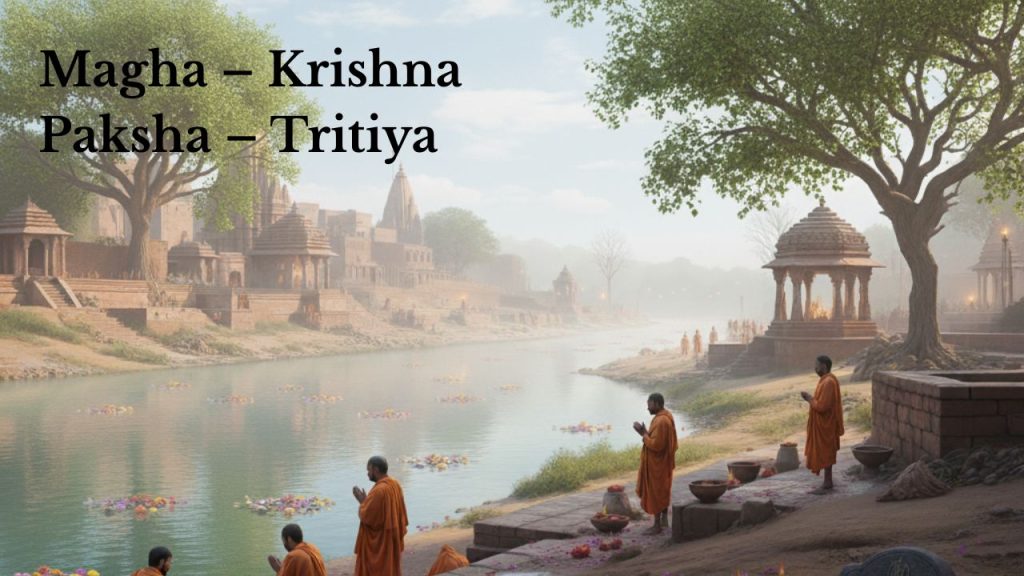
Magh is considered a sacred month, marked by rituals that honor deities, ancestors, and cosmic cycles. Tritiya during Magh aligns perfectly with these customs, emphasizing devotion, purification, and ethical conduct. Traditional practices include temple visits, ceremonial bathing in holy rivers, and participating in communal prayers, reflecting the belief that spiritual energy is heightened during this month.
The customs practiced on Tritiya within Magh often include decorating homes with rangoli, preparing offerings, and observing simple dietary rules. These traditions create an environment of reverence and mindfulness, allowing participants to focus on spiritual growth while celebrating the cultural richness of the season.
Role in festivals or local fairs
In many regions, Tritiya coincides with local festivals, fairs, or special events that bring communities together. Devotional music, religious plays, and cultural programs often accompany these occasions, providing a platform for collective expression of faith and heritage. Participation in these events fosters social unity and encourages the younger generation to engage with their cultural roots.
Local fairs associated with Tritiya also serve practical purposes, such as promoting charity, supporting artisans, and providing a space for spiritual and cultural exchange. By integrating communal celebrations with religious observances, Tritiya reinforces both devotion and cultural identity.
Social and familial importance
Tritiya plays a critical role in strengthening family and community ties. Families gather to perform rituals together, share teachings, and enjoy communal meals after fasting or prayers. Elders often recount mythological stories, passing on moral lessons and ethical guidance.
These practices help cultivate empathy, cooperation, and social responsibility among participants. By observing Tritiya collectively, individuals reinforce their connection with family, community, and tradition, ensuring that spiritual and cultural knowledge is transmitted effectively.
Preservation of Hindu heritage
Tritiya contributes significantly to the preservation of Hindu heritage. Through ritual observances, storytelling, and community engagement, ancient knowledge and practices are maintained in contemporary society. The day ensures that spiritual wisdom, ethical principles, and cultural traditions continue to thrive, bridging the gap between past and present. By participating in Tritiya, individuals become active custodians of their heritage, fostering a sense of pride and responsibility toward maintaining the continuity of Hindu culture.
Rituals Specific to Magh Krishna Paksha Tritiya
The rituals performed on Tritiya in Magh Krishna Paksha are designed to harness the spiritual energy of the waning moon while honoring the sacredness of the month. These rituals focus on purification, devotion, and ethical conduct, reflecting centuries of tradition and spiritual wisdom.
Observances may vary across regions, but the essence remains consistent: Tritiya is a day to align human action with cosmic rhythms, reinforce devotion, and cultivate inner growth. Rituals are often a combination of personal discipline, family involvement, and community participation, ensuring a holistic spiritual experience.
Morning prayers and sacred bathing (Snan)
Starting the day with prayers and a ritual bath is considered essential on Tritiya. Sacred bathing, often in rivers or clean water, symbolizes the removal of physical and spiritual impurities. The morning prayer sessions set a meditative tone for the day, helping participants focus their energy on devotion, reflection, and mindfulness.
These early rituals also enhance mental clarity and emotional balance, preparing individuals for further spiritual practices. The combination of water purification and prayer serves as a reminder that spiritual and physical well-being are interconnected, reinforcing discipline and devotion.
Worship of specific deities (e.g., Lord Vishnu, Goddess Lakshmi)
Tritiya observances often focus on deities associated with prosperity, protection, and spiritual growth. Lord Vishnu, the preserver of cosmic order, is invoked to seek guidance and blessings. Goddess Lakshmi is worshiped for abundance, health, and spiritual enlightenment.
Offering prayers, flowers, and symbolic items to these deities strengthens devotion, aligns energy with divine vibrations, and reinforces moral and ethical living. Worship on Tritiya serves as a daily reminder of the values and virtues that these deities represent, inspiring participants to embody these qualities in their own lives.
Chanting of holy scriptures
Recitation of scriptures such as Vishnu Sahasranama, Lakshmi Stotra, or other sacred texts is a central part of Tritiya rituals. Chanting enhances concentration, spiritual awareness, and positive energy. It also fosters a deep connection with divine teachings, creating an environment conducive to meditation and reflection. The rhythmic repetition of mantras or hymns helps calm the mind, focus attention, and amplify the spiritual significance of the day. These practices cultivate patience, devotion, and ethical mindfulness, enriching the overall observance of Tritiya.
Charity and donations
Tritiya encourages acts of charity and donations as a means to accumulate positive karma. Contributions to temples, community services, or those in need reflect ethical principles and compassion. Giving during Tritiya is considered particularly auspicious, reinforcing the idea that spiritual growth is closely linked with selfless action.
By participating in charitable activities, individuals not only support their community but also align their personal actions with dharmic principles. These practices emphasize the interconnectedness of spiritual development, social responsibility, and ethical living.
Observing silence or meditation
Silence, introspection, and meditation are integral components of Tritiya observance. Taking time for personal reflection allows individuals to connect with inner consciousness, release negative emotions, and cultivate spiritual clarity. Meditation during Tritiya is believed to harmonize individual energy with cosmic rhythms, enhancing the effectiveness of prayers, rituals, and ethical practices. This quiet, contemplative approach ensures that the day is experienced fully, fostering inner peace and spiritual growth.
Importance of Fasting on Tritiya
Fasting is one of the most widely practiced observances on Tritiya, symbolizing self-discipline, devotion, and spiritual focus. Abstaining from certain foods or maintaining a simple diet allows participants to redirect their energy toward spiritual activities such as prayer, meditation, and reflection.
Fasting on Tritiya is more than a physical practice; it is a form of mental purification and ethical discipline. By exercising restraint, individuals cultivate patience, strengthen willpower, and deepen devotion to the divine. The act of fasting aligns human energy with lunar rhythms, enhancing the spiritual efficacy of other rituals performed throughout the day.
Rules and types of fasts
Fasts on Tritiya vary depending on tradition, personal health, and regional customs. Some devotees undertake a complete fast, consuming only water, while others may eat simple meals or fruits. The rules are designed to promote mindfulness, self-control, and focus on spiritual activities.
The type of fast chosen can also influence the intended benefits. A strict fast emphasizes self-discipline and purification, while a partial fast balances devotion with practical needs. Regardless of type, the observance reinforces ethical living, concentration, and alignment with spiritual principles.
Spiritual and health benefits
Fasting on Tritiya offers both spiritual and physical benefits. Spiritually, it promotes inner clarity, patience, and focus on ethical and devotional activities. Physically, abstaining from heavy foods gives the digestive system a rest and encourages healthier lifestyle habits. The combination of physical restraint and spiritual discipline enhances overall well-being. It cultivates mindfulness, strengthens self-control, and fosters a sense of accomplishment, reflecting the holistic nature of Tritiya observances.
Dos and don’ts during the fast
Observing a successful fast on Tritiya requires discipline and mindfulness. Devotees are encouraged to avoid negative behavior, anger, or idle gossip, focusing instead on prayer, reflection, and ethical conduct. Consuming only permissible foods, maintaining cleanliness, and participating in spiritual activities are essential dos. Common don’ts include indulgence in rich foods, unnecessary travel, or distractions that divert attention from devotion. Following these guidelines ensures that fasting is meaningful, spiritually enriching, and aligned with the principles of the day.
Impact on the mind and discipline
Fasting on Tritiya cultivates discipline, patience, and emotional control. By consciously restraining physical desires, individuals train their minds to remain focused, calm, and aligned with higher spiritual goals. This practice encourages reflection on ethical behavior, personal growth, and self-improvement.
The discipline gained through fasting carries over into daily life, influencing decision-making, emotional responses, and interpersonal interactions. It demonstrates how a single day of mindful practice can foster lasting spiritual and mental resilience.
Popular foods and offerings after the fast
After observing the fast, devotees often break it with simple, sattvic foods such as fruits, milk, rice, and lightly prepared meals. These offerings are not only nourishing but also symbolic of purity, humility, and gratitude. Sharing the prasad or meals with family and community reinforces social bonds and collective devotion. The food itself becomes a medium for spiritual connection, gratitude, and ethical mindfulness, completing the observance of Tritiya with balance and intention.
Modern Relevance of Tritiya
Tritiya continues to hold significance in contemporary life, offering a bridge between traditional spirituality and modern living. Even in fast-paced environments, observing Tritiya encourages mindfulness, ethical living, and spiritual reflection. The principles associated with the day, self-discipline, devotion, and community engagement, remain relevant and beneficial in managing stress, fostering resilience, and promoting holistic well-being.
Modern practitioners can integrate Tritiya into daily life through simple rituals, meditation, fasting, and ethical actions. The observance serves as a reminder to pause, reflect, and align personal conduct with values that support both personal and collective growth. It highlights the enduring relevance of traditional practices, showing that spiritual wisdom transcends time and can enhance contemporary life.
Reconnecting with traditions in contemporary life
Tritiya provides an opportunity to reconnect with ancestral knowledge, family rituals, and cultural heritage. By consciously observing the day, individuals engage with traditions that reinforce values, ethical principles, and spiritual awareness. Modern adaptations may include performing rituals at home, virtual gatherings, or community events, ensuring that traditions remain accessible, meaningful, and relevant for younger generations.
Balancing spirituality with daily routine
Observing Tritiya encourages integrating devotion and mindfulness into daily life. Practices such as meditation, prayer, or fasting can coexist with work, study, and family responsibilities, creating a balanced lifestyle that nurtures both spiritual and practical goals. This balance enhances focus, reduces stress, and fosters ethical decision-making, demonstrating how traditional observances can complement modern living without disrupting routines.
Incorporating rituals for stress relief and mindfulness
Tritiya rituals, including meditation, chanting, and reflection, serve as natural tools for stress management. By dedicating time to these practices, individuals cultivate emotional resilience, inner calm, and mindfulness, improving overall mental and spiritual well-being. Even minor observances, such as lighting a lamp, offering prayers, or practicing silence, provide measurable benefits in focus, clarity, and emotional stability, making Tritiya relevant and practical in contemporary life.
Community engagement and social bonding
Participating in community rituals, family gatherings, and collective prayers during Tritiya reinforces social cohesion. These activities encourage collaboration, empathy, and shared spiritual experiences, strengthening interpersonal relationships and cultural continuity. Community engagement on Tritiya also provides opportunities to mentor younger members, preserve rituals, and foster an environment where spiritual and cultural learning is shared and valued.
Preserving cultural knowledge for future generations
By observing Tritiya, individuals actively contribute to the preservation of Hindu culture, mythological teachings, and ethical principles. The practices, stories, and rituals associated with the day serve as educational tools for future generations, ensuring continuity of spiritual and cultural heritage. Tritiya thus becomes a day not only for personal growth but also for safeguarding the values, traditions, and wisdom that define Hindu spiritual identity.
Parting Thoughts and Reflections
Tritiya in Krishna Paksha, particularly in the month of Magh, is a profound blend of spirituality, culture, and ethical observance. The day encourages reflection, purification, devotion, and community engagement, offering a holistic approach to personal and societal well-being.
By understanding the astronomical, mythological, and cultural significance of Tritiya, individuals can engage in practices that enhance spiritual growth, mental clarity, and social harmony. Observances such as fasting, prayer, meditation, and charity create a structured environment for cultivating virtue, self-discipline, and mindfulness.
Tritiya serves as a reminder that spiritual life is not separate from daily living but is interwoven with ethical behavior, cultural engagement, and social responsibility. Observing the day consciously fosters inner peace, strengthens devotion, and preserves the richness of Hindu traditions.
In contemporary life, Tritiya remains a meaningful practice that encourages balance, mindfulness, and ethical living. It bridges the gap between ancient wisdom and modern challenges, inspiring individuals to embrace devotion, discipline, and community spirit. By honoring Tritiya, both personal growth and cultural heritage are nurtured, ensuring that the spiritual and moral lessons of the day continue to illuminate lives across generations.