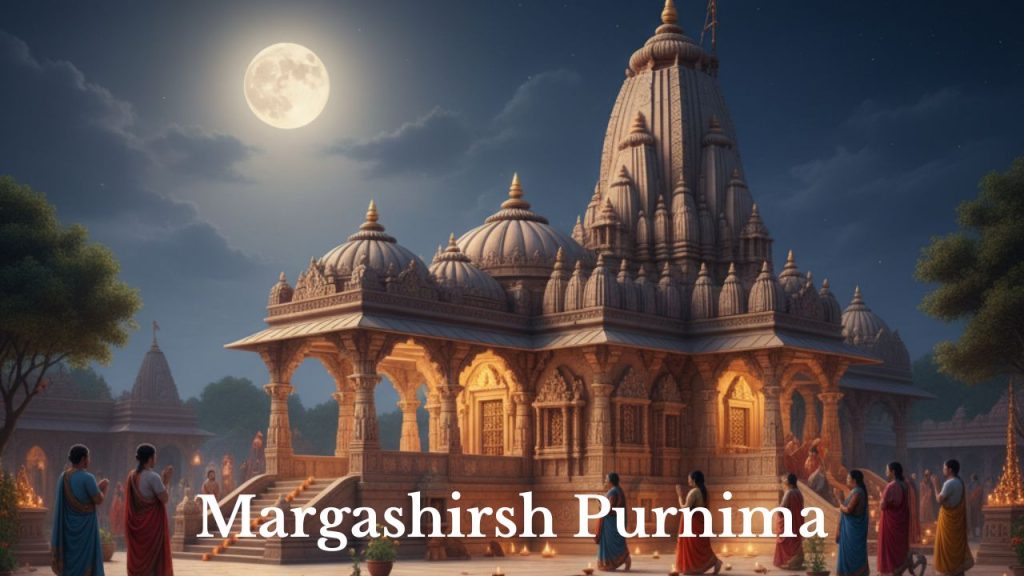
Understanding about Lakshmi Panchami
Significance of Lakshmi Panchami
Lakshmi Panchami, also known as “Panchami of Lakshmi,” is a special day celebrated to honor Goddess Lakshmi, the embodiment of wealth, prosperity, and good fortune. This day falls on the fifth day (Panchami) of the Shukla Paksha, or the waxing phase of the moon, during the Chaitra month of the Hindu calendar. The celebration is particularly significant for those seeking to invite wealth and abundance into their lives. According to Hindu tradition, this day is dedicated to seeking the blessings of Goddess Lakshmi to ensure the flourishing of one’s material and spiritual pursuits.
On Lakshmi Panchami, people engage in rituals and prayers to seek blessings from Goddess Lakshmi, hoping to attain spiritual and financial prosperity. The day is observed with great devotion, mainly by merchants, traders, and households who wish for financial growth. The essence of the day lies in invoking the goddess’s grace for a successful year ahead.
Connection to Goddess Lakshmi, the Goddess of Wealth and Prosperity
Goddess Lakshmi is one of the principal deities in Hinduism, revered for her association with wealth, fortune, beauty, and wisdom. She is often depicted sitting on a lotus, symbolizing purity, while showering gold coins and offering blessings of abundance. Lakshmi’s connection to material wealth and spiritual prosperity makes her the ideal worldly and inner peace deity. On Lakshmi Panchami, devotees pray for a balanced life filled with financial success and spiritual contentment.
Her association with prosperity is also seen in the fact that she is worshipped during various auspicious occasions, including Diwali, where devotees perform rituals to invite her into their homes for a prosperous year. Lakshmi Panchami, however, is a more focused occasion, where specific prayers and rituals are carried out in her honor, seeking her blessings for wealth and success in the coming times.
Role of Shukla Paksha and Chaitra in the Hindu Lunar Calendar
The Hindu calendar is based on lunar phases, with each month being divided into two parts: Shukla Paksha (waxing moon) and Krishna Paksha (waning moon). The waxing phase, or Shukla Paksha, represents a time of growth, progress, and positive energy. During this time, Lakshmi Panchami is celebrated, emphasizing the significance of this lunar phase in aligning with the goddess’s attributes of abundance and prosperity.
Chaitra holds deep spiritual significance during the first month in the Hindu lunar calendar. For many Hindus, it marks the beginning of the new year, and various festivals are celebrated to invoke blessings for the coming year. The combination of Shukla Paksha and Chaitra creates a powerful time for seeking divine favor, making Lakshmi Panchami the ideal occasion to connect with Goddess Lakshmi and seek her blessings for a prosperous future.
Lakshmi Panchami: The Rituals and Traditions
Typical Rituals Performed During Lakshmi Panchami
The rituals observed on Lakshmi Panchami are steeped in tradition and designed to honor Goddess Lakshmi and invite her blessings. Devotees clean their homes thoroughly early in the morning, symbolizing removing negativity and preparing space for positive energies. Following the cleaning, a special altar is set up, decorated with flowers, incense, and a picture or idol of Goddess Lakshmi.
The most common ritual is the Lakshmi Puja, during which offerings of sweets, fruits, and coins are made to the goddess. Devotees chant mantras, particularly the Lakshmi Ashtakshara Mantra (“Om Shreem Maha Lakshmiyei Namaha”), to invoke her blessings. Offerings and chanting prayers are believed to attract wealth and success, both material and spiritual.
Pujas and Offerings to Goddess Lakshmi
The heart of Lakshmi Panchami lies in the pujas (prayers) offered to Goddess Lakshmi. Devotees offer lotus flowers, sacred to the goddess, as a symbol of purity. Alongside the flowers, devotees may offer sweets, especially those made from milk and rice, which are considered pure and auspicious. Gold and silver coins are often placed before the goddess’s idol or picture, symbolizing the desire for financial prosperity.
In some regions, worshippers perform a unique ritual in which they bathe their idols of Goddess Lakshmi in milk and honey, followed by applying turmeric and vermilion, which are considered purifying substances in Hindu rituals. The offerings symbolize gratitude for the wealth already received and a prayer for continued blessings.
Standard Practices and Cultural Significance
Beyond the specific rituals, Lakshmi Panchami also involves practices that promote the well-being of the entire household. In many homes, people light oil lamps or diyas in honor of Lakshmi, as light symbolizes wisdom and wealth. Lighting lamps are also believed to chase away darkness and negative energy, inviting divine blessings.
Culturally, Lakshmi Panchami encourages an atmosphere of togetherness. Families and communities gather to perform the rituals, reinforcing bonds and shared values. The festival serves as a reminder of the importance of gratitude, respect for prosperity, and devotion to the goddess, who symbolizes abundance in all forms.
Astrological Significance of Shukla Paksha
Meaning and Importance of Shukla Paksha in the Hindu Calendar
Shukla Paksha refers to the waxing phase of the moon, which begins with the new moon and continues until the full moon. In the Hindu tradition, this period is associated with growth, progress, and prosperity. The term “Shukla” is derived from the Sanskrit word “Shukla,” meaning white or bright, symbolizing purity, positivity, and new beginnings.
Astrologically, the waxing moon is believed to be when the universe’s energy is rising. This makes it an ideal time for auspicious events, such as starting new ventures, performing important rituals, or seeking the blessings of deities like Lakshmi. The energy of Shukla Paksha enhances the effectiveness of prayers and rituals, making it the perfect time to invoke wealth and success.
How It Influences Auspicious Events and Ceremonies
Shukla Paksha is considered highly favorable for performing rituals and ceremonies. During this period, the most important festivals and pujas take place, as the energy of the waxing moon is thought to align with divine forces. This phase is believed to be more potent for spiritual growth and embarking on new journeys, making Lakshmi Panchami the perfect day for inviting financial and spiritual prosperity.
Many believe starting new projects or businesses during Shukla Paksha ensures their success and growth. The blessings of Goddess Lakshmi are said to be particularly powerful during this time, making it ideal for any ceremony related to wealth, health, and prosperity.
The Role of Lunar Phases in Astrology and Spirituality
In Vedic astrology, the moon’s phases significantly determine the best times for various actions. The waxing moon, symbolized by Shukla Paksha, is seen as a time of expansion, fertility, and positive energy. It contrasts with the waning moon, or Krishna Paksha, which is associated with endings and introspection.
The role of lunar phases extends beyond astrology and is deeply embedded in spiritual practices. Worshippers believe that observing rituals during Shukla Paksha enhances their connection with the divine, increasing the chances of receiving blessings for success, happiness, and wealth. This is why Lakshmi Panchami, occurring during the waxing moon, is an essential occasion for seeking divine favor.
The Importance of Chaitra Month in the Hindu Calendar
Overview of the Chaitra Month and Its Role in the Lunar Calendar
Chaitra, the first month of the Hindu lunar calendar, marks the beginning of the New Year for many communities in India. In the Gregorian calendar, it typically falls between March and April. The start of Chaitra is an auspicious time for new beginnings, renewal, and rejuvenation.
The importance of Chaitra is reflected in the various festivals and rituals celebrated this month. The month sets the tone for the rest of the year, and performing rituals during this time is believed to bring good fortune, health, and prosperity. Lakshmi Panchami, celebrated this month, aligns perfectly with this notion of fresh beginnings, making it an ideal occasion to seek blessings for success in the coming months.
Relationship Between Chaitra and Prosperity
Chaitra is closely linked to prosperity and abundance. The Chaitra Navratri, celebrated this month, is a significant festival dedicated to Goddess Durga, emphasizing spiritual and material prosperity. Additionally, celebrating new beginnings during Chaitra is the perfect time to invite blessings of wealth and success, further strengthening the connection between Chaitra and prosperity.
The start of the New Year in Chaitra is a crucial opportunity to reflect on one’s goals and seek divine assistance in achieving them. By observing Lakshmi Panchami during this month, devotees align themselves with the cosmic energies of prosperity and growth, invoking the blessings of Goddess Lakshmi for financial stability and success.
Festivals That Fall in Chaitra and Their Significance
Chaitra is a month filled with essential festivals, each contributing to Hinduism’s spiritual and cultural fabric. Besides Lakshmi Panchami, the Chaitra month is home to festivals such as Gudi Padwa (Hindu New Year), Ram Navami (the birth of Lord Rama), and the beginning of Chaitra Navratri.
These festivals celebrate themes of new beginnings, divine blessings, and the triumph of good over evil. They set the stage for the year ahead, with each celebration reinforcing the importance of starting the year with positive intentions and seeking divine grace for prosperity. Lakshmi Panchami, celebrated this month, encapsulates these themes, making it an essential festival for welcoming wealth and success.
Spiritual Benefits of Celebrating Lakshmi Panchami
Connection with Spiritual Well-Being and Abundance
Celebrating Lakshmi Panchami is not only about inviting material wealth but also about nurturing spiritual well-being. The rituals associated with this day help create a deeper connection with the divine, fostering inner peace, contentment, and a sense of gratitude. Devotees invite abundant material wealth and spiritual fulfillment by offering prayers and seeking blessings from Goddess Lakshmi.
According to Hindu tradition, spirituality is the foundation for true prosperity. Lakshmi Panchami reminds us that true wealth is not just material but also includes mental peace, emotional stability, and spiritual growth. It is a day to cultivate these qualities, aligning one’s energy with divine forces for a prosperous life.
Enhancing Positive Energy and Prosperity in Life
Lakshmi Panchami is a time when the positive energy of the universe is amplified, helping to bring prosperity into one’s life. The rituals performed, prayers and offerings, are believed to attract the goddess’s blessings, filling the home and the heart with peace and happiness. Devotees often report increased hope, positivity, and success after their prayers, signifying the festival’s influence on their lives.
The energy created during this celebration radiates outward, touching all aspects of life. It is a time to consciously bring prosperity into one’s life, whether through financial means, personal growth, or relationships. Lakshmi Panchami catalyzes creating an environment of abundance in every sense.
Fostering Spiritual Growth and Devotion to Goddess Lakshmi
By participating in the rituals of Lakshmi Panchami, devotees strengthen their spiritual connection with Goddess Lakshmi. This devotion brings blessings of material wealth and deepens one’s spiritual understanding and devotion to the divine. Chanting mantras, offering prayers, and performing rituals are ways to express gratitude for the blessings already received and ask for continued support.
Celebrating Lakshmi Panchami also encourages individuals to focus on values such as generosity, kindness, and the pursuit of knowledge. When practiced regularly, these values help cultivate a life of spiritual richness, making the festival a stepping stone towards greater personal development and fulfillment.
Symbolism of Goddess Lakshmi
Key Attributes of Goddess Lakshmi and Their Symbolism
Goddess Lakshmi is a central figure in Hindu mythology, revered for her divine qualities that symbolize prosperity, fortune, beauty, and wisdom. Often depicted with four arms, each representing a different aspect of life, Lakshmi’s imagery is rich with symbolism. Her arms hold various items like a lotus, a pot of gold, and two elephants, each with a specific meaning:
- The Lotus Flower: Lakshmi is often seated on a fully bloomed lotus, symbolizing purity, spiritual awakening, and beauty. The lotus represents the potential for individuals to rise above life’s challenges and grow in spiritual understanding despite worldly distractions.
- Gold Coins: Lakshmi is also shown holding a pot of gold or showering coins, symbolizing material and spiritual wealth. The coins represent continuous prosperity and the abundance that comes with her blessings.
- Elephants: The two elephants beside Lakshmi symbolize strength, dignity, and royalty. They also symbolize the removal of obstacles and the nurturing of prosperity and growth.
Understanding Her Association with Wealth, Knowledge, and Beauty
Lakshmi’s role as the goddess of wealth is widely known, but her influence extends beyond material riches. She bestows all forms of prosperity, whether related to money, knowledge, or beauty.
- Wealth: As the goddess of wealth, Lakshmi ensures her devotees have enough resources to lead comfortable lives. She is seen as providing financial prosperity and general abundance, creating an environment where individuals can thrive.
- Knowledge: Lakshmi is not just associated with material wealth but also with knowledge and wisdom. Her wisdom guides individuals toward spiritual and intellectual growth. In this sense, her blessings bring clarity, understanding, and an enhanced ability to make wise decisions in life.
- Beauty: Beauty, both inner and outer, is another essential aspect of Lakshmi’s symbolism. Her graceful image exemplifies the beauty of life, the importance of aesthetics, and the spiritual radiance that comes from living in alignment with divine energy.
How Lakshmi’s Blessings Transcend Material Wealth
While Goddess Lakshmi is closely associated with wealth, her blessings go beyond material gains. Lakshmi’s influence encourages the development of a holistic prosperity that encompasses tangible and intangible forms of abundance. Through her blessings, we can find fulfillment in financial success and emotional and spiritual growth. Lakshmi’s presence in one’s life often translates into harmony, happiness, good health, and fulfilling one’s desires, far beyond wealth.
The Role of Lakshmi Panchami in Family and Community
Strengthening Family Bonds and Communal Unity
Lakshmi Panchami holds immense significance in Hindu communities, especially when fostering unity among families and within neighborhoods. The rituals surrounding the celebration often bring together families and communities to participate in the worship of Goddess Lakshmi. The bonds between family members grow stronger through shared practices like pujas, prayers, and festive meals. Celebrating Lakshmi Panchami together strengthens familial ties and encourages mutual respect, gratitude, and love.
In many communities, it’s common for people to exchange sweets, gifts, and blessings, which helps reinforce feelings of connection and goodwill. Lakshmi Panchami is not just about individual prosperity but collective well-being. The festival encourages people to support one another, strengthening social ties and fostering unity.
Collective Worship and Its Significance
Collective worship is a significant aspect of Lakshmi Panchami celebrations. Families and communities unite to worship the goddess, perform rituals, and offer prayers. When performed with devotion and sincerity, the collective worship is believed to invite the goddess’s blessings on all participants. This shared devotion creates an atmosphere of harmony and togetherness, with people focusing on the common goal of prosperity and spiritual well-being.
Moreover, during Lakshmi Panchami, people often clean their homes, ensuring their environments are welcoming to the goddess. Cleaning, both physically and spiritually, symbolizes the removal of negativity and obstacles, making room for prosperity to enter. This sense of collective renewal helps promote social cohesion and mutual support within the community.
How This Festival Fosters Social Cohesion and Prosperity
Lakshmi Panchami also plays a crucial role in encouraging economic and social cohesion. Many families view the festival as an opportunity to begin new ventures, whether opening a new business or investing in property. The blessings of Lakshmi are believed to pave the way for success, and this sense of shared prosperity contributes to the economic upliftment of the community.
Furthermore, Lakshmi Panchami allows everyone to reflect on their social responsibility. It encourages individuals to act with generosity, helping those less fortunate in the community. Acts of charity are commonly practiced during this festival, aligning with the values of wealth not just as personal gain but as a resource to be shared for the collective benefit.
Economic and Cultural Impact of Lakshmi Panchami
Influence of the Festival on Local Businesses and Economy
Lakshmi Panchami is not just a spiritual event; it has a profound economic impact on local businesses, especially in regions where the festival is widely celebrated. The day is considered auspicious for new financial endeavors. Many people choose Lakshmi Panchami to inaugurate their businesses, buy new property, or make significant financial decisions, hoping that the goddess’s blessings will bring prosperity to their ventures.
This day is an opportunity for small businesses to connect with customers meaningfully. Special discounts, promotions, and festive offerings are often tied to Lakshmi Panchami, boosting sales and creating a sense of community between business owners and their clientele. In this way, the festival becomes a significant economic driver, promoting business growth and consumer engagement.
Cultural Traditions Related to Lakshmi Panchami in Different Regions
Lakshmi Panchami is celebrated with various regional customs and rituals across India and other parts of the world. While the core practices, such as worshipping Goddess Lakshmi and performing rituals for prosperity, remain the same, how the festival is celebrated can vary from state to state.
In some regions, like Gujarat, people celebrate by decorating their homes with rangolis (colorful patterns made on the ground) and lighting oil lamps, believing that the goddess will be attracted to the light. In Bengal, the day is celebrated with offerings of sweets and fruits, while in North India, people often perform Lakshmi puja in the evening after cleaning their homes. These cultural traditions enrich the festival and strengthen the sense of community as people celebrate in ways that reflect their unique cultural heritage.
How the Celebration Promotes Cultural Identity and Heritage
Lakshmi Panchami plays a vital role in preserving and promoting cultural identity. The festival connects people to their ancestral traditions and spiritual practices through its rituals and customs. The shared experience of worshipping Goddess Lakshmi, participating in community events, and enjoying regional festivities ensures the continuation of cultural heritage.
Moreover, in multicultural societies, Lakshmi Panchami reminds people of the diversity and richness of Hindu traditions, inviting them to explore, understand, and appreciate different cultural practices. The celebration promotes respect for traditions while fostering an appreciation of diversity, contributing to the broader cultural tapestry of the community.
Scientific Perspective on Prosperity and Well-Being
Exploring the Scientific Basis of Rituals That Bring Positivity
While rituals like the ones performed on Lakshmi Panchami are deeply rooted in tradition and spirituality, there is also a scientific perspective on why such practices can contribute to positivity and well-being. Acts like cleaning, organizing, and purifying the environment, common in the lead-up to Lakshmi Panchami, have been shown to reduce stress and promote mental clarity. Physical and emotional decluttering creates an atmosphere conducive to prosperity and focus.
Furthermore, lighting lamps and incense during the celebration symbolize a sense of calm and relaxation. The soothing effects of aromatic scents and the warm glow of light can positively influence mental and emotional health, promoting peace and contentment.
Impact of Mindset and Intention on Financial Success
The rituals of Lakshmi Panchami emphasize the importance of mindset and intention. The act of worshipping with sincerity and gratitude can have a profound effect on one’s mental state. A positive mindset focused on abundance, and gratitude can lead to increased confidence, determination, and resilience—all essential for financial success.
Science has long recognized the power of the mind in shaping outcomes. The Law of Attraction suggests that focusing on positive intentions and visualizing success can help manifest desired results. In the context of Lakshmi Panchami, this aligns with the belief that invoking the goddess’s blessings with devotion can open the door to new opportunities and financial growth.
Connecting Ancient Wisdom with Modern Understanding
The ancient rituals associated with Lakshmi Panchami blend spirituality and psychological well-being. Modern research on mindfulness, positive thinking, and intention-setting echoes the principles of ancient Hindu rituals, where mental focus and positive action are believed to attract divine blessings. While the spiritual aspects of Lakshmi Panchami are essential, there is also a deeper, scientific basis that underscores the festival’s capacity to inspire positive change in individuals’ lives.
Why Lakshmi Panchami is Relevant Today
Relevance of Lakshmi Panchami in the Modern World
The relevance of Lakshmi Panchami remains as significant as ever. The festival offers an opportunity for individuals to reconnect with the values of gratitude, humility, and spiritual growth. While modern life often prioritizes success, wealth, and technology, Lakshmi Panchami reminds us to pause, reflect, and appreciate our blessings. It encourages a balance between material prosperity and spiritual enrichment, allowing individuals to lead well-rounded, fulfilled lives.
The Lasting Impact of the Festival on Individual Lives and Society
Lakshmi Panchami’s lasting impact goes beyond the rituals of the day. The festival encourages positive thinking, nurturing relationships, and creating a harmonious environment at home and within the community. It increases people’s appreciation and respect for our resources and inspires individuals to be generous and compassionate toward others.
In the modern world, where individual success is often defined by material wealth, Lakshmi Panchami offers an alternative perspective: that true prosperity comes from within and from fostering positive connections with others.
Encouraging Devotion and Gratitude for Prosperity and Wealth
Finally, Lakshmi Panchami encourages individuals to express their gratitude for their financial, emotional, or spiritual wealth. The festival shows that true wealth is how we share and use what we have for the greater good. By fostering a spirit of devotion, generosity, and gratitude, Lakshmi Panchami continually motivates people to seek prosperity not just in material terms but in every aspect of life.