Understanding of Guru Purnima
Guru Purnima, also known as Ashadha Purnima, is one of the most spiritually enriching and emotionally moving days in the Indian calendar. Celebrated on the full moon day in Ashadha (June-July), this day is deeply rooted in India’s cultural, religious, and spiritual heritage. At its core, Guru Purnima is all about reverence, an offering of gratitude, love, and respect to the Guru, the spiritual guide who illuminates the path of life with wisdom and truth.
The word “Guru” is derived from two Sanskrit syllables: “Gu,” meaning darkness, and “Ru,” meaning remover. A Guru, therefore, removes the darkness of ignorance and replaces it with the light of awareness and enlightenment. And what better day than the full moon, a symbol of completeness and illumination, to express gratitude to such a figure? This sacred day aligns perfectly with the lunar calendar, marking the transition from the monsoon season to the beginning of the introspective period of Chaturmasya, four months ideal for spiritual practices. As nature slows down and the skies pour their grace, the human soul is invited to turn inward, reflect, and reconnect.
Guru Purnima carries a dual significance. Spiritually, it’s a day dedicated to worshipping one’s Guru. From a Vedic standpoint, it coincides with the observance of Ashadha Purnima Vrat, a fast observed for purification and devotion. Together, these practices establish a framework for a season of contemplation, learning, and transformation. Whether honoring a personal mentor, a spiritual master, or the universal teacher within, Guru Purnima offers a heartfelt reminder. Everyone needs guidance on life’s complex path, and those who light that path deserve to be celebrated.
Historical and Scriptural Origins
The origins of Guru Purnima extend far beyond simple tradition; they’re deeply woven into the very fabric of Indian spirituality and philosophy. This sacred observance has its roots in the Vedic scriptures, the Upanishads, and the Puranas, offering powerful insights into the eternal bond between teacher and student.
One of the most prominent associations of Guru Purnima is with Sage Vyasa, a towering figure in Indian spiritual history. Born on this full moon day, Vyasa is revered as the compiler of the Vedas, the author of the Mahabharata, and the composer of the eighteen major Puranas. Due to his monumental contributions to preserving and disseminating knowledge, Guru Purnima is also celebrated as Vyasa Purnima. Paying homage to Vyasa on this day is more than a ritual; it’s a heartfelt acknowledgment of the transmission of sacred wisdom across generations.
But the reverence doesn’t end there. The Adi Guru Shiva is believed to be the first Guru (Jagadguru) who imparted yogic knowledge to the Saptarishis, the seven seers. This spiritual lineage is the seed of all Gurukulas (ancient educational systems) that once flourished across the Indian subcontinent. Another divine figure associated with Guru Purnima is Lord Dattatreya, regarded as the combined incarnation of Brahma, Vishnu, and Shiva. Dattatreya is often visualized with a gentle smile and three heads, symbolizing the unity of creation, preservation, and transformation. He is also known as the Guru of all Gurus.
What’s remarkable is how this tradition transcends religious boundaries. Buddhists observe this day to commemorate Lord Buddha’s first sermon at Sarnath, while Jains remember it as the day Mahavira’s chief disciple, Gautam Swami, attained enlightenment. In every corner of Indic philosophy, Guru Purnima celebrates knowledge transmission, discipline, and unshakable devotion to one’s teacher, a timeless relationship that has shaped civilizations.
Spiritual Significance of the Guru
The concept of a Guru holds deep spiritual meaning. A Guru is not just a teacher in the conventional sense but a guiding light who transforms lives, breaks inner illusions, and awakens consciousness. At a time when confusion and distractions seem to reign supreme, the presence of a Guru serves as a compass pointing toward the higher truth. The Sanskrit roots of the word “Guru” convey its meaning: “Gu” means darkness, and “Ru” means the one who removes it. This highlights the Guru’s profound role, not merely sharing information, but also helping to dissolve ignorance. In spiritual terms, ignorance is not just a lack of facts; it’s the absence of self-awareness. A faithful Guru leads the seeker from this darkness to the radiant light of liberation.
One of the most sacred values that Guru Purnima celebrates is surrender and humility, in an age where independence and ego are often glorified; bowing before a Guru might seem countercultural. But true surrender is not submission; it’s about opening the heart to receive wisdom without resistance. It’s an inner readiness to let go of arrogance and allow transformation. Another cornerstone is the concept of Guru Parampara, or spiritual lineage. Wisdom passed from teacher to disciple over centuries forms an unbroken chain of divine energy and knowledge. This lineage connects seekers to a teacher and an entire ancestry of awakened beings who’ve walked the path before.
Perhaps most inspiring is the elevation of the soul through the Guru’s grace. This isn’t metaphorical; it’s a lived experience. Many who walk the spiritual path often recount moments of spontaneous clarity, healing, or awakening, moments that feel orchestrated not by effort alone but by the loving presence of the Guru. Guru Purnima is not just about paying homage; it’s about recognizing the transformative power of guidance and recommitting to the path of inner growth.
Ashadha Purnima Vrat: Ritual Practices and Observances
Ashadha Purnima Vrat is an ancient spiritual observance that blends devotion, discipline, and purification. While Guru Purnima honors the teacher, this vrat (fast) emphasizes self-cleansing of both body and mind, creating the perfect inner space for learning and transformation to flourish. Traditionally, devotees observe a strict fast from sunrise to moonrise. The idea behind this isn’t just abstinence but the symbolic removal of impurities, physical cravings, mental chatter, emotional attachments, that cloud spiritual clarity. It’s a way to reset the system, both physically and energetically. The day typically begins with a holy bath, ideally in sacred rivers such as the Ganges, Yamuna, or Godavari.
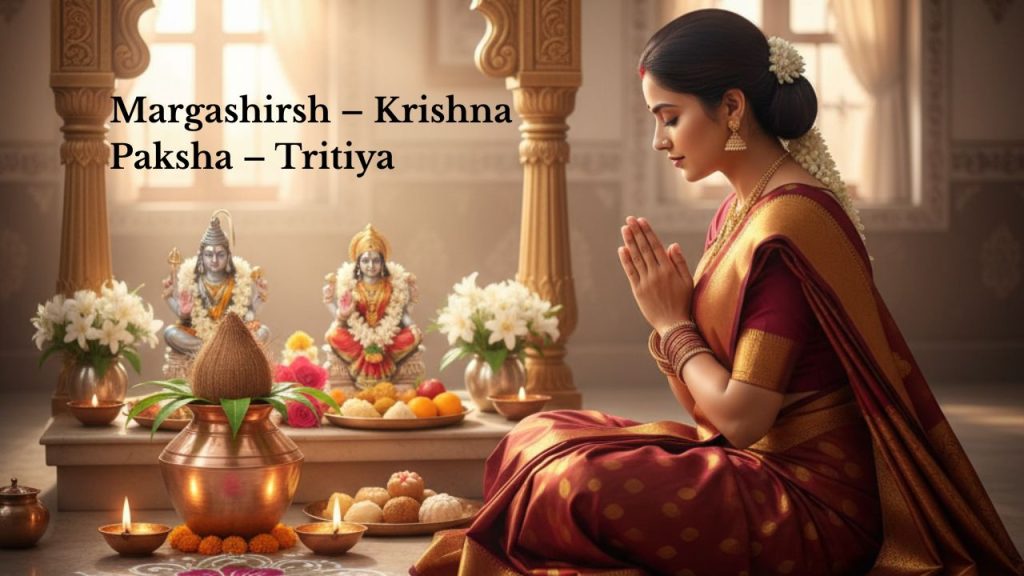
For those unable to access rivers, bathing in clean water while chanting mantras or invoking divine blessings carries equal merit. Water is not only cleansing, it’s considered a carrier of spiritual memory. A bath on this day symbolizes the washing away of old karma. Next comes the worship of the Guru, deities, and ancestors. Many set up altars with photos or idols of their spiritual mentors, decorating them with flowers, incense, lamps, and offerings. Recitation of the Guru Stotra, Vyasa Ashtakam, or verses from the Bhagavad Gita is a common practice among devotees. The intention is simple: to elevate gratitude into devotion through action.
One of the most noble acts of Ashadha Purnima is charity. Offering food, clothes, or monetary gifts to Brahmins, ascetics, or the underprivileged is highly auspicious. This is not about charity superficially; it’s about the spirit of daan (giving without expectation), a value at the heart of Indian dharma. Devotees often read sacred scriptures, meditate, and remain mindful throughout the day. The vrat concludes with moonrise prayers, during which the full moon’s soft glow is honored as a symbol of complete spiritual awareness.
Guru Purnima in Hinduism, Buddhism, and Jainism
Guru Purnima holds a unique place in the spiritual calendars of Hinduism, Buddhism, and Jainism, offering a rare moment of unity in diversity. Despite differing doctrines and practices, all three traditions converge on one powerful truth: the path to liberation requires guidance. In Hinduism, Guru Purnima is a deeply personal celebration. It’s a time to reflect on and honor spiritual mentors, school teachers, life coaches, and even parents who’ve served as guides. Hindus use this day to express reverence and renew their commitment to the Guru-Shishya bond, whether it’s a living Guru, a departed soul, or an internalized presence.
In Buddhism, the day marks the Lord Buddha’s first sermon at Sarnath, known as the Dhammacakkappavattana Sutta, which is the turning of the Wheel of Dharma. On this day, Buddha shared the Four Noble Truths and the Eightfold Path, laying the foundation of Buddhist philosophy. Monasteries worldwide commemorate this event through meditations, teachings, and offering rituals, recognizing it as a moment of collective awakening.
In Jainism, Guru Purnima is dedicated to Gautam Swami, the chief disciple of Lord Mahavira. It is believed that on this day, Gautam Swami attained Kevala Jnana (supreme knowledge). This observance celebrates the transfer of knowledge from the enlightened to the earnest seeker for Jains, emphasizing humility, self-restraint, and inner purity. Despite doctrinal differences, all three faiths uphold the Guru as an agent of transformation. The day highlights values such as humility, self-inquiry, and non-attachment. And in a world craving authenticity and direction, these teachings feel more relevant than ever.
Cultural and Social Celebrations
Guru Purnima isn’t just a spiritual observance; it’s a deeply rooted cultural event that brings communities together. Across India and many parts of the world, this sacred day unfolds through vibrant traditions, soulful ceremonies, and heartfelt expressions of gratitude. At its core, this celebration recognizes the guiding light that Gurus bring into lives and the collective harmony that blossoms through shared devotion.
Community events in temples and ashrams
Temples and ashrams become the epicenters of spiritual energy during Guru Purnima. On this day, these sacred spaces are adorned with lamps, flowers, and divine symbols. Devotees gather for early morning rituals, special bhajans, havan (fire ceremonies), and group meditations. Ashrams run by spiritual masters welcome disciples from far and wide. The air becomes thick with chants of gratitude, and the fragrance of sandalwood, camphor, and incense sets a divine mood. Many temples host open satsangs, where seekers share experiences, teachings, and stories of their gurus. For some, it’s a moment of spiritual awakening. For others, it’s a chance to deepen their faith. These events cultivate a powerful energy of surrender, purity, and transformation.
Guru-shishya gatherings and spiritual discourses
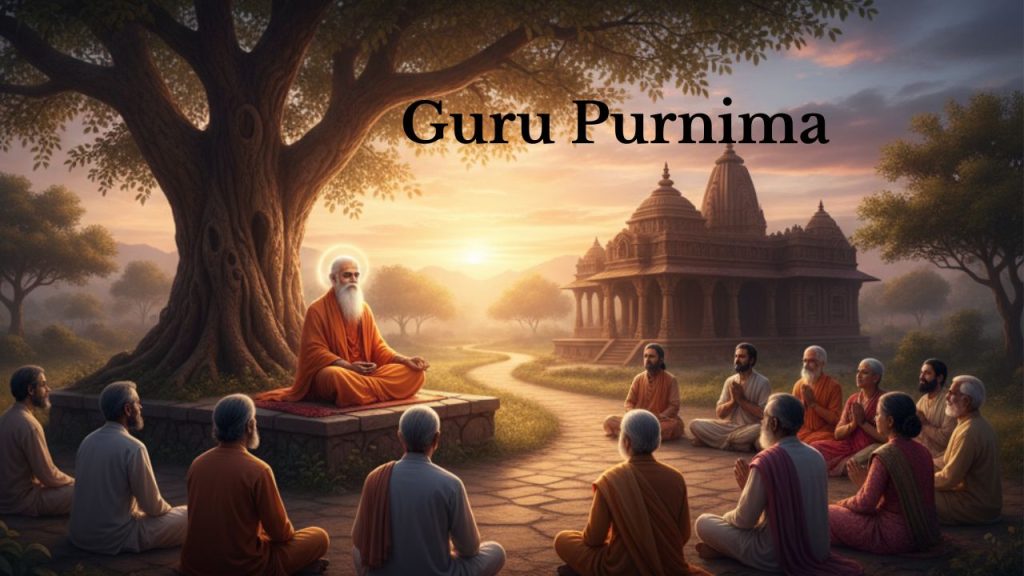
Guru Purnima breathes life into the ancient guru-shishya parampara (teacher-disciple tradition). In many traditional schools and ashrams, disciples sit humbly at the feet of their Guru, listening to discourses on Vedanta, Upanishads, and the Bhagavad Gita. These aren’t just lectures, they are life lessons passed from soul to soul. The disciple’s role is not passive. There’s a profound exchange of devotion and wisdom, and it’s in this sacred relationship that learning truly flourishes. Stories of saints, parables from scriptures, and practical teachings are shared to inspire spiritual progress. These gatherings become the bridge between knowledge and experience, between questioning and realization.
Music, dance, and devotional performances honoring the Gurus
The celebration takes many forms; in Indian tradition, art is considered a form of prayer. Music and dance are elevated to a divine status during Guru Purnima. Classical music concerts, kirtans, Bharatanatyam performances, and Kathak renditions are dedicated to the Guru, celebrating their grace through every note and movement. Ragas played on sitar or veena, the rhythm of tabla, and soulful bhajans are not just entertainment. They stir the heart, awaken devotion, and create an atmosphere of divine presence. Every beat and gesture becomes an offering to the Guru, creating a deep emotional connection with the divine.
Observance of Padapuja – ceremonial worship of the Guru’s feet
One of the most intimate and sacred rituals performed on Guru Purnima is Padapuja, the ceremonial washing and worshipping of the Guru’s feet. It’s a symbolic act of humility, surrender, and reverence. Devotees bathe their feet with milk, honey, turmeric, and rose water, offering flowers, sandal paste, and arati (a lamp-lighting ritual). Feet represent the path the Guru walks, the path a disciple aspires to follow. By touching or worshipping them, seekers express their wish to absorb the Guru’s vibrations, purity, and blessings. This ritual has a profound emotional and spiritual impact through photographs or visualizations, even in symbolic form.
Traditional gifting and honoring of teachers in modern institutions
Guru Purnima has evolved to honor modern-day teachers and mentors with even greater reverence. Schools, colleges, and training centers across India observe this day with heartfelt ceremonies. Students prepare speeches, cultural programs, and handmade gifts to express gratitude to their teachers. It’s a day when relationships go beyond academics. Teachers are recognized for their knowledge, patience, guidance, and role in shaping young minds. This simple appreciation fosters respect, inspiration, and a nurturing learning environment.
Symbolism of the Full Moon and Ashadha Month
The symbolism of Guru Purnima is deeply intertwined with nature and cosmic energies. Falling on the full moon (Purnima) of the Ashadha month, this day is considered exceptionally auspicious. It marks a transition, from the outer world to the inner self, from chaos to clarity, and from seeking to receiving.
Purnima is a symbol of completeness and enlightenment.
The full moon is a timeless symbol of wholeness, clarity, and spiritual light. The moon shines brightly on Guru Purnima, illuminating the night sky and the inner landscape of the soul. In spiritual terms, this completeness represents the fully blossomed wisdom of the Guru, who guides seekers toward enlightenment. Just as the full moon completely reflects the sun’s light, a true disciple reflects the Guru’s teachings with sincerity and surrender. Meditating under the full moon on this night is believed to enhance spiritual insight and calm emotional turbulence, helping seekers move toward inner peace.
Ashadha is the gateway to inner discipline (Chaturmasya begins)
The Ashadha month marks the beginning of Chaturmasya, four months of spiritual growth, austerity, and inner purification. Monsoon showers transform nature, and so do the spiritual aspirants. During this time, seekers undertake vows of fasting, silence, simplicity, and scripture study. It’s the season of inner cultivation. Guru Purnima becomes the ideal moment to set intentions for this journey, seek the Guru’s blessings, and commit to self-discipline. The energy of Ashadha supports deep introspection, making it a powerful spiritual reset.
Alignment of cosmic and spiritual energies
On Guru Purnima, the sun, moon, and earth align in a way that magnifies spiritual vibrations. Ancient rishis and sages recognized this alignment as a time when spiritual transmissions became more accessible. The energetic atmosphere creates a potent environment for meditation, chanting, and yogic practices. Many spiritual masters emphasize that this alignment helps dissolve karmic blocks and enhance receptivity to divine grace. On this day, the universe conspires to favor seekers, making it a cosmic invitation to rise higher on the spiritual ladder.
The ideal time for introspection and initiation into sadhana
With the cosmic energies at their peak, Guru Purnima is the perfect time to begin or deepen one’s sadhana (spiritual practice). The vibrational support is unparalleled, whether starting a new mantra, committing to daily meditation, or studying scriptures. Introspection plays a key role here. Many spend the day in silence, reflecting on personal growth, past mistakes, and future intentions. When done under the guidance or blessings of a Guru, such reflection leads to transformative realizations. It’s a moment to listen inward to the voice of the soul.
Divine vibrations are amplified during this tithi.
Tithis (lunar days) carry distinct vibrations, and Ashadha Purnima is considered one of the most spiritually charged of the year. The divine frequencies on this day support healing, awakening, and inner alignment. Performing rituals, chanting mantras, and offering gratitude to the Guru are especially effective at this time. These amplified vibrations are said to remove tamas (inertia) and invoke sattva (purity and light). Devotees often experience a heightened sense of connection with their Guru and inner guidance. This energetic window doesn’t just last for a few hours; it sets the tone for the months ahead.
Benefits of Observing Guru Purnima Vrat
Observing the Guru Purnima Vrat is not just about following a ritual; it’s about unlocking a higher state of being. The fast and spiritual practices observed today are rooted in centuries of wisdom. They’re designed to purify the mind, awaken the soul, and draw the devotee closer to the Guru’s grace. The benefits are not merely religious but deeply transformational, emotionally healing, and spiritually uplifting.
Spiritual awakening and mental clarity
Fasting, meditating, and reflecting on Guru Purnima can bring a profound inner awakening. It’s a time when mental fog begins to lift. The clutter of everyday life fades away, making room for clarity, direction, and a sense of purpose. Observing this vrat creates a pause from the external world, allowing the seeker to tune in to inner wisdom. Fasting and focusing on the Guru slow the mind and make it receptive. This silence is not emptiness; it’s the space where spiritual truths begin to emerge. Many report receiving answers to long-held questions, breakthroughs in meditation, and a renewed sense of direction.
Removal of obstacles and karmic blocks
On a metaphysical level, Guru Purnima is a day when karmic cleansing is accelerated. The devotee releases mental and emotional burdens by offering devotion, surrender, and austerity. The Guru’s energy works like a spiritual solvent, dissolving obstacles that have held one back. Fasting on this day is said to help burn negative karma, particularly when done with intention and devotion. Chanting mantras, reading sacred texts, and offering seva (service) further deepen this process. Life starts to move more fluidly, relationships mend, and blockages in progress begin to clear, almost as if divine hands are guiding the way forward.
Enhanced guru-bhakti and devotional connection
Vrat strengthens the heart’s bond with the Guru. Devotees often experience an emotional depth that words can’t capture, a longing to completely serve, learn, and surrender. Through acts of humility, such as pada puja, fasting, and introspection, devotion becomes a feeling and a way of life. When the heart opens in bhakti (devotion), the relationship with the Guru transcends the physical. It becomes a soul connection. Even for those whose Guru is no longer in the body, the presence becomes palpable today. Messages arrive through dreams, inner guidance becomes louder, and the flame of faith burns brighter.
Cultivation of virtues like discipline, surrender, and gratitude
One of the most significant benefits of Guru Purnima Vrat is the internal discipline it fosters. Waking early, fasting, chanting, and reflecting strengthen willpower and cultivate spiritual habits. Discipline is the cornerstone of transformation, and this day offers the perfect practice ground. Surrender and gratitude flow naturally when the focus shifts from the self to the Guru. These aren’t just spiritual buzzwords but powerful emotional tools that soften ego, heal wounds, and restore inner peace. Gratitude for the Guru’s role in one’s journey becomes a wellspring of joy and humility.
Fostering community harmony through shared observance
When people come together to observe Guru Purnima, the sense of oneness and harmony is unmistakable. In ashrams, temples, schools, and homes, individuals from all walks of life share food, chant together, and offer prayers. This creates a collective energy of unity, mutual respect, and reverence for knowledge. The shared observance builds a spiritual support system, whether a large Satsang or a small group gathering. Barriers of caste, class, and creed dissolve. What remains is a community bound by devotion, discipline, and the desire to grow together in the Guru’s light.
Modern-Day Relevance and Adaptations
While Guru Purnima has ancient roots, its message is timeless, and perhaps more relevant today than ever. This sacred day is a spiritual anchor in a fast-paced world that often feels disconnected and chaotic. It has beautifully evolved to meet modern needs while retaining its essence. From honoring schoolteachers to attending online satsangs, Guru Purnima now transcends boundaries of tradition, geography, and belief systems.
Honoring school teachers, mentors, and life coaches
The definition of a Guru has expanded. It’s not limited to spiritual masters alone. Teachers who guide students, mentors who shape careers, and life coaches who support growth all embody the spirit of the Guru. Many people in Guru Purnima express their appreciation for these mentors. Gifting flowers, writing thank-you notes, or even just a heartfelt message of gratitude can leave a lasting impact. It says: “Thank you for believing, guiding, and supporting.” When this culture of appreciation thrives, so does respect for wisdom and experience in society.
Digital celebrations and online satsangs
With the rise of digital technology, spiritual connection is now just a click away. Many devotees attend online satsangs, listen to virtual discourses, or participate in global meditation sessions on Guru Purnima. Spiritual leaders worldwide live-stream their blessings and teachings. While the physical touch may be missing, the energy transmission remains intact. Digital platforms have made the celebration more inclusive. People in remote places can now tune into the wisdom of global Gurus, building a spiritual community that spans continents.
Renewal of ethical and moral values in youth
At its heart, Guru Purnima celebrates dharma, right living. In an era when materialism often overshadows values, this day serves as a reminder to the younger generation. It calls them to introspect, re-align, and cultivate ethics, discipline, humility, and truthfulness. Schools and youth organizations use this day to discuss timeless values. When children are encouraged to reflect on the teachings of great gurus, they start to look inward. They begin to understand the importance of respect, gratitude, and self-awareness. When planted early, these seeds grow into a life rooted in integrity.
Globalization of Guru Purnima among spiritual seekers
Guru Purnima is no longer confined to Indian tradition. Spiritual seekers worldwide now celebrate this day, drawn by its universal message of wisdom, guidance, and devotion. Yoga studios in the West hold special meditations, and Buddhist monasteries in the East chant in honor of the Buddha, the first Guru. New-age spiritual groups share messages of gratitude on social platforms. This global recognition demonstrates that the Guru principle is not a matter of religion; it’s universal. Regardless of faith, every human has someone they look up to for light. Guru Purnima has thus become a global festival of consciousness.
Role of Guru Purnima in mental wellness and mindfulness practices
Mental health is one of the most pressing issues of modern life. Guru Purnima offers a natural antidote to stress, anxiety, and burnout. Silence, surrender, and gratitude promote emotional healing and psychological balance. Spending a day away from distractions, dedicating time to mindfulness, and reconnecting with a guiding presence are deeply therapeutic practices. Many mental health practitioners now recognize the value of traditional observances, such as Guru Purnima, in enhancing self-awareness and resilience.
Embracing the Light of the Guru
Guru Purnima is more than a date on the calendar. It’s a sacred reminder of the Guru’s path, presence, and purpose in a seeker’s life. Across every culture and generation, the Guru shines as the symbol of knowledge, love, and liberation.
The Guru’s role in spiritual evolution
The journey of the soul isn’t easy. It’s filled with doubts, distractions, and detours. The Guru appears as a compass in this wilderness, gently but firmly guiding toward truth. The Guru catalyzes growth through silence, speech, presence, or teaching. Without that guiding force, progress becomes aimless. A guru is not just a person; it’s a principle. It’s the light within, the voice of inner wisdom, and the reflection of the higher self. Guru Purnima is all about recognizing and honoring that force.
Renewing one’s spiritual journey and vows
Every year, Guru Purnima serves as a spiritual reset. It’s the day to start again, to commit to the path with new energy. Whether waking up early, meditating daily, studying scriptures, or serving selflessly, small steps taken today ripple into lifelong transformation. Many take vows of discipline, kindness, or self-improvement on this day. These aren’t imposed from the outside; they arise from the heart’s desire to evolve. Even the smallest vow becomes a powerful spiritual seed with the Guru’s blessings.
The message of humility, knowledge, and universal love
The true gift of Guru Purnima lies in the values it promotes. Humility teaches openness. Knowledge removes ignorance. Love unites all beings. Honoring the Guru enables one to embody and radiate these values into the world. The more the ego bows, the more the soul rises. This day reminds everyone that strength lies in surrender, not control. Authentic learning comes from listening, not asserting. And real success is measured in love, not accolades.
Invitation to reflect, connect, and transform
Guru Purnima isn’t about external rituals; it’s an inner journey. It’s an invitation to pause, reflect, and ask: “What truly matters? Who am I becoming?” Connecting with the Guru, the self, and the divine makes life more meaningful and aligned. This reflection turns into transformation, not overnight, but with patience and persistence. One decision made on this sacred day can change the course of a lifetime.
Personal growth through guidance and inner devotion
Ultimately, the Guru shows the way, but the disciple must walk it. Walking with faith, devotion, and guidance makes that journey easier, richer, and more beautiful. Consistent effort deepens inner devotion, and through inner devotion, the presence of the Guru becomes real. Guru Purnima is not just a celebration. It’s a calling, a gentle reminder that the light one seeks outside already lives within. All it takes is the courage to walk the path and the grace to receive the light.