Chandra Darshana in Hindu Tradition
Chandra Darshana, meaning “moon sighting,” is a time-honored tradition in the Hindu lunar calendar that marks a fresh spiritual beginning after Amavasya (the New Moon day). This moment of witnessing the slender crescent moon is not just a visual experience; it’s a deeply symbolic and auspicious event rooted in the very heart of Sanatan Dharma. Derived from Sanskrit, “Chandra” translates to moon, and “Darshana” means sight or vision. Together, they represent the act of observing the moon as it reappears in the night sky after a brief period of darkness.
The timing of Chandra Darshan is significant, as it occurs on the evening following Amavasya, typically a day when the moon becomes visible again as a thin crescent after its conjunction with the sun. While Amavasya is known for its inward and reflective spiritual tone, the appearance of the moon the next day signals rejuvenation, clarity, and the start of new intentions.
In the vast expanse of the Panchang, the traditional Hindu calendar Chandra Darshan holds a unique place. It aligns with the ancient Indian way of timekeeping, which prioritizes lunar phases over solar calculations. Observing the first glimpse of the moon is not just a calendar event; it’s a sacred act. It symbolizes hope, purity, and a divine spark returning to the world after darkness has passed.
Across different regions of India, this observance carries shared values, even as local names and customs may vary. From the deeply spiritual corners of Varanasi to the coastal temples of Tamil Nadu, the moon’s reappearance is universally regarded with reverence and devotion. It connects individuals to a rhythm that transcends time, encouraging mindfulness, gratitude, and emotional healing.
Chandra Darshan remains a beautiful ritual that seamlessly blends astronomy, spirituality, and culture. It reminds us of life’s cycles, of endings giving birth to new beginnings, of stillness leading to movement, and of the moon’s gentle light guiding one through life’s darker phases.
Spiritual and Astrological Significance
The spiritual energy of Chandra Darshana is soft yet profound. In Hindu philosophy, the moon is far more than just a celestial body. It embodies peace, compassion, emotional stability, and the nurturing aspect of divinity. Witnessing the crescent moon after a phase of complete darkness brings a profound, symbolic message: every ending is followed by a beginning, every darkness by light.
Symbol of new beginnings and fresh energy
People universally regard the crescent moon on Chandra Darshan as a beacon of new possibilities. Just as a seed pushes through the soil after a long spell of dormancy, this sliver of light brings with it a wave of optimism. Many people begin personal resolutions or spiritual practices on this day. It’s considered an ideal time to set intentions known in Sanskrit as Sankalpa. These intentions may include fasting for wellness, pursuing spiritual goals, or releasing negativity from the past lunar phase.
The energy of Chandra Darshan is nurturing and calming. It’s not overwhelming or forceful, like a solar event. Instead, it’s subtle and serene, encouraging inner growth. In many traditions, the date is also the day when offerings are made to the moon, accompanied by prayers for emotional peace, improved focus, and mental clarity. The first sight of the moon is sometimes accompanied by chanting or silent meditation, amplifying the power of one’s intentions.
Astrological relevance in Nakshatra and Tithi calculations
From an astrological perspective, the moon holds significant sway in the Vedic system. It’s considered the fastest-moving planet and rules over the mind and emotions. The moon’s position is the foundation for calculating Nakshatras (lunar constellations) and Tithis (lunar days), both of which are vital in determining the timing of rituals, festivals, and life events like marriages and naming ceremonies.
Chandra Darshan signals the start of the Shukla Paksha, or the waxing phase, during which the moon grows stronger each night. This period is typically associated with growth, manifestation, and high-energy endeavors. Astrologers often advise starting new ventures during Shukla Paksha, especially when the moon’s placement is favorable.
Moon’s influence on the mind (Manas) in Vedic psychology
In Vedic psychology, the mind (Manas) is intimately connected to the moon. The lunar cycle has a direct impact on emotional patterns, mental clarity, and decision-making. Human thoughts and moods fluctuate in the same way as the moon. Chandra Darshan is believed to be a reset point, a moment when one’s mental state can realign with purity and purpose.
This day is said to balance the mind through meditation or by spending a few quiet moments under the sky. The moon’s gentle glow calms restlessness and anxiety, acting like nature’s balm for the spirit. That’s why many spiritual seekers practice Chandra Upasana (moon worship) during this time. It helps cultivate mindfulness, reduce mental clutter, and encourage emotional healing.
Link with fasting, meditation, and Sankalpa (resolutions)
Many devout followers observe fasts on Chandra Darshan as a means to purify both their bodies and minds. This isn’t merely a dietary ritual; it’s a spiritual discipline that supports self-control, clarity, and focus. Accompanying the fast is the practice of Sankalpa, a sacred vow or intention that’s affirmed with faith and purpose.
These resolutions range from adopting healthier habits to committing to daily prayer or truthfulness. The belief is that when intentions are made under the influence of a newly risen moon, their fulfillment is empowered by divine grace and cosmic rhythm. The silence of fasting, the stillness of meditation, and the glow of the crescent moon together form a sacred triad of inner transformation.
Monthly Observance and Calendar Reset
Chandra Darshan plays a pivotal role in resetting the Hindu religious calendar each month. This moment doesn’t just mark the physical reappearance of the moon; it signals the beginning of a new spiritual cycle. It is from this point that dates for festivals, fasts, and holy days are recalculated and aligned.
Start of Shukla Paksha (waxing moon phase)
As the moon begins its journey toward fullness after Amavasya, the first day it becomes visible marks the start of Shukla Paksha, the bright fortnight. This is the positive, growth-oriented half of the lunar month. Many sacred events, such as Ekadashi (the 11th day of the waxing or waning moon), Purnima (the full moon), and Sankashti Chaturthi (the 4th day of the waxing or waning moon), are anchored in this cycle.
Shukla Paksha is traditionally considered more auspicious than Krishna Paksha (the waning phase). It symbolizes expansion, whether in knowledge, prosperity, or spiritual evolution. Rituals performed during this phase are believed to bear more fruit, as the increasing light of the moon supports growth and clarity. Chandra Darshan is the key that unlocks this ascending rhythm.
Resetting of the religious calendar after Amavasya
Every Amavasya concludes a lunar cycle, much like the closing of a chapter. Chandra Darshan is the next logical and spiritual step, reopening the cycle. This reset is not just mathematical; it’s deeply symbolic. With each lunar renewal, individuals get the chance to pause, reflect, and start anew.
In temples, priests recalibrated the Panchang (almanac) based on the moon’s visibility. New dates for upcoming fasts, Yagnas, or cultural festivals are finalized based on this observation. It’s a sacred calendar checkpoint observed with reverence in many households and temples alike.
Foundation for calculating Ekadashi, Purnima, and festivals
Without Chandra Darshan, the entire lunar system would lose its reference point. The first visible crescent establishes the basis for calculating the remaining holy days of the month. For example, Ekadashi, the 11th day of the Shukla Paksha, falls on the night of Chandra Darshan. So does Purnima, the full moon, which is fourteen or fifteen days later.
Many regional and national Hindu festivals, such as Raksha Bandhan, Holi, Navratri, and Guru Purnima, depend on this calculation. Even traditional wedding muhurats and naming ceremonies use this crescent moon appearance as a starting point.
Synchronization with lunar months in the Hindu Panchang
The Hindu calendar is lunisolar, meaning it adjusts based on both solar and lunar events. The appearance of the moon after Amavasya ensures that each lunar month is marked correctly and synchronized. Every lunar month begins not on Amavasya but on the day of Chandra Darshan, which falls on the Pratipada (first lunar day).
This synchrony is not just a technical detail; it’s the backbone of ritual accuracy. Proper observance of Vratas (vows), Utsavas (festivals), and Parvas (special spiritual days) depends on tracking the moon. Chandra Darshan, therefore, is the unseen hero behind every well-celebrated Hindu occasion.
Chandra Darshan in Chaitra to Phalguna Months
The lunar calendar in Hinduism follows a cycle from Chaitra to Phalguna, each month offering unique spiritual energies and religious observances. Chandra Darshan, the first moon sighting after Amavasya, marks the subtle beginning of each month’s sacred journey. Here’s how each month aligns with the moon’s gentle wisdom.
Chaitra Month
In many Indian states, such as Maharashtra (Gudi Padwa) and Andhra Pradesh (Ugadi), as well as parts of North India, the month of Chaitra marks the beginning of the Hindu New Year. Chandra Darshan on the first evening of Chaitra holds immense spiritual significance; it’s not just a reset but a rebirth. The first moonlight of the year becomes a symbol of positivity, abundance, and clarity. It’s believed that gazing upon this crescent with a clean heart invites blessings for the entire year ahead.
Chaitra also marks the beginning of Chaitra Navratri, a festival that celebrates the divine feminine energy. The moon’s appearance during Chandra Darshan provides a cosmic cue to begin preparations. This day is often used for cleaning homes, sanctifying spaces, and invoking purity, both inward and outward. It sets the emotional and spiritual tone for the nine days of devotion, discipline, and transformation that follow.
Vaishakha Month
Vaishakha is a highly auspicious month for engaging in righteous actions. The Chandra Darshan in Vaishakha is observed by many with a spirit of service; people donate food, water, and essentials. The moon’s reappearance is considered an ideal time to begin or renew meritorious acts, especially when combined with the sacred Satyanarayan Puja that many households perform during this month.
One of the most prominent traditions of this month is the Vaishakha Snan, a ritual of taking baths in holy rivers like the Ganges at sunrise. Moon worship right before or after these rituals is believed to amplify their spiritual effect. The moon is considered a purifier, and its light enhances the benefits of these sacred dips, not just for the body but also for karmic cleansing.
Jyestha Month
Jyestha is one of the hottest months of the year. During this time, the moon becomes a source of relief, its cool, soothing glow offers both physical and emotional comfort. Chandra Darshan here is more than symbolic; it becomes a personal moment of reprieve. Looking at the moon feels like sipping cool water after a long, dry day, reviving and peaceful.
Jyestha Chandra Darshan is often dedicated to inner balance. It’s a time when people consciously slow down, spend evenings under the open sky, and connect with their breath, feelings, and thoughts. Fasting, light diets, and introspective journaling are common during this month, all centered around the healing presence of the moon.
Ashadha Month
Ashadha Chandra Darshan has a deep spiritual undercurrent. It marks the beginning of Chaturmas, a sacred four-month period of divine rest and human self-discipline. This phase begins with Devshayani Ekadashi, when Lord Vishnu is believed to enter a state of cosmic sleep. The moonlight of this month is a soft invitation to retreat inward and reflect.
Ashadha’s moon is like a spiritual whisper, subtle, quiet, and profound. People often spend time gazing at the moon, chanting, or meditating on their life path. It’s the season to pause, declutter the mind, and prepare the soul for deeper practices during the coming months.
Shravan Month
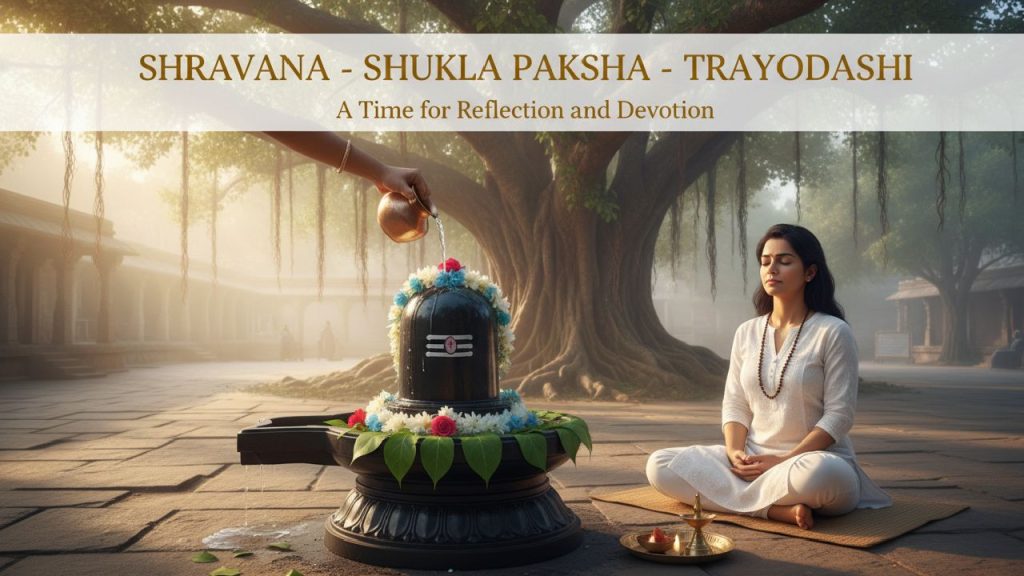
Shravan, also called Sawan in many regions, is one of the holiest months in the Hindu calendar. Devotees dedicate the entire month to Lord Shiva, with Mondays (Shravan Somvar) considered especially sacred. Chandra Darshan, this month, is not only a visual delight but also a spiritual spark that ignites the series of rituals and fasts that follow. Seeing the moon at the start of Shravan is believed to bestow blessings from both the moon god (Chandra Dev) and Lord Shiva, who famously wears the moon on his matted locks.
As the cool monsoon breeze returns, the crescent moon in the sky adds to the spiritual ambiance. Devotees begin their fasting schedules, pilgrimage to Jyotirlingas, and temple offerings after the moon appears. The moon is also considered a calm counterbalance to the intense devotional energy that Shravan brings. Chandra Darshan reminds everyone to maintain emotional balance as they walk the path of devotion and surrender this month.
Bhadrapada Month
Bhadrapada is filled with a festive spirit, especially during Ganesh Chaturthi, a celebration marking the birth of Lord Ganesha. The moon seen on Chandra Darshan marks the countdown to this grand festival. Ironically, there’s also a tradition of avoiding the moon on one specific night during this month to prevent Mithya Dosha (false accusations), based on the mythological tale of Ganesha and Chandra Dev. However, the moon sighting after Amavasya before the prohibited night is considered auspicious and necessary for festival preparations.
Bhadrapada also marks the beginning of Pitru Paksha, a solemn fortnight dedicated to remembering ancestors. Chandra Darshan in this month softens the heart, stirring feelings of gratitude and memory. It’s seen as a spiritual bridge connecting the living with the departed, setting a compassionate tone for rituals like Shraddha and Tarpan. The moon’s presence invokes inner calm as families prepare to honor their forebears.
Ashwin Month
With the arrival of autumn (Sharad Ritu), the sky becomes clearer, and the moonlight gains a certain crispness. Ashwin’s Chandra Darshan brings a refreshing change after the heavy monsoons. The moon seen on this evening is said to restore energy, clear mental fog, and invite clarity of thought. It becomes easier to meditate fast and engage in long prayers under this luminous sky.
Ashwin is celebrated for the grand Sharadiya Navratri, nine nights dedicated to Goddess Durga. Chandra Darshan, at the start of this month, signals the beginning of spiritual cleansing and divine celebration. As devotees prepare for fasting, dancing (Garba), and rituals, the moon serves as a divine marker, guiding the heart toward inner strength and purity. It is both a celebration and a surrender to the goddess’s fierce grace.
Kartik Month
Kartik is revered as one of the most spiritually powerful months. It is said that even a single good deed done in this month yields immense blessings. Chandra Darshan marks the beginning of this sacred journey, and the moon becomes a companion in daily rituals, such as the Kartik Snan, an early morning ritual of river bathing. Bathing under the open sky after spotting the moon enhances spiritual merit and brings inner joy.
One of the major highlights of this month is Tulsi Vivah, the symbolic wedding of the Tulsi plant (also known as holy basil) with Lord Vishnu. This ceremonial event typically occurs after Dev Uthani Ekadashi, but its preparation and spiritual ambiance begin with Chandra Darshan. Moon worship in Kartik is believed to cleanse the soul of sins and align it with divine vibrations, making it a month of forgiveness, faith, and fulfillment.
Margashirsha Month
Margashirsha is a deeply devotional month strongly linked with Lord Krishna. The Bhagavad Gita was delivered during this time, and Gita Jayanti is celebrated with recitations and deep reflection. Chandra Darshan, observed during this month, is often accompanied by silence and devotion, allowing the wisdom of Krishna’s words to settle in the heart. The moon, subtle and steady, mirrors the equanimity Krishna teaches.
Often referred to in scriptures as the “best of months,” Margashirsha is ideal for self-study, service, and spiritual sadhana. The first moon sighting is said to bless seekers with clarity, truth, and grace. It fosters inner harmony and serves as a reminder of the divine presence in one’s life, even in moments of stillness.
Pausha Month
Pausha is marked by shorter days and longer nights, a time when the inner world becomes more prominent. Chandra Darshan during this month becomes an anchor in the extended darkness, encouraging deep meditation and reflection. Many observe strict vratas and engage in practices related to Brahma, the Creator, seeking guidance and focus.
The moon’s calm and calming energy serves as a spiritual guide during this introspective period. It allows seekers to journey inward without fear or distraction. It’s a powerful time for clearing mental confusion, setting strong resolutions, and rejuvenating the soul during the stillness of winter.
Magha Month
Magha is known for its holy bathing rituals in rivers and sacred gatherings, such as the Kumbh Mela. Chandra Darshan serves as a beacon to mark the beginning of this sacred season. The moon’s glow symbolizes purity and readiness, and people begin waking up before dawn for the Magha Snan, inspired by this lunar cue.
Along with bathing rituals, charity (daan) is emphasized during Magha. Seeing the moon inspires acts of compassion, humility, and kindness. The month is spiritually fertile, and Chandra Darshan is like the watering of this fertile ground, nurturing a heart ready to serve and evolve.
Phalguna Month
Phalguna, the final month of the Hindu lunar year, culminates with the vibrant festival of Holi. Chandra Darshan, this month sets a tone of lightness and celebration. Chandra Darshan gently encourages people to let go of their grudges, prepare for forgiveness, and open their hearts to joy and happiness.
This month is drenched in the sweetness of Radha and Krishna’s divine love. The moon becomes a romantic and spiritual witness to the bhakti (devotion) of countless hearts. From Holika Dahan to Holi, the moon’s phases are closely observed, and the joy it brings resonates in songs, prayers, and community gatherings.
Chandra Darshan Rituals and Practices
Chandra Darshan, though rooted in ancient tradition, is simple in practice and deeply powerful. It’s one of those rare spiritual rituals that ask for very little from the outside but offer profound internal benefits when done with sincerity. While practices may vary slightly from region to region, some core elements remain consistent across Hindu households.
Basic ritual: Sighting the moon and offering Arghya (water)
The most essential part of Chandra Darshan is simply sighting the moon after Amavasya. This moment of “darshan” is seen as a spiritual interaction, an acknowledgment of Chandra Dev’s return to visibility. The practitioner faces the western sky just after sunset, waits for the first sliver of the moon to appear, and then offers Arghya, which involves pouring water slowly from a copper or silver vessel with folded hands and deep reverence.
This act isn’t just symbolic. The flowing water, offered with devotion, is believed to carry prayers, cleanse emotional blockages, and harmonize the inner body with cosmic rhythms. It’s a beautiful reminder that nature doesn’t demand grandeur, just awareness and gratitude.
Reciting the Chandra Gayatri, or Moon Mantra
Chanting mantras during Chandra Darshan amplifies the spiritual potency of the moment. The Chandra Gayatri mantra, or the simple “Om Chandraya Namah,” is often recited aloud or silently in the mind. This sound vibration resonates with the moon’s subtle energy, creating a calming effect that soothes the nervous system and centers the mind.
Devotees may light incense and a diya (lamp) and sit for a few minutes facing the moon while chanting. These mantras serve not only as rituals but also as tools for inner alignment, helping thoughts settle like peaceful waters under the moonlight.
Offering white flowers, rice, and milk
The moon is associated with purity, softness, and nourishment. Offerings made to Chandra Dev are always light-colored and calming in nature. White flowers, such as jasmine or lotus, uncooked rice grains, and a small bowl of raw milk are placed in front of the moon or on a home altar while the moon is visible.
These offerings symbolize purity of heart, clarity of mind, and emotional openness. It’s a soft yet powerful way to open the heart and express love, humility, and surrender.
Observing silence or Sankalpa (spiritual vow)
Some choose to observe silence (Mauna) for a few hours before and after Chandra Darshan. This isn’t just about not speaking; it’s about listening deeply, not just to others, but to your inner voice. It allows the subtle energies of the moon to be absorbed without distraction.
Others take a Sankalpa, a spiritual vow or intention for the upcoming lunar cycle. This could be as simple as committing to truthfulness, letting go of anger, or practicing compassion daily. The moon becomes a gentle witness to that promise.
Mythological References to Moon Worship
The moon is more than a planet in Hindu cosmology; it is a living, breathing deity known as Chandra Deva, richly woven into mythological lore, spiritual teachings, and cosmic order. These stories help illuminate not just the origin of moon worship but its deeper emotional and symbolic layers.
Moon in Hindu mythology: Chandra Deva as a deity
Chandra is often described in the Vedas as a beautiful, radiant deity who moves through the sky in a chariot drawn by ten white horses. He is considered the ruler of Monday (Somvar) and governs the mind, emotions, and fertility. He is married to 27 Nakshatras (lunar constellations), each representing a night in the lunar month.
In these stories, Chandra is portrayed as charming and benevolent, yet also moody and passionate. His waxing and waning symbolize the fluctuation of human emotions, which makes him relatable to all beings. Worshipping Chandra is a way to find emotional balance and invoke peace.
Stories of Daksha, Soma, and the Moon’s waning curse
One of the most well-known myths involving Chandra revolves around King Daksha, who married his 27 daughters, the Nakshatras, to Chandra. However, Chandra favored only Rohini, causing jealousy and unrest. Daksha cursed him to fade away, leading to the waning of the moon.
To counter this curse, Chandra sought refuge in Lord Shiva, who partially restored his powers and placed him on his head as a mark of honor. This story illuminates the moon’s cycles, serving as a reminder that even celestial entities encounter challenges and seek solace in the divine.
Chandra’s association with Lord Shiva’s matted hair
Lord Shiva is often depicted with a crescent moon on his head, symbolizing time, rhythm, and emotional control. The moon rests in Shiva’s matted locks as a sign of cosmic integration, where even the fluctuating energies of Chandra are brought under divine control.
This imagery teaches that while emotions may rise and fall like tides, anchoring them in divine consciousness (symbolized by Shiva) brings inner peace. It also reaffirms that moon worship isn’t just a tradition, it’s a profound spiritual metaphor.
Role in Krishna’s birth chart (Rohini Nakshatra)
According to scriptures, Lord Krishna was born under Rohini Nakshatra, the most beloved of Chandra’s wives. The Moon rules this Nakshatra, representing beauty, charm, and divine love. The moon’s influence in Krishna’s horoscope emphasizes his enchanting nature and emotional intelligence.
Devotees of Krishna often worship the moon as a symbol of his divine birth, especially on occasions such as Janmashtami. It reinforces the idea that moonlight is a medium of bhakti (devotion) and an eternal companion in the seeker’s path.
Chandra Darshan and Emotional Healing
One of the most beautiful gifts of the moon is its healing presence, especially in times of emotional fatigue or mental restlessness. Chandra Darshan offers not just a spiritual reset but a deeply therapeutic space for emotional balance, self-care, and intuitive wisdom.
Moonlight as therapy for mental well-being
Modern science acknowledges the psychological impact of natural light, and moonlight is no exception. Sitting under the gentle glow of the moon, especially during Chandra Darshan, helps soothe the nervous system, reduce mental clutter, and release pent-up emotions. It’s a kind of celestial therapy that doesn’t require words, just presence.
Reducing anxiety, sleeplessness, and emotional turbulence
People who struggle with insomnia or anxiety often find relief in moon meditation. Its soft light relaxes the eyes and mind. Many spiritual traditions recommend gazing at the moon to reduce anger, restlessness, or grief. It acts like an emotional balm, quiet, cooling, and deeply comforting.
Balancing Ida Nadi (cooling energy channel)
In yogic science, the Ida Nadi,the left energy channel, is associated with the moon. It governs cooling, feminine, introspective energies. Chandra Darshan stimulates this channel, allowing a more profound sense of receptivity, surrender, and inner peace. Balancing the Ida Nadi promotes emotional harmony and helps prevent burnout.
Promotes intuition, creativity, and peace
The moon isn’t just about calming the mind; it’s also about awakening inner knowing. Chandra Darshan supports practices like journaling, painting, or intuitive prayer. It encourages creativity to flow, not through force, but through grace. It’s a moment to pause, receive, and reconnect with one’s own heart.
Scientific and Cosmic Perspectives
While rooted in tradition, Chandra Darshan also has fascinating alignments with science and nature. The moon’s cycles influence not just religious calendars but also biological rhythms, mood patterns, and environmental energies. Seeing the moon through a scientific lens only deepens appreciation for its role in life.
Lunar cycles and their biological effects
Humans have evolved with the lunar rhythm. From menstrual cycles to sleep quality, the moon influences multiple biological processes. Studies show that sleep may become lighter and dreams more vivid during full moons, and moods can shift with lunar phases. Observing Chandra Darshan aligns us with this natural rhythm, creating more harmony within the body.
Influence on circadian rhythms and human moods
Circadian rhythms, our internal 24-hour clocks, are primarily guided by sunlight, but moonlight also plays a subtle role, especially during the early hours of the night. Moon exposure can influence the release of melatonin, a hormone that regulates the sleep cycle. It’s no surprise that ancient cultures used moon phases to decide activity, rest, and ritual.
Reflection of sunlight: A metaphor for inner light
The moon doesn’t shine on its own; it reflects sunlight. This physical fact becomes a powerful spiritual metaphor: we, too, reflect the divine light when our inner selves are still and open. Chandra Darshan teaches that beauty, peace, and guidance often come from reflecting, not projecting.
Moon’s magnetism and water regulation in the body
The moon’s gravitational pull affects ocean tides, and since the human body is over 70% water, it naturally influences emotions, hydration, and energy flow. Moon worship can, therefore, be considered harmonizing internal tides, bringing calm to emotional “waves,” and restoring balance.
Cultural and Regional Diversity in Chandra Darshana
Chandra Darshan’s ability to seamlessly blend into India’s rich cultural and regional diversity is one of its most beautiful aspects. While moon-sighting remains a common practice, its observation, celebration, and associated emotions vary widely across different parts of the country. These variations are not contradictions; they’re vibrant reflections of regional values, seasonal priorities, and devotional styles. Let’s explore how different corners of India welcome the first glimpse of the moon after Amavasya.
North Indian Practices: Observances in Uttar Pradesh, Bihar, and Rajasthan, especially during Chaitra and Kartik
In North India, the Chaitra and Kartik months hold a special charm. People in Uttar Pradesh, Bihar, and Rajasthan often gather on rooftops or courtyards after sunset on the day following Amavasya, waiting patiently to spot the new moon. This isn’t just about astronomy; it’s a profoundly emotional moment rooted in tradition and togetherness.
During Chaitra, this practice is tied closely with the New Year (in many Hindi-speaking regions) and the onset of Chaitra Navratri, when preparations begin with moon-sighting and simple offerings. In Kartik, Chandra Darshan becomes part of a larger spiritual landscape that encompasses Kartik Snan, Tulsi Vivah, and the rituals that follow Diwali. Women in many families also break their monthly vrata (fast) only after seeing the moon, blending devotion with discipline.
South Indian Traditions: Emphasis on moon rituals during Shravan and Margashirsha in Tamil Nadu, Karnataka, and Andhra Pradesh
In the South, particularly in Tamil Nadu, Karnataka, and Andhra Pradesh, Chandra Darshan is seamlessly incorporated into Shravan and Margashirsha practices. During Shravan, moon worship becomes part of Somvar Vrat observances, where devotees, especially women, offer water and flowers to Lord Shiva, often doing so after sighting the crescent moon.
In Margashirsha, considered sacred for the worship of Lakshmi and Vishnu, Chandra Darshan marks the beginning of devotional activities. Homes are decorated with kolams (rangoli), lamps are lit, and the first sight of the moon is greeted with folded hands and chants like “Om Chandraya Namah.” Children are also taught to identify the phases of the moon during this time, linking spiritual wisdom with natural education.
Eastern Beliefs: In Bengal and Odisha, moon worship aligns with Durga and Lakshmi rituals
In the Eastern states of West Bengal and Odisha, the moon is viewed not just as a celestial object but as a living witness to many divine occurrences. During Ashwin, the moon’s reappearance after Amavasya aligns beautifully with the countdown to Durga Puja. The Sharadiya Navratri celebrations begin with rituals that often acknowledge the return of light, both solar and lunar.
Similarly, Kojagari Lakshmi Puja on Ashwin Purnima sees devotees offering kheer, lotus flowers, and water to the full moon, celebrating prosperity, patience, and peace. Even though Chandra Darshan technically refers to the new moon sighting, the entire lunar cycle is revered in these regions, and the moon’s transition after Amavasya is closely tracked with heartfelt devotion.
Western Observances: Maharashtra and Gujarat link Chandra Darshan with fast-breaking days and festival countdowns
In Maharashtra and Gujarat, Chandra Darshan plays a vital role in the rhythm of fasting and feasting. Many households observe monthly fasts (vratas) tied to Amavasya, and the fast is traditionally broken only after seeing the moon the following evening. In Gujarat, this practice is often accompanied by light snacks, white sweets, and silent gratitude under the night sky.
During Bhadrapada, the moon seen after Amavasya is especially significant, as it marks the beginning of the countdown to Ganesh Chaturthi. In Kartik, it becomes part of the Diwali Parva (festive sequence) and sets the tone for Tulsi Vivah and Bhaubeej (Bhai Dooj) rituals. The moon here is treated not just as a planet but as a timely companion in the journey of devotion and celebration.
Embracing the Moon’s Message
Chandra Darshan is far more than an ancient observance; it’s an opportunity to pause, reflect, and realign with nature’s deeper rhythm. Each crescent moon after Amavasya serves as a whisper from the cosmos, reminding us that light always returns, no matter how dark the night may be.
Chandra Darshan is a reminder to reflect and renew
Every moon sighting is a chance to start again. Whether it’s a forgotten dream, a delayed habit, or a heart that needs healing, the moon invites us to begin anew. It says, “You don’t need to have it all figured out. Just be present. Just be open.”
Harmonizing with nature’s rhythms through lunar worship
The lunar calendar is nature’s way of organizing time with a sense of feeling. By syncing with it through Chandra Darshan, we move in harmony with seasonal energies, emotional waves, and cosmic shifts. This alignment brings grace and flow into our daily lives.
Cultivating emotional clarity and spiritual alignment
The moon reminds us to slow down and return to what truly matters: peace, connection, and authenticity. By simply watching the moon with presence, we reconnect with our emotional truths and rediscover the still center within.
Reinforcing the cosmic connection in daily life
At its core, Chandra Darshan is a practice of remembrance. It reminds us that we are part of something vast, luminous, and eternal. Each moonrise is an opportunity to look up and remember to see not just the moon, but the light it reflects within ourselves.